Cultivating a thriving philodendron indoors is achievable with the right knowledge and care. This comprehensive guide provides a detailed roadmap, covering essential aspects from selecting the perfect variety to troubleshooting common growth challenges. Discover the secrets to nurturing your indoor philodendron into a vibrant and healthy specimen.
This guide delves into the intricacies of philodendron care, equipping you with the knowledge to understand their unique needs and preferences. From optimal lighting conditions and watering techniques to soil composition and fertilization strategies, you’ll gain a profound understanding of what it takes to create the ideal indoor environment for your philodendron.
Introduction to Philodendron Indoor Growth
Philodendrons, a diverse group of tropical plants, are popular choices for indoor cultivation due to their attractive foliage and relatively easy care. Their adaptability makes them a rewarding addition to any home environment, offering a touch of lush greenery to brighten spaces. Many varieties thrive in indoor conditions, providing a pleasing aesthetic and a sense of connection with nature.A variety of philodendron species are well-suited for indoor environments.
Their adaptability allows for diverse choices, each with unique characteristics. These plants range from the classic heart-shaped leaves of the ‘Brasil’ to the striking, variegated patterns of certain hybrids. Proper care ensures that these beautiful plants flourish indoors.
Suitable Philodendron Varieties for Indoor Growth
Various philodendron varieties excel in indoor settings. The ‘Brasil’ is a popular choice, known for its classic heart-shaped leaves. Other varieties, such as the ‘Moonlight,’ exhibit a striking variegation, adding a touch of elegance to indoor spaces. The ‘Xanadu’ philodendron stands out with its unique, broad leaves. Choosing a philodendron type that suits your aesthetic preferences and available space ensures a successful indoor growing experience.
General Requirements for Indoor Philodendron Growth
Successful philodendron growth relies on several key factors. Adequate lighting is essential for maintaining healthy foliage. Indirect sunlight, such as that provided by an east-facing window, is often ideal. Avoiding direct sunlight prevents leaf scorching. Maintaining the appropriate moisture level is critical.
Watering should be done when the top inch of soil feels dry to the touch. Excessive watering can lead to root rot. Maintaining a moderate level of humidity also contributes to the plant’s well-being. Grouped plants or using a humidifier can help achieve this.
Common Mistakes Beginners Make
Several common errors can hinder the success of indoor philodendron cultivation. Overwatering is a frequent mistake, leading to root rot. Underwatering can also cause issues, resulting in wilting and leaf drop. Insufficient light can stunt growth and result in pale or yellowing leaves. Neglecting proper drainage and pot selection can also contribute to problems.
These pitfalls are easily avoided with a little understanding of philodendron care.
Importance of Pot Selection and Soil Composition
Selecting the right pot and soil is crucial for the health and vitality of your philodendron. A pot with adequate drainage holes prevents waterlogging. A well-draining potting mix is also essential, as it allows for proper aeration and nutrient uptake. A mix of peat moss, perlite, and vermiculite creates an ideal growing medium. The correct pot size and soil composition are crucial for the plant’s development and overall health.
| Pot Size | Soil Composition |
|---|---|
| Appropriate for root system | Well-draining, aerated |
Proper pot selection and soil composition are critical aspects of philodendron care.
Light Requirements and Positioning

Philodendrons, renowned for their adaptability, thrive in various indoor environments. However, proper light conditions are crucial for optimal growth and vibrant foliage. Understanding the light requirements and choosing the right positioning will significantly impact the health and beauty of your philodendron.Proper lighting is vital for a philodendron’s overall well-being, affecting its growth rate, leaf size, and overall aesthetic appeal.
Different philodendron varieties have varying light preferences, and understanding these nuances will allow you to provide the ideal environment for your specific plant.
Types of Indoor Lighting
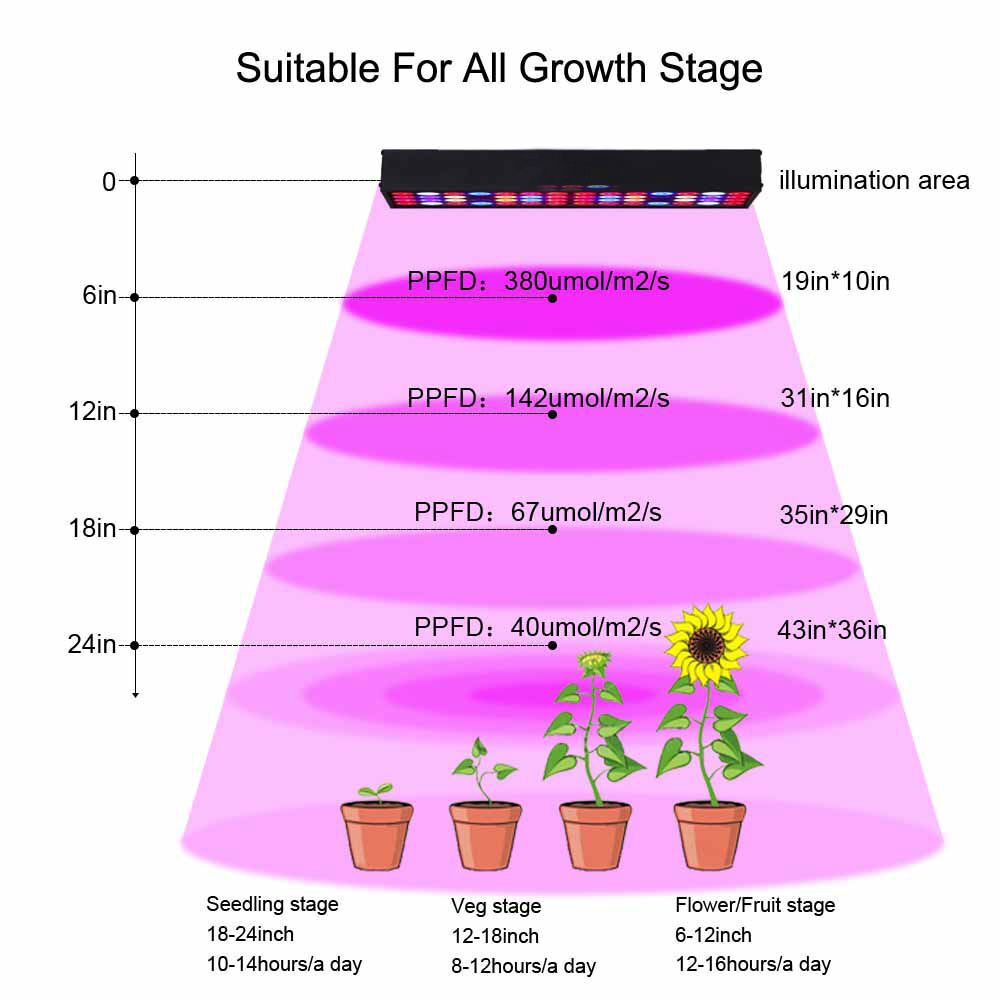
Various indoor lighting options are suitable for philodendrons, each with its own characteristics. Natural sunlight, often the most desirable source, can vary in intensity and spectrum depending on the time of day and the direction of the window. Artificial lighting, such as fluorescent or LED grow lights, provides consistent illumination and can be strategically used to supplement natural light or provide complete illumination in areas with limited natural light.
The type of light will affect the plant’s growth rate and coloration.
Determining Ideal Light Position
The ideal light position for a philodendron depends on the specific variety. Some philodendron types are more tolerant of low light conditions than others. Observing the plant’s current growth and foliage can help you determine if the current light level is appropriate. For instance, a plant with pale or yellowing leaves may be receiving insufficient light, while a plant with scorched or brown tips might be exposed to excessive direct sunlight.
Philodendron Light Needs Comparison
The following table provides a general comparison of light needs for different philodendron types. Note that these are guidelines; individual plants may have slightly different requirements.
| Philodendron Variety | Light Requirements |
|---|---|
| Heartleaf Philodendron | Bright, indirect light; can tolerate low light but growth will be slower. |
| Brasil Philodendron | Bright, indirect light; prefers more light than Heartleaf but not direct sunlight. |
| Pink Princess Philodendron | Bright, indirect light; can tolerate low light but growth will be slower and the pink hue might be less vibrant. |
| Xanadu Philodendron | Moderate to bright, indirect light; avoid direct sunlight. |
| Monstera Deliciosa (sometimes considered a philodendron) | Bright, indirect light; can tolerate low light but growth and variegation will be impacted. |
Negative Effects of Insufficient or Excessive Light
Insufficient light can lead to stunted growth, pale or yellowing leaves, and reduced vigor in philodendrons. Overexposure to direct sunlight, on the other hand, can cause leaf burn, resulting in brown or scorched leaf tips and edges. The intensity of the light and the duration of exposure are both crucial factors in determining the plant’s health and well-being.
Light Positions and Suitability
The following table Artikels different light positions and their suitability for various philodendron types. Remember that these are general guidelines; adjust based on your specific environment and plant.
| Light Position | Philodendron Types Suitable | Additional Notes |
|---|---|---|
| East-facing window | Most philodendron varieties, especially Heartleaf and Pink Princess | Provides gentle morning sun; ideal for most types. |
| West-facing window | Most philodendron varieties, especially Brasil and Xanadu | Provides afternoon sun; suitable for philodendrons needing bright, indirect light. |
| South-facing window | Brasil, Xanadu | Strong sunlight; requires careful monitoring and potential shading during peak hours. |
| North-facing window | Heartleaf, Pink Princess | Low light; suitable for varieties that tolerate low light conditions. |
| Artificial Lighting | All philodendron varieties | Provides consistent light, but needs careful monitoring to avoid overheating. |
Watering and Humidity Management
Philodendrons thrive in consistently moist but well-drained soil. Maintaining the correct watering schedule and humidity levels is crucial for their health and vibrant growth. Ignoring these factors can lead to root rot, yellowing leaves, and stunted growth. This section details optimal watering practices and humidity management techniques.
Optimal Watering Schedule
Proper watering is paramount to a philodendron’s health. The frequency of watering depends on several factors, including pot size, environmental conditions, and the plant’s overall size. Smaller pots require more frequent watering than larger ones as they dry out faster. Similarly, plants in warmer, drier environments will need more frequent watering than those in cooler, more humid conditions.
A general guideline is to water when the top inch or two of soil feels dry to the touch. This method ensures that the soil is consistently moist but not waterlogged, preventing root rot. Using your finger to check the soil moisture is an easy and effective way to determine when to water.
Drainage and Waterlogging Prevention
Adequate drainage is essential for preventing waterlogging. Waterlogging deprives roots of oxygen, which can lead to root rot and eventually kill the plant. Ensure your pot has drainage holes to allow excess water to escape. If your pot does not have drainage holes, consider repotting into a pot with appropriate drainage.
Using a pot with appropriate drainage holes, and checking the soil moisture before watering, is critical to preventing root rot and maintaining a healthy philodendron.
Checking Soil Moisture
Before watering, always check the moisture level of the soil. Stick your finger about an inch into the soil to determine if it’s dry. If the soil feels dry, it’s time to water. If the soil is still moist, wait until it dries out further before watering again. This method prevents overwatering and promotes healthy root development.
Increasing Humidity Levels
Philodendrons, originating from tropical regions, prefer higher humidity levels. Low humidity in indoor environments can cause leaf tips to brown and dry out. To increase humidity around your philodendron, consider these methods:
- Grouping plants: Placing your philodendron near other houseplants creates a microclimate with higher humidity.
- Using a humidifier: A humidifier adds moisture to the air, which benefits philodendrons and other plants.
- Placing a tray of water: Placing a tray of water near the plant, ensuring the pot does not sit directly in the water, can increase humidity.
- Regular misting: Misting the leaves with water, but not directly on the stems, helps increase humidity and provide a gentle hydration.
Comparison of Watering Methods
| Watering Method | Effectiveness | Pros | Cons |
|---|---|---|---|
| Finger test | High | Simple, inexpensive, readily available | Subjective, may not be precise |
| Soil moisture meter | High | Precise, objective measurement | Requires purchase, potentially more expensive |
| Watering schedule based on pot size and environment | High | Consistent moisture level | Requires careful observation of plant and environment |
Soil and Potting Mix
Providing the right soil is crucial for a philodendron’s health and vigor. A well-draining and aerated potting mix allows roots to breathe, preventing root rot and promoting healthy growth. The ideal soil composition supports optimal nutrient uptake and prevents waterlogging, a common issue for these plants. Choosing the correct potting mix and pot size is key to establishing a thriving philodendron.
Ideal Soil Composition
Philodendrons thrive in a soil mix that facilitates excellent drainage and aeration. This prevents waterlogging, a common cause of root rot, which is detrimental to the plant’s health. The soil should allow water to drain quickly while retaining enough moisture to sustain the plant between waterings. A balanced mix of organic matter and inorganic components is essential for optimal growth.
Homemade Potting Mix Recipe
A homemade potting mix can be tailored to specific philodendron needs. The following recipe provides a balanced blend for most varieties:
- 2 parts peat moss: Peat moss provides excellent water retention and aeration.
- 2 parts perlite: Perlite improves drainage and prevents compaction.
- 1 part vermiculite: Vermiculite adds moisture retention and prevents root drying.
- 1 part composted bark or coco coir: Adds organic matter and improves drainage, aiding in nutrient retention.
This recipe offers a flexible base. Adjusting the proportions slightly can cater to different philodendron types.
Amending Existing Soil
Improving the drainage of existing soil is often necessary. Adding amendments like perlite, vermiculite, or coarse sand to the existing mix can significantly enhance drainage. The addition of organic matter like composted bark or well-rotted manure will improve the soil’s structure and water retention capacity. Thoroughly mix the amendments into the existing soil, ensuring even distribution.
Importance of Pot Size
Selecting the right pot size is vital for root development. A pot that is too small restricts root growth, hindering the plant’s ability to absorb water and nutrients. A pot that is too large may lead to overwatering issues as the soil retains water longer. The pot should be slightly larger than the root ball to accommodate growth.
Potting Mix Comparison Table
The following table contrasts various potting mixes and their suitability for different philodendron varieties. This comparison aids in selecting the most appropriate mix for the specific philodendron being grown.
| Potting Mix | Suitability for Philodendron Varieties | Pros | Cons |
|---|---|---|---|
| Standard potting mix | Generally suitable for most philodendrons, but may need amendments for better drainage | Readily available | May retain too much water |
| Homemade mix (recipe above) | Highly adaptable to various philodendron types; excellent drainage and aeration | Customizable to specific needs; good water retention | Requires gathering ingredients |
| Coco coir | Excellent water retention and aeration, suitable for most philodendron types | Environmentally friendly; sustainable | Can be prone to compaction if not mixed with other materials |
| Bark chips | Excellent drainage, but requires careful mixing with other components to balance water retention. | Good drainage | May need other amendments to maintain moisture |
Fertilizing and Nutrient Needs
Philodendrons, with their vibrant foliage and relatively easy care, thrive when provided with the right nutrients. Proper fertilization supports healthy growth, vibrant leaf color, and overall plant vigor. This section delves into the optimal fertilization schedule, suitable fertilizer types, and potential signs of nutrient deficiencies or excesses. Understanding these aspects will help ensure your philodendron flourishes indoors.
Optimal Fertilizing Schedule
A balanced fertilization schedule is crucial for philodendrons. Over-fertilizing can harm the plant, while insufficient nutrients can lead to stunted growth and pale leaves. A balanced approach, using a balanced fertilizer formulated for houseplants, provides the essential macro and micronutrients in appropriate proportions. A general guideline is to fertilize regularly during the active growing season (spring and summer) and reduce or cease fertilization during dormancy (fall and winter).
Types of Fertilizers and Application Methods
Various fertilizer types are suitable for philodendrons. Water-soluble fertilizers are convenient and readily available. They dissolve quickly in water, making application straightforward. Applying the fertilizer solution directly to the soil is the common method. Liquid fertilizers are another option, providing a readily absorbed nutrient source.
They are typically diluted according to the manufacturer’s instructions. Solid slow-release granular fertilizers are also available and offer a controlled release of nutrients over time. This method is particularly convenient for infrequent feeding.
Signs of Nutrient Deficiency or Excess
Recognizing signs of nutrient deficiency or excess is essential for maintaining a healthy philodendron. Nutrient deficiencies manifest in various ways. For example, nitrogen deficiency shows as yellowing leaves, particularly on older leaves, whereas a phosphorus deficiency might lead to dark green or purplish leaves. Excess fertilizer, on the other hand, can result in leaf burn, exhibiting as brown or scorched leaf tips or margins.
These visual clues can help you adjust your fertilization routine and ensure your plant receives the right amount of nutrients.
Organic Fertilizers and Their Benefits
Organic fertilizers offer an environmentally friendly way to nourish your philodendron. These fertilizers are derived from natural sources like compost, manure, or seaweed. They release nutrients gradually, promoting a more sustainable and healthier growth pattern. They contribute to improved soil structure and beneficial microbial activity, leading to overall plant well-being. Furthermore, they enhance the soil’s ability to retain moisture, reducing the frequency of watering.
Fertilizer Schedule for Different Growth Stages
| Growth Stage | Frequency | Fertilizer Type |
|---|---|---|
| Active Growth (Spring-Summer) | Every 2-4 weeks | Balanced liquid or water-soluble fertilizer |
| Moderate Growth (Fall) | Every 4-6 weeks | Balanced liquid or water-soluble fertilizer |
| Dormancy (Winter) | Not needed | No fertilization required |
This table provides a general guideline. Adjust the frequency based on your plant’s specific needs and the environment.
Pruning and Propagation
Philodendron care extends beyond basic needs like watering and light. Regular pruning and propagation are crucial for maintaining a healthy, visually appealing plant and expanding your collection. These techniques allow you to control the plant’s shape, encourage bushier growth, and create new plants from existing ones.Proper pruning and propagation methods are vital for the long-term health and aesthetic appeal of your philodendron.
These techniques not only help maintain a desirable plant form but also allow for the creation of new plants, expanding your collection with ease.
Importance of Pruning
Pruning philodendrons is essential for shaping the plant and encouraging bushier growth. By removing unwanted stems and leaves, you redirect the plant’s energy towards developing new growth, which often leads to a more full and lush appearance. This practice also helps to maintain a balanced and attractive plant form, preventing the plant from becoming overly long or leggy.
Proper Pruning Techniques
The goal of pruning is to maintain the desired plant shape and stimulate new growth. Sharp, clean cuts are crucial to prevent the spread of disease. Use clean, sharp pruning shears or a knife. Cut just above a node (the point where a leaf or stem emerges). Avoid leaving stubs.
Light pruning, removing a few stems or leaves, is often sufficient to maintain a balanced plant.
Propagation from Cuttings
Propagating philodendrons from cuttings is a simple method to create new plants. It leverages the plant’s natural ability to regenerate new roots from stem segments. This process typically involves taking a stem cutting and encouraging it to grow roots in a suitable environment. It is a cost-effective way to increase your philodendron collection.
Preparing and Rooting Cuttings
Proper preparation and rooting of cuttings are essential for success in propagation. Select healthy, non-flowering stems with several nodes. Cut the stem at a 45-degree angle just below a node using clean, sharp pruning shears. Remove the lower leaves from the cutting to expose the nodes, which are vital for root development. Place the cutting in a well-draining potting mix or rooting hormone.
Maintain consistent moisture and warmth for optimal rooting. Place the cutting in a humid environment or use a clear plastic bag to retain moisture and increase humidity. Regular monitoring and adjustments to the environment are critical for successful rooting.
Table of Pruning Techniques
| Pruning Technique | Description | Benefits |
|---|---|---|
| Light Pruning | Removing a few leaves or stems to maintain shape and encourage new growth. | Maintains a balanced shape, encourages bushier growth. |
| Heavy Pruning | Removing significant portions of the plant to reshape or rejuvenate. | Reshapes the plant, promotes vigorous new growth, revitalizes older plants. |
| Deadheading | Removing spent flowers or dead leaves. | Promotes energy towards new growth and prevents the plant from wasting resources on decaying material. |
Common Pests and Diseases
Maintaining a healthy philodendron indoors requires vigilance against common pests and diseases. Early detection and appropriate action are crucial for preventing widespread infestations and ensuring the plant’s well-being. Proper care practices, such as maintaining optimal environmental conditions, play a significant role in disease prevention.
Identifying Pest and Disease Signs
Recognizing the symptoms of pest or disease infestations is the first step toward effective treatment. Various signs indicate potential problems. These visual cues can range from subtle discoloration to more obvious physical damage. Early detection allows for timely intervention and prevents severe damage to the plant.
Controlling Pests and Diseases
Preventing pest and disease issues is always preferable to dealing with them after they arise. Implementing proactive measures, such as maintaining good air circulation and providing adequate light, can significantly reduce the risk of infestation. Regular inspections of the plant and its surroundings are essential to catch problems early.
Methods for Pest Control
A variety of methods can be used to manage common philodendron pests. These methods range from simple preventative measures to more involved treatments. In some cases, a combination of approaches may be necessary for effective control. Maintaining a healthy plant with good overall care minimizes the likelihood of pest infestation.
- Prevention through Proper Care: Consistent watering, appropriate humidity levels, and providing sufficient light can strengthen the plant’s natural defenses, reducing its susceptibility to pests and diseases. Healthy plants are less likely to attract or succumb to infestations.
- Physical Removal: For small infestations, particularly with pests like aphids or mealybugs, physical removal using a cotton swab dipped in rubbing alcohol or a gentle stream of water can be effective. Regular checks are key to addressing these issues before they escalate.
- Insecticidal Soap or Neem Oil: Insecticidal soap and neem oil are effective, environmentally friendly options for controlling various pests. These treatments are typically safe for use on philodendrons and other houseplants, with proper application according to product instructions.
Methods for Disease Control
Diseases, often caused by fungal or bacterial infections, can also affect philodendrons. Prompt action is vital to prevent the spread of the disease to other parts of the plant or to neighboring plants.
- Quarantine: If you notice any signs of disease in one plant, isolate it immediately to prevent the spread to other plants. This is a crucial step in controlling the spread of disease.
- Pruning: Remove affected leaves or stems as soon as possible to prevent the disease from spreading. This practice is important for maintaining the overall health of the plant.
- Adjusting Environmental Conditions: Diseases often thrive in humid and poorly ventilated environments. Adjusting watering practices, improving air circulation, and increasing light exposure can create conditions less favorable for disease development. Careful observation and adaptation of environmental conditions are vital for prevention.
Common Pests, Diseases, and Control Methods
| Pest/Disease | Signs | Control Methods |
|---|---|---|
| Aphids | Small, sap-sucking insects, often clustered on leaves; yellowing or curling leaves. | Insecticidal soap, neem oil, or water spray. |
| Mealybugs | Small, white, cottony insects, often found on stems and undersides of leaves; sticky residue. | Rubbing alcohol, insecticidal soap, or neem oil. |
| Spider mites | Fine webbing between leaves; stippling or discoloration of leaves. | Increase humidity, insecticidal soap, or neem oil. |
| Root rot | Wilting, yellowing leaves; mushy stems; bad odor. | Reduce watering frequency, improve drainage, repot in fresh soil. |
| Fungal leaf spots | Small spots on leaves; often brown, black, or yellow; leaf drop. | Improve air circulation, reduce humidity, remove affected leaves. |
Troubleshooting Indoor Philodendron Growth Issues

Maintaining healthy indoor philodendrons requires vigilance and a keen eye for potential problems. Recognizing and addressing issues promptly can prevent further damage and ensure your plant thrives. This section provides a comprehensive troubleshooting guide for common growth problems.
Yellowing Leaves
Yellowing leaves are a common indicator of stress in philodendrons. Several factors can contribute to this issue, ranging from environmental factors to nutritional deficiencies.
- Insufficient Light: Philodendrons, while adaptable, require adequate light to thrive. Insufficient light can cause yellowing, particularly on older leaves. If your philodendron is receiving insufficient light, consider relocating it to a brighter spot, but avoid direct, intense sunlight that could scorch the leaves.
- Overwatering or Underwater: Both extremes can lead to yellowing. Overwatering can lead to root rot, depriving the plant of essential nutrients and causing yellowing, often starting from the lower leaves. Underwatered plants show yellowing as well, but the leaves may appear crispy or brown as well. Ensure your soil is consistently moist but not waterlogged. Feel the soil’s moisture to determine if it needs watering.
- Nutrient Deficiency: Lack of essential nutrients, like nitrogen, can manifest as yellowing, particularly in younger leaves. Regular fertilization with a balanced houseplant fertilizer can help address this issue. Follow the instructions on the fertilizer package carefully to avoid over-fertilizing.
- Temperature Fluctuations: Philodendrons prefer consistent temperatures. Extreme temperature changes can stress the plant and lead to yellowing leaves. Ensure the plant is placed in a location with a consistent temperature.
Drooping Stems
Drooping stems in a philodendron often point to a water-related issue or an environmental stressor.
- Overwatering: Excessive watering can lead to root rot, hindering the plant’s ability to absorb water and nutrients, causing the stems to droop. Reduce watering frequency and allow the soil to dry out slightly between waterings.
- Underwatering: If the soil is consistently dry, the plant may not have sufficient water to support the stems, causing them to droop. Increase watering frequency to keep the soil consistently moist.
- Lack of Humidity: Philodendrons thrive in humid environments. Low humidity can cause the leaves to dry out, resulting in drooping stems. Increase humidity around the plant using a humidifier or placing a tray of water near it.
- Temperature Stress: Exposure to extreme temperatures, whether too hot or too cold, can stress the plant, causing the stems to droop. Ensure the plant is placed in a location with a stable temperature range.
Stunted Growth
Stunted growth in philodendrons can stem from various factors, impacting the overall health of the plant.
- Insufficient Light: Philodendrons require sufficient light for photosynthesis, the process that fuels growth. Insufficient light limits the plant’s ability to produce energy, hindering growth.
- Nutrient Deficiency: Essential nutrients are vital for proper growth. A lack of essential nutrients like nitrogen, phosphorus, and potassium can result in stunted growth. Use a balanced houseplant fertilizer regularly.
- Poor Drainage: If the potting mix does not drain properly, the roots can become waterlogged, leading to stunted growth and potential root rot.
- Pot Size: If the pot is too small, the roots may become cramped, restricting the plant’s ability to absorb nutrients and water, hindering growth.
Closure
In conclusion, successfully growing philodendrons indoors requires a holistic approach that considers their specific needs. By understanding light requirements, watering schedules, soil composition, and potential problems, you can cultivate healthy and vibrant plants. This guide provides a complete resource for achieving your indoor gardening goals.