How to Garden with AI tips in 2025 sets the stage for a fascinating exploration of the evolving relationship between technology and horticulture. This comprehensive guide delves into the anticipated impact of artificial intelligence on gardening practices, offering practical insights into the tools, techniques, and potential benefits of AI-assisted methods.
The year 2025 promises a significant shift in how we approach gardening, with AI poised to revolutionize every stage from initial planning to ongoing maintenance. This detailed exploration will cover everything from the basic principles of AI in gardening to the advanced applications of AI-powered tools, providing readers with a clear understanding of the future of this rewarding hobby.
Introduction to AI in Gardening 2025

Artificial intelligence (AI) is poised to revolutionize gardening practices in 2025, offering unprecedented levels of precision and efficiency. From optimizing planting schedules to automating irrigation and pest control, AI will transform the way we cultivate our gardens. This evolution will be driven by advancements in machine learning, enabling systems to analyze vast amounts of data to provide tailored recommendations for each garden’s unique needs.AI’s influence will be felt across all stages of gardening, from initial planning to the ongoing maintenance of established plots.
The result will be more productive gardens, reduced environmental impact, and greater enjoyment for both seasoned gardeners and newcomers. This technology promises to make gardening more accessible and sustainable.
AI-Driven Gardening Planning
Effective garden planning is crucial for maximizing yield and minimizing waste. AI tools can analyze factors such as soil composition, sunlight exposure, and local climate data to recommend the most suitable plant varieties and optimal planting arrangements. This personalized approach ensures plants receive the specific conditions they need for optimal growth, increasing overall success rates. AI can also integrate historical weather data and predict future conditions to inform irrigation schedules, minimizing water waste and ensuring consistent moisture levels.
AI-Assisted Planting and Maintenance
AI-powered systems will automate numerous tasks involved in planting and maintenance. Sophisticated sensors can monitor soil moisture, nutrient levels, and plant health, providing real-time data for targeted interventions. This data-driven approach allows for precise adjustments to watering, fertilizing, and pest control strategies, maximizing plant growth and minimizing environmental impact. Autonomous robotic systems can also perform tasks like weeding and harvesting, freeing up gardeners’ time for other activities.
Traditional vs. AI-Assisted Gardening
| Feature | Traditional Gardening | AI-Assisted Gardening |
|---|---|---|
| Planning | Based on experience and intuition. | Utilizes data analysis and predictive models for optimized layouts and plant choices. |
| Planting | Manual planting based on experience. | Automated planting systems guided by AI algorithms. |
| Watering | Regular manual watering based on observation. | Automated irrigation systems adjust watering based on real-time sensor data. |
| Pest Control | Traditional methods (insecticides, traps) based on visual identification. | AI-powered systems identify and target specific pests with precision. |
| Maintenance | Regular manual weeding, pruning, and harvesting. | Automated systems perform tasks like weeding and harvesting based on plant needs. |
| Resource Use | Potentially higher water and fertilizer consumption due to inconsistent application. | Optimized resource utilization, minimizing waste through precise application. |
| Efficiency | Labor-intensive, time-consuming. | Increased efficiency and reduced time spent on manual tasks. |
AI-Powered Tools and Technologies
In 2025, AI is poised to revolutionize gardening, offering unprecedented levels of precision and efficiency. AI-driven tools are emerging that can analyze soil conditions, identify plant diseases, and optimize irrigation schedules, leading to healthier plants and higher yields. These tools leverage sophisticated algorithms and vast datasets to provide insights that were previously unavailable to the average gardener.
AI-Powered Soil Analysis Tools
AI is transforming soil analysis, moving beyond basic testing to a deeper understanding of soil composition and health. Sophisticated sensors and AI algorithms can analyze soil samples in real-time, providing detailed reports on nutrient levels, pH balance, and moisture content. This data enables personalized recommendations for fertilization and soil amendment strategies, tailored to specific plant needs. For example, an AI-powered soil testing app might identify a deficiency in potassium and recommend a specific fertilizer blend to address the issue.
AI-Powered Plant Identification and Disease Detection Tools
These tools utilize image recognition and machine learning to identify plant species and detect signs of diseases or pests. Mobile apps can analyze images of leaves, stems, or flowers, quickly and accurately identifying plant species, and potential issues like fungal infections or insect infestations. These tools can alert gardeners to potential problems before they escalate, enabling timely interventions.
For instance, a gardener using an app could identify early signs of blight on tomato plants, allowing for prompt treatment to prevent the spread of the disease.
AI-Powered Irrigation Optimization Tools
AI-powered systems can analyze weather patterns, soil moisture levels, and plant water needs to optimize irrigation schedules. These systems can adjust watering frequency and duration automatically, reducing water waste and promoting healthier plant growth. Smart irrigation systems can even predict upcoming droughts and adjust watering schedules proactively.
AI-Powered Pest Detection and Control Tools
AI-powered cameras and sensors can monitor gardens for signs of pests, using image recognition and machine learning to identify insects and other pests. These tools can also assess the level of infestation and recommend appropriate control methods, such as the release of beneficial insects or targeted pesticide application.
Comparison of AI-Powered Gardening Tools
| Tool Type | Key Features | Use Cases |
|---|---|---|
| AI-Powered Soil Analysis | Real-time soil analysis, nutrient level reporting, pH balance measurement, moisture content reporting, personalized recommendations | Optimizing fertilization strategies, identifying soil deficiencies, tailoring amendments to plant needs |
| AI-Powered Plant Identification/Disease Detection | Image recognition, machine learning for plant species identification, disease/pest detection, early warning systems | Identifying plant species, detecting diseases and pests, enabling timely interventions |
| AI-Powered Irrigation Optimization | Analyzing weather patterns, soil moisture, plant needs, automated adjustments, water conservation | Optimizing irrigation schedules, reducing water waste, promoting healthy plant growth |
| AI-Powered Pest Detection/Control | Monitoring for pests, image recognition, infestation level assessment, recommendations for pest control | Early pest detection, appropriate control methods (beneficial insects, targeted pesticides) |
AI for Optimized Planning and Design
Artificial intelligence is rapidly transforming the way we approach gardening, offering powerful tools for personalized planning and design. AI algorithms can analyze a multitude of factors to create optimized layouts, recommend suitable plants, and predict potential challenges, ultimately leading to a more successful and fulfilling gardening experience. This enhanced efficiency and personalized approach is particularly valuable in the context of 2025 gardening, where precise solutions are crucial for dealing with increasingly variable weather patterns and localized environmental conditions.AI algorithms excel at processing large datasets, enabling them to identify complex relationships between various gardening factors.
By incorporating data on climate, soil composition, sunlight exposure, and even the gardener’s personal preferences, AI can create customized garden designs and planting strategies. This personalized approach can lead to healthier plants, greater yields, and a more aesthetically pleasing garden.
Personalization of Gardening Recommendations
AI systems can provide highly personalized gardening recommendations, taking into account the specific needs of the garden and the gardener’s preferences. This personalization is achieved through the analysis of numerous variables. For instance, an AI system can consider factors such as the local climate, soil type, and available sunlight hours. Based on these factors, the system can recommend plants that are well-suited to the environment and are likely to thrive.
Furthermore, the system can take into account the gardener’s desired aesthetic, such as the overall style of the garden or specific plant colors. This detailed consideration of the gardener’s preferences creates a more enjoyable and successful gardening experience.
AI-Driven Garden Design Software
Several AI-powered garden design software programs are emerging. These tools allow gardeners to input information about their property, including dimensions, sunlight exposure, soil type, and water availability. The software then generates various design options, taking into account the input data and incorporating AI-generated recommendations for optimal plant placement. This streamlined approach can help gardeners visualize their dream garden and make informed decisions about plant selection and arrangement.
Specific examples include AI-powered plant identification apps, which can assist gardeners in determining the specific type of plant in their garden and identifying potential issues. These features can be integrated into more comprehensive design platforms.
Examples of AI-Driven Garden Design Software
- Plantopia: This software utilizes machine learning algorithms to generate customized garden designs based on the gardener’s input. It considers climate data, soil type, and plant preferences to recommend suitable species and their optimal placement.
- SunSmart Gardens: This AI-powered platform focuses on maximizing sunlight exposure for plant growth. It assesses the sunlight patterns of a specific location and recommends plant varieties that thrive in those conditions. It provides visualizations of the garden, enabling the user to see how sunlight will impact the garden’s different areas.
- SoilWise Design: This software takes soil type into account, offering plant recommendations and design layouts that cater to the specific characteristics of the soil. It provides recommendations on soil amendments and fertilizers to ensure optimal plant growth and health.
Comparative Analysis of AI Tools for Garden Planning and Design
| Tool | Key Features | Strengths | Weaknesses |
|---|---|---|---|
| Plantopia | Customized designs, plant recommendations, climate considerations | Comprehensive approach, personalized recommendations | Potential for over-reliance on algorithm; may not account for specific microclimates |
| SunSmart Gardens | Sunlight optimization, plant variety suggestions | Focuses on maximizing sunlight for optimal plant growth | Limited to sunlight analysis; may not consider other crucial factors |
| SoilWise Design | Soil type analysis, amendment recommendations | Addresses soil-specific needs, comprehensive soil analysis | May not consider other factors like sunlight or microclimates |
AI-Assisted Plant Care and Maintenance

AI is revolutionizing plant care, offering a proactive and data-driven approach to nurturing gardens. By leveraging sophisticated algorithms and real-time data collection, AI systems can significantly improve plant health, optimize resource allocation, and ultimately lead to more successful and sustainable gardening practices. This proactive approach minimizes the risk of unforeseen issues and allows for preventative measures to be implemented.
AI Monitoring of Plant Health and Growth
AI systems can continuously monitor plant health and growth by employing various data collection methods. These methods include analyzing images of plants using computer vision to detect subtle changes in leaf color, shape, or size. Sophisticated algorithms can identify patterns indicative of nutrient deficiencies, diseases, or pest infestations, even before they become visually apparent. This early detection allows for timely interventions and prevents widespread damage.
Sensors can also collect data on soil moisture, temperature, and light levels. Combining this data with historical information on plant growth patterns allows AI to build predictive models that provide insights into the current health status of the plants.
AI Prediction and Prevention of Pests and Diseases
AI algorithms can analyze historical data on pest and disease outbreaks in specific geographic areas. This data, combined with real-time environmental information, can predict the likelihood of future outbreaks. AI can also identify specific plant varieties susceptible to particular pests or diseases. For example, AI systems could flag a tomato plant in a region known for late blight outbreaks and alert the gardener to implement preventive measures.
This proactive approach allows gardeners to implement preventative strategies before the problem becomes widespread, minimizing potential damage.
AI Adjustment of Watering Schedules
AI systems can analyze real-time environmental conditions, including soil moisture, humidity, temperature, and rainfall patterns, to dynamically adjust watering schedules. By factoring in the specific needs of different plant species and their current growth stages, AI can ensure optimal hydration without overwatering or underwatering. This intelligent watering strategy prevents water waste and promotes healthier plant growth. For example, an AI system might detect a sudden drop in humidity and increase the frequency of watering for a succulent plant to maintain its optimal moisture levels.
Summary of AI Assistance in Plant Care and Maintenance
| Aspect of Plant Care | AI Assistance |
|---|---|
| Plant Health Monitoring | Analyzing images and sensor data to identify early signs of stress, disease, or pest infestations. |
| Pest and Disease Prediction | Analyzing historical data and real-time conditions to predict potential outbreaks and recommend preventive measures. |
| Watering Optimization | Adjusting watering schedules based on real-time environmental conditions and plant needs. |
Data Collection and Analysis for AI in Gardening
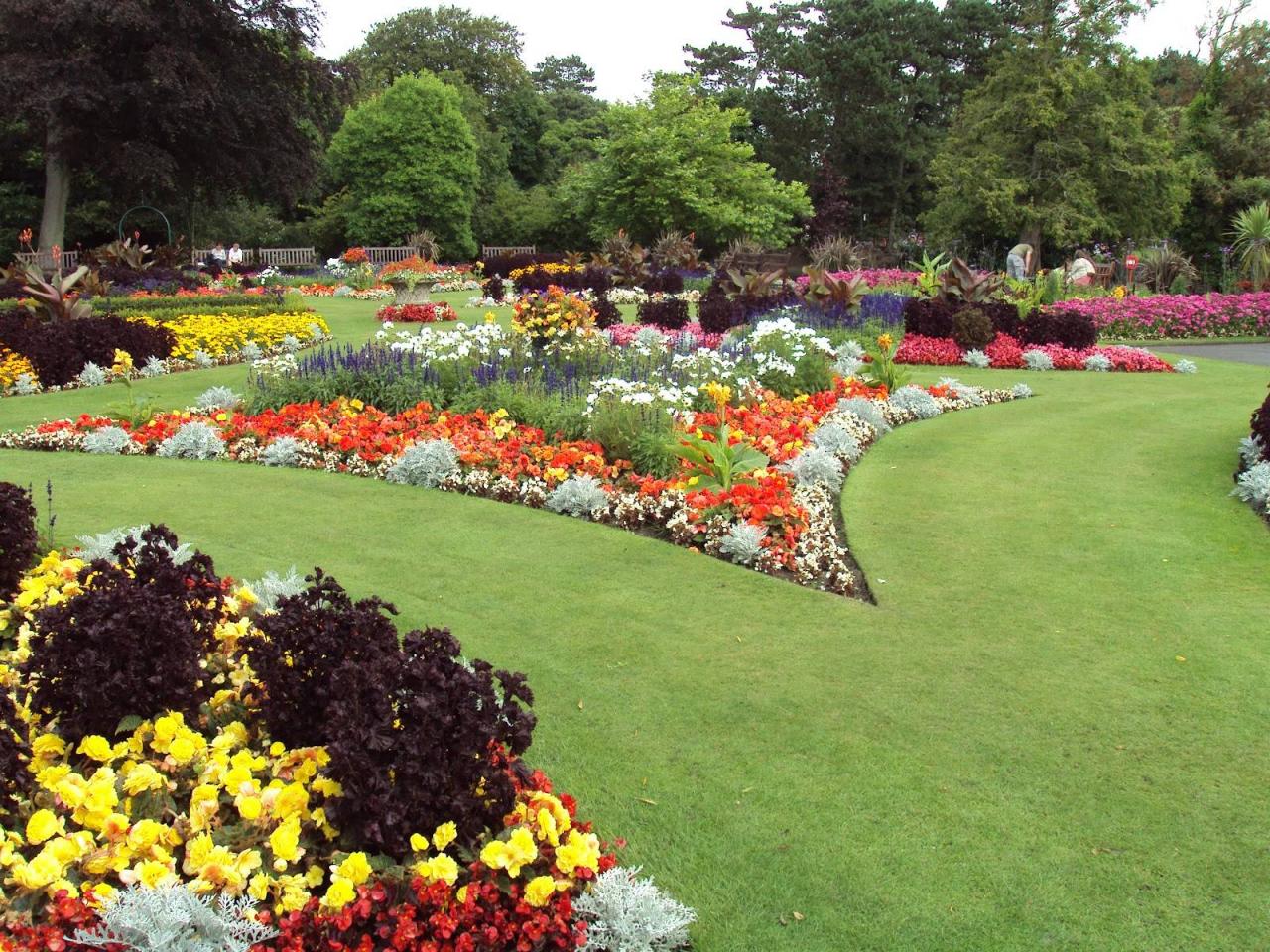
Data collection is fundamental to the development of intelligent gardening systems. By meticulously gathering and analyzing data, AI algorithms can learn patterns and make accurate predictions about plant health, growth, and environmental needs. This process empowers AI to offer personalized recommendations for optimal gardening outcomes. Accurate and comprehensive data input is crucial for AI systems to learn, adapt, and evolve, ultimately leading to more effective and user-friendly gardening experiences.
Data Collection Methods for AI Gardening
Data collection in AI-driven gardening encompasses a wide array of methods, each contributing unique insights into plant and environmental conditions. These methods range from readily available sensors to sophisticated imaging techniques. The diverse approaches allow for a comprehensive understanding of plant health and growth, enabling AI systems to make precise and timely recommendations.
- Environmental Sensors: These devices, such as soil moisture sensors, light sensors, and temperature sensors, provide crucial data about the immediate surroundings of the plants. By measuring factors like soil moisture levels, light intensity, and air temperature, these sensors furnish AI systems with critical information for precise irrigation, lighting, and temperature control recommendations. This continuous monitoring allows AI to adapt to changing conditions, ensuring optimal growth.
- Plant Imaging and Recognition: Sophisticated image recognition algorithms can analyze images of plants to identify various characteristics. These methods involve capturing images of plants using high-resolution cameras and analyzing them to identify disease symptoms, pest infestations, or signs of stress. For example, AI can detect early signs of nutrient deficiencies in leaves by analyzing the color and texture.
This proactive approach allows for timely interventions, maximizing plant health.
- User-Generated Data: Integrating user input, such as gardening practices, observations, and preferences, significantly enhances the learning capabilities of AI systems. Detailed records of watering schedules, fertilization routines, and plant responses to various treatments provide valuable context to the AI model. This combined data enhances the AI’s understanding of the specific needs of individual plants and gardens, leading to personalized recommendations.
Role of Sensors and Data-Gathering Devices
Sensors and data-gathering devices are pivotal in providing the necessary information for AI-driven gardening tools to function effectively. Their role extends beyond simple data collection; they enable real-time monitoring and dynamic adaptation to changing conditions. This constant feedback loop empowers AI to offer precise recommendations for optimal growth and health.
- Real-time Monitoring: Sensors provide real-time data on critical factors such as soil moisture, temperature, and light levels. This constant monitoring allows AI systems to respond promptly to changes in environmental conditions, ensuring that plants receive the appropriate resources at the right time. For example, if a sensor detects a sudden drop in soil moisture, the AI system can immediately adjust the irrigation schedule.
- Predictive Capabilities: By analyzing sensor data over time, AI can predict future needs and anticipate potential problems. For instance, patterns in soil moisture data can help the AI system predict future water requirements, enabling proactive watering schedules to prevent stress. Such predictions enhance efficiency and reduce the need for manual intervention.
- Automated Responses: Data collected from sensors can trigger automated responses, such as adjusting watering schedules or activating pest control measures. This automation frees up gardeners’ time and ensures that plants receive consistent and appropriate care.
Privacy and Data Security in AI-Driven Gardening
Data security and privacy are paramount considerations in the development and deployment of AI gardening tools. Maintaining user trust and ensuring the responsible use of collected data is essential for long-term adoption and success.
| Data Collection Method | Relevance to AI-Driven Gardening | Privacy Considerations |
|---|---|---|
| Environmental Sensors | Provide real-time data on environmental conditions. | Ensure data is anonymized and used only for authorized purposes. |
| Plant Imaging and Recognition | Identify plant health issues and growth patterns. | Protect images and metadata from unauthorized access and misuse. |
| User-Generated Data | Personalize gardening recommendations. | Implement strong encryption and access controls. |
Challenges and Future of AI in Gardening

Integrating AI into gardening practices presents exciting opportunities, but also potential hurdles. This section explores the challenges, cost-effectiveness, and future trajectory of AI-driven gardening solutions, offering a comprehensive view of the landscape for 2025 and beyond.The integration of AI in gardening is not without its complexities. Navigating these challenges is crucial for ensuring that AI-powered tools are accessible and beneficial for all gardeners.
Potential Challenges of AI Integration
The successful implementation of AI in gardening faces several challenges. These include the need for robust and reliable data collection, the potential for algorithmic bias, and the ensuring user-friendliness of AI tools. Data quality is paramount; inaccurate or incomplete data can lead to faulty recommendations and ultimately, suboptimal gardening outcomes. Furthermore, AI algorithms must be rigorously tested to avoid biases that might disproportionately favor certain plant types or gardening styles.
User experience is also vital. Intuitive interfaces and clear explanations are essential to empower gardeners to effectively utilize the AI tools.
Accessibility and Cost-Effectiveness
The accessibility and cost-effectiveness of AI-powered gardening tools will play a significant role in their adoption. Different types of gardeners have varying needs and budgets. Entry-level AI tools for basic tasks, such as soil analysis or pest identification, will be crucial for widespread adoption. More advanced tools with features like automated irrigation or predictive modeling will target professional gardeners and large-scale agricultural operations.
The pricing of these tools will need to be carefully considered to ensure equitable access across different socioeconomic groups. Subscription models and open-source solutions might offer affordable options.
Future Trends and Developments
AI in gardening is likely to evolve in several exciting directions. Precision agriculture techniques will become more prevalent, enabling personalized gardening plans based on individual garden conditions. AI-powered drones and robots will take on more tasks, from planting seeds to weeding. Further integration with IoT devices will enhance data collection and automation. For example, real-time environmental monitoring, coupled with AI analysis, will provide highly personalized recommendations to maintain optimal growing conditions.
Moreover, advancements in natural language processing will facilitate intuitive communication between gardeners and AI systems.
Impact of AI on the Future of Gardening
AI’s impact on the future of gardening will likely manifest in several ways. For home gardeners, AI tools can provide personalized recommendations and optimize their growing experiences. For commercial growers, AI can enhance efficiency and productivity, potentially leading to increased crop yields and reduced costs. The future might see AI-driven vertical farming and indoor gardening systems becoming more widespread, addressing issues of land usage and food security.
These developments have the potential to significantly reshape the way we grow food and cultivate our gardens, offering unprecedented opportunities and benefits for the future of gardening.
Illustrative Examples of AI in Action
AI is poised to revolutionize gardening practices in 2025, offering personalized and optimized solutions for every stage of the process. This section presents a hypothetical AI-powered gardening system, illustrating its capabilities from initial planning to ongoing maintenance. This detailed example demonstrates how AI can significantly enhance efficiency and yield in various gardening settings.
A Hypothetical AI-Powered Gardening System
This system, dubbed “Gardenscape,” integrates various AI technologies to provide a comprehensive and user-friendly experience. It leverages real-time data analysis, predictive modeling, and automated control systems to optimize gardening outcomes. Gardenscape considers factors such as soil composition, sunlight exposure, local climate, and plant types to create customized plans and recommendations.
Planning and Design
Gardenscape utilizes machine learning algorithms to analyze user-provided information, including desired plant types, aesthetic preferences, and available space. The system generates comprehensive garden layouts, incorporating optimal spacing, sunlight considerations, and water requirements. It also suggests suitable plant varieties, considering local climate conditions and pest resistances. This personalized design ensures the garden is well-suited for the specific environment and the gardener’s needs.
Plant Care and Maintenance
Gardenscape monitors plant health using sensors embedded in the garden beds. These sensors continuously track factors like soil moisture, temperature, and light levels. Based on this data, the system provides real-time alerts regarding potential issues, such as drought stress or nutrient deficiencies. It also recommends appropriate watering schedules, fertilization strategies, and pest control measures. The system learns and adapts over time, refining its predictions and recommendations based on the specific garden’s performance.
It can also identify and predict diseases before they manifest.
Interaction with Gardening Equipment
The system seamlessly interacts with various gardening tools and equipment. For instance, automated irrigation systems can be controlled remotely based on Gardenscape’s recommendations. Similarly, robotic weeders can be deployed to target specific areas identified by the AI as requiring attention. Gardenscape ensures all equipment functions efficiently and harmoniously, minimizing human intervention and maximizing efficiency.
Workflow Visualization
| Step | Action | AI Component |
|---|---|---|
| 1 | User inputs garden details (space, preferences, plants). | Data Input |
| 2 | AI generates garden layout and plant recommendations. | Machine Learning, Predictive Modeling |
| 3 | Sensors monitor soil moisture, temperature, light. | Data Collection |
| 4 | AI analyzes sensor data, identifies potential issues. | Data Analysis, Machine Learning |
| 5 | AI provides alerts and recommendations for watering, fertilization, or pest control. | Decision Making, Predictive Modeling |
| 6 | Automated equipment (irrigation, weeding) acts on recommendations. | Automated Control Systems |
| 7 | System adjusts recommendations based on observed results. | Machine Learning, Adaptive Learning |
Visualizing AI-Powered Gardening Systems
AI-powered gardening systems are rapidly evolving, offering sophisticated tools and technologies to enhance efficiency and optimize plant growth. These systems leverage various technologies, including sensors, data analytics, and automation, to create a dynamic and responsive environment for plants. This section will explore the appearance and functionality of key components, illustrating how AI interacts with different aspects of the garden.
AI-Powered Gardening Tools and Systems
Modern gardening tools are evolving beyond basic functions. Imagine a sleek, handheld device, roughly the size of a smartphone, with a bright, high-resolution screen displaying real-time plant data. This device, powered by AI, could provide immediate insights into soil moisture levels, nutrient deficiencies, and pest threats. A network of interconnected sensors, strategically placed throughout the garden, would continuously monitor these parameters.
The data collected would be processed by AI algorithms, providing personalized recommendations for irrigation, fertilization, and pest control.
AI-Powered Greenhouse Visualization
An AI-powered greenhouse represents a significant advancement in controlled-environment agriculture. The greenhouse structure, while maintaining traditional aesthetics, would be equipped with advanced sensors and actuators. Imagine translucent panels integrated with photovoltaic cells, generating clean energy for the greenhouse’s operations. Internal temperature and humidity levels would be precisely controlled by AI algorithms, ensuring optimal conditions for plant growth.
Advanced lighting systems, also AI-managed, would mimic natural sunlight patterns, optimizing photosynthesis. Automated irrigation systems, directed by AI, would deliver precise amounts of water and nutrients, minimizing waste and maximizing efficiency. Sensors embedded in the soil would monitor plant health, triggering automated adjustments in the greenhouse environment as needed. Nutrient solutions could be automatically adjusted in response to plant needs, optimizing nutrient uptake.
Interaction between AI and Gardening Elements
AI systems in gardening seamlessly integrate with various elements. Sensors, strategically placed throughout the garden, continuously monitor factors like light intensity, temperature, soil moisture, and nutrient levels. This data is transmitted to a central processing unit, where AI algorithms analyze the information and generate insights. Automated systems, such as irrigation controllers, fertilization dispensers, and pest control mechanisms, are triggered by the AI-derived recommendations.
The system learns from past data, adjusting its responses in real-time to optimize plant growth and minimize negative impacts. The interaction between AI and these elements is characterized by dynamic adaptation, creating a self-regulating and efficient gardening ecosystem.
Illustrative Example of an AI-Powered Greenhouse
Consider a hypothetical scenario where a home gardener utilizes an AI-powered greenhouse. The system monitors the growth of tomatoes, adjusting light intensity, temperature, and humidity based on the plant’s needs. The AI detects a slight decline in tomato plant health. In response, the system automatically adjusts the nutrient solution, increasing potassium levels to address the detected deficiency.
This automated intervention ensures optimal growth, leading to increased yield and higher-quality produce. The gardener receives notifications on their smartphone, detailing the adjustments made and the reasons behind them. This level of personalized care ensures that the plants receive the optimal conditions for growth, significantly enhancing yield and quality.
Last Recap

In conclusion, the integration of AI into gardening practices in 2025 presents both exciting possibilities and potential challenges. By understanding the diverse applications of AI-powered tools and technologies, gardeners can optimize their practices, enhancing productivity and efficiency. Furthermore, this guide highlights the importance of responsible data handling and addresses the future trends and developments in the field. The future of gardening is undoubtedly intertwined with technological advancements, and this exploration provides a roadmap for embracing these innovations.