Coriander, also known as cilantro, is a versatile herb that adds a vibrant flavor to countless dishes. Growing coriander in pots offers a convenient and rewarding gardening experience, allowing you to enjoy fresh herbs throughout the year. This guide provides a comprehensive approach to cultivating coriander in containers, covering everything from pot selection to pest control, ensuring a successful harvest.
This guide delves into the nuances of coriander cultivation, highlighting the ideal conditions for growth in pots, from sunlight and temperature requirements to the right soil composition and watering techniques. We will also explore various techniques for successful planting, nurturing, and harvesting, ensuring a bountiful yield.
Introduction to Growing Coriander in Pots
Coriander, also known as cilantro, is a popular culinary herb prized for its fresh, aromatic leaves. It’s a fast-growing annual that thrives in warm weather and is relatively easy to cultivate, making it ideal for container gardening. Its adaptability to pots allows for convenient growing and harvesting, even in limited spaces.Growing coriander in containers offers several advantages over traditional in-ground methods.
It simplifies pest and weed control, allowing for focused care and easier access to the plant. Containers also facilitate precise control of the growing environment, ensuring optimal conditions for coriander’s growth and yield. Furthermore, containers can be moved to better locations for sunlight exposure, enabling year-round cultivation in suitable climates.
Ideal Conditions for Coriander Growth in Pots
Coriander thrives in specific environmental conditions. Adequate sunlight, a suitable temperature range, and proper humidity levels are crucial for healthy growth. Direct sunlight for at least six hours daily is beneficial for optimal leaf development and flavor. The ideal temperature range for coriander is between 65-85°F (18-29°C). Maintaining a consistent temperature, avoiding sudden fluctuations, is key to successful growth.
While coriander can tolerate some humidity, consistently moist soil is necessary to encourage healthy root development. Avoid excessively high humidity, as it can lead to fungal diseases.
Types of Pots Suitable for Coriander
The choice of pot plays a significant role in the success of coriander cultivation. Factors such as size and drainage capacity need consideration. A pot’s size should be appropriate to the plant’s growth requirements. Smaller pots (e.g., 6-inch) are suitable for starting seedlings or small plants, while larger pots (e.g., 12-inch) are better for mature plants that need more space for root development.
| Pot Size (approximate) | Drainage Holes | Suitability |
|---|---|---|
| 6 inches | Essential | Seedling or small plants |
| 8 inches | Essential | Young plants, moderate growth |
| 10 inches | Essential | Mature plants, larger yields |
| 12 inches | Essential | Larger plants, maximum yields |
Proper drainage is critical for preventing root rot. Adequate drainage prevents waterlogging, a common issue that can harm the roots.
Proper drainage holes are essential in all pot sizes to prevent water accumulation. The table above illustrates a selection of pot sizes, their necessary drainage, and the corresponding suitability for various growth stages of coriander. A good rule of thumb is to choose a pot with a size that allows for comfortable root development without overcrowding, ensuring proper drainage.
Choosing the Right Pot and Soil
Proper pot and soil selection is crucial for successful coriander growth in containers. The right environment mimics its natural needs, promoting healthy root development and abundant foliage. Choosing a suitable pot and soil mixture ensures optimal drainage, aeration, and nutrient availability, all vital for a thriving coriander plant.Selecting the appropriate pot and soil for coriander is essential for its healthy growth.
A well-suited environment allows for proper root development and nutrient absorption, which are critical for a productive harvest. The right combination of pot size, shape, and soil composition directly impacts the plant’s overall health and yield.
Optimal Pot Selection for Coriander
Coriander plants, while relatively compact, require adequate space for root development. A pot that’s too small will restrict root growth, hindering the plant’s ability to absorb nutrients effectively. Conversely, a pot that’s excessively large may lead to waterlogging and root rot. An appropriate pot size, typically 6-8 inches in diameter and 6-8 inches in height, is recommended.The shape of the pot also plays a role.
A rounded pot with a slightly wider base offers good support for the plant and facilitates drainage. Avoid pots with extremely narrow necks, as these can impede water flow. Terracotta pots are a good option, as they are porous and help regulate soil moisture.
Ideal Soil Mix for Coriander
A well-draining and aerated soil mix is essential for coriander. The soil should allow for proper water drainage to prevent waterlogging, while maintaining sufficient aeration for healthy root development. A good soil mix will provide the necessary nutrients and support for the coriander plant to thrive.A suitable soil mix for container gardening should have a balance of ingredients that promotes both drainage and aeration.
This is particularly important for coriander, as it is susceptible to root rot if the soil is overly compacted or retains too much moisture. A balanced mix of ingredients can provide optimal conditions for root development and nutrient absorption.
Comparing Soil Mixes for Container Gardening
The following table compares various soil mixes commonly used for container gardening, highlighting their respective advantages and disadvantages:
| Soil Mix | Pros | Cons |
|---|---|---|
| Potting Soil with Perlite | Excellent drainage and aeration; readily available; relatively inexpensive. | Can be less fertile than other mixes; may require additional fertilizer. |
| Potting Soil with Vermiculite | Good water retention and aeration; retains nutrients well; helps prevent compaction. | Can be slightly more expensive than perlite mixes; may retain moisture too long for some plants. |
| A mix of potting soil, perlite, and compost | Excellent balance of drainage, aeration, and nutrients; promotes healthy plant growth. | May require additional care to maintain moisture balance; can be more expensive than simpler mixes. |
Preparing the Soil for Planting Coriander
Proper soil preparation is crucial for establishing a healthy coriander plant. Thoroughly mix the chosen soil mix, ensuring a consistent texture. Add a slow-release fertilizer according to the package instructions. This will provide a sustained nutrient supply for the plant’s growth.
“A well-prepared soil mix is essential for a successful coriander harvest. Proper preparation helps create a favorable environment for root development, nutrient uptake, and overall plant health.”
Add a layer of well-decomposed compost to the bottom of the pot to improve soil structure and nutrient content. This can further enhance drainage and aeration. After filling the pot with the soil mix, thoroughly water the soil to settle it and remove any air pockets.
Planting Coriander Seeds
Planting coriander seeds is a crucial step in ensuring a healthy and bountiful harvest. Proper timing and technique are vital for germination and strong seedling development. Following the correct procedures will lead to a successful coriander crop in your pot.The optimal time for sowing coriander seeds depends on your specific climate and the desired harvest time. In general, spring or early summer is a suitable time for sowing coriander seeds outdoors.
For a continuous supply of fresh coriander throughout the season, sowing seeds at regular intervals is recommended.
Best Time to Sow Coriander Seeds
Generally, spring or early summer is ideal for sowing coriander seeds outdoors. However, the exact timing may vary depending on local climate conditions and your desired harvest schedule. If you are aiming for a continuous supply, sow seeds at regular intervals.
Proper Method for Sowing Coriander Seeds
Proper seed spacing and depth are crucial for healthy seedling development. Coriander seeds are relatively small, so precise planting is essential. A consistent depth ensures that seeds receive adequate moisture and warmth for germination.
Seed Spacing and Depth
For optimal growth, ensure adequate space between coriander seeds. Maintain a spacing of approximately 1 inch between seeds. A depth of about ¼ inch is usually sufficient for coriander seeds. Ensure the seeds are not buried too deeply, as this can hinder germination.
Covering and Watering
Gently cover the seeds with a thin layer of soil. Avoid pressing the soil down too firmly, as this can hinder germination. Water the seeds gently, ensuring the soil is evenly moistened without creating puddles. Avoid overwatering, which can lead to damping-off disease.
Using Seed Starter Trays
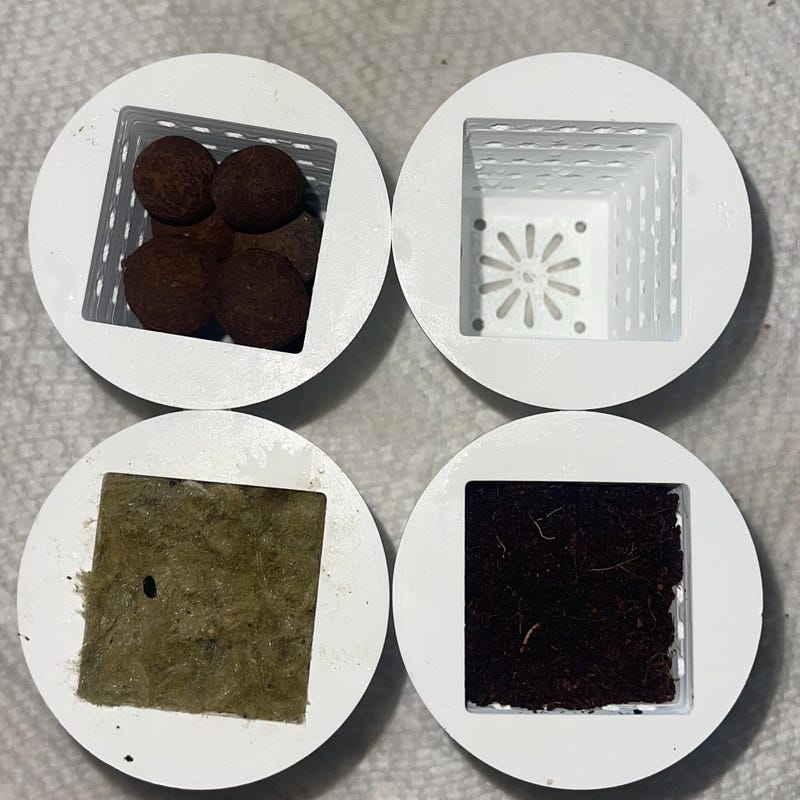
Seed starter trays can be advantageous for coriander, particularly in cooler climates or when starting seeds indoors. These trays provide a controlled environment for germination and early growth. Seeds can be sown in individual cells of the tray, allowing for easy transplanting into larger pots later. Seed starter trays often include a growing medium, which can be beneficial for faster germination.
Steps for Sowing Coriander Seeds
| Step | Action |
|---|---|
| 1 | Prepare the seed starter tray (or pot) with appropriate soil mix. |
| 2 | Sow coriander seeds in the prepared tray, ensuring proper spacing and depth (approximately ¼ inch). |
| 3 | Gently cover the seeds with a thin layer of soil. |
| 4 | Water the seeds gently to moisten the soil evenly, but avoid creating puddles. |
| 5 | Place the tray in a warm location with adequate indirect sunlight. |
| 6 | Monitor the moisture level and water as needed, but avoid overwatering. |
Watering and Fertilizing Coriander
Coriander, a versatile herb, thrives in consistent moisture and appropriate nourishment. Proper watering and fertilization are crucial for a healthy and productive coriander plant in a pot. This section details the essential aspects of providing your coriander with the right care.Consistent moisture is key to successful coriander growth. Overwatering or underwatering can lead to stunted growth, poor yields, and even plant death.
The following sections explain how to achieve the perfect balance for your container-grown coriander.
Watering Frequency and Amount
Watering needs vary based on factors like pot size, soil type, and environmental conditions. A general guideline is to water when the top inch of soil feels dry to the touch. This ensures that the roots have access to moisture without being waterlogged. For instance, a small pot will require more frequent watering than a large one.
Regular monitoring of the soil’s moisture level is essential to adjust watering accordingly.
Maintaining Consistent Moisture Levels
Maintaining consistent moisture is vital for optimal coriander growth. This can be achieved by using a moisture meter, which directly measures the water content in the soil. Alternatively, simply check the soil’s moisture level by inserting your finger into the soil. If the top inch feels dry, it’s time to water. Consistent moisture prevents stress on the plant and encourages healthy growth.
A moist but not waterlogged environment ensures the plant’s roots receive the necessary water without being deprived of oxygen.
Suitable Fertilizers for Container Coriander
Various fertilizers are suitable for coriander plants grown in pots. Water-soluble fertilizers, specifically formulated for herbs, are ideal. They dissolve easily in water, making application simple. Liquid fertilizers provide quick nutrient delivery, promoting healthy growth. Organic options, such as compost tea or fish emulsion, are also beneficial.
These choices offer a balanced blend of nutrients and are environmentally friendly.
Fertilizing Coriander Plants
Diluting fertilizers is crucial for container-grown coriander. Following the manufacturer’s instructions for dilution is essential to avoid damaging the plant’s delicate roots. A general guideline is to use half the recommended strength for potted plants. Apply the diluted fertilizer to the soil around the base of the plant, avoiding contact with the leaves. Regular applications, typically every two weeks, are sufficient for healthy growth.
Avoiding Overwatering or Underwaterings
Overwatering can lead to root rot, while underwatering causes wilting and stunted growth. The best approach is to water deeply and less frequently, allowing the soil to dry slightly between waterings. Signs of overwatering include yellowing leaves and soggy soil. Underwatering manifests as wilting leaves and dry soil. Monitoring the soil moisture levels and adjusting watering schedules accordingly is essential for maintaining the optimal balance.
Sunlight and Temperature Requirements
Coriander, a versatile herb, thrives in specific light and temperature conditions. Understanding these requirements is crucial for ensuring healthy growth and a bountiful harvest. Optimal conditions promote rapid growth and the development of flavorful leaves.Proper sunlight and temperature management can significantly impact the overall health and yield of coriander plants. Variations in these factors can affect the plant’s growth rate, leaf size, and ultimately, the flavor profile of the harvested leaves.
Ideal Sunlight Exposure
Coriander plants require ample sunlight for optimal growth. They generally thrive in at least 6-8 hours of direct sunlight per day. While some indirect light is tolerated, a substantial amount of direct sunlight is essential for robust growth and the development of a vibrant green hue in the leaves. Insufficient sunlight can lead to leggy plants with pale, less flavorful leaves.
In areas with intense midday sun, providing some shade during the hottest part of the day is beneficial. This helps prevent leaf scorch and ensures healthy growth.
Temperature Range for Optimal Growth
Coriander plants prefer a warm temperature range for optimal growth. The ideal temperature for coriander cultivation falls between 65°F (18°C) and 80°F (27°C). Temperatures exceeding 85°F (29°C) can negatively impact growth and potentially lead to reduced yields. Conversely, temperatures below 50°F (10°C) can stunt growth or even cause damage to the plants. It’s crucial to monitor the temperature closely, especially during the initial seedling stage.
Protecting Coriander from Extreme Temperatures
Protecting coriander from extreme temperatures is vital for healthy growth. During very hot spells, consider providing some shade to prevent leaf scorch. Using shade cloth can effectively reduce the intensity of the sun’s rays, maintaining a comfortable temperature for the plants. Conversely, during cooler periods, consider providing some protection from frost or cold winds. For instance, covering the plants with a lightweight fabric or moving them to a sheltered location can prevent significant damage.
Protecting coriander from extreme temperatures ensures continued growth and prevents yield reduction.
Using Shade Cloth or Other Coverings
Using shade cloth or other coverings can be a valuable strategy for protecting coriander plants from extreme temperatures and intense sunlight. Shade cloth is a readily available material that can be draped over the pot or plants. It filters the sunlight, reducing the intensity and preventing leaf scorch. Other methods of providing shade include strategically placing the pots in areas with natural shade or using other protective coverings such as row covers or plant netting.
These measures can significantly impact the health and productivity of the coriander plants.
Impact of Different Light Conditions on Growth
Different light conditions significantly influence the growth and development of coriander plants. Sufficient sunlight is essential for photosynthesis, enabling the plants to produce the energy needed for growth. Insufficient sunlight can lead to leggy plants with pale leaves, impacting both aesthetic appeal and flavor. Conversely, excessive sunlight, especially during peak hours, can cause leaf scorch and stress, resulting in stunted growth and reduced yields.
Maintaining the appropriate light balance is critical for healthy coriander development.
Pest and Disease Control
Maintaining healthy coriander plants in pots requires vigilance against pests and diseases. Early detection and appropriate intervention are crucial for preventing significant damage and ensuring a bountiful harvest. Understanding common issues and implementing preventative measures can significantly enhance the success of your coriander cultivation.
Identifying Common Pests and Diseases
Coriander plants, like many other herbs, are susceptible to a range of pests and diseases. These issues can manifest in various ways, affecting the plant’s overall health and yield. Recognizing these issues early is critical for effective treatment and prevention.
Preventive Measures for Pest and Disease Control
Implementing preventative measures is often more effective and less disruptive than treating existing infestations. These measures include maintaining good hygiene around the plants, ensuring proper watering practices, and providing adequate sunlight and airflow. These practices create a less hospitable environment for pests and pathogens.
- Maintaining Hygiene: Regularly removing dead leaves and plant debris minimizes the breeding grounds for pests and diseases. This practice reduces the risk of fungal infections and infestations.
- Watering Practices: Avoid overwatering, which can lead to fungal diseases. Water at the base of the plant, avoiding wetting the leaves. Allow the soil to dry slightly between waterings.
- Sunlight and Airflow: Ensure your coriander plants receive adequate sunlight and have good airflow. This helps to dry out any moisture on the leaves, reducing the risk of fungal diseases.
Treating Affected Coriander Plants
If pests or diseases are detected, prompt action is essential. The severity of the infestation or disease will dictate the appropriate response. Start by isolating affected plants to prevent the spread of the problem. Consider using appropriate insecticides or fungicides as a last resort, only after other methods have failed.
- Isolate Affected Plants: Separate any visibly affected plants from the rest to prevent the spread of pests and diseases to healthy plants. Quarantine the isolated plants for observation and treatment.
- Use Natural Remedies (if appropriate): For minor infestations, consider using natural remedies like neem oil or insecticidal soap. Always follow the product instructions carefully.
- Professional Help: If the infestation is severe or if natural remedies are ineffective, consult a local gardening expert or agricultural extension service for professional advice.
Preventing Future Infestations and Diseases
Proactive measures can significantly reduce the risk of future infestations and diseases. Implementing these measures, coupled with regular monitoring, will contribute to the overall health and yield of your coriander plants.
- Resistant Varieties: Consider planting coriander varieties known for their resistance to common pests and diseases.
- Crop Rotation: Rotating the types of plants grown in a specific area can help break the life cycles of pests and diseases.
- Good Soil Health: Maintaining healthy soil by using compost and avoiding excessive fertilization can enhance the plant’s natural defenses.
Common Coriander Pests and Diseases
| Pest/Disease | Symptoms | Treatment Options |
|---|---|---|
| Aphids | Small, sap-sucking insects on leaves and stems. Leaves may appear distorted or yellowed. | Insecticidal soap or neem oil spray. Water thoroughly to remove aphids. |
| Whiteflies | Tiny white insects on the undersides of leaves. Leaves may develop yellow spots. Sooty mold may appear. | Insecticidal soap or neem oil spray. Yellow sticky traps can help monitor and control populations. |
| Fungal Leaf Spots | Circular or irregular brown or black spots on leaves. Leaves may wither and fall off. | Remove and destroy affected leaves. Increase air circulation around the plants. Adjust watering practices. |
| Root Rot | Darkening and decay of roots. Plants may wilt and show signs of stress. | Improve drainage. Use well-draining soil. Avoid overwatering. |
Harvesting and Maintaining Coriander
Coriander, a versatile herb, is prized for its fresh flavor and vibrant green leaves. Proper harvesting and maintenance techniques are crucial for maximizing its yield and ensuring continued growth throughout the season. By understanding the optimal harvest time and employing appropriate methods, you can enjoy a continuous supply of this flavorful herb.
Ideal Time for Harvesting Coriander Leaves
Coriander leaves are typically ready for harvest when the plant reaches maturity, usually around 6-8 weeks after sowing. Harvesting at this stage ensures optimal flavor and texture. Picking leaves too early may result in a less flavorful product, while harvesting too late might yield mature seeds, diminishing the leaf’s quality. The ideal harvest window allows for the plant to produce its best leaves.
Harvesting Coriander Leaves Without Damaging the Plant
A careful approach to harvesting is vital for maintaining the plant’s health and encouraging continued growth. Snip the leaves cleanly with sharp scissors or pruning shears, taking care not to pull or tear the stems. Harvesting only the outer leaves allows the plant to continue growing, while avoiding the center of the plant prevents a lack of growth and potential issues.
This method ensures the plant can continue producing leaves for a longer time.
Maintaining Coriander Plants for Continued Growth
Consistent maintenance practices are essential for encouraging continued coriander growth and maximizing the plant’s productivity. Regular harvesting, coupled with proper watering and fertilization, promotes healthy development and ensures the plant stays vibrant. Consistent upkeep ensures that the plant is in optimal condition.
Importance of Regular Pruning and Deadheading
Regular pruning and deadheading are vital for promoting healthy coriander growth and maintaining a desirable plant structure. Pruning removes dead or damaged leaves and stems, allowing for better air circulation and light penetration, which prevents disease and enhances overall plant health. Deadheading, the removal of flower stalks, redirects the plant’s energy towards leaf production, maximizing the amount of leaves that can be harvested.
Benefits of Succession Planting for Continuous Harvests
Succession planting is a highly effective strategy for ensuring a continuous supply of coriander throughout the growing season. By planting new coriander seeds at intervals, you can stagger harvests, providing a steady supply of fresh leaves. This approach maximizes the use of space and time, offering a more efficient way to obtain fresh coriander throughout the entire growing season.
Planting multiple batches of seeds at different times will guarantee a continuous supply of coriander leaves.
Troubleshooting Common Problems
Cultivating coriander in containers can sometimes present challenges. Understanding the potential issues and their remedies is crucial for successful harvests. This section details common problems encountered while growing coriander in pots and offers practical solutions.Troubleshooting effectively allows for proactive adjustments to ensure healthy plant growth and maximize yields. Addressing problems early minimizes the risk of significant setbacks.
Yellowing Leaves
Yellowing leaves are a common sign of stress in coriander plants. Several factors can contribute to this issue.
- Insufficient Watering: Coriander requires consistent moisture, especially during hot weather. Insufficient watering can lead to wilting and yellowing. Ensure the soil remains consistently moist but not waterlogged. Regular checks and adjustments to your watering schedule are essential.
- Overwatering: While crucial for adequate hydration, overwatering can lead to root rot and yellowing leaves. Ensure the pot has proper drainage to prevent waterlogging. Observe the soil moisture before watering to avoid excessive watering.
- Nutrient Deficiency: A lack of essential nutrients, particularly nitrogen and potassium, can manifest as yellowing, particularly in older leaves. Regular fertilization with a balanced liquid fertilizer can help address this issue. Observe the soil and adjust your fertilizer regime accordingly. For example, using a slow-release fertilizer can provide a steady supply of nutrients.
- Pest Infestation: Certain pests, like aphids or spider mites, can weaken the plant and cause yellowing. Inspect the plant thoroughly for signs of pest infestation and implement appropriate control measures.
Stunted Growth
Slow or stunted growth in coriander plants can stem from several factors.
- Insufficient Sunlight: Coriander needs ample sunlight to thrive. Insufficient light can restrict growth. Ensure the pot is placed in a location receiving at least six hours of direct sunlight daily.
- Nutrient Deficiency: As previously mentioned, insufficient nutrients can hinder growth. A balanced fertilizer regime is vital for optimal development.
- Compacted Soil: If the soil in the pot becomes compacted, roots may struggle to absorb water and nutrients. Regularly loosen the soil to improve aeration and drainage. Consider using a well-draining potting mix.
- Temperature Extremes: Coriander thrives within a specific temperature range. Extreme heat or cold can hinder growth. Maintain a temperature range suitable for coriander’s growth.
Other Potential Issues
| Symptom | Potential Cause | Solution |
|---|---|---|
| Seedling Death | Poor seed quality, improper planting depth, lack of moisture, or pest damage | Select high-quality seeds, plant at the appropriate depth, maintain consistent moisture, and address any pest problems. |
| Flowering Too Early | Excessive sunlight, insufficient nutrients, or stress from overcrowding | Adjust sunlight exposure, ensure sufficient nutrition, and potentially repot to increase space. |
| Root Rot | Overwatering, poor drainage, or fungal diseases | Improve drainage, reduce watering frequency, and ensure the soil has good drainage. Consider using a fungicide if fungal infection is suspected. |
Addressing these potential problems proactively will help maintain a healthy coriander plant and ensure a bountiful harvest.
Conclusion
In conclusion, cultivating coriander in pots is a manageable and rewarding endeavor. By understanding the specific needs of this herb, from optimal soil and watering to appropriate sunlight and temperature, you can successfully cultivate a thriving coriander plant. This guide has provided a thorough overview, enabling you to embark on this gardening journey with confidence. Enjoy the fresh, flavorful harvest of your homegrown coriander!