Cultivating herbs indoors offers a rewarding experience, allowing you to enjoy fresh, flavorful ingredients year-round. This comprehensive guide provides a step-by-step approach to establishing and maintaining a thriving indoor herb garden. From selecting the right herbs to mastering optimal lighting and watering techniques, we’ll explore every facet of successful indoor herb cultivation.
This guide is designed to provide a thorough understanding of the nuances of growing herbs indoors, enabling you to create a thriving haven for culinary herbs in your home. We’ll address essential aspects such as choosing the right varieties, optimizing light and watering regimes, and nurturing healthy growth. The included tables and diagrams will offer practical tools for successful cultivation.
Introduction to Indoor Herb Gardening
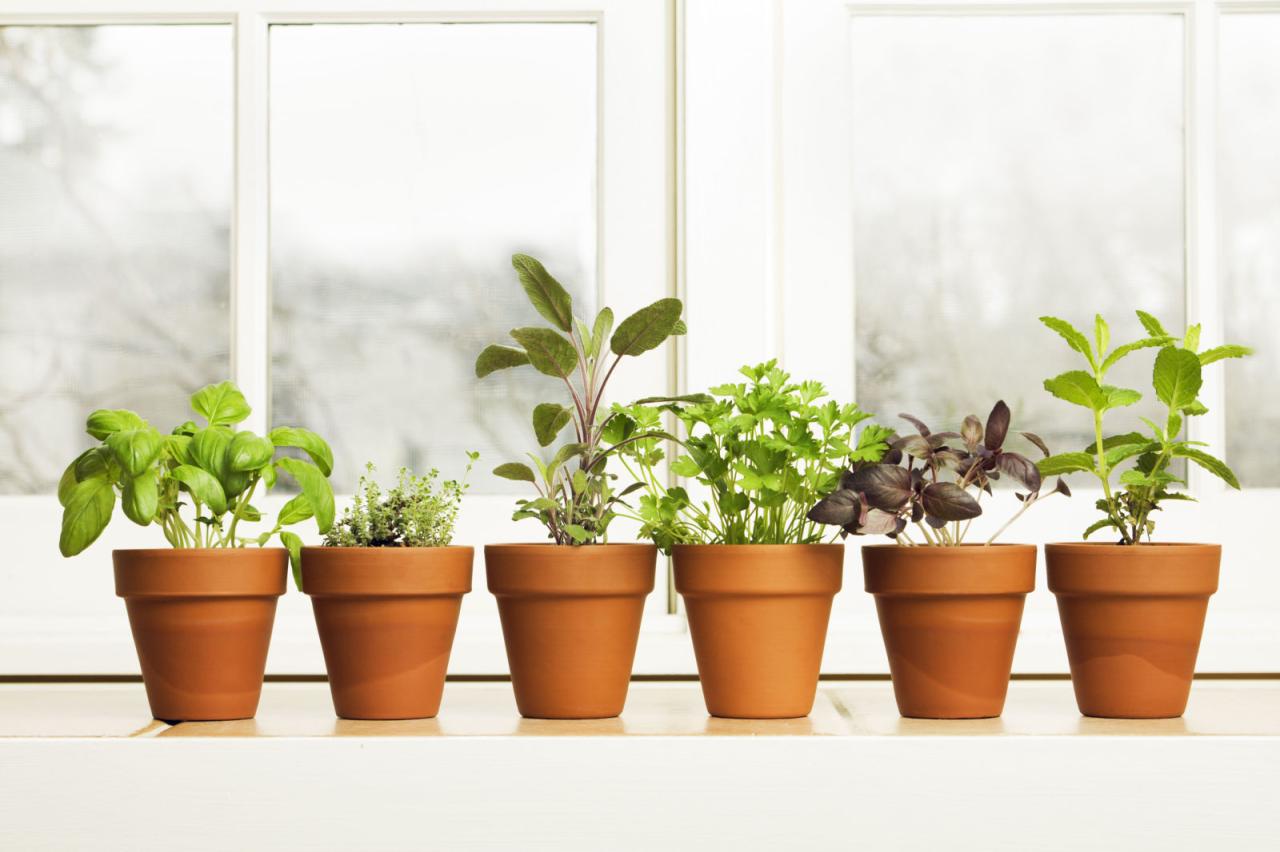
Indoor herb gardening offers numerous advantages beyond the fresh, flavorful herbs it provides. It allows you to cultivate culinary delights year-round, regardless of external weather conditions. This flexibility enhances the availability of fresh herbs, improving the quality and taste of your dishes. Furthermore, indoor herb gardens can be aesthetically pleasing additions to any home environment, fostering a sense of tranquility and connection with nature.Essential tools and supplies are crucial for a successful indoor herb garden.
These will determine the overall quality of the plants’ growth and the ease of the process. The right tools can make the difference between a thriving herb garden and a disappointing one.
Essential Tools and Supplies
A comprehensive list of essential tools and supplies will ensure a successful indoor herb garden. These tools and materials are necessary for planting, nurturing, and maintaining the herbs. These supplies will also contribute to the ease of the overall process.
- Seed Starting Tray: A seed starting tray provides a controlled environment for germinating seeds, crucial for healthy initial growth. These trays are typically shallow and come in various sizes, allowing for customization according to the desired number of plants.
- Potting Mix: A high-quality potting mix ensures proper drainage and aeration, crucial for the healthy growth of herbs. A well-draining potting mix will allow the roots to breathe and prevent waterlogging, a common problem in indoor gardening.
- Containers: Suitable containers are vital for providing the necessary support and space for the roots of the plants. They also need to be aesthetically pleasing.
- Watering Can: A watering can allows for precise watering, preventing overwatering or underwatering. A watering can with a fine spray nozzle is ideal for delicate herbs.
- Pruning Shears: Pruning shears are used to trim excess foliage and encourage bushier growth. Proper pruning promotes healthier plants.
- Light Source: An appropriate light source, such as grow lights, is crucial for indoor herb cultivation, especially during seasons with less sunlight. Different types of grow lights offer different spectral outputs, and it’s important to select the right type for the specific herb needs.
Types of Containers
Choosing the right container significantly impacts the growth and health of indoor herbs. Different containers offer unique benefits and limitations.
- Terracotta Pots: Terracotta pots offer excellent drainage, promoting healthy root growth. However, they can dry out quickly, requiring more frequent watering.
- Plastic Pots: Plastic pots are lightweight and readily available, but they retain moisture more than terracotta, potentially leading to overwatering issues if not managed carefully. This should be considered in the overall process.
- Self-Watering Pots: Self-watering pots automatically maintain moisture levels, reducing the need for frequent watering. These are a convenient choice for busy individuals.
- Hanging Baskets: Hanging baskets are ideal for cascading herbs like trailing varieties. They are aesthetically pleasing and space-saving.
Indoor Herb Growing Methods
Various methods exist for cultivating herbs indoors. Each method presents advantages and disadvantages that should be considered.
- Direct Seeding: Direct seeding involves planting seeds directly into the container. This method is simple and cost-effective, but germination times can vary depending on the herb type. Careful monitoring is essential to ensure the seedlings receive the necessary care.
- Starting from Seedlings: Purchasing young seedlings from a nursery or garden center is a faster approach. This method offers a head start for the herbs, but seedlings may be more expensive than seeds.
- Hydroponics: Hydroponics involves growing plants in a nutrient solution, providing optimal nutrient delivery to the roots. This method requires more specialized equipment, but it often yields faster growth rates.
Basic Setup Diagram
The following diagram illustrates a basic setup for a small indoor herb garden. This is a simple representation, and adjustments can be made to suit individual needs and preferences.
| Component | Description |
|---|---|
| Light Source | Grow lights or a sunny windowsill. |
| Containers | Potted herbs, arranged on a shelf or table. |
| Potting Mix | Provides drainage and aeration for the roots. |
| Watering System | Watering can or self-watering pot. |
(Imagine a simple diagram here: A table with a grow light above, and three pots of herbs arranged on the table. This is a basic representation and can be customized.)
Choosing the Right Herbs for Indoor Growing
Selecting the right herbs for your indoor garden is crucial for successful cultivation. Consider factors like the herb’s light, water, and nutrient needs, as well as your personal preferences and available space. Careful selection ensures a thriving indoor herb garden that provides fresh, flavorful ingredients for your culinary creations.A well-chosen herb will thrive in your indoor environment, adding vibrancy to your kitchen or growing space.
Conversely, an unsuitable choice might struggle, potentially leading to disappointment and a less fulfilling gardening experience. By understanding the specific needs of each herb, you can create a supportive environment for healthy growth and a bountiful harvest.
Popular Herbs Suitable for Indoor Environments
Several herbs excel in indoor settings, requiring relatively manageable conditions. Understanding their specific needs empowers you to provide the optimal environment.
- Mint: Mint is a vigorous grower known for its strong flavor. It thrives in moist soil and bright, indirect light. Regular watering is essential, and proper pot size is important to prevent root-bound issues. Overwatering can lead to root rot, while underwatering will cause wilting.
- Basil: Basil is a popular culinary herb that enjoys warm temperatures and bright, direct sunlight. Regular watering and fertilization are essential for its growth. It prefers well-draining soil to prevent waterlogging.
- Parsley: Parsley, with its fresh flavor, is another excellent choice for indoor growing. It requires bright, indirect light and consistently moist soil. It tolerates some dryness but prefers consistent moisture for optimal growth.
- Chives: Chives are low-maintenance and resilient, thriving in a range of light conditions, from bright indirect to partial shade. Consistent moisture and well-draining soil are key for success. They are relatively tolerant of fluctuations in watering schedule.
- Oregano: Oregano is a sun-loving herb that needs plenty of bright, indirect light to thrive. It prefers well-draining soil and less frequent watering compared to some other herbs. It is important to allow the soil to dry slightly between waterings to prevent root rot.
Light, Water, and Nutrient Requirements
Different herbs have unique light, water, and nutrient requirements. Careful consideration of these factors ensures optimal growth.
| Herb | Light | Water | Nutrients |
|---|---|---|---|
| Mint | Bright, indirect light | Regular watering; moist soil | Fertilize regularly |
| Basil | Bright, direct sunlight | Regular watering; well-draining soil | Fertilize regularly |
| Parsley | Bright, indirect light | Consistent moisture; well-draining soil | Fertilize regularly |
| Chives | Bright indirect to partial shade | Consistent moisture; well-draining soil | Fertilize occasionally |
| Oregano | Bright, indirect light | Less frequent watering; allow soil to dry slightly | Fertilize occasionally |
Selecting Herbs Based on Preferences and Space
Consider your personal preferences and available space when choosing herbs. Aromatic herbs like mint or basil are ideal for kitchens, while chives and parsley complement a variety of dishes. Choose herbs that align with your cooking style and desired aesthetic. For small spaces, consider compact varieties of herbs or hanging planters.
Challenging Herbs for Indoor Growing
Certain herbs pose greater challenges for indoor cultivation due to their specific needs. These herbs often require specialized environments that may not be easily replicated indoors.
- Rosemary: Rosemary requires a lot of light and is often challenging to grow indoors due to its significant light needs.
- Thyme: Thyme is another sun-loving herb that struggles in low-light indoor conditions.
- Dill: Dill’s fast growth and need for ample space often make it challenging to cultivate indoors effectively.
Propagation Methods for Indoor Herb Varieties
Various methods exist for propagating indoor herb varieties. These methods ensure the continuation of your herb collection and allow for the expansion of your garden.
- Cuttings: Propagating herbs through cuttings involves taking a stem cutting and placing it in water or soil to encourage root development. This method is common for basil, mint, and other leafy herbs.
- Division: Dividing established plants can be a suitable method for herbs like chives, allowing you to create new plants from existing ones.
- Seed Starting: Starting from seeds provides a new source of your desired herb varieties. This is a popular method for basil, parsley, and other herbs that are easily started from seed.
Lighting and Positioning
Proper lighting is crucial for successful indoor herb gardening. Adequate light exposure mimics natural sunlight, influencing the growth rate, size, and overall health of your herbs. Without sufficient light, herbs may become leggy, producing fewer leaves and flowers. Optimal light conditions are essential for maximizing yields and ensuring vibrant, healthy plants.Careful positioning of your herbs based on their light requirements is vital for their well-being.
Different herbs thrive under various light conditions, and understanding these preferences is key to ensuring successful indoor growth. Matching the herb’s light needs to the available light source in your home creates a suitable environment for healthy growth.
Grow Light Types
Different types of grow lights are suitable for indoor herbs. Choosing the right type depends on the intensity and spectrum of light needed by your specific herb varieties. Fluorescent lights, such as compact fluorescent lamps (CFLs), are a cost-effective option, particularly for smaller spaces. LED grow lights offer significant energy efficiency and produce a spectrum of light that mimics natural sunlight, promoting healthier growth.
High-intensity discharge (HID) lights, like metal halide or high-pressure sodium lamps, provide the most intense light and are suitable for larger-scale indoor herb gardens.
Optimal Light Placement
The placement of your herbs significantly impacts their growth. Positioning them strategically based on their light requirements ensures optimal growth. South-facing windows often provide the brightest, most consistent light, making them ideal for light-demanding herbs. East-facing windows offer morning sun, which is beneficial for herbs needing ample early-morning light. West-facing windows provide afternoon light, suitable for herbs that prefer the warmth of the late-day sun.
North-facing windows offer the least amount of direct sunlight, making them suitable for herbs that prefer shade or indirect light.
Herb Light Requirements
Understanding the light requirements of each herb variety is crucial for successful indoor gardening. The table below provides a comparative overview of light requirements for common herbs.
| Herb | Light Requirements | Optimal Position |
|---|---|---|
| Basil | Bright, indirect light | South-facing window |
| Mint | Bright, indirect light | Near a sunny window |
| Parsley | Bright, indirect light | East-facing window |
Supplementing Natural Light
Natural light is ideal, but supplementing with grow lights is often necessary for indoor herb gardens, particularly during winter months or in rooms with limited natural light. Grow lights provide supplemental light, extending the hours of light exposure to match the needs of your herbs. Positioning grow lights strategically, either above or around your plants, ensures even light distribution.
Adjusting the intensity of the grow light based on the plant’s needs can further optimize growth. This often involves adjusting the distance between the light source and the plants.
Watering and Humidity Control
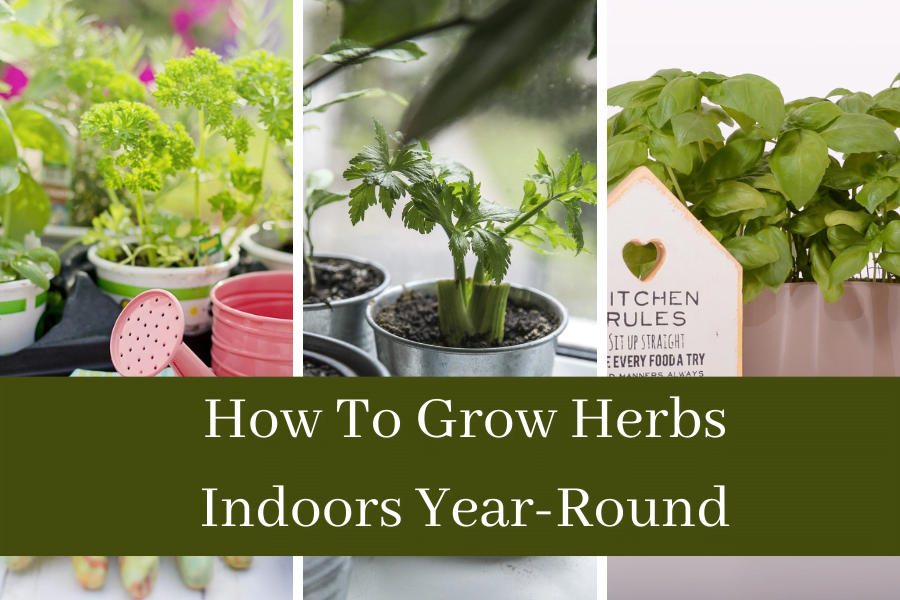
Consistent watering and humidity management are crucial for the thriving health of indoor herbs. Proper hydration ensures the plant receives the necessary moisture for photosynthesis and growth, while appropriate humidity prevents stress and encourages robust development. Ignoring these aspects can lead to wilting, stunted growth, and even herb death.Watering frequency and methods will vary based on the specific herb and its needs.
Understanding these nuances is key to maintaining optimal growing conditions. Maintaining the correct humidity levels is equally important. High or low humidity can negatively impact plant health, so employing strategies to maintain the ideal level is essential. This includes utilizing humidity trays and other techniques to create a more favorable environment.
Watering Methods for Different Herbs
Different herbs have varying water requirements. Knowing the appropriate watering method for each herb is crucial for their successful indoor cultivation. Overwatering or underwatering can have detrimental effects on their health and growth.
- Shallow Watering: This technique involves placing the pot in a tray filled with water for a short period, allowing the plant to absorb moisture through the drainage holes. This method is ideal for herbs that prefer consistently moist soil, but not waterlogged conditions, like basil or parsley.
- Deep Watering: For herbs that prefer well-drained soil, such as rosemary or thyme, deep watering is more suitable. This involves thoroughly watering the soil until water drains out of the drainage holes. This ensures the roots receive the necessary moisture without being over-saturated.
- Watering Frequency Adjustments: Factors such as pot size, soil type, and ambient conditions (e.g., temperature and humidity) can influence watering frequency. Adjustments may be needed to ensure optimal moisture levels. For example, a larger pot may require more frequent watering compared to a smaller one.
Optimal Watering Frequency Table
The table below provides a general guideline for watering frequency. However, it’s crucial to monitor your plants’ specific needs and adjust watering accordingly.
| Herb | Watering Frequency |
|---|---|
| Thyme | Weekly |
| Cilantro | Bi-weekly |
| Oregano | Bi-weekly |
Maintaining Humidity Levels
Maintaining the correct humidity levels is essential for the health and growth of indoor herbs. Low humidity can cause leaf tips to dry out, and excessive humidity can lead to fungal diseases. Finding the optimal balance is key.
- Humidity Trays: Placing a tray filled with water and pebbles beneath the pot can increase humidity around the plant. The water evaporates, creating a more humid microclimate. This is particularly beneficial for herbs that thrive in higher humidity environments, such as ferns or leafy greens.
- Group Planting: Grouping plants together can increase the overall humidity around them. The moisture released by one plant can help to maintain a higher humidity level for neighboring plants.
- Regular Misting: Gentle misting with a spray bottle can help increase humidity, but should be done carefully to avoid fungal diseases. Focus on the foliage and not the soil.
Soil and Nutrient Management
Proper soil and nutrient management is crucial for the thriving of indoor herbs. A well-draining and nutrient-rich potting mix, combined with appropriate fertilization, will provide the essential support for healthy root development and robust growth. This ensures your herbs flourish indoors, producing abundant and flavorful leaves.Healthy soil is essential for the growth of indoor herbs, mimicking the conditions they need to thrive outdoors.
The right soil composition provides adequate aeration, water retention, and nutrient availability, allowing the roots to absorb necessary elements for growth and development.
Choosing the Right Potting Mix
A well-draining potting mix is vital for indoor herb cultivation. This prevents root rot, a common problem caused by waterlogged soil. The ideal mix should balance aeration with water retention, providing the necessary support for the delicate root systems of herbs.
- Perlite and Vermiculite: These materials enhance drainage and aeration, crucial for preventing waterlogging. Perlite is a volcanic glass, while vermiculite is a mineral that expands when heated. They are lightweight and porous, allowing oxygen to reach the roots while providing a medium for water retention. A good mix will contain approximately 20-30% of these materials.
- Compost: Compost adds essential nutrients and organic matter to the mix. It improves the soil’s structure, making it more fertile and supportive of microbial activity. Compost helps retain moisture and provides a slow-release source of nutrients for the plants.
- Potting Soil: A high-quality potting soil provides a base for the mix. It contains essential nutrients and provides a supportive structure. Choose a soil specifically formulated for herbs or vegetables for optimal results. Ensure the potting soil is free from pests and diseases.
- Sand: Sand can be incorporated to improve drainage and aeration. Its particle size contributes to water drainage, preventing waterlogging, and improving air circulation around the roots.
Nutrient Supplements
A balanced diet is as important for your indoor herbs as it is for you. The right nutrient supplements will provide the essential elements for robust growth and flavorful leaves.
- Liquid Fertilizers: Liquid fertilizers are readily available and easy to use. They provide a rapid delivery of nutrients to the plants. Follow the manufacturer’s instructions for appropriate dilution and application rates to avoid over-fertilizing.
- Slow-Release Fertilizers: Slow-release fertilizers are a convenient option, providing a sustained supply of nutrients over time. They are particularly useful for extended periods between feedings. They are often formulated with a balanced mix of nitrogen, phosphorus, and potassium.
- Organic Fertilizers: Organic fertilizers derived from natural sources, such as compost tea or bone meal, are an excellent choice for environmentally conscious gardeners. They enrich the soil with beneficial microorganisms, enhancing the overall health of the plant.
Fertilizing Methods
Proper fertilization is key to maintaining the vitality of your indoor herbs. Applying nutrients effectively ensures optimal growth and flavor development.
- Watering Method: Dilute liquid fertilizers according to the manufacturer’s instructions and apply them to the soil when watering. This allows the nutrients to reach the roots directly.
- Frequency: Fertilize indoor herbs every 2-4 weeks, or as directed by the fertilizer label. Adjust the frequency based on the plant’s growth stage and the specific fertilizer being used. Over-fertilizing can damage the plants.
- Dosage: Always follow the recommended dosage for the chosen fertilizer. Excessive nutrient levels can harm the roots and lead to nutrient burn, stunting growth and impacting overall health.
Importance of Soil Testing
Regular soil testing provides valuable insights into the nutrient content of your indoor herb garden’s soil. Understanding the levels of essential nutrients like nitrogen, phosphorus, and potassium allows for tailored fertilization strategies.Regular soil testing is recommended, especially for newly established gardens. Testing helps you understand the specific nutrient needs of your plants, ensuring efficient use of resources and optimizing growth.
The results of soil testing will provide valuable information for precise and targeted fertilization, minimizing potential issues associated with nutrient imbalances.
Troubleshooting Common Problems
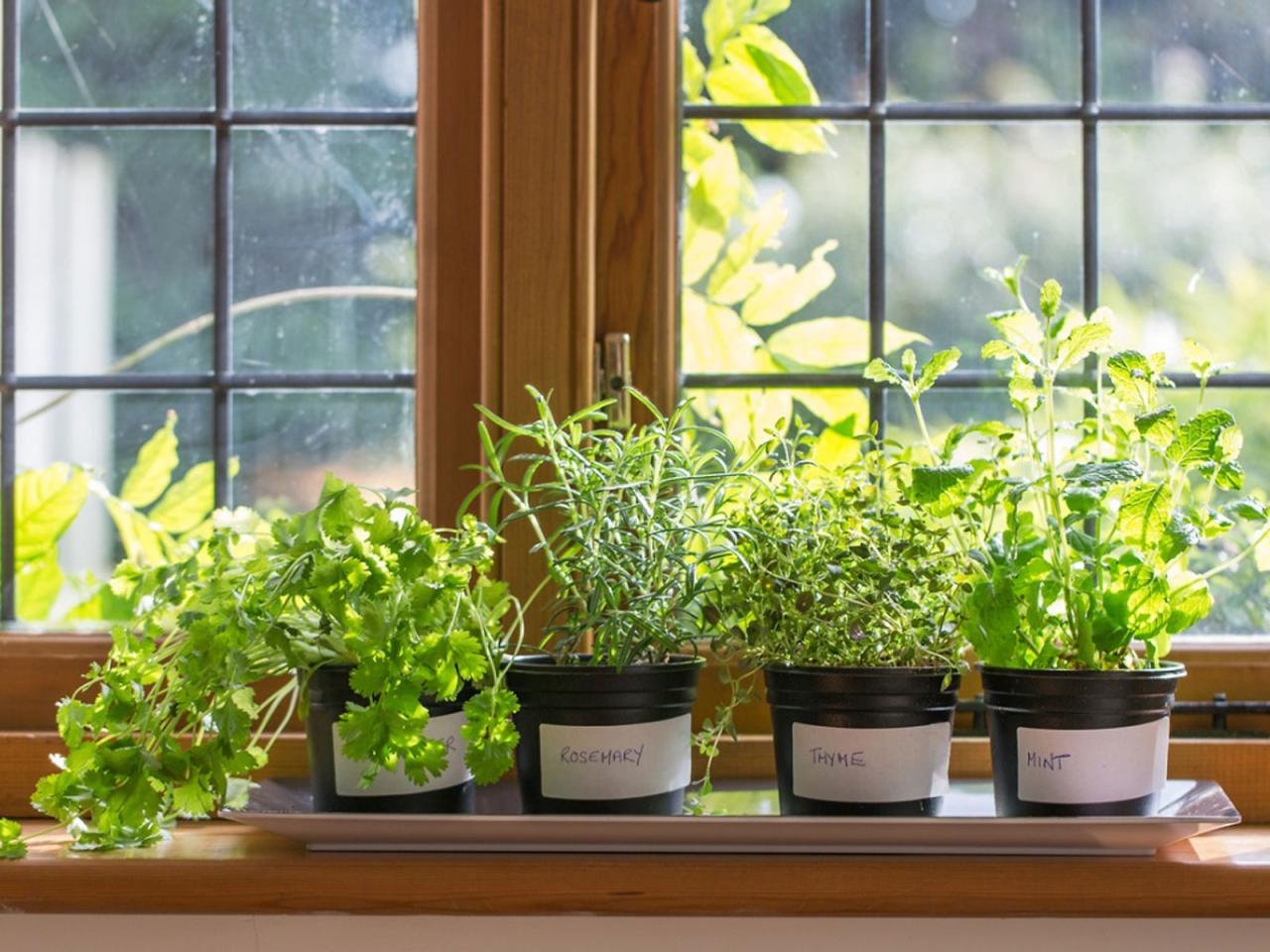
Cultivating herbs indoors can be a rewarding experience, but unexpected challenges may arise. Understanding common problems and their solutions is crucial for maintaining a thriving indoor herb garden. This section will cover common issues, from pest infestations to nutrient deficiencies, providing clear diagnostics and effective remedies.Troubleshooting issues in your indoor herb garden involves a keen eye for detail and a proactive approach.
By understanding the signs of various problems and implementing appropriate solutions, you can effectively maintain a healthy and productive herb garden.
Pest Infestations
Pest infestations can quickly damage your indoor herb garden. Early detection is key to successful management.
- Identifying Pests: Common indoor herb pests include aphids, spider mites, and whiteflies. These pests typically manifest as small, crawling insects or as webs on the leaves. Inspect your plants regularly, paying close attention to the undersides of leaves, where pests often congregate. A magnifying glass can aid in detailed observation.
- Treating Pests: For small infestations, a gentle spray of insecticidal soap or neem oil can be effective. Ensure thorough coverage of affected areas. If the infestation is severe, consider using a horticultural oil or systemic insecticide, following the product instructions carefully. Prevention strategies, such as maintaining good air circulation and promptly removing any dead or diseased plant material, can also help deter pests.
Nutrient Deficiencies
Nutrient deficiencies can lead to stunted growth, discoloration, and other undesirable symptoms. Understanding the specific signs of a nutrient deficiency is critical to targeted treatment.
- Identifying Deficiencies: Nutrient deficiencies manifest differently depending on the specific nutrient lacking. For example, a nitrogen deficiency might result in pale yellowing leaves, while a potassium deficiency can cause brown spots on leaves. Refer to resources that provide detailed descriptions of nutrient deficiencies in herbs. Visual guides or photos are extremely helpful in this process.
- Addressing Deficiencies: Adjusting your fertilizing regimen can often remedy nutrient deficiencies. Use a balanced liquid fertilizer, diluted to the manufacturer’s recommended strength. Ensure proper watering and soil drainage to prevent further issues. Consider soil testing for a precise understanding of your soil’s composition and necessary nutrients.
Watering Issues
Inadequate or excessive watering are frequent problems. Knowing the signs of overwatering and underwatering is vital for maintaining healthy plants.
- Overwatering: Overwatering leads to waterlogged soil, which can suffocate roots and cause root rot. Signs include yellowing leaves, wilting, and a soggy, overly moist potting mix. Reduce watering frequency and ensure proper drainage.
- Underwatering: Underwatering causes leaves to droop and become crispy. The soil will feel dry and crumbly. Increase watering frequency to restore moisture levels.
Disease Problems
Fungal diseases, such as powdery mildew, can affect indoor herbs.
- Identifying Diseases: Fungal diseases often appear as white or powdery coatings on leaves, or as brown or black spots. Examine your plants closely for these signs.
- Treating Diseases: Remove affected plant parts and maintain good air circulation to prevent the spread of the disease. Consider using a fungicide, following the product instructions carefully.
Harvesting and Maintaining Indoor Herb Gardens
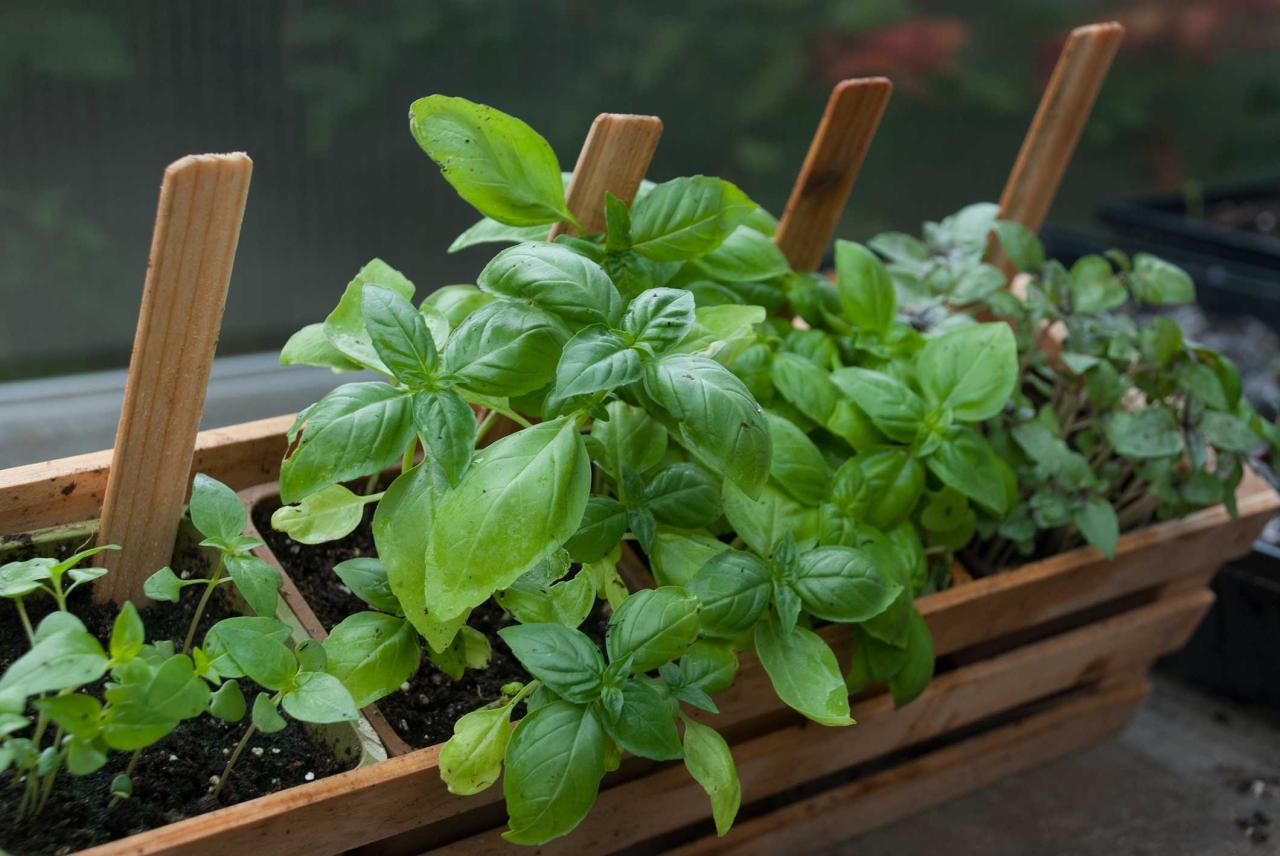
Proper harvesting and consistent maintenance are crucial for a thriving indoor herb garden. Regular harvesting encourages continued growth and prevents overcrowding, while consistent maintenance ensures optimal plant health and vigor. By understanding the best times to harvest and implementing appropriate pruning and maintenance strategies, you can enjoy a bountiful supply of fresh herbs year-round.Effective harvesting and meticulous maintenance are essential for the continued health and productivity of your indoor herb garden.
By understanding the specific needs of each herb, and practicing proper pruning and shaping techniques, you can ensure a bountiful harvest and maintain a thriving environment for your indoor herbs.
Proper Harvesting Techniques
Proper harvesting techniques are essential for maintaining the health and vigor of your indoor herbs. Harvesting at the right time ensures optimal flavor and encourages continued growth. Harvesting too frequently or improperly can weaken the plant and reduce its productivity. Use clean, sharp shears or pruning scissors to make precise cuts.Harvesting should be done regularly, with the appropriate techniques, to encourage continuous growth and yield.
Avoid excessive harvesting, which can stress the plant and lead to reduced growth.
Maintaining Plant Health
Maintaining optimal plant health is critical for maximizing the yield and longevity of your indoor herb garden. Consistent monitoring and attention to detail will ensure that your herbs remain vigorous and productive. Consistent care, including adequate watering, appropriate light exposure, and regular monitoring for pests, will ensure the long-term health of your plants.
Pruning and Shaping Herbs
Regular pruning and shaping are vital for maintaining the shape and size of your indoor herbs. This practice also encourages bushier growth and improves the overall appearance of your herb garden. Pruning can also stimulate new growth and maintain the desired size and shape.Proper pruning techniques involve using clean, sharp tools and making precise cuts. Avoid cutting into stems that are too young or too thick, as this can harm the plant.
Best Time to Harvest Different Herbs
Knowing the optimal time to harvest different herbs is important for maximizing their flavor and aroma. Harvesting at the right time ensures optimal flavor and encourages continued growth.
| Herb | Best Time to Harvest |
|---|---|
| Basil | Morning |
| Cilantro | Early Morning |
| Parsley | Morning |
Importance of Regular Maintenance
Regular maintenance is paramount for the success of an indoor herb garden. It involves consistent monitoring of plant health, addressing potential issues promptly, and ensuring that the growing environment remains optimal. This includes checking for pests, providing appropriate watering, and ensuring adequate light exposure.
Summary
In conclusion, growing herbs indoors is achievable for even the novice gardener. By understanding the specific needs of different herbs, optimizing your indoor environment, and employing proper techniques, you can harvest fresh herbs throughout the year. This guide provides a roadmap to success, enabling you to create a vibrant and productive indoor herb garden that will bring culinary joy to your kitchen and home.