Cultivating vibrant houseplants can transform any living space into a tranquil oasis. This comprehensive guide, “How to Grow Houseplants Easily,” offers a practical roadmap for beginners, from selecting the perfect plants to maintaining their health and happiness. Discover the secrets to thriving indoor gardens, effortlessly.
This guide walks you through the essential steps for successful houseplant cultivation, covering crucial aspects such as plant selection, optimal lighting conditions, proper watering techniques, and soil preparation. You’ll also learn about maintaining healthy growth, identifying and resolving common problems, and even propagating your plants to expand your collection. Discover the joy of nurturing these beautiful additions to your home.
Choosing the Right Plants
Selecting the right houseplants for your home is crucial for their long-term health and your enjoyment. Choosing plants that suit your lifestyle and living environment will ensure a thriving indoor garden. Understanding their specific needs, including light, water, and soil requirements, is paramount to success. A good starting point is to consider your home’s environment and the amount of time you can dedicate to plant care.
Easy-to-Grow Houseplant Varieties
Choosing plants that are relatively low-maintenance is essential for beginners. This allows you to focus on the basics of plant care and learn without the pressure of complex routines. The following five houseplant varieties are known for their resilience and adaptability, making them ideal choices for novice plant enthusiasts.
- ZZ Plant (Zamioculcas zamiifolia): This striking plant is remarkably low-maintenance, tolerating infrequent watering and a wide range of light conditions. ZZ plants thrive in low to medium light environments, making them suitable for homes with less direct sunlight. Their resilience makes them a perfect starting point for beginners.
- Snake Plant (Sansevieria trifasciata): Another popular choice for beginners, snake plants are known for their tolerance to low light and infrequent watering. They can thrive in medium to bright indirect light, although they can tolerate lower light conditions. Their adaptability to different light conditions makes them a great option for diverse home environments.
- Pothos (Epipremnum aureum): Pothos are known for their vigorous growth and adaptability. They thrive in medium to bright, indirect light. While they prefer regular watering, allowing the soil to dry slightly between waterings is acceptable. Pothos are a great choice for those who want a visually appealing and resilient plant.
- Cast Iron Plant (Aspidistra elatior): This plant earns its name for its remarkable ability to withstand neglect. Cast Iron Plants are extremely low-maintenance, thriving in low light conditions and tolerating infrequent watering. They are ideal for forgetful plant owners or those with busy schedules.
- Spider Plant (Chlorophytum comosum): Spider plants are well-known for their ability to produce “spiderettes” – baby plants that sprout from the mother plant. They are fairly adaptable, thriving in medium to bright indirect light. Consistent watering is essential, ensuring the soil stays moist but not waterlogged.
Importance of Plant Selection for Beginners
Careful plant selection is crucial for the success of a beginner’s indoor garden. Choosing plants that match your home’s light conditions and your ability to provide consistent care is key. Plants with specific needs should be chosen only after a solid understanding of their requirements. A suitable choice will minimize stress and maximize the chances of success in growing healthy and thriving houseplants.
Differences in Care Requirements
Different plant types have vastly different care needs. The amount of light, water, and soil requirements vary significantly between species. Understanding these differences is essential for maintaining healthy plants. Carefully consider the plant’s specific requirements before introducing it into your home.
Comparison Table
The table below summarizes the light, water, and soil needs of three popular houseplants.
| Plant | Light | Water | Soil |
|---|---|---|---|
| ZZ Plant | Low to Medium | Tolerates infrequent watering | Well-draining potting mix |
| Snake Plant | Medium to Bright | Tolerates infrequent watering | Well-draining potting mix |
| Pothos | Medium to Bright | Regular watering | Moist but well-draining potting mix |
Light and Location
Finding the ideal spot for your houseplant is crucial for its health and vibrancy. Proper lighting mimics the natural environment of the plant, encouraging healthy growth and preventing stress. Different plants have varying light requirements, and understanding these needs is key to keeping your indoor jungle thriving.Understanding your home’s light conditions and matching them to the appropriate plant species will significantly improve the chances of success in your plant care journey.
This section details how to assess your home’s lighting and select the perfect location for each plant, ensuring it receives the light it needs to flourish.
Identifying the Best Spot
To find the ideal location for your plant, observe the amount and type of light it receives throughout the day. Consider the direction of windows and the proximity to other objects that might block light. A south-facing window generally receives the most sunlight, while a north-facing window receives the least. East and west-facing windows offer a balance, providing ample light during specific parts of the day.
Lighting Scenarios
Different lighting scenarios in your home offer varying degrees of suitability for different plant species. Here are three common scenarios and their implications for plant selection:
South-Facing Window
South-facing windows typically offer the most intense and consistent sunlight throughout the day. This makes them ideal for plants that require bright, direct light, such as succulents, certain flowering plants, and some tropical varieties. However, be mindful of intense afternoon sun, which can scorch delicate leaves. Adequate ventilation and the use of sheer curtains or blinds can help diffuse the light and prevent overheating.
North-Facing Window
North-facing windows receive the least amount of direct sunlight. These locations are suitable for plants that tolerate low light conditions, such as ZZ plants, snake plants, and peace lilies. These plants are well-suited for areas of the home that don’t receive much natural light.
Artificial Light
Artificial light can be a viable alternative or supplement for plants that require more light than is available naturally. LED grow lights are increasingly popular due to their energy efficiency and adjustable spectrum. Positioning grow lights correctly, often with timers for consistent light cycles, is essential for healthy plant growth. Experiment to find the ideal light intensity and duration for your specific plants.
Light Conditions and Plant Types
The following table summarizes the light conditions and the types of plants that thrive in them:
| Light Condition | Plant Examples | Description |
|---|---|---|
| Bright, Indirect | Pothos, Spider Plant, Calathea | Plants that prefer bright light but not direct sun. They appreciate filtered light to prevent leaf burn. |
| Low | ZZ Plant, Snake Plant, Cast Iron Plant, Pothos (some varieties) | Plants that tolerate low light conditions. They can survive in areas with minimal natural light. |
| Bright, Direct | Succulents, certain flowering plants, African violets, some orchids | Plants that require direct sunlight for optimal growth. They thrive in locations that receive ample sun exposure. |
Watering Techniques
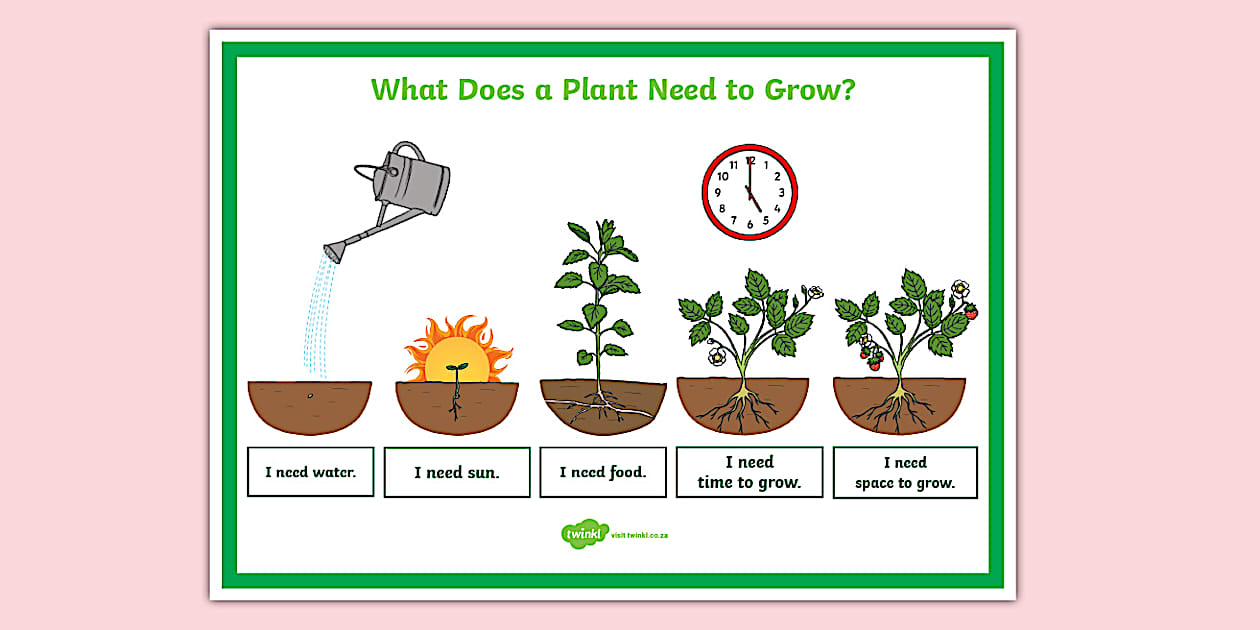
Proper watering is crucial for the health and vitality of your houseplants. Consistent and appropriate watering methods ensure that your plants receive the right amount of moisture, preventing issues like overwatering and underwatering. This section will guide you through different watering methods and techniques for optimal plant growth.
Different Watering Methods
Understanding various watering methods empowers you to tailor your approach to each plant’s specific needs. Three common methods include:
- The Soak and Dry Method: This involves thoroughly watering the plant until water drains from the drainage holes. Allow the top inch or two of the soil to dry out completely before watering again. This method mimics natural watering conditions and promotes healthy root development. A significant advantage is that it encourages deep root growth. However, if the pot lacks drainage, the plant may sit in water, leading to root rot.
- The Misting Method: This is particularly beneficial for plants with thick, waxy leaves, or those that prefer higher humidity levels. Regular misting provides a gentle source of moisture, keeping the foliage hydrated without saturating the soil. This method is particularly useful for plants that are prone to drying out, such as succulents or orchids. However, over-misting can lead to fungal diseases if not done carefully.
- The Bottom Watering Method: This method involves placing the pot in a tray filled with water. The water will slowly be absorbed by the soil from the bottom up. This method is excellent for plants that are sensitive to overhead watering, as it prevents water from getting on the leaves. It also promotes even moisture distribution. However, it can be more time-consuming than other methods and requires careful monitoring to avoid overwatering.
Checking Soil Moisture
Determining the appropriate watering time is essential for healthy plant growth. To check the moisture level, gently insert your finger about an inch into the soil. If the soil feels dry, it’s time to water. If it feels moist, hold off watering until the top inch of soil feels dry. A key to success is consistent monitoring, which helps avoid excessive watering and allows for the plant to adjust to its environment.
Avoiding Overwatering and Underwater
Preventing both overwatering and underwatering is crucial for maintaining a healthy environment for your houseplants. Overwatering leads to waterlogged soil, which can suffocate the roots and cause root rot. Underwatering, on the other hand, can lead to wilting and stunted growth. To avoid overwatering, ensure proper drainage in your pots and check the soil moisture before watering.
To prevent underwatering, establish a regular watering schedule that is tailored to your specific plants.
Watering Schedule Comparison
The table below summarizes different watering schedules and their potential impact on plant health.
| Watering Schedule | Soil Moisture | Plant Response |
|---|---|---|
| Once a week | Slightly moist | Healthy growth |
| Twice a week | Drier | Potential for wilting |
| Daily | Soggy | Root rot risk |
Soil and Potting
A crucial aspect of successful houseplant cultivation is the proper selection and preparation of soil and pots. Choosing the right materials ensures optimal drainage, aeration, and nutrient availability, fostering healthy root development and overall plant vigor. This section will explore the importance of well-draining soil, different potting mixes, appropriate pot sizes, and the selection of suitable pots for your houseplants.
Importance of Well-Draining Soil
Well-draining soil is paramount for houseplant health. Waterlogged soil can lead to root rot, a common and often fatal disease. Proper drainage allows oxygen to reach the roots, which is essential for respiration and nutrient uptake. This crucial aspect prevents the buildup of excess moisture, mitigating the risk of fungal infections and promoting a thriving root system.
Comparison of Potting Mixes
Various potting mixes cater to the diverse needs of different houseplants. A general-purpose mix is suitable for many, but some plants thrive in specific conditions. A mix formulated for cacti and succulents, for example, will contain a higher proportion of coarse materials like perlite or pumice to facilitate drainage. Similarly, a mix formulated for orchids may contain bark or other materials to retain moisture.
The appropriate mix will depend on the specific needs of the plant.
Pot Size and Selection
The pot size directly influences a plant’s growth and development. A pot that is too small restricts root growth, hindering the plant’s ability to absorb nutrients and water. Conversely, a pot that is excessively large may retain too much water, increasing the risk of root rot. The ideal pot size should accommodate the plant’s current root ball and allow for a little room for future growth without becoming overly large.
A plant that has outgrown its pot will benefit from repotting into a slightly larger container.
Choosing the Right Pot
Selecting the right pot is essential for both the plant’s health and the overall aesthetic appeal of your plant display. The pot should have adequate drainage holes to prevent waterlogging. Terracotta pots, for example, are known for their excellent drainage properties. The pot’s material and style should complement the plant and the surrounding environment. Consider the plant’s size and shape when choosing a pot, aiming for a visually harmonious pairing.
DIY Potting Mix
Creating your own potting mix allows you to tailor the soil to specific plant requirements. A simple mix often includes peat moss, perlite, and vermiculite. Peat moss provides moisture retention, while perlite and vermiculite improve drainage and aeration. The proportions of these materials can be adjusted to suit the specific needs of the plants you are growing.
A good starting point for a general-purpose mix is a 1:1:1 ratio of peat moss, perlite, and vermiculite.
- Peat Moss: Provides excellent water retention, essential for plants that require consistent moisture. Note that peat moss is a natural resource, so use it responsibly and consider alternatives like coconut coir if sustainability is a concern.
- Perlite: A volcanic glass, perlite enhances drainage and aeration, preventing waterlogging. It also helps to maintain the proper soil structure for optimal root development.
- Vermiculite: A mineral that expands when heated, vermiculite aids in water retention and aeration. Its ability to hold water allows for consistent moisture around the roots, while its porous nature maintains aeration.
- Other Considerations: Depending on the specific needs of your plants, you might include other materials like compost, bark, or sand. For example, a higher proportion of coarse materials might be necessary for succulents to promote better drainage.
Maintaining Healthy Growth
Cultivating thriving houseplants requires ongoing care beyond initial setup. Proper maintenance, encompassing fertilization, pruning, pest management, and propagation, ensures continued health and aesthetic appeal. Consistent attention to these aspects will reward you with vibrant, flourishing indoor greenery.Maintaining the health of your houseplants is an ongoing process that requires attention to various factors. Regular fertilization, strategic pruning, proactive pest control, and the occasional propagation are all essential components of this ongoing care.
These practices help to support optimal growth, maintain desired plant shape, and prevent issues that can hinder their vibrancy.
Fertilizing Houseplants
Regular fertilization is crucial for providing the necessary nutrients for healthy growth. Without adequate nutrients, plants may exhibit signs of stunted growth, pale leaves, or reduced flowering. Using a balanced, water-soluble fertilizer formulated for houseplants is recommended. Applying the fertilizer during the growing season (spring and summer) will promote active growth. Following the manufacturer’s instructions regarding dilution and application frequency is critical for preventing over-fertilization, which can harm the plants.
Pruning Houseplants
Pruning is a vital technique for shaping and maintaining the aesthetic appeal of houseplants. Proper pruning encourages bushier growth by stimulating new growth from the pruned areas. It also helps to remove dead, damaged, or diseased foliage, improving overall plant health. Pruning tools, such as sharp pruning shears, should be sanitized between cuts to prevent the spread of disease.
Common Houseplant Pests
Several common pests can affect houseplants, including aphids, mealybugs, spider mites, and scale insects. Identifying these pests early is key to effective treatment. Aphids are small, soft-bodied insects that often cluster on leaves and stems. Mealybugs appear as small, white, cottony masses. Spider mites are tiny, almost invisible pests that create fine webs on leaves.
Scale insects are small, immobile pests that appear as raised bumps on the leaves or stems.
Pest Prevention and Treatment
Preventing pest infestations is often more effective than treating them. Regularly inspecting plants for signs of pests is crucial. Maintaining good air circulation around plants can help prevent infestations. Using insecticidal soap or neem oil can be effective in treating minor infestations. For severe infestations, consulting a local gardening center or professional can provide additional, targeted advice.
Propagating Houseplants
Propagation allows you to create new plants from existing ones. Methods include stem cuttings, leaf cuttings, and division. Stem cuttings involve taking a healthy stem section and placing it in water or a suitable growing medium. Leaf cuttings involve placing a healthy leaf in a moist environment, encouraging the growth of new roots. Division involves separating a plant into smaller sections, each with its own roots.
Success in propagation often depends on using the appropriate techniques and creating a conducive environment for root development.
Troubleshooting Problems
Maintaining healthy houseplants requires vigilance and an understanding of common issues. Identifying problems early and implementing appropriate solutions can prevent further damage and ensure continued growth. This section details how to recognize and address various problems, from yellowing leaves to drooping stems.
Identifying Yellowing Leaves
Yellowing leaves are a common sign of a problem in houseplants. Several factors can contribute to this issue, ranging from environmental conditions to nutritional deficiencies. Determining the precise cause is key to implementing an effective solution. Overwatering or underwatering are frequent culprits. Other potential causes include nutrient deficiencies, pest infestations, or even diseases.
Troubleshooting Drooping Stems
Drooping stems often indicate a lack of water or insufficient light. This issue can be addressed by adjusting watering practices and providing the plant with appropriate light. In addition, check for pests and diseases that may be affecting the plant’s ability to support itself. A thorough assessment of the plant’s environment and its specific needs is essential to effective treatment.
Dealing with Root Rot
Root rot is a serious issue that can affect houseplants. Overwatering is the primary cause, leading to a buildup of moisture in the soil and the death of the roots. Signs include yellowing leaves, wilting, and a foul odor emanating from the soil. To treat root rot, remove the plant from its pot, carefully remove as much of the affected soil as possible, and repot the plant in fresh, well-draining soil.
Using a fungicide may also be beneficial.
Addressing Pest Infestations
Pest infestations can be a significant concern for houseplants. Various insects, such as spider mites, aphids, and mealybugs, can damage leaves and stems. Symptoms include small holes in leaves, sticky residue on leaves, or visible insects on the plant. Identifying the specific pest is important for choosing the appropriate treatment. Often, insecticidal soap or neem oil can effectively control infestations.
Thorough inspection and prompt treatment are essential to prevent widespread damage.
Maintaining Healthy Soil
Maintaining healthy soil is crucial for overall plant health. Compacted soil can impede drainage and aeration, hindering root development. Ensure the soil is well-draining and has sufficient aeration. Adding organic matter, such as compost or perlite, can improve soil structure and water retention. This helps prevent issues like overwatering and underwatering.
Table of Common Houseplant Problems and Solutions
| Problem | Possible Cause | Solution |
|---|---|---|
| Yellowing leaves | Overwatering, underwatering, nutrient deficiencies, pests, diseases | Adjust watering schedule, fertilize appropriately, inspect for pests/diseases, repot if necessary |
| Drooping stems | Lack of water, insufficient light, pests, diseases | Increase watering, adjust light source, inspect for pests/diseases, repot if necessary |
| Root rot | Overwatering | Remove plant from pot, remove affected soil, repot in fresh, well-draining soil, use fungicide |
| Pest infestations | Various insects (spider mites, aphids, mealybugs) | Identify specific pest, use insecticidal soap or neem oil, monitor regularly |
| Poor soil drainage | Compacted soil | Improve soil structure with organic matter (compost, perlite) |
Outcome Summary

In conclusion, cultivating thriving houseplants is a rewarding endeavor. This guide has provided a detailed overview of the key steps, from selecting suitable species to troubleshooting common issues. By carefully considering factors like light, water, and soil, you can create a nurturing environment for your indoor greenery, transforming your home into a beautiful and vibrant space. Armed with this knowledge, you’re well-equipped to enjoy the aesthetic and therapeutic benefits of houseplants.