Parsley, a versatile herb renowned for its vibrant flavor and numerous culinary uses, is a delightful addition to any garden. This comprehensive guide provides a step-by-step approach to successfully cultivating parsley from seeds, offering insights into various aspects of its growth, from initial preparation to final harvest. Growing parsley from seed offers a rewarding experience, allowing you to nurture a flavorful herb from its very beginning.
The process, while straightforward, involves crucial considerations like selecting appropriate seed varieties, preparing the soil, and providing optimal care for the seedlings. This guide meticulously details each step, ensuring a successful harvest of fresh, flavorful parsley.
Introduction to Growing Parsley from Seeds
Parsley, a versatile herb, is a staple in many kitchens worldwide. Known for its peppery flavor, parsley enhances a wide array of dishes, from soups and salads to sauces and stuffing. Its vibrant green leaves add visual appeal and a subtle yet distinct taste to culinary creations. Numerous varieties exist, each with its own unique characteristics, from the familiar flat-leaf to the more decorative curly-leaf.Growing parsley from seed offers several advantages over purchasing established plants.
It’s a rewarding experience, allowing you to cultivate fresh, flavorful parsley directly from its initial stage. Furthermore, starting from seed is typically more economical in the long run, especially when considering the potential for multiple harvests. Finally, you can select the exact parsley variety that best suits your needs and growing conditions. Successful seed germination depends on several key factors, including proper seed preparation, optimal soil conditions, and consistent moisture.
Parsley Varieties and Their Growing Needs
Parsley exhibits a wide range of varieties, each distinguished by the shape and texture of its leaves. The two most common types are flat-leaf and curly-leaf, each having distinct characteristics and requirements for successful growth.
| Variety | Leaf Shape | Growth Habit | Sunlight Requirements | Watering Needs | Soil Type |
|---|---|---|---|---|---|
| Flat-leaf Parsley | Flat, broad leaves | Upright, bushy | Full sun to partial shade | Regular watering, keeping soil consistently moist | Well-drained, fertile soil |
| Curly-leaf Parsley | Curled or frilly leaves | Slightly more spreading | Full sun | Regular watering, avoiding waterlogging | Well-drained, fertile soil |
Basic Requirements for Successful Parsley Seed Germination
To ensure a high germination rate, careful attention to the seed’s preparation and the surrounding environment is essential. Optimal conditions include the right temperature range, consistent moisture, and appropriate soil composition. Seed quality plays a critical role in the germination process.
Parsley Seed Starting Methods
Several methods exist for initiating parsley from seed. Each method has advantages and disadvantages depending on the available resources and the desired outcome.
- Direct Sowing: This straightforward method involves sowing the seeds directly into the final planting location. This approach minimizes transplanting stress and establishes a strong root system from the start.
- Starting Indoors: This method is beneficial for extending the growing season and enabling earlier harvests. Indoors, seeds can be started in trays or pots, ensuring a more controlled environment for initial growth.
- Seed Starting in Seed Starting Mix: A well-draining seed starting mix is essential for seed germination and early growth. This ensures proper aeration and drainage, critical for preventing root rot. The mix should retain adequate moisture to promote the germination process.
Preparing the Growing Medium
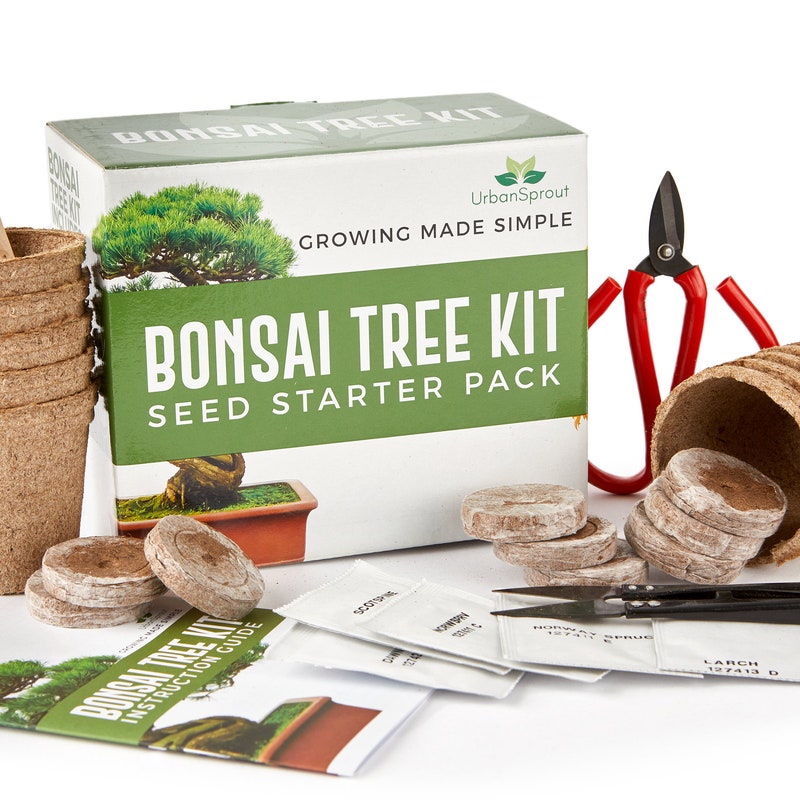
A crucial step in successfully cultivating parsley from seeds is preparing the appropriate growing medium. This involves selecting a suitable soil composition, ensuring the right pH level, and preparing a seed-starting mix that provides optimal conditions for germination and early growth. Proper preparation sets the stage for healthy seedlings and a bountiful harvest.
Ideal Soil Composition for Parsley
Parsley thrives in well-drained, fertile soil that retains some moisture. A loamy soil, a mixture of sand, silt, and clay, is ideal. This balance allows for good water drainage while retaining enough moisture to keep the roots hydrated. The soil should also be rich in organic matter, providing essential nutrients for the developing plant. This organic matter improves the soil’s structure and water retention capacity.
Importance of Soil pH and Adjustment
The optimal pH range for parsley growth is slightly acidic to neutral, typically between 6.0 and 7.0. Soil with a pH outside this range can hinder nutrient uptake, leading to stunted growth and nutritional deficiencies. If your soil’s pH is too high (alkaline), you can lower it by adding organic materials like peat moss or sulfur. Conversely, if the pH is too low (acidic), you can raise it by adding lime.
Regular soil testing can help determine the exact pH level and guide appropriate amendments.
Preparing Seed Starting Mix
A seed-starting mix is often preferred over using garden soil directly. This specialized mix is formulated to promote rapid germination and healthy seedling development. It is typically composed of a combination of peat moss, vermiculite, perlite, and sometimes a small amount of compost. The blend of these components creates a well-drained, airy medium that prevents waterlogging and ensures good aeration for the roots.
Table of Seed Starting Mediums
| Medium | Pros | Cons ||———————|————————————————————————————————————–|————————————————————————————————————————————–|| Peat moss | Excellent water retention, promotes aeration, readily available, relatively inexpensive.
| Can be acidic, needs careful mixing with other components to balance pH, may compact over time. || Vermiculite | Excellent water retention, good aeration, retains nutrients well, readily available.
| Can be expensive, may lose nutrients over time, not as good as peat moss in water retention. || Perlite | Excellent drainage, promotes aeration, low in nutrients, readily available.
| Lower water retention than peat moss, requires addition of nutrients, less expensive. || Coco coir | Excellent water retention, good aeration, readily available, sustainable alternative.
| Can be expensive, may require adjustment to pH, good moisture retention but can become dense. || Commercial Mixes | Convenient, often balanced in pH and nutrients, ready-made, various brands available.
| Can be more expensive than individual components, potentially contain added chemicals. |
Sterilizing Seed Starting Mix
Sterilizing the seed-starting mix is an important step in preventing the growth of disease-causing pathogens. This process eliminates potential pests and diseases that could harm the young seedlings. One method involves heating the mix in a preheated oven at a low temperature. Another method involves treating the mix with a commercially available fungicide. These measures will improve the health and vitality of your parsley seedlings.
Sowing the Parsley Seeds
Properly sowing parsley seeds is crucial for establishing a healthy and vigorous plant. A well-executed sowing process ensures optimal germination and growth, ultimately leading to a bountiful harvest. Carefully considering seed depth, sowing methods, and spacing guarantees the best possible start for your parsley plants.
Seed Depth
Parsley seeds are quite small, and therefore, the appropriate depth for sowing is critical. Planting too deep can hinder germination, while planting too shallow can expose the seeds to drying out. A general guideline is to sow parsley seeds approximately ⅛ inch (0.3 cm) deep. This depth allows for proper moisture retention and germination without burying the seeds excessively.
Sowing Methods
Several methods are available for sowing parsley seeds. The choice of method often depends on the scale of the planting project and the individual’s preferences.
- Direct Sowing: This method involves sowing the seeds directly into the final planting location. This approach is ideal for gardeners who prefer a less intricate setup and want to minimize the handling of the seeds and seedlings. This is a straightforward technique suitable for larger gardens or raised beds. Direct sowing typically requires careful consideration of the spacing to avoid overcrowding.
- Seed Starting Trays: This method involves sowing seeds in seed starting trays. This is beneficial for starting plants indoors, which allows for a head start on the growing season, or for situations where the climate isn’t ideal for direct sowing. This approach offers the advantage of controlling the growing environment, ensuring optimal germination conditions. The seedlings can then be transplanted to their permanent location later, when the risk of frost has passed.
Seed Spacing
Maintaining appropriate seed spacing is essential for healthy plant development. Overcrowding can lead to competition for resources like water and nutrients, negatively impacting the growth and yield of the parsley plants. Adequate spacing allows each plant to reach its full potential, ensuring strong, healthy growth. The optimal spacing for parsley depends on the variety, but a general guideline is to maintain a spacing of 6-8 inches (15-20 cm) between plants.
Watering After Sowing
Proper watering after sowing is vital for successful germination. Watering too little can lead to seed drying out and preventing germination, while excessive watering can lead to seed rot. Aim for consistent moisture, but avoid overwatering, as this can create a soggy environment that is detrimental to the seeds. After sowing, gently water the seed bed to ensure the seeds are thoroughly moistened.
Avoid creating a runoff of water. Maintain a consistent moisture level throughout the germination period.
Direct Sowing vs. Seed Starting Trays
The table below summarizes the key differences between direct sowing and seed starting tray methods.
| Feature | Direct Sowing | Seed Starting Trays |
|---|---|---|
| Planting Location | Final planting location | Temporary location (trays) |
| Timing | Usually done in spring or fall, depending on climate | Can be done indoors earlier in the season |
| Space Management | Careful planning of seed spacing is crucial | Seeds are spaced within the tray |
| Seedling Handling | No need to transplant seedlings | Seedlings need to be transplanted |
| Climate Considerations | Consider the local climate when sowing | Allows for indoor sowing even in unfavorable weather |
Caring for the Seedlings
Nurturing parsley seedlings to healthy, thriving plants requires careful attention to several key factors. Proper care during this early stage significantly impacts the plant’s future growth and yield. This section details essential aspects of seedling care, ensuring optimal conditions for strong, healthy parsley.
Consistent Moisture and Warmth
Maintaining consistent moisture levels is crucial for parsley seedlings. Waterlogged soil can lead to root rot, while excessively dry soil can cause wilting and stunted growth. Regular watering, ensuring the soil remains consistently moist but not waterlogged, is essential. Observe the soil’s moisture content frequently and adjust watering accordingly. The frequency of watering will depend on factors like climate and soil type.
A good guideline is to water deeply and less frequently rather than shallowly and often. Providing a consistent warm environment is equally vital for seedling health. A temperature range conducive to growth is essential for successful germination and development.
Temperature Range for Parsley Seedlings
Optimal growth for parsley seedlings generally falls within a specific temperature range. Ideal temperatures for parsley seedlings typically range from 60°F to 75°F (15°C to 24°C). Lower temperatures can slow growth, while higher temperatures may lead to stress and inhibit development. Consider using a seed starting tray with a heat mat for seedlings that may not have the correct environmental conditions.
Thinning Seedlings
Seedlings often emerge densely, necessitating thinning. Thinning involves removing weaker or overcrowded seedlings to allow stronger plants to develop. This process provides adequate space for each seedling to grow its roots and foliage. When thinning, gently remove seedlings, being careful not to damage the roots of the remaining plants. Thinning typically occurs when seedlings have developed their first true leaves.
Spacing depends on the variety of parsley and the desired final size of the plants.
Providing Adequate Light
Parsley seedlings require ample sunlight for healthy development. Sufficient light promotes robust growth and prevents etiolation, a condition characterized by spindly stems and pale foliage. Place the seedling tray in a location that receives at least 6 hours of direct sunlight daily. If natural light is insufficient, supplement with grow lights. Using grow lights provides controlled light conditions that mimic natural sunlight.
Ensuring adequate light, both natural and artificial, promotes the development of healthy, vibrant parsley.
Protecting Seedlings from Pests and Diseases
Parsley seedlings are susceptible to various pests and diseases. Regular inspection and proactive measures are vital for preventing problems. Examine seedlings frequently for signs of pests like aphids, slugs, or snails. Introduce beneficial insects like ladybugs or lacewings, which can help control pest populations naturally. Proper hygiene, such as maintaining a clean growing environment, can minimize the risk of fungal diseases.
Also, ensure adequate air circulation around the plants. Using natural pest control methods whenever possible is advisable.
Providing Adequate Nutrients
Adequate nutrients are crucial for parsley seedlings to flourish. Nutrient deficiencies can hinder growth and development. Use a balanced, well-drained potting mix specifically designed for seedlings. If needed, supplement with a liquid fertilizer formulated for seedlings. Ensure the fertilizer is diluted according to package instructions to avoid damaging the delicate seedlings.
A balanced nutrient supply promotes healthy foliage and robust root systems. Nutrient deficiencies are often identified by specific symptoms on the leaves or stems. Addressing these symptoms promptly is essential.
Transplanting Parsley Seedlings

Transplanting parsley seedlings is a crucial step in ensuring healthy growth and a bountiful harvest. This process involves carefully moving the young plants to larger containers or directly into the garden, enabling them to develop further. Proper timing, handling, and preparation are essential to minimize stress and maximize survival rates.
Ideal Time for Transplanting
Parsley seedlings are typically ready for transplanting once they have developed their first true leaves. This usually occurs 4-6 weeks after sowing the seeds, depending on the specific variety and growing conditions. Waiting too long can result in rootbound seedlings, making transplanting more difficult. Conversely, transplanting too early may lead to weaker plants.
Transplanting Process
The process of transplanting involves carefully lifting the seedlings from their original containers. Use a trowel or your hands to gently loosen the soil around the roots. Gently lift the seedling, taking care not to damage the delicate roots. For seedlings grown in small pots, carefully invert the pot over a container and gently tap the bottom to release the seedling.
Gently plant the seedling in the new container or garden bed, ensuring the roots are completely covered with soil. Firmly press the soil around the base of the plant, removing any air pockets. Water thoroughly after transplanting.
Importance of Proper Seedling Handling
Proper handling of seedlings during transplantation is critical to minimizing stress and promoting successful establishment. Avoid pulling or tugging on the seedlings, as this can damage their roots, which are essential for absorbing water and nutrients. Handle the seedlings by the base of the stem, supporting the entire plant. Avoid touching the leaves, as this can increase the risk of disease.
Hardening Off Seedlings
Hardening off is a crucial preparation step before transplanting, particularly when moving seedlings outdoors. This gradual process acclimates the seedlings to the outdoor environment, helping them withstand changes in temperature, light, and humidity. Begin by placing the seedlings in a shaded location for a few hours each day. Gradually increase the amount of time they spend outdoors over several days.
This allows the seedlings to adjust to the new conditions and develop stronger root systems. This method helps prevent transplant shock and improves their survival rate.
Transplanting Container Types
The selection of a container depends on the final location of the parsley and the number of plants. Choosing the right container will ensure adequate space for root development.
| Container Type | Description | Suitability |
|---|---|---|
| Small Pots (e.g., 4-inch pots) | Ideal for starting seedlings. | Suitable for starting and growing seedlings before transplanting. |
| Larger Pots (e.g., 6-inch or 8-inch pots) | Offer more space for root development. | Good for larger plants that are ready for transplanting, or to use as a transition from small pots to the garden. |
| Garden Beds | Provide ample space for the plant’s growth. | Ideal for mature plants and those that are ready to be established in the ground. |
Maintaining Parsley Plants
Established parsley plants require consistent care to thrive and produce a bountiful harvest. Proper watering, fertilization, and pest control are crucial for maintaining healthy plants. Regular pruning and harvesting also contribute to the plant’s overall vigor. Understanding these practices will help ensure a continuous supply of fresh parsley.
Watering Schedule for Established Plants
A consistent watering schedule is essential for established parsley plants. Overwatering can lead to root rot, while insufficient watering can cause wilting and stunted growth. Observe the soil moisture regularly; water when the top inch of soil feels dry to the touch. Watering deeply and less frequently encourages deeper root development, making the plants more resilient to drought conditions.
In general, established parsley plants typically require watering once or twice a week, depending on local weather conditions and soil type. Adjust the schedule accordingly.
Importance of Regular Fertilization
Parsley, like many leafy greens, benefits from regular fertilization. This provides the essential nutrients for robust growth and production. Use a balanced liquid fertilizer diluted to half strength, applying it every 2-3 weeks during the growing season. This helps maintain the plant’s vigor and encourages the development of vibrant green leaves. Fertilizing with a slow-release granular fertilizer can also be beneficial, ensuring a sustained supply of nutrients over a longer period.
Pruning and Deadheading for Growth
Regular pruning and deadheading are vital for maintaining the shape and vigor of parsley plants. Remove any yellowed, damaged, or dead leaves to promote new growth. Pinch off the flower stalks as they emerge to encourage the plant to focus its energy on leaf production. Pruning also helps prevent the plant from expending energy on seed production, which can reduce leaf growth.
This simple practice can significantly improve the plant’s appearance and yield.
Pest and Disease Prevention
Maintaining good hygiene and recognizing early signs of infestation are crucial for preventing pests and diseases. Ensure proper spacing between plants to allow for good air circulation. Inspect plants regularly for signs of pests like aphids or slugs. If you notice any infestations, isolate the affected plants and treat them with appropriate methods, such as insecticidal soap or neem oil.
Parsley can also be susceptible to fungal diseases like powdery mildew. Providing adequate air circulation and avoiding overwatering can help prevent fungal problems.
Harvesting Parsley
Harvesting parsley is a rewarding part of maintaining these plants. Regular harvesting encourages continuous growth. Cut the leaves from the plant as needed, leaving a few inches of stem intact to promote new growth. For a continuous harvest, pick leaves regularly, taking only a portion of the plant at a time. Harvesting methods should not harm the plant, which allows it to continue growing and producing fresh leaves.
Common Pests and Diseases Affecting Parsley and Prevention
| Pest/Disease | Description | Prevention |
|---|---|---|
| Aphids | Small, sap-sucking insects that can cause yellowing and distortion of leaves. | Maintain good plant hygiene, spray with insecticidal soap or neem oil if necessary. |
| Slugs/Snails | Mollusks that feed on leaves. Visible slime trails are a sign of their presence. | Use barriers like copper tape or diatomaceous earth around plants. Hand-pick visible pests. |
| Powdery Mildew | Fungal disease characterized by a white powdery coating on leaves. | Improve air circulation around plants. Avoid overwatering. Use fungicides if necessary. |
| Root Rot | Fungal disease affecting the roots, causing yellowing and wilting. | Avoid overwatering. Ensure proper drainage. Use well-draining soil. |
Troubleshooting Common Issues
Cultivating parsley successfully relies not only on proper care but also on recognizing and addressing potential problems promptly. Early identification and appropriate solutions can prevent further damage and maintain healthy, productive plants. Understanding the causes and symptoms of common issues is key to maintaining optimal growth.
Common Parsley Growth Problems
Parsley, like any plant, is susceptible to various issues affecting its health and growth. Recognizing these problems early allows for prompt intervention and prevents further damage. A keen eye for details, coupled with a basic understanding of parsley’s needs, is crucial for effective troubleshooting.
- Yellowing Leaves: Yellowing leaves in parsley can stem from several factors, including nutrient deficiencies, overwatering, or underwatering. Nutrient deficiencies, particularly nitrogen, magnesium, or iron, can manifest as yellowing, often accompanied by other symptoms. Overwatering can lead to root rot, hindering nutrient uptake and causing yellowing. Conversely, underwatering can also result in yellowing leaves due to dehydration stress.
- Pests: Parsley is susceptible to various pests, such as aphids, spider mites, and caterpillars. Aphids feed on the sap of the leaves, causing distortion and discoloration. Spider mites create tiny webs and cause stippling or yellowing on the leaves. Caterpillars, depending on the species, can defoliate plants quickly. Identifying the pest accurately is the first step towards an effective solution.
- Disease: Fungal diseases, such as powdery mildew or downy mildew, can affect parsley plants, leading to a white powdery coating on the leaves or yellowing and wilting. Proper spacing and air circulation can help prevent these fungal issues.
- Poor Growth: Slow or stunted growth might indicate insufficient light, poor soil quality, or inadequate watering. Consistent monitoring of the plant’s condition, particularly the initial stages of growth, is critical to identify and address these factors.
Causes and Solutions for Parsley Growth Problems
A well-maintained table detailing potential problems and corresponding solutions can be a valuable resource.
| Problem | Cause | Solution |
|---|---|---|
| Yellowing Leaves | Nutrient deficiencies (nitrogen, magnesium, iron), overwatering, underwatering, or root diseases | Amend the soil with compost or appropriate fertilizer. Adjust watering schedule. Improve drainage if overwatering is suspected. |
| Pests (Aphids, Spider Mites) | Infestation by insects | Use insecticidal soap or neem oil. Introduce beneficial insects like ladybugs to control the pest population. |
| Disease (Powdery Mildew) | Fungal infection | Remove affected leaves. Improve air circulation around the plant. Apply a fungicide if necessary. |
| Poor Growth | Insufficient light, poor soil quality, inadequate watering, or pest infestation | Ensure adequate sunlight. Improve soil drainage and amend with compost or other organic matter. Maintain consistent watering schedule. Address pest issues. |
Preventative Measures
Taking proactive steps can significantly reduce the likelihood of encountering problems. Good cultural practices form the foundation of successful parsley cultivation.
- Proper Watering: Consistent moisture, not waterlogging, is essential for healthy parsley growth. Water deeply but infrequently, allowing the soil to dry slightly between waterings. This encourages strong root development.
- Adequate Sunlight: Parsley thrives in full sun or partial shade. Ensure the plant receives sufficient sunlight to promote healthy growth.
- Nutrient-Rich Soil: Using well-draining soil enriched with organic matter, like compost, provides essential nutrients and promotes healthy root development. Regular soil testing can help identify specific nutrient needs.
- Pest and Disease Monitoring: Regular inspections for pests and diseases, especially during the early stages of growth, allow for early intervention and prevent widespread damage. Proper spacing also promotes air circulation, reducing the risk of fungal diseases.
Harvesting and Storage

Parsley, a versatile herb, is best enjoyed fresh. Knowing the optimal harvesting time and proper storage techniques maximizes its flavor and extends its usability. This section details the ideal harvesting period, effective methods for preserving freshness, and techniques for long-term storage.
Optimal Harvesting Time
Parsley is ready for harvest when it reaches a desirable size and has developed a full head of leaves. Typically, this occurs around 6-8 weeks after germination, depending on the specific variety and growing conditions. Harvesting at this point ensures the plant maintains its vigor and produces the most flavorful leaves. For the best flavor, harvest parsley in the morning, as the leaves will have absorbed the day’s moisture and nutrients.
Proper Harvesting Techniques
To maintain the health of your parsley plant, employ proper harvesting techniques. Carefully snip or cut the leaves, leaving about 2-3 inches of stem intact on the plant. This allows the plant to continue growing and producing new leaves. Avoid pulling the entire plant out, as this can damage the roots and hinder future growth. Use sharp, clean pruning shears to make precise cuts and minimize damage to the plant.
Storing Fresh Parsley
Maintaining the freshness of parsley is key to maximizing its flavor. For short-term storage (up to 3 days), store fresh parsley in a tightly sealed plastic bag in the refrigerator. To maintain crispness, immerse the cut ends of the parsley stems in a small bowl of water, then place the parsley in a plastic bag.
Extending Shelf Life
To further extend the shelf life of fresh parsley, keep it cool and humid. This can be achieved by placing the cut parsley stems in a glass of water and storing it in the refrigerator. Alternatively, you can store the parsley in a plastic bag with a damp paper towel, which helps retain moisture. These techniques help maintain the crispness and freshness of the parsley, preserving its flavor.
Drying Parsley for Long-Term Storage
Drying parsley allows for long-term storage, preserving its flavor for use throughout the year. To dry parsley, carefully remove the leaves from the stems. Spread the leaves on a clean, dry surface, ensuring proper air circulation. Place the parsley leaves in a dehydrator at a low temperature, or air dry them by hanging them upside down in a well-ventilated, dark area.
Once the leaves are completely dry, store them in airtight containers in a cool, dry place.
End of Discussion
In conclusion, cultivating parsley from seeds is a fulfilling journey, offering a rewarding harvest of fresh, flavorful herbs. By understanding the critical stages of seed preparation, soil preparation, and seedling care, you can ensure a bountiful yield of this culinary staple. This guide has provided a detailed overview of each step, empowering you to embark on this gardening adventure and enjoy the fruits of your labor.