Mulching is a cornerstone of successful gardening, offering a multitude of benefits for plant health and garden aesthetics. This comprehensive guide dives deep into the world of mulching, exploring everything from selecting the right materials to maintaining a thriving mulched garden. From boosting soil health to suppressing weeds, mulching transforms your garden into a vibrant and productive ecosystem.
This guide covers various aspects of effective mulching, including choosing the ideal mulch type for different plant families, ensuring proper application techniques, and maintaining a healthy mulched garden over time. We’ll also explore the critical role of mulching in water management and weed control.
Introduction to Mulching
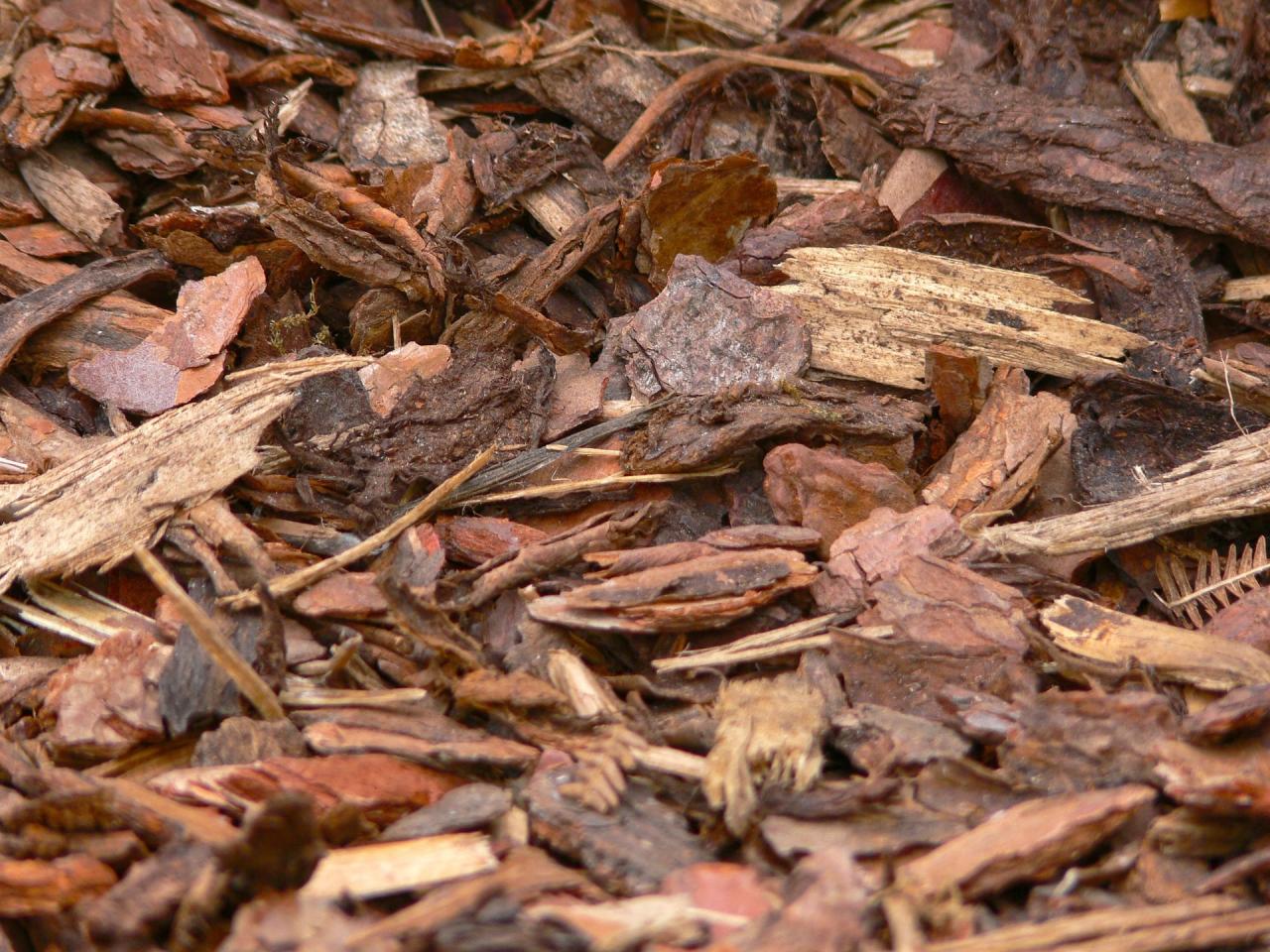
Mulching is a gardening practice that involves covering the soil around plants with organic materials. This practice offers numerous benefits for plant health and garden maintenance. Properly applied mulch helps retain moisture, suppress weeds, and regulate soil temperature, ultimately promoting healthier plant growth.The benefits of mulching extend beyond aesthetic appeal. It contributes to a more sustainable and resilient garden by reducing water needs, minimizing weed growth, and improving soil quality over time.
Mulch protects the delicate roots of plants, keeping them cool and preventing them from being damaged by temperature fluctuations.
Mulch Materials
Various organic materials can be used as mulch. The choice of material often depends on factors such as cost, availability, and desired aesthetic effect. Common types include wood chips, straw, bark, and shredded leaves. Each material offers distinct advantages and disadvantages, influencing its suitability for different plant types and gardening needs.
Types of Mulch Materials
- Wood Chips: Derived from wood processing, wood chips provide excellent weed suppression and soil aeration. They decompose over time, enriching the soil with valuable nutrients. The availability and cost of wood chips vary based on location and season.
- Straw: A readily available and relatively inexpensive option, straw effectively suppresses weeds and helps retain soil moisture. It’s particularly beneficial for gardens where weed control is a major concern.
- Bark: Bark mulch, often in shredded form, provides good weed suppression and helps regulate soil temperature. Its aesthetic appeal makes it a popular choice for landscaping projects. Different bark types (e.g., pine bark, hardwood bark) have varying decomposition rates.
- Shredded Leaves: A natural and economical option, shredded leaves contribute to soil enrichment and suppress weeds. They decompose relatively quickly, adding organic matter to the soil.
Advantages of Using Mulch
Mulch offers a wide range of advantages for garden health and maintenance. It aids in water conservation by reducing evaporation, minimizes weed growth, and moderates soil temperatures. The consistent application of mulch can contribute to a more efficient and less demanding gardening experience.
Comparison of Mulch Types
| Material | Cost | Water Retention | Weed Suppression |
|---|---|---|---|
| Wood Chips | Moderate | High | Excellent |
| Straw | Low | Moderate | Good |
| Bark | Moderate | High | Excellent |
| Shredded Leaves | Low | Moderate | Good |
This table provides a general comparison of mulch types. Specific costs and effectiveness may vary based on local availability and application methods.
Choosing the Right Mulch
Selecting the appropriate mulch is crucial for maximizing its benefits and ensuring healthy plant growth. Different plants have varying needs, and the right mulch can conserve moisture, regulate soil temperature, suppress weeds, and enhance nutrient availability. Careful consideration of factors like soil type, plant species, and desired outcome will contribute to a thriving garden.
Factors Influencing Mulch Selection
Understanding the specific needs of your plants is paramount in choosing the right mulch. Factors like soil composition, drainage, and the particular requirements of the plant species directly influence the type and depth of mulch that will be most effective. The goal is to create an environment that promotes healthy root development and minimizes stress on the plants.
Soil Conditions and Plant Needs
Soil conditions play a significant role in determining the best mulch type. Clay soils, for instance, often benefit from mulches that improve drainage and aeration, while sandy soils might require mulches that retain moisture. Furthermore, the specific needs of the plant species, including its water requirements and preferred soil pH, should be considered. A plant that thrives in moist soil may not fare well with a mulch that dries out the soil excessively.
Mulch Type and Plant Growth
The type of mulch used directly impacts plant growth. Organic mulches, like wood chips or shredded bark, decompose over time, enriching the soil with nutrients. These mulches also help regulate soil temperature and moisture levels. Synthetic mulches, such as plastic sheeting or gravel, offer different benefits, like weed suppression, but may not contribute as significantly to soil enrichment.
Matching the mulch type to the plant’s specific needs ensures optimal growth.
Determining Ideal Mulch Depth
The ideal mulch depth varies depending on the plant type and the desired outcome. A general guideline is to apply mulch to a depth of 2-4 inches. Thicker layers might be suitable for suppressing weeds in certain situations, but overly deep applications can hinder water penetration and root growth. A mulch layer that is too thin may not provide sufficient protection or benefits.
Ideal Mulch Types for Different Plant Families
The table below provides a general guideline for selecting mulch types for various plant families. This is not an exhaustive list, and specific needs may vary.
| Plant Family | Ideal Mulch Types | Considerations |
|---|---|---|
| Trees and Shrubs | Shredded bark, wood chips, pine needles | Thick applications can suppress weeds effectively; consider moisture retention in specific conditions. |
| Flowers | Shredded bark, wood chips, composted leaves | Choose a mulch that doesn’t hinder air circulation around the plant base. |
| Vegetables | Shredded bark, wood chips, composted leaves, straw | Organic mulches enrich the soil and suppress weeds, important for vegetable production. |
| Lawns | Shredded bark, wood chips, straw, grass clippings (composted) | Composted grass clippings are a good choice for lawns as they enrich the soil while maintaining aesthetics. |
Applying Mulch Effectively
Proper mulch application is crucial for maintaining healthy plants and a visually appealing garden. It conserves moisture, regulates soil temperature, suppresses weeds, and improves soil structure. This section details the steps involved in preparing the soil, spreading mulch, and avoiding common mistakes.Preparing the soil for mulching is a critical first step. This process ensures the mulch will be effective and allows the soil to benefit from the addition of the mulch.
Preparing the Soil for Mulching
Thorough soil preparation is essential for maximizing the benefits of mulching. A well-prepared soil bed ensures even moisture distribution, good drainage, and optimal root growth. Remove any large rocks, debris, or weeds from the area. Loosen the soil to a depth of about 6-8 inches using a garden fork or tiller. This process improves aeration and allows water and nutrients to penetrate easily.
Amend the soil with compost or other organic matter to enhance its structure and fertility. This improves the soil’s ability to retain moisture, providing a better environment for the roots of your plants.
Techniques for Even Mulch Spreading
Even distribution of mulch is key to its effectiveness. Uneven application can lead to poor moisture retention, uneven soil temperatures, and potentially encourage weed growth in areas with insufficient mulch cover. Begin by creating a ring of mulch around the base of each plant, avoiding direct contact with the stems. Use a shovel or hand rake to spread the mulch evenly, ensuring a consistent depth across the entire area.
Work in sections to maintain control over the application process.
Avoiding Common Mulch Application Mistakes
Several mistakes can diminish the effectiveness of mulching. Avoid placing mulch directly against the stems of plants, as this can lead to diseases and rot. Ensure that the mulch layer is not too thick. A layer exceeding 3-4 inches may impede water drainage and air circulation around the roots. Ensure the mulch layer does not touch the trunk of the plant.
Also, avoid using too little mulch. A thin layer may not effectively suppress weeds or regulate soil temperature.
Step-by-Step Procedure for Mulching a Garden Bed
This procedure Artikels the steps for mulching a garden bed, ensuring a thorough and efficient process.
- Clear the area of any debris or weeds.
- Loosen the soil to a depth of 6-8 inches.
- Amend the soil with compost or organic matter.
- Create a ring of mulch around the base of each plant, keeping the mulch away from the stems.
- Spread mulch evenly over the entire area, maintaining a consistent depth.
- Water the area thoroughly after applying the mulch.
Appropriate Mulch Application Depths
The optimal mulch depth varies depending on the type of plant. A proper mulch depth provides the desired benefits without hindering plant health.
| Plant Type | Recommended Mulch Depth (inches) |
|---|---|
| Trees and shrubs | 2-4 |
| Flowers and vegetables | 2-3 |
| Groundcovers | 1-2 |
Maintaining Mulched Gardens
Proper maintenance of a mulched garden ensures its continued effectiveness and beauty. Regular upkeep keeps weeds at bay, retains moisture, and preserves the beneficial properties of the mulch. This involves a systematic approach to removing debris, replenishing the mulch layer, and adjusting it as plants grow.
Maintaining Mulch Layers
Regular maintenance is crucial for the longevity and effectiveness of a mulched garden. Consistent upkeep prevents weed growth, retains soil moisture, and preserves the beneficial properties of the mulch. Mulch layers need to be maintained to ensure continued benefit to the plants.
Maintaining a consistent mulch layer is vital for optimal plant health. A well-maintained mulch layer reduces weed growth, retains soil moisture, and suppresses the growth of unwanted vegetation. The depth and consistency of the mulch layer are key factors in its effectiveness.
Removing Weeds and Debris
Weed removal is an essential part of maintaining a healthy mulched garden. Regular removal of weeds and debris prevents them from competing with plants for nutrients and water. This also helps to maintain the aesthetic appeal of the garden.
Removing weeds and debris from the mulch layer is a crucial task. Weeds, if allowed to grow, compete with plants for resources, including water and nutrients. Removing them helps to ensure that plants receive adequate resources for growth and development. Accumulated debris can also affect water drainage and air circulation in the soil. Regular removal of debris maintains the integrity of the mulch layer and promotes healthy plant growth.
Replenishing Mulch
Mulch decomposes over time, requiring replenishment to maintain its effectiveness. This replenishment ensures that the mulch continues to provide its benefits, such as suppressing weeds and retaining moisture. Regular replenishment maintains the desired level of mulch depth.
As mulch decomposes, its effectiveness in suppressing weeds and retaining moisture diminishes. Replenishing the mulch layer ensures the continued benefits of mulching. The rate of decomposition varies based on the type of mulch and environmental conditions. Regular replenishment ensures the mulch layer remains effective in suppressing weeds, retaining moisture, and maintaining the health of the plants.
Adjusting Mulch Around Plants
As plants grow, the mulch layer needs to be adjusted to accommodate their expanding root systems and prevent the mulch from smothering the plants. This adjustment ensures the continued benefits of the mulch layer without hindering plant growth.
Plants require adequate space for their roots to develop. As plants grow taller and their root systems expand, the mulch layer around them may need to be adjusted. Adjusting the mulch layer around plants ensures that the roots have adequate space for growth and prevents the mulch from suffocating the plants. This involves removing mulch that may be covering the stems or base of the plant.
Mulch Maintenance Tasks and Frequency
| Task | Frequency |
|---|---|
| Weed removal | Weekly or bi-weekly, as needed |
| Debris removal | Weekly or bi-weekly, as needed |
| Mulch replenishment | Every 3-6 months, depending on decomposition rate |
| Mulch adjustment around plants | As needed, typically every 2-3 months |
Mulch and Water Management
Mulch plays a crucial role in maintaining healthy and thriving gardens. Beyond its aesthetic appeal, mulch significantly impacts water management, allowing for more efficient irrigation and reduced water waste. Understanding these effects is essential for successful gardening practices.Properly managed mulch reduces the need for frequent watering, saving time and resources while promoting healthier plant growth. Effective water retention and regulated soil temperature contribute to a more balanced and sustainable gardening environment.
Effect of Mulch on Water Retention
Mulch creates a protective layer around plants, reducing evaporation from the soil surface. This is particularly important in dry climates or during periods of drought. By preventing water loss through evaporation, mulch helps maintain soil moisture levels, ensuring adequate hydration for plant roots. This sustained moisture promotes deeper root growth and stronger, healthier plants, improving their overall resilience to environmental stress.
Adjusting Watering Schedules
With mulch in place, watering schedules can be adjusted. Reduced evaporation means less water is needed to achieve the same level of soil moisture. This adjustment is crucial to avoid overwatering, which can lead to root rot and other plant diseases. Regularly monitoring the soil moisture level beneath the mulch is important for fine-tuning watering practices. Using a finger test, or moisture meter, is helpful for determining the right time to water.
Minimizing Water Waste in Mulched Gardens
Minimizing water waste in mulched gardens involves several strategies. First, selecting appropriate mulch types and thicknesses is crucial. Thicker layers of mulch provide greater water retention. Second, consistent watering, rather than infrequent deep watering, is preferable in mulched areas, as it encourages consistent soil moisture. Finally, watering early in the morning minimizes water loss due to evaporation.
Mulch and Soil Temperature Regulation
Mulch also plays a significant role in regulating soil temperature. During hot summer months, mulch helps insulate the soil, preventing rapid temperature fluctuations. This insulation prevents the soil from becoming too hot, which can stress plants and hinder their growth. In winter, mulch acts as a protective layer, preventing soil from freezing and thawing rapidly. This protection minimizes the risk of root damage and allows plants to emerge more readily in the spring.
Impact of Different Mulch Types on Water Retention
| Mulch Type | Water Retention Rating (1-5, 5 being highest) | Description |
|---|---|---|
| Shredded Bark | 4 | Excellent water retention, moderate decomposition rate. |
| Wood Chips | 3 | Good water retention, moderate decomposition rate. |
| Grass Clippings | 2 | Fair water retention, rapid decomposition rate, may need frequent replenishment. |
| Pine Straw | 3 | Good water retention, slow decomposition rate, effective for suppressing weeds. |
| Stone Mulch | 1 | Low water retention, good for controlling weeds and regulating temperature. |
The table above provides a general guideline. Specific water retention values can vary based on factors like the thickness of the mulch layer and the local climate.
Mulch and Weed Control
Mulch plays a crucial role in maintaining healthy and weed-free gardens. Beyond its aesthetic benefits, a well-applied mulch layer effectively suppresses weed growth, conserves moisture, and regulates soil temperature. Understanding the principles of mulch application and the specific properties of different mulch types is key to achieving optimal weed control.
The Role of Mulch in Weed Suppression
Mulch effectively suppresses weed growth by creating a physical barrier that prevents sunlight from reaching weed seeds. This lack of sunlight inhibits germination and growth. Additionally, the consistent layer of mulch can smother existing weeds, reducing their access to water and nutrients. This competitive advantage allows the desired plants to thrive.
Choosing Mulch Materials for Optimal Weed Control
Different mulch materials offer varying degrees of weed suppression. Factors to consider when selecting mulch for optimal weed control include the material’s physical properties, such as its density and particle size, and its ability to block light. Organic mulches, like wood chips, often provide better weed suppression than inorganic mulches, like gravel, due to their ability to create a dense, continuous layer.
Methods of Controlling Weeds with Mulch
Various methods can enhance weed control with mulch. A thick layer of mulch is generally more effective than a thin one. Applying mulch directly over the soil surface and ensuring a consistent thickness across the entire area are crucial steps. Overlapping rows of mulch and ensuring the mulch completely covers the soil area are essential to create a dense barrier.
Strategies for Dealing with Persistent Weeds Under Mulch
Despite effective mulch application, some weeds may still emerge beneath the mulch layer. A proactive approach to persistent weed control involves addressing the root cause of the weed growth and removing the weeds promptly. Regular inspections of the mulch layer are essential to identify and remove emerging weeds before they establish themselves. Addressing underlying soil issues, such as excessive moisture or poor drainage, may also be necessary.
The addition of a pre-emergent herbicide can also be a strategy for preventing weeds from germinating.
Mulch Types and Weed Suppression Effectiveness
| Mulch Type | Weed Suppression Effectiveness | Advantages | Disadvantages |
|---|---|---|---|
| Shredded Hardwood Bark | High | Good weed suppression, attractive appearance, relatively inexpensive | Can decompose slowly, may need frequent replenishment |
| Pine Straw | High | Excellent weed suppression, readily available, low cost | Can become compacted, may need frequent replenishment |
| Grass Clippings | Moderate | Economical, readily available | Can attract pests, may need frequent application, can potentially harbor disease |
| Gravel | Low | Aesthetically pleasing, durable | Poor weed suppression, may require frequent weed removal, can heat up in the sun |
| Newspaper | Moderate | Eco-friendly, biodegradable, can reduce weed growth | Requires layering and moisture to break down, not suitable for all climates |
This table provides a comparative overview of mulch types based on their weed suppression effectiveness, alongside their advantages and disadvantages. It is essential to consider the specific characteristics of your garden and the type of plants you wish to cultivate when selecting the most appropriate mulch material.
Mulching Specific Plant Types
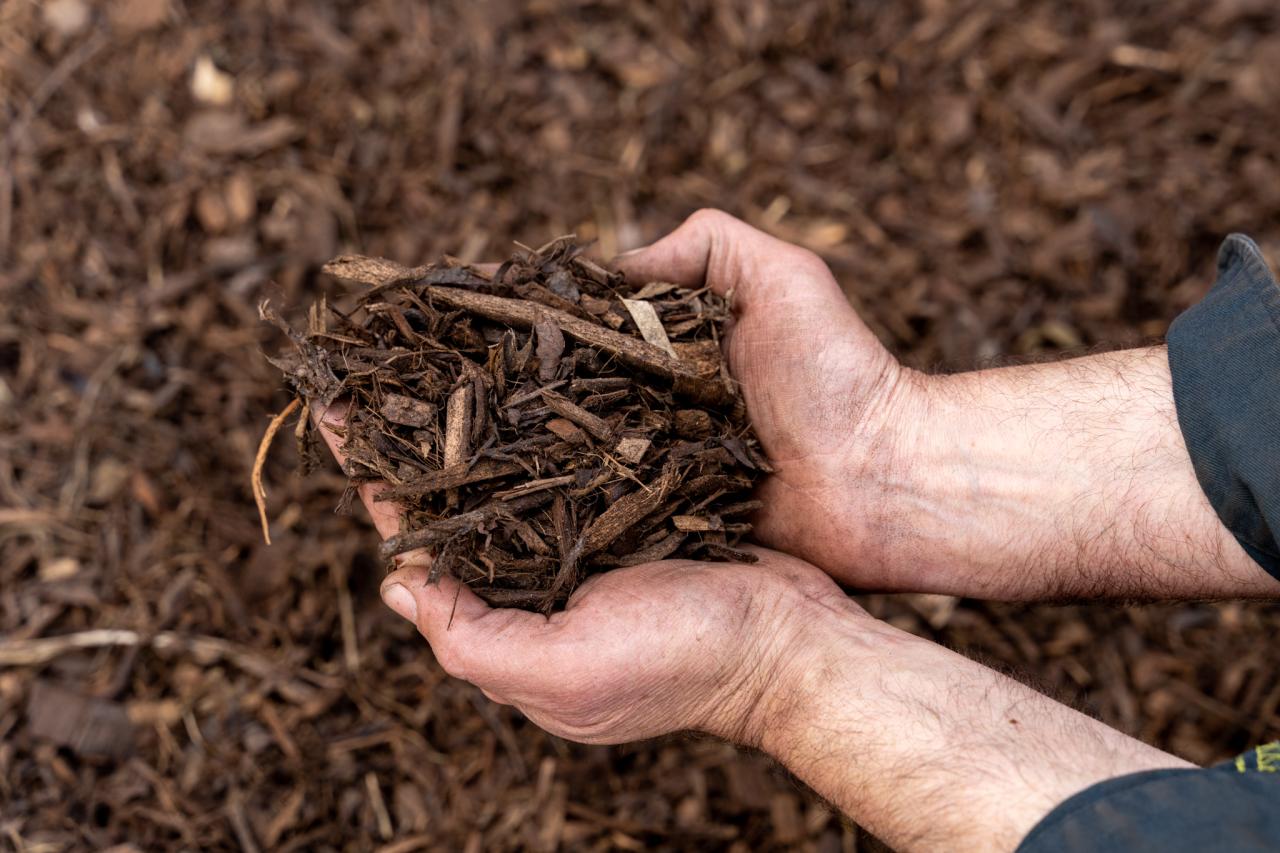
Mulching, a cornerstone of effective gardening, offers numerous benefits beyond its aesthetic appeal. Choosing the right mulch type and application method is crucial for the health and vigor of specific plants. Different plant families and species possess varying needs, influencing how mulch should be applied. This section delves into the tailored mulching strategies for diverse plant types.Tailoring mulching practices to the specific needs of different plants optimizes their growth and health.
Understanding these nuances ensures that plants thrive, minimizing potential issues like moisture retention problems or nutrient imbalances. A well-considered mulching strategy is an investment in a healthier, more vibrant garden.
Mulching Vegetable Gardens
Vegetable gardens often benefit from a consistent layer of mulch, which suppresses weeds and helps maintain soil moisture. A 2-3 inch layer of organic mulch, such as shredded bark or compost, is generally ideal. This layer shields the soil from extreme temperatures, preventing root damage.
- Specific Needs: Vegetables require consistent moisture, particularly during dry periods. Mulch helps retain moisture, reducing the frequency of watering. Additionally, some vegetables, like root crops, benefit from a mulch layer that prevents soil disturbance, which can harm delicate root systems.
- Advantages: Weed suppression, moisture retention, improved soil temperature regulation, and protection of roots from temperature fluctuations.
- Disadvantages: Certain vegetables, like leafy greens, may require more frequent weeding due to mulch creating microclimates. Excessive mulch can impede the growth of certain vegetables.
- Appearance Enhancement: A well-mulched vegetable garden presents a neat and organized appearance, enhancing its overall appeal.
Mulching Flower Beds
Flower beds, with their diverse array of plant species, require a thoughtful approach to mulching. The choice of mulch material should complement the colors and textures of the flowers.
- Specific Needs: Different flower types have varying water needs. Mulch can help manage moisture levels for various flowers, but some, like those that prefer moist conditions, may not require as thick a layer.
- Advantages: Weed suppression, improved soil health, and enhanced aesthetic appeal.
- Disadvantages: Some flower types, like those with shallow root systems, may be susceptible to damage if the mulch layer is too thick.
- Appearance Enhancement: The color and texture of the mulch can complement the flower colors, creating a visually appealing garden space.
Mulching Shrubs
Shrubs require a mulching strategy that balances moisture retention with air circulation.
- Specific Needs: Shrubs generally benefit from a moderate mulch layer (2-4 inches). Avoid placing mulch directly against the stems to prevent diseases and pests.
- Advantages: Weed suppression, soil moisture regulation, and insulation from extreme temperatures.
- Disadvantages: Excessive mulch can smother the roots, and some shrubs might require more specific mulch types.
- Appearance Enhancement: A well-mulched shrub bed contributes to a more unified and visually pleasing landscape.
Mulching Practices Comparison
| Plant Family | Ideal Mulch Type | Mulch Depth (in.) | Moisture Needs |
|---|---|---|---|
| Vegetables | Shredded bark, compost | 2-3 | Consistent |
| Flowers | Shredded bark, wood chips, bark nuggets | 2-4 | Variable, based on specific flower type |
| Shrubs | Shredded bark, wood chips | 2-4 | Moderate |
Mulch and Soil Health
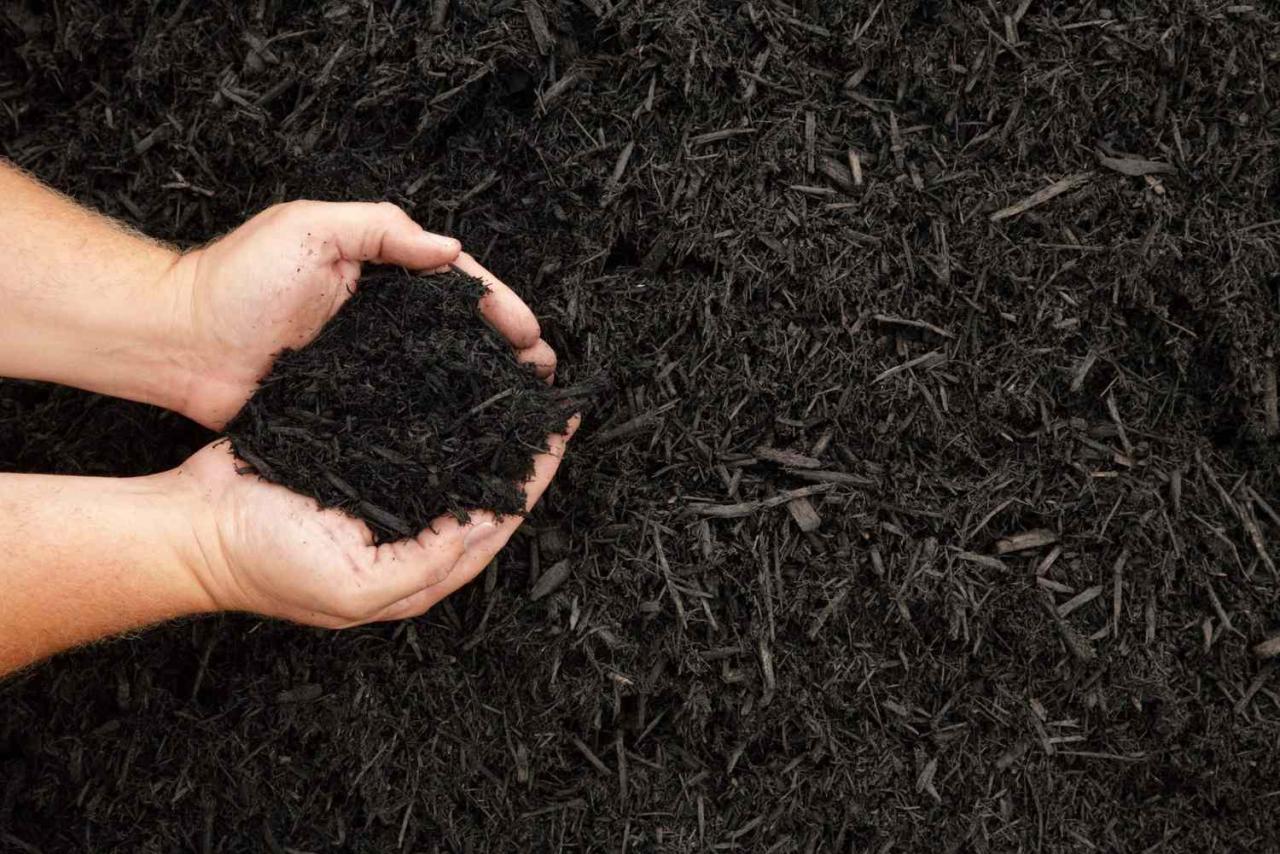
Mulch plays a vital role in maintaining healthy and fertile soil. Its benefits extend beyond simply suppressing weeds; it significantly impacts soil structure, drainage, and overall fertility. By understanding these impacts, gardeners can optimize their soil health and enhance plant growth.Mulch acts as a protective layer, shielding the soil from the elements. This leads to a more stable and consistently productive growing environment, crucial for thriving plants.
Positive Impact on Soil Health and Fertility
Mulch contributes to soil health by improving its structure and nutrient retention. Organic mulches, in particular, decompose over time, releasing essential nutrients into the soil, enriching it with organic matter. This process fosters a vibrant microbial ecosystem, which further enhances nutrient availability to plants. The improved soil structure aids in water retention, reducing the frequency of watering and promoting a more balanced moisture level.
This consistency in moisture helps maintain a favorable environment for beneficial soil organisms.
Improvement of Soil Structure and Drainage
Mulch enhances soil structure by creating a more porous environment. This increased porosity allows for better water infiltration and drainage. The decomposition of organic mulch further improves soil aggregation, creating larger clumps of soil that hold more air. This enhanced aeration supports the growth of beneficial soil organisms and improves overall soil structure, reducing compaction. This leads to healthier root systems and better nutrient uptake for plants.
Role of Mulch in Preventing Soil Erosion
Mulch acts as a physical barrier, preventing soil erosion caused by wind and water. The protective layer created by mulch reduces the impact of raindrops on the soil surface, preventing soil particles from being washed away. This is particularly important in slopes or areas prone to heavy rainfall. The improved soil structure, as discussed previously, also contributes to reduced erosion by enhancing the soil’s ability to resist water and wind forces.
Examples of Enhancing Soil Aeration
Mulch improves soil aeration by increasing the spaces between soil particles. Compost, shredded bark, and wood chips are examples of organic mulches that decompose, creating these spaces. This increased aeration allows for better root development and oxygen supply to the roots, crucial for healthy plant growth. In addition, the mulch layer prevents the soil from becoming compacted, further promoting better aeration.
Table Illustrating Mulch Types and Soil Properties
| Mulch Type | Effect on Soil Structure | Effect on Soil Drainage | Effect on Soil Fertility | Effect on Soil Aeration |
|---|---|---|---|---|
| Shredded Bark | Improved soil structure, promotes aggregation | Excellent drainage, prevents waterlogging | Low nutrient contribution, but improves water retention | Increases aeration due to porosity |
| Compost | Significant improvement in soil structure | Good drainage, improves water retention | High nutrient contribution, rich in organic matter | High aeration due to decomposition |
| Wood Chips | Moderate improvement in soil structure | Good drainage, moderates moisture levels | Low nutrient contribution, but improves soil health | Increases aeration due to porosity |
| Grass Clippings | Moderate improvement in soil structure | Moderate drainage, tends to retain moisture | Moderate nutrient contribution, decomposes rapidly | Increases aeration due to decomposition |
Environmental Considerations
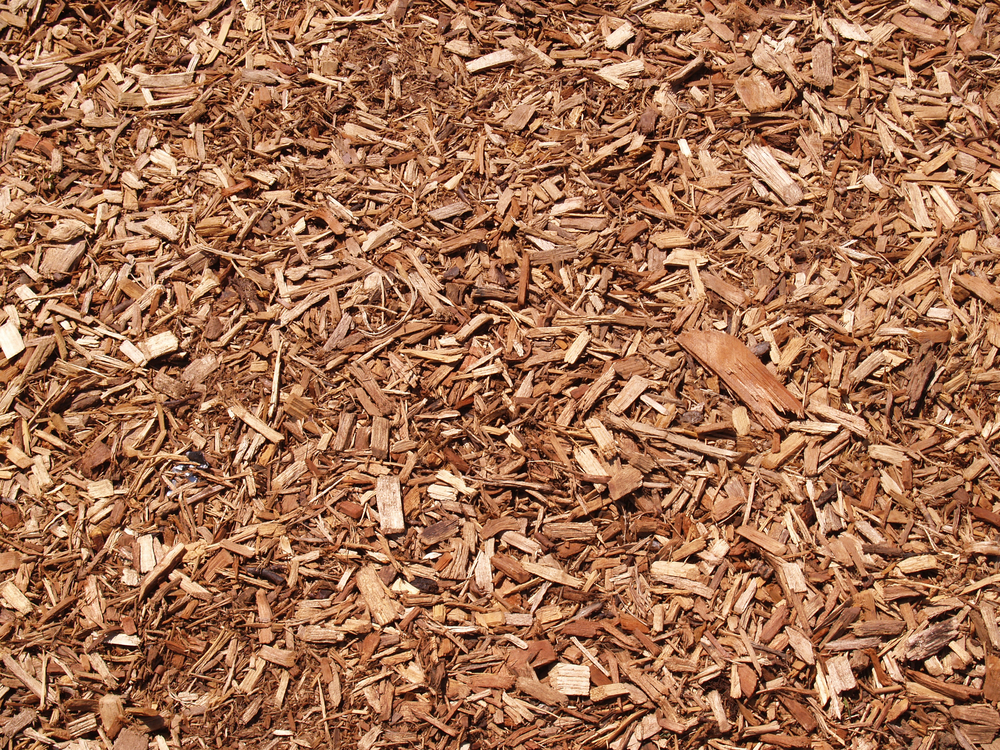
Mulching offers significant environmental benefits, extending far beyond enhancing garden aesthetics. By reducing reliance on synthetic inputs, mulch promotes healthier ecosystems and contributes to a more sustainable approach to gardening. The choice of mulch material, its application, and ongoing maintenance practices all play a role in realizing these environmental advantages.
Environmental Benefits of Mulching
Mulch contributes to a healthier environment by suppressing weeds, reducing water evaporation, and promoting soil health. These benefits, in turn, lead to decreased reliance on harmful pesticides and fertilizers, ultimately contributing to a more sustainable gardening practice. The improved soil structure and water retention facilitated by mulch create a more hospitable environment for beneficial microorganisms, further enhancing the overall health of the garden ecosystem.
Reducing Pesticide and Fertilizer Needs
Mulch effectively suppresses weed growth, minimizing the need for herbicides. This reduction in chemical use protects beneficial insects and other wildlife, while also safeguarding human health. Similarly, healthy soil fostered by mulch often leads to healthier plants that are less susceptible to disease, consequently decreasing the need for synthetic fertilizers. The enhanced nutrient cycling within the mulched soil often provides sufficient nourishment for the plants, reducing the reliance on artificial supplements.
Sustainability of Mulch Materials
The environmental impact of mulch materials varies greatly depending on their origin and processing. Some mulch options, like wood chips from sustainably managed forests, offer a more sustainable choice compared to those derived from non-renewable resources or unsustainable forestry practices. Careful consideration of the source and production method of mulch materials is crucial for ensuring a truly sustainable gardening practice.
Sourcing Sustainable Mulch Options
Choosing sustainable mulch options involves prioritizing materials derived from renewable sources and responsibly managed resources. Look for mulch certified by reputable organizations focused on sustainable forestry or agriculture. Local suppliers are often a good starting point, as they can provide insight into the origin and production practices of the mulch they offer. Compost and other organic mulches, derived from local waste materials, also contribute to a more circular economy and reduced reliance on industrial inputs.
Comparing Environmental Impact of Different Mulch Materials
| Mulch Material | Environmental Impact | Sustainability Considerations |
|---|---|---|
| Wood Chips (Sustainable Forestry) | Generally low, especially from certified sources. Reduced water runoff and erosion. | Source verification crucial. Look for certified sustainable forestry practices. |
| Compost | High sustainability potential. Reduces landfill waste and enriches soil. | Composting practices can vary, so look for high-quality compost. |
| Shredded Leaves | Very low environmental impact. Free and readily available. | Requires proper decomposition and handling to avoid disease spread. |
| Straw | Low impact, particularly if locally sourced. Can help control erosion. | Consider the farming practices used to produce the straw. |
| Plastic Mulch | High environmental impact due to non-biodegradability. | Long-term environmental concern. Consider alternatives for sustainability. |
Note: The table above provides a general comparison. Specific environmental impacts can vary depending on factors like production methods, transportation distances, and the specific type of material.
Final Conclusion
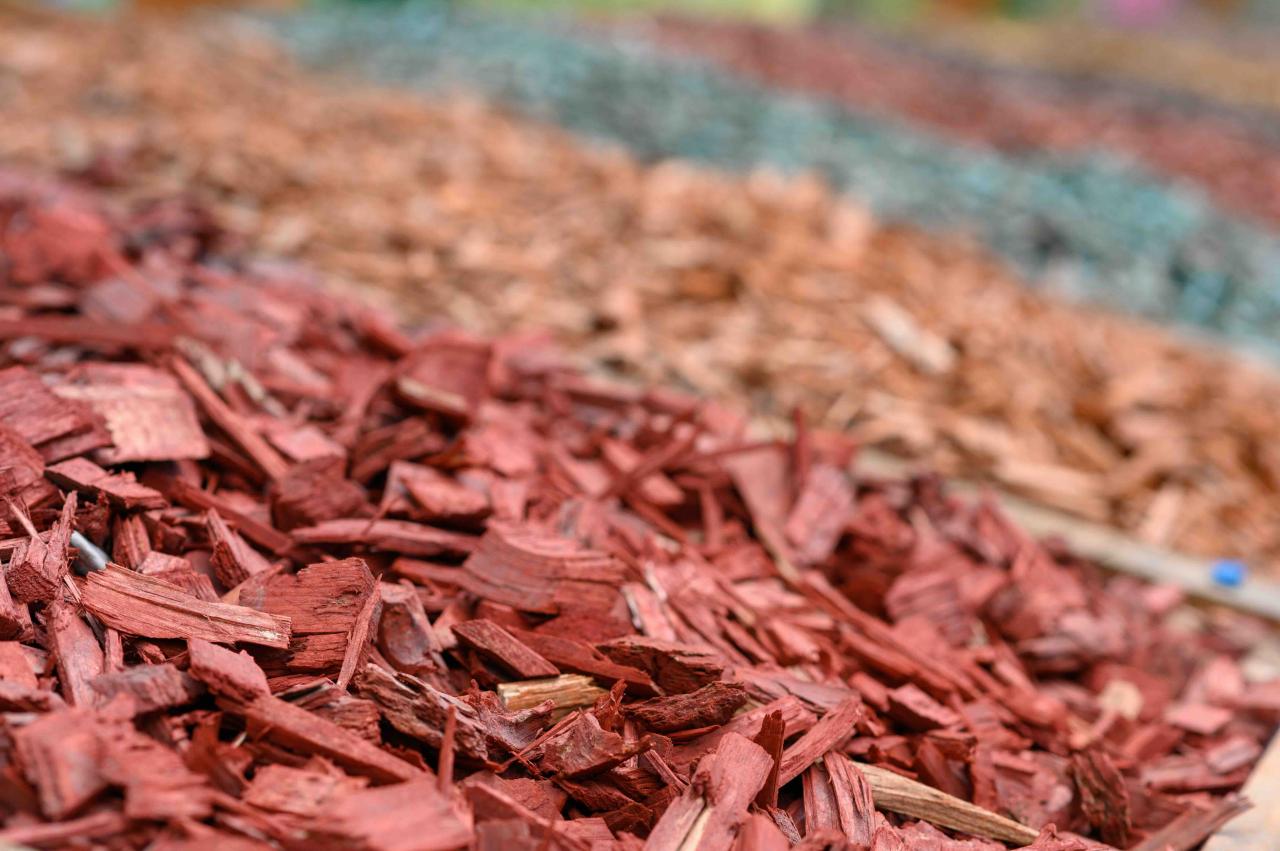
In conclusion, mastering the art of mulching empowers gardeners to create a thriving and sustainable garden. By understanding the nuances of selecting, applying, and maintaining mulch, you can significantly enhance plant health, reduce weed pressure, and improve overall garden aesthetics. This guide provides a thorough roadmap to achieving a beautifully maintained and productive garden, highlighting the crucial role of mulching in achieving these goals.