Indoor plants bring life and vibrancy to our homes, and their health and flourishing depend on proper care, including fertilization. This comprehensive guide delves into the essential aspects of monthly indoor plant fertilization, providing practical advice and insights for nurturing your leafy companions.
From understanding the nuances of different fertilizer types to crafting a personalized fertilization schedule, this guide will empower you to cultivate thriving indoor plants. We’ll explore the critical role of nutrition in plant growth and highlight the specific needs of various indoor plant species, ensuring you achieve optimal results.
Introduction to Indoor Plant Fertilization
Regular fertilization is crucial for maintaining healthy and vibrant indoor plants. Just like outdoor plants, indoor specimens require nutrients to thrive and flourish. A monthly feeding schedule provides the essential elements for optimal growth, preventing nutrient deficiencies that can lead to stunted development, weak stems, and diminished overall health.A consistent supply of nutrients through fertilization promotes robust root development, abundant foliage, and a more vibrant color in your indoor plants.
This translates to a more visually appealing and healthy indoor environment. Fertilizing also helps the plant produce more flowers and fruits, extending its life cycle and aesthetic value.
Importance of Monthly Fertilization
Providing indoor plants with nutrients on a monthly basis supports their metabolic processes, which are essential for their overall health. A regular supply of nutrients enables the plant to produce energy, maintain its structure, and support the growth of new tissues and organs. This is vital for plants that are not exposed to the same natural nutrient cycles as their outdoor counterparts.
Types of Indoor Plant Fertilizers
Several types of fertilizers are suitable for indoor plants, each with unique characteristics and application methods. Understanding these differences helps you select the best option for your specific needs. Common types include liquid, granular, and slow-release fertilizers. Each has its own advantages and disadvantages, impacting ease of application, frequency of use, and nutrient release rate.
Factors to Consider When Choosing a Fertilizer
Several factors influence the selection of the ideal fertilizer for your indoor plants. These include the type of plant, the size of the pot, the growing medium, and the desired outcome. Understanding these elements ensures that the fertilizer you choose is appropriate for the plant’s specific needs and encourages healthy growth. Consider the plant’s specific needs and the fertilizer’s potential impact on the overall health of the plant.
Comparison of Fertilizer Types
| Fertilizer Type | Application | Nutrient Release | Ease of Use | Frequency |
|---|---|---|---|---|
| Liquid | Dissolved in water and applied directly to the soil | Immediate, but needs more frequent applications | Easy to control dosage | Usually weekly or bi-weekly |
| Granular | Scattered around the base of the plant | Slow release, but requires less frequent application | Less frequent application | Typically monthly |
| Slow-Release | Placed directly in the soil or encapsulated pellets | Controlled release over an extended period | Low maintenance | Typically 2-3 months |
Choosing the right fertilizer for your indoor plants depends on various factors, such as the plant’s specific requirements and the desired outcome. Liquid fertilizers are ideal for providing quick nutrient uptake, while granular and slow-release fertilizers offer a more sustained release of nutrients. Ultimately, understanding the differences between these types of fertilizers empowers you to select the best option for your indoor gardening endeavors.
Understanding Monthly Fertilization Schedules
A monthly fertilization schedule provides a structured approach to feeding indoor plants, ensuring consistent nutrient delivery and promoting healthy growth. This schedule allows for careful monitoring of plant needs and adjustments as required, adapting to the unique characteristics of each plant. It’s crucial to understand that a one-size-fits-all approach rarely works, and individual plant types will respond differently to the same fertilization routine.Monthly fertilization is a valuable tool for plant care, providing a systematic method for delivering essential nutrients to indoor plants.
This structured approach is more effective than sporadic feeding, promoting consistent growth and minimizing the risk of nutrient deficiencies or excesses.
Appropriate Frequency and Timing
A monthly fertilization schedule should be tailored to the specific needs of each plant type. Some plants require more frequent feeding than others. For instance, rapidly growing plants like some flowering varieties may benefit from a monthly application of a balanced fertilizer, while slower-growing succulents might only need fertilization every few months. Timing should also be considered.
Applying fertilizer when the plant is actively growing is ideal. Avoid fertilizing during periods of dormancy or stress.
Adjusting the Schedule Based on Growth Stage
Plants in different growth stages require varying amounts of nutrients. Young plants, in their initial growth phase, typically require less fertilizer compared to mature plants. As plants mature and enter the flowering or fruiting stage, their nutrient needs increase. Regular monitoring of the plant’s appearance, including signs of stress or nutrient deficiencies, is vital in making appropriate adjustments to the fertilization schedule.
For example, yellowing leaves or stunted growth may indicate a need for increased fertilization.
Sample Monthly Fertilization Schedule
| Plant Type | Fertilization Frequency | Best Time to Fertilize | Considerations |
|---|---|---|---|
| Succulents | Every 2-3 months | Spring and Summer | Succulents have slow growth and require less frequent fertilization. |
| Ferns | Every 4-6 weeks | Spring and Summer | Ferns need consistent moisture and balanced nutrients. |
| Flowering Plants | Every 2-4 weeks | Spring and Summer | Flowering plants require more nutrients for blooming. |
This table provides a general guideline. Always research the specific needs of your plant variety to fine-tune the schedule.
Implementing a Monthly Fertilization Schedule
Different methods can be used to implement a monthly fertilization schedule. One common method is to use a calendar or a digital planner to track the fertilization dates. Another method involves using a timer to ensure consistent application. A critical aspect of any method is using the correct dilution of the fertilizer according to the product instructions.
Over-fertilizing can harm your plants, causing issues like leaf burn or root damage. Using a slow-release fertilizer can also be a beneficial method, delivering nutrients gradually over time, minimizing the risk of over-fertilizing.
Types of Indoor Plant Fertilizers
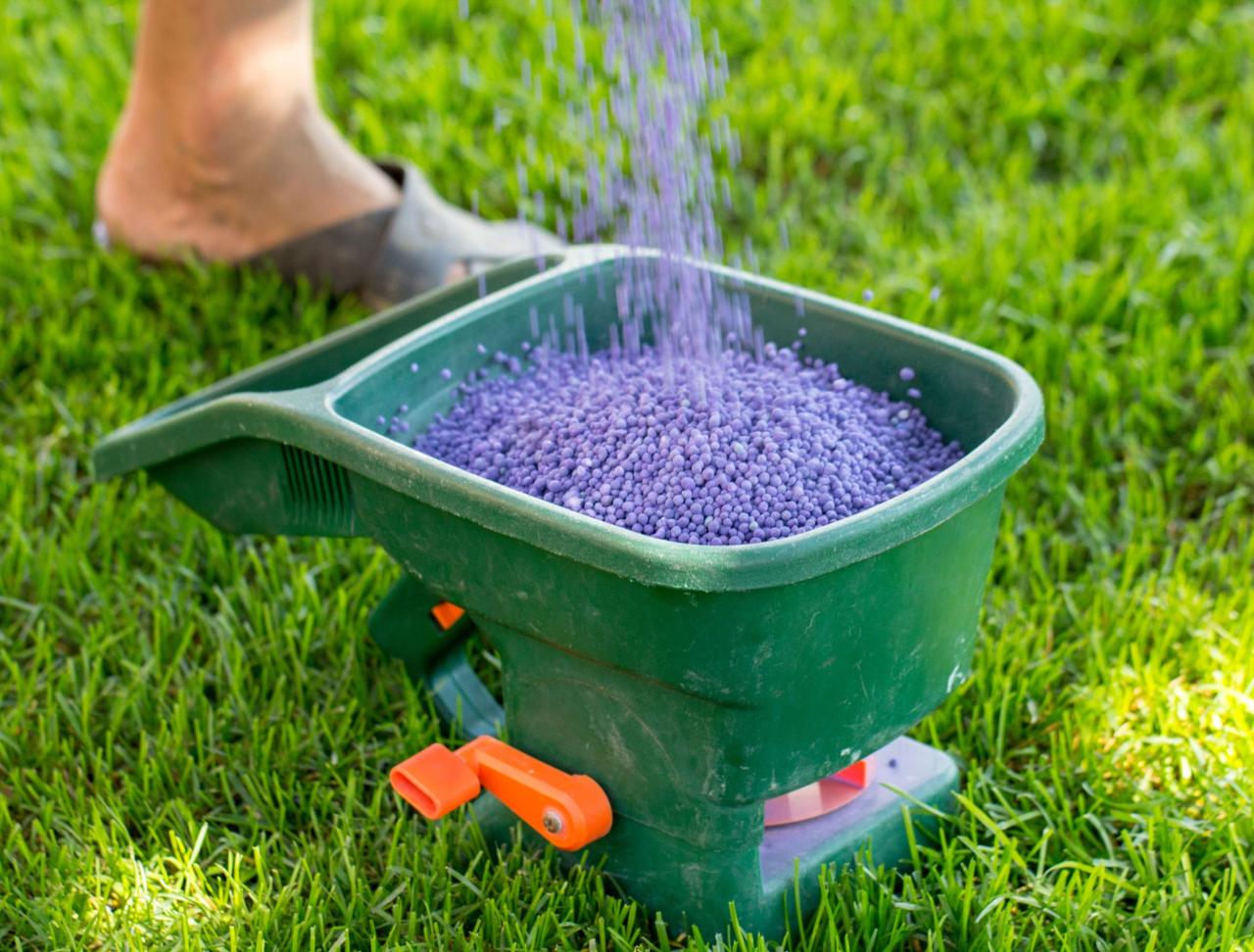
Choosing the right fertilizer is crucial for maintaining healthy indoor plants. Different fertilizer types offer varying advantages and disadvantages, and understanding these distinctions will help you select the most suitable option for your monthly fertilizing schedule. Consider factors such as plant type, pot size, and desired nutrient delivery rate when making your choice.
Liquid Fertilizers
Liquid fertilizers are a popular choice for indoor plants due to their ease of application and quick nutrient uptake. They are typically diluted in water before application, allowing for precise nutrient delivery.
- Pros: Easy to use, precise control over nutrient application, readily available in various formulations, often faster uptake compared to other types.
- Cons: Requires regular application, potential for nutrient runoff if not diluted correctly, some varieties may require more frequent applications.
- Nutrient Composition: Liquid fertilizers typically contain a balanced mix of nitrogen (N), phosphorus (P), and potassium (K), with varying ratios depending on the specific formula. They also contain micronutrients essential for plant growth.
- Examples: Many brands offer liquid fertilizers, such as Miracle-Gro Liquid Bloom, Peters Professional 20-20-20, and FoxFarm Grow Big.
Granular Fertilizers
Granular fertilizers, often formulated for long-term release, are another common option. They are applied directly to the soil, providing a steady supply of nutrients over time.
- Pros: Less frequent application compared to liquid fertilizers, convenient for busy schedules, can be more cost-effective for larger areas.
- Cons: Less precise control over nutrient application, can potentially lead to nutrient buildup in the soil if not used properly, and some may not be suitable for all plant types.
- Nutrient Composition: Granular fertilizers contain a similar range of nutrients as liquid fertilizers, with varying N-P-K ratios. The slow-release aspect of some granular fertilizers is often attributed to the presence of special coatings or inert materials. The exact nutrient content and composition vary greatly depending on the specific brand and formulation.
- Examples: Osmocote Plus, Schultz All Purpose Plant Food, and other brands offering granular options.
Slow-Release Fertilizers
Slow-release fertilizers are specifically designed to release nutrients gradually over an extended period. This consistent delivery method is ideal for maintaining a steady supply of nutrients for your indoor plants.
- Pros: Minimizes the risk of over-fertilization, provides consistent nutrient supply, often suitable for various plant types.
- Cons: Potentially more expensive than other types, may not be as suitable for plants with rapid growth requirements, and some slow-release fertilizers may contain less readily available nutrients.
- Nutrient Composition: Slow-release fertilizers contain a range of N-P-K ratios, mimicking the properties of both liquid and granular fertilizers. The slow-release aspect is often achieved by encapsulating the nutrients in a slow-dissolving material.
- Examples: Osmocote, Time-Release, and similar slow-release brands are widely available.
Comparison Table of Nutrient Levels (N-P-K)
| Fertilizer Type | N | P | K |
|---|---|---|---|
| Liquid (e.g., Miracle-Gro) | 10-15 | 10-15 | 10-15 |
| Granular (e.g., Schultz) | 10-20 | 10-20 | 10-20 |
| Slow-Release (e.g., Osmocote) | 12-18 | 10-15 | 10-15 |
Note: Values are approximate and can vary significantly based on the specific brand and formulation. Always refer to the product label for accurate nutrient information.
Nutrient Requirements for Different Indoor Plants
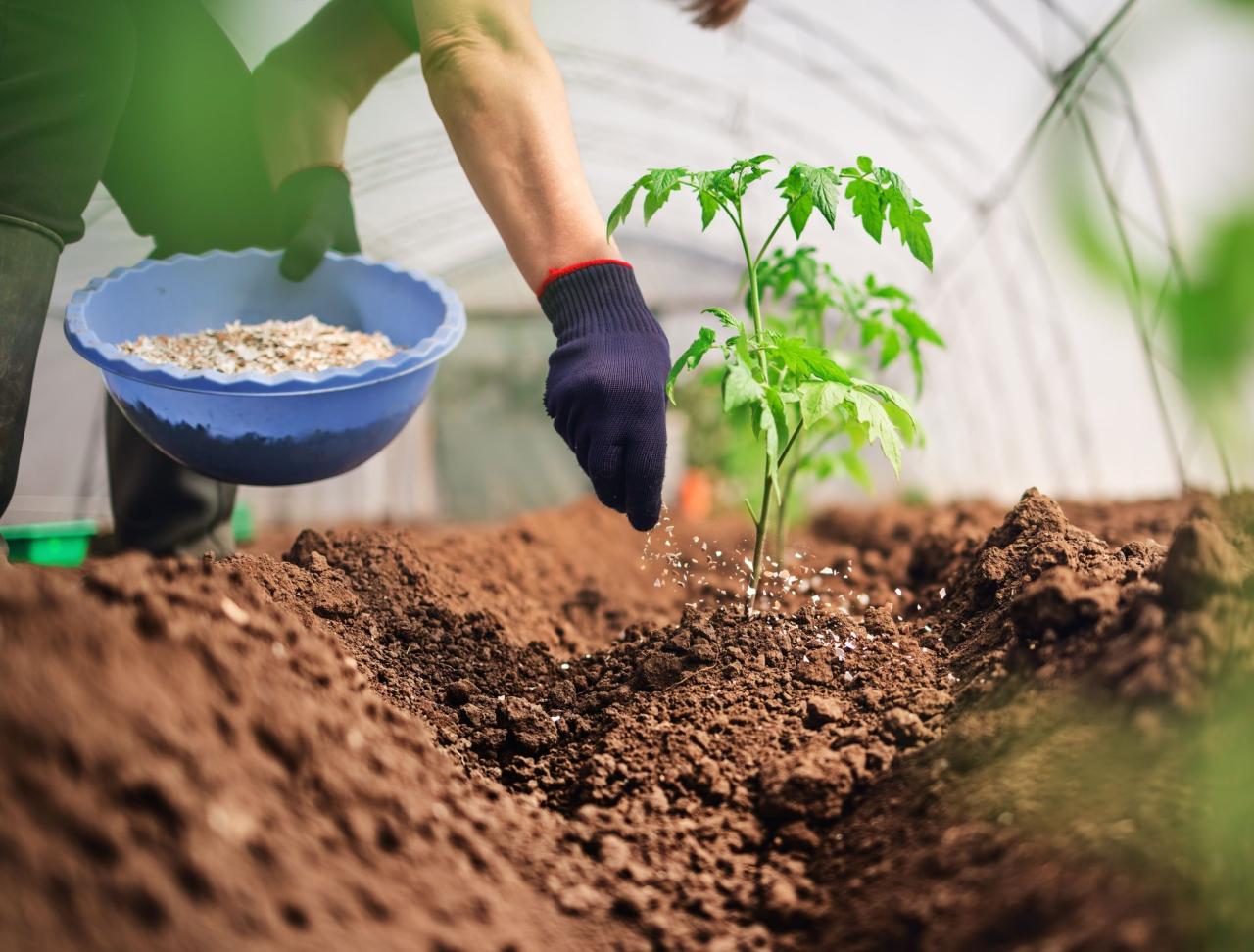
Understanding the specific nutrient needs of various indoor plants is crucial for their healthy growth and vibrant appearance. Different plant species have varying requirements, impacting the formulation and application of fertilizer. This section will detail the nutrient needs of common indoor plants and how to identify potential deficiencies or excesses.
Nutrient Needs Across Plant Species
Indoor plants exhibit a wide spectrum of nutrient requirements, stemming from their diverse origins and evolutionary adaptations. Some plants, like succulents, thrive in environments with limited water and nutrients, while others, like ferns, demand a more consistent supply. Understanding these variations is vital for optimizing fertilization strategies. This knowledge allows for tailored approaches, preventing over-fertilization or under-feeding, leading to healthier plants.
Determining Nutrient Needs of a Specific Indoor Plant
Several factors influence the nutrient needs of a particular indoor plant. These include the plant’s species, its age, its growth stage (e.g., vegetative or flowering), and the specific environment it is grown in (potting mix, light, humidity). Carefully observing the plant’s physical characteristics and understanding its developmental stages are essential in identifying potential nutrient deficiencies or excesses. Monitoring leaf color, growth rate, and overall vigor will provide valuable clues about the plant’s nutritional status.
Examples of Nutrient Deficiencies and Excesses
Nutrient deficiencies can manifest in various ways, impacting the plant’s overall health. For example, a nitrogen deficiency might result in yellowing of older leaves, while a phosphorus deficiency may lead to stunted growth and dark-colored leaves. Conversely, nutrient excesses can also harm plants. An excessive amount of nitrogen, for instance, can result in lush, but weak, growth, making the plant vulnerable to pests and diseases.
Monitoring the plant’s health is essential for detecting and addressing potential nutrient imbalances promptly.
Ideal Nutrient Ratios for Common Indoor Plants
This table illustrates the ideal nutrient ratios (N-P-K) for some common indoor plants. Remember that these are general guidelines, and specific needs might vary depending on the plant’s growth stage and environmental conditions. Adjustments might be necessary based on observations of the plant’s health.
| Plant Type | Ideal N-P-K Ratio (e.g., 10-10-10) | Notes |
|---|---|---|
| African Violet | 10-10-10 or 15-15-15 | High nitrogen and phosphorus support vigorous growth and vibrant blooms. |
| Snake Plant | 10-10-10 | A balanced ratio is generally suitable for low-maintenance plants. |
| Peace Lily | 15-10-15 | A higher phosphorus content may promote flowering. |
| Pothos | 10-15-10 | A moderate ratio for vigorous growth. |
| Spider Plant | 15-15-15 | High nitrogen content encourages leaf growth. |
Applying Fertilizers to Indoor Plants Monthly
Applying fertilizer to indoor plants monthly is crucial for their health and vibrant growth. Proper application ensures that plants receive the necessary nutrients to thrive in their indoor environment, promoting robust foliage, blooming, and overall well-being. This process involves careful consideration of fertilizer type, dilution, and watering techniques to avoid harming the delicate roots.
Applying Liquid Fertilizers
Liquid fertilizers are a common choice for indoor plants due to their ease of use and precise control over nutrient delivery. To apply liquid fertilizer effectively, carefully follow the instructions on the product label. Using a watering can or a spray bottle, gently pour the diluted solution around the base of the plant, avoiding contact with the leaves.
Ensure the solution soaks into the soil and reaches the roots, avoiding overwatering.
Applying Granular or Slow-Release Fertilizers
Granular or slow-release fertilizers provide a sustained release of nutrients over a period, reducing the frequency of application. To apply granular fertilizers, lightly sprinkle the granules around the base of the plant, ensuring they are not directly touching the stem. The granules should be placed at a distance from the stem to prevent burning or damaging the plant.
Water the area thoroughly after application to help the granules dissolve and release their nutrients into the soil. For slow-release fertilizers, the package instructions usually provide guidelines for the correct amount and placement.
Proper Dilution and Watering Techniques
Proper dilution is paramount when using liquid fertilizers. Over-fertilizing can harm the plants, leading to leaf burn or stunted growth. Always dilute the fertilizer solution according to the manufacturer’s instructions. The dilution rate is crucial to ensure the correct nutrient concentration and avoid damaging the plant. When watering, ensure that the water penetrates the soil and reaches the roots of the plant, preventing waterlogging.
Watering thoroughly but not excessively, after applying fertilizer, is important.
Step-by-Step Procedure for Monthly Fertilization
- Assess the plant’s needs: Determine the specific nutrient requirements of your indoor plant based on its type and growth stage. Some plants require more nutrients during active growth periods. Consider the plant’s current health, size, and foliage density.
- Select the appropriate fertilizer: Choose a liquid or granular fertilizer suitable for indoor plants, matching the plant’s needs.
- Prepare the fertilizer solution (if liquid): Carefully measure the correct amount of fertilizer according to the manufacturer’s instructions. Mix it with water in a separate container, ensuring complete dissolution.
- Apply the fertilizer: Carefully pour the diluted liquid fertilizer around the base of the plant, avoiding direct contact with the leaves. For granular fertilizers, lightly sprinkle the granules around the base of the plant.
- Water thoroughly: Water the plant immediately after applying the fertilizer, allowing the water to penetrate the soil and reach the roots.
- Monitor plant health: Regularly observe the plant for any signs of stress, such as leaf discoloration or stunted growth. Adjust the fertilizer schedule or type as needed.
Dilution Rates for Liquid Fertilizers
| Fertilizer Type | Dilution Rate (parts per gallon) |
|---|---|
| Balanced Liquid Fertilizer | 1-2 |
| Bloom Booster | 1/2-1 |
| Root Stimulant | 1/4-1/2 |
| Specific Plant Fertilizer (e.g., for cacti or succulents) | Follow manufacturer’s instructions |
Note: Always refer to the specific product instructions for the most accurate dilution rate.
Troubleshooting Common Fertilization Issues
Maintaining the health of your indoor plants hinges on proper fertilization. Understanding how to identify and correct fertilization problems is crucial for achieving optimal growth and preventing potential damage. This section will guide you through common issues, their diagnosis, and effective solutions.
Identifying Over-Fertilization
Over-fertilizing is a common pitfall for indoor plant enthusiasts. Excessive nutrient levels can severely damage roots and hinder growth. Recognizing the signs of over-fertilization is vital for timely intervention.
- Signs of Nutrient Burn: Leaves may exhibit yellowing or browning, often starting at the tips and edges. These scorched areas may have a brown or necrotic appearance, contrasting with the rest of the leaf. The affected leaves might also appear crisped or curled. These symptoms are often accompanied by stunted growth.
- Leaf Drop: Over-fertilization can lead to excessive leaf drop, as the plant redirects its energy to deal with the toxic levels of nutrients. This sudden loss of foliage can indicate a severe problem.
- Slow Growth: While over-fertilization might initially stimulate rapid growth, this is often followed by a period of slow or stunted growth. The plant is struggling to cope with the excess nutrients.
- Wilting: Over-fertilization can disrupt the plant’s water uptake. This can manifest as wilting, even when the plant appears to have sufficient moisture. This is because the excess salts in the soil can interfere with water absorption.
Diagnosing Nutrient Deficiencies
Nutrient deficiencies, on the other hand, manifest in a variety of ways. Identifying these signs allows for targeted correction.
- Identifying Specific Deficiencies: Different nutrients lead to different visual signs. For example, a lack of nitrogen often results in pale green or yellowing leaves, while a deficiency in phosphorus might show up as purple or reddish tints. Iron deficiency can cause interveinal chlorosis (yellowing between leaf veins). Careful observation of the leaf’s overall color and structure can help determine the specific deficiency.
- Visual Inspection: Examining the leaves, stems, and overall plant structure is crucial. Look for discolored spots, stunted growth, or unusual leaf shapes. The location of the deficiency (e.g., on older leaves or newer leaves) can provide clues about the nutrient lacking.
- Checking Soil pH: The optimal pH range for most indoor plants is around 6.0-7.0. Soil pH plays a significant role in nutrient availability. If the pH is outside this range, some nutrients may become unavailable to the plant. This is easily tested using a soil pH test kit.
Correcting Fertilization Problems
Addressing fertilization problems requires careful attention to the specific issue.
- Over-Fertilization: If you suspect over-fertilization, immediately stop applying fertilizer. Flush the soil thoroughly with water to remove excess salts. Avoid fertilizing for a few weeks, allowing the plant to recover. You might need to use a stronger flush to get rid of excess salt accumulation.
- Nutrient Deficiencies: Once you have identified the deficient nutrient, use a balanced fertilizer specifically formulated for indoor plants. Carefully follow the manufacturer’s instructions. A soil test can provide specific recommendations for your plant’s needs.
Troubleshooting Guide (Example)
| Issue | Signs | Corrective Action |
|---|---|---|
| Over-Fertilization | Leaves showing yellow or brown tips and edges, wilting | Flush the soil thoroughly, stop fertilizing for a few weeks, and use a weaker fertilizer solution. |
| Nitrogen Deficiency | Pale green or yellowing leaves, especially on older leaves | Use a balanced fertilizer with a higher nitrogen content. |
| Phosphorus Deficiency | Dark green or purplish leaves, stunted growth | Use a fertilizer with a higher phosphorus content, or apply a phosphorus-rich amendment to the soil. |
Choosing the Right Fertilizers Based on Plant Needs
Understanding the specific fertilizer needs of your indoor plants is crucial for their healthy growth and vibrant appearance. A tailored approach, considering the plant’s origin, environment, and individual characteristics, is key to success. This section details how to determine these needs and select the appropriate fertilizers for optimal results.Determining a plant’s specific fertilizer requirements involves several factors. Knowing its origin and typical growing conditions can offer valuable insights.
A plant accustomed to nutrient-rich tropical soils will have different needs than one originating from a nutrient-poor desert environment. Furthermore, understanding the plant’s species and variety is essential. Different cultivars of the same plant species might have slightly varying nutrient demands.
Understanding Plant Origin and Environment
Indoor plants often come from diverse environments. Knowing the plant’s natural habitat provides valuable clues about its nutritional requirements. Tropical plants, for example, are often accustomed to consistently moist and nutrient-rich conditions, requiring fertilizers with higher levels of nitrogen for lush growth. Conversely, desert-dwelling plants have adapted to scarce resources and need fertilizers formulated with lower nitrogen content and balanced micronutrients to prevent overfeeding.
Researching Fertilizer Recommendations for Different Indoor Plant Species
Thorough research is vital when selecting the right fertilizer. Consult reputable gardening resources, including books, websites, and gardening forums, for specific recommendations tailored to various indoor plant species. Online plant identification tools and community forums dedicated to indoor gardening often offer valuable insights from experienced growers. These resources can provide precise guidelines on appropriate fertilizer types, application rates, and frequency.
Look for information from trusted sources like university extension programs or reputable gardening organizations.
Table of Fertilizer Needs for Common Indoor Plants
| Plant Species | Origin/Environment | Recommended Fertilizer Type | Frequency |
|---|---|---|---|
| Snake Plant (Sansevieria trifasciata) | Dry, arid regions of Africa | Balanced, low-nitrogen fertilizer | Every 4-6 weeks |
| ZZ Plant (Zamioculcas zamiifolia) | Tropical, dry regions of Africa | Slow-release granular fertilizer | Every 6-8 weeks |
| Pothos (Epipremnum aureum) | Tropical rainforests of Southeast Asia | Liquid fertilizer with a balanced NPK ratio | Every 2-3 weeks during active growth |
| Peace Lily (Spathiphyllum) | Tropical rainforests of Central and South America | Balanced, water-soluble fertilizer | Every 3-4 weeks |
Selecting Fertilizers Based on Soil Conditions and Plant Health
Soil type and existing plant health also play a crucial role in fertilizer selection. Well-draining soils may require a different fertilizer approach compared to compacted or heavy soils. For example, plants growing in clay soil may benefit from fertilizers with higher potash content for improved root development. Similarly, if a plant shows signs of nutrient deficiencies, such as yellowing leaves or stunted growth, it’s important to adjust the fertilizer regimen accordingly.
Consult with experienced indoor gardeners or local nurseries for tailored recommendations.
Final Conclusion
In conclusion, mastering the art of monthly indoor plant fertilization involves a nuanced understanding of plant needs, fertilizer types, and application methods. This guide has provided a comprehensive overview, equipping you with the knowledge to create a thriving indoor garden. Remember that consistency and attention to detail are key to fostering healthy, vibrant growth. By applying the insights shared here, you’ll be well-equipped to keep your indoor plants flourishing.