Unwanted weeds can quickly overrun a garden or landscape, detracting from the beauty and impacting the health of your plants. Fortunately, there are many effective and environmentally friendly methods to prevent and control weeds naturally. This guide explores a range of strategies, from understanding soil health to implementing various mulching techniques and cover cropping, providing a comprehensive approach to achieving a weed-free environment.
This guide will delve into the intricacies of natural weed control, offering practical advice and actionable steps. From the basics of identifying different weeds to innovative and creative approaches, you’ll gain a wealth of knowledge to transform your space into a vibrant and weed-free haven.
Understanding Natural Weed Control Methods

Natural weed control offers a sustainable and environmentally friendly alternative to chemical herbicides. By employing various methods that leverage natural processes, we can effectively manage unwanted vegetation without harming beneficial organisms or the ecosystem. This approach prioritizes long-term health and minimizes the potential negative impacts of synthetic chemicals.
Diverse Natural Weed Control Techniques
Various techniques exist for managing weeds naturally. These methods often involve manipulating the environment to create conditions less favorable for weed growth or introducing natural competitors. Some techniques may be more suitable for specific weed types or environmental conditions than others.
- Mechanical Control: This method involves physically removing weeds. Techniques include hand-pulling, hoeing, and mowing. Manual removal is effective for small areas, but larger infestations may require more intensive methods. Mechanical control can be effective in reducing weed populations, but it may not completely eradicate them, requiring repeated applications.
- Cultural Control: This approach focuses on modifying the growing conditions to discourage weed growth. Techniques include proper soil preparation, crop rotation, mulching, and competitive planting. Proper soil preparation, such as tilling and adding organic matter, can help prevent weed seeds from germinating. Crop rotation can disrupt weed life cycles, while competitive planting utilizes fast-growing plants to outcompete weeds for resources.
- Biological Control: This method involves introducing natural enemies of weeds, such as insects, fungi, or bacteria. Biological control agents can effectively suppress weed populations but may require careful consideration of potential impacts on the surrounding ecosystem. Successfully introducing biological control agents requires thorough research to ensure they are specific to the target weed and do not negatively affect other plants or animals.
- Solarization: This technique uses plastic sheeting to trap sunlight and heat the soil, making it unsuitable for weed growth. Solarization is effective in eliminating weed seeds and roots, but it may not be suitable for all climates or soil types. It can also affect beneficial soil organisms.
- Natural Weed Suppressants: Utilizing natural materials such as wood chips, straw, or other organic mulches can help suppress weed growth by blocking sunlight and preventing seed germination. Natural suppressants can reduce weed growth but may not completely eliminate them.
Effectiveness, Cost, and Environmental Impact Comparison
Different natural weed control methods vary significantly in their effectiveness, cost, and environmental impact. Careful consideration of these factors is crucial for choosing the most appropriate method for a given situation.
| Method | Effectiveness | Cost | Environmental Impact |
|---|---|---|---|
| Hand-pulling | Moderate (for small areas) | Low | Low |
| Mowing | Moderate (requires frequent maintenance) | Moderate | Moderate (depends on equipment and fuel used) |
| Mulching | High (for suppressing weeds) | Moderate | Low |
| Solarization | High (for eliminating weeds) | Moderate | Low (if done properly) |
| Biological Control | Variable (depends on the agent) | Moderate to High | Low (if properly managed) |
Specific Plants and Materials in Natural Weed Control
Certain plants can effectively suppress weeds through competition for resources. For instance, clover and other nitrogen-fixing plants can help to reduce weed populations in lawns and gardens. Similarly, certain cover crops can be used to prevent weed growth and improve soil health. Using organic mulches, such as straw, wood chips, or shredded leaves, can effectively smother weeds by preventing sunlight from reaching them.
Careful selection of these materials can ensure they do not harbor weed seeds.
Soil Health and Weed Prevention

A healthy soil ecosystem is crucial for preventing weed infestations. A robust soil structure, rich in organic matter and teeming with beneficial microorganisms, naturally resists weed encroachment. This approach is a cornerstone of sustainable gardening, promoting both plant health and minimizing reliance on chemical interventions.Healthy soil, characterized by its ability to support vigorous plant growth, is less hospitable to weeds.
This is because healthy soil provides the plants with the resources they need to thrive, reducing the competition for nutrients and space that weeds often exploit. By focusing on soil health, gardeners can create an environment where desirable plants flourish and weed growth is naturally suppressed.
Soil Nutrients and Weed Suppression
The availability of essential nutrients in the soil significantly impacts weed growth. Adequate levels of nitrogen, phosphorus, and potassium, along with micronutrients, are critical for strong plant development. Well-nourished plants are better equipped to compete with weeds, outgrowing them and reducing their opportunity to establish. Conversely, nutrient deficiencies can create an environment that encourages weed proliferation.
Organic Matter and Weed Prevention
Organic matter, including compost, manure, and leaf litter, plays a vital role in soil structure and fertility. This organic matter improves water retention, aeration, and drainage. It also provides a food source for beneficial soil microorganisms, which contribute to overall soil health and, subsequently, suppress weed growth. A rich, organic-rich soil is less prone to weed invasion, as it fosters a more robust and competitive environment for desirable plants.
Soil Microorganisms and Weed Suppression
Beneficial soil microorganisms, such as bacteria and fungi, contribute significantly to weed suppression. These microorganisms enhance nutrient cycling and decomposition, creating a more competitive environment for desirable plants. A soil teeming with beneficial microorganisms effectively reduces the ability of weed seeds to germinate and establish themselves. This biological control of weeds is a key component of natural weed management.
Improving Soil Health to Discourage Weed Emergence
Several practices can improve soil health and discourage weed emergence. These practices include:
- Adding organic matter: Composting kitchen scraps, yard waste, and other organic materials improves soil structure, water retention, and nutrient availability, making it less appealing for weeds.
- Cover cropping: Planting cover crops, such as clover or rye, can suppress weeds by smothering them and improving soil health through nutrient cycling.
- No-till farming or gardening: This method reduces soil disturbance, preserving beneficial soil structure and microbial activity, making it harder for weeds to establish.
- Crop rotation: Alternating crops in a garden or field can disrupt weed life cycles and reduce the buildup of weed populations.
Techniques for Improving Soil Structure and Reducing Weed Pressure
Effective soil management techniques contribute to healthy soil, which in turn inhibits weed growth.
- Proper Tillage: Minimizing soil disturbance during tilling reduces weed seed germination and soil erosion, maintaining a healthy soil structure.
- Mulching: Applying mulch helps retain soil moisture, suppress weed growth, and regulate soil temperature. Mulch can be composed of organic materials like straw or wood chips.
- Soil Testing: Understanding the nutrient content of the soil allows for targeted amendments, ensuring that the soil is well-balanced and less prone to weed infestations.
Table Illustrating Soil Amendment Effects on Weed Growth
| Amendment | Effect on Weed Growth |
|---|---|
| Compost | Improves soil structure, promotes microbial activity, reducing weed germination and establishment. |
| Manure | Adds nutrients and organic matter, encouraging healthy plant growth and reducing weed competition. |
| Cover Crops | Suppresses weeds by smothering them, improves soil structure and fertility. |
| Wood Chips | Suppresses weeds by blocking sunlight and maintaining soil moisture, thus discouraging weed growth. |
Mulching and Weed Suppression
Mulching is a highly effective natural method for suppressing weed growth and enhancing soil health. By creating a physical barrier and regulating soil conditions, mulch significantly reduces the competition weeds pose to desirable plants. This approach not only minimizes weed emergence but also conserves moisture, improves soil structure, and promotes a thriving ecosystem for your garden.Mulch acts as a protective layer, smothering emerging weeds and preventing them from accessing sunlight and nutrients.
This competitive advantage allows desirable plants to thrive, leading to a healthier and more visually appealing garden. Furthermore, mulch contributes to a more sustainable gardening practice by reducing the need for herbicides.
Mulch Materials and Their Effectiveness
Various materials can be used as mulch, each with its own unique characteristics and effectiveness in weed control. Organic mulches, such as wood chips, straw, and shredded leaves, decompose over time, enriching the soil with essential nutrients. These natural mulches contribute to a more balanced and sustainable ecosystem within the garden.
Different Types of Mulch Materials
- Wood Chips: These are a popular choice due to their effectiveness in suppressing weeds. They decompose slowly, providing consistent weed suppression for an extended period. Their dark color can also help to warm the soil, which can benefit certain plant types. Wood chips are a relatively inexpensive and readily available option.
- Straw: A cost-effective mulch material, straw is excellent for smothering weeds. Its fibrous structure creates a dense barrier that prevents light penetration. Straw mulches are typically used for gardens with rows of vegetables or flowers.
- Shredded Leaves: A readily available and free option, shredded leaves decompose relatively quickly, returning nutrients to the soil. Their decomposition rate may be slightly faster than wood chips, necessitating more frequent applications. This mulch is ideal for gardens that already produce a significant amount of leaves.
- Grass Clippings: Grass clippings are a convenient and often free option, but they require careful management. Using grass clippings as mulch can be a good method for recycling lawn waste, but they should be well-dried to prevent attracting pests or causing soil diseases.
- Pine Bark: Known for its long-lasting effectiveness, pine bark mulch is a good option for preventing weed growth. Its acidic nature may not be suitable for all plants, so research is essential before application.
Mulch Application Methods
Proper application of mulch is crucial for its effectiveness. A layer of 2-4 inches (5-10 cm) is generally sufficient to effectively suppress weeds. A thicker layer provides better insulation and moisture retention, while a thinner layer may not provide adequate weed control.
Improving Soil Health and Moisture Conservation
Mulch significantly improves soil health by preventing erosion, maintaining moisture levels, and regulating temperature. By reducing fluctuations in soil temperature, mulch helps create a more stable environment for plant roots. The consistent moisture levels provided by mulch also aid in the overall health and growth of plants. This leads to a more robust and resilient garden ecosystem.
Reducing Weed Pressure Over Time
Mulch acts as a consistent barrier to weed growth, reducing the overall weed pressure over time. This allows desirable plants to compete more effectively for resources, leading to healthier and more productive gardens. As mulch decomposes, it also releases nutrients into the soil, further enriching the environment for plant growth.
Mulch Suitability Table
| Mulch Type | Weed Control Effectiveness | Maintenance Requirements |
|---|---|---|
| Wood Chips | High | Moderate; needs occasional replenishment |
| Straw | High | Low; relatively easy to apply |
| Shredded Leaves | Medium | Moderate; needs regular replenishment |
| Grass Clippings | Medium | High; requires proper drying to avoid pests |
| Pine Bark | High | Moderate; may require additional adjustments for specific plants |
Weed Identification and Prevention
Understanding the various weeds present in your environment is crucial for effective natural weed control. Proper identification allows for targeted strategies, minimizing the need for harsh chemicals and maximizing the benefits of natural methods. This knowledge, coupled with an understanding of their life cycles and growth patterns, forms the foundation of successful weed prevention.Identifying weeds isn’t just about recognizing their appearance; it’s about understanding their biology.
This knowledge empowers us to anticipate their growth, develop proactive strategies, and apply natural methods effectively. Knowing the life cycle and growth patterns of specific weeds helps to predict their emergence and plan for prevention. This proactive approach minimizes the impact of weeds, reducing the need for reactive measures.
Common Weeds in Different Climates and Environments
Different environments support different weed species. Understanding the types of weeds common to your region is essential for effective prevention. Factors like soil type, moisture levels, and sunlight exposure influence the weeds that thrive in a specific area. For example, in moist, shady areas, ferns and other shade-tolerant plants may be prominent, whereas dry, sunny locations might favor grasses and broadleaf weeds.
Weed Life Cycles and Growth Patterns
The life cycle of a weed dictates its growth pattern and susceptibility to control measures. Understanding these cycles is vital for prevention. Annual weeds complete their life cycle within a single growing season, while perennial weeds live for multiple years, often establishing extensive root systems. Biennial weeds take two years to complete their life cycle, with the first year focused on vegetative growth and the second on flowering and seed production.
This understanding is crucial for selecting the most effective prevention strategies for each type.
Weed Identification Based on Appearance and Characteristics
Accurate identification is fundamental for targeted weed control. Weeds are categorized based on their physical characteristics. These characteristics include leaf shape, stem structure, flower type, and root systems. For example, dandelions are easily identified by their bright yellow flowers, deeply lobed leaves, and a taproot. Knowing these characteristics allows for confident identification and tailored control methods.
Examples of Weeds with Different Growth Habits
Different weeds exhibit distinct growth habits. This understanding is vital for successful prevention. Annual weeds, like pigweed, complete their life cycle in one growing season. They reproduce quickly and need to be controlled before they can establish a significant seed bank. Perennial weeds, like bindweed, persist for multiple years.
They often have extensive root systems, making them more challenging to eradicate. Biennial weeds, like some types of carrots, take two years to complete their life cycle. They are more susceptible to control during their vegetative stage in the first year.
Understanding Weed Biology for Prevention
Understanding weed biology is a key component of natural weed control. Weed biology includes factors such as seed dispersal, germination requirements, and nutrient needs. This knowledge allows for the development of strategies to disrupt these processes. For instance, if a weed requires specific soil conditions for germination, adjusting soil conditions can deter their growth.
Methods for Identifying Weeds Based on Their Appearance
A variety of tools and resources can aid in identifying weeds. Field guides, online databases, and local agricultural extension offices provide valuable information. Comparing characteristics with images and descriptions in these resources can facilitate accurate identification. Detailed observation of the weed’s unique features, including leaf shape, flower color, and stem structure, can greatly assist in correct identification.
Cover Cropping for Weed Control
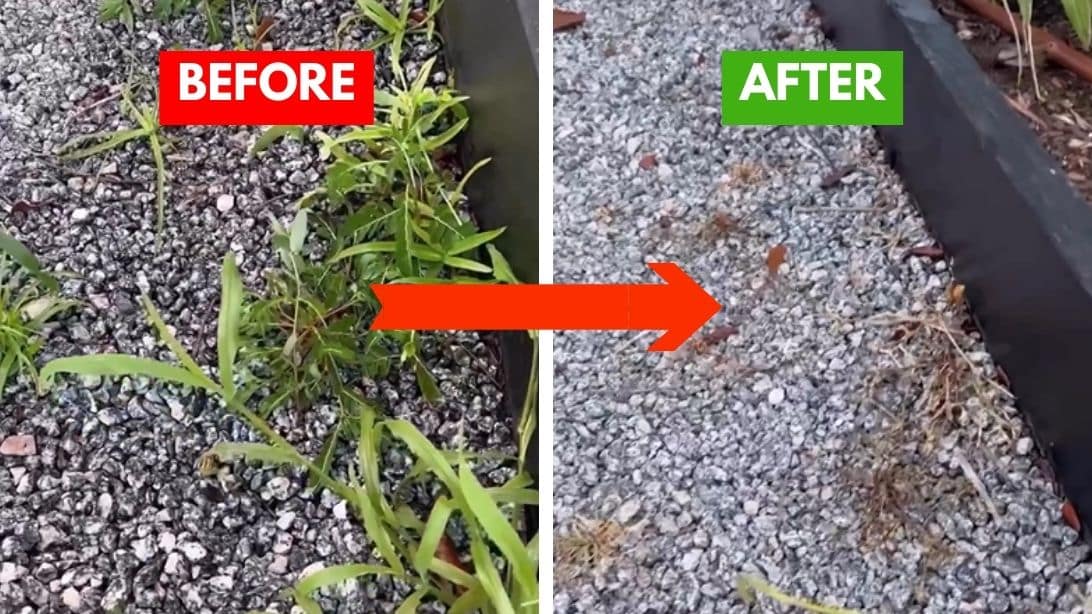
Cover crops are an effective and environmentally friendly method for managing weeds. By actively cultivating specific plant species, gardeners and farmers can suppress weed growth, improve soil health, and reduce the need for chemical herbicides. This approach promotes a more sustainable and natural approach to weed control, aligning with the principles of integrated pest management.Cover crops achieve weed suppression through several mechanisms.
They compete with weeds for resources like sunlight, water, and nutrients. A dense cover crop canopy can effectively shade the soil, inhibiting weed germination and growth. Furthermore, the roots of cover crops can help improve soil structure and water retention, making the soil less hospitable for weed establishment.
Mechanisms of Weed Suppression
Cover crops effectively suppress weeds by competing for resources, shading the soil, and improving soil conditions. Healthy, vigorous cover crops can outcompete weeds for essential nutrients and moisture, significantly reducing weed populations. This competition is intensified when the cover crop is actively growing and developing a substantial root system. The shading effect provided by the cover crop canopy inhibits weed germination and growth by reducing the amount of sunlight reaching the soil surface.
Improved soil structure, including increased water retention and drainage, also creates a less favorable environment for weed growth.
Benefits of Using Cover Crops
Cover crops offer numerous advantages beyond their weed-suppressing capabilities. They contribute to enhanced soil health, improving soil structure, fertility, and water retention. This leads to a more resilient and productive growing environment for desired plants. Furthermore, cover crops can help prevent soil erosion, reduce the need for synthetic fertilizers, and contribute to a more sustainable agricultural system.
Types of Cover Crops and Weed Suitability
Different cover crop species have varying effectiveness against different weed types. The choice of cover crop will depend on the specific weed problems faced and the growing conditions.
- Winter Rye: A fast-growing cover crop, winter rye is particularly effective at smothering weeds during the winter months. It is often recommended for controlling broadleaf weeds. Its dense growth quickly creates a dense canopy, reducing weed growth.
- Oats: Oats are a versatile cover crop known for their rapid growth and ability to suppress a wide range of weeds, including both broadleaf and grassy weeds. Their quick establishment allows for rapid competition with weeds.
- Clover: Legumes like clover are valuable for their nitrogen-fixing capabilities, improving soil fertility. Their dense foliage can also suppress weeds, particularly in areas with a higher concentration of annual weeds.
- Mustard: A fast-growing cover crop, mustard is very effective in suppressing grassy weeds and also helps in breaking down soil compaction. Its rapid growth and vigorous root system effectively compete with weeds for resources.
Cover Crop Types and Climate Suitability
The choice of cover crop can vary based on climate conditions. Different species thrive in different temperature and moisture ranges.
| Cover Crop | Growth Characteristics | Suitable Climates |
|---|---|---|
| Winter Rye | Cold-season annual, grows well in cooler temperatures, tolerates some frost. | Temperate and cooler climates. |
| Oats | Fast-growing, cold-tolerant annual. | Cool-season climates. |
| Clover | Legumes, often tolerate a range of temperatures, some types are cold-season. | Warm and cool climates. |
| Mustard | Fast-growing annual, can tolerate various temperatures. | Various climates. |
Cover Crops and Soil Health
Cover crops play a crucial role in enhancing soil health. Their extensive root systems improve soil structure, increasing water infiltration and drainage. This, in turn, reduces the risk of erosion and improves overall soil health. The decomposition of cover crop residue also adds organic matter to the soil, enriching its nutrient content. This can improve the overall health and fertility of the soil, leading to a more productive and resilient growing environment.
Cover Crops and Weed Germination
Cover crops can also inhibit weed germination by creating a competitive environment and shading the soil. The dense canopy and extensive root systems effectively compete for resources like water and nutrients. This competitive advantage reduces the chances of weed seedlings establishing and growing. Additionally, the improved soil structure created by cover crops can reduce the chances of weed seeds germinating successfully.
Natural Weed Killers and Alternatives
Natural weed control methods offer a sustainable alternative to chemical herbicides, minimizing harm to the environment and beneficial organisms. These methods leverage readily available ingredients and techniques to effectively manage unwanted vegetation. Understanding the principles behind natural weed control allows for targeted and environmentally friendly solutions.Natural herbicides utilize various plant extracts, minerals, and other organic materials to inhibit weed growth.
Their effectiveness varies depending on the specific ingredients, weed type, and application method. While often less potent than chemical herbicides, they can be highly effective when used correctly and consistently.
Ingredients and Effectiveness of Natural Weed Killers
Natural weed killers often contain ingredients with herbicidal properties. Vinegar, for example, contains acetic acid, which can disrupt cellular processes in plants, leading to their demise. Salt, in concentrated solutions, can dehydrate weeds. Dish soap, when combined with other ingredients, can also disrupt plant surfaces, hindering nutrient absorption. The effectiveness of these natural solutions depends on factors like the concentration of the active ingredient, the type of weed, and the environmental conditions.
Examples of Homemade Weed Control Methods
Numerous homemade concoctions can be used for targeted weed control. A common method involves mixing vinegar with dish soap and a small amount of salt. The vinegar provides the herbicidal agent, the dish soap acts as a surfactant to help the solution adhere to the plant, and the salt enhances the dehydrating effect. Another method employs boiling water to disrupt plant cells.
This method is best suited for smaller, less established weeds. These solutions often require careful application and monitoring to ensure they only target the unwanted plants and do not harm beneficial vegetation.
Safety and Environmental Impact
Natural weed control methods generally pose a lower risk to human health and the environment compared to chemical herbicides. However, some ingredients, like concentrated salt solutions, can harm beneficial organisms or damage desirable plants if not applied correctly. It’s crucial to follow recommended safety precautions when handling these materials and to avoid contact with skin and eyes. Proper disposal of used solutions is also essential to prevent contamination of water sources.
The environmental impact of natural methods is often less severe than that of chemical herbicides, which can persist in the soil and water for extended periods.
Comparison of Natural and Chemical Weed Killers
| Method | Ingredients | Effectiveness | Environmental Impact |
|---|---|---|---|
| Vinegar-based solution | Vinegar, dish soap, salt | Moderate, effective against young weeds | Low, biodegradable ingredients |
| Boiling water | Boiling water | Low, effective on small, young weeds | Low, minimal environmental impact |
| Salt solution | Salt, water | High, effective on broadleaf weeds | Moderate, potential for soil salinity issues |
| Chemical Herbicide | Synthetic chemicals | High, effective on a wide range of weeds | High, potential for soil and water contamination, harm to beneficial organisms |
Note: Effectiveness and environmental impact can vary based on specific application and conditions.
Maintaining a Weed-Free Environment
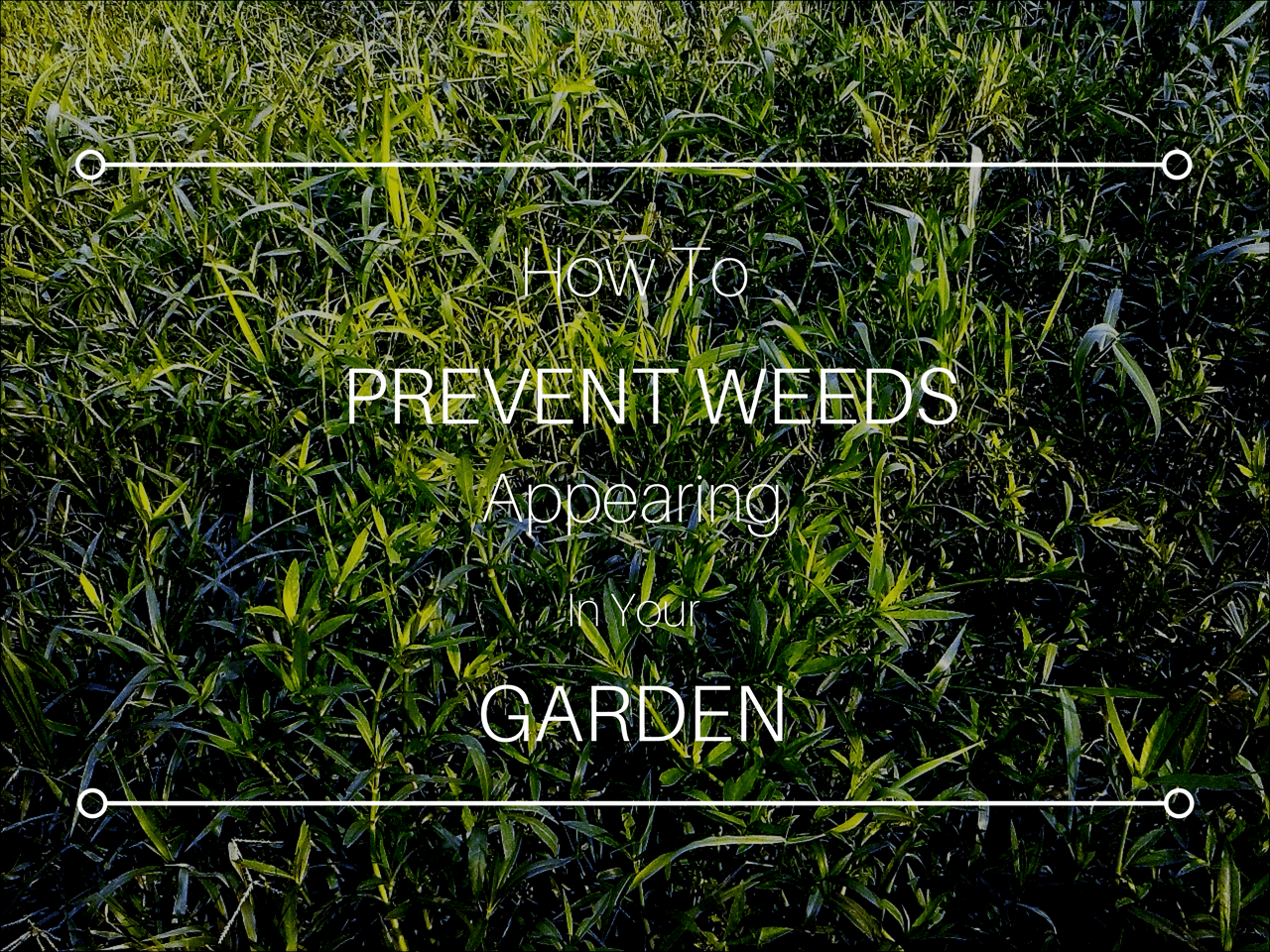
Cultivating a weed-free landscape requires a proactive and ongoing approach. Simply eliminating weeds through a single treatment is often insufficient for long-term control. A comprehensive strategy encompassing various methods and regular maintenance is crucial for sustained success. Understanding the life cycle of weeds and their environmental preferences is essential to develop an effective prevention strategy.Regular maintenance is paramount in preventing weed re-growth and establishing a healthy, weed-resistant environment.
By proactively addressing emerging weeds and their potential for spreading, you can minimize the need for more aggressive interventions later.
Long-Term Weed Prevention Strategies
A comprehensive approach to weed prevention goes beyond initial treatments. Proactive measures are essential for maintaining a weed-free environment. These strategies should be tailored to the specific types of weeds present in the area and the environmental conditions.
- Consistent Mulching: A thick layer of mulch effectively smothers emerging weeds by blocking sunlight and reducing moisture availability. This is a particularly valuable tool in suppressing weeds, especially in flowerbeds, vegetable gardens, and pathways.
- Proper Soil Management: Maintaining healthy soil structure and fertility is key. Healthy soil with adequate nutrients and organic matter is more resilient to weed invasion. Soil amendments, such as compost and manure, contribute to a healthy, weed-resistant soil environment.
- Regular Monitoring: Regularly inspect your landscape for emerging weeds. Early detection and removal are vital in preventing weed infestations from escalating. This involves carefully observing the ground for new weed sprouts or signs of weed growth. Early detection and removal are critical to prevent weeds from spreading and establishing themselves firmly.
Importance of Regular Maintenance
Regular maintenance is not just about eliminating weeds; it’s about creating a landscape that is less hospitable to weeds. Regular weeding and proactive maintenance are crucial for preventing weed growth and minimizing the effort needed for long-term control.
- Weed Removal: Promptly removing weeds, even small ones, prevents them from producing seeds and spreading. This is an important aspect of long-term weed control. Manual removal, using hand tools, is effective for smaller areas or when dealing with specific weeds.
- Soil Aeration: Improving soil aeration can enhance the soil’s ability to absorb water and nutrients, making it less prone to weed establishment. Aeration improves drainage and root development, reducing the risk of weed growth.
- Water Management: Appropriate watering techniques can minimize weed growth. Water deeply and less frequently to encourage healthy root development in desirable plants, making the soil less attractive to weeds.
Preventing Weed Re-Growth After Treatment
A successful weed-control strategy must go beyond eradicating existing weeds. It’s crucial to address the root causes of weed regrowth to prevent recurrence.
- Seed Removal: Thorough removal of weed seeds, root fragments, and tubers is essential. Weed seeds can remain dormant in the soil for extended periods, waiting for favorable conditions to germinate.
- Soil Sterilization (In some cases): In severe infestations, consider soil sterilization, but only as a last resort. This approach involves using high heat or chemicals to kill all weed seeds and other organisms in the soil. Sterilization is a potentially disruptive method for soil health.
Ongoing Weed Management Strategies
A long-term weed-control strategy requires continuous effort and adaptation. These ongoing methods will help to maintain a weed-free environment.
- Cover Cropping: Planting cover crops can suppress weed growth by competing for resources and shading the soil. Cover crops contribute to long-term weed prevention.
- Natural Weed Killers: Consider using natural weed killers to control specific weed species, as some methods might be more effective than others. These options offer environmentally friendly alternatives to traditional herbicides. Research the effectiveness of various natural weed killers on the specific weed species present in the area.
Importance of Proactive Weed Control
Proactive weed control saves time and resources in the long run. It’s much easier to prevent weeds from establishing than to control them later.
- Time Savings: Proactive methods prevent extensive weed growth, thereby saving significant time and effort compared to reactive measures. Early intervention minimizes the need for repeated treatments.
- Cost Savings: Preventing weed growth is generally more economical than treating an already established infestation. Proactive weed control reduces the need for more intensive and costly interventions in the long run.
Creative Weed Management Solutions
Enhancing natural weed control often involves innovative strategies beyond the conventional. This section explores creative and unique methods, offering alternatives to traditional approaches. These methods, while not always widely known, can be highly effective when tailored to specific conditions and plant types.Exploring alternative techniques can lead to more sustainable and environmentally friendly solutions, often resulting in healthier soil and a more aesthetically pleasing landscape.
Utilizing Natural Barriers
Employing natural barriers to physically prevent weed growth is a cost-effective and aesthetically pleasing solution. These methods often rely on materials readily available, promoting environmental stewardship and reducing the need for synthetic solutions.
- Gravel and Stone Mulches: Strategically placed gravel or stone mulches create a physical barrier that discourages weed germination and growth. The dense material prevents sunlight from reaching weed seeds, inhibiting their development. This method is particularly effective in pathways, driveways, and around larger shrubs.
- Wood Chips and Bark Mulches: Thick layers of wood chips or bark effectively suppress weed growth by smothering emerging seedlings and reducing competition for resources. The organic matter also enriches the soil over time.
- Landscape Fabric: Landscape fabric, a permeable material, is placed beneath mulch to block weed growth. It allows water and air to reach the soil, but prevents weeds from reaching the sunlight needed for germination.
Harnessing the Power of Sunlight and Shade
Controlling weed growth can also involve manipulation of sunlight and shade conditions.
- Strategic Planting: Carefully selecting and positioning plants that create shade can significantly reduce weed pressure. Large trees or shrubs with dense canopies cast shade that prevents weed seeds from germinating and inhibits existing weeds from growing. This approach is best suited for larger areas or specific problem zones.
- Ground Cover Plants: Ground cover plants, such as creeping thyme or vinca, form a dense mat that prevents light from reaching weed seeds and effectively suppresses weed growth. Their vigorous growth can be a powerful tool for preventing weeds.
Employing Biological Control
Biological control utilizes living organisms to combat weeds.
- Introducing Beneficial Insects: Certain insects feed on specific weed species. Introduction of these insects can effectively control local weed populations. Careful research is necessary to ensure the introduced species are appropriate for the specific weed and local environment.
- Using Herbicidal Plants: Some plants release chemicals that inhibit the growth of other plants. Planting these plants can naturally suppress weed growth, creating a more balanced ecosystem.
Creative Weed Control Solutions Table
| Method | Description | Materials Needed | Applications |
|---|---|---|---|
| Gravel Mulch | Dense layer of gravel physically prevents weed growth. | Gravel, mulch | Pathways, driveways, around shrubs |
| Wood Chip Mulch | Thick layer of wood chips smothers weeds. | Wood chips | Gardens, flower beds, around trees |
| Landscape Fabric | Permeable fabric placed beneath mulch to block weeds. | Landscape fabric, mulch | High-weed areas, flower beds |
| Strategic Planting | Planting shade-providing plants to prevent weed growth. | Trees, shrubs, appropriate plants | Large areas, specific problem zones |
| Ground Cover Plants | Dense ground cover plants prevent weed growth. | Ground cover plants | Areas prone to weeds, slopes |
| Beneficial Insects | Introducing insects that feed on specific weeds. | Beneficial insects | Targeted weed control |
Final Review

In conclusion, preventing weeds naturally involves a multifaceted approach. By understanding soil health, employing effective mulching techniques, and implementing strategies like cover cropping, you can cultivate a thriving and weed-free landscape. This comprehensive guide equips you with the knowledge and tools to achieve long-term success in natural weed management. Remember, proactive measures are key to maintaining a healthy and beautiful environment.