Unlock the secrets to cultivating vibrant, flavorful herbs indoors in just seven days! This comprehensive guide provides a streamlined approach to indoor herb gardening, outlining the key steps and considerations for rapid growth. From selecting the perfect varieties to mastering optimal growing conditions, you’ll gain the knowledge needed to cultivate your own miniature herb garden in a remarkably short time.
This guide is designed for anyone seeking to bring the freshness of herbs into their home quickly. We will explore the nuances of indoor herb gardening, emphasizing techniques and strategies for accelerated growth. A detailed comparison of herb types and their rapid growth potential will be provided, along with practical tips for maximizing yield within a week.
Introduction to Indoor Herb Gardening in a Short Timeframe
Indoor herb gardening offers a rewarding experience, allowing you to enjoy fresh, flavorful herbs year-round. However, achieving rapid growth indoors presents certain challenges. Understanding these hurdles and employing the right techniques can significantly shorten the time needed to harvest your herbs. This guide provides a roadmap to successfully cultivate herbs indoors in a relatively short timeframe, while highlighting the essential considerations for a quick setup.This process, though accelerated, requires careful planning and attention to detail.
It builds upon established principles of indoor gardening, emphasizing strategies for fast growth. By choosing appropriate varieties and optimizing growing conditions, you can enjoy fresh herbs in a matter of weeks instead of months.
Challenges and Potential Rewards of Rapid Indoor Herb Gardening
Rapid indoor herb gardening, while rewarding, faces specific challenges. These include controlling the optimal environment, maintaining appropriate light levels, and selecting suitable varieties. Despite these challenges, the potential rewards are significant. Fresh herbs readily available throughout the year provide a nutritional boost to your meals, while the process of nurturing plants offers a therapeutic and fulfilling experience.
History of Accelerated Indoor Herb Gardening
The history of indoor herb gardening is deeply intertwined with the desire for year-round access to fresh herbs. Early methods focused on providing consistent light and warmth. Modern techniques utilize specialized grow lights and controlled environments to accelerate growth, enabling shorter growing cycles. The emphasis on faster methods continues to evolve as technology advances and our understanding of plant needs grows.
For example, the development of LED grow lights has allowed for significant improvements in the efficiency of indoor herb gardens, accelerating the growth process even further.
Selecting Fast-Growing Herb Varieties
Choosing the right herb variety is crucial for achieving rapid results. Certain herbs naturally exhibit faster growth rates than others. These often include varieties such as basil, cilantro, and chives. Consider factors like climate, light exposure, and the desired use of the herbs when selecting varieties. The following table provides estimates of growth times for various herb types.
Essential Considerations for a Quick Indoor Herb Setup
A successful indoor herb garden in a short timeframe necessitates careful consideration of key factors. Adequate lighting is paramount for photosynthesis, and the right amount and quality of light will significantly impact growth. Controlling the temperature and humidity levels is also vital, as these factors directly influence the health and growth rate of the herbs. Appropriate soil and watering schedules are equally critical, maintaining the right balance to avoid overwatering or underwatering.
This involves selecting suitable containers, choosing the right soil mix, and establishing appropriate watering techniques to avoid potential problems.
Comparison of Herb Types and Estimated Growth Times
The table below provides a comparison of different herb types and their estimated growth times under ideal indoor conditions. This data serves as a general guideline, and actual growth times may vary depending on factors like light intensity and environmental conditions.
| Herb Type | Estimated Growth Time (weeks) |
|---|---|
| Basil | 4-6 |
| Cilantro | 3-5 |
| Chives | 4-6 |
| Parsley | 5-8 |
| Mint | 4-6 |
| Oregano | 6-8 |
| Thyme | 6-8 |
Optimal Growing Conditions for Accelerated Herb Growth

Rapid indoor herb growth hinges on providing the right environment. Mimicking natural conditions, but with optimized parameters, significantly accelerates the development cycle. By understanding and carefully controlling factors like lighting, soil, watering, humidity, and temperature, you can cultivate flavorful herbs in a remarkably short time.Properly managing these conditions is key to achieving rapid growth, leading to healthy and abundant harvests within a week or two.
Consistent care and attention to detail are crucial for maximizing the growth potential of your herbs.
Ideal Lighting Conditions for Rapid Growth
Artificial lighting plays a vital role in indoor herb cultivation, especially during shorter days or when natural light is insufficient. High-intensity discharge (HID) lamps, such as high-pressure sodium (HPS) or metal halide (MH) lamps, provide the necessary spectrum for optimal photosynthesis. LED grow lights are also a viable option, known for their energy efficiency and adjustable spectrum. Adjusting the light intensity and duration to match the herb’s needs will maximize growth.
For example, basil thrives under 14-16 hours of light per day, while parsley may require slightly less.
Optimal Soil Composition for Quick Herb Development
A well-draining and nutrient-rich soil mixture is essential for robust root development and rapid herb growth. A suitable potting mix should consist of a blend of peat moss, perlite, vermiculite, and compost. This combination ensures adequate aeration and moisture retention, crucial for the delicate root systems of herbs. The mixture should be light and fluffy, allowing for excellent drainage to prevent waterlogging.
Avoid using heavy clay-based soils, which can retain too much water and potentially lead to root rot.
Watering Frequency and Techniques for Fast-Growing Herbs
Watering frequency depends on the specific herb, the size of the container, and the environmental conditions. It’s crucial to water thoroughly when the top inch of soil feels dry. Overwatering is a common mistake that can lead to root rot and stunted growth. Using a watering can with a fine rose or a soaker hose can gently deliver water to the base of the plants, minimizing the risk of leaf damage.
Consistent moisture levels are important for rapid growth, but avoid letting the soil remain consistently soggy.
Importance of Humidity Levels and Methods to Maintain Them
Maintaining appropriate humidity levels is essential for healthy herb growth. Low humidity can cause the leaves to dry out, leading to a reduced rate of growth and yield. High humidity, on the other hand, can increase the risk of fungal diseases. Using a humidifier or placing a tray of water near the plants can help increase humidity levels.
Covering the pots with clear plastic wrap can also increase humidity, but be sure to remove the wrap daily to allow for air circulation. This careful balance between moisture and airflow is crucial for rapid and healthy herb growth.
Temperature Ranges for Various Herb Types and Growth Rates
Different herbs have varying temperature requirements for optimal growth. Maintaining these specific temperature ranges during the growth cycle is vital.
| Herb Type | Optimal Temperature Range (°C) | Growth Rate (Estimated) |
|---|---|---|
| Basil | 21-27°C | Rapid |
| Parsley | 18-24°C | Moderate |
| Mint | 20-25°C | Rapid |
| Cilantro | 18-22°C | Moderate to Rapid |
| Oregano | 15-20°C | Moderate |
Choosing the Right Herbs for Rapid Growth
Cultivating herbs indoors for a quick harvest requires careful selection. Certain varieties exhibit faster growth cycles compared to others, allowing you to enjoy fresh herbs in a shorter timeframe. Understanding these differences is key to achieving a successful 7-day indoor herb garden.
Top 5 Fast-Growing Indoor Herb Varieties
Choosing the right herbs is crucial for a speedy harvest. These five varieties are known for their rapid growth indoors, making them ideal for a 7-day timeframe.
- Cilantro (Coriandrum sativum): This annual herb is a favorite for its fresh, citrusy flavor. Cilantro boasts a rapid growth rate, reaching maturity within a few weeks under optimal conditions. It thrives in bright, indirect light and requires consistent moisture.
- Parsley (Petroselinum crispum): Parsley is a versatile herb with both flat-leaf and curly-leaf varieties. Both grow relatively quickly, with optimal growth in cool temperatures and well-drained soil. Parsley appreciates consistent moisture and indirect light.
- Chives (Allium schoenoprasum): Chives are a perennial herb known for their prolific growth. They produce numerous leaves rapidly, making them suitable for a short-term indoor garden. Chives appreciate full sun or bright, indirect light and well-drained soil.
- Mint (Mentha spp.): Certain mint varieties, like spearmint, exhibit fast growth and are well-suited for indoor environments. However, mint’s aggressive growth can be a disadvantage if not properly managed. Ensure adequate space and proper pot size to prevent it from overwhelming other plants.
- Basil (Ocimum basilicum): While basil can take a bit longer to mature outdoors, certain varieties grow quickly indoors. It prefers warm temperatures and ample sunlight for optimal growth. Basil’s rapid growth rate makes it a good option for a 7-day harvest, but proper care is crucial.
Comparing Fast-Growing Herb Varieties
Different herbs have varying growth rates and maintenance needs. Understanding these nuances will help you choose the right herb for your 7-day indoor garden.
| Herb | Growth Rate | Ideal Light | Moisture Needs | Maintenance Notes |
|---|---|---|---|---|
| Cilantro | Very Fast | Bright, indirect | Consistent | Needs frequent harvesting to encourage further growth. |
| Parsley | Fast | Cool, bright indirect | Consistent | Needs regular watering and good drainage. |
| Chives | Moderate to Fast | Full sun or bright, indirect | Moderate | Can tolerate some dryness. |
| Mint | Very Fast | Bright, indirect | High | Requires regular watering and careful monitoring of spread. |
| Basil | Fast | Warm, bright direct | Consistent | Needs warm temperatures and plenty of sunlight. |
Advantages and Disadvantages of Choosing Specific Herb Types
The 7-day timeframe necessitates a focus on herbs that mature quickly. However, each herb type has advantages and disadvantages in this short-term scenario.
- Cilantro’s rapid growth provides a quick harvest but requires frequent harvesting to maintain its freshness. Its short life cycle is a trade-off for rapid growth.
- Parsley’s fast growth and versatility are beneficial. However, consistent watering and ideal light conditions are crucial for optimal growth. Proper maintenance is essential for achieving quick results.
- Chives provide a quicker return on investment than other herbs due to their rapid leaf production. Careful monitoring of soil moisture is necessary to ensure optimal growth.
- Mint’s aggressive growth can be both a benefit and a detriment. Proper management is crucial to prevent it from overwhelming the space or other plants. Mint’s rapid growth is tempered by the need for careful containment.
- Basil, while offering a rapid growth rate in optimal conditions, needs ample sunlight and warm temperatures. Its quick growth relies on consistent care to prevent stunting or delayed growth.
Specific Needs for Accelerated Growth
To maximize the growth rate of your chosen herbs, understanding their specific needs is vital.
- Proper Lighting: Ensure adequate light, either natural or supplemental, to promote photosynthesis and accelerate growth. Intense light can be harmful to certain herbs. Indirect light is often preferable.
- Optimal Temperature: Each herb has a preferred temperature range. Maintain the ideal temperature for each herb variety to support accelerated growth. Warmth is generally beneficial for faster growth.
- Consistent Watering: Avoid both underwatering and overwatering. Consistent moisture is vital for the health and growth of your herbs. Regular checks and appropriate adjustments are necessary for optimal growth.
- Well-Drained Soil: Prevent root rot by ensuring the soil drains properly. This is crucial for healthy growth and prevents issues with excessive moisture.
Planting and Initial Care for Quick Herb Growth
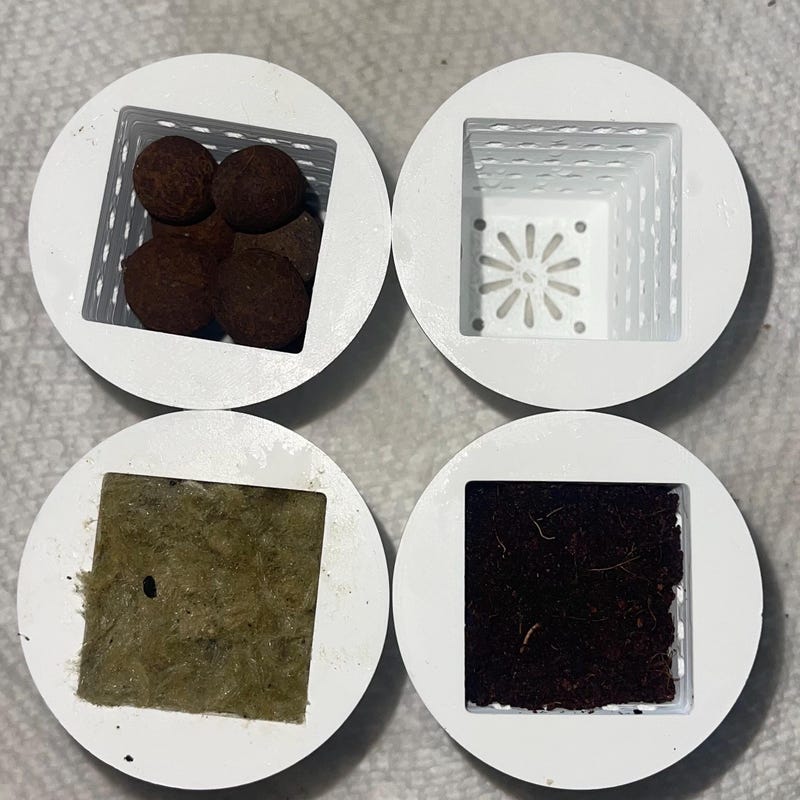
Rapid indoor herb growth hinges on meticulous planting and initial care. Proper seed starting, transplanting techniques, and appropriate spacing are crucial for establishing strong, healthy seedlings that thrive in their new environment. Consistent care during the first few days ensures a successful transition and sets the stage for abundant harvests.Efficient seed starting methods, along with careful transplanting procedures, minimize stress and maximize the potential for rapid growth.
Understanding the ideal spacing for different herb varieties ensures sufficient room for root development and healthy foliage production. This early attention to detail will significantly impact the overall success of your indoor herb garden.
Seed Starting Methods for Rapid Growth
Optimal seed starting methods for indoor herbs prioritize speed and efficiency. Different methods offer varying degrees of control and convenience, impacting germination rates and seedling vigor. Careful consideration of these factors will influence the success of your indoor herb garden.
- Seed Starting in Seed Trays: This method provides ample space for individual seedlings to grow, facilitating easy handling during transplanting. Seed trays often include individual cells, enabling efficient monitoring of each seedling’s progress. This method is suitable for a variety of herbs and allows for optimal seed spacing.
- Seed Starting in Peat Pots: Peat pots offer a simple, convenient method for seed starting. The biodegradable nature of peat pots eliminates the need for repotting when transplanting. This approach reduces stress on young seedlings, potentially accelerating growth.
- Seed Starting in Paper Towel Method: This method involves placing seeds on a damp paper towel to promote germination before transplanting. This method works well for seeds that are difficult to germinate directly into soil. This method is particularly useful for achieving early germination.
Transplanting Seedlings for Optimal Growth
The transition from seed starting to larger containers requires careful consideration. Transplanting seedlings at the correct time and in the right manner is crucial to ensure smooth growth and avoid setbacks.
- Timing of Transplanting: Transplanting should occur when seedlings have developed their first true leaves. This typically occurs between 7 to 14 days after germination, depending on the specific herb variety and environmental conditions.
- Transplanting Procedure: Gently remove the seedling from its starting container. Handle the seedling by the base of the stem to avoid damaging the delicate roots. Place the seedling into the new container, ensuring that the roots are completely covered with soil. Firm the soil gently around the roots to remove any air pockets.
- Watering After Transplanting: Water the transplanted seedlings thoroughly, ensuring that the soil is consistently moist but not waterlogged. Avoid overwatering, as this can lead to root rot.
Spacing and Plant Density for Rapid Growth
Proper spacing ensures adequate room for root development and minimizes competition for resources. Optimal plant density promotes healthy foliage production and robust growth. Carefully consider the mature size of the herb variety to plan the appropriate spacing for your indoor garden.
- Importance of Spacing: Adequate spacing allows roots to spread without crowding, promoting healthy growth. Insufficient spacing can lead to stunted growth and reduced yields.
- Recommended Spacing: Different herb varieties require varying amounts of space. Refer to the specific planting recommendations for each herb. Examples include 6 inches for mint, 4 inches for parsley, and 8 inches for basil. These values are general guidelines and can be adjusted based on specific growth conditions.
- Plant Density Considerations: The ideal plant density depends on the herb variety and the size of your growing space. High density may lead to reduced air circulation and potential diseases.
Essential Care for the First Few Days
Maintaining the optimal growing conditions for your newly transplanted seedlings during the first few days is essential for establishing strong, healthy plants.
- Watering Regularly: Consistent moisture is vital for the establishment of seedlings. Maintain a consistently moist but not waterlogged soil.
- Light Requirements: Ensure adequate light, mimicking natural sunlight. This could involve using grow lights to provide supplementary light.
- Temperature Regulation: Maintain a stable temperature within the recommended range for the specific herb varieties. Avoid temperature fluctuations that could stress the seedlings.
Comparison of Seed Starting Methods
| Method | Pros | Cons | Suitability |
|---|---|---|---|
| Seed Trays | Easy to handle, good for various herbs | Requires repotting | Most herbs |
| Peat Pots | Biodegradable, no repotting needed | Can dry out faster than seed trays | Most herbs |
| Paper Towel Method | Early germination | Requires careful monitoring, can be prone to fungal issues | Seeds with difficulty germinating directly |
Maintaining Consistent Growth in a Short Period
Cultivating thriving indoor herbs in a compressed timeframe requires meticulous attention to detail. This involves not only selecting the right herbs and providing optimal growing conditions but also consistently maintaining those conditions throughout the crucial growth period. Maintaining a stable environment and addressing potential issues proactively are key to achieving successful results.Consistent growth relies heavily on the interplay of proper nutrient management, disease and pest prevention, and regular monitoring of the growing environment.
This section will delve into these aspects, providing practical strategies for achieving rapid and healthy herb growth within a short time.
Nutrient Management for Accelerated Growth
Proper nutrient management is crucial for rapid growth. A well-balanced nutrient solution provides the essential elements for healthy development. Insufficient or imbalanced nutrients can stunt growth and lead to weak, underdeveloped plants. Using a balanced liquid fertilizer specifically designed for herbs, and following the manufacturer’s instructions, is highly recommended. Regular monitoring of nutrient levels in the growing medium, whether soil or hydroponic solution, is critical.
Nutrient deficiencies or excesses can easily be identified through visual cues and appropriate adjustments made. Over-fertilization, for example, can lead to nutrient burn, characterized by leaf discoloration and wilting.
Hydroponic and Aeroponic Systems for Faster Growth
Hydroponic and aeroponic systems offer significant advantages for accelerating herb growth. These soilless systems allow for precise nutrient delivery, minimizing the risk of nutrient deficiencies or excesses. The controlled environment of these systems also reduces the risk of soilborne diseases. Furthermore, hydroponic and aeroponic systems often result in faster growth rates compared to traditional soil-based methods. For instance, lettuce grown hydroponically can mature in a fraction of the time compared to those grown in soil.
However, consistent monitoring of nutrient solutions and system maintenance are vital for success.
Monitoring for Pests and Diseases
Regular inspections are essential for early pest and disease detection. Early intervention is crucial for preventing outbreaks and minimizing damage. Inspecting plants daily, or at least every other day, can help identify signs of infestation, such as small insects, webbing, or spots on leaves. These inspections should include examining the undersides of leaves and any areas where herbs may be in contact with other surfaces, such as containers.
Early detection significantly increases the effectiveness of treatment and prevents widespread damage.
Regular Monitoring of Growth Conditions
Regular monitoring of growth conditions is vital to maintain optimal conditions. This includes monitoring light exposure, temperature, humidity, and watering frequency. Slight fluctuations in any of these parameters can significantly impact herb growth. For example, inadequate light can lead to etiolation, where plants stretch excessively in search of light, resulting in weak and spindly growth. Maintaining a consistent environment helps to minimize stress and maximize growth potential.
Pest and Disease Prevention and Treatment Strategies
Implementing preventative measures is crucial for preventing pests and diseases in a short time. These measures include proper hygiene, including regular cleaning of containers and tools, and maintaining a clean environment around the growing area. Providing proper air circulation around the plants minimizes the risk of fungal diseases. Using natural pest control methods, such as introducing beneficial insects, can be effective.
For treatment, using appropriate pesticides or fungicides as directed can be necessary. However, it’s crucial to follow label instructions carefully and consider the potential environmental impact of these treatments.
Common Herb Pests and Diseases
| Pest/Disease | Description | Preventive Measures |
|---|---|---|
| Aphids | Small insects that suck sap from plants. | Maintain good air circulation, introduce beneficial insects (ladybugs), and use insecticidal soap. |
| Spider mites | Tiny arachnids that create webbing and cause leaf damage. | Maintain high humidity, use insecticidal soap, and introduce beneficial insects. |
| Root rot | Fungal disease that affects the roots of plants. | Ensure proper drainage, avoid overwatering, and use well-draining soil. |
| Powdery mildew | Fungal disease that creates a white powdery coating on leaves. | Improve air circulation, avoid overhead watering, and use a fungicide if necessary. |
Harvesting and Utilizing Fresh Herbs Quickly

Maximizing the flavor and nutritional value of your freshly grown indoor herbs is key to a successful 7-day herb gardening endeavor. This section details the optimal time to harvest, effective techniques, and practical preservation methods for enjoying your bounty. Quick harvesting and proper preservation ensure you can incorporate these fresh herbs into your meals throughout the week.
Optimal Harvesting Time
Harvesting herbs at the peak of their flavor and nutritional content is crucial. Generally, the best time to harvest most herbs is in the morning, after the dew has dried, when the leaves are plump and full of moisture. This is often when the plant’s energy reserves are highest. Specific herbs may have slightly different optimal harvesting times, but the general guideline of morning harvesting is widely applicable.
Harvesting Techniques
Efficient harvesting techniques ensure minimal stress on the plant and maximize future growth. Using sharp, clean scissors or pruning shears is recommended for cutting herbs. Avoid using your hands, especially for delicate herbs, to prevent bruising. Cut just below a node, where new growth is likely to emerge, promoting healthy regrowth.
Step-by-Step Harvesting Procedure
- Thoroughly wash your hands and any tools to avoid introducing pathogens.
- Select the desired herb leaves, ensuring you are not removing more than 25% of the plant’s foliage. A good rule of thumb is to take only the leaves that you will use within the next 24-48 hours.
- Use sharp scissors or pruning shears to cut the leaves from the stem, cutting just below a node.
- Immediately rinse the harvested herbs under cold water to remove any dirt or debris.
- Pat the herbs dry with a clean paper towel. This will help maintain their freshness.
Preserving Harvested Herbs
Preserving your harvested herbs for later use is essential for extending their freshness. In a 7-day timeframe, the most practical methods involve immediate use or quick refrigeration.
Culinary Applications of Harvested Herbs
Freshly harvested herbs offer a wide range of culinary applications. They can be used as garnishes, added to salads, used in soups, stews, and sauces, or incorporated into teas. Their vibrant flavors add zest to any dish, from simple salads to elaborate entrees. For example, basil can elevate a simple tomato salad, while rosemary adds depth to roasted vegetables.
Herb Storage Methods
| Storage Method | Description | Suitability (7 days) |
|---|---|---|
| Refrigeration (in a sealed container or plastic bag) | Place harvested herbs in a sealed container or plastic bag and store in the refrigerator’s crisper drawer. | Excellent for maintaining freshness for 2-3 days. |
| Freezing (in ice cube trays or freezer bags) | Blanch the herbs briefly in boiling water, then immediately place them in ice water to stop the cooking process. Arrange them in ice cube trays or freezer bags for long-term storage. | Allows for longer storage (up to 3 months), but may slightly alter flavor. |
| Drying (using a dehydrator or on a wire rack) | Spread the herbs thinly on a wire rack or use a food dehydrator to remove moisture. | Good for long-term preservation, but the flavor and texture will change slightly. May not be suitable for all herbs. |
Note: The suitability for 7-day use focuses on maintaining maximum freshness and flavor. Freezing and drying are excellent long-term preservation methods, but for the immediate 7-day timeframe, refrigeration is the best option.
End of Discussion

In conclusion, growing indoor herbs in seven days is achievable with careful planning and execution. This guide has provided a structured approach to selecting the right herbs, optimizing growing conditions, and managing the entire process efficiently. By understanding the specific needs of each herb and implementing the techniques presented, you can cultivate a bountiful indoor herb garden, bringing fresh flavor and vitality to your kitchen and daily life.
We encourage you to embrace this unique and rewarding experience!