Bonsai wiring is a fascinating art form that allows you to sculpt and shape these miniature trees into breathtaking works of miniature art. This comprehensive guide breaks down the process into five manageable steps, from initial preparation to final touches. Mastering the techniques will empower you to transform your bonsai into unique and aesthetically pleasing creations. Understanding the fundamentals of bonsai wiring is essential to achieving a natural and balanced aesthetic.
This guide provides a structured approach, walking you through the essential steps of bonsai wiring. From the initial assessment and preparation to the final touches and maintenance, each step is detailed to ensure your success. Learn about the tools, materials, and techniques needed to coax your bonsai into its desired form.
Introduction to Bonsai Wiring
Bonsai wiring is a crucial technique in bonsai cultivation, used to shape and direct the growth of branches and stems. It allows bonsai artists to refine the natural form of the tree, creating a miniature landscape that mimics the elegance and character of a full-grown tree. This process is not about breaking the tree, but rather guiding its development to achieve the desired aesthetic.Wiring provides precise control over the tree’s structure, influencing the overall look and feel of the bonsai.
It’s a fundamental skill for bonsai enthusiasts aiming to achieve the desired form and create visually compelling miniature landscapes.
Bonsai Wiring Tools and Materials
The selection of appropriate tools and materials is essential for successful bonsai wiring. The process requires precision and care, so quality tools are a necessity.
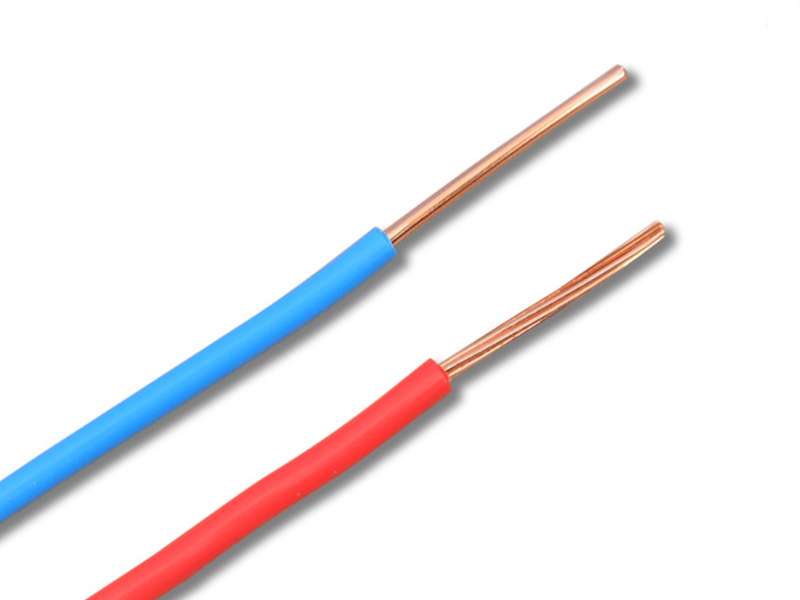
- Wire: The choice of wire directly impacts the outcome of the wiring process. Different wire types have unique properties, influencing how easily they can be manipulated and how they interact with the tree’s wood.
- Wire Cutters: Precise and sharp wire cutters are essential for trimming and shaping the wire to the required length and form. A dull pair of cutters will increase the risk of damage to the branch and make the process more challenging.
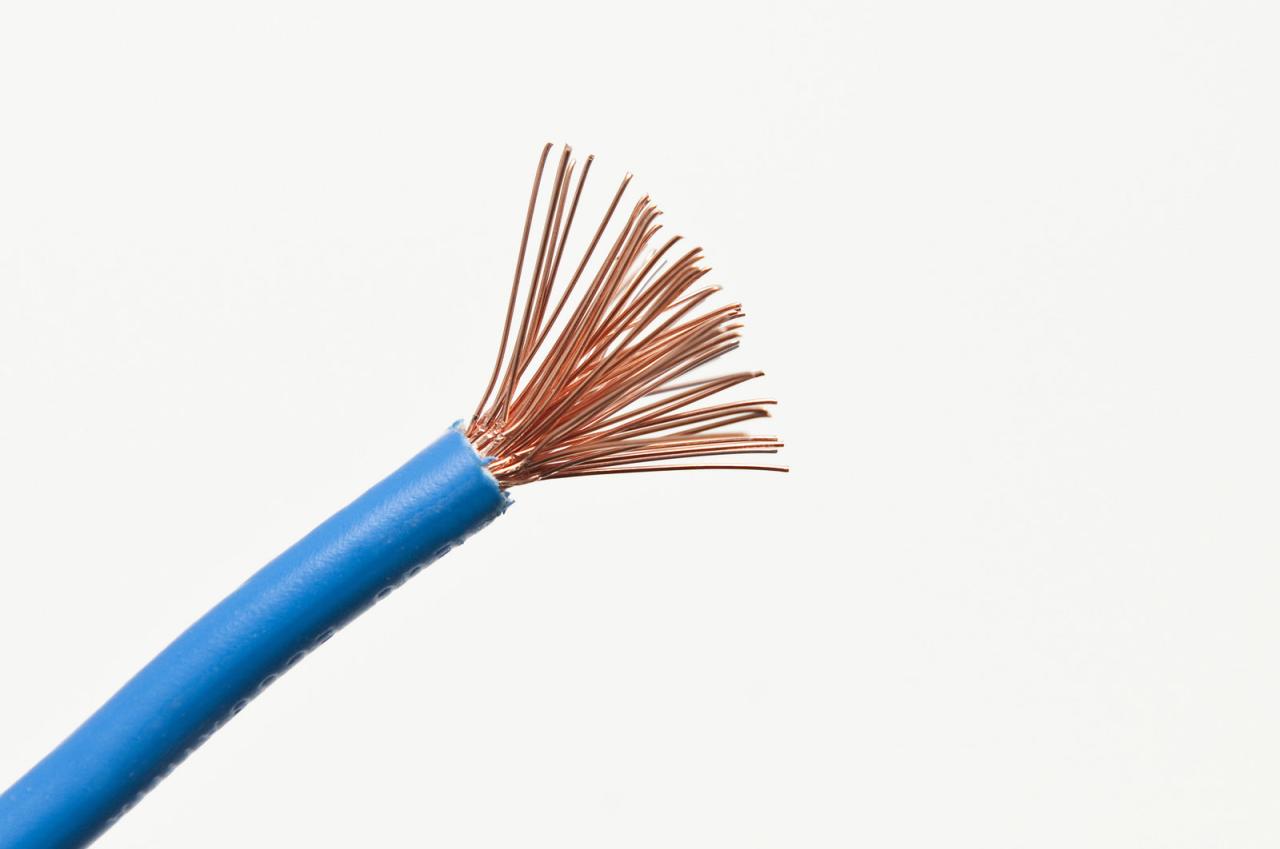
- Wire Strippers: Wire strippers are crucial for removing the insulation from the wire, if needed, before bending it around the branch.
- Tweezers: Fine-tipped tweezers are useful for manipulating small branches and for shaping the wire around them.
- Pliers: Pliers can be used for bending and shaping wire. The appropriate type of pliers will depend on the wire gauge and desired shaping.
Wire Gauge Selection
Selecting the appropriate wire gauge is crucial for effective bonsai wiring. Thicker wire (lower gauge number) is used for larger branches, while thinner wire (higher gauge number) is used for smaller branches. The correct gauge ensures the wire effectively guides the branch without causing damage or hindering its natural growth. The wire should be thin enough to be easily removed without causing harm to the tree.
For example, a larger branch will require a thicker gauge wire to support its weight and shape it effectively.
Wire Types
Different types of wire are used in bonsai, each with unique characteristics that influence its suitability for specific applications. The choice of wire depends on factors such as the tree species, the size and thickness of the branches, and the desired aesthetic.
| Wire Type | Properties | Suitability | Pros | Cons |
|---|---|---|---|---|
| Copper | Soft, malleable, relatively inexpensive | Versatile, good for most deciduous trees | Easy to bend and shape, good corrosion resistance | Can be prone to rust in humid environments |
| Aluminum | Strong, light, resists rust | Excellent for supporting larger branches | Durable, won’t rust, relatively strong | Can be more difficult to work with than copper, higher cost |
| Steel | Strong, durable, holds its shape well | Best for large branches, particularly conifers | Extremely durable, resists bending | Can be difficult to bend, potentially damaging to the wood if not handled carefully |
Preparing the Bonsai for Wiring
Proper bonsai wiring requires meticulous preparation to ensure the health and long-term success of the tree. This crucial step involves assessing the plant’s structure, removing unwanted growth, and preparing the branches for the wiring process. Careful attention to these details will minimize stress on the tree and maximize the effectiveness of the wiring.Thorough preparation is essential to avoid harming the bonsai during the wiring process.
A healthy, well-structured tree will respond better to the adjustments and will exhibit better results after the wiring is completed. This preparation also allows the bonsai enthusiast to effectively identify and address any existing structural issues, such as crossing branches or weak growth points.
Cleaning and Pruning
Proper hygiene and controlled pruning are paramount in bonsai preparation. Removing excess foliage and deadwood promotes better airflow and light penetration, which are vital for healthy growth. Cleaning the plant’s surface and removing any debris also helps to prevent disease and pest infestations. This step helps the tree focus its energy on the desired branches and structure.
Assessing Structure and Identifying Branches Requiring Adjustment
Before any wiring can occur, a careful evaluation of the bonsai’s overall structure is necessary. Identifying branches that need adjustment, such as crossing or growing in undesirable directions, is a critical step. This evaluation allows for the creation of a plan that guides the wiring process and ensures the bonsai’s aesthetic appeal and structural integrity are preserved.
Pruning Techniques for Wiring
Different pruning techniques can be used depending on the bonsai’s specific needs and the desired outcome. These techniques aim to create a balanced structure, ensuring the tree’s aesthetic appeal and health are maintained. Some techniques to consider include:
- Thinning: Removing excess foliage to improve light penetration and air circulation.
- Heading back: Shortening branches to control their growth rate and encourage branching.
- Pinching: Gently removing small tips to fine-tune the shape and encourage new growth.
- Removing dead or diseased branches: Ensuring the plant’s health and vitality.
Considering Plant Health and Growth Potential
The bonsai’s overall health and growth potential should always be a primary concern during the preparation phase. Wiring should never compromise the tree’s vitality. Excessive pruning or forceful adjustments can stress the tree and hinder its future growth. A balanced approach, considering the tree’s individual characteristics, is essential. The bonsai’s resilience and its ability to recover from the wiring procedure must be taken into account.
Steps in Bonsai Preparation
- Thorough inspection: Examine the bonsai for any signs of pests, diseases, or deadwood. Clean the plant thoroughly, removing any debris or dead material.
- Structure analysis: Assess the overall shape and structure of the bonsai. Identify branches that cross, grow in undesirable directions, or are weak.
- Selective pruning: Implement appropriate pruning techniques, such as thinning, heading back, or pinching, to remove unwanted branches and create a balanced structure.
- Health assessment: Evaluate the bonsai’s overall health and growth potential. Ensure the pruning does not compromise the tree’s vigor.
- Wiring plan: Based on the assessment and pruning, create a plan for the wiring process. This plan will guide the placement and shape of the wires.
Basic Wiring Techniques
Wiring is a crucial aspect of bonsai shaping, allowing precise control over branch growth and form. Proper wiring techniques are essential for achieving the desired aesthetic and structural integrity of the bonsai. This section will detail the fundamentals of wrapping wire, controlling tension, and creating various branch shapes.
Wrapping the Wire
The initial step involves carefully wrapping the wire around the branch. Begin by making a gentle, snug wrap, avoiding sharp angles or excessive tension. The wire should conform to the natural contours of the branch, not force a rigid shape. Use a firm but gentle pressure to avoid damaging the branch bark. Over-tightening can cause bark damage or even breakage.
A smooth, even spiral wrapping is preferable to a tight, uneven coil.
Tension and Shaping
Tension plays a critical role in shaping the bonsai. Proper tension allows the wire to gently guide the branch to the desired position without damaging it. Applying too much tension can harm the branch’s cambium layer, hindering growth and potentially causing breakage. Too little tension may not provide enough support to hold the branch in place, negating the shaping process.
The amount of tension required depends on the thickness of the branch and the desired bend. Experience will help you gauge the appropriate tension. A common method is to start with a slight tension, then gradually increase it until the branch is held in the desired shape.
Creating Curves and Bends
Creating gentle curves and bends in branches is a key element in shaping a bonsai. This involves applying gradual pressure to the wire, allowing the branch to conform to the intended curve. Avoid abrupt changes in direction, as these can lead to stress points on the branch. Instead, focus on smooth transitions between curves. The ideal technique involves carefully positioning the wire, applying gentle tension, and gradually adjusting the wire to achieve the desired bend.
Wire Loops and Bends
Wire loops and bends are used to create various shapes and contours in branches. These techniques are essential for achieving more complex forms. Proper use of wire loops can accentuate natural branch angles, create a sense of depth, and enhance the overall aesthetic of the bonsai. To create a wire loop, form a complete loop with the wire, ensuring the loop is secure.
Ensure the wire does not cut into the bark. Wire bends, similarly, involve manipulating the wire to create precise angles and curves in the branches, directing growth and refining the bonsai’s structure.
Wiring Techniques for Shaping
Careful consideration of the desired shape is essential for successful bonsai wiring. The appropriate technique will depend on the type of bend or shape needed.
| Technique | Description | Suitable for |
|---|---|---|
| U-Shape | A U-shaped bend is commonly used to create a natural, flowing look, guiding the branch to follow a smooth, graceful curve. | Branches that require a more pronounced curve, accentuating the natural form. |
| S-Shape | An S-shaped bend is ideal for adding complexity and visual interest to the bonsai. | Adding complexity and visual interest to the bonsai. |
| V-Shape | A V-shaped bend can be used to create a strong, pointed shape. | Creating a strong, pointed shape. |
| J-Shape | A J-shaped bend adds a distinctive, angled look to the bonsai. | Creating distinctive, angled looks. |
Advanced Wiring Techniques
Mastering advanced bonsai wiring techniques allows for intricate shaping and long-term structural support, crucial for complex designs and maintaining the aesthetic appeal of mature bonsai. These methods build upon the fundamental techniques, enabling precise control over branch positioning and trunk form. Careful consideration of wire placement and tension is paramount for creating a balanced and natural appearance.Advanced techniques extend beyond basic branch manipulation, incorporating more sophisticated approaches for achieving complex forms and ensuring the longevity of the bonsai.
Understanding these methods allows for a deeper appreciation of bonsai art, enabling practitioners to create truly remarkable specimens.
Multiple Branch Wiring
Multiple branch wiring is essential for shaping intricate bonsai designs, especially in trees with numerous branches or where precise angles are required. It involves simultaneously securing multiple branches with the wire, requiring careful coordination and consideration of the individual branch needs. Correct placement is vital to prevent damage to the delicate wood and promote healthy growth.
- Begin by identifying the desired final position of each branch.
- Using multiple pieces of wire, wrap each branch individually, taking care not to apply excessive tension.
- Ensure the wire conforms to the natural contours of each branch, creating a seamless and aesthetically pleasing transition.
- Secure the wire with minimal pressure and avoid any sharp bends or kinks.
Trunk Wiring for Support and Aesthetics
Incorporating wire into the trunk, especially in older or more substantial bonsai, provides crucial support and aids in shaping the overall aesthetic. This technique involves carefully wrapping the wire around the trunk, taking care not to damage the bark or underlying wood. Strategic placement and tension are crucial to avoid compromising the trunk’s integrity.
- Choose a wire that is appropriate for the trunk’s size and thickness, and consider the desired aesthetic.
- Avoid wrapping the wire tightly, as this can damage the bark and inhibit proper growth.
- Create a gentle curve or taper in the wire to mimic natural trunk patterns.
- Secure the wire firmly, ensuring the trunk remains supported without compromising its structural integrity.
Wire Placement and Bonsai Aesthetics
Wire placement directly impacts the bonsai’s overall appearance. It plays a crucial role in achieving a natural and balanced look. Consider the natural growth patterns of the tree species and the desired artistic effect when determining wire position. Strategic use of wire creates the illusion of natural growth and aids in highlighting the tree’s inherent beauty.
- Positioning the wire along the natural contours of the branches helps to create a more realistic and aesthetically pleasing form.
- A subtle and well-integrated wire will not detract from the bonsai’s beauty but rather complement it.
- Consider the overall silhouette of the bonsai when positioning the wire, ensuring a harmonious and balanced composition.
- Experiment with different wire positions to find the best aesthetic solution for each individual bonsai.
Examples of Complex Shapes and Wiring Techniques
| Bonsai Shape | Wiring Technique Description |
|---|---|
| Inverted Cascade | The trunk is angled downwards, requiring careful support for the lower branches. Wire may be incorporated into the trunk for support and to maintain the cascade form. |
| Formal upright | A straight trunk with branches extending outward in a formal arrangement. Wire is used to maintain the upright posture and precise branch placement. |
| Windswept | Branches are angled or bent to mimic a strong wind. The wire is used to bend and support the branches, emphasizing the windswept effect. |
| Banyan | A tree with multiple trunks or stems, requiring complex wire placement to support each branch and trunk individually, while maintaining the desired aesthetic. |
Securing and Finishing the Wiring
Properly securing the wire is crucial for the health and aesthetics of the bonsai. Incorrectly secured wire can damage the bark, impede growth, or even break branches. A meticulous approach ensures long-term success and a pleasing visual presentation.
Securing the Wire
Effective wire securing involves a combination of techniques to prevent slippage and ensure the wire remains in place without harming the branch. Critically, the wire should not cut into the bark. Use a gentle, consistent pressure to wrap the wire around the branch. Avoid excessive tension, as this can cause damage. For thicker branches, multiple wraps may be needed for a secure hold.
For smaller branches, a single wrap might suffice. Ensure the wire is evenly distributed along the branch.
Using Wire Cutters
Wire cutters are essential for precise trimming of excess wire. Incorrect trimming can leave sharp edges that could injure the bonsai or the user. Carefully cut the excess wire flush with the branch, avoiding any sharp or jagged edges. Use wire cutters specifically designed for bonsai work, as they are often equipped with rounded or serrated edges to minimize the risk of damaging the branch.
Removing the Wire
Wiring should be removed after a suitable period, typically ranging from several weeks to several months, depending on the size of the branch and the type of wire used. Removing wire too early may not allow the branch to adapt properly, while removing it too late could result in the wire cutting into the bark. Observe the bonsai for signs of stress or damage after the wire has been applied, such as discolouration or swelling of the branch.
The bonsai should be closely monitored.
Monitoring the Bonsai
Post-wiring monitoring is vital to ensure the wire is not causing harm and to gauge the bonsai’s response to the process. Observe for signs of stress, such as discolouration or swelling of the branch. Regular inspection will allow you to identify potential problems early and take corrective action if needed. Also monitor the overall health of the bonsai, including leaf colour, growth rate, and overall vigour.
This is essential for maintaining its aesthetic and health.
Complete Wiring Process (Step-by-Step)
- Preparation: Thoroughly inspect the bonsai for any weak or damaged branches that might be susceptible to breakage during the wiring process. Ensure the bonsai is healthy and well-hydrated before beginning. Select the appropriate wire gauge and length for each branch.
- Branch Selection: Carefully select the branches that require wiring, considering their shape, size, and desired growth direction. Assess the natural angles and contours of the branches to determine the most appropriate wiring method.
- Applying the Wire: Wrap the wire around the branch using the techniques described earlier. Maintain even tension and ensure the wire does not cut into the bark. Apply the wire in a way that supports the desired shape and growth pattern of the branch.
- Securing the Wire: Use wire strippers to create a neat and secure wire fastening. Critically, the wire should not cut into the bark. Ensure the wire is properly secured to prevent slippage. Trim any excess wire using wire cutters.
- Monitoring and Removal: Monitor the bonsai regularly for any signs of stress or damage. Remove the wire after a suitable period, typically several weeks to several months, depending on the size of the branch and the wire used. Evaluate the branch’s recovery after wire removal.
Troubleshooting and Maintenance
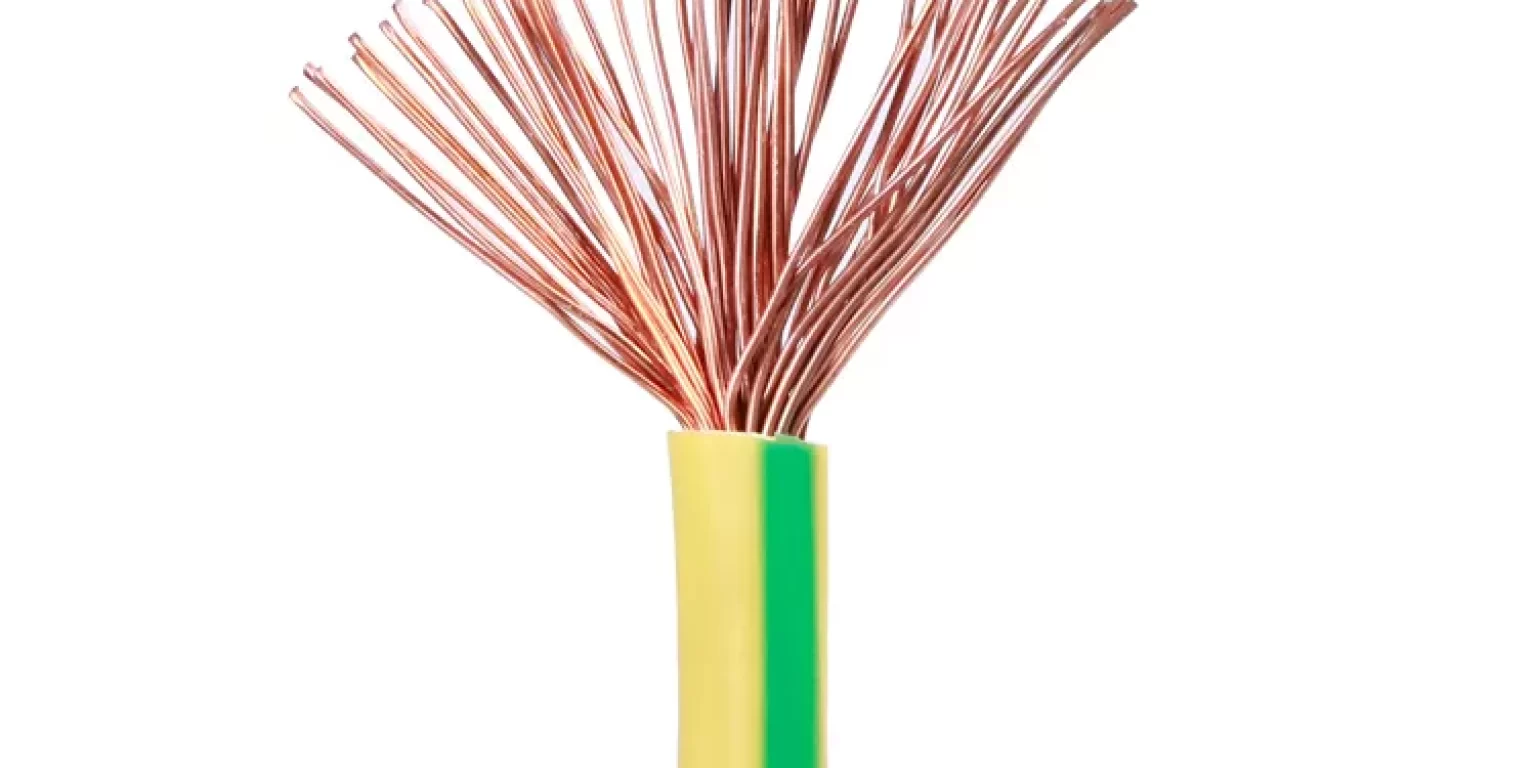
Proper bonsai wiring is crucial for shaping and maintaining the tree’s form, but potential issues can arise. Understanding potential problems and their solutions is vital for achieving successful results. Careful monitoring and maintenance after the wiring process will ensure the tree’s health and longevity.Wiring a bonsai, while precise, can lead to unforeseen complications. This section details how to address these issues effectively, ensuring the tree’s continued well-being.
Early identification and prompt action are key to preventing more serious problems.
Potential Problems During Wiring
Troubleshooting during the wiring process is essential for a successful outcome. Careful observation and quick action can prevent complications. Common problems include wire placement errors, wire tension issues, and wire damage to the tree’s bark.
- Incorrect Wire Placement: Improper wire placement can lead to undesirable bends or kinks in the branches, affecting the tree’s overall aesthetic and potentially causing stress on the wood. Carefully assess the branch structure and the desired shape to ensure that the wire is placed in the correct position. Using a mirror or a second set of eyes can help identify unseen angles.
- Excessive Wire Tension: Over-tightening the wire can damage the cambium layer of the wood, leading to tissue necrosis and potential branch dieback. Ensure that the wire is tightened sufficiently to achieve the desired shape without causing excessive pressure.
- Wire Damage to the Bark: During the wiring process, the wire can potentially damage the delicate bark of the bonsai. This is especially true with overly aggressive tightening or rough handling of the wire. Be cautious and gentle to avoid damaging the bark.
Solutions for Wiring Problems
Addressing wiring problems promptly is crucial for the health and aesthetic appeal of the bonsai. Careful consideration and the right solutions can rectify issues before they worsen. A variety of methods can help fix these issues.
- Incorrect Wire Placement: If the wire is in the wrong position, carefully loosen it and reposition it. This may require removing the wire entirely and reapplying it to a new location. Use the appropriate tools to do so without harming the tree.
- Excessive Wire Tension: Loosen the wire gradually and carefully. If the damage is significant, you may need to remove the wire and re-wire the branch after giving the branch time to recover.
- Wire Damage to the Bark: Immediately remove the wire from the damaged area. Applying a wound sealant to the damaged bark can promote healing and prevent infection. Ensure the wire is removed completely and no remaining parts are pressing on the bark.
Identifying and Addressing Wire Damage
Early detection of wire damage is crucial for the health of the bonsai. Understanding the signs and implementing appropriate solutions is essential. Visible signs of damage can include cuts or tears in the bark, discoloration, and the presence of dead or dying tissue.
- Visible Signs: Inspect the bonsai regularly for any cuts, tears, or discoloration on the bark around the wire. Look for any signs of dead or dying tissue. Note the location and severity of the damage. This will assist in determining the appropriate course of action.
- Appropriate Solutions: Depending on the extent of the damage, the appropriate solutions include removing the wire, applying wound sealant, and ensuring proper care to encourage healing. If the damage is extensive, consult with a bonsai expert for guidance.
Bonsai Care After Wiring
Post-wiring care is essential for the bonsai’s recovery and long-term health. Consistent care ensures the tree’s stability and growth. Providing the appropriate environment and monitoring for signs of stress are crucial steps.
- Watering: Adjust watering schedules to account for the stress caused by the wiring process. Water deeply but less frequently to allow the soil to dry slightly between waterings.
- Light Conditions: Maintain the bonsai’s usual light conditions, but monitor it for signs of stress, such as leaf drop or discoloration. Adjust lighting as needed to ensure the tree’s well-being.
- Fertilization: Reduce or temporarily suspend fertilization for a few weeks after wiring to minimize stress on the tree. Observe the tree’s response and resume fertilization gradually.
Troubleshooting Table
| Potential Problem | Solution |
|---|---|
| Incorrect wire placement | Loosen and reposition the wire, or remove and re-wire. |
| Excessive wire tension | Loosen the wire gradually, potentially removing and re-wiring. |
| Wire damage to the bark | Remove the wire, apply wound sealant, and provide appropriate care. |
Illustrative Examples
Bonsai wiring is a crucial aspect of bonsai cultivation, shaping the tree’s form and aesthetic appeal. Understanding the techniques used in conjunction with the specific style of bonsai is essential for achieving a balanced and visually appealing final product. This section provides illustrative examples to demonstrate the application of wiring techniques across various bonsai styles.Different bonsai styles necessitate distinct wiring techniques, tailored to achieve the desired aesthetic.
The principles of form, line, and texture are all critical in shaping the overall visual impact of the bonsai.
Bonsai Design Examples and Wiring Techniques
Various bonsai designs and their corresponding wiring techniques showcase the artistry involved. The health and well-being of the bonsai tree are paramount throughout the entire process. Proper wiring techniques promote healthy growth and minimize stress to the plant.
| Image Description | Bonsai Style | Wiring Techniques |
|---|---|---|
| A cascade-style bonsai, with the trunk and branches cascading downwards, showcasing meticulous wiring to maintain the cascading posture. The wire is strategically placed along the branches, supporting the downward flow and ensuring the natural fall of the foliage. The wiring is almost invisible, blending seamlessly with the natural contours of the branches. | Cascade | Thin wires are used to gently curve branches downwards, supporting the cascading posture. The wire is wrapped tightly but not too tightly, ensuring the branches don’t break. Avoid over-wiring to maintain the natural flow of the tree. |
| A formal upright bonsai, with its straight trunk and symmetrical branches, demonstrating the use of wiring to maintain the formal posture. The wire is carefully positioned to direct the growth of the branches, ensuring the overall structure is balanced and symmetrical. | Formal Upright | Straight, thin wires are used to support and shape the branches, maintaining the upright and symmetrical posture. The wire should be strategically placed along the branches, aiming to subtly influence their growth without being obtrusive. |
| A slanting bonsai, featuring a trunk that leans at a slight angle, showcasing how wiring can gently shape the tree’s posture. The wire is carefully positioned to support the slanting direction and avoid undue stress on the branches. The branches are shaped in a way that enhances the overall visual appeal of the leaning posture. | Slanting | Thin wires are used to support the branches, encouraging the leaning direction while maintaining the tree’s natural flow. The wire placement should be strategic to support the branches’ weight without hindering their natural growth. Adjustments are made to refine the angle of the lean. |
| A windswept bonsai, with its branches leaning in various directions, demonstrating the use of wiring to mimic the effect of wind. The wire is used to support the branches while still allowing them to move freely, recreating the wind-blown appearance. | Windswept | Thin wires are used to support the branches in a manner that recreates the effect of wind. The wire is positioned to allow the branches to move and bend, mimicking the appearance of a tree swaying in the wind. |
Aesthetic Principles and Wiring
The aesthetic principles underpinning bonsai wiring techniques are fundamental to the art form. Achieving a balanced and harmonious form is paramount. The strategic placement of the wire is key to highlighting the natural beauty of the bonsai while subtly guiding its shape. This subtle guidance is a critical aspect of bonsai wiring.The wire’s material and thickness must be considered.
Too thick or inflexible a wire will impede the tree’s natural growth, while a too-thin wire will not adequately support the branches. The wire should not be noticeable, blending with the tree’s form.
Outcome Summary
This guide has presented a step-by-step approach to bonsai wiring, covering everything from basic techniques to advanced shaping methods. By following the detailed instructions, you can effectively sculpt your bonsai into the desired form, achieving a natural and aesthetically pleasing miniature landscape. Remember to prioritize the health and well-being of your bonsai throughout the process, and revisit the troubleshooting section if any issues arise.
This guide provides the knowledge and tools needed to bring your bonsai vision to life.