Bonsai care often hinges on a meticulous fertilization schedule. This guide provides a comprehensive overview of how to fertilize bonsai monthly, ensuring optimal health and growth for your miniature trees. Understanding the specific needs of your bonsai species, choosing the right fertilizer, and following a tailored schedule are key elements to successful bonsai cultivation.
From understanding different fertilizer types and their application methods to troubleshooting common fertilization problems, this guide covers all aspects of monthly bonsai fertilization. We’ll also delve into the unique needs of various bonsai species, ensuring you’re providing the best possible care.
Introduction to Bonsai Fertilization
Proper monthly fertilization is crucial for the health and aesthetic appeal of bonsai trees. Regular nutrient replenishment supports robust growth, vibrant foliage, and the overall vitality of the miniature landscape. Neglecting this aspect can lead to stunted growth, weakened defenses against pests and diseases, and ultimately, a decline in the tree’s overall health.Bonsai fertilization involves providing the right nutrients in the appropriate amounts, tailored to the specific needs of each tree species.
This practice mirrors natural soil conditions and promotes optimal growth. The composition of the bonsai soil is equally important, as it influences how readily the tree can absorb the nutrients provided. Understanding the unique nutritional requirements of different bonsai varieties allows for targeted fertilization strategies. This knowledge enables the bonsai enthusiast to cultivate thriving, healthy trees.
General Principles of Bonsai Fertilization
Bonsai fertilization is a fundamental aspect of bonsai care. It involves supplying essential nutrients to the tree, mimicking natural soil conditions. The specific nutrient needs vary depending on the species, age, and overall health of the bonsai. The type of soil mixture plays a crucial role in nutrient availability. Well-draining, porous soils are ideal for bonsai, as they facilitate proper aeration and nutrient uptake.
Types of Bonsai Trees and Their Nutritional Needs
Different bonsai species have varying nutritional needs. For example, deciduous trees like maples require different nutrients than evergreen conifers. Understanding these differences is essential for successful fertilization. A comprehensive understanding of each tree’s specific needs allows for customized fertilization schedules and formulas.
- Deciduous Trees (e.g., Maples, Oaks): These trees typically benefit from a balanced fertilizer with a moderate nitrogen content. Higher nitrogen promotes leaf growth, while sufficient phosphorus and potassium support overall tree health and flowering/fruiting.
- Evergreen Trees (e.g., Pines, Junipers): Evergreens generally require a fertilizer with lower nitrogen content compared to deciduous trees. Their slower growth rate necessitates a more gradual release of nutrients.
- Broadleaf Evergreens (e.g., Camellias, Azaleas): These trees thrive in acidic conditions. They require fertilizers specifically formulated for acid-loving plants, providing the necessary micronutrients for optimal growth.
Potential Risks of Over-Fertilizing and Under-Fertilizing
Over-fertilizing can lead to nutrient burn, causing leaf discoloration and potential damage to the roots. Under-fertilizing, on the other hand, results in stunted growth and diminished vigor, impacting the overall health and aesthetic appeal of the bonsai. Maintaining a balanced fertilization schedule is key to preventing both these issues. Monitoring the bonsai’s response to fertilization is critical, allowing adjustments to the fertilization schedule as needed.
Nutrient Requirements of Different Bonsai Tree Species
The following table provides a comparative overview of nutrient requirements for various bonsai tree types. This table helps illustrate the diverse needs of different species.
| Bonsai Tree Type | Preferred Nitrogen (N) | Preferred Phosphorus (P) | Preferred Potassium (K) | Other Important Considerations |
|---|---|---|---|---|
| Maples (Deciduous) | Medium | Medium | Medium | Need balanced fertilization to promote healthy leaf growth and overall tree health. |
| Pines (Evergreen) | Low | Medium | Medium | Require less nitrogen due to slower growth rate. |
| Junipers (Evergreen) | Low | Medium | Medium | Generally need a well-balanced fertilizer with emphasis on consistent, controlled nutrient release. |
| Camellias (Broadleaf Evergreen) | Low | Medium | Medium | Require an acidic soil mix and specific fertilizer formulations. |
Understanding Fertilizer Types
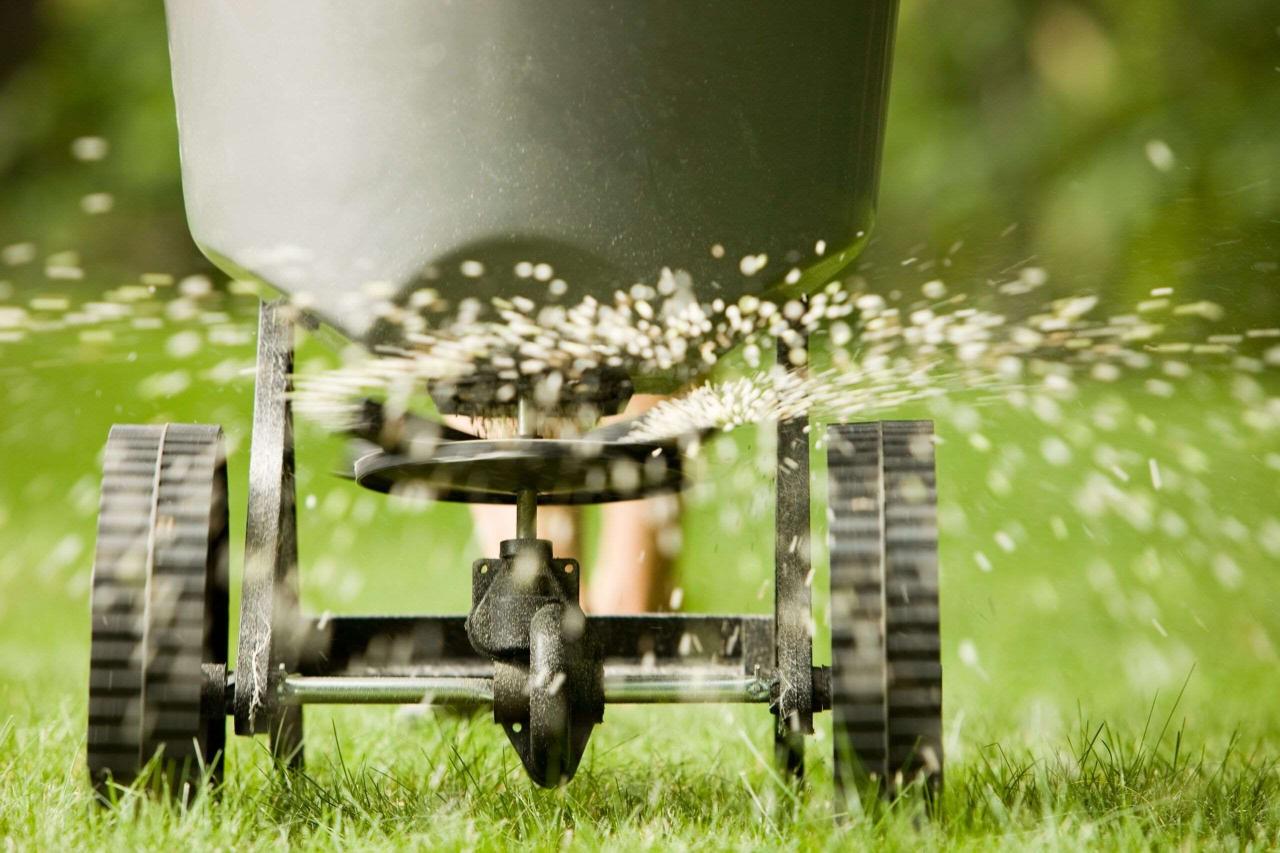
Bonsai fertilization is a delicate process, requiring careful consideration of the chosen fertilizer type. The optimal choice depends on several factors, including the bonsai species, its size, and the overall health of the tree. Understanding the various fertilizer types and their specific characteristics is crucial for achieving healthy and vibrant bonsai.
Fertilizer Types for Bonsai
Various fertilizer types are available for bonsai, each with its own set of benefits and drawbacks. Choosing the right type can significantly impact the health and growth of your bonsai.
Liquid Fertilizers
Liquid fertilizers are a popular choice for bonsai due to their ease of application and precise control over nutrient delivery. They dissolve readily in water, allowing for accurate dilution and targeted feeding. This controlled release is particularly advantageous for bonsai, as it minimizes the risk of over-fertilization. Liquid fertilizers are often formulated with readily available nutrients in a balanced ratio.
They typically provide a quicker response in terms of growth and leaf development compared to other types, making them suitable for bonsai needing a boost.
Granular Fertilizers
Granular fertilizers offer a convenient, long-term solution for bonsai fertilization. They are typically formulated with slow-release mechanisms, delivering nutrients gradually over a period of several weeks. This slow-release characteristic is beneficial for maintaining consistent nutrient supply throughout the growing season. This sustained release reduces the frequency of applications, making them convenient for busy bonsai enthusiasts. Granular fertilizers can be a suitable choice for bonsai where precise timing of nutrient delivery is less critical.
Organic Fertilizers
Organic fertilizers derive their nutrients from natural sources, such as compost, manure, or seaweed extracts. They are often rich in micronutrients and beneficial soil organisms, promoting a healthy root environment. The slow-release nature of organic fertilizers supports the gradual and balanced uptake of nutrients by the bonsai. Organic fertilizers generally promote a healthier microbial environment within the soil, contributing to overall soil health and enhancing the long-term growth potential of the bonsai.
Comparison of Fertilizer Types
The following table provides a comparative overview of liquid, granular, and organic fertilizers, highlighting key aspects of each type.
| Feature | Liquid | Granular | Organic |
|---|---|---|---|
| Cost | Moderate | Moderate | Variable |
| Application | Easy, precise dilution | Scattering around the base | Mixing with soil or potting mix |
| Nutrient Content | High, balanced | Balanced, slow-release | Variable, often rich in micronutrients |
| Frequency of Application | Weekly or bi-weekly | Monthly or bi-monthly | Monthly or less frequently |
| Release Rate | Fast | Slow | Very slow |
| Long-Term Effects | Immediate growth response | Sustained growth over time | Promotes long-term soil health |
Choosing the Right Fertilizer for Your Bonsai
The selection of a suitable fertilizer is crucial for the success of your bonsai. Consider the specific needs of the bonsai species, its size, and its overall health. Some species may require specific nutrient ratios or application methods, thus consulting a reliable source is essential for making an informed decision. For example, certain conifers might benefit from fertilizers high in nitrogen to promote vigorous growth, while other species might need a different balance of nutrients.
Monthly Fertilization Schedule
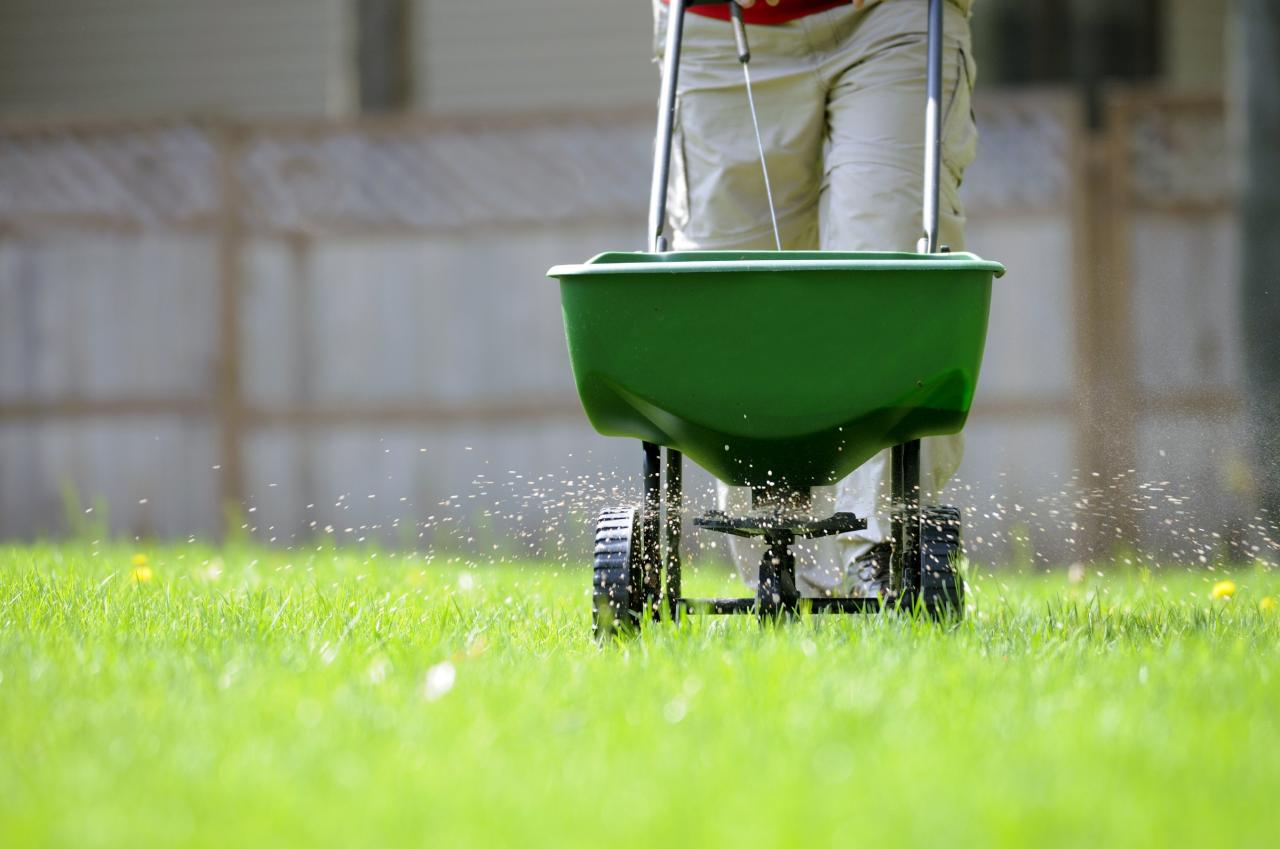
A well-maintained bonsai requires a consistent fertilization schedule, adapted to the specific needs of each tree type and the changing seasons. Understanding the monthly rhythm of feeding will support optimal growth and health. This schedule should be adjusted based on the tree’s specific requirements, its overall health, and the environmental conditions.
Seasonal Considerations
Seasonal variations significantly impact bonsai fertilization. Spring and summer are periods of active growth, demanding more frequent and substantial feeding. Conversely, autumn and winter call for reduced or even suspended fertilization, as the tree’s metabolic rate slows. Adjustments in the fertilization schedule reflect these natural cycles, supporting the tree’s health and preventing over-fertilization during periods of reduced activity.
Monthly Fertilization Recommendations
This table provides a general guideline for monthly bonsai fertilization, recognizing that individual tree needs may vary. Factors such as species, size, and growth rate influence the specific application. Always prioritize the tree’s health and adjust the schedule as needed.
| Month | Tree Type | Frequency | Dosage | Application Method |
|---|---|---|---|---|
| March-May (Spring) | Deciduous, Evergreen, Conifers | Every 2-3 weeks | 1/4 strength fertilizer | Dilute fertilizer in water and apply to the soil. |
| June-August (Summer) | Deciduous, Evergreen, Conifers | Every 2 weeks | 1/2 strength fertilizer | Apply diluted fertilizer to the soil, and water thoroughly. |
| September-October (Autumn) | Deciduous, Evergreen, Conifers | Every 4 weeks | 1/4 strength fertilizer | Apply diluted fertilizer to the soil, but reduce frequency if growth is slowing. |
| November-February (Winter) | Deciduous, Evergreen, Conifers | Every 6-8 weeks | No fertilizer, or a very dilute solution (1/8 strength) for some species | Avoid fertilization if the tree is dormant. |
Calculating Fertilizer Amount
The appropriate fertilizer dosage depends on the bonsai’s size and species. A general rule of thumb is to use a smaller amount for younger or smaller trees. For example, a small, young juniper might require only a teaspoon of diluted fertilizer per application, while a larger, mature maple might need 2-3 teaspoons.
Calculate the appropriate dosage by considering the size of the bonsai’s root ball and the recommended strength of the fertilizer for the species.
Adjusting the Schedule Based on Seasonal Factors
Spring and summer demand more frequent feeding due to active growth. Reduced feeding in autumn and winter is crucial, preventing fertilizer burn when the tree is dormant. Observe the tree’s growth and adjust the schedule as needed. For example, a vigorously growing maple might benefit from a more frequent feeding schedule in spring and summer.
Adjusting the Regimen Based on Tree Growth and Health
Monitor the tree’s response to the fertilization regimen. Signs of over-fertilization include yellowing or browning leaves, stunted growth, or leaf drop. Conversely, under-fertilization may manifest as slow growth or pale foliage. Adjust the frequency and dosage as necessary, always prioritizing the tree’s health and well-being. If in doubt, consult a bonsai expert.
For instance, a bonsai showing signs of over-fertilization might require a complete cessation of fertilization until the symptoms subside.
Fertilization Techniques and Procedures
Proper fertilization is crucial for the health and vitality of your bonsai. This involves more than just adding fertilizer; it requires understanding the specific needs of your bonsai tree and applying the fertilizer correctly. Careful attention to technique, soil type, and post-application care will contribute to the overall success of your fertilization program.
Applying Liquid Fertilizer to Bonsai
Liquid fertilizers are a popular choice for bonsai due to their ease of use and precise nutrient delivery. They dissolve readily in water, allowing for a balanced nutrient uptake by the tree. To apply liquid fertilizer, first thoroughly water the bonsai to moisten the soil. This ensures the fertilizer is properly distributed. Then, mix the liquid fertilizer according to the manufacturer’s instructions.
Avoid over-concentrated solutions, as this can damage the delicate root system. Gradually pour the diluted fertilizer solution onto the soil surface, ensuring that the entire root zone is adequately moistened. After application, water the bonsai thoroughly again to rinse off any excess fertilizer and to encourage the nutrients to be absorbed. Observe the bonsai’s response to ensure the chosen fertilizer and application technique are suitable.
Applying Granular Fertilizer to Bonsai
Granular fertilizers, though often less convenient than liquid fertilizers, offer a more prolonged release of nutrients. This can be beneficial for maintaining consistent nutrient levels throughout the month. To apply granular fertilizer, first water the bonsai thoroughly to moisten the soil. This will help the fertilizer granules dissolve and be absorbed by the roots. Use a small hand-held tool to lightly incorporate the fertilizer granules into the top layer of the soil.
Avoid burying the fertilizer too deeply, as this can hinder its effectiveness. Once applied, water the bonsai thoroughly to ensure the fertilizer is fully distributed throughout the soil and to prevent the granules from becoming compacted. A crucial step involves monitoring the soil’s moisture levels.
Incorporating Organic Matter into Bonsai Soil
Organic matter, such as compost or well-rotted manure, is essential for maintaining healthy bonsai soil. It enhances the soil’s structure, improves water retention, and provides essential nutrients. Before incorporating organic matter, ensure the soil is moist. Gently mix the organic matter into the top layer of the soil. This ensures that the beneficial microbes and nutrients are evenly distributed throughout the root zone.
Incorporating organic matter regularly can significantly improve the soil’s overall quality and contribute to the bonsai’s long-term health.
Proper Watering Techniques After Fertilization
Proper watering after fertilization is paramount. Excessive fertilizer can damage the roots if not diluted properly or rinsed off. Thoroughly watering the bonsai after fertilization helps to dilute any excess fertilizer and prevents salt buildup. Ensure the water drains completely from the pot. Overwatering can lead to root rot, which is detrimental to the bonsai’s health.
Pay close attention to the soil moisture level and adjust watering frequency as needed. This practice will help in regulating the nutrient uptake by the roots and preventing any potential damage.
Importance of Soil Testing
A soil test provides valuable insights into the nutrient levels in your bonsai soil. By analyzing the soil’s pH and nutrient content, you can tailor your fertilization strategy accordingly. A soil test helps identify any deficiencies or imbalances in the soil, allowing for a more precise and effective fertilization plan. This will help you understand the soil’s specific needs and adjust your fertilizer application accordingly.
Fertilization Techniques Comparison
| Fertilization Technique | Advantages | Disadvantages |
|---|---|---|
| Liquid Fertilizer | Precise nutrient delivery, easy to apply, readily absorbed | Requires frequent applications, potential for over-fertilization |
| Granular Fertilizer | Sustained nutrient release, convenient for longer periods | Less precise nutrient control, potential for uneven distribution |
| Organic Matter Incorporation | Improves soil structure, enhances water retention, provides essential nutrients | Can take longer to see results, may require more frequent applications |
Troubleshooting Common Problems
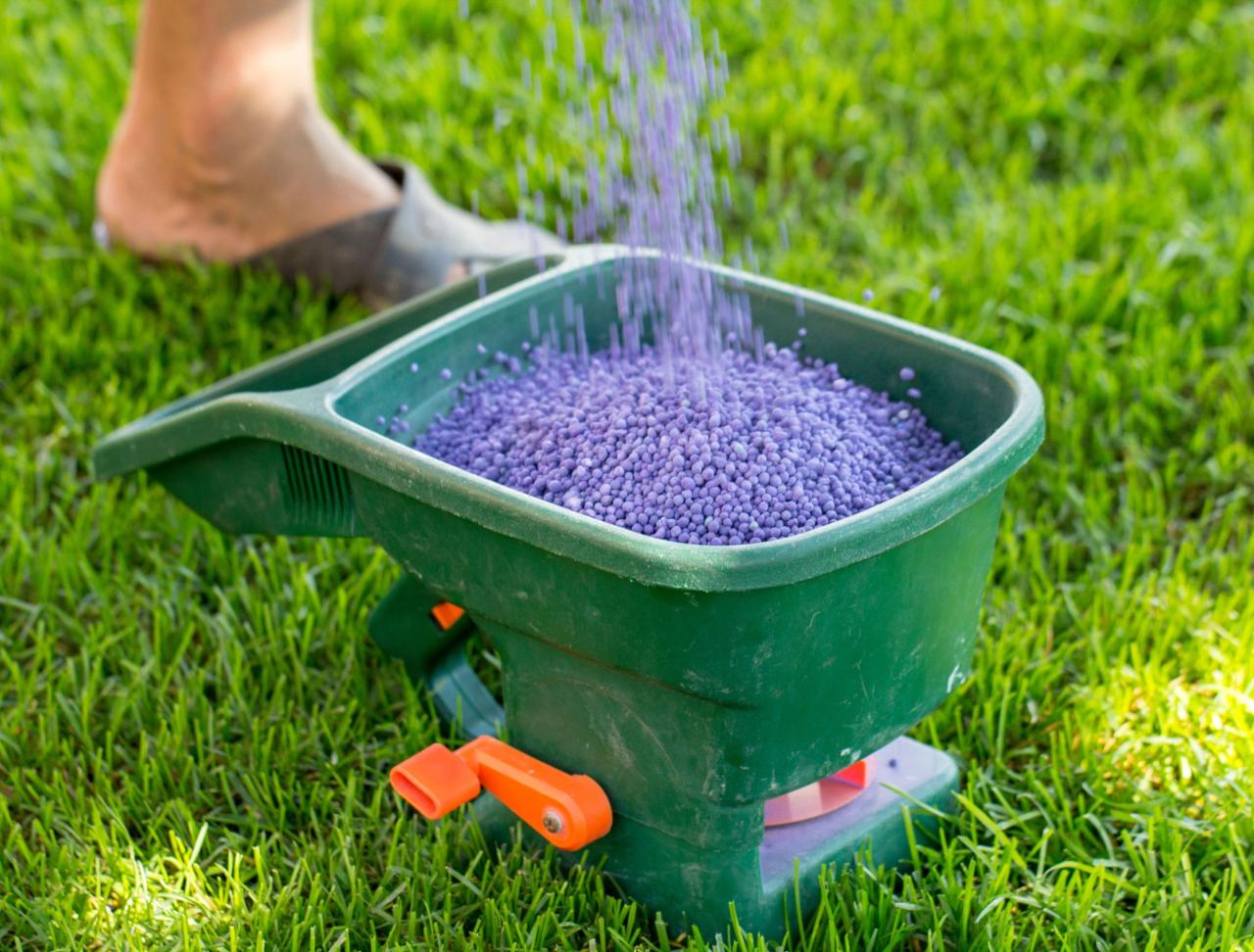
Proper bonsai fertilization is crucial for maintaining healthy growth and aesthetics. However, errors in application can lead to problems. Understanding these issues and their solutions is vital for successful bonsai cultivation. Careful monitoring of the bonsai’s response to fertilization is essential for maintaining optimal health.
Identifying Nutrient Deficiencies
Nutrient deficiencies are a common problem in bonsai fertilization. These occur when the bonsai does not receive the necessary nutrients in adequate amounts. Diagnosing these deficiencies requires careful observation of the bonsai’s foliage, growth patterns, and overall health.
- Nitrogen Deficiency: Leaves may exhibit a yellowish or light green discoloration, especially on older leaves. Growth may be stunted, and the overall vigor of the tree reduced. This deficiency is often indicated by a pale, almost yellowish, color in the leaves, particularly in the lower part of the tree. In extreme cases, the leaves might fall off prematurely.
- Phosphorus Deficiency: Slowed growth and a dark green to purplish coloration in the foliage, especially in the younger leaves, are common signs. Flowering and fruiting might also be affected. The leaves may display a dark purplish tint or a deeper shade of green than usual, particularly on the new growth.
- Potassium Deficiency: Symptoms often manifest as marginal leaf browning or scorching, starting from the edges and progressing inward. The foliage may exhibit a yellowing or browning, which begins at the tips and edges of the leaves.
- Other Deficiencies: Deficiencies in other essential elements such as iron, magnesium, or zinc can also occur, manifesting in various ways. Identifying these requires a thorough understanding of the bonsai’s specific needs and a comparison with healthy specimens. Consult a bonsai specialist for accurate identification.
Addressing Nutrient Excesses
Over-fertilization can also cause problems, leading to nutrient excesses. This happens when too much fertilizer is applied, or when the soil lacks adequate drainage.
- Symptoms of Excess Fertilizer: Excessive fertilizer can lead to leaf burn, discoloration, and stunted growth. Leaf margins might exhibit a burning or scorching effect, progressing from the tips to the edges. The leaves might appear discolored, with yellowing or browning. In severe cases, the tree might show signs of stress, such as leaf drop or a general decline in vigor.
- Diagnosing Over-Fertilization: A sudden change in the tree’s appearance after fertilization suggests an over-application issue. Check the fertilizer concentration and the frequency of application. Ensure that the soil drains well and that the fertilizer is appropriate for the bonsai’s needs. If over-fertilization is suspected, the first step is to cease the application of fertilizer immediately. This should be followed by thorough watering to flush out the excess nutrients from the soil.
- Solutions: Reduce the frequency or concentration of the fertilizer. Ensure the soil is well-drained. Flush the soil with ample water to remove excess salts. Consider using a diluted solution of fertilizer to address the excess.
Monitoring Post-Fertilization
Regular monitoring is essential after fertilization. Observe the bonsai’s response to the fertilizer, noting any changes in leaf color, growth rate, or overall health. Adjust the fertilization schedule and methods accordingly. This helps you maintain a healthy and thriving bonsai.
Troubleshooting Table
| Problem | Symptoms | Diagnosis | Solutions |
|---|---|---|---|
| Nutrient Deficiency (e.g., Nitrogen) | Yellowing or light green leaves, stunted growth | Observe leaf color and growth patterns; compare with healthy specimens | Adjust fertilizer type and frequency; use a soil test to identify specific needs |
| Nutrient Excess | Leaf burn, discoloration, stunted growth | Check fertilizer concentration and application frequency; assess soil drainage | Reduce fertilizer application; flush the soil with water; use a diluted fertilizer solution |
| Inadequate Soil Drainage | Waterlogging, root rot | Observe soil moisture levels; check soil texture and drainage | Improve soil drainage by adding amendments like perlite or gravel; adjust watering schedule |
Considerations for Specific Bonsai Types
Bonsai care extends beyond general fertilization practices; understanding the unique needs of different species is crucial for healthy growth and aesthetic appeal. Specific bonsai trees, such as pines, maples, and junipers, have varying nutrient requirements and growth patterns, necessitating tailored fertilization approaches. This section explores these nuances and provides guidance on adapting your fertilization schedule to specific bonsai types.
Specific Nutrient Requirements for Different Bonsai Types
Different bonsai species have varying nutritional needs. Pine trees, for instance, generally require a higher concentration of phosphorus for root development and overall structure. Maples, known for their vibrant foliage, benefit from higher nitrogen levels to support leaf growth and color. Junipers, with their distinctive foliage and growth patterns, usually need a balanced mix of nutrients to maintain their characteristic appearance.
Adapting the Fertilization Schedule for Specific Bonsai Types
The frequency and type of fertilizer used should be adjusted based on the specific needs of each bonsai species. For example, fast-growing species might require more frequent fertilization than slower-growing ones. Furthermore, consider the time of year, as some species may have specific needs during different seasons.
Examples of Specific Fertilization Schedules for Various Bonsai Tree Species
The following examples illustrate tailored fertilization schedules for common bonsai types.
- Pines: Apply a balanced fertilizer, slightly higher in phosphorus, every 4-6 weeks during the growing season (spring and summer). Reduce frequency during the fall and winter months to allow for dormancy.
- Maples: Utilize a nitrogen-rich fertilizer every 2-3 weeks during the active growing season (spring and summer). Reduce frequency in the fall to encourage foliage to mature and prepare for dormancy.
- Junipers: Use a balanced fertilizer every 4-6 weeks during the spring and summer. Reduce the frequency in the fall and winter.
Monthly Fertilization Needs for Different Bonsai Tree Types
This table provides a general guideline for monthly fertilization needs, but remember to adjust based on specific species, environmental conditions, and the bonsai’s individual needs.
| Bonsai Type | January | February | March | April | May | June | July | August | September | October | November | December |
|---|---|---|---|---|---|---|---|---|---|---|---|---|
| Pines | Minimal | Minimal | Minimal | Light | Light | Light | Light | Light | Minimal | Minimal | Minimal | Minimal |
| Maples | Minimal | Minimal | Minimal | Light | Moderate | Moderate | Moderate | Moderate | Light | Minimal | Minimal | Minimal |
| Junipers | Minimal | Minimal | Minimal | Light | Light | Light | Light | Light | Minimal | Minimal | Minimal | Minimal |
Maintaining Healthy Bonsai Soil
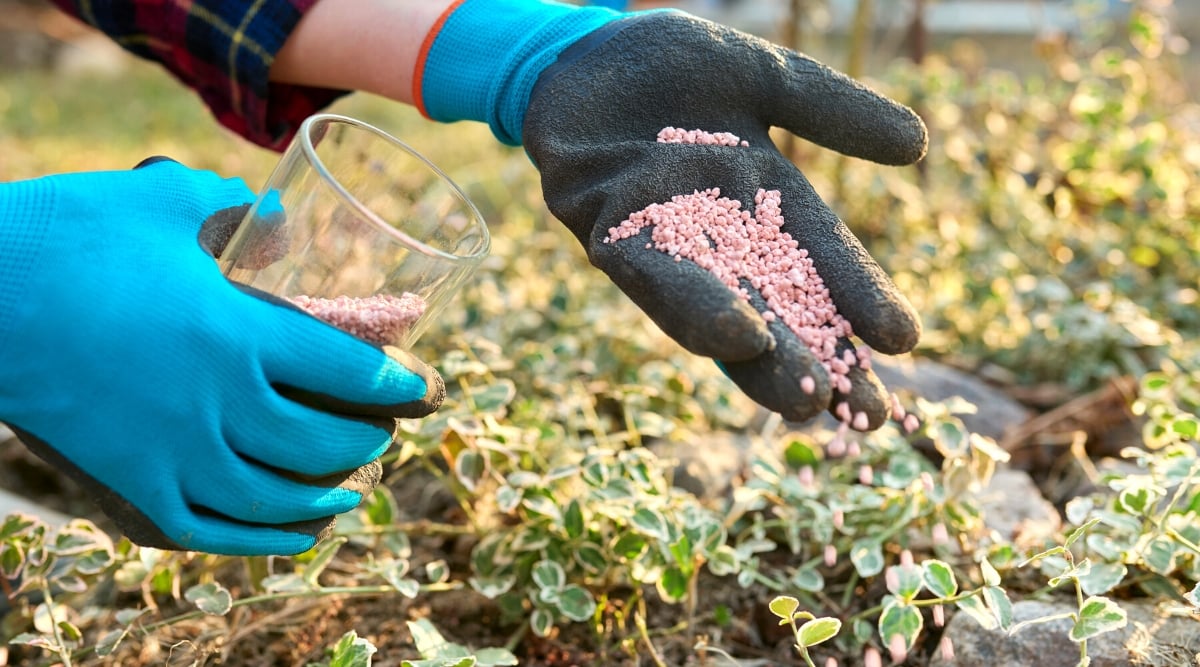
Maintaining healthy bonsai soil is crucial for the overall well-being of your bonsai tree. A vibrant, thriving bonsai depends not only on proper fertilization but also on the health and composition of its soil. This intricate medium directly impacts nutrient absorption, water retention, and root development, all contributing to the aesthetic beauty and longevity of your miniature landscape.Healthy bonsai soil is more than just dirt; it’s a carefully balanced ecosystem that provides the necessary support for your bonsai’s root system to thrive.
The right soil composition is essential for optimal nutrient uptake, facilitating the delivery of vital elements to the tree. Maintaining soil health through regular renewal and careful management of drainage and aeration is also key to preventing diseases and promoting robust growth.
Importance of Soil Composition in Nutrient Uptake
The composition of the bonsai soil directly affects the availability of nutrients for the tree. Different soil components have varying capacities to retain and release nutrients. For example, sandy soils drain quickly, making nutrients less readily available, while clay soils retain moisture but can compact, hindering root respiration. A well-balanced soil mix, including organic matter, provides the right balance for optimal nutrient absorption and prevents nutrient lock-out.
Importance of Regular Soil Renewal
Regular soil renewal is essential for maintaining the health and vitality of bonsai soil. Over time, the soil loses its structure and nutrients, impacting the tree’s ability to thrive. Accumulation of organic matter, decomposition products, and potentially harmful pathogens in the soil can affect root development and overall tree health. Replacing a portion of the soil annually replenishes essential nutrients and improves the soil’s physical properties, such as drainage and aeration.
Tips for Improving Soil Drainage and Aeration
Proper drainage and aeration are crucial for healthy root development. Compacted soil hinders oxygen supply to the roots, leading to root rot. Improving drainage involves incorporating materials like perlite, pumice, or coarse sand into the soil mix. Aerating the soil through careful soil mixing and proper potting techniques ensures adequate oxygen flow for root respiration. Avoiding overwatering is also vital in maintaining proper soil drainage and aeration.
Use of Organic Matter to Maintain Soil Health
Organic matter plays a vital role in maintaining the health of bonsai soil. It improves soil structure, water retention, and nutrient availability. Compost, well-rotted manure, and other organic materials enrich the soil with essential nutrients and beneficial microorganisms. These microorganisms decompose organic matter, releasing nutrients into the soil, creating a fertile environment for the bonsai’s roots. Organic matter also helps prevent soil compaction and improves drainage.
Soil Composition Table
| Bonsai Tree Type | Ideal Soil Composition (Example) | Rationale |
|---|---|---|
| Deciduous Trees (e.g., Maples, Oaks) | 50% Loam, 30% Akadama, 20% Organic Matter | Provides good drainage, water retention, and nutrient availability. |
| Evergreen Trees (e.g., Pines, Junipers) | 40% Pumice, 40% Akadama, 20% Organic Matter | High drainage to prevent waterlogging, ideal for species needing well-aerated soil. |
| Conifers (e.g., Firs, Cedars) | 60% Coarse Sand, 30% Akadama, 10% Organic Matter | Excellent drainage and aeration, crucial for preventing waterlogging and supporting deep root growth. |
| Succulents (e.g., Crassulas, Echeverias) | 70% Pumice, 20% Coarse Sand, 10% Organic Matter | Exceptional drainage, ideal for preventing root rot in succulents that require well-draining soil. |
Visual Aids for Fertilization
Visual aids are invaluable tools in understanding and mastering bonsai fertilization techniques. Clear, illustrative representations can significantly improve comprehension and ensure accurate application of fertilizers, leading to healthier and more vibrant bonsai trees. These visual aids provide a step-by-step approach to fertilization, making the process less intimidating and more manageable for bonsai enthusiasts of all skill levels.
Proper Application of Liquid Fertilizer
Visual aids depicting the application of liquid fertilizer are crucial for accurate and efficient fertilization. A clear demonstration of the process will showcase the appropriate amount and distribution method. A diagram showing a bonsai pot, a small watering can, and the fertilizer solution would be helpful. The illustration should highlight the importance of avoiding over-application, which can lead to nutrient burn.
A visual cue should indicate the appropriate amount of liquid fertilizer needed for a specific bonsai tree size.
Proper Application of Granular Fertilizer
Visual aids illustrating the application of granular fertilizer will be particularly helpful. The image should clearly show the correct method of scattering the granular fertilizer evenly around the bonsai’s root zone. A diagram should illustrate the proper depth of fertilizer application and how to avoid concentrating the fertilizer in specific areas, which can lead to uneven growth. The visual aid should highlight the use of a small hand rake or similar tool for spreading the fertilizer evenly.
Mixing Fertilizer with Water
Visual aids demonstrating the correct mixing of fertilizer with water for optimal absorption are essential. The diagram should showcase the appropriate ratio of fertilizer to water, along with clear instructions on avoiding excessive mixing. A detailed image of the fertilizer dissolving in the water will help demonstrate the importance of ensuring the fertilizer is fully dissolved before applying it to the bonsai.
An example of the correct ratio would increase understanding and minimize the risk of damage to the roots from undissolved fertilizer granules.
Bonsai Tree Species and Fertilizer Needs
Visual aids showcasing different bonsai tree species and their appropriate fertilizer needs will be beneficial. A table with different bonsai tree species, their optimal fertilizer type, and their frequency of fertilization will be particularly useful. The illustration should categorize the bonsai tree species by their specific nutrient requirements. This visual aid should help identify the most appropriate fertilizers for each species.
For example, a table could categorize trees by deciduous, coniferous, or broadleaf, and further specify the needs of each species within those categories.
Importance of Visual Aids
Visual aids play a critical role in enhancing understanding of bonsai fertilization. They provide clear, concise instructions and visual representations of complex procedures. This allows for easier comprehension and reduces the potential for errors during the fertilization process. Visual aids create a concrete reference point, making the information easily accessible and memorable for bonsai enthusiasts. They transform abstract concepts into tangible and easily digestible visuals.
Final Review
In conclusion, fertilizing your bonsai monthly is a vital aspect of maintaining its health and beauty. By understanding the specifics of different fertilizer types, implementing a tailored schedule, and addressing potential problems, you can cultivate thriving bonsai specimens. Remember to always monitor your bonsai’s health and adjust your fertilization approach as needed. This comprehensive guide will equip you with the knowledge and tools to achieve remarkable results in your bonsai journey.