Spider plants, beloved for their air-purifying qualities and cascading charm, are remarkably easy to propagate. This comprehensive guide will walk you through the process, highlighting the benefits and ease of replicating these popular houseplants. Whether you’re looking to expand your collection or give a gift, propagating a spider plant is a rewarding experience. We’ll cover two common methods, providing step-by-step instructions to help you succeed.
This guide Artikels the essential steps for propagating spider plants. From selecting the right tools and materials to nurturing the new plants, we’ll cover everything you need to know to achieve success. This article also provides a helpful comparison table of plant types, propagation methods, and difficulty levels, making it easier to understand the process.
Introduction to Spider Plant Propagation
![3 Easy Ways To Propagate Spider Plants.[With Step-By-Step Guide]](https://daichi.web.id/wp-content/uploads/2025/09/spider-plant.png "3 Easy Ways To Propagate Spider Plants.[With Step-By-Step Guide]")
Spider plants, with their cascading foliage and easy care, are a popular choice for indoor gardeners. Their adaptability and resilience make them ideal for beginners and experienced plant enthusiasts alike. These striking plants, often found in homes and offices, bring a touch of greenery and life to any space.Propagating spider plants is a rewarding and relatively simple process.
It allows you to multiply your existing plants, creating new ones with minimal effort. This technique is an excellent way to expand your collection of these vibrant houseplants, or to share the beauty of spider plants with friends and family.Three key reasons individuals might choose to propagate a spider plant include:
- Expanding your collection: Propagating spider plants allows you to quickly increase the number of plants in your collection, filling your home or office with the beautiful, cascading greenery.
- Sharing with others: Propagated spider plants make excellent gifts for friends or family, allowing you to share the joy of owning a healthy, thriving spider plant.
- Preventing plant decline: In some cases, spider plants may show signs of decline, such as becoming less vibrant. Propagating can revive the plant and provide a chance for new growth.
Spider Plant Propagation Methods and Difficulty
Understanding the various methods for propagating plants and their relative difficulty levels can be helpful in choosing the right approach for your situation. This table provides a comparison of different plant types and their respective propagation methods, categorized by difficulty.
| Plant Type | Propagation Method | Difficulty Level |
|---|---|---|
| Spider Plant | Division (of pups) | Easy |
| African Violet | Leaf cuttings | Medium |
| Succulents | Leaf cuttings or offsets | Easy to Medium |
Identifying the Right Tools and Materials
Successfully propagating spider plants hinges on selecting appropriate tools and materials. These elements ensure a conducive environment for healthy root development and plant growth. Carefully chosen tools and materials minimize stress on the plant and maximize the likelihood of successful propagation.Proper preparation is key to a successful propagation journey. The right tools and materials provide the necessary support for the plantlets, promoting their growth into robust new plants.
Essential Tools
The propagation process necessitates several key tools. These tools, when used correctly, can significantly impact the success rate of your propagation efforts. Careful selection and use of these tools contribute to the overall health and vigor of the resulting plants.
- Sharp, sterile knife or scissors:
- Small pots or containers:
- Potting mix or soil:
- Small, shallow tray (optional):
A sharp, sterile tool is crucial for cleanly separating the plantlets from the mother plant. Sterilization prevents the introduction of pathogens that could harm the plant. Avoid using dull or rusty tools, as they can damage the plant and introduce bacteria.
The pots or containers must be appropriately sized to accommodate the plantlets and the developing root systems. Proper sizing ensures the plants have enough room to grow and develop without becoming cramped. Consider using small, individual pots for each plantlet for easy management.
A well-draining potting mix or soil is essential for the healthy growth of the plantlets. The mix should provide adequate aeration and moisture retention. Avoid using heavy clay soil, as it may retain too much moisture, potentially leading to root rot.
A small, shallow tray is helpful for temporary plantlet placement before transferring them to individual pots. The tray facilitates easy handling and minimizes the disturbance to the plantlets.
Necessary Materials
The success of spider plant propagation depends on the quality of the materials used. Appropriate materials contribute to the overall health and well-being of the plantlets, ultimately leading to thriving new plants.
- Rooting hormone (optional):
While not strictly necessary, rooting hormone can accelerate the rooting process. Rooting hormone can be particularly beneficial for smaller plantlets, encouraging faster root development. Many types are readily available at nurseries and gardening stores.
Tools and Materials List
This table Artikels the essential tools and materials for successful spider plant propagation. Proper selection and use of these items will contribute significantly to the health and vigor of the new plants.
| Tool/Material | Description |
|---|---|
| Sharp, sterile knife or scissors | For cleanly separating plantlets from the mother plant. Examples include a sharp gardening knife or sterilized pruning shears. |
| Small pots or containers | To house the individual plantlets. Examples include small terracotta pots, plastic pots, or even recycled containers. |
| Potting mix or soil | Provides a suitable medium for root development. Examples include a well-draining potting mix, a mix of peat moss and perlite, or a commercially available potting soil. |
| Rooting hormone (optional) | To potentially accelerate the rooting process. Examples include commercially available rooting hormones designed for plant propagation. |
| Small, shallow tray (optional) | For temporary placement of plantlets before potting. Examples include shallow trays or seed starting trays. |
Methods for Propagating Spider Plant
![3 Easy Ways To Propagate Spider Plants.[With Step-By-Step Guide]](https://daichi.web.id/wp-content/uploads/2025/09/spiderettes-768x768-1.png "3 Easy Ways To Propagate Spider Plants.[With Step-By-Step Guide]")
Propagating spider plants is a rewarding experience, allowing you to multiply your plant collection with minimal effort. These methods are effective for growing new spider plants from existing ones, expanding your indoor greenery.Propagating spider plants involves utilizing either stem cuttings or plantlets, each method possessing distinct advantages and disadvantages. Careful consideration of these factors can significantly impact the success rate and the time required to produce new plants.
Propagating Spider Plant Using Stem Cuttings
Stem cuttings are a common method for propagating spider plants. This approach involves taking a portion of the stem, encouraging root development, and establishing a new plant.
Procedure:
- Select a healthy stem from the parent plant, ensuring it’s at least 3 inches long and has several leaves. Avoid stems that are visibly damaged or diseased.
- Cut the stem just below a node (the point where leaves emerge). Use a clean, sharp knife or pair of scissors to make a precise cut. This is crucial to prevent the spread of disease.
- Remove any lower leaves from the cutting to expose the stem. This helps reduce rot risk in the water or growing medium.
- Place the cutting in a glass of water or a small pot with a well-draining growing medium. If using water, change the water every few days to prevent bacterial growth.
- Maintain the cutting in a warm, bright location, avoiding direct sunlight. The ideal temperature range for successful rooting is between 65-80°F.
- Monitor the cutting regularly for root development. Once roots have formed (usually within 2-4 weeks), you can plant the cutting in a small pot filled with well-draining potting mix.
Advantages: This method is relatively straightforward, requiring minimal equipment. It’s a quick way to increase your plant count compared to waiting for plantlets to develop.
Disadvantages: Stem cuttings can sometimes take longer to root than plantlets, and the success rate can vary. Careful attention to hygiene and maintenance is necessary.
Propagating Spider Plant Using Plantlets
Plantlets are the miniature spider plants that often sprout from the parent plant. These offer a simple and effective way to propagate the plant.
Procedure:
- Identify a plantlet with a root system, preferably a size large enough to handle.
- Carefully detach the plantlet from the parent plant, using a clean, sharp tool.
- Plant the plantlet in a small pot filled with a well-draining potting mix. Ensure the root system is well-supported in the soil.
- Maintain the plantlet in a warm, bright location, avoiding direct sunlight.
- Water the plantlet regularly, ensuring the soil remains moist but not waterlogged.
Advantages: Plantlets usually have a head start as they often already possess a rudimentary root system, leading to quicker propagation.
Disadvantages: This method is dependent on the plantlet production rate of the parent plant. Waiting for the plantlets to develop can take longer than utilizing stem cuttings. Proper handling of plantlets is essential to avoid damage.
Comparison of Propagation Methods
| Method | Procedure | Estimated Time to Produce New Plants |
|---|---|---|
| Stem Cuttings | Taking a stem cutting, rooting in water or soil | 2-4 weeks (for rooting), 4-6 weeks (for noticeable growth) |
| Plantlets | Detaching and planting a plantlet | 1-2 weeks (for establishing), 2-4 weeks (for noticeable growth) |
Caring for Propagated Spider Plant Cuttings
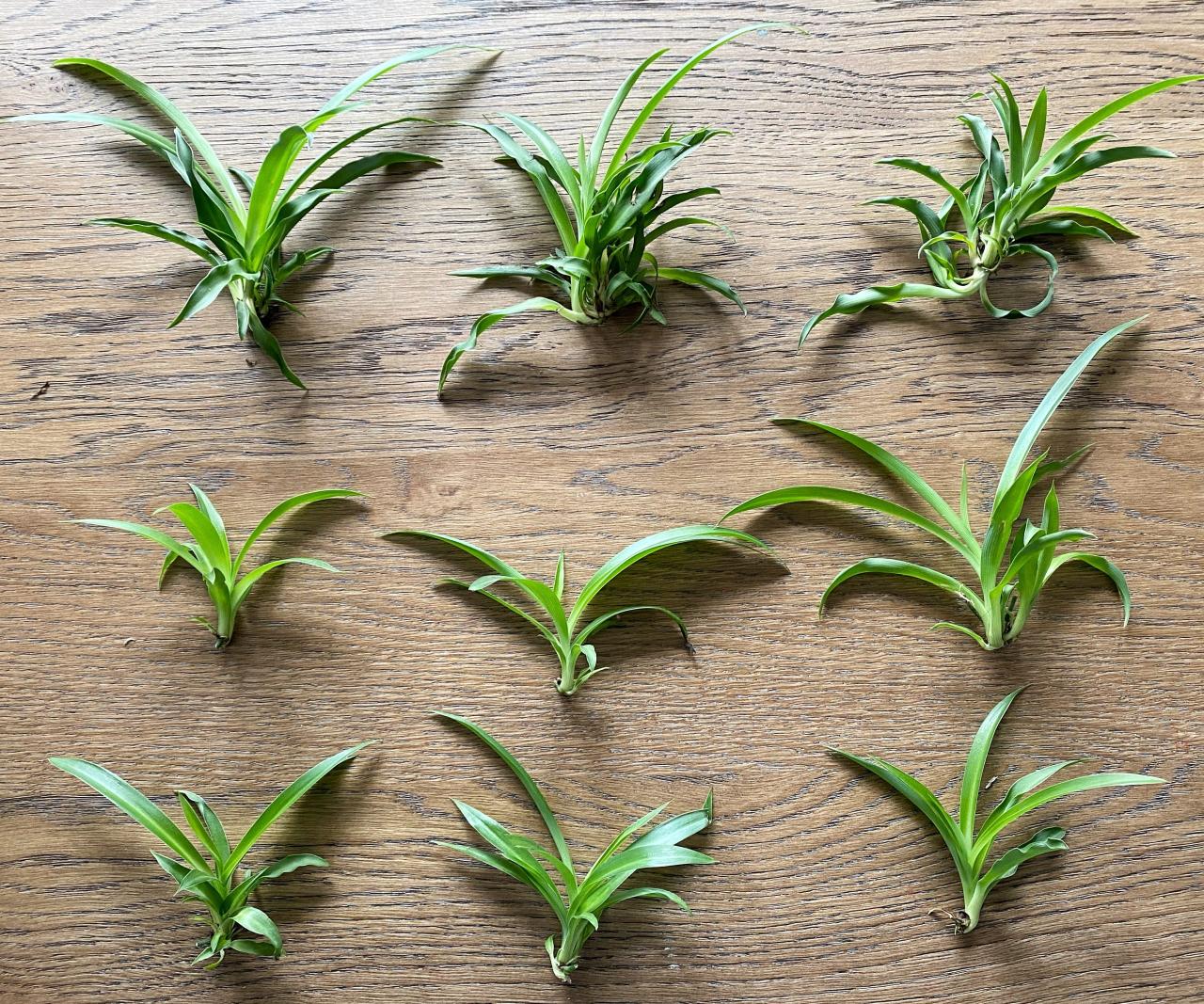
Once your spider plant cuttings have been carefully prepared and planted, nurturing them to successful rooting requires attention to detail. This stage is crucial for establishing healthy new plants. The ideal environment and consistent care will significantly impact the cuttings’ growth and development.Proper care ensures that the newly propagated cuttings establish strong root systems and develop into vibrant, healthy spider plants.
A consistent routine for watering, light, and humidity will accelerate the rooting process and prevent common issues.
Ideal Environment for Rooting
The environment plays a vital role in the success of spider plant propagation. Creating a humid and warm environment encourages root development. A plastic bag or humidity dome placed over the cuttings can effectively trap moisture and maintain ideal humidity levels. This localized environment mimics the natural conditions of the spider plant’s native habitat. Remember, the humidity dome should be removed once roots are visibly established.
Watering Schedule
A consistent watering schedule is essential for the well-being of propagated spider plant cuttings. Overwatering can lead to root rot, while underwatering can stunt growth. The optimal approach is to allow the top inch or two of the growing medium to dry out between waterings. Using a finger to check the moisture level is a reliable method.
If the top inch of soil feels dry, it’s time to water thoroughly. Avoid letting the cuttings sit in standing water, as this can also lead to root rot.
Lighting Requirements
Adequate light is crucial for the healthy development of spider plant cuttings. Position the cuttings in an area with bright, indirect light. Direct sunlight can scorch the leaves, hindering growth. A south-facing window with a sheer curtain or a grow light positioned approximately 6-12 inches from the cuttings provides an excellent balance of light and space.
Handling Propagated Cuttings After Rooting
Once the cuttings have established roots, carefully remove the humidity dome or plastic bag. Gradually acclimate the plants to the surrounding environment. Handle the cuttings gently, as the roots are still delicate. This gradual transition helps to prevent stress and ensures the plants continue to thrive. Repotting into a slightly larger pot can provide ample space for further growth.
Potential Problems and Solutions
Potential problems include root rot and yellowing leaves. Root rot, characterized by mushy roots and decaying stems, typically arises from overwatering. If root rot is detected, immediately remove the cuttings from the pot and trim away any affected roots. Replant the cuttings in fresh, well-draining soil. Yellowing leaves can be indicative of underwatering, overwatering, or insufficient light.
Address the issue by adjusting the watering schedule or light exposure as needed.
Key Care Factors for Propagated Spider Plant Cuttings
| Care Factor | Importance | Optimal Setting |
|---|---|---|
| Watering | Essential for maintaining moisture and preventing root rot. | Water when the top inch of soil is dry. |
| Light | Crucial for photosynthesis and overall growth. | Bright, indirect light; avoid direct sunlight. |
| Humidity | Important for maintaining moisture levels during the rooting phase. | Use a humidity dome or plastic bag; remove once roots are established. |
| Temperature | Optimal temperature range supports healthy growth. | Maintain a warm environment, between 65-80°F (18-27°C). |
| Potting Mix | Well-draining potting mix promotes healthy root development. | Use a mix of peat moss, perlite, and vermiculite. |
Planting the Propagated Spider Plants
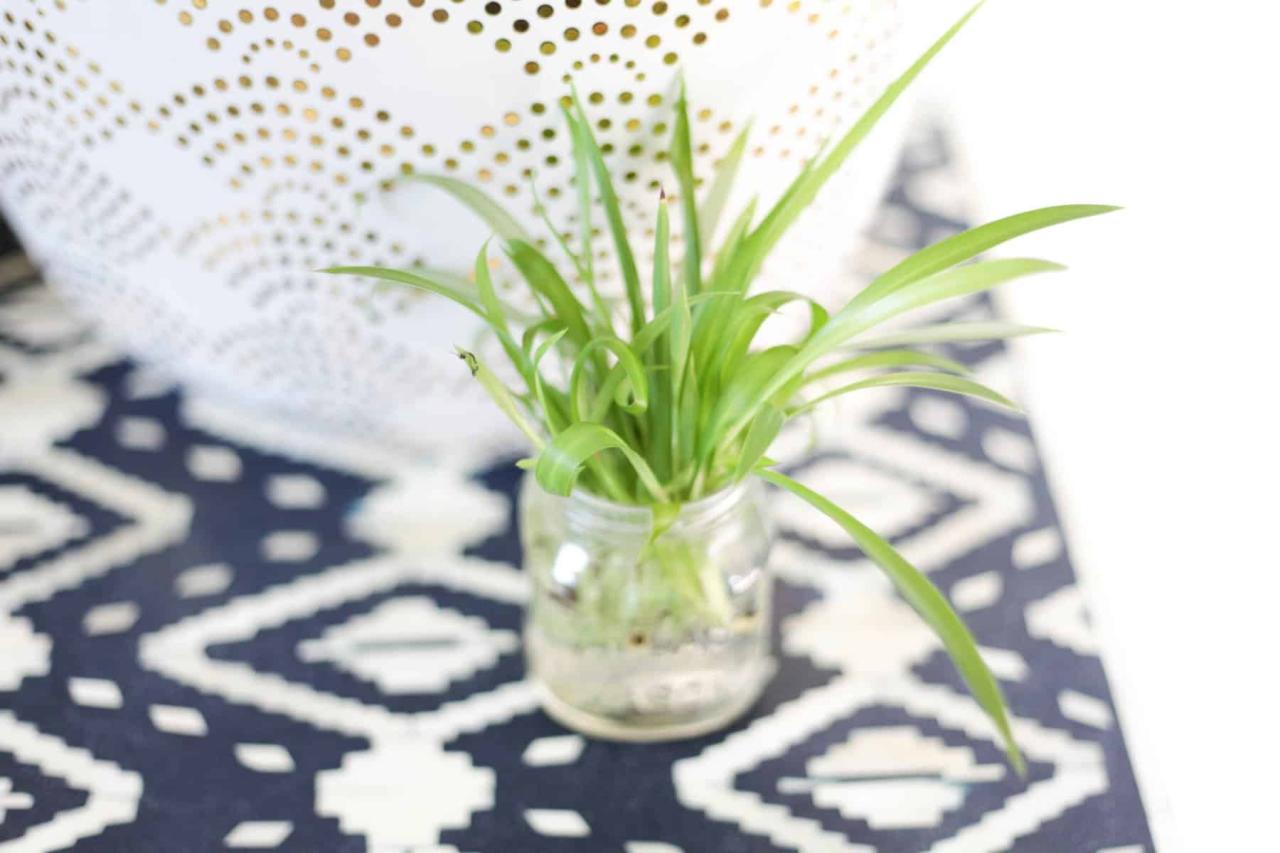
Successfully establishing a new spider plant from a cutting depends significantly on proper planting techniques. The right potting mix, pot size, and drainage are crucial for healthy root development and future growth. This section details the steps to plant your rooted spider plant cuttings and nurture them into thriving new plants.
Preparing the Planting Medium
A well-draining potting mix is essential for preventing root rot in spider plant cuttings. A good potting mix allows for proper aeration and water absorption, which are vital for the growth of the plant. A blend of peat moss, perlite, and vermiculite is often recommended. These materials provide excellent drainage and aeration while retaining some moisture. The optimal mix ratio can vary slightly, but a general guideline is 1 part peat moss, 1 part perlite, and 1 part vermiculite.
You can also consider adding a small amount of slow-release fertilizer to the mix, but this is not mandatory.
Choosing the Pot and Ensuring Drainage
Select a pot that is slightly larger than the root ball of the cutting. A slightly larger pot provides space for the roots to grow and expand, but a too-large pot may lead to overwatering issues. Proper drainage is crucial. Ensure the pot has drainage holes at the bottom to prevent waterlogging. Waterlogging can lead to root rot and ultimately kill the plant.
Using a saucer under the pot can collect excess water, further reducing the risk of overwatering.
Planting the Rooted Cuttings
Following these steps will help you successfully establish your new spider plant cuttings:
- Prepare the pot: Fill the pot with the prepared potting mix, leaving a small space at the top. This space will allow for watering without the mix becoming overly saturated.
- Gently place the cutting: Carefully remove the cutting from its rooting medium. Gently place the cutting into the prepared pot, ensuring the roots are spread out evenly. Avoid compacting the soil around the roots too tightly. Slightly firm the soil around the base of the cutting.
- Water gently: Water the cutting thoroughly, ensuring the water drains out of the bottom of the pot. Avoid overwatering, which can lead to root rot. Water only when the top inch or two of the soil feels dry to the touch.
- Positioning and Sunlight: Place the newly planted spider plant in a location that receives bright, indirect sunlight. Avoid direct sunlight, which can scorch the leaves. Gradually introduce the plant to stronger sunlight over a few days to prevent leaf damage.
- Monitoring and Maintenance: Regularly check the moisture level of the soil and water as needed. Maintain a consistent watering schedule. Observe the plant for any signs of stress, such as yellowing leaves or wilting, which may indicate a problem with the watering or lighting conditions. Monitor the plant’s growth and adjust the care accordingly.
Establishing a Healthy Root System
A healthy root system is vital for the spider plant’s overall health and growth. Consistent moisture, proper drainage, and adequate sunlight will promote root development. Avoiding overwatering and ensuring the soil is not compacted are key to a strong root system. As the plant grows, it will develop new roots, further supporting its overall health. A healthy root system will allow the plant to absorb nutrients and water effectively, leading to robust growth and vibrant foliage.
Maintaining and Growing Healthy Spider Plants
Established spider plants, with their cascading foliage and charming spiderettes, reward consistent care. Proper maintenance ensures vibrant growth and a healthy plant for years to come. This section will cover optimal environmental conditions, fertilization, preventing common problems, the benefits of pruning, and replicating the propagation process for continued plant joy.
Optimal Environmental Conditions
Spider plants thrive in bright, indirect light. Avoid direct sunlight, which can scorch the leaves. A location near an east-facing or north-facing window is ideal. Maintaining a consistent temperature range between 65°F and 80°F (18°C and 27°C) promotes healthy growth. Proper humidity levels, though not overly critical, can be maintained by grouping plants together or using a pebble tray filled with water.
Fertilization and Nutrient Requirements
Regular feeding is important for robust growth, but over-fertilization can be detrimental. Use a balanced liquid fertilizer diluted to half strength during the growing season (spring and summer). Avoid fertilizing during the dormant period (fall and winter). A general rule of thumb is to fertilize every 2-4 weeks, adjusting based on the specific needs of your plant.
Preventing Common Spider Plant Problems
Several factors can contribute to spider plant problems. Overwatering, underwatering, improper light, and pest infestations can lead to various issues. Regular monitoring and prompt intervention are crucial for maintaining a healthy plant.
Benefits of Regular Pruning
Pruning spider plants is beneficial for their overall health and aesthetic appeal. Removing dead or damaged leaves encourages new growth and keeps the plant looking its best. This process also removes the potential for fungal infections. Pruning also encourages the production of spiderettes, which can be used for propagation.
Replicating Propagation
Once established, your spider plant can be propagated again. The process remains the same as previously described: identifying a spiderette with roots, gently separating it, and planting it in a well-draining potting mix. The key difference is the increased availability of spiderettes for propagation, offering an exciting opportunity to expand your collection.
Common Spider Plant Problems and Solutions
| Problem | Solution |
|---|---|
| Yellowing leaves | Check for overwatering or underwatering. Ensure adequate light and adjust watering accordingly. |
| Brown tips or edges | Investigate the humidity level. Low humidity can cause dry tips. Increase humidity or use a pebble tray. Also check for insufficient watering. |
| Slow growth | Ensure adequate light and appropriate fertilization. Check for pest infestations. Potting may be too small, so repotting may be necessary. |
| Pest infestations (e.g., spider mites) | Inspect the plant regularly. Treat infestations with insecticidal soap or neem oil, following the product instructions carefully. |
| Root rot | Overwatering is the primary culprit. Ensure proper drainage and adjust watering frequency. Repot the plant in fresh, well-draining soil. |
Outcome Summary
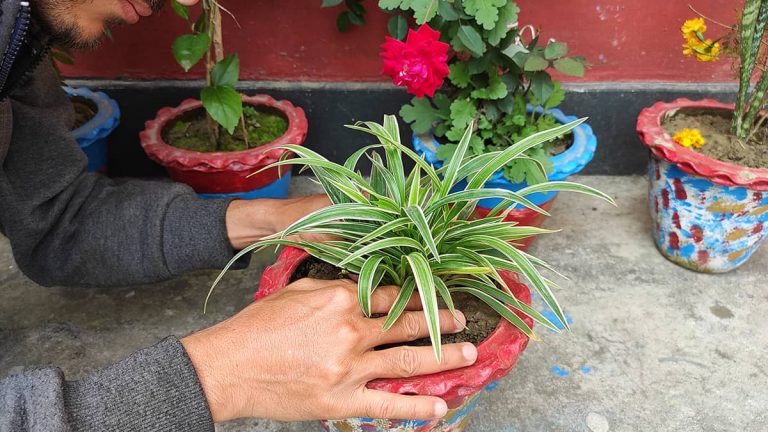
In conclusion, propagating spider plants is a straightforward process that can lead to a bountiful harvest of new plants. By carefully following the steps Artikeld in this guide, you can easily multiply your spider plant collection, adding a touch of greenery to your home or gifting new plants to friends and family. Remember to provide the proper care and attention to your new plants for continued success.