Bonsai, miniature trees of artistic elegance, require meticulous care to maintain their shape and vitality. Proper pruning is a crucial aspect of this care, shaping the tree’s form and promoting healthy growth. This guide provides a detailed overview of the techniques and considerations involved in bonsai branch pruning, from fundamental principles to advanced styles.
Understanding the various branch types, their roles in the overall bonsai structure, and the specific pruning techniques for each is paramount. This knowledge will enable you to craft beautiful and resilient bonsai, mirroring the art and precision of traditional bonsai cultivation.
Introduction to Bonsai Pruning
Bonsai pruning is a fundamental aspect of bonsai cultivation. It’s a crucial technique used to shape, maintain, and enhance the aesthetic appeal of bonsai trees. Proper pruning encourages healthy growth, stimulates new foliage, and controls the size and overall form of the miniature landscape. The art of bonsai pruning goes beyond simply cutting branches; it’s about understanding the plant’s needs and employing specific techniques to achieve the desired outcome.Bonsai pruning is not just about aesthetics.
It’s a vital tool for regulating growth, improving air circulation, preventing diseases, and maintaining a healthy, vigorous bonsai tree. Effective pruning techniques are essential for bonsai care, enabling the cultivation of thriving miniature trees. A deep understanding of the general principles and specific techniques is key to success in bonsai cultivation.
General Principles of Bonsai Pruning
Bonsai pruning is guided by several fundamental principles, all aiming to achieve a healthy and aesthetically pleasing miniature tree. These principles include maintaining the desired shape, controlling the size, promoting new growth, and ensuring proper air circulation. Each of these principles plays a critical role in the overall success of bonsai care.
- Maintaining Shape: Pruning is used to sculpt the bonsai into the desired form. This involves removing branches that stray from the intended shape or that cause an imbalance. The chosen style, whether informal upright, cascade, or others, will influence the shape of the tree.
- Controlling Size: Pruning also plays a key role in maintaining the miniature size of the bonsai. By selectively removing branches and roots, the overall size of the tree can be effectively managed.
- Promoting New Growth: Strategic pruning encourages the development of new branches and foliage. By removing older or less vital growth, the tree directs its energy toward healthy new shoots, creating a youthful appearance and enhancing its vitality.
- Ensuring Proper Air Circulation: Pruning helps to improve air circulation within the bonsai. This is crucial for preventing diseases and promoting overall health by removing congested areas within the canopy. Proper air circulation allows for better light penetration and reduces humidity, lessening the risk of fungal infections.
Comparison of Pruning Techniques
Different pruning techniques are suited for different bonsai types and desired effects. The chosen method depends on the specific characteristics of the tree and the overall aesthetic goals.
- Thinning: This technique involves removing entire branches or portions of branches to create space and improve light penetration. It’s suitable for most bonsai types but especially beneficial for dense trees.
- Heading Back: This method involves shortening branches to stimulate new growth from the remaining stems. It’s an effective technique for maintaining size and encouraging bushiness.
- Raising: This technique involves carefully removing a portion of the branch to encourage new growth higher on the branch, thereby enhancing the bonsai’s form and height.
Bonsai Tree Types and Pruning Needs
The specific pruning needs vary significantly depending on the type of bonsai tree. Understanding these differences is crucial for achieving the desired aesthetic and maintaining the health of the bonsai.
| Bonsai Tree Type | Specific Pruning Needs |
|---|---|
| Japanese Maple | Regular thinning and heading back to maintain shape and prevent overcrowding. Careful attention to leaf size and density is essential. |
| Pine | Thinning to create a natural silhouette and encourage new needles. Heading back to manage size. Pruning should be done during the dormant season. |
| Ficus | Regular heading back to maintain a compact form and stimulate new growth. Thinning is necessary to maintain proper airflow and prevent diseases. |
| Fruit Trees | Pruning is crucial for fruit production. Follow specific guidelines for the type of fruit tree, ensuring balanced growth and proper fruiting. |
Tools and Materials for Pruning
Proper bonsai pruning requires specialized tools for precise and efficient work. Carefully selected tools are crucial for achieving the desired shape and health of the bonsai tree. These tools, used with precision and care, allow for the creation of aesthetically pleasing and healthy bonsai specimens.Selecting and maintaining appropriate pruning tools is essential for successful bonsai pruning. This ensures that cuts are clean and minimize damage to the tree, fostering healthy growth and promoting a long lifespan for the bonsai.
The tools’ sharpness and proper handling contribute directly to the tree’s overall well-being.
Essential Pruning Tools
A well-equipped bonsai pruner’s kit should include several tools for different tasks. This allows for a versatile approach to various pruning needs, from fine shaping to larger branch removal. The quality and sharpness of these tools are paramount to minimizing damage and promoting healthy healing.
- Secateurs (or pruning shears): These are essential for smaller branches and fine details. Their design allows for precise cuts, minimizing damage to the plant’s tissues. Regular sharpening is critical to maintaining their sharpness and effectiveness. Good quality secateurs are essential for clean cuts on small branches and delicate foliage.
- Hand saws: Used for removing larger branches, hand saws offer a controlled method for cutting through thicker wood. The type of hand saw, such as a Japanese-style saw, is often preferred for its precision in bonsai work. Ensuring a smooth cut through the branch is vital to avoid tearing the wood and promoting faster healing.
- Bypass loppers: Ideal for cutting larger branches than secateurs can manage, bypass loppers are particularly useful for branches that are too thick to cut cleanly with secateurs. These tools feature two blades that cut by passing one blade over the other, resulting in a clean cut. Regular maintenance, including cleaning and sharpening, is important to maintain their effectiveness and prevent damage to the plant.
- Knives (or utility knives): Sharp knives are valuable for precise cuts on thin branches, root pruning, and delicate shaping work. Their use allows for intricate and detailed sculpting of the bonsai tree. Sharpness is paramount for efficient use, and minimizing damage to the tree.
Choosing Appropriate Pruning Tools
Several factors influence the selection of bonsai pruning tools. The size and type of bonsai tree, the desired pruning tasks, and the user’s experience level all play a role. Selecting tools that are appropriate for the job is crucial to avoid injury to the tree and to ensure precise results.
- Material: High-carbon steel is often preferred for its sharpness and durability. Stainless steel, while sometimes less expensive, may not hold a sharp edge as long as high-carbon steel.
- Blade design: The blade design should match the specific pruning task. Bypass secateurs are ideal for clean cuts on smaller branches, while hand saws are more suitable for larger ones. The design of the blade should facilitate ease of use, allowing for clean cuts and minimal damage to the plant.
- Handle comfort and ergonomics: A comfortable and well-designed handle is essential for reducing strain during prolonged pruning sessions. The tool should feel balanced and easy to grip, especially for precision cuts. Proper ergonomics reduce user fatigue and increase precision.
Handling and Safety Procedures
Proper handling and safety procedures are vital to avoid accidents and maximize the longevity of the tools. Safety precautions minimize risk of injury and preserve the tools’ usefulness.
- Sharpening: Regular sharpening is crucial for maintaining the sharpness of the blades. Tools should be sharpened regularly to maintain precision and to avoid damage to the plant. This ensures clean cuts and promotes healing. Specific sharpening techniques for each tool type are vital.
- Cleaning: After each use, cleaning the tools with a suitable solution is important to remove sap, debris, and other materials that could dull the blades or cause damage. This prevents the build-up of material that could compromise sharpness.
- Storage: Storing the tools in a safe place, ideally in a dedicated bonsai tool case, protects them from damage and ensures they are readily available when needed. Protecting the tools from dust, moisture, and other environmental factors is important.
Pruning Tool Comparison
| Tool | Function | Sharpening Technique |
|---|---|---|
| Secateurs | Fine branch and leaf removal | Use a honing steel or sharpening stone, focusing on the cutting edges. |
| Hand Saws | Removing larger branches | Use a sharpening stone or file, paying close attention to the teeth’s sharpness. |
| Bypass Loppers | Cutting thicker branches | Use a sharpening stone or file, concentrating on the cutting edges of both blades. |
| Knives | Precise cuts for shaping and root pruning | Use a sharpening steel or stone to maintain a razor-sharp edge. |
Understanding Bonsai Branch Structure
Bonsai branches are not merely appendages; they are integral components of the overall aesthetic and structural integrity of the miniature tree. A deep understanding of branch types, their angles, and their growth patterns is crucial for successful bonsai pruning and shaping. Proper pruning techniques, guided by an understanding of these principles, will promote healthy growth and contribute to the longevity and visual appeal of the bonsai.An understanding of branch structure is paramount to achieving the desired form and maintaining the health of the bonsai.
The way branches grow and interact with each other directly impacts the final aesthetic and the overall stability of the tree. This understanding is essential for achieving the delicate balance required in bonsai.
Role of Branches in Bonsai Form and Growth
Branches play a critical role in shaping the bonsai’s form. They provide the framework for the overall structure, and their positioning and angles contribute significantly to the visual appeal of the miniature tree. Each branch, through careful pruning and training, contributes to the overall aesthetic and visual balance. The placement of branches dictates the overall shape, and the pruning of these branches directly influences the tree’s overall appearance.
Types of Branches and Their Characteristics
Bonsai trees have various branch types, each with its own characteristics and growth patterns. Understanding these types is crucial for targeted pruning and shaping. The following describes the common types and their traits.
- Leader Branches: These are the primary branches that grow upward from the trunk and are essential for establishing the main structure of the bonsai. They typically have a strong vertical orientation. Correct pruning of leader branches helps maintain the tree’s central axis and height.
- Lateral Branches: These branches grow outward from the leader branches and are crucial for creating a fuller and more developed form. Their angles and positioning contribute significantly to the overall aesthetic. Pruning lateral branches is critical for shaping the canopy and directing growth.
- Accessory Branches: These branches grow from the junctions of other branches, often smaller and less prominent. Proper pruning of accessory branches ensures a balanced and refined appearance and prevents overcrowding.
- New Growth Branches: These are the newly emerging branches, often exhibiting vigorous growth. These require careful consideration in pruning as they contribute to the tree’s fullness and density.
Branch Angle, Growth, and Pruning Relationship
The angle at which a branch emerges from the trunk or another branch is a critical factor in bonsai pruning. A proper understanding of this relationship directly impacts the tree’s growth and form. The angle influences the direction of growth, the thickness of the branch, and its eventual strength.
A branch that grows at a sharp angle will typically grow upward and outward, while a branch that grows at a gentle angle will grow more horizontally.
The angle at which a branch grows dictates how the tree develops and influences its visual appeal.
| Branch Type | Ideal Pruning Angle | Description |
|---|---|---|
| Leader Branches | 45-60 degrees | Maintaining a vertical, strong structure. |
| Lateral Branches | 30-45 degrees | Creating fullness and shaping the canopy. |
| Accessory Branches | Less than 30 degrees | Maintaining a balanced and refined form. |
This table provides a general guideline. Adjustments to the ideal pruning angle may be necessary depending on the specific tree variety, its growth habits, and the desired aesthetic. Experienced bonsai artists often use their judgment to adapt these guidelines to achieve the most visually appealing and structurally sound miniature trees.
Basic Pruning Techniques
Bonsai pruning is more than just trimming; it’s a precise art that shapes the tree’s form and promotes healthy growth. Mastering various pruning techniques allows bonsai enthusiasts to sculpt their miniature landscapes, maintaining their vitality and aesthetic appeal. Understanding the different types of cuts and their applications is crucial for achieving desired outcomes.Careful pruning, performed with the correct tools and techniques, is essential for maintaining a bonsai’s health and form.
Each cut, whether thinning, heading, or rejuvenation, plays a specific role in regulating growth, encouraging new development, and controlling the overall size and shape of the bonsai.
Types of Pruning Cuts
Understanding the different types of cuts used in bonsai pruning is essential for achieving the desired shape and maintaining the tree’s health. Thinning cuts remove branches to open up the canopy and allow better light penetration, while heading cuts shorten branches to control their growth and encourage new buds to develop at the cut site. Rejuvenation cuts, on the other hand, target older, less vigorous branches to stimulate new growth and revitalize the bonsai.
Thinning Cuts
Thinning cuts are crucial for maintaining the bonsai’s natural aesthetic and light penetration. These cuts remove entire branches or sections of branches, reducing the overall volume of the canopy and creating space between remaining branches. This allows light to reach all parts of the tree, fostering balanced growth.
- Procedure: Identify branches that are crossing, overlapping, or competing for light. Use sharp, clean pruning shears to cut the branch cleanly at its point of origin, just beyond a healthy bud or branch junction. The cut should be made flush with the branch collar (the swollen area where the branch joins the main stem) to prevent decay.
- Example: If a branch is growing directly across another branch in a way that obscures light, a thinning cut would remove that branch to allow light to reach the other. This can also be done if branches are growing in a crowded or overlapping manner.
Heading Cuts
Heading cuts shorten existing branches to regulate their growth and encourage new buds to develop. This technique is particularly effective for shaping the bonsai and controlling its size.
- Procedure: Select the branches to be shortened and use sharp pruning shears to cut the branch at a point just above a healthy bud or branch junction. The cut should be made at a 45-degree angle to promote quicker healing. Make sure to remove only the part of the branch that is to be removed, not any parts of the branch that should remain.
- Example: If a branch is growing too long and reaching beyond the desired shape of the bonsai, a heading cut will shorten it, encouraging new growth from the buds located on the stem.
Rejuvenation Cuts
Rejuvenation cuts are used to revitalize old, weak, or overgrown branches that have lost their vigor. These cuts encourage new growth and improve the overall health of the bonsai.
- Procedure: Identify branches that are showing signs of decline, such as discoloration, dieback, or poor growth. Cut the branch back to a healthy bud or branch junction. This process can be repeated on several branches to achieve the desired results.
- Example: A branch that has stopped growing or is exhibiting signs of decay may require a rejuvenation cut to stimulate new growth. The cut will be made well back to a healthy section of the branch, encouraging the development of new shoots from this location.
Pruning for Specific Bonsai Styles
Bonsai artistry transcends mere trimming; it’s a meticulous dance with form and function. Understanding the specific needs of each bonsai style is crucial for achieving the desired aesthetic and maintaining the health of the tree. This section delves into the unique pruning strategies for various styles, highlighting how these techniques shape the overall development and appearance of each bonsai.
Cascade Bonsai
Cascade bonsai are renowned for their cascading branches that drape gracefully downwards. The pruning strategy focuses on encouraging this downward growth pattern. This involves selectively removing upward-growing branches to maintain the cascade’s flow. Furthermore, careful attention must be paid to the lower branches to ensure they are not becoming overgrown, while still maintaining the natural cascading flow.
The goal is to create a natural, organic look that seems to flow downward, resembling a tree naturally growing over a cliff edge or other downward structure. Stronger and more substantial lower branches that create the cascade are encouraged through appropriate pruning.
Formal Upright Bonsai
Formal upright bonsai present a structured and symmetrical silhouette. Pruning for this style emphasizes creating a precise, vertical form. This is accomplished through consistent removal of branches that deviate from the desired straight line, maintaining an evenly distributed canopy. Emphasis is placed on developing a strong, central trunk that visually anchors the tree. Branches should be pruned to radiate outward in a balanced and symmetrical manner.
In this style, pruning is critical to maintain the upright, symmetrical aesthetic.
Slanting Bonsai
Slanting bonsai possess a distinct diagonal form, where the majority of branches lean towards one side. Pruning for this style focuses on guiding the tree’s growth to a specific slope. This requires strategic removal of branches that interfere with the desired angle. Branches that grow in opposition to the intended slope are pruned back to create a natural slanting form.
The branches that are to be kept must be pruned and shaped to maintain the slant, as opposed to having a flat or straight growth. This emphasizes the visual diagonal line of the tree.
Table of Common Bonsai Styles and Pruning Needs
| Bonsai Style | Pruning Focus | Desired Shape |
|---|---|---|
| Cascade | Encouraging downward growth, maintaining the cascade’s flow | Branches cascading downwards, often with a prominent downward slope |
| Formal Upright | Creating a precise, vertical, and symmetrical form | Straight trunk, evenly distributed branches radiating outwards in a symmetrical pattern |
| Slanting | Guiding growth to a specific diagonal angle, maintaining a visual slope | Leaning trunk with branches sloping towards one side |
Timing and Frequency of Pruning
Proper bonsai pruning is not just about shaping; it’s a crucial aspect of maintaining the health and aesthetic appeal of the miniature tree. The timing and frequency of these procedures are intrinsically linked to the bonsai’s growth cycle and overall well-being. Understanding these factors is essential for achieving a thriving and visually pleasing bonsai.Optimal pruning times are dictated by the tree’s natural growth rhythm.
This is closely tied to the seasons, as different phases of growth have varying sensitivities to pruning. Knowing when to prune, and how often, ensures that the tree is not stressed by unnecessary interventions and promotes healthy development.
Optimal Pruning Times
Pruning is most effective when done during periods of reduced growth activity, allowing the tree to recover more quickly. This minimizes the risk of stress and disease, while also enabling a more precise shaping of the bonsai. Different tree species will have slightly varying optimal pruning times, but a general guideline is to prune during periods of dormancy or reduced activity.
Frequency of Pruning
The frequency of pruning depends on several factors, including the species of bonsai, its age, and the desired aesthetic. Young bonsai trees may require more frequent pruning to encourage growth and maintain shape. Mature bonsai, on the other hand, may need pruning less frequently, but still need regular maintenance to keep their form. As a general rule, light pruning is often done several times throughout the year, to maintain the shape.
Heavier pruning should be scheduled during periods of dormancy to limit stress on the tree.
Seasonal Considerations
Pruning during different seasons impacts the tree’s response to the procedure.
- Spring: Spring pruning is often used for shaping and maintaining the overall form of the tree. Pruning during this period can encourage new growth and help in maintaining the desired aesthetic. The tree is actively growing, so it will heal from pruning more quickly than during dormancy.
- Summer: Summer is typically a period of active growth. While some light pruning may be necessary to remove dead or diseased branches, extensive pruning should be avoided during the summer to prevent stress. Focus on maintenance pruning to remove suckers and excess growth.
- Autumn: Autumn is a good time for heavier pruning to prepare the tree for the winter. This is often the ideal time for significant structural changes to the bonsai’s form. It’s important to consider the specific needs of the species during this period.
- Winter: Winter is the period of dormancy for most deciduous trees. This is the optimal time for heavier pruning, including shaping and removing dead or diseased branches. Pruning during winter helps the tree recover faster, and minimizes the stress it experiences.
Impact of Pruning Frequency
The frequency of pruning significantly influences the bonsai’s development. Consistent pruning encourages a smaller, denser growth habit and helps in achieving a balanced and aesthetic structure. Conversely, infrequent or improper pruning can lead to an unbalanced form, a loss of vigor, and potentially the development of diseases. A balanced pruning schedule ensures the bonsai maintains its intended form and health.
This is especially crucial in maintaining the vitality of the bonsai over time.
Dealing with Specific Pruning Issues
Bonsai pruning, while essential for shaping and maintaining the health of your bonsai, can sometimes lead to unforeseen challenges. Understanding how to address these issues is crucial for preventing further damage and ensuring the longevity of your prized miniature tree. Proper identification and prompt action are key to successful bonsai care.
Damaged Branches
Identifying damaged branches is critical for effective treatment. Damaged branches can manifest in various ways, including breakage, tears, or wounds caused by improper pruning techniques or external factors. Prompt action is essential to prevent the spread of disease and promote healing.
- Assessing the Damage: Carefully examine the affected branch. Determine the extent of the damage, noting the location, depth, and any signs of infection. Assess the overall health of the branch. Is it actively growing or is it displaying signs of distress?
- Pruning Procedures: Cut the damaged branch back to healthy, firm wood. Ensure the cut is clean and smooth, avoiding ragged edges. Use sharp, sterile pruning tools to prevent further damage. Apply a wound dressing to promote healing and prevent infection. This will help to prevent the entry of harmful microorganisms and encourage the natural healing process.
Make sure to sterilize your tools after each cut to avoid cross-contamination.
- Preventing Future Damage: Review your pruning techniques. Ensure proper use of tools, and appropriate timing for pruning, based on the specific needs of your bonsai species. Consider factors like the tree’s overall health and the presence of any pests or diseases. Assess the structural integrity of the tree to anticipate potential weak points or stress areas that may be prone to damage.
Diseased Branches
Diseased branches can significantly compromise the health of the entire bonsai. Early detection and treatment are crucial to prevent the spread of infection. Different diseases manifest in distinct ways, requiring tailored approaches to management.
- Identifying Diseases: Recognize the specific signs of disease. This could include discoloration, wilting, unusual growth patterns, or the presence of fungal or bacterial pathogens. Refer to reliable resources, such as books or online guides, to properly diagnose the disease. It is always recommended to consult a professional bonsai expert for accurate diagnosis.
- Treatment and Removal: Remove any visibly diseased branches immediately. Carefully trim back the affected areas, ensuring that the cut is made well beyond any signs of infection. Dispose of the removed branches properly to prevent the spread of disease to other plants. Use a fungicide or bactericide to disinfect the affected area and the surrounding foliage, as recommended by a horticultural expert.
- Preventing Further Spread: Isolate the infected bonsai from other plants to prevent the spread of disease. Maintain proper hygiene by sanitizing tools and pruning equipment between uses. Monitor the plant’s overall health and promptly address any new symptoms. Monitor for potential outbreaks in other areas of the tree, as the disease can spread.
Wound Dressings and Preventative Measures
Applying wound dressings to pruning wounds is a standard practice in bonsai care. This is a crucial step in the process.
- Types of Wound Dressings: Various materials can serve as wound dressings, including horticultural wax, grafting compound, or specialized bonsai wound sealants. The best choice depends on the size and type of the wound.
- Application Procedures: Apply the dressing to the wound immediately after pruning, ensuring complete coverage. Follow the manufacturer’s instructions for proper application and curing time. Avoid over-application, which could potentially hinder the natural healing process.
- Other Preventative Measures: Regular inspections for pests and diseases are essential. Proper watering and fertilization practices can help maintain the tree’s overall health, thereby strengthening its resistance to infection. Maintaining optimal environmental conditions, such as adequate sunlight and airflow, also plays a crucial role in preventing issues.
Summary of Pruning Issues and Solutions
| Pruning Issue | Description | Solution |
|---|---|---|
| Damaged Branches | Broken, torn, or wounded branches | Cut back to healthy wood, sterilize tools, apply wound dressing. |
| Diseased Branches | Branches exhibiting signs of infection (discoloration, wilting, etc.) | Remove diseased branches, disinfect area, isolate plant, consult a professional. |
Post-Pruning Care
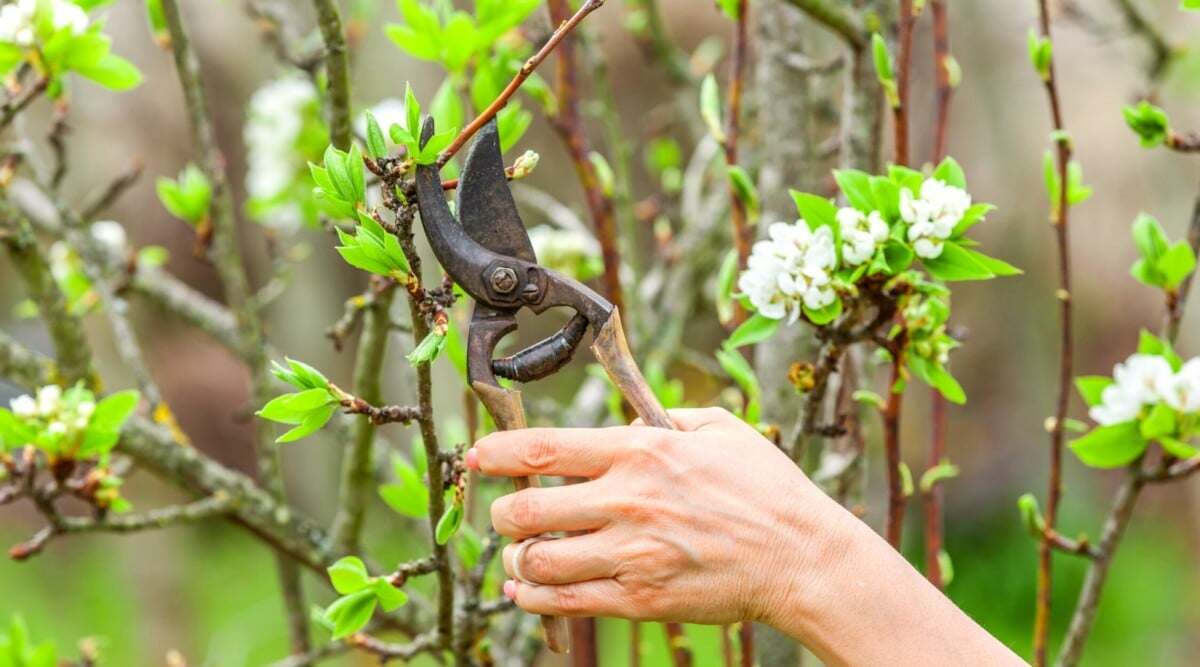
Proper post-pruning care is crucial for the health and successful recovery of a bonsai. Ignoring these steps can lead to stress, disease, and even the death of the plant. This phase involves careful attention to watering, fertilizing, and protecting the pruned areas from environmental hazards. By understanding the specific needs of your bonsai after pruning, you can ensure its rapid and healthy recovery.
Importance of Post-Pruning Watering
Post-pruning watering is essential to replenish moisture lost during the pruning process and to support the healing process. The pruned areas are more susceptible to dehydration. Adjusting the watering schedule based on the bonsai’s size, type of soil, and the climate is crucial for preventing overwatering or underwatering. Regular monitoring of the soil moisture is key to preventing root rot or other water-related issues.
Post-Pruning Fertilization
Following pruning, fertilizing is important to provide the bonsai with the necessary nutrients to promote new growth. Avoid using strong fertilizers immediately after pruning, as this can stress the plant further. Choose a balanced fertilizer specifically formulated for bonsai trees. A gradual increase in fertilizer application, as the plant begins to recover, is ideal.
Wound Treatment and Protection
Protecting pruned areas from pests and diseases is paramount. Newly exposed wood is vulnerable to infection and attack. Applying a protective sealant to the pruned cuts can prevent infections. This sealant should be suitable for bonsai trees and should not harm the plant’s delicate tissues. Careful monitoring for pests is also vital.
Regular inspections, along with appropriate pest control measures, can prevent infestations.
Protecting from Environmental Stress
The pruned bonsai should be protected from sudden temperature changes, extreme winds, and excessive sunlight. Placing the bonsai in a sheltered location for a few weeks after pruning is beneficial. Gradually acclimate the bonsai to its usual environment. Protecting from harsh conditions can significantly reduce stress and allow for faster healing.
Essential Post-Pruning Care Procedures
- Watering: Adjust watering frequency to compensate for the moisture loss caused by pruning. Monitor soil moisture regularly, ensuring the soil is consistently moist but not waterlogged.
- Fertilizing: Use a balanced bonsai fertilizer at a reduced strength compared to normal application. Avoid strong fertilizers immediately after pruning to prevent stress.
- Wound Treatment: Apply a bonsai-specific wound sealant to the pruned cuts. This helps prevent infections and accelerates healing. Avoid using sealants that contain harmful chemicals.
- Pest Monitoring: Regularly inspect the plant for signs of pests. Take appropriate action to control pests and prevent infestations. This is crucial for the overall health of the bonsai.
- Environmental Protection: Protect the bonsai from extreme temperatures, strong winds, and direct sunlight during the initial recovery period. Gradually introduce it back to its usual environment.
Outcome Summary
In conclusion, pruning bonsai branches is a multifaceted process that blends artistic vision with horticultural knowledge. By mastering the techniques and considerations Artikeld in this guide, you’ll be well-equipped to nurture your bonsai into thriving works of art. Remember, consistent practice and attention to detail are key to achieving the desired results.