Bonsai, the art of miniature landscaping, has captivated enthusiasts for centuries. This comprehensive guide delves into the fascinating world of bonsai care, offering a detailed exploration of essential techniques and considerations for cultivating these captivating miniature trees.
From selecting the perfect tree to mastering the intricate art of pruning, this guide provides a thorough understanding of every stage, enabling you to embark on your bonsai journey with confidence. The diverse array of bonsai styles, each with its unique care requirements, will be explored, enabling you to choose a style that aligns with your preferences.
Introduction to Bonsai
Bonsai is a captivating art form that transcends mere horticulture. It’s a meticulous miniature landscaping practice, where the aesthetic beauty of nature is captured in a container. More than just a plant, bonsai embodies a deep cultural significance, reflecting a profound appreciation for nature’s artistry and a commitment to meticulous cultivation. This commitment to detail fosters patience and mindfulness, making the practice of bonsai a rewarding journey for both the practitioner and the observer.The fundamental principle of bonsai cultivation lies in shaping and nurturing a tree’s growth to create a miniature replica of a full-sized tree.
This meticulous process involves pruning, wiring, and repotting, all carefully orchestrated to achieve a specific aesthetic form. The miniature environment within the container becomes a microcosm of the natural world, mirroring the essence of a larger forest or landscape. Through the art of bonsai, practitioners can embody the essence of nature’s enduring beauty.
Historical Context and Evolution
Bonsai’s history is deeply intertwined with Chinese and Japanese cultures. Early forms of dwarf trees were cultivated in China as far back as the 12th century. The art gradually evolved over centuries, gaining recognition and refinement in Japan, where it flourished into a distinct aesthetic tradition. Early practices focused on achieving miniature representations of nature’s grand designs.
The techniques and styles have evolved through various periods and schools, demonstrating a continuing artistic dialogue with nature. The evolution reflects the deep cultural appreciation and dedication to nurturing the art form.
Bonsai Styles
Bonsai cultivation encompasses a diverse range of styles, each reflecting unique aesthetic principles. These styles, often characterized by the way the tree is shaped and presented, are a testament to the art’s versatility. Each style demands a distinct approach to pruning, wiring, and overall care, mirroring the diversity of nature itself.
- Formal Upright: This style seeks to create a precise, symmetrical representation of a tree. The trunk and branches are meticulously aligned, giving a formal and balanced appearance. This style is characterized by its straight, upright form and symmetry, emphasizing a sense of elegance and composure. It often reflects the enduring strength and stability of nature.
- Informal Upright: Unlike the formal upright, this style emphasizes a more natural and dynamic posture. The trunk and branches display a sense of movement and asymmetry, evoking the natural elegance of a tree in its natural habitat. This style focuses on the natural flow of growth and the beauty of imperfection.
- Cascade: This style features a tree that cascades down the side of the container, often giving the impression of a tree growing over a cliff or hillside. This style emphasizes the sense of depth and dynamism. It requires careful wiring and pruning to maintain the cascading posture and the natural flow of the branches.
- Semi-Cascade: This style combines elements of the cascade and informal upright styles. The tree leans downward but does not completely cascade out of the container. It balances the dynamic nature of a cascading tree with the upright strength of the informal upright.
- Windswept: This style portrays a tree that has been sculpted by the wind. The branches often lean at an angle, creating a sense of movement and drama. This style emphasizes the resilience of nature in the face of adversity. The style reflects the beauty of a tree that has been weathered and shaped by the forces of nature.
Comparison of Bonsai Styles
| Style | Visual Representation | Specific Care Needs |
|---|---|---|
| Formal Upright | Symmetrical, balanced, straight trunk and branches. | Requires meticulous pruning and wiring to maintain symmetry. |
| Informal Upright | Natural, dynamic, asymmetrical trunk and branches. | Requires attention to shaping and pruning to maintain natural form. |
| Cascade | Tree cascading down the side of the container. | Requires careful wiring and pruning to maintain the cascading posture. |
| Semi-Cascade | Tree leaning downward but not completely cascading out of the container. | Balancing the cascade with upright elements. |
| Windswept | Branches leaning at an angle, evoking a sense of movement and drama. | Requires careful shaping and pruning to maintain the dynamic posture. |
Choosing Your Bonsai Tree
Selecting the right bonsai tree is crucial for a successful bonsai journey. This involves more than just picking a visually appealing specimen; it necessitates understanding the tree’s inherent characteristics and how these characteristics will interact with your environment and available care. A healthy, vigorous starting point ensures a more rewarding and fulfilling experience in nurturing your bonsai.Choosing a bonsai tree is a significant step in the process, as the health and characteristics of the tree will largely determine its long-term success.
This decision requires careful consideration of the tree’s species, age, size, and overall health. Furthermore, the specific care requirements of different species vary, impacting your ability to provide suitable conditions.
Suitable Tree Species for Bonsai
Various tree species are well-suited for bonsai cultivation. Their suitability is determined by their growth habits and tolerance to pruning and shaping. Species with a propensity for dense branching, relatively slow growth, and adaptability to container culture are excellent choices.
Factors to Consider When Choosing a Bonsai Tree
Several factors must be carefully evaluated when selecting a bonsai tree. A healthy, vigorous tree is essential for successful cultivation.
- Tree Type: The selected species should align with your aesthetic preferences and available space. Consider the tree’s mature size, shape, and foliage characteristics. Species like Japanese maples, pines, and junipers are popular due to their adaptability and aesthetic appeal.
- Age: Younger trees are generally easier to train and shape. However, older trees often exhibit more mature characteristics and established root systems. Consider the tree’s age relative to its size, as this reflects its growth rate and vigor.
- Size: The tree’s size should be appropriate for the pot you intend to use. A tree that is too large for the pot will struggle to thrive. Conversely, a tree that is too small may not provide the visual interest you desire.
- Health: Inspect the tree carefully for any signs of disease, pests, or stress. Look for healthy leaves, strong branches, and a robust overall appearance. A healthy tree will be more resilient and responsive to your care.
Comparing Care Requirements of Different Tree Species
Different bonsai tree species have unique care needs, which must be addressed for successful cultivation. This knowledge allows you to provide the most appropriate environment and care regimen for the chosen tree.
- Watering: Some species require more frequent watering than others, depending on the climate and soil conditions. Understanding these differences is essential for maintaining proper moisture levels in the bonsai pot.
- Sunlight: Some species thrive in full sun, while others prefer partial shade. Accurately determining the sunlight needs of the tree is crucial for its health and vitality.
- Pruning: The frequency and type of pruning required differ significantly between species. Proper pruning techniques are essential for maintaining the tree’s shape and size, while also promoting healthy growth.
Common Bonsai Tree Species and Their Needs
The table below provides a summary of common bonsai tree species and their specific care requirements.
| Species | Sunlight | Watering | Pruning | Other Considerations |
|---|---|---|---|---|
| Japanese Maple | Partial shade to full sun | Regular watering, allowing soil to dry slightly between waterings | Frequent pruning to maintain shape and size | Susceptible to pests and diseases |
| Pine | Full sun | Moderate watering, allowing soil to dry out slightly | Pruning to maintain shape and remove dead branches | Requires well-drained soil |
| Juniper | Full sun to partial shade | Moderate watering, allowing soil to dry out slightly | Pruning to maintain shape and size | Tolerant of various conditions |
| Ficus | Bright, indirect light | Regular watering, allowing soil to dry out slightly | Pruning to maintain shape and size | Relatively easy to care for |
Soil and Potting
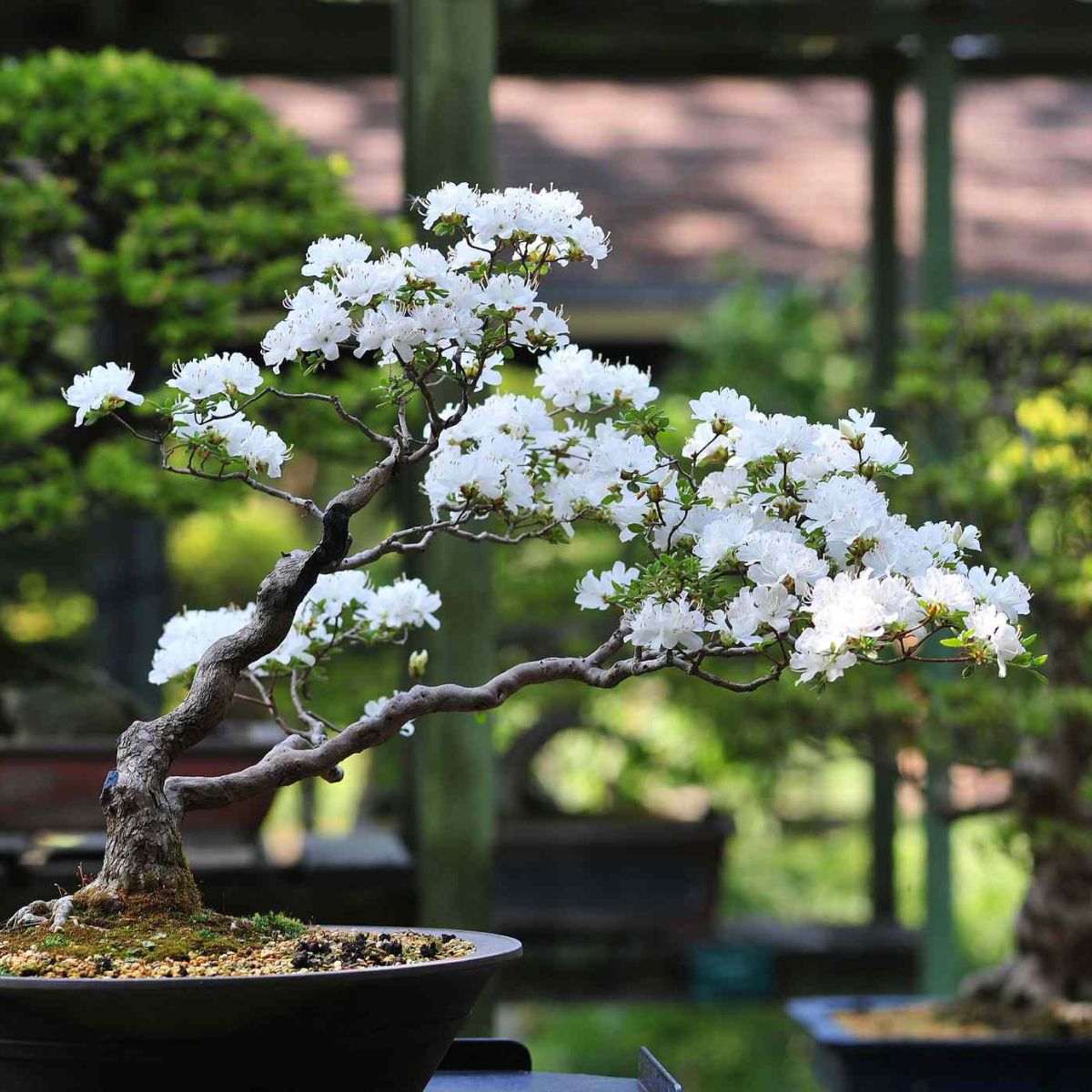
Bonsai cultivation hinges significantly on the soil and the pot. Proper soil composition ensures optimal drainage and aeration, crucial for healthy root development. Choosing the right pot size and material is equally important, influencing water retention and overall tree health. This section will detail the ideal soil mix, pot selection, preparation techniques, and the process of potting a bonsai tree.
Ideal Soil Composition
A well-draining, aerated soil mix is fundamental for bonsai. A typical bonsai soil mix should provide good drainage while retaining enough moisture to support the tree’s needs. A common mix consists of components like akadama, pumice, and organic matter. Akadama, a volcanic clay, provides excellent drainage and structure. Pumice, another volcanic product, improves aeration and drainage.
Organic matter, such as bark or sphagnum moss, provides nutrients and moisture retention. The exact proportions will vary based on the specific bonsai species and its growth requirements.
Pot Selection
The bonsai pot plays a vital role in the tree’s health. The pot’s size influences water retention, and its material affects drainage. A pot that’s too large can lead to excessive water retention, potentially drowning the roots. Conversely, a pot that’s too small restricts root growth and development. The pot’s shape also influences the tree’s aesthetic.
Terracotta pots, for example, allow for better drainage than plastic pots.
Soil Preparation
Proper soil preparation is crucial for a healthy bonsai. First, sterilize the soil components to eliminate potential pests and diseases. This can be done by baking the components in an oven at a low temperature. Mixing the components in the correct proportions is vital. Too much clay can impede drainage, while excessive organic matter can lead to waterlogging.
A well-balanced mix promotes healthy root growth.
Bonsai Planting Procedure
Proper planting techniques are essential for establishing a healthy bonsai. Carefully remove the bonsai tree from its previous container. Gently loosen the roots to ensure they’re not tightly bound. Shape the roots by carefully trimming any overly long or damaged roots. Place the tree in the pot, ensuring the trunk’s position is aesthetically pleasing.
Fill the pot with the prepared soil mix, gently pressing down to eliminate air pockets. Water thoroughly after planting.
Table of Soil Types and Drainage
| Soil Type | Suitability for Bonsai | Drainage Solutions |
|---|---|---|
| Akadama | Excellent drainage and structure | Good drainage, potentially combined with other soil types |
| Pumice | Excellent aeration and drainage | Good drainage, potentially combined with other soil types |
| Bark | Good moisture retention | Use in combination with other soil types to enhance drainage |
| Sphagnum Moss | Excellent moisture retention | Use in combination with other soil types to enhance drainage; avoid using solely |
Watering and Feeding

Proper watering and fertilization are crucial for the health and vitality of your bonsai. Consistent attention to these aspects ensures optimal growth and the development of a thriving miniature landscape. Ignoring these vital practices can quickly lead to issues such as wilting, nutrient deficiencies, or even the demise of your precious bonsai.Optimal watering and fertilization practices are essential to maintaining a bonsai tree’s health and aesthetic appeal.
These practices should be tailored to the specific needs of the species, environmental conditions, and the tree’s current growth stage. Ignoring these vital aspects can lead to a range of issues, from stunted growth to complete failure.
Optimal Watering Schedule
Watering frequency for bonsai depends significantly on environmental factors such as temperature and humidity. Higher temperatures and lower humidity levels necessitate more frequent watering. The soil should be consistently moist, but not waterlogged. Observe the soil’s moisture level regularly to determine the optimal watering schedule. Overwatering can lead to root rot, while underwatering causes the tree to wilt and lose its vitality.
Recognizing Signs of Overwatering and Underwaterings
Overwatering manifests in several ways, including yellowing leaves, soft stems, and a generally unhealthy appearance. The soil will remain excessively wet, even after watering. Underwatering, conversely, is indicated by wilting leaves, brown tips, and a dry soil texture. The leaves may droop significantly. It is vital to carefully monitor the soil’s moisture content and adjust the watering schedule accordingly.
Importance of Fertilizing Bonsai
Fertilizing bonsai is essential for providing the necessary nutrients for healthy growth and development. The correct fertilizer type and application method are critical to avoid nutrient burn or deficiencies. A balanced fertilizer specifically formulated for bonsai is recommended. Organic fertilizers are also a viable option, though they may require more frequent application.
Fertilizer Types and Application Methods
A balanced liquid fertilizer is generally suitable for most bonsai. Follow the manufacturer’s instructions carefully for dilution and application rates. Applying fertilizer to the soil surface allows the roots to absorb the nutrients efficiently. Avoid applying fertilizer directly onto the leaves, as this can cause leaf burn.
Frequency and Amount of Fertilizer
The frequency and amount of fertilizer depend on the growth stage of the bonsai. Young trees require less frequent fertilizing than mature ones. During active growth periods (spring and summer), fertilizing every 2-4 weeks is generally recommended. Reduce the frequency during the dormant period (fall and winter). Always use a diluted solution to avoid nutrient burn.
Ideal Watering Schedule Table
| Bonsai Species | Watering Frequency (General Guidelines) | Specific Considerations |
|---|---|---|
| Ficus | Once or twice weekly, depending on environment | Tolerates some dryness, but consistent moisture is important. |
| Japanese Maple | 2-3 times weekly in summer, less frequently in winter | Needs well-drained soil and regular watering during active growth. |
| Pine | Once or twice weekly, especially during hot weather | Tolerates some dryness, but consistent moisture is essential. |
| Juniper | Once or twice weekly in summer, less frequently in winter | Needs well-drained soil and regular watering during active growth. |
| Others | Adjust according to specific needs | Refer to the care instructions for the specific species. |
Note: These are general guidelines. Adjust watering frequency based on environmental conditions and the specific needs of your bonsai tree.
Pruning and Shaping

Pruning is a fundamental aspect of bonsai cultivation, crucial for maintaining the health, shape, and aesthetic appeal of the tree. Proper pruning techniques encourage controlled growth, allowing the bonsai artist to mold the tree into a miniature landscape masterpiece. It’s a vital practice that influences the tree’s overall form and longevity.Careful pruning stimulates the tree’s growth in desirable directions, creating the specific shapes and forms that define different bonsai styles.
This involves selectively removing branches and foliage to maintain the desired aesthetic and to encourage a balanced and healthy growth pattern. This also helps to prevent disease and pests by improving air circulation and light penetration within the canopy.
Importance of Pruning for Bonsai Health
Pruning is not just about aesthetics; it plays a critical role in maintaining the bonsai’s health. By removing dead, diseased, or crossing branches, the tree’s vitality is enhanced. This promotes healthy growth and minimizes the risk of pests and diseases. The controlled growth achieved through pruning helps to create a strong, balanced structure, and allows the tree to withstand environmental stressors.
Pruning Techniques for Achieving Desired Forms
Various pruning techniques are employed to achieve different bonsai forms. Understanding these methods is essential for shaping the tree into the desired miniature landscape. Each technique has a specific purpose, contributing to the overall aesthetic and health of the bonsai.
Methods for Shaping Branches and Foliage
Shaping the branches and foliage involves a combination of techniques. Thinning out branches and foliage can open up the canopy and create a sense of depth. This involves removing some of the smaller branches to allow more light and air to reach the interior of the tree. Sometimes, branches are pruned to a specific angle, known as a “cutback,” which encourages new growth and contributes to the desired shape.
Similarly, trimming foliage to specific lengths and densities contributes to the overall shape.
Different Pruning Techniques for Different Styles
Different bonsai styles demand different pruning techniques. For example, a formal upright style may require more rigorous and precise pruning to maintain the straight, symmetrical form. A cascade style, on the other hand, necessitates pruning to encourage the branches to droop downwards. The pruning methods must be tailored to the specific characteristics of each style.
- Formal Upright: Precise pruning is essential to maintain the tree’s verticality and symmetrical form. Regular trimming of branches and foliage is necessary to ensure that the tree does not deviate from the upright posture.
- Informal Upright: This style allows for more flexibility in the branch structure. Pruning is still essential to guide the branches into a natural-looking form, maintaining a balance of growth.
- Cascade: Pruning in this style focuses on guiding the branches to droop downwards. Regular pruning of upward-growing branches is necessary to maintain the cascade effect.
Table of Pruning Techniques and Effects
The following table demonstrates some common pruning techniques and their effects on the bonsai shape.
| Pruning Technique | Description | Effect on Bonsai Shape | Diagram |
|---|---|---|---|
| Thinning | Removing some of the smaller branches to open up the canopy. | Creates depth and space in the bonsai. | (Imagine a diagram showing branches being removed to open the canopy) |
| Cutback | Pruning a branch to a specific angle, encouraging new growth from the cut point. | Shapes the branches and directs new growth in a desired direction. | (Imagine a diagram showing a branch being pruned at an angle, with new growth emerging from the cut) |
| Heading Back | Shortening the ends of branches to control their length and shape. | Controls the overall height and width of the bonsai. | (Imagine a diagram showing branch tips being cut to control height) |
Repotting and Maintenance
Maintaining a healthy bonsai requires regular repotting and attentive care. Proper repotting ensures optimal root growth and prevents the tree from becoming root-bound, a condition that can hinder its overall health and aesthetic appeal. Consistent maintenance practices, including pest and disease control, are vital for preventing issues that can compromise the bonsai’s vitality.
Importance and Frequency of Repotting
Repotting is crucial for the continued health and aesthetic appeal of a bonsai. A bonsai tree’s roots, confined within a pot, grow and develop over time. Over time, the roots become crowded and may start to circle around inside the pot. This condition, called root binding, severely limits nutrient and water uptake, impacting the tree’s growth and vitality.
Regular repotting removes the old, compact soil, replaces it with fresh potting mix, and provides the tree with the space needed for healthy root development. The frequency of repotting depends on the species of bonsai, its growth rate, and the environment in which it is kept.
Repotting Steps
Correct repotting techniques are vital to minimize stress on the bonsai. Careful handling of the roots is paramount. Improper handling can damage the delicate root system, leading to slow recovery or even death.
- Preparation: Gather necessary materials, including a new pot that is slightly larger than the previous one, fresh bonsai soil, and tools like pruning shears and a small trowel. Ensure the new pot has adequate drainage holes.
- Root Examination: Gently remove the bonsai from its current pot. Examine the root system for any signs of disease or pests. Remove any dead or damaged roots. Healthy roots should appear firm and light brown to reddish-brown in color.
- Potting: Place a layer of fresh bonsai soil at the bottom of the new pot. Gently place the bonsai tree in the pot, ensuring the root ball is centered. Carefully add more soil around the roots, ensuring they are completely covered. Do not bury the trunk or crown of the tree. Tamp the soil firmly to eliminate air pockets, but avoid compacting it too tightly.
- Watering: After repotting, thoroughly water the bonsai to settle the soil and eliminate any air pockets.
Maintenance Practices
Regular maintenance is key to preventing pest and disease issues in bonsai.
- Pest and Disease Control: Regularly inspect your bonsai for signs of pests or diseases. Early detection and treatment are crucial to preventing widespread infestations or infections. If pests are found, use appropriate and safe insecticides or other organic pest control methods. If diseases are present, remove affected branches and leaves immediately, and treat the remaining parts of the tree to prevent further spread.
- Watering and Fertilizing: Consistent watering is vital for keeping the bonsai hydrated. The frequency of watering will vary depending on the species, the environment, and the time of year. Ensure the soil is consistently moist, but not waterlogged. Regular fertilizing is also essential for providing the tree with the nutrients it needs to thrive. Use a balanced bonsai fertilizer following the manufacturer’s instructions.
- Pruning and Shaping: Regular pruning and shaping maintain the desired aesthetic form and encourage healthy growth. Prune dead or damaged branches, and shape the tree according to your preferences. This process helps to promote new growth and maintain the desired form of the bonsai.
Common Bonsai Pests and Diseases
Several pests and diseases can affect bonsai trees. Identifying and addressing these issues promptly can prevent significant damage.
- Scale Insects: Small, hard-shelled insects that suck sap from the tree. Signs include distorted growth and sticky residue on the leaves. Treatment involves using insecticidal soap or horticultural oil.
- Mealybugs: Tiny, white, cottony insects that also feed on sap. Signs include white powdery spots on the leaves and stems. Treatment involves using insecticidal soap or horticultural oil.
- Root Rot: A fungal disease that attacks the roots. Signs include yellowing or browning of the leaves, and the roots may appear mushy or dark. Treatment may involve repotting with fresh soil and fungicides.
Repotting Frequency Table
The following table provides a general guideline for repotting frequency, but it’s crucial to observe your specific bonsai’s needs. Environmental factors, like humidity and temperature, will influence these intervals.
| Bonsai Species | Repotting Frequency (Years) |
|---|---|
| Fast-growing species (e.g., Japanese Maple) | 2-3 years |
| Medium-growth species (e.g., Ficus) | 3-5 years |
| Slow-growing species (e.g., Juniper) | 5-7 years |
Environmental Factors
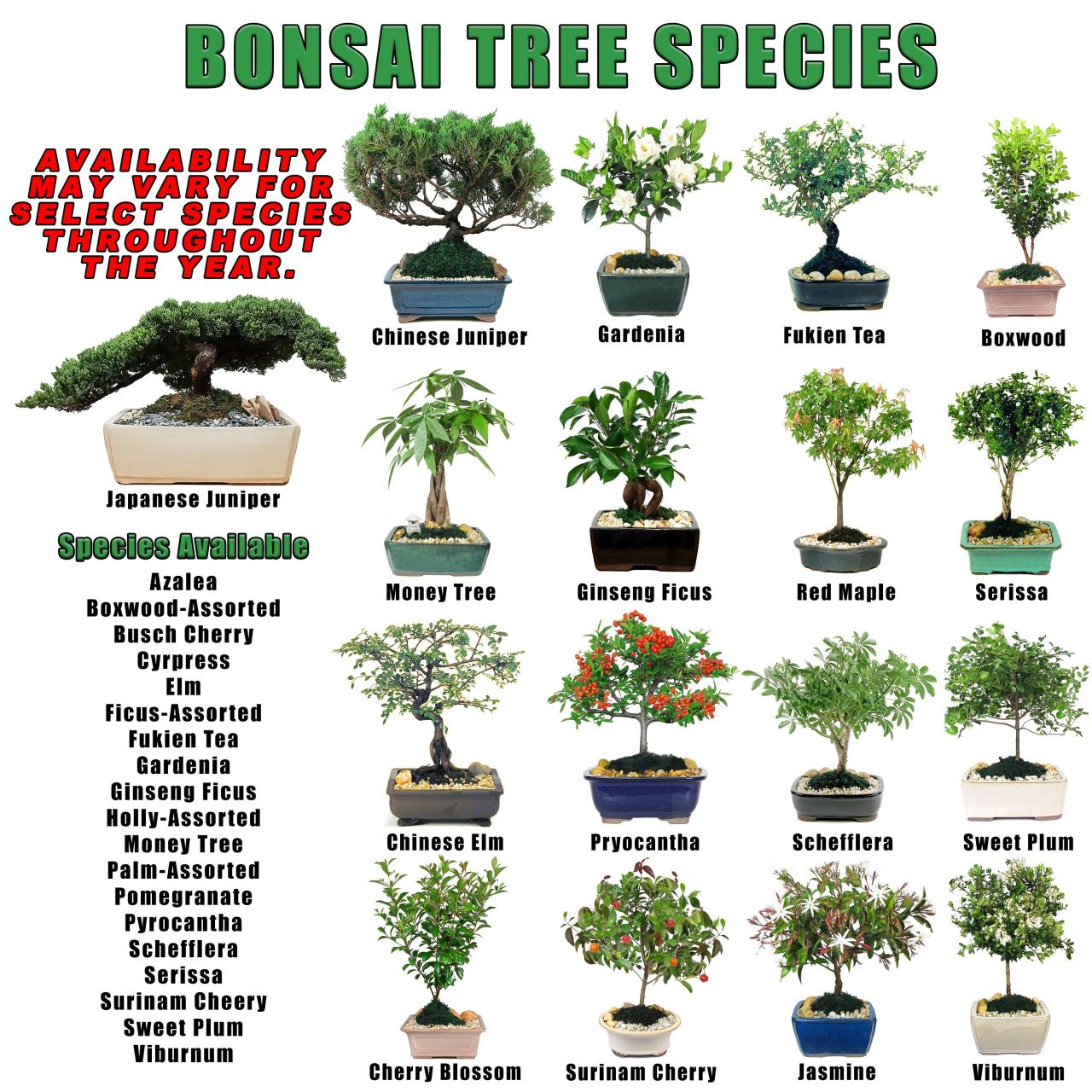
Proper environmental conditions are crucial for the health and vitality of bonsai trees. Mimicking their natural habitats, as closely as possible, is key to their success. This involves careful consideration of sunlight, temperature, and humidity levels, and understanding how these factors interact with the specific needs of each species. Adjustments to these factors are necessary to ensure optimal growth and development.Environmental factors, such as sunlight, temperature, and humidity, significantly impact the growth, health, and overall aesthetic appeal of bonsai.
These factors must be carefully managed to create a thriving environment for the trees. Proper management ensures the trees can develop strong roots, healthy foliage, and a pleasing aesthetic.
Sunlight Requirements
Sunlight is essential for photosynthesis, the process by which bonsai trees produce energy. Different bonsai species have varying light requirements. Understanding these differences is vital for providing the correct amount of sunlight for each tree. Direct sunlight can be beneficial for some species but detrimental for others, and indirect sunlight is often the best solution.Appropriate sunlight exposure is essential for bonsai health.
Too much direct sunlight can scorch the leaves, while insufficient light can result in weak growth and elongated stems. Observe your tree’s response to different light conditions. If the leaves appear yellowed or scorched, reduce the amount of direct sunlight. Conversely, if the leaves are pale or the tree shows signs of stretching, consider increasing the light exposure.
Temperature Management
Temperature fluctuations can stress bonsai trees, potentially leading to diseases and poor growth. Many bonsai species thrive in specific temperature ranges. Maintaining consistent temperatures is vital, especially for those trees that are sensitive to extreme heat or cold. Proper temperature control is essential for the health of the bonsai trees.Maintaining a suitable temperature range is crucial for bonsai health.
Some species thrive in warmer climates, while others prefer cooler temperatures. Understanding the temperature preferences of your bonsai species is vital. Sudden changes in temperature can cause stress, leading to leaf drop or other issues. Providing a consistent temperature environment, whether indoor or outdoor, is key to healthy bonsai growth.
Humidity Control
Humidity plays a significant role in the overall health of bonsai trees. Some species require higher humidity levels to thrive. For indoor bonsai, supplemental humidity may be necessary. This can be achieved through techniques like grouping plants together or using humidifiers. Maintaining the proper humidity is a critical aspect of bonsai care.Maintaining adequate humidity levels is important for bonsai health, particularly for species originating from humid environments.
Insufficient humidity can cause leaf tips to dry out, while excessively high humidity can promote fungal diseases. Monitor your bonsai’s response to humidity levels and adjust your techniques accordingly. Consider using humidity trays, grouping plants together, or humidifiers to increase humidity, especially for indoor bonsai.
Indoor vs. Outdoor Bonsai Care
Indoor bonsai require different environmental management than outdoor bonsai. Indoor bonsai often need more careful control over temperature, humidity, and light. Outdoor bonsai are exposed to natural fluctuations, and their care focuses on protecting them from extreme weather conditions. Adapting care practices to the specific environment is essential.Indoor and outdoor bonsai necessitate different care approaches. Indoor bonsai benefit from controlled environments, where you can regulate temperature and humidity.
Outdoor bonsai, on the other hand, are more susceptible to extreme weather and require protection from harsh sunlight or frost. Understanding these differences allows for tailoring care to the specific needs of each environment.
Optimal Environmental Conditions Table
| Bonsai Species | Optimal Sunlight | Optimal Temperature Range (°C) | Optimal Humidity (%) |
|---|---|---|---|
| Japanese Maple | Partial Shade | 15-25°C | 50-70% |
| Chinese Elm | Full Sun | 10-25°C | 40-60% |
| Ficus | Bright Indirect Light | 18-28°C | 50-70% |
| Pine | Full Sun to Partial Shade | 5-20°C | 30-50% |
This table provides a general guideline for optimal environmental conditions. Specific needs may vary depending on the individual tree and its growth stage. Always research the specific needs of your bonsai species to ensure its well-being.
Troubleshooting Common Issues

Maintaining healthy bonsai requires vigilance and a keen eye for potential problems. Recognizing early signs of distress and implementing appropriate solutions is crucial for the long-term health and aesthetic appeal of your bonsai. This section will detail common bonsai ailments and provide effective remedies, emphasizing preventive measures to maintain optimal growth.
Identifying Pest Infestations
Pest infestations are a frequent concern for bonsai enthusiasts. Early detection is key to effective control. Common pests include aphids, mealybugs, scale insects, and spider mites. These pests can sap vital nutrients from the tree, leading to stunted growth, discoloration, and eventually, death. Careful inspection, especially on the undersides of leaves and along stems, is essential for early detection.
Observe for tiny insects, sticky residue, or webs.
- Aphids: These sap-sucking insects appear as small, soft, and often green or black insects. They often cluster on new growth. Controlling aphids involves insecticidal soaps, horticultural oils, or neem oil applications.
- Mealybugs: Mealybugs are characterized by their white, powdery appearance. They are often found clustered around stems and leaf axils. Similar to aphids, insecticidal soaps, horticultural oils, or neem oil can be effective treatments.
- Scale Insects: These pests have a hard, shell-like covering, making them difficult to remove. They can be identified by their small, immobile appearance, often resembling small bumps or scabs on the branches. Treating scale infestations requires the use of horticultural oils, insecticidal soaps, or systemic insecticides. Mechanical removal using a soft brush can also help.
- Spider Mites: Spider mites are tiny, almost invisible pests that leave a fine webbing on the leaves. Look for stippled or bronzed leaves, which can be a sign of damage. Insecticidal soaps, horticultural oils, or miticides are suitable control methods. Increased humidity can also help deter spider mite infestations.
Addressing Disease Issues
Bonsai trees can suffer from fungal or bacterial diseases. Overwatering, poor drainage, and high humidity can contribute to these problems. Identifying diseases involves examining symptoms like leaf spots, wilting, discoloration, and unusual growths.
- Fungal Diseases: Fungal diseases manifest as spots, discoloration, or rot on leaves and stems. Proper watering techniques, improved drainage, and the use of fungicides are crucial for management. Removing infected parts is essential to prevent the spread of the disease.
- Bacterial Diseases: Bacterial diseases can cause leaf spots, wilting, and stem lesions. Similar to fungal diseases, prompt treatment and removal of affected parts are important. Using appropriate antibacterial treatments, coupled with good sanitation practices, is key to controlling the spread of the disease.
Nutrient Deficiencies
Nutrient deficiencies are a common cause of poor bonsai growth. A balanced diet is essential for healthy bonsai development. Identifying deficiencies involves examining the overall health of the tree, noting leaf color, size, and growth patterns. Adjusting feeding practices and soil composition can address these issues.
Common Bonsai Problems and Solutions
| Problem | Solution |
|---|---|
| Pest Infestation (e.g., aphids, mealybugs) | Apply insecticidal soaps, horticultural oils, or neem oil. Isolate the affected tree if necessary. |
| Fungal Diseases (e.g., leaf spots) | Reduce watering frequency, improve drainage, and apply appropriate fungicides. Remove infected parts. |
| Bacterial Diseases (e.g., wilting) | Use antibacterial treatments, improve drainage, and remove affected parts. Maintain good sanitation. |
| Nutrient Deficiencies (e.g., yellowing leaves) | Adjust feeding schedule and soil composition to provide appropriate nutrients. Consider soil testing. |
| Overwatering/Underwatering | Adjust watering schedule based on soil moisture. Ensure proper drainage. |
| Insufficient Sunlight | Provide adequate sunlight based on the tree’s needs. |
| Poor Air Circulation | Ensure adequate air circulation to prevent fungal diseases. |
Epilogue
In conclusion, nurturing a bonsai tree is a rewarding experience that blends artistry with meticulous care. By understanding the essential elements of soil, watering, pruning, and environmental considerations, you can cultivate a thriving bonsai that reflects your commitment and dedication. This guide equips you with the knowledge to successfully cultivate and maintain a healthy and aesthetically pleasing bonsai specimen, unlocking a world of beauty and satisfaction.