Succulents, with their diverse forms and captivating textures, have become increasingly popular houseplants. From the vibrant rosette of an echeveria to the cascading beauty of a string of pearls, these drought-tolerant plants offer a unique aesthetic appeal. This comprehensive guide delves into the essential care requirements for nurturing your succulent collection, covering everything from optimal light conditions to appropriate watering techniques.
Understanding the specific needs of different succulent types is crucial for their healthy growth. This guide provides detailed information on various aspects of succulent care, including light, water, soil, temperature, humidity, propagation, pest control, and repotting, ensuring your succulents thrive in your environment.
Introduction to Succulents
Succulents are a diverse group of plants known for their ability to store water in their leaves, stems, or roots. This adaptation allows them to thrive in arid and semi-arid environments. They exhibit a remarkable variety of forms, from rosette-shaped clusters to elongated columns, and their textures range from smooth and fleshy to spiky and ridged. The vibrant colors and unique shapes make them a popular choice for both indoor and outdoor gardens.Succulents generally require bright, indirect light for optimal growth.
They are drought-tolerant, meaning they can survive periods of dryness. Proper watering is crucial, as overwatering can lead to root rot. Well-draining soil is essential to prevent waterlogging. The combination of these factors allows for their success in a wide range of conditions. Their adaptability and aesthetic appeal make them an enduring choice for both experienced and novice gardeners.
General Care Requirements
Succulents, due to their water-storing capabilities, have specific care requirements. A crucial aspect is providing the right amount of light. Bright, indirect sunlight is typically ideal. Avoid direct sunlight for extended periods, especially during the hottest part of the day, to prevent scorching. Waterings should be infrequent and deep, allowing the soil to dry out completely between waterings.
Overwatering is a common cause of problems for succulents. Use well-draining soil, which allows excess water to drain away, preventing root rot. Potting mix specifically designed for succulents or cacti is highly recommended, ensuring proper drainage.
Types of Succulents and Their Care Needs
Understanding the specific needs of different succulent varieties enhances their successful cultivation. A comparison table below illustrates the varying requirements for popular types.
| Succulent Type | Light Requirements | Watering Frequency | Soil Characteristics |
|---|---|---|---|
| Aloe vera | Bright, indirect sunlight. Tolerates some direct sun. | Water thoroughly when the top inch of soil is dry. | Well-draining, sandy soil. A cactus or succulent potting mix is ideal. |
| Echeveria | Bright, indirect light is preferred, tolerates some direct sun. | Water when the top inch of soil is dry. Reduce watering during winter. | Well-draining, gritty soil. A cactus or succulent potting mix is recommended. |
| Haworthia | Bright, indirect light. Avoid direct, intense sunlight. | Water infrequently. Allow the soil to dry out completely between waterings. | Well-draining, sandy soil. A cactus or succulent potting mix is recommended. |
The table above highlights the diverse light, watering, and soil requirements for various succulents. Understanding these differences ensures successful growth and prevents common problems.
History of Succulent Cultivation
Succulents have captivated gardeners and enthusiasts for centuries. Their ability to thrive in challenging environments, combined with their aesthetic appeal, has contributed to their enduring popularity. Ancient civilizations, particularly in regions with limited water resources, recognized and utilized succulents for their survival value. The historical significance of succulents is evident in their continued cultivation and appreciation worldwide.
Modern propagation techniques and the availability of a wide variety of cultivars have further fueled their popularity.
Light Requirements
Proper light exposure is crucial for the health and vibrant growth of succulents. They thrive in bright, well-lit environments, mimicking their natural habitats. Understanding the nuances of light conditions is key to maintaining a thriving succulent collection. Different succulents have varying light requirements, so tailored approaches are essential for optimal growth and aesthetics.
Importance of Light for Succulent Health
Succulents, adapted to arid climates, rely heavily on sunlight for photosynthesis, the process that fuels their growth and development. Adequate light triggers the production of chlorophyll, the pigment responsible for the green coloration of the plants, and drives the synthesis of essential sugars. Insufficient light can lead to etiolation, a stretching of the plant stems in search of light, which compromises the plant’s overall appearance and health.
Different Light Conditions and Their Effects
Light conditions significantly impact succulent growth. Direct sunlight, while vital for some, can be detrimental to others. Indirect light, a crucial element for many types, provides the necessary illumination without the harshness of direct rays. Low light environments, although suitable for some species, can result in stunted growth and pale coloration.
Signs of Insufficient Light
Succulents exhibiting signs of insufficient light often display elongated stems, a phenomenon known as etiolation. The leaves may appear paler or exhibit a less vibrant green hue. The plant may also exhibit a spindly, leggy growth habit. Regular observation and assessment of these indicators help guide appropriate adjustments to their placement.
Adjusting Placement Based on Light Needs
Positioning succulents in optimal light conditions is key to their overall well-being. Moving a plant to a location with more light exposure can dramatically improve its health and appearance. Conversely, careful consideration of light intensity is vital to prevent sunburn.
Ideal Light Exposure for Various Succulent Types
| Succulent Type | Ideal Light Exposure |
|---|---|
| Haworthias | Bright, indirect light |
| Echeverias | Bright, indirect to direct light |
| Agave | Full sun (direct sunlight) |
| Sedums | Bright, indirect to direct light |
| Crassulas | Bright, indirect to direct light |
The table above provides a general guideline. Individual plants may have slight variations in their light requirements, depending on factors such as the specific variety and age. Observing the plant’s reaction to different light conditions is crucial for adapting care to the specific needs of each individual succulent.
Preventing Damage from Excessive Light
Overexposure to direct sunlight, especially during peak hours, can lead to sunburn. Symptoms include the development of brown or reddish spots on the leaves, indicating damage to the plant tissue. Strategic placement, such as using sheer curtains or moving the plant to a partially shaded location, helps to mitigate this risk. Additionally, gradual acclimation to direct sunlight is recommended for plants that are accustomed to lower light conditions.
Sudden shifts can cause irreversible damage.
Watering Techniques
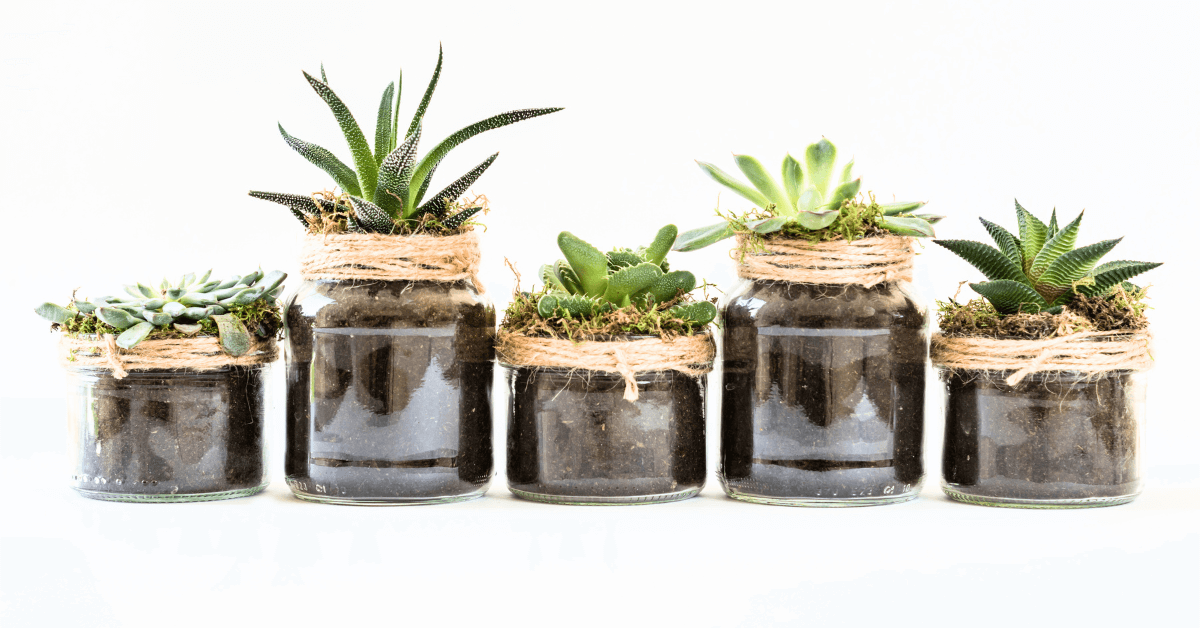
Proper watering is crucial for the health and longevity of your succulents. Understanding their specific needs and adopting the right techniques can significantly impact their growth and overall appearance. Different succulents have varying water requirements, and the environment plays a vital role in determining the ideal watering schedule.Succulents, adapted to arid climates, store water in their fleshy leaves and stems.
Therefore, they tolerate periods of drought more effectively than many other plants. However, excessive watering can lead to root rot, a devastating condition that can quickly kill a succulent. Conversely, insufficient watering can cause the plant to wilt and eventually die. A balanced approach to watering, tailored to the specific needs of the plant and its environment, is essential.
Optimal Watering Schedules
Succulents require less frequent watering than most other plants. The optimal schedule depends on factors such as the specific type of succulent, the size of the pot, the ambient temperature, and the level of humidity in the growing environment. During the growing season (spring and summer), watering needs increase as the plant actively grows and transpires more. Conversely, during the dormant season (fall and winter), watering should be significantly reduced, as the plant’s metabolic rate slows down.
Watering Methods
Different watering methods have varying impacts on the plant. Understanding these methods and their applications will help you determine the best approach for your succulents.
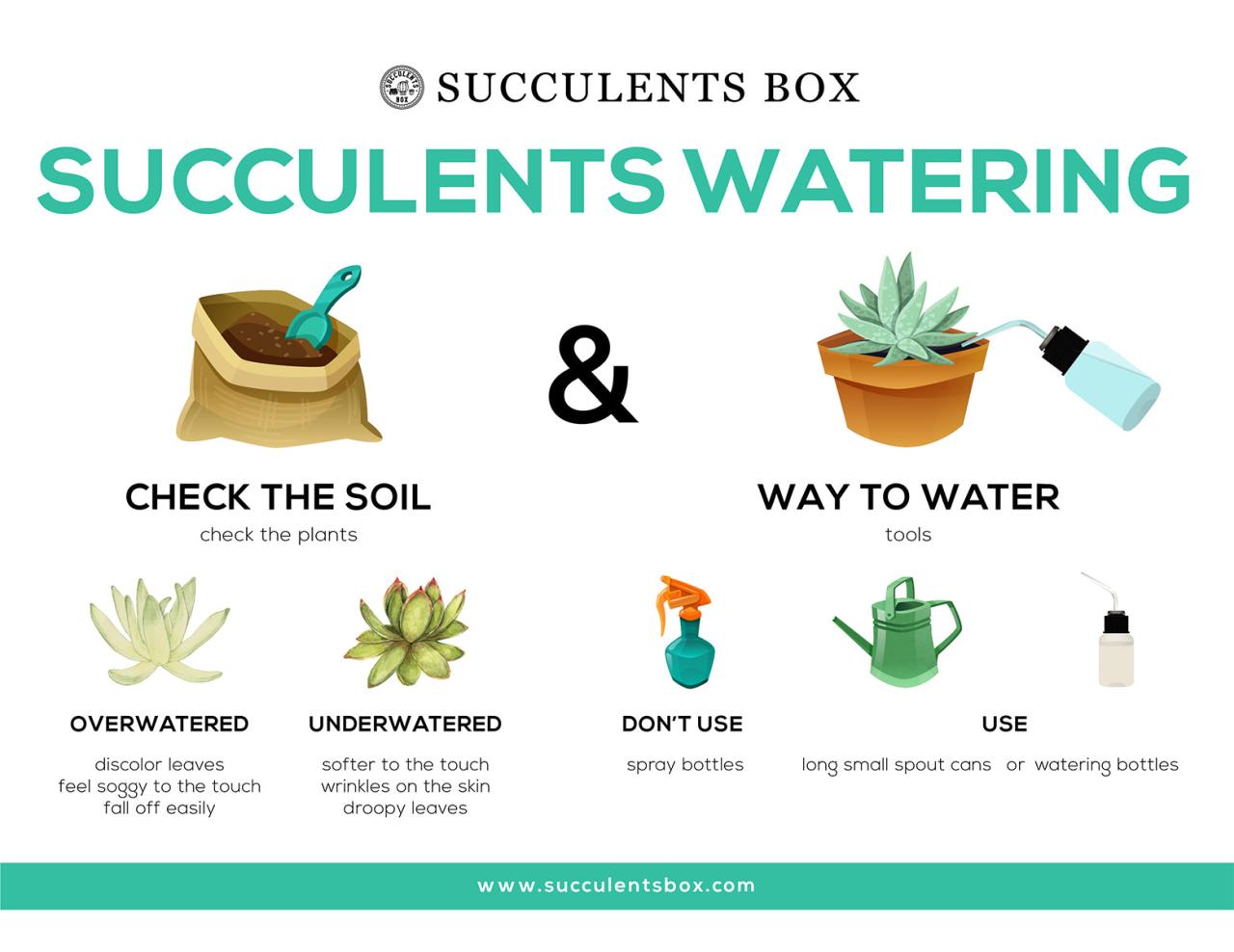
- Soaking: This method involves completely immersing the pot in water until it drains freely from the drainage holes. This ensures thorough hydration of the root system. Soaking is particularly suitable for succulents in larger pots, as it provides a more consistent and effective water delivery compared to other methods. This method is also good for plants with deep root systems, as it allows water to reach the lower parts of the soil.
- Misting: This method is best used for succulents with shallow root systems or for preventing powdery mildew. Misting involves spraying water directly onto the leaves and stems. Avoid misting during direct sunlight to prevent scorching.
- Top Watering: This is the most common method, involving pouring water directly onto the soil’s surface until it drains out the bottom of the pot. This is a practical method for succulents in smaller pots. However, care should be taken to avoid overwatering, which can lead to waterlogging.
Risks of Overwatering and Underwaterings
Overwatering and underwatering can lead to detrimental effects on succulent health. Recognizing the symptoms of each is crucial for maintaining optimal plant conditions.
- Overwatering: Signs of overwatering include soggy soil, yellowing leaves, and root rot. The soil should feel moist but not waterlogged. Overwatering can cause the roots to suffocate and decay, making the plant vulnerable to disease. If left unchecked, this can lead to the complete demise of the succulent.
- Underwatering: Underwatering is indicated by shriveled leaves, brown tips, and a feeling of dryness in the soil. This condition occurs when the plant’s stored water reserves are depleted, leading to a loss of turgor pressure in the leaves. Consistent underwatering can eventually cause the plant to become brittle and unable to recover.
Determining When to Water
Regularly checking the soil moisture is vital for proper watering. Here’s a step-by-step guide:
- Insert a finger: Insert your finger about an inch or two into the soil. If the soil feels dry to the touch, it’s time to water.
- Check the weight: A noticeably lighter pot compared to a recently watered one usually suggests dryness.
- Consider the environment: High temperatures and low humidity can increase watering needs, while cooler temperatures and higher humidity can decrease them.
Watering Techniques Table
The following table summarizes the suitability of different watering methods for various succulents:
| Watering Technique | Succulent Type | Suitability |
|---|---|---|
| Soaking | Succulents with deep root systems, larger pots | High |
| Misting | Succulents with shallow root systems, preventing powdery mildew | Medium |
| Top Watering | Most succulents, smaller pots | Medium |
Soil and Potting Mix
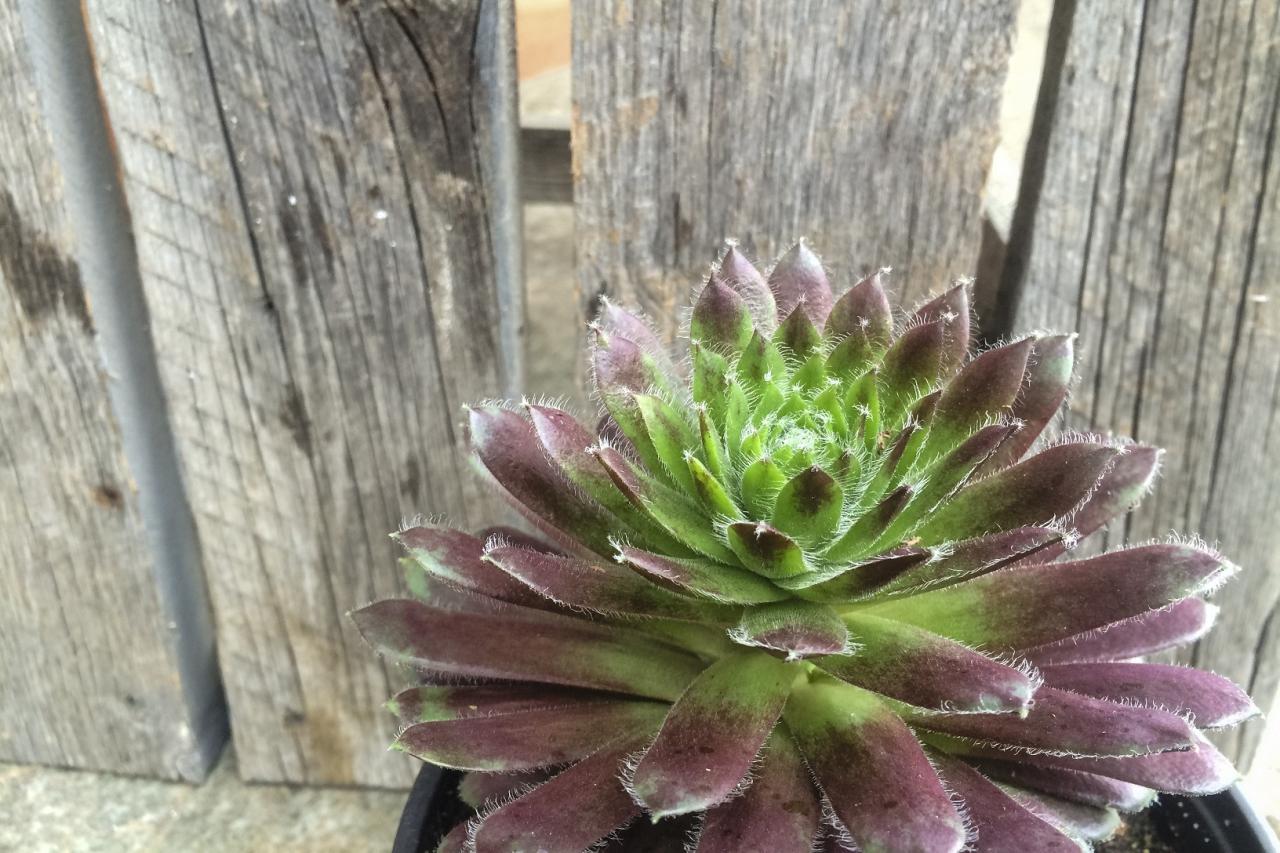
Succulents thrive in well-drained soil, a crucial aspect of their care. This ensures the roots receive adequate oxygen and prevents root rot, a common issue for these plants. The right potting mix significantly impacts a succulent’s health and growth. Understanding soil composition and the importance of proper drainage is paramount for successful succulent cultivation.The key to succulent health lies in a soil mix that allows excellent drainage and aeration.
This crucial aspect prevents waterlogging, a significant stressor for these drought-tolerant plants. Using a commercially prepared succulent potting mix often provides the optimal balance of ingredients, ensuring the soil meets their specific needs.
Ideal Soil Composition for Succulents
Succulents require a soil mix that allows rapid water drainage and good aeration. A well-draining soil prevents the roots from sitting in soggy conditions, which can lead to root rot and eventual plant death. The ideal composition typically includes a blend of coarse materials that enhance drainage and aeration. These materials provide excellent water drainage and air circulation around the roots, promoting healthy root growth.
Benefits of Using a Well-Draining Potting Mix
Using a pre-made succulent potting mix offers several advantages. These mixes are often formulated to provide the optimal balance of ingredients for succulent growth. Pre-mixed mixes frequently contain ingredients like perlite, pumice, or coarse sand, which improve drainage and aeration. This specialized composition ensures optimal drainage and aeration, promoting healthy root development and overall plant vigor.
Importance of Proper Drainage Holes in Pots
Proper drainage is essential for the health of succulents. Drainage holes in pots allow excess water to escape, preventing waterlogging and root rot. Without adequate drainage, water can accumulate around the roots, leading to root damage and disease. Ensure that your pots have sufficient drainage holes to accommodate the necessary water flow.
Comparison of Soil and Potting Mixes
| Soil Type | Composition | Drainage | Aeration | Suitability for Succulents |
|---|---|---|---|---|
| Regular Garden Soil | Clay, silt, and organic matter | Poor | Poor | Not suitable; prone to waterlogging |
| Cactus & Succulent Potting Mix | Coarse sand, perlite, pumice | Excellent | Excellent | Ideal |
| Potting Soil with Added Perlite | Potting soil with added perlite | Good | Good | Acceptable, but may need additional drainage amendments |
This table highlights the differences in soil composition and its impact on drainage and aeration, emphasizing the importance of choosing a mix suitable for succulents. A good potting mix is essential for healthy root development and overall plant vigor.
Creating a Homemade Succulent Potting Mix
A homemade succulent potting mix can be a cost-effective alternative to commercially prepared mixes. A balanced mix ensures excellent drainage and aeration. This approach allows for customization based on your specific needs and preferences.
- Coarse Sand: Provides excellent drainage and aeration, preventing waterlogging. A well-draining mix is crucial for preventing root rot. Coarse sand is a valuable component of the mix due to its ability to provide ample drainage.
- Perlite: A volcanic rock, perlite improves drainage and aeration while also retaining some moisture. Perlite is a key ingredient for succulent potting mixes, contributing to their ability to retain moisture without waterlogging. The inclusion of perlite ensures a balanced moisture retention capacity, preventing both excessive dryness and waterlogging.
- Pumice: Another volcanic rock, pumice adds drainage and aeration, improving the overall texture and structure of the mix. Pumice is a good addition due to its porous structure, which enhances drainage and aeration, supporting healthy root growth.
- Small Rocks or Gravel: Gravel adds drainage and aeration while also helping to prevent compaction of the mix. This improves the overall structure and prevents waterlogging, maintaining ideal conditions for the succulents.
Combine these ingredients in roughly equal proportions (e.g., 1 part sand, 1 part perlite, 1 part pumice) and add a small amount of organic matter, such as peat moss or compost. This enhances the mix’s moisture-retention capabilities. Mix thoroughly and use in your succulent pots.
Temperature and Humidity
Succulents, with their remarkable ability to thrive in arid conditions, have specific temperature and humidity requirements for optimal growth and health. Understanding these factors allows you to provide the best possible care for your succulent collection. Knowing how to manage these conditions is crucial for preventing stress and encouraging robust growth.Temperature plays a significant role in succulent well-being. Maintaining a stable environment, especially during fluctuations, is key to their success.
Humidity, though less critical than temperature in most cases, can still influence succulent health, particularly when it deviates significantly from their natural habitat.
Ideal Temperature Range
Succulents generally thrive in warm temperatures, with a preference for daytime highs between 65°F (18°C) and 85°F (29°C). Nighttime temperatures should ideally be cooler, often falling into the range of 50°F (10°C) to 65°F (18°C). This temperature fluctuation mimics their natural environment and encourages healthy growth. Protecting them from extreme temperatures, whether high or low, is essential.
Effects of Humidity
Humidity, the amount of water vapor in the air, has a notable impact on succulents, though it’s generally less critical than temperature. Succulents originate from arid environments and are adapted to low humidity levels. High humidity can lead to fungal diseases and rotting, as the moisture can accumulate on the leaves, potentially causing infections. Low humidity, while less detrimental, can cause the leaves to lose moisture more quickly, leading to dryness and potentially impacting the overall health of the plant.
Observing symptoms like leaf discoloration or soft spots can help identify humidity issues.
Seasonal Adjustments
Succulents require adjustments to their care routine based on seasonal changes in temperature and humidity. During warmer months, increased watering and potentially more direct sunlight may be necessary. Conversely, cooler months necessitate less frequent watering, as the plant’s metabolic rate slows down. The amount of light required may also need adjustment. These adjustments help the plant adapt to the changing conditions, ensuring its health and well-being throughout the year.
Protecting from Frost or Freezing Temperatures
Frost or freezing temperatures can be devastating to succulents. If freezing temperatures are anticipated, it’s crucial to bring your succulents indoors or to a protected area. Alternatively, covering them with frost cloths or moving them to a sheltered location can effectively prevent damage. Sudden drops in temperature can be especially harmful.
Creating a Microclimate
Creating a microclimate can improve the conditions for your succulents, especially if you live in an area with fluctuating temperatures or high humidity. This involves creating a sheltered environment, such as placing the plants in a greenhouse or using a screen or shade to shield them from extreme weather conditions. In some cases, this can involve utilizing specific containers, such as those with proper drainage, or strategically placing plants to maximize the available sunlight while mitigating the effects of temperature fluctuations.
Protecting your succulents from harsh weather can significantly improve their growth and longevity.
Propagation Methods
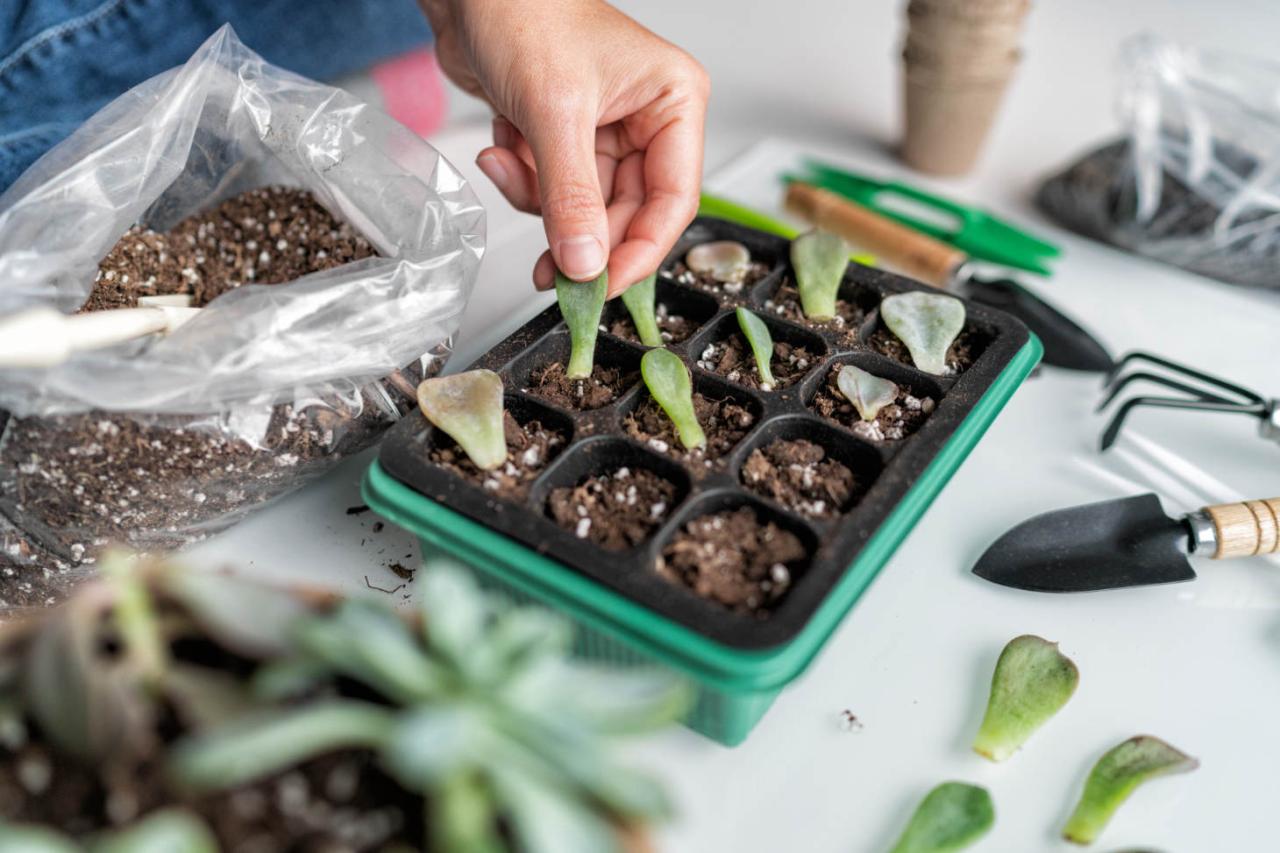
Propagating succulents is a rewarding way to expand your collection and share these fascinating plants with others. Successful propagation relies on understanding the specific needs of each method and providing the ideal environment for root development. Different techniques yield varying success rates, influenced by factors such as the succulent type, the maturity of the cutting, and the propagation environment.Propagating succulents can be a satisfying experience.
It allows for expanding your collection and sharing the joy of these captivating plants. Careful attention to detail in each propagation method, coupled with a well-maintained environment, will greatly enhance the chances of successful rooting and growth.
Leaf Cuttings
Leaf cuttings are a common and effective method for propagating succulents. Many succulent species readily produce new plants from their leaves. This method is generally simple to execute and often results in quicker propagation compared to other methods.
- Preparation: Carefully select healthy, mature leaves from the parent plant. Avoid leaves that are damaged, diseased, or showing signs of stress. A sharp, clean knife or razor blade is essential for making precise cuts to prevent introducing pathogens.
- Treatment: Allow the cut surfaces to callous over. This process, typically lasting a few days, helps prevent rot and promotes faster rooting. The calloused area will appear slightly darker and hardened. This critical step prevents bacterial or fungal infections, ensuring a higher success rate.
- Planting: Plant the leaf cuttings in a well-draining potting mix. The mix should be designed to facilitate rapid water drainage and aeration, crucial for preventing root rot. A mixture of perlite and peat moss is a common and effective choice. Ensure the cut side of the leaf is facing upward, nestled gently into the soil.
- Environment: Maintain a warm, humid environment with consistent moisture levels. A clear plastic bag or dome can help create a mini-greenhouse to maintain optimal conditions for rooting. Regular misting may be necessary to keep the humidity high.
Stem Cuttings
Stem cuttings offer another viable propagation approach for succulents. The process, while similar to leaf cuttings, typically requires more time and care.
- Preparation: Select a healthy stem segment from the parent plant, ensuring it is a few inches long and has at least one node. A clean, sharp tool is crucial for preventing damage to the stem.
- Treatment: Allow the cut surface to callous over, as with leaf cuttings, to reduce the risk of rot. This process will typically take several days.
- Planting: Plant the cutting in a well-draining potting mix. Ensure the cut end is buried slightly, promoting root development. The rooting hormone can be applied to the cut end of the stem to stimulate root growth. This step can be highly beneficial for increasing the success rate of the propagation.
- Environment: Maintain a warm, humid environment with consistent moisture levels. A clear plastic bag or dome can help maintain a favorable microclimate for rooting.
Offsets (Pups)
Offsets, or pups, are naturally occurring plantlets that develop from the base of the parent succulent. These are often the easiest propagation method as they are already miniaturized plants.
- Preparation: Carefully detach the offset from the parent plant, ensuring you don’t damage either the offset or the parent plant. A sharp tool may be necessary for separating the offset if it’s tightly attached.
- Planting: Plant the offset in a well-draining potting mix. Ensure the offset is completely buried in the soil to encourage root development.
- Environment: Maintain a warm, well-lit environment. Avoid overwatering, as offsets are particularly vulnerable to root rot.
Step-by-Step Guide for Propagating Succulents from Cuttings
- Select a healthy stem or leaf cutting from a mature, vigorous plant.
- Use a sharp, clean tool to make a precise cut.
- Allow the cut surfaces to callous over for several days.
- Prepare a well-draining potting mix, using a mix of perlite and peat moss.
- Plant the cutting in the prepared mix.
- Maintain a warm, humid environment using a clear plastic bag or dome.
- Regularly mist the cutting to maintain high humidity.
- Monitor the cutting for signs of growth.
Success Rates Comparison
The success rate of different propagation methods varies depending on the succulent species. Offsets generally have the highest success rate due to their inherent viability. Leaf cuttings often root quickly, while stem cuttings may take longer. Environmental conditions play a significant role in all propagation methods.
Propagation Methods for Various Succulent Types
| Succulent Type | Preferred Propagation Method |
|---|---|
| Echeveria | Leaf cuttings, offsets |
| Haworthia | Leaf cuttings, offsets |
| Aloe | Leaf cuttings, stem cuttings |
| Sedum | Leaf cuttings, stem cuttings, offsets |
Common Pests and Diseases
Maintaining the health of succulents often involves vigilance against pests and diseases. These unwelcome intruders can quickly compromise the plant’s vitality and aesthetic appeal. Understanding the common threats and their corresponding management strategies is crucial for successful succulent cultivation.
Identifying Common Pests
A proactive approach to pest management involves recognizing the telltale signs of infestation. Early detection allows for prompt intervention, preventing widespread damage. Common succulent pests include mealybugs, aphids, spider mites, and scale insects. These pests feed on plant sap, causing various detrimental effects, from stunted growth to unsightly blemishes.
Recognizing Signs of Infestation
Identifying the signs of infestation is vital for prompt action. Mealybugs often appear as small, white, cottony masses on stems and leaves. Aphids, on the other hand, are tiny, soft-bodied insects, typically found clustered on new growth. Spider mites create fine webbing across leaves, sometimes accompanied by a stippled appearance. Scale insects resemble small, hard bumps or shells on the plant surface.
Preventing Pest Infestations
Prevention is always better than cure. Maintaining good plant hygiene, by regularly inspecting plants for signs of pests, can help prevent infestations. Providing adequate airflow around plants, which minimizes humidity, can also deter many pests. Using insecticidal soap or neem oil on a regular schedule can also prevent infestations. Keeping plants well-watered and properly nourished can also make them less susceptible to pests.
Controlling Pests and Diseases
Effective pest control strategies involve both preventative and remedial measures. Preventive actions include proper hygiene, maintaining appropriate environmental conditions, and using preventative treatments. Remedial actions involve the prompt removal of infested plant parts and the application of appropriate pest control methods, such as insecticidal soaps or horticultural oils. Identifying the specific pest is essential to determine the most effective control method.
Common Diseases
Fungal infections are a common threat to succulents. Overwatering, particularly in combination with poor drainage, can lead to fungal issues. Signs include the appearance of soft, mushy spots or a general browning and wilting of the plant.
Methods for Controlling Pests and Diseases
Implementing effective control methods is crucial for the long-term health of the plants. These methods should be tailored to the specific issue at hand. For fungal infections, adjusting watering practices to promote better drainage and air circulation is often the first step. If necessary, treating the affected areas with fungicides is an option, though preventative measures are always preferable.
Table of Common Pests, Symptoms, and Control Methods
| Pest | Symptoms | Control Methods |
|---|---|---|
| Mealybugs | Cottony, white masses on stems and leaves | Isopropyl alcohol swabbing, insecticidal soap, neem oil |
| Aphids | Small, soft-bodied insects, clustered on new growth | Insecticidal soap, horticultural oil, water spray |
| Spider Mites | Fine webbing across leaves, stippled appearance | Insecticidal soap, horticultural oil, neem oil, increased air circulation |
| Scale Insects | Small, hard bumps or shells on the plant surface | Isopropyl alcohol swabbing, insecticidal soap, horticultural oil |
Repotting Succulents
Repotting is a crucial aspect of succulent care, allowing for their continued healthy growth and preventing rootbound conditions. As succulents mature, their root systems expand, potentially exceeding the capacity of their current containers. This can restrict growth and overall well-being. Regular repotting ensures optimal conditions for continued flourishing.Repotting provides a fresh start for your succulents, allowing for a renewed supply of nutrients and improved drainage, ultimately fostering a healthier environment for the plant’s continued growth.
This process also enables a visual inspection of the roots, aiding in the early detection of potential problems.
Importance of Repotting
Repotting is vital for maintaining the health and vigor of succulents. As succulents grow, their root systems expand, potentially filling the existing pot. This “rootbound” condition restricts nutrient absorption and water drainage, potentially leading to issues like root rot or stunted growth. Repotting provides the plant with fresh soil and a larger container, promoting optimal root development and nutrient uptake.
Choosing the Right Pot Size and Type
Selecting the appropriate pot size and type is critical for successful repotting. A pot that is too large may lead to excess moisture and encourage root rot. Conversely, a pot that is too small will restrict growth. A good rule of thumb is to select a pot that is only slightly larger than the previous one. Consider the size of the succulent’s root ball when making this determination.For succulents, consider using terracotta pots.
Their porous nature allows for excellent drainage, preventing waterlogging. Alternatively, plastic pots can also be used, but ensure they have drainage holes to prevent water retention. The choice depends on the specific succulent and the desired aesthetic.
Repotting Steps
Proper handling techniques are crucial during repotting to avoid damaging the delicate succulent. Gently remove the succulent from its current pot, being mindful of its root system. Carefully loosen the roots by gently pulling on them if they are bound tightly. Inspect the roots for any signs of damage or disease.
- Preparation: Gather all necessary materials, including the new pot, fresh potting mix, and tools like a small trowel or hand cultivator.
- Potting Mix Selection: A well-draining potting mix is essential. A mix composed of cactus potting mix, perlite, and coarse sand provides optimal drainage and aeration for succulents. Avoid using regular potting soil as it retains too much moisture, potentially leading to root rot.
- Placement in New Pot: Place a small layer of fresh potting mix in the bottom of the new pot. Gently place the succulent in the center and fill the remaining space with the prepared potting mix, ensuring the top of the root ball is slightly below the rim of the pot. Avoid compacting the soil excessively. Ensure the plant sits level.
- Watering: Water the succulent thoroughly after repotting to help settle the soil. However, avoid overwatering in the initial days. Allow the soil to dry out slightly before watering again.
Benefits of Repotting
Repotting offers several benefits, including improved drainage and root growth. The new potting mix allows for better drainage, reducing the risk of root rot. The larger container allows for more extensive root growth, enhancing the plant’s overall health and vigor. The process also allows for the inspection of the roots, enabling early detection of potential issues like pests or diseases.
Choosing the Right Potting Mix
The choice of potting mix is crucial for successful repotting. A well-draining potting mix is paramount for succulents, as they are susceptible to root rot in overly moist conditions. A suitable mix often includes cactus potting mix, perlite, and coarse sand. These components provide excellent drainage and aeration, promoting healthy root development.Avoid using regular potting soil, as it retains too much moisture, potentially leading to problems.
A good potting mix will promote healthy root growth and prevent waterlogging.
Succulent Varieties and Care
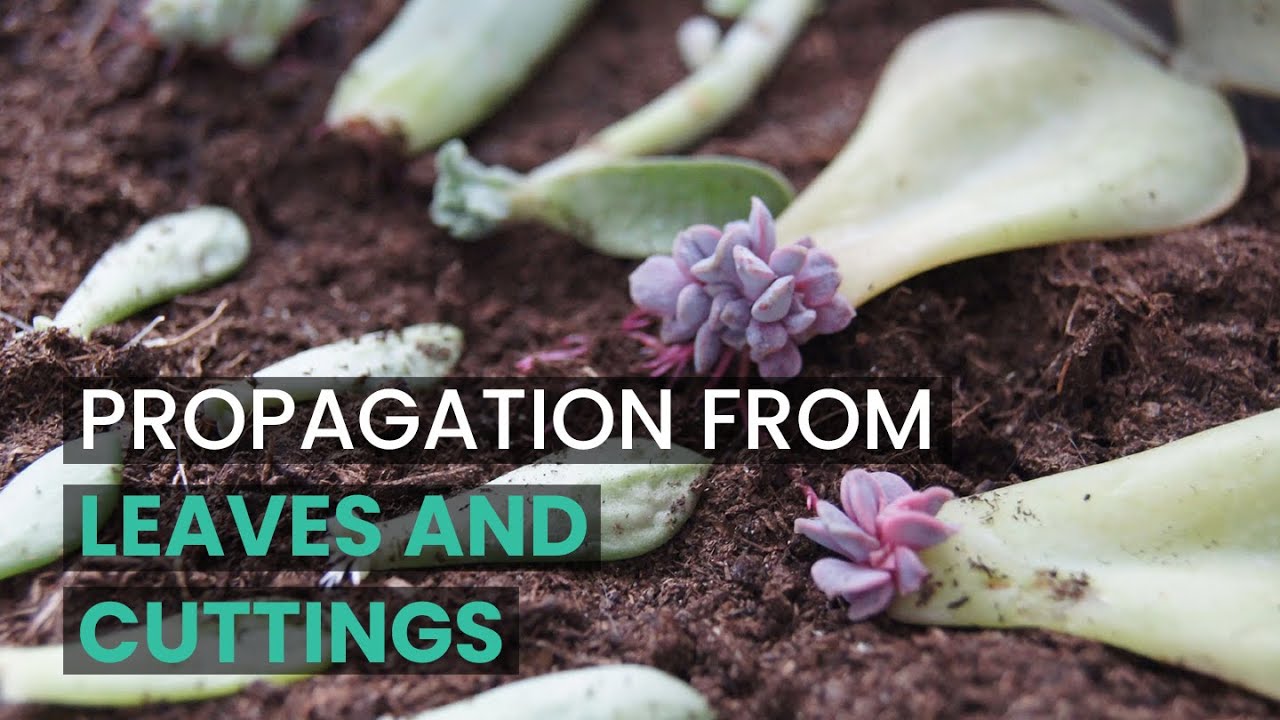
Succulents, with their diverse shapes, sizes, and textures, offer a captivating array of choices for any plant enthusiast. Understanding the specific needs of different succulent varieties ensures optimal growth and vibrant health. This section delves into the unique care requirements for various succulent types, highlighting common challenges and providing practical solutions.
Diverse Succulent Types and Their Care Needs
Different succulent species have varying needs, influenced by their native habitats and evolutionary adaptations. Some thrive in bright, direct sunlight, while others prefer filtered light. Watering frequency and soil composition also differ significantly, impacting overall health and aesthetics.
Care Requirements for Specific Succulent Species
This section explores the care requirements for several popular succulent types. Comparing and contrasting these species reveals valuable insights into the nuances of succulent care. Factors like light intensity, watering frequency, and temperature tolerances are crucial in maintaining the health and beauty of these fascinating plants.
Challenges and Solutions for Particular Succulent Types
Some succulents are more susceptible to specific challenges. Overwatering, for instance, can lead to root rot in many types, while insufficient light may cause etiolation. Understanding the typical challenges associated with specific succulent species allows for proactive solutions, preventing issues and promoting healthy growth.
Comprehensive List of Succulent Varieties and Care Guidelines
- Echeveria: These rosette-forming succulents prefer bright, indirect light and well-draining soil. Watering should be infrequent, allowing the soil to dry completely between waterings. Overwatering is a major concern for Echeveria.
- Sedum: Sedums are highly adaptable and come in a variety of forms, from trailing to upright. They generally tolerate full sun and infrequent watering. Regular pruning can encourage bushier growth.
- Haworthia: These succulents, with their distinctive patterns and textures, require bright, indirect light. Watering should be moderate, and allowing the soil to dry out between waterings is crucial. They are sensitive to temperature fluctuations.
- Aloe: Aloes, known for their medicinal properties, thrive in well-drained soil and require moderate to bright sunlight. Watering should be deep and infrequent, allowing the soil to dry thoroughly. These are generally drought-tolerant.
- Crassula: This diverse genus features various forms and colors. They are generally tolerant of various light conditions, though bright light encourages vibrant colors. Watering should be infrequent, and the soil should be allowed to dry completely before watering again.
Table Grouping Similar Succulent Varieties and Their Care Requirements
| Succulent Variety Group | Light Requirements | Watering Frequency | Soil Type | Temperature Tolerance |
|---|---|---|---|---|
| Echeveria, Sedum, Haworthia | Bright, indirect to full sun | Infrequent, allowing soil to dry completely | Well-draining, sandy soil | Moderate to warm temperatures |
| Aloe, Crassula | Moderate to bright sunlight | Infrequent, allowing soil to dry out | Well-draining, gritty soil | Tolerant of a wide range of temperatures |
Closing Summary
In conclusion, proper care for succulents involves understanding their unique needs and adapting your approach based on the specific variety. By meticulously considering light, water, soil, temperature, and humidity, you can cultivate a thriving collection of succulents. This guide provides a roadmap to nurturing these fascinating plants, ensuring their beauty and longevity. Enjoy the journey of succulent care!