Unlock the secrets of vibrant, healthy plants with natural fertilization techniques. This comprehensive guide delves into the benefits of nourishing your garden without harmful chemicals. We’ll explore the fundamental principles of natural plant care, from understanding soil health to selecting the right natural fertilizers for specific plant needs. Learn how to create a thriving garden ecosystem through sustainable practices.
Discover the diverse world of natural fertilizers, including compost, manure, and seaweed, and how to effectively incorporate them into your gardening routine. We’ll provide practical tips and detailed explanations to help you achieve optimal plant growth and a healthy, flourishing garden.
Introduction to Natural Plant Fertilization
Natural plant fertilization utilizes organic materials to nourish plants, offering a sustainable and environmentally friendly alternative to synthetic fertilizers. This approach focuses on enriching the soil and promoting healthy microbial activity, leading to stronger, healthier plants and a more vibrant ecosystem. The benefits extend beyond the garden, as natural fertilization practices support soil health, reduce reliance on harmful chemicals, and contribute to a more sustainable agricultural system.The fundamental principles behind natural plant fertilization revolve around nutrient cycles and soil health.
Healthy soil is teeming with beneficial microorganisms that break down organic matter, releasing essential nutrients for plant uptake. This natural process mirrors the nutrient cycles found in nature, promoting a harmonious balance within the ecosystem. Focusing on soil health is paramount; healthy soil supports a thriving network of beneficial organisms, creating an environment where plants can flourish naturally.
Natural Fertilizer Types and Sources
Various organic materials can serve as natural fertilizers, each contributing unique nutrients to the soil. Understanding the source and benefits of each type is crucial for successful gardening.
Common Natural Fertilizers
This table presents a comparative overview of common natural fertilizers, highlighting their source, benefits, and potential drawbacks.
| Fertilizer Type | Source | Benefits | Drawbacks |
|---|---|---|---|
| Compost | Decomposed organic matter (food scraps, yard waste) | Excellent source of macronutrients and micronutrients; improves soil structure and drainage; enhances water retention; supports beneficial soil organisms. | Requires time to decompose; can vary in nutrient content depending on the composition; may attract pests if not managed properly. |
| Manure | Animal waste (cow, horse, poultry) | Rich in nutrients, particularly nitrogen, phosphorus, and potassium; improves soil structure and fertility; can stimulate microbial activity. | May contain pathogens if not properly composted; can have strong odors; needs careful application to avoid nutrient burn. |
| Green Manure | Rapidly growing plants (clover, rye, oats) | Adds organic matter and nutrients to the soil; improves soil structure and fertility; suppresses weeds; helps prevent erosion. | Requires careful timing of planting and tilling; may not be suitable for all garden environments. |
| Seaweed | Dried seaweed | Rich in micronutrients, including iron, magnesium, and calcium; promotes healthy plant growth; enhances nutrient uptake. | Can be expensive; needs proper application to avoid salt buildup in the soil. |
Understanding Soil Health and Nutrient Needs
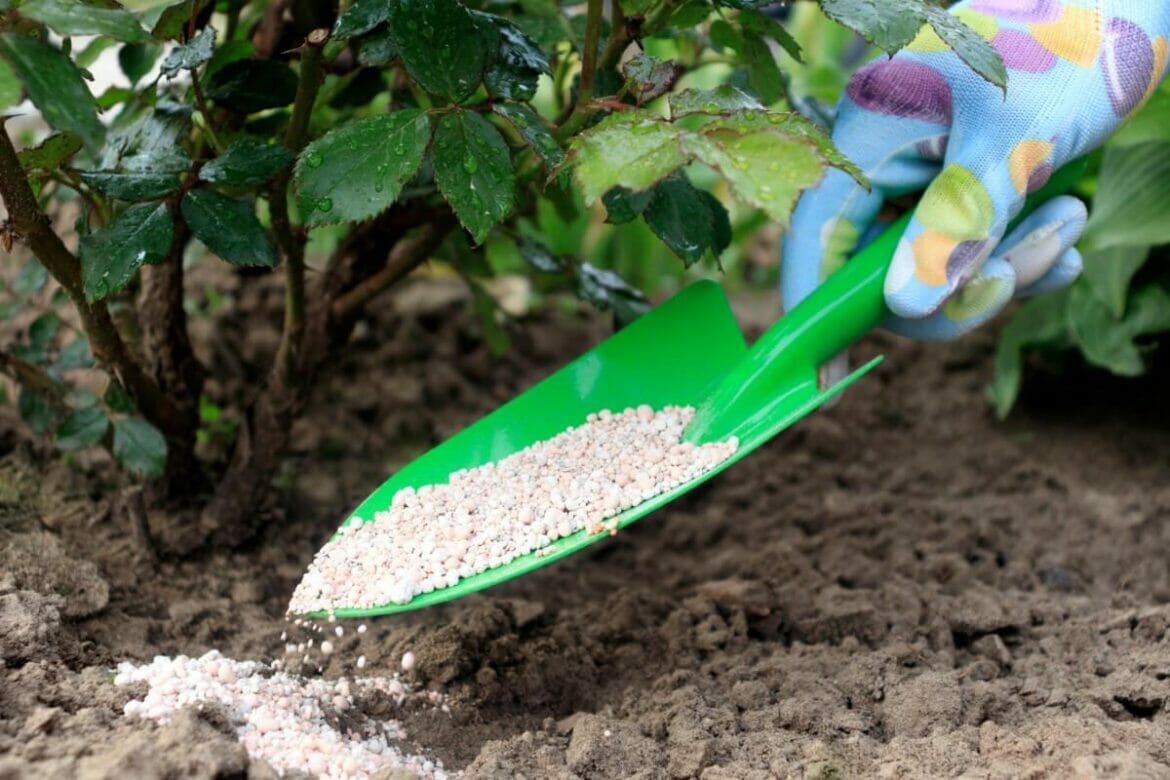
A crucial aspect of natural plant fertilization is understanding the intricate relationship between soil health and plant nutrient uptake. Healthy soil, teeming with beneficial organisms and possessing the right physical structure, is essential for optimal plant growth and development. This section delves into the importance of soil composition, testing methods, and the vital roles of soil microorganisms in supporting plant nutrition.Soil composition significantly impacts nutrient availability and plant growth.
The proper balance of minerals, organic matter, and water retention capacity influences the types and amounts of nutrients plants can absorb. Understanding this interplay is key to tailoring natural fertilization strategies to specific soil conditions.
Soil Composition and Nutrient Availability
Soil composition comprises various components, including minerals, organic matter, water, and air. The relative proportions of these components significantly influence nutrient retention and availability to plants. Organic matter, derived from decomposing plant and animal material, plays a vital role in enhancing soil structure, water retention, and nutrient cycling. Well-structured soil with adequate pore spaces facilitates the movement of water and air, promoting root growth and microbial activity.
Soil Testing for pH and Nutrient Deficiencies
Regular soil testing is essential to identify potential pH imbalances and nutrient deficiencies. Testing kits are readily available and provide valuable information about the soil’s chemical composition. pH levels significantly impact nutrient availability. For instance, an acidic soil might hinder the uptake of certain nutrients like calcium, while alkaline soil might limit the availability of others like iron.
Nutrient deficiencies can manifest as stunted growth, discoloration, or other visual cues in plants. Understanding these deficiencies allows for targeted application of natural fertilizers to address specific needs.
Beneficial Microorganisms in Soil Health
Beneficial microorganisms, such as bacteria and fungi, play a crucial role in nutrient cycling within the soil. They decompose organic matter, releasing essential nutrients into the soil solution, making them available for plant uptake. These microorganisms also improve soil structure and water retention, enhancing the overall health of the soil environment. For example, mycorrhizal fungi form symbiotic relationships with plant roots, extending the root system and enhancing nutrient absorption.
These beneficial relationships are essential for natural plant fertilization strategies.
Soil Structure and Nutrient Availability
Soil structure, encompassing the arrangement of soil particles, significantly influences nutrient availability. Well-aggregated soil, with a mix of sand, silt, and clay particles, provides ample pore spaces for water and air circulation. This favorable structure promotes root development and the activity of beneficial soil microorganisms, leading to enhanced nutrient uptake. Conversely, compacted soil restricts root growth and reduces nutrient availability.
Maintaining a healthy soil structure is crucial for successful natural fertilization.
Comparison of Soil Types and Suitability for Natural Fertilization
| Soil Type | Composition | Nutrient Availability | Suitability for Natural Fertilization |
|---|---|---|---|
| Sandy Soil | High proportion of sand particles | Low water retention, nutrients leach easily | Requires frequent organic matter additions and mulching to retain moisture and nutrients |
| Clay Soil | High proportion of clay particles | High water retention, nutrients can become unavailable due to compaction | Requires amendments like organic matter to improve drainage and aeration; suitable for slow-release fertilizers |
| Loamy Soil | Balanced proportions of sand, silt, and clay | Good water retention and aeration, nutrients readily available | Generally well-suited for most natural fertilization methods |
Common Natural Fertilizers
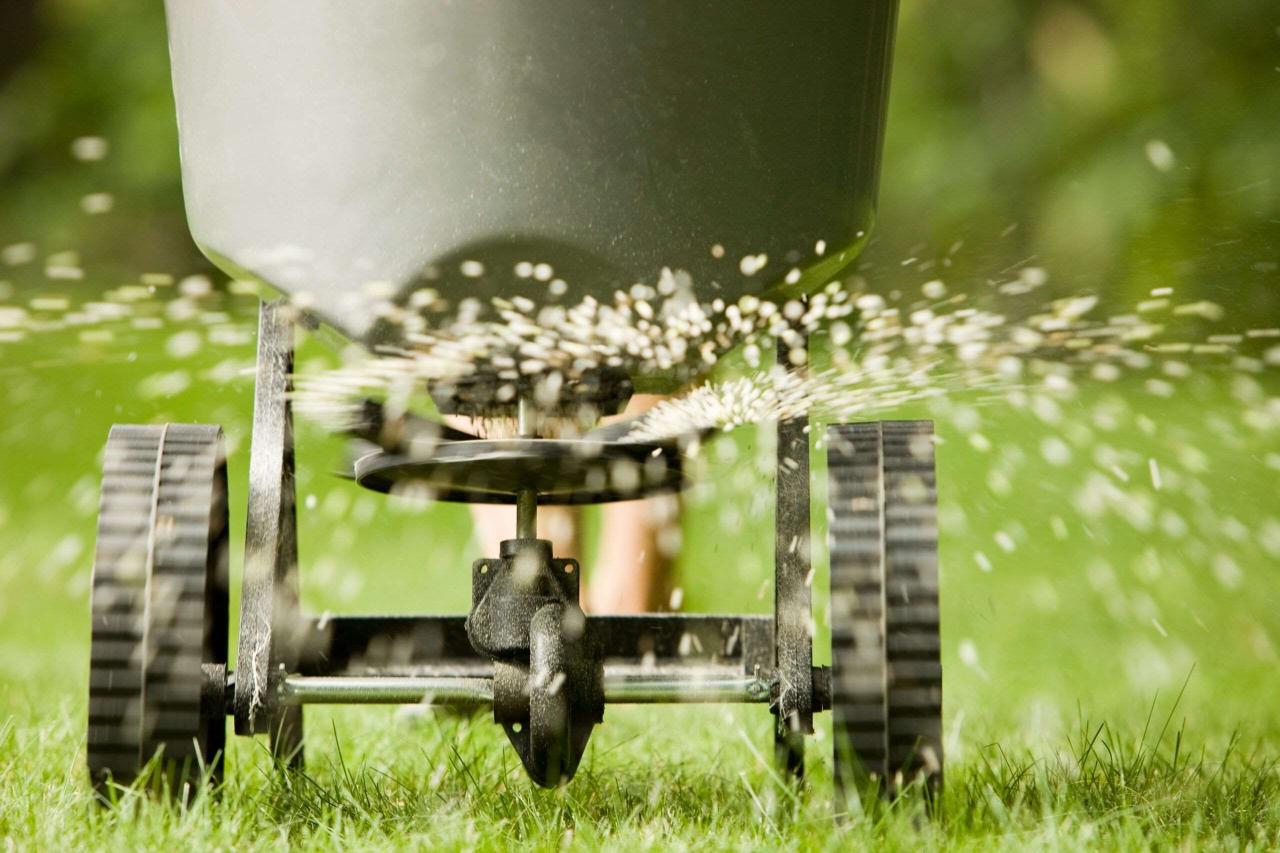
Natural fertilizers offer a sustainable and environmentally friendly approach to nourishing plants. These organic materials enrich the soil, improve its structure, and provide essential nutrients for healthy plant growth. Understanding the various types of natural fertilizers and their specific benefits allows gardeners and farmers to tailor their fertilization strategies to individual plant needs.
Compost
Compost is a valuable natural fertilizer derived from decomposing organic matter. It is a rich source of nutrients, including nitrogen, phosphorus, and potassium. Compost significantly improves soil structure, enhancing its water retention capacity and aeration. Its dark color helps retain soil heat, contributing to a favorable environment for plant growth. The process of composting breaks down complex organic molecules into simpler forms readily absorbed by plants.
Manure
Manure, derived from animal waste, is a potent source of plant nutrients. Different types of manure offer varying nutrient profiles. Cow manure, for instance, is generally rich in nitrogen and phosphorus, while horse manure typically contains a higher proportion of potassium. Poultry manure is known for its high nitrogen content, making it a valuable fertilizer for leafy vegetables.
Properly composted manure minimizes potential odors and pathogens. Care must be taken to avoid over-application, which can lead to nutrient burn or soil imbalances.
Green Manure Crops
Green manure crops are fast-growing plants specifically cultivated for improving soil health. These crops are plowed into the soil, where they decompose, enriching the soil with organic matter and essential nutrients. Leguminous plants, like clover and beans, are particularly effective at fixing atmospheric nitrogen, making it available to other plants. This natural nitrogen fixation reduces the need for synthetic nitrogen fertilizers.
Rotating green manure crops with other plants can improve soil fertility and reduce pest and disease pressure.
Seaweed
Seaweed is a remarkable natural fertilizer, providing a wealth of nutrients and growth-promoting substances. It’s a rich source of trace elements and minerals crucial for plant health. Seaweed extracts and powders are readily available, making them convenient for use. Seaweed applications often stimulate root development and enhance plant resistance to stress. The use of seaweed as a fertilizer can contribute to healthier and more resilient plant growth.
Bone Meal and Fish Emulsion
Bone meal, derived from processed animal bones, is a valuable source of phosphorus, essential for root development and flowering. Fish emulsion, derived from fish byproducts, is a potent source of nitrogen, supporting healthy foliage growth. These natural fertilizers are often used in combination with other organic materials to provide a balanced nutrient profile for specific plant needs. Care must be taken to ensure proper application rates to avoid nutrient imbalances.
Effectiveness for Different Plant Types
The effectiveness of natural fertilizers can vary depending on the specific plant type. For example, plants with high nitrogen requirements, like leafy greens, might benefit more from manure or fish emulsion. Plants requiring more phosphorus, like flowering plants, might respond better to bone meal. A balanced approach, incorporating a variety of natural fertilizers tailored to the specific needs of the plants being cultivated, is often the most effective strategy.
Nutritional Content of Natural Fertilizers
| Fertilizer | Nitrogen (%) | Phosphorus (%) | Potassium (%) |
|---|---|---|---|
| Compost | 0.5-2.0 | 0.2-1.0 | 0.5-1.5 |
| Cow Manure | 0.5-1.5 | 0.2-0.8 | 0.2-0.5 |
| Seaweed Extract | 0.2-1.0 | 0.1-0.5 | 0.1-0.4 |
| Bone Meal | 0.2-0.5 | 10-20 | 0.2-0.5 |
| Fish Emulsion | 2-5 | 0.2-1.0 | 0.2-0.5 |
Note: Values are approximate and can vary depending on the specific source and processing method.
Applying Natural Fertilizers Effectively
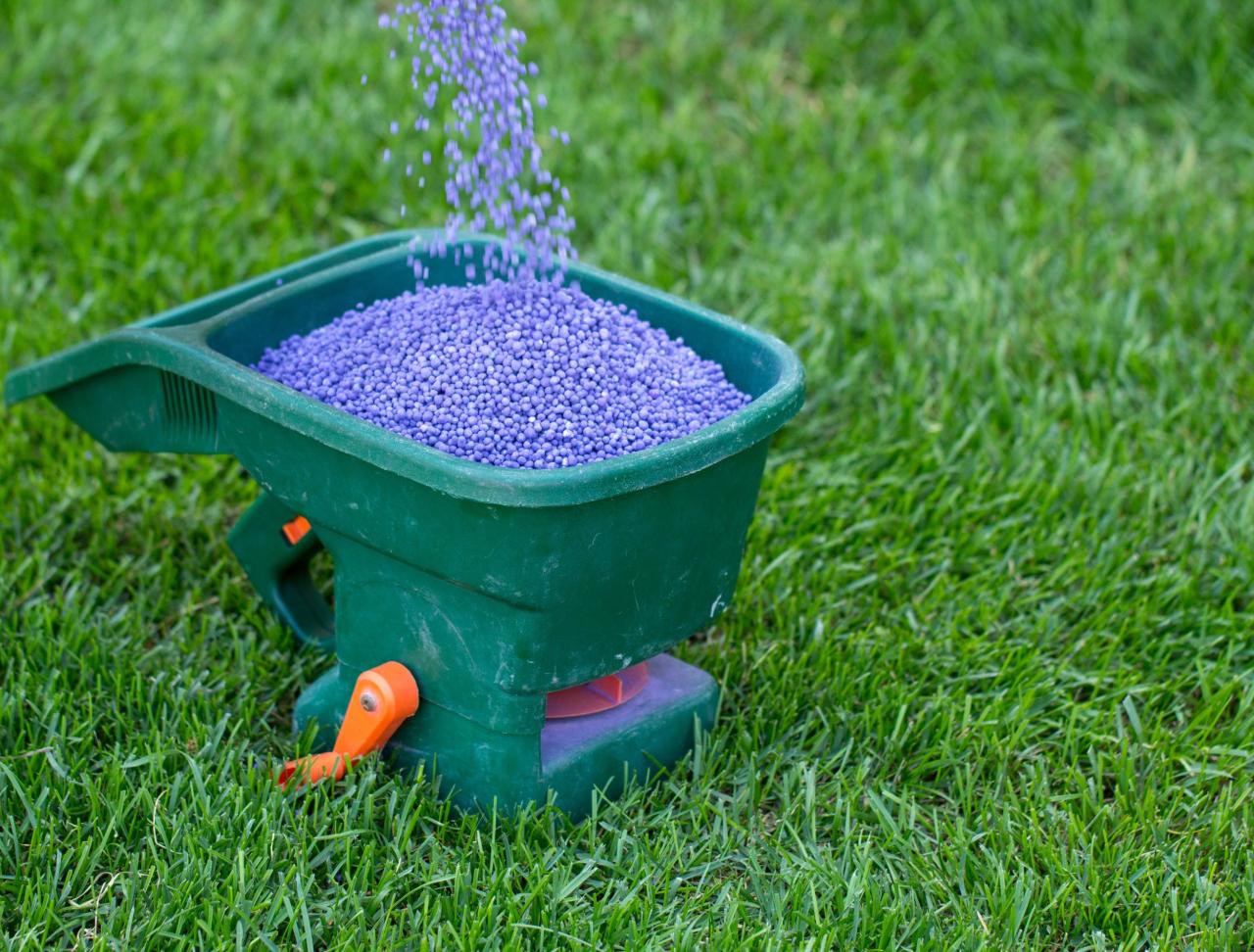
Applying natural fertilizers correctly is crucial for maximizing their benefits and ensuring healthy plant growth. Proper application techniques, timing, and frequency, along with post-application care, are essential for optimizing plant nutrient uptake and preventing potential issues. This section details the effective methods for incorporating various natural fertilizers into your gardening routine.
Incorporating Compost into the Soil
Compost is a valuable soil amendment that improves soil structure, water retention, and nutrient availability. Effective incorporation enhances its benefits. To properly incorporate compost, begin by determining the desired depth of incorporation. A general guideline is 2-4 inches. Then, carefully till the soil to the desired depth, ensuring that the compost is evenly distributed.
Avoid over-tilling, as this can disrupt beneficial soil organisms. For established gardens, incorporating compost can be achieved by gently mixing it into the top layer of soil using a garden fork or spade. This method helps maintain the existing soil structure.
Applying Manure-Based Fertilizers
Manure-based fertilizers, such as cow or chicken manure, provide essential nutrients to plants. Application methods depend on the type of manure and the plant’s needs. Fresh manure should be well-composted before application to avoid burning plant roots. Apply composted manure to the soil surface, ensuring an even distribution. Incorporate it into the top few inches of soil.
For established plants, a light sprinkling around the base of the plants is often sufficient. Avoid direct contact with plant stems to prevent potential burning.
Timing and Frequency of Application
The ideal timing and frequency of applying natural fertilizers depend on the specific plant and the fertilizer type. For instance, slow-release fertilizers like compost may be applied less frequently, while manure may need more frequent application. Observe your plants’ needs and adjust the application accordingly. Generally, applying natural fertilizers during the growing season is ideal. Monitor your plants closely for signs of nutrient deficiencies or excesses.
Adjust the application schedule based on these observations. Regular monitoring is key to ensuring optimal plant health.
Proper Watering After Application
Thorough watering after applying natural fertilizers is essential for ensuring proper nutrient uptake. Water thoroughly to dissolve the nutrients and encourage their absorption by the plant roots. This process helps prevent fertilizer salts from accumulating on the soil surface and potentially damaging plant roots. Avoid overwatering, as excessive moisture can also hinder nutrient uptake. Aim for consistent moisture, not waterlogging.
Benefits of Mulching
Mulching is a valuable practice for retaining soil moisture and nutrients, reducing weed growth, and regulating soil temperature. Mulch materials, such as wood chips or straw, create a protective layer around the plants. This layer helps to retain moisture, preventing rapid evaporation and maintaining consistent soil moisture levels. Furthermore, mulch helps to suppress weed growth, reducing competition for nutrients and water.
This practice conserves water resources and contributes to healthier plant growth.
Step-by-Step Guide for Applying Natural Fertilizers
- Assess the plant’s needs and the type of natural fertilizer to be used.
- Prepare the soil by loosening the top layer and incorporating the fertilizer appropriately. Ensure an even distribution of the fertilizer.
- Water the area thoroughly after application to dissolve the nutrients and encourage uptake.
- Monitor the plant’s growth and adjust the application schedule as needed.
- Apply a layer of mulch to retain moisture and suppress weeds.
Application Methods for Various Fertilizers
| Fertilizer | Application Method | Frequency |
|---|---|---|
| Compost | Incorporate into the top few inches of soil; sprinkle around the base of established plants | Every 2-4 months or as needed |
| Manure (composted) | Sprinkle around the base of plants; incorporate into the top layer of soil | Every 3-6 months or as needed |
| Bone Meal | Scatter around the base of plants; mix into the top few inches of soil | Once every 2-3 months |
| Wood Ashes | Scatter around the base of plants; avoid direct contact with stems | Every 6-12 months |
Troubleshooting Common Issues with Natural Fertilization
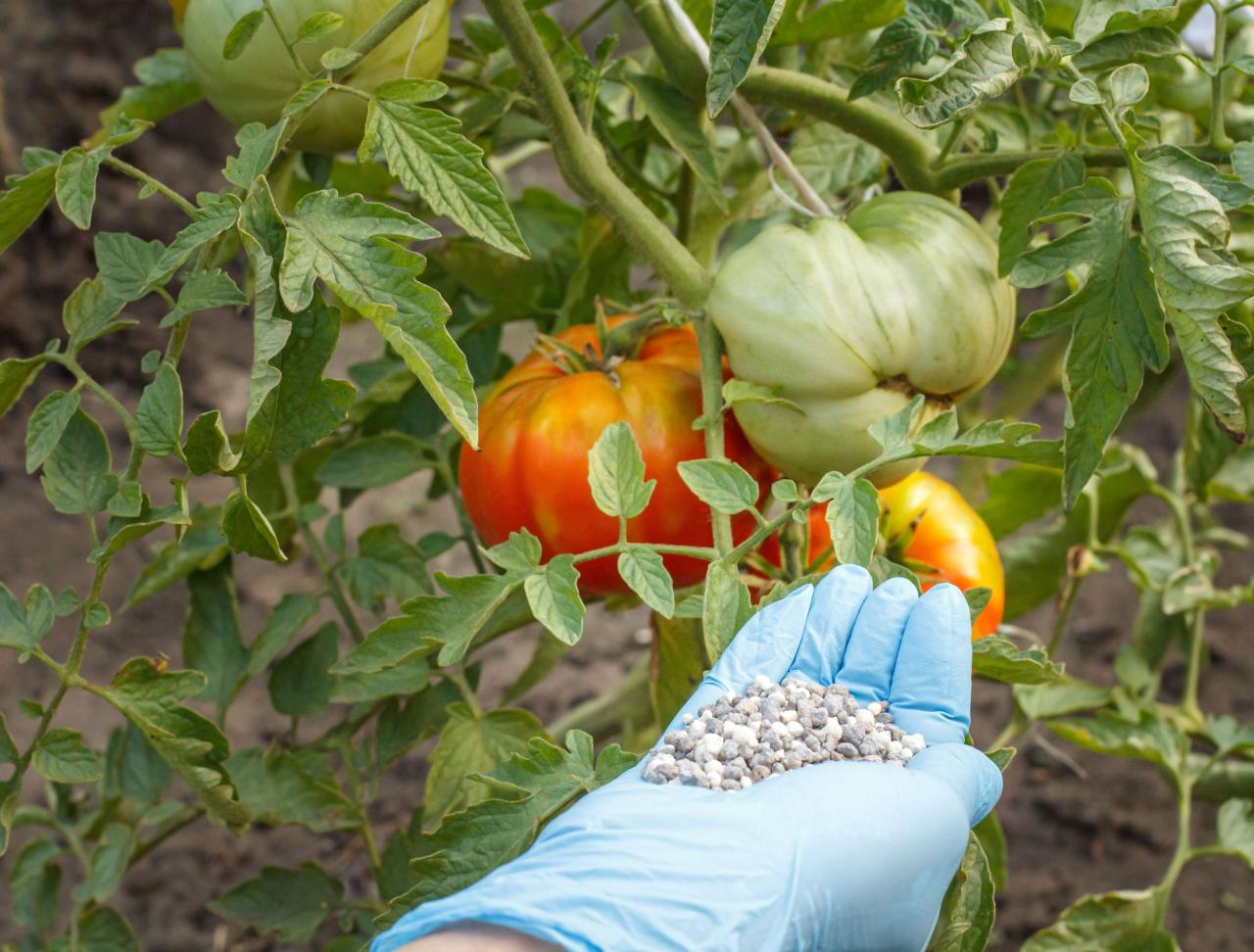
Natural fertilization, while beneficial for plant health, can sometimes present challenges. Understanding potential problems and their solutions is crucial for maintaining thriving, healthy plants. This section details common issues that may arise and offers practical strategies for addressing them effectively.Troubleshooting involves identifying the specific problem, determining its cause, and implementing appropriate solutions, often focusing on restoring soil health and plant vigor.
Nutrient Deficiencies
Nutrient deficiencies in plants are often a result of imbalances in the soil’s nutrient profile. A thorough understanding of the specific needs of each plant species and the composition of the natural fertilizer used is essential. A deficiency in one or more essential nutrients can manifest as stunted growth, discoloration of leaves, and reduced flowering or fruiting.Diagnosing nutrient deficiencies often involves careful observation of the plant’s overall appearance and the specific symptoms displayed.
For instance, yellowing leaves can indicate a lack of nitrogen, while purplish leaves might signal a deficiency in phosphorus.Implementing natural remedies for nutrient deficiencies involves amending the soil with nutrient-rich organic matter. Compost, aged manure, and seaweed extracts are excellent sources of essential nutrients. Targeted applications of specific natural fertilizers, like bone meal for phosphorus or kelp meal for micronutrients, can also be beneficial.
Regular soil testing can help determine the specific nutrient deficiencies and guide the selection of appropriate amendments.
Pest and Disease Management
Maintaining a healthy soil environment is vital in preventing pest and disease issues in naturally fertilized plants. A healthy soil ecosystem supports beneficial organisms that naturally control pests and diseases.Implementing preventive measures like proper plant spacing, good air circulation, and avoiding overwatering are crucial. A diverse, healthy soil environment will often discourage pests and diseases. When infestations do occur, consider using natural pest control methods such as neem oil, insecticidal soap, or beneficial insects like ladybugs.Early detection and prompt intervention are key to controlling diseases or pests.
Observe plants regularly for any signs of unusual growth patterns, discoloration, or insect activity. If a pest or disease is identified, isolate the affected plants to prevent further spread. Research the specific pest or disease and implement appropriate natural control measures.
Table of Plant Problems and Natural Remedies
| Plant Problem | Possible Natural Remedies |
|---|---|
| Yellowing leaves (chlorosis) | Amend soil with compost or aged manure, use iron sulfate or Epsom salts solution, add kelp meal |
| Stunted growth | Apply compost tea or other nutrient-rich solutions, ensure adequate watering and sunlight, check for compaction or drainage issues |
| Leaf spots or fungal diseases | Improve air circulation around plants, avoid overhead watering, use neem oil or other natural fungicides, increase soil drainage |
| Aphids or other insect infestations | Introduce beneficial insects like ladybugs or lacewings, use insecticidal soap or neem oil, plant companion plants that repel pests |
| Root rot | Ensure proper drainage, improve soil aeration, reduce overwatering, use well-composted soil mix |
Specific Plant Needs and Fertilization Strategies
Tailoring natural fertilization to specific plant types is crucial for optimal growth and yield. Understanding the unique nutrient requirements of various plant families, and selecting appropriate natural fertilizers, can significantly enhance plant health and overall garden success. This section explores the diverse needs of different plants and offers practical strategies for meeting them through natural means.
Plant Family-Specific Nutrient Needs
Different plant families have varying nutrient requirements. Vegetables, for example, often need higher levels of nitrogen for robust leaf growth and fruit production. Flowers, on the other hand, may benefit more from potassium for vibrant color and bloom development. Herbs often require balanced nutrition to maintain their characteristic flavor profiles. Recognizing these differences allows for targeted fertilization strategies.
Choosing the Right Natural Fertilizers
The selection of natural fertilizers should be based on the specific nutrient needs of the plant. Compost, rich in various essential nutrients, is a versatile option suitable for a wide range of plants. Bone meal, a source of phosphorus, is beneficial for root development and flowering. Manure, with its diverse nutrient content, can be particularly valuable for vegetable gardens.
Careful consideration of the fertilizer’s nutrient profile is paramount to ensure it meets the specific needs of each plant variety.
Comparing Effects of Natural Fertilizers on Plant Growth
The effects of different natural fertilizers on plant growth can vary. For instance, using compost as a soil amendment can improve soil structure, water retention, and aeration, leading to healthier root systems and overall plant vigor. Bone meal can promote robust root development and enhance flowering in many plant varieties. Manure, with its rich nutrient content, can lead to accelerated growth and increased yield in vegetables.
Observation of plant responses over time provides valuable insights into the effectiveness of different fertilizers.
Methods for Providing Specific Nutrients
Foliar sprays can deliver specific nutrients directly to plant leaves, bypassing the need for soil absorption. This method can be particularly effective for plants exhibiting deficiencies in certain nutrients. Solutions made from natural sources like kelp extract or fish emulsion can be applied directly to the foliage, delivering essential nutrients rapidly. However, it’s crucial to follow the manufacturer’s instructions for safe and effective application.
Fertilizer Requirements for Specific Plant Types
| Plant Type | Primary Nutrient Needs | Suitable Natural Fertilizers | Specific Considerations |
|---|---|---|---|
| Vegetables (e.g., tomatoes, peppers) | High nitrogen, moderate phosphorus, potassium | Compost, manure, blood meal | Ensure balanced nutrient supply for robust growth and fruit production. |
| Flowers (e.g., roses, petunias) | Moderate nitrogen, high phosphorus, potassium | Compost, bone meal, seaweed extract | Focus on potassium for vibrant blooms and strong stems. |
| Herbs (e.g., basil, rosemary) | Balanced nutrients, with slight variations depending on species | Compost, kelp meal, fish emulsion | Maintain flavor profile by avoiding excessive nitrogen. |
| Trees and Shrubs | Moderate nitrogen, moderate phosphorus, potassium | Compost, manure, seaweed extract | Deep watering and mulch application are important for healthy growth. |
Maintaining Soil Health for Long-Term Natural Fertilization
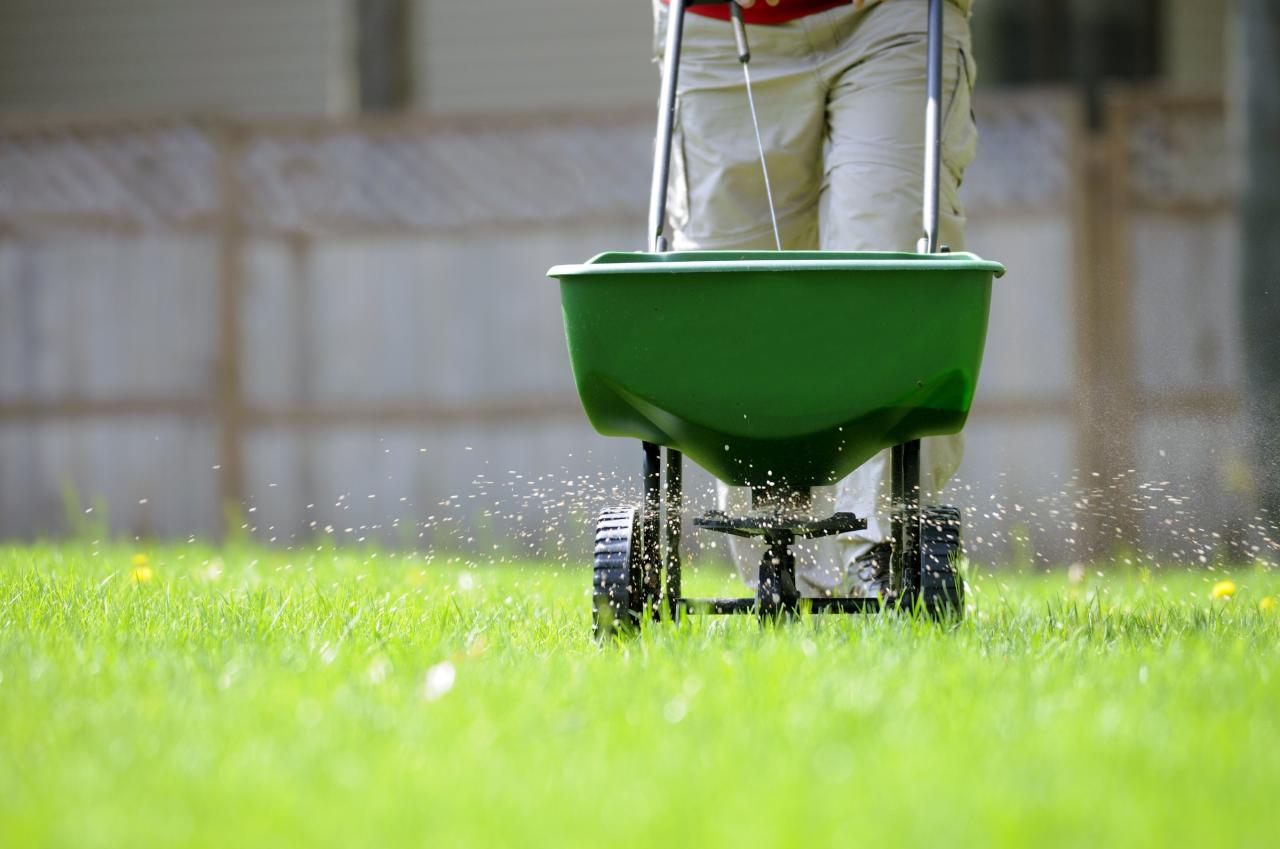
Sustaining healthy soil is crucial for long-term success in natural plant fertilization. Healthy soil provides the necessary nutrients and structure for vigorous plant growth, minimizing the need for external inputs. This involves a holistic approach that considers soil structure, erosion prevention, nutrient management, and the integration of various practices.
Soil Structure Maintenance
Maintaining optimal soil structure is paramount for water infiltration, aeration, and root development. Healthy soil structure allows for proper water drainage, preventing waterlogging, and ensures adequate air circulation, which are essential for microbial activity. Practices like adding organic matter, such as compost, manure, or cover crops, significantly improve soil structure by increasing the amount of organic matter. This enhances soil aggregation, creating larger pores for better water and air movement.
Erosion Prevention Methods
Soil erosion is a significant threat to soil health and agricultural productivity. Effective erosion prevention measures are vital for sustaining soil fertility and preventing nutrient loss. These measures include contour farming, terracing, and the use of cover crops. Contour farming involves planting crops along the natural contours of the land, slowing water runoff and reducing erosion. Terracing creates level platforms on sloping land to capture water and prevent soil loss.
Cover crops, with their extensive root systems, help bind the soil and reduce the impact of raindrops, effectively mitigating erosion.
Crop Rotation in Natural Fertilization
Crop rotation is a fundamental practice in natural fertilization that promotes soil health. Different crops have varying nutrient requirements and influence the soil’s microbial community. Rotating crops helps maintain soil fertility by preventing nutrient depletion in specific areas and fostering a more balanced soil ecosystem. For example, legumes, like beans and peas, enrich the soil with nitrogen, while other crops like corn may deplete certain nutrients.
Rotating these crops prevents imbalances and promotes soil health over time.
Nutrient Depletion Avoidance
Nutrient depletion can negatively impact plant growth and overall soil health. Avoiding nutrient depletion involves using practices that replenish soil nutrients. Crop rotation, as mentioned earlier, helps prevent the depletion of specific nutrients by distributing nutrient demands across different crops. Adding organic matter, such as compost or manure, provides a continuous supply of nutrients to the soil.
Cover Cropping for Soil Health
Cover crops are crucial for maintaining soil health and promoting natural fertilization. Cover crops, planted between cash crops, contribute to soil fertility by improving soil structure, preventing erosion, and enhancing nutrient cycling. They also suppress weeds, reducing the need for herbicides. Their extensive root systems help improve soil aggregation, leading to better water infiltration and drainage. The decomposition of cover crops returns organic matter to the soil, improving its overall health and fertility.
No-Till Farming Techniques
No-till farming is a soil conservation method that leaves crop residues on the soil surface. This practice helps maintain soil structure, reduce erosion, and improve water infiltration. By minimizing soil disturbance, no-till farming preserves the soil’s beneficial microbial community. The residue acts as a mulch, preventing soil crusting and enhancing water retention. This method also reduces fuel consumption and soil compaction.
Benefits of Soil Health Maintenance Practices
| Practice | Benefits |
|---|---|
| Organic Matter Addition | Improved soil structure, increased water retention, enhanced nutrient availability, and boosted microbial activity. |
| Crop Rotation | Reduced nutrient depletion, improved soil health, and pest and disease control. |
| Cover Cropping | Erosion control, nutrient cycling, weed suppression, and improved soil structure. |
| No-Till Farming | Reduced soil erosion, enhanced water infiltration, and preservation of soil structure. |
Final Wrap-Up
In conclusion, this guide provides a roadmap for achieving a flourishing garden through natural fertilization. By understanding soil health, selecting appropriate natural fertilizers, and applying them correctly, you can cultivate a vibrant and thriving garden ecosystem. This approach not only benefits your plants but also contributes to a more sustainable and environmentally friendly gardening practice.