Bougainvillea, renowned for its vibrant blooms, can thrive in pots, offering a beautiful addition to any garden or home. This comprehensive guide delves into the essentials of growing these stunning plants, from selecting the perfect pot and soil to mastering pruning techniques and preventing common problems. Discover the secrets to cultivating thriving bougainvillea, transforming your outdoor space into a vibrant spectacle.
We’ll cover everything from choosing the right pot size and soil type, crucial for optimal drainage, to understanding the ideal light and temperature requirements for your bougainvillea. Watering, fertilizing, and pruning techniques will also be explored, ensuring your bougainvillea reaches its full potential. Further, we’ll tackle common pests and diseases and offer advanced techniques for maximizing growth, helping you to grow your own vibrant bougainvillea in pots.
Choosing the Right Pot and Soil
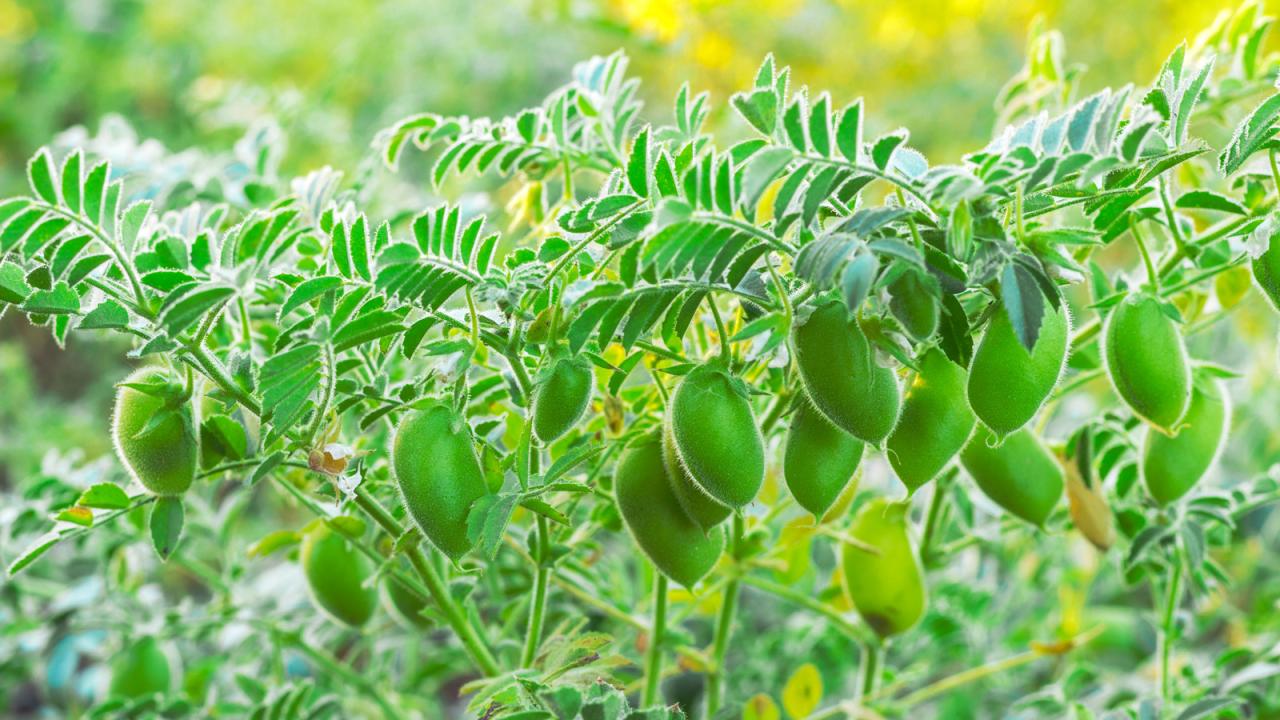
Bougainvillea, with their vibrant flower bracts, thrive in well-drained soil and appropriate pot sizes. Proper pot selection and soil composition are crucial for their healthy growth and blossoming. This section details the essential factors to consider when choosing the right pot and soil for your bougainvillea.
Pot Size Selection
The size of the pot directly impacts the bougainvillea’s growth and development. A pot that is too small will restrict root growth, hindering overall plant health. Conversely, a pot that is too large may retain excessive moisture, leading to root rot. The optimal pot size should accommodate the plant’s root system while allowing for future growth.For young, smaller bougainvillea plants, a 6-inch pot is generally sufficient.
As the plant matures and its root system expands, gradually increase the pot size to 8-10 inches, or even larger depending on the desired size. Experienced growers may opt for larger pots right away, to facilitate faster growth.
Potting Mix Composition
Bougainvillea thrives in well-drained potting mixes that allow air and water to circulate effectively around the roots. A well-balanced potting mix ensures proper aeration, nutrient availability, and moisture retention, vital for optimal growth.
Drainage Considerations
Adequate drainage is paramount for preventing root rot, a common issue with bougainvillea. Ensure the pot has sufficient drainage holes to allow excess water to escape. Inspecting the pot for drainage holes is crucial.
Checking for Drainage Holes
Thoroughly examine the pot for drainage holes. They should be numerous and evenly spaced around the pot’s base. Avoid using pots without adequate drainage, as this can lead to waterlogging and damage to the plant’s root system.
Comparison of Potting Mixes
| Potting Mix | Composition | Pros | Cons |
|---|---|---|---|
| Standard Potting Mix | A blend of peat moss, perlite, and vermiculite. | Relatively inexpensive and readily available. | Can retain too much moisture, potentially leading to root rot. |
| Soilless Mix | A blend of coco coir, perlite, and vermiculite. | Excellent drainage and aeration, promotes rapid root growth. | Can be more expensive than standard potting mixes. |
| Bark-Based Mix | Consists of composted bark, perlite, and sand. | Excellent drainage and aeration. | Can sometimes be low in nutrients and require supplemental feeding. |
The table above highlights various potting mixes, emphasizing the importance of drainage properties. Choosing the right mix ensures optimal root health and overall plant development.
Light and Temperature Requirements
Bougainvillea thrives in bright, sunny conditions, and maintaining appropriate temperatures is crucial for healthy growth and vibrant blooms. Understanding these requirements will significantly impact the success of your potted bougainvillea. Optimal light and temperature conditions promote robust foliage and encourage the production of spectacular flower bracts.Proper light and temperature management is essential for healthy bougainvillea growth, directly impacting the plant’s vigor and its ability to produce vibrant blooms.
Maintaining these conditions ensures that the plant can effectively photosynthesize, support its growth, and produce its showy bracts.
Ideal Light Conditions
Bougainvillea are sun-loving plants and require ample sunlight for optimal growth and flowering. Direct sunlight for at least six hours daily is generally recommended. Insufficient light can result in weak stems, sparse foliage, and fewer flowers. Exposure to prolonged periods of shade can hinder their growth and flowering capacity.
Optimal Temperature Range
Bougainvillea thrives in warm temperatures, ideally between 70°F (21°C) and 85°F (29°C). Temperatures below 50°F (10°C) can cause significant damage and even kill the plant. It is important to protect the plant from frost, as it is sensitive to cold weather. Exposure to prolonged periods of freezing temperatures can be detrimental.
Ensuring Sufficient Sunlight
For potted bougainvillea, ensuring adequate sunlight can be achieved through various strategies. Positioning the pot in a sunny window or patio area with ample exposure to direct sunlight is ideal. If direct sunlight is not readily available, consider using grow lights to supplement natural light. Grow lights can provide the necessary intensity and duration for optimal growth.
Furthermore, consider using reflective surfaces to increase the amount of light reaching the plant. Mirrors or reflective films can be strategically placed to redirect light towards the bougainvillea.
Adjusting Light Conditions
If your bougainvillea is not receiving sufficient light, you can adjust its position to a sunnier location. Gradually acclimating the plant to stronger light conditions is crucial to prevent leaf burn. For instance, start by placing the plant in a location with partial shade, gradually increasing the exposure to direct sunlight over a few days. This process prevents shock and ensures a smooth transition for the plant.
Conversely, if the plant is receiving too much direct sunlight, provide some shade during the hottest part of the day to prevent sunscald.
Ideal Light Intensity and Duration for Different Bougainvillea Varieties
| Bougainvillea Variety | Ideal Light Intensity (Hours/Day) | Ideal Light Duration (Hours/Day) |
|---|---|---|
| Paper Flower Bougainvillea | 6-8 | 6-8 |
| Brazilian Bougainvillea | 6-9 | 6-9 |
| Dwarf Bougainvillea | 6-8 | 6-8 |
| Trailing Bougainvillea | 6-9 | 6-9 |
This table provides a general guideline. Specific light requirements may vary based on the individual plant’s needs and the local climate conditions. Regular observation and adjustment of light exposure are vital for optimal growth.
Watering Techniques
Proper watering is crucial for the health and vibrant growth of potted bougainvillea. Consistent moisture levels, without oversaturation, are key to preventing root rot and promoting healthy blooms. Understanding the specific needs of your plant, considering factors like pot size and soil type, is essential for optimal care.
Watering Frequency
The frequency of watering depends on several factors. Pot size plays a significant role; larger pots retain moisture longer than smaller ones. Similarly, the type of potting mix influences how quickly the soil dries. Heavier soils hold water longer, while lighter, well-draining mixes dry out more rapidly. Weather conditions are also critical.
Hot, dry summers necessitate more frequent watering than cool, damp winters.
Recognizing Overwatering and Underwatering
Overwatering leads to waterlogged soil, suffocating the roots and potentially causing root rot. Signs of overwatering include yellowing leaves, limp stems, and the presence of fungal growth on the soil surface. Conversely, underwatering manifests as wilting leaves, dry, crumbly soil, and a generally droopy appearance. It is crucial to balance the watering schedule to prevent either extreme.
Importance of Allowing Soil to Dry Out
Allowing the soil to dry out between waterings is a fundamental aspect of bougainvillea care. This crucial step allows the roots to breathe and prevents root rot, a common issue for overwatered plants. Bougainvillea, like many other plants, thrive in soil that is consistently moist but not waterlogged. This approach promotes healthy root development and prevents the build-up of harmful pathogens.
Efficient Watering Methods
Various methods exist for watering potted bougainvillea efficiently. One approach involves using a watering can with a rose attachment to deliver water directly to the soil, minimizing water loss through splashing or runoff. Alternatively, you can use a soaker hose to gently saturate the soil. This method helps to deliver water deeply into the root zone. Another technique is to use a self-watering pot, which provides a constant moisture supply to the roots.
Watering Methods Summary
| Watering Method | Description | Suitability |
|---|---|---|
| Watering Can (Rose Attachment) | Delivers water directly to the soil. | Excellent for all pot sizes and soil types. |
| Soaker Hose | Gently saturates the soil, minimizing runoff. | Ideal for larger pots and heavy soils. |
| Self-Watering Pot | Provides a constant moisture supply. | Suitable for busy schedules or when consistent moisture is needed. |
Fertilizing and Feeding
Proper fertilization is crucial for bougainvillea’s vibrant growth and abundant flowering in pots. Consistent nourishment, tailored to the plant’s needs, encourages healthy development and keeps the plant thriving. A well-fed bougainvillea will produce a more impressive display of its characteristic showy bracts.
Importance of Fertilizing
Bougainvillea, especially when grown in containers, requires regular feeding to provide the essential nutrients for robust growth and spectacular blooms. Without adequate fertilization, the plant may exhibit signs of nutrient deficiency, such as stunted growth, pale foliage, and reduced flowering. A consistent supply of nutrients ensures the plant maintains its vigor and produces healthy, vibrant blossoms.
Optimal Fertilizer Types
Bougainvillea thrives on a balanced fertilizer formulated for flowering plants. A fertilizer with a higher phosphorus content is ideal, as phosphorus promotes flowering. Complete fertilizers containing nitrogen, phosphorus, and potassium in a balanced ratio are generally recommended. Organic fertilizers, derived from natural sources, can also be beneficial, promoting healthy soil conditions and providing a gradual release of nutrients.
Frequency of Fertilizing
The frequency of fertilizing depends on several factors, including the time of year, the plant’s growth stage, and the type of fertilizer used. For optimal results, fertilize bougainvillea regularly during the active growing season (spring and summer). Reduce or eliminate fertilization during the dormant period (fall and winter). Using a slow-release fertilizer can reduce the frequency of applications.
Strategies for Different Seasons
During the spring and summer, when bougainvillea is actively growing and flowering, fertilize every 2-4 weeks with a balanced liquid fertilizer diluted as per the product instructions. In the fall, reduce the frequency to once every 4-6 weeks. In winter, when the plant’s growth slows, cease fertilization to allow the plant to conserve energy.
Fertilizer Application Rates
| Fertilizer Type | Application Rate (per gallon of water) | Frequency (approx.) |
|---|---|---|
| Balanced Liquid Fertilizer | 1/2 teaspoon | Every 2-4 weeks (spring/summer) |
| Slow-Release Granular Fertilizer | 1 tablespoon (mixed with soil) | Every 6-8 weeks (spring/summer) |
| Organic Fertilizer (liquid) | 1/4 teaspoon | Every 3-4 weeks (spring/summer) |
Note: Always refer to the manufacturer’s instructions for specific application rates and dilution guidelines.
Pruning and Shaping
Bougainvillea, with their vibrant flower bracts, are known for their ability to create stunning displays. However, to maintain their shape and encourage continuous flowering, regular pruning is essential. Proper pruning techniques ensure a healthy, well-formed plant that thrives in its pot.Pruning is a vital part of bougainvillea care, shaping the plant’s structure and promoting the development of new growth, ultimately leading to more flowers.
Consistent pruning helps maintain the plant’s size and shape, preventing it from becoming overgrown or leggy. It also stimulates the production of new buds, resulting in a more compact and aesthetically pleasing plant.
Importance of Pruning
Pruning bougainvillea is crucial for several reasons. It helps maintain the desired shape and size of the plant within its pot. Regular pruning also encourages bushier growth and promotes more vigorous flowering. By removing dead or damaged stems, pruning prevents disease and pest infestations, ensuring the plant’s overall health. Removing old or overgrown stems allows for better light penetration to the interior of the plant, encouraging the growth of new, healthy stems and branches.
Pruning Techniques
Several techniques can be used to prune potted bougainvillea. Light pruning, typically involving the removal of a few inches of growth, is suitable for maintaining shape and encouraging flowering. Hard pruning, on the other hand, involves removing significant portions of the plant, typically done when the plant is overgrown or diseased.
Timing of Pruning
The optimal time for pruning bougainvillea is during the dormant season, typically in late winter or early spring. During this period, the plant is less actively growing, making it easier to prune without significantly impacting its health. Pruning during periods of active growth can be less effective and may stress the plant.
Step-by-Step Pruning Guide
- Gather your tools. You will need sharp pruning shears or a hand saw, depending on the size of the branches. Ensure your tools are clean and sharp to prevent the spread of disease.
- Inspect the plant. Identify any dead, diseased, or damaged branches. Also, evaluate the overall shape of the plant. Note any areas that need shaping or thinning.
- Prune the identified branches. Make clean cuts just above a node (where a leaf or branch emerges). This encourages new growth from the node.
- Remove any crossing or rubbing branches. These can create stress points on the plant and reduce the overall health.
- Trim the plant to maintain the desired shape and size. Consider the overall form of the plant when making these cuts.
- Apply a wound sealant to any open cuts. This will help prevent infection and promote healing.
Pruning Methods and Effectiveness
| Pruning Method | Description | Effectiveness |
|---|---|---|
| Light Pruning | Removal of a few inches of growth on existing branches | Excellent for maintaining shape and encouraging flowering |
| Hard Pruning | Removal of significant portions of the plant | Effective for rejuvenating overgrown or diseased plants, but may delay flowering |
| Selective Pruning | Removal of specific branches to control the plant’s shape and focus growth in desired areas | Ideal for creating a specific plant shape or addressing imbalances |
Propagation Methods
Bougainvillea, with its vibrant displays of bracts, is a popular choice for gardeners. Propagating bougainvillea from cuttings allows you to expand your collection or create new plants with the exact characteristics of your favorite specimens. This section will detail various propagation methods, their optimal timing, and the steps to successfully establish new plants.
Cuttings Methods
Different methods for taking bougainvillea cuttings can influence the success rate and the characteristics of the resulting plant. Each approach has its own set of advantages and considerations.
- Stem Cuttings: This method involves taking a section of stem from a healthy bougainvillea plant. Stem cuttings are generally the most common and effective method for propagating bougainvillea. They are suitable for a wide range of bougainvillea varieties and are relatively easy to execute.
- Leaf Cuttings: Using a leaf cutting for propagation is a less common approach. While it’s possible to propagate bougainvillea from a leaf cutting, it often requires more time and care compared to stem cuttings and may not always produce successful results. Leaf cuttings typically involve detaching a leaf with a small portion of stem from the plant. This method is less reliable than stem cuttings for creating new plants.
- Tip Cuttings: Taking tip cuttings involves removing the terminal end of a stem. Tip cuttings are particularly well-suited for propagating bougainvillea varieties known for their vigorous growth habit. The tip cuttings often produce strong, healthy plants with a more compact growth pattern.
Optimal Propagation Time
The ideal time for propagating bougainvillea cuttings is during the spring or early summer. This period coincides with the plant’s active growth phase, providing optimal conditions for root development and establishing new plants. Early spring allows for optimal root development in the cooler temperatures, while early summer provides sufficient sunlight for the cuttings to develop.
Preparing and Maintaining a Cutting
Proper preparation and maintenance of cuttings are critical for success. A healthy, actively growing stem is the key to a successful propagation. The cutting should be approximately 4-6 inches in length and should include several nodes. These nodes are crucial as they provide points for root development. Maintaining a moist environment is vital for successful root growth.
Using a well-draining potting mix and regular misting will create optimal conditions.
Table Comparing Propagation Methods
| Propagation Method | Success Rate | Challenges |
|---|---|---|
| Stem Cuttings | High (70-90%) | Requires careful handling and attention to detail. |
| Leaf Cuttings | Moderate (50-70%) | Often takes longer to establish roots compared to stem cuttings. |
| Tip Cuttings | High (80-95%) | The stem’s apical dominance may affect the plant’s overall growth habit. |
Successful propagation hinges on a combination of suitable environmental conditions, careful preparation of the cuttings, and consistent maintenance.
Common Pests and Diseases
Bougainvillea, despite their vibrant beauty, are susceptible to various pests and diseases that can impact their health and aesthetic appeal. Understanding these potential issues and implementing preventative measures is crucial for maintaining a thriving bougainvillea plant. Prompt identification and appropriate treatment are key to ensuring the long-term health and beauty of your plant.
Identifying Common Pests
Bougainvillea, like many plants, can attract a variety of pests. Early detection is vital to prevent infestations from spreading and causing significant damage. Careful inspection of leaves, stems, and buds is essential to identify any signs of unwanted visitors.
- Aphids are small, sap-sucking insects that appear as tiny, soft, and often green or black clusters on leaves and stems. They can distort leaf growth and weaken the plant over time. Their presence often leads to honeydew, a sticky substance that can attract ants and fungal growth.
- Mealybugs are another sap-sucking pest that manifest as cottony or mealy white spots, particularly on stems, buds, and undersides of leaves. They also produce honeydew, which can lead to sooty mold. Their presence may be indicated by a sticky residue on the plant.
- Spider mites are tiny arachnids that create fine webbing on the leaves, usually on the undersides. They feed on plant sap, causing leaves to yellow and eventually drop off. Severe infestations can significantly harm the plant.
- Scale insects are small, immobile insects that encrust the stems and leaves, often appearing as raised bumps. They suck plant sap, causing leaf discoloration and weakening the plant. These insects can be challenging to remove due to their protective covering.
Identifying Common Diseases
Various fungal and bacterial diseases can affect bougainvillea, impacting their growth and overall health. Recognizing the early symptoms is critical to initiating timely treatment.
- Leaf spot diseases often manifest as brown or black spots on the leaves, progressing to larger lesions and potentially defoliation. Fungal pathogens frequently cause this issue, which can be exacerbated by excessive moisture and poor air circulation.
- Root rot occurs when the roots are exposed to excessive moisture. Symptoms may include yellowing and wilting of leaves, even with adequate watering. Root rot can be caused by overwatering or poor drainage. This disease can be difficult to reverse.
- Blossom blight, usually a fungal disease, leads to premature dropping of blossoms and may cause browning or discoloration of flowers. Factors such as humidity and poor air circulation can contribute to this disease.
Prevention and Treatment Methods
Implementing preventive measures can significantly reduce the risk of pests and diseases. Early detection and prompt action are essential in controlling infestations and preventing disease progression.
- Regular inspections of the plant for signs of pests or diseases are crucial. Thorough examination of leaves, stems, and undersides can reveal early-stage issues.
- Proper watering techniques, including adequate drainage and avoiding overwatering, can help prevent root rot. Allowing the soil to dry out slightly between waterings can prevent fungal diseases.
- Good air circulation around the plant can reduce the risk of fungal diseases. Positioning the plant in a location with good ventilation can help prevent moisture buildup.
- Natural predators, such as ladybugs and lacewings, can help control pest populations. Encouraging beneficial insects can be a natural method of pest control.
Table of Common Pests and Diseases
| Pest/Disease | Symptoms | Treatment Options |
|---|---|---|
| Aphids | Small, soft, clustered insects on leaves and stems; honeydew; distorted growth | Insecticidal soap; horticultural oil; neem oil |
| Mealybugs | Cottony or mealy white spots on stems, buds, and leaves; honeydew; sooty mold | Insecticidal soap; neem oil; rubbing alcohol |
| Spider mites | Fine webbing on leaves (usually undersides); yellowing and leaf drop | Insecticidal soap; horticultural oil; neem oil |
| Scale insects | Raised bumps on stems and leaves; sap-sucking | Insecticidal soap; horticultural oil; neem oil; physical removal |
| Leaf spot | Brown or black spots on leaves; leaf drop | Fungicides; improving air circulation; avoiding overhead watering |
| Root rot | Yellowing and wilting of leaves; poor root growth; soggy soil | Improve drainage; reduce watering frequency; repot in fresh soil |
| Blossom blight | Premature dropping of blossoms; browning or discoloration of flowers | Fungicides; improving air circulation; avoiding overhead watering |
Troubleshooting Common Problems

Bougainvillea, with their vibrant blooms, can sometimes encounter challenges in their potted existence. Understanding the potential issues and their solutions is crucial for maintaining healthy and thriving plants. Careful observation and prompt action can often prevent minor problems from escalating into major ones.Troubleshooting involves identifying the specific issue affecting your bougainvillea. This often involves careful observation of the plant’s overall health, including its leaves, stems, and flowers.
By noting any unusual changes, such as discoloration, wilting, or pest infestations, you can pinpoint the cause and apply the appropriate solution.
Leaf Drop
Leaf drop in bougainvillea can stem from various factors. Inadequate watering, excessive watering, or fluctuating temperatures can all contribute to this issue. Nutrient deficiencies or, conversely, nutrient excesses can also be a cause. Pests, diseases, and even the plant’s natural cycle of shedding older leaves may play a role.
- Insufficient Watering: Regularly check the soil moisture. The soil should be consistently moist but not waterlogged. Ensure proper drainage in the pot to prevent water accumulation.
- Overwatering: Reduce the frequency of watering and ensure the pot has adequate drainage holes. Allow the top inch or two of soil to dry out between waterings.
- Temperature Fluctuations: Bougainvillea prefer consistent temperatures. Sudden changes in temperature can cause stress and lead to leaf drop. Try to protect the plant from extreme heat or cold.
- Nutrient Deficiencies: Use a balanced fertilizer formulated for flowering plants. Follow the manufacturer’s instructions carefully to avoid over-fertilizing.
- Nutrient Excesses: Reduce the frequency or amount of fertilizer application. Over-fertilizing can damage the roots and cause leaf drop.
- Pests or Diseases: Inspect the plant regularly for signs of pests (e.g., aphids, spider mites) or diseases. Treat any infestations promptly.
Stem Problems
Weak or discolored stems can indicate a variety of issues. Insufficient light, poor drainage, or root rot are possible culprits. Furthermore, pests and diseases can also impact the stems.
- Insufficient Light: Ensure the bougainvillea receives adequate sunlight, ideally at least 6-8 hours of direct sunlight per day. Move the pot to a sunnier location if needed.
- Poor Drainage: Ensure the pot has sufficient drainage holes to prevent waterlogging, which can lead to root rot. Repot the plant into a well-draining potting mix if necessary.
- Root Rot: If root rot is suspected, carefully remove the plant from the pot and inspect the roots. Remove any mushy or decaying roots and repot in fresh, well-draining soil.
- Pests or Diseases: Inspect the plant for signs of pests or diseases, which can weaken stems. Address any infestations promptly.
Flowering Issues
If your bougainvillea isn’t flowering as expected, several factors might be at play. Insufficient light, improper fertilization, or environmental stress can all affect flowering.
- Insufficient Light: Bougainvillea need ample sunlight for optimal flowering. Ensure the plant receives at least 6-8 hours of direct sunlight daily.
- Improper Fertilization: Use a balanced fertilizer specifically formulated for flowering plants. Follow the manufacturer’s instructions to avoid over-fertilizing.
- Environmental Stress: Sudden changes in temperature or humidity can negatively impact flowering. Provide a consistent and suitable environment for the plant.
Troubleshooting Guide
| Problem | Possible Cause | Solution |
|---|---|---|
| Leaf drop | Insufficient/Excessive watering, temperature fluctuations, nutrient deficiencies/excesses, pests/diseases | Adjust watering schedule, maintain consistent temperature, use appropriate fertilizer, inspect for pests/diseases |
| Weak/Discolored stems | Insufficient light, poor drainage, root rot, pests/diseases | Ensure adequate light, improve drainage, address root rot, treat pests/diseases |
| Lack of flowers | Insufficient light, improper fertilization, environmental stress | Increase sunlight exposure, use appropriate fertilizer, maintain consistent environment |
Advanced Techniques for Potted Bougainvillea
Beyond the fundamentals of potting, several advanced techniques can significantly enhance the growth and visual appeal of your bougainvillea. These methods allow for greater control over the plant’s development, enabling you to cultivate specimens with exceptional vigor and vibrant displays. These techniques, while sometimes requiring more dedication, often yield impressive results, transforming a standard potted bougainvillea into a captivating focal point.Employing advanced techniques provides a more proactive approach to bougainvillea care, optimizing environmental conditions and nutrient delivery.
This proactive management allows you to address potential issues before they impact the plant’s overall health. This proactive approach also enables a more tailored approach to specific needs, based on the unique characteristics of each individual plant.
Grow Lights
Optimizing light exposure is crucial for potted bougainvillea, especially in areas with limited natural sunlight. Grow lights provide supplemental illumination, extending the hours of daylight and enhancing the plant’s photosynthetic activity. This increased light availability encourages vigorous growth, resulting in fuller foliage and more vibrant flower displays.Utilizing grow lights can be particularly beneficial for plants situated in shaded locations or during the winter months, when natural sunlight is less abundant.
For instance, placing a grow light above a bougainvillea in a northern-facing window will extend the plant’s exposure to light, improving its flowering. Carefully positioning the grow light is key, maintaining a distance that avoids scorching the leaves. Ensure that the grow light provides sufficient intensity, avoiding a light source that is too weak or too intense.
Specific Soil Mixes
The composition of the potting soil significantly impacts the plant’s growth and overall health. Formulating a custom soil mix tailored to bougainvillea’s specific needs can promote optimal root development and nutrient uptake. A well-balanced soil mix should incorporate components that provide adequate drainage, aeration, and nutrient retention.A suitable soil mix often includes a blend of peat moss, perlite, and vermiculite.
These components offer excellent drainage and aeration, preventing waterlogging, a common problem for potted plants. Furthermore, adding a small amount of compost or other organic matter enriches the soil with essential nutrients, supporting robust growth. For example, a blend of 50% peat moss, 30% perlite, and 20% vermiculite can be a starting point for a custom mix.
Regular monitoring and adjustment of the soil mix are necessary to ensure the plant’s ongoing success.
Advanced Pruning Techniques
Beyond basic pruning, advanced techniques can shape the bougainvillea into a more desirable form. These techniques, when applied correctly, can dramatically impact the plant’s aesthetic appeal and overall growth. By strategically removing certain branches and leaves, the plant can be trained into desired shapes, including espalier or topiary forms. Precise pruning encourages the plant to develop more lateral growth, resulting in a fuller, denser appearance.For instance, a bougainvillea trained into a compact, rounded shape will maximize the display of flowers.
Careful attention to pruning angles and the timing of the pruning process are vital to ensure the plant’s health and continued flowering. Using sharp, sanitized pruning tools is essential to prevent the spread of diseases. Regular observation of the plant’s growth patterns will enable you to adapt the pruning schedule accordingly.
Ultimate Conclusion
In conclusion, successfully growing bougainvillea in pots requires careful attention to several key factors, including pot selection, light, watering, fertilization, pruning, and pest management. By understanding and applying these principles, you can nurture your bougainvillea into a spectacular display of color and vibrancy. This comprehensive guide provides a roadmap to success, enabling you to cultivate healthy and flourishing bougainvillea plants in your potted gardens.
Remember to consistently monitor your plants for signs of issues and adjust your care routine as needed.