Cultivating carrots in containers offers a rewarding gardening experience, even in limited spaces. This comprehensive guide walks you through every step, from choosing the perfect container to harvesting your homegrown carrots. Discover the secrets to thriving carrot crops, regardless of your garden’s size.
This guide meticulously details the essential elements for successful container carrot cultivation, including the crucial aspects of container selection, soil preparation, planting techniques, and ongoing maintenance. From the initial preparation to the final harvest, we provide practical advice and insights to ensure a bountiful yield.
Choosing the Right Container
Selecting the appropriate container is crucial for successful carrot cultivation. A well-chosen container will support the development of healthy, robust carrot roots while ensuring proper drainage and aeration. This section will explore suitable container materials, optimal sizes and shapes, and the influence of different container types on yield. It will also address the importance of drainage holes and methods for modifying existing containers.The choice of container material, size, and shape directly impacts the growth and yield of carrots.
Consider these factors to maximize your success in growing carrots in containers.
Suitable Container Materials
Selecting the right container material is important for optimal carrot growth. Different materials offer varying degrees of benefits and drawbacks.
- Plastic containers are commonly used due to their affordability and durability. They are lightweight and readily available in various sizes and shapes. However, plastic can retain heat, potentially overheating the soil, and may not allow for as much air circulation as other materials. Furthermore, some plastics may leach chemicals into the soil over time, although this is less common with newer, high-quality plastics.
- Wood containers, such as wooden boxes or troughs, offer a natural aesthetic and good insulation, keeping the soil temperature more stable. However, wood can be susceptible to rot and decay if not properly treated. Regular maintenance is essential to ensure the longevity of the container.
- Terracotta pots are known for their excellent breathability, allowing for good air circulation around the roots. They also help regulate soil temperature. However, terracotta pots are often heavier than plastic or wood and can be more prone to breakage. Furthermore, they can dry out more quickly than other materials, necessitating more frequent watering.
Ideal Container Size and Shape
The size and shape of the container significantly impact the development of carrot roots. Carrots need adequate space to grow their long taproots.
- Containers should be at least 12 inches deep to accommodate the carrot’s root system. A wider container, at least 10 inches in diameter, provides more space for root development. Smaller containers may limit root growth, leading to stunted or misshapen carrots.
- A cylindrical or rectangular shape provides adequate space for the carrot’s taproot to extend downward. Avoid containers with very narrow profiles or deep, but shallow containers, as these may restrict the carrot’s growth.
Container Types and Impact on Yield
Different container types can affect carrot yield in various ways. Understanding the impact of container type is key to optimizing growth.
- Pots: Traditional pots are suitable for smaller carrot plants, offering a contained environment. Their shape and relatively smaller size might not be ideal for larger or more robust carrot varieties.
- Troughs: Long, shallow troughs allow for multiple carrots to be planted. Their shape and size can encourage better root development and yield in more substantial varieties. The longer shape can promote wider root growth, leading to larger overall carrots.
Importance of Drainage Holes
Proper drainage is essential for carrot cultivation. Stagnant water can lead to root rot and hinder growth.
Drainage holes prevent waterlogging, a significant concern in container gardening.
Adequate drainage is critical for carrot health. Root rot can be a serious problem in poorly drained containers. This underscores the importance of incorporating drainage holes.
Modifying Existing Containers
Modifying existing containers to improve drainage and aeration is a viable option. This provides flexibility when resources are limited.
- Adding drainage holes to containers without them is relatively straightforward. Drill holes using a drill bit appropriate for the container material. This is essential for preventing waterlogging and encouraging healthy root growth. The number and size of holes depend on the container’s size.
- Improving aeration by adding a layer of gravel or perlite at the bottom of the container can also enhance drainage. This layer helps to prevent soil from compacting and provides additional space for water to drain, ensuring better aeration for the roots.
Soil Preparation
Proper soil preparation is crucial for successful carrot growth in containers. A well-prepared soil mix provides the essential nutrients, drainage, and aeration that carrots need to thrive. This involves selecting the right ingredients, understanding their roles, and ensuring the soil’s pH is optimal. A healthy soil environment will encourage robust root development and a bountiful harvest.
Ideal Soil Composition for Container Carrots
Container-grown carrots require a soil mix that balances drainage and aeration with sufficient moisture retention. A well-draining soil prevents waterlogging, which can lead to root rot, a common problem for carrots. Conversely, the soil should retain enough moisture to keep the roots consistently hydrated. This balance is essential for optimal carrot development.
Importance of Organic Matter
Adding organic matter to the soil mix is vital for container carrots. Organic matter improves the soil’s structure, aeration, and water-holding capacity. It also provides a rich source of nutrients that feed the growing carrot plants. This enhancement leads to healthier root systems and increased yields.
Potting Mix Recipe for Carrots
A suitable potting mix for carrots combines several components to create the perfect growing medium. The following recipe provides a balanced approach:
- 2 parts composted bark or peat moss:
- 1 part vermiculite or perlite:
- 1 part high-quality potting soil:
This blend provides excellent drainage and aeration, essential for carrot growth. Adjust the ratio based on your specific needs, but maintain a good balance between drainage and water retention. For example, if the soil drains too quickly, increase the amount of potting soil.
Amending the Soil
Amending the soil to improve its texture and fertility is a beneficial step. This involves incorporating materials that enhance the soil’s structure and nutrient content. Compost, manure, and other organic matter can significantly improve soil quality. Incorporating these amendments enhances the soil’s overall health and fertility.
Soil pH Testing and Adjustment
Testing the soil pH is a crucial step to ensure optimal carrot growth. The ideal pH range for carrot growth is slightly acidic, typically between 6.0 and 7.0. Soil testing kits are readily available at most garden centers or online. If the pH is outside this range, adjusting it is necessary. Amending the soil with organic matter, such as peat moss, can help to lower the pH, while adding lime can raise it.
Consistent monitoring and adjustments will maintain a healthy environment for the carrot roots.
Planting Carrots
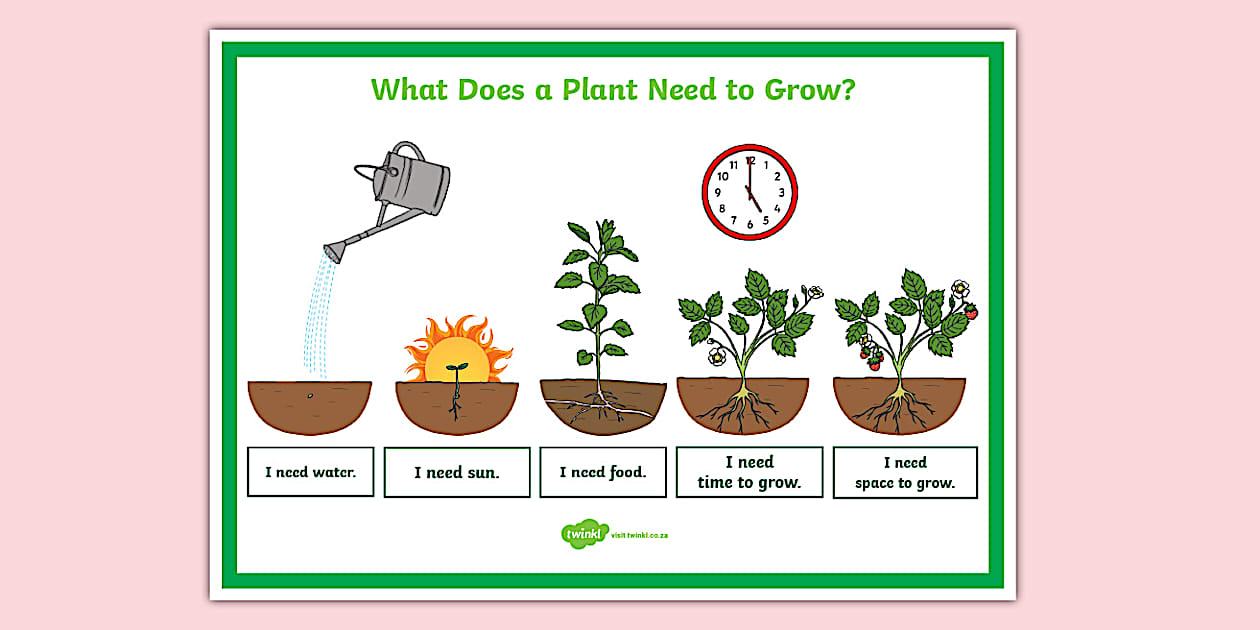
Planting carrot seeds correctly is crucial for a successful harvest. The right timing, depth, and spacing, along with appropriate watering and soil preparation, all contribute to healthy root growth. This section will guide you through the essential steps for planting your carrot seeds in containers.
Optimal Planting Time
The best time to plant carrot seeds in containers depends heavily on your local climate. For warmer climates, spring planting is often ideal, allowing the roots to develop fully before the summer heat becomes excessive. In cooler climates, starting seeds indoors 4-6 weeks before the last expected frost date is recommended. This allows the seedlings to mature sufficiently before being transplanted outdoors.
Planting Depth and Spacing
Proper depth and spacing are vital for healthy carrot growth. Plant seeds about ¼ inch deep and 1-2 inches apart, depending on the variety. Maintaining appropriate spacing allows for adequate room for the roots to grow without crowding. For larger container gardens, consider using a larger spacing, perhaps 2-3 inches apart. Planting too deep or too close can lead to stunted growth and difficulty in harvesting.
Planting Methods
Several methods can be employed for planting carrot seeds in containers. The method you choose will depend on your personal preferences and the size of your container garden.
- Direct Sowing: This involves placing the seeds directly into the prepared container soil. Ensure the soil is consistently moist but not waterlogged. This method is often the simplest for smaller container gardens.
- Starter Trays: For larger quantities or for starting seeds indoors, starter trays are beneficial. Sow seeds in the starter trays, keeping them moist. Once the seedlings have developed, carefully transplant them into the prepared container. Using starter trays helps ensure a healthy start and provides a controlled environment for the seedlings to develop before transplanting.
Watering After Planting
Watering is essential for germination and healthy root development. After planting, gently water the soil to ensure even moisture around the seeds. Avoid overwatering, which can lead to waterlogging and root rot. Subsequent watering should maintain a consistently moist but not soggy soil. A light misting can help maintain moisture without disturbing the seeds or seedlings.
Seed Starting Mixes
Seed starting mixes are specifically formulated to support germination and healthy growth for seedlings. These mixes typically contain a blend of peat moss, vermiculite, and perlite, providing optimal drainage and aeration. They are often lighter than standard potting mixes, allowing for better oxygen exchange, which is essential for root development. Using seed starting mixes can greatly improve the success rate of carrot seedlings in containers.
Watering and Fertilizing
Proper watering and fertilization are crucial for healthy carrot growth in containers. Consistent moisture and appropriate nutrient levels support robust root development and prevent common issues like stunted growth or nutrient deficiencies. This section details optimal practices for these essential aspects of carrot cultivation.Maintaining consistent moisture is paramount. Adequate hydration allows for the efficient absorption of nutrients and promotes the healthy development of the carrot roots.
Conversely, improper watering can lead to issues like root rot or dry, tough carrots. This section Artikels strategies to effectively manage water and fertilizer for optimal carrot production.
Watering Frequency and Amount
Watering frequency depends heavily on the weather conditions and the type of soil used. In hot, dry climates, carrots in containers may require daily watering, while cooler, wetter conditions may necessitate less frequent watering. The specific needs of your carrots will depend on the climate and the type of soil. A well-draining soil will require more frequent watering than a heavier, clay-based soil.
Maintaining Consistent Moisture
Maintaining consistent moisture levels is critical for healthy carrot growth. A good strategy is to water deeply and thoroughly, allowing the water to penetrate the soil completely. Avoid frequent, shallow waterings, as this can lead to surface drying and hinder root development. Use a moisture meter or your finger to check the soil moisture before watering to avoid overwatering or underwatering.
Watering Techniques
For container-grown carrots, consider using a watering can with a fine rose or a soaker hose. This ensures even distribution of water without disrupting the soil. Water at the base of the plants, avoiding wetting the foliage, as this can lead to fungal diseases. Mulching the soil surface can also help retain moisture and regulate soil temperature. A well-maintained layer of mulch can help to retain moisture, and the right amount of water can prevent the soil from drying out too quickly.
Fertilizing Container Carrots
Carrot plants need adequate nutrients for robust growth and development. A balanced fertilizer with a balanced NPK ratio (nitrogen, phosphorus, and potassium) is suitable for container carrots. Start by using a diluted liquid fertilizer at half the recommended strength.
Fertilizer Application
Apply fertilizer regularly, typically every two to three weeks, during the growing season. Avoid over-fertilizing, as this can lead to fertilizer burn. Observe your carrots for any signs of nutrient deficiencies, such as yellowing leaves, which might indicate a need for adjustments in the fertilization schedule. Apply fertilizer to the soil, avoiding direct contact with the carrot roots.
Avoiding Fertilizer Burn
Fertilizer burn occurs when too much fertilizer is applied, resulting in damage to the plant’s roots. This can lead to stunted growth, yellowing leaves, and even plant death. Always follow the manufacturer’s instructions carefully for the correct application rate and dilution ratio for your chosen fertilizer. Diluting the fertilizer to half the recommended strength can significantly reduce the risk of burn, especially for younger plants.
If you notice signs of burn, immediately reduce or stop fertilizer application.
Maintaining Carrot Growth
Cultivating carrots in containers requires ongoing attention to ensure optimal growth and yield. Consistent care, including meticulous weed control, vigilant pest and disease monitoring, and supportive growth techniques, are crucial for success. Proper maintenance will lead to healthy, robust plants and a bountiful harvest.
Weed Control in Container Gardens
Maintaining a weed-free environment is essential for carrot growth in containers. Competition for resources like water and nutrients significantly impacts carrot development. Aggressive weed growth can quickly deplete the soil’s fertility and hinder carrot growth.
- Regular weeding is paramount. Hand-pulling is often the most effective method for small gardens, ensuring no root fragments are left behind, as these can regrow. For larger areas, consider using a hoe or weeding tool to minimize soil disturbance around the carrots.
- Mulching the soil surface with organic materials such as straw or wood chips helps suppress weed growth by preventing sunlight from reaching weed seeds. This also helps retain moisture in the soil.
- A layer of mulch should be applied to the soil around the base of the carrots, being mindful not to smother the plants. A layer of approximately 2-3 inches is usually sufficient.
Pest and Disease Monitoring
Regular inspection for pests and diseases is vital to prevent significant damage to the carrot plants. Early detection allows for timely intervention, minimizing the impact on the crop.
- Inspect the plants frequently, checking for signs of damage such as holes in the leaves, wilting, or discolored foliage. Examine the soil around the plants for signs of insects, like aphids, or fungal diseases, such as powdery mildew.
- Common carrot pests include aphids, carrot rust flies, and flea beetles. These pests can cause significant damage to the foliage and roots, impacting the overall yield.
- Fungal diseases, like root rot or damping-off, are another potential threat. These diseases can lead to stunted growth and ultimately cause the plant to die.
Dealing with Carrot Pests and Diseases
Prompt action is crucial when encountering pests or diseases. Various methods can effectively address these issues.
- For minor infestations of pests like aphids, insecticidal soap or neem oil can be effective. These are generally safe for use around vegetables.
- If carrot rust flies are a concern, consider using yellow sticky traps to monitor and potentially reduce the population. Properly timed planting can also mitigate the risk of the flies laying eggs in the soil.
- For fungal diseases, removing infected plants and adjusting watering practices to avoid overwatering can help prevent further spread. Using disease-resistant carrot varieties can also be a preventative measure.
Supporting Carrot Growth
Providing support to the carrot plants can help maintain their upright posture and prevent damage from wind or heavy rain.
- Staking or trellising, especially for taller varieties, can be helpful in maintaining the plants’ upright position, reducing the risk of breakage or damage. Small bamboo stakes or other similar supports are often adequate for containers.
- Positioning the plants carefully in the container can prevent the plant from leaning or falling over. Ensure the soil is consistently moist and the container is stable to prevent tipping.
Signs of Healthy Carrot Growth
Recognizing the signs of healthy carrot growth is essential for ensuring a successful harvest.
- Healthy carrot plants exhibit robust growth, with vibrant green foliage. The leaves should be free from visible damage or discoloration. The plant’s overall appearance should convey vigor and vitality.
- The plants should show consistent, upward growth, without excessive leaning or wilting. The overall size and shape of the plants will also reflect their health and vitality.
- A healthy root system is an essential component of a robust carrot plant. Healthy roots will be firm and free from signs of rot or damage.
Harvesting Carrots
Successfully growing carrots in containers culminates in the rewarding harvest. Knowing when and how to harvest your carrots ensures optimal flavor and texture. Proper harvesting techniques minimize damage to the roots, preserving their quality and extending their shelf life.
Signs of Harvest Readiness
Recognizing when carrots are ready for harvest is crucial for maximizing their flavor and quality. Several visual cues signal the maturity of the roots. The tops of the carrot plants will begin to wilt or die back as the carrots reach maturity. Additionally, the carrots will thicken and reach their full size. Carefully inspect the soil level near the plants to check for the presence of the carrot roots.
These indicators will help you determine if your carrots are ready for harvest.
Harvesting from Containers
Harvesting carrots from containers requires gentle care to avoid damaging the delicate roots. Using a trowel or your hands, carefully loosen the soil around the base of the plant. Gently lift the carrot plant, being mindful of the root system. Avoid twisting or pulling the carrot out of the ground. If necessary, use your hands to gently loosen the soil around the root system to remove the carrot from the container.
Storage for Optimal Freshness
Proper storage is vital for maintaining the freshness and quality of harvested carrots. Store the carrots in a cool, dark, and dry place, such as a root cellar or refrigerator. Keeping them away from ethylene-producing fruits like apples and bananas will help prevent premature softening. Wrap the carrots in a paper towel or a perforated plastic bag to maintain moisture without allowing for excessive humidity.
Carrot Varieties and Harvest Times
| Carrot Variety | Optimal Harvest Time (in weeks after planting) |
|---|---|
| Chantenay | 60-70 days |
| Nantes | 60-75 days |
| Imperator | 70-80 days |
| Danvers | 70-80 days |
| Carrots with shorter maturity times | 50-60 days |
The table above provides a general guideline for harvest times. Actual harvest times may vary depending on specific growing conditions, such as temperature, soil type, and variety. Always monitor your plants closely for signs of maturity.
Preservation Methods
Preserving harvested carrots extends their usability beyond immediate consumption. For short-term storage, carrots can be stored in the refrigerator. For longer-term storage, consider freezing carrots. Blanching the carrots before freezing helps maintain their color and texture. Another option is to pickle or can carrots for use throughout the year.
Choose the method that best suits your needs and preferences.
Troubleshooting Common Issues
Maintaining a healthy carrot crop in containers requires vigilance and an understanding of potential problems. This section provides a comprehensive guide to identifying and resolving common issues, ensuring a bountiful harvest. Addressing these challenges proactively will maximize your success in container gardening.Container carrot gardening, while rewarding, presents unique challenges compared to in-ground cultivation. Understanding these issues and their solutions will lead to a more successful growing experience.
Potential Problems in Container Carrot Gardens
Container carrot gardens, like any garden, can encounter various issues. Careful observation and prompt action are key to maintaining a healthy crop. Common problems include pests, diseases, poor growth, and nutrient deficiencies.
Solutions for Common Problems
Troubleshooting container carrot issues often involves a combination of methods. This table provides a comparison of solutions for different problems, highlighting the most effective strategies.
| Problem | Potential Causes | Solutions |
|---|---|---|
| Poor Growth | Insufficient sunlight, inadequate watering, poor soil quality, nutrient deficiency, overcrowding, pests, diseases, improper spacing. | Ensure adequate sunlight, maintain consistent moisture, amend soil with compost or other organic matter, apply appropriate fertilizers, thin seedlings, monitor for pests, address diseases, and maintain proper spacing. |
| Pest Infestation (e.g., aphids, carrot rust flies) | Attraction of pests to the carrot foliage or roots. | Use insecticidal soaps or neem oil, introduce beneficial insects (ladybugs), hand-pick pests, consider row covers or traps. |
| Disease (e.g., damping-off, root rot) | Overwatering, poor soil drainage, fungal pathogens. | Improve soil drainage, reduce watering frequency, use disease-resistant varieties, apply fungicides (if necessary), and practice crop rotation. |
| Stunted Growth | Insufficient sunlight, inadequate watering, poor soil quality, nutrient deficiency, overcrowding, or presence of pests/diseases. | Ensure adequate sunlight and water, amend soil, use appropriate fertilizers, thin seedlings, monitor for pests, and address any diseases. |
Common Mistakes and Solutions
Several errors can negatively impact carrot growth in containers. Recognizing these mistakes is crucial for preventing issues.
- Using insufficient soil depth:
- Carrots need sufficient soil depth for proper root development. Containers should be deep enough to accommodate the mature root systems of the chosen variety.
- Overcrowding seedlings:
- Crowding prevents adequate root growth and nutrient absorption. Proper spacing is essential for individual carrot plants to thrive. Thinning is crucial for optimal growth and yield. Planting seedlings too close together will result in stunted growth and reduced yield.
- Neglecting proper soil preparation:
- Soil quality significantly impacts carrot growth. Poor soil structure and nutrient deficiencies can lead to slow growth and stunted roots. Adding compost and other organic matter to the soil improves drainage, aeration, and nutrient content.
Importance of Proper Spacing
Proper spacing in container carrot gardens is crucial for preventing overcrowding. Overcrowding leads to stunted growth, reduced yields, and increased susceptibility to diseases. This is because overcrowded plants compete for resources, such as sunlight, water, and nutrients. Consider the mature size of the carrot variety when determining the appropriate spacing between plants.
Dealing with Stunted Growth
Stunted growth in container carrots can arise from various factors, including inadequate sunlight, insufficient water, poor soil quality, nutrient deficiencies, pest infestations, and diseases. Addressing these underlying issues is key to reviving stunted growth. Proper diagnosis and targeted solutions are crucial for effectively restoring healthy growth. For example, if inadequate sunlight is the issue, consider relocating the container to a sunnier spot.
If poor soil is the problem, amend the soil with organic matter. Consistent watering and appropriate fertilization will also help address the issue.
Closing Summary
In conclusion, growing carrots in containers is achievable with the right approach. By following the steps Artikeld in this guide, you can cultivate vibrant and delicious carrots in a container setting. Remember to adapt these techniques to your specific needs and enjoy the satisfaction of harvesting your own homegrown carrots.