Cultivating vibrant chili peppers indoors is a rewarding experience, transforming your home into a mini-garden brimming with flavorful produce. This comprehensive guide will equip you with the knowledge and practical steps to successfully grow chili peppers indoors, from selecting the right variety to troubleshooting common issues. Discover the secrets to maximizing yields and enjoying fresh, homegrown chili peppers year-round.
This guide delves into the crucial aspects of indoor chili pepper cultivation. We’ll explore essential considerations like selecting suitable varieties, optimizing growing environments, and understanding the specific needs of each chili pepper type. From proper lighting and soil composition to pest management and harvesting techniques, we’ll cover everything you need to know for a successful indoor chili pepper harvest.
Choosing the Right Variety
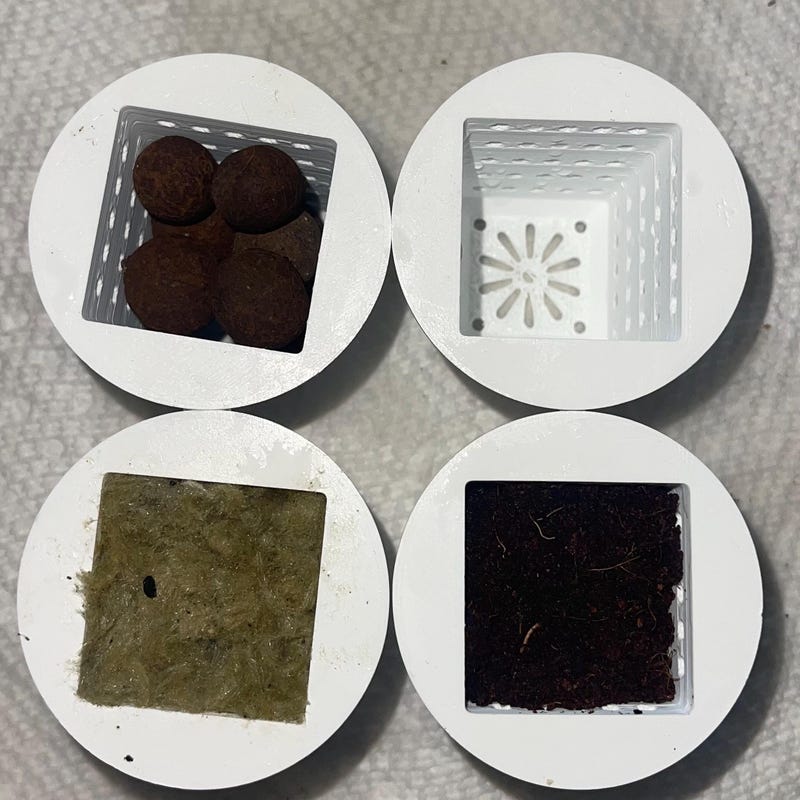
Selecting the appropriate chili pepper variety is crucial for successful indoor cultivation. Different varieties exhibit varying growth patterns, heat levels, and light requirements. Careful consideration of these factors ensures a rewarding harvest.A successful indoor chili pepper crop depends on choosing a variety suited to the available space, light, and desired heat level. Understanding the specific needs of different types of chili peppers is essential for achieving optimal growth and yield.
Popular Indoor Chili Pepper Varieties
A range of chili pepper varieties are well-suited for indoor cultivation. These options offer varying degrees of heat, growth characteristics, and yield.
- California Wonder: This variety is a popular choice for beginners. Known for its relatively compact growth habit, reaching a height of approximately 2 feet, it is suitable for smaller spaces. It produces a moderate yield of medium-sized peppers, and is relatively low-maintenance. This variety thrives in bright, indirect light and requires consistent watering. Its heat level is mild.
- Jalapeño: Jalapeños are a classic choice with a moderate heat level. They typically reach a height of 2-3 feet indoors and produce a good yield of peppers. They require a significant amount of light for optimal fruit production and benefit from consistent watering. Their vigorous growth necessitates adequate space.
- Cayenne: Cayenne peppers are known for their moderate heat. Indoor cultivation of this variety can result in plants reaching 3-4 feet tall. They require substantial light and frequent watering to produce a good yield. The plants can be a bit more demanding than other varieties.
- Bell Pepper: While not technically a chili pepper, bell peppers are a popular vegetable that can be grown indoors. They have a relatively compact growth habit, reaching a height of 1-2 feet. They are generally low-maintenance and produce a good yield. They thrive in bright, indirect light and need regular watering.
- Habanero: Habaneros are known for their intense heat level. Their growth indoors may be more challenging. They can grow up to 2-3 feet tall and require a considerable amount of light for optimum yield. The high heat level is a significant characteristic to consider.
Growing Needs of Different Chili Peppers
The specific growing needs of chili peppers can vary greatly depending on the type. Understanding these differences is vital for successful indoor cultivation.
- Bell Peppers: Bell peppers, though not technically chili peppers, require similar conditions to other peppers. They need ample light, warmth, and consistent moisture for optimal growth. They typically do not require the same level of heat as other chili peppers.
- Jalapeños: Jalapeños, like other chili peppers, require consistent light and warmth. They benefit from a well-draining growing medium to prevent overwatering. Their more vigorous growth necessitates larger containers and more space compared to less vigorous varieties.
- Habaneros: Habaneros, due to their high heat level, require significant light and warmth to thrive. They are sensitive to fluctuations in temperature and require consistent watering. Proper ventilation is also important to avoid fungal diseases.
Comparative Analysis of Chili Pepper Varieties
This table illustrates the differing needs of various chili pepper varieties for indoor cultivation.
| Variety | Light Requirements | Temperature Preference (°C) | Water Needs |
|---|---|---|---|
| California Wonder | Bright, indirect light | 20-25°C | Regular, but avoid overwatering |
| Jalapeño | Bright, indirect light | 20-28°C | Consistent watering, but allow soil to dry slightly between waterings |
| Habanero | High light intensity | 22-28°C | Consistent watering, but allow soil to dry slightly between waterings |
Setting Up the Growing Environment
Creating the ideal indoor environment is crucial for successful chili pepper cultivation. Proper temperature, lighting, and ventilation will significantly impact growth and yield. A well-maintained environment will also reduce the risk of diseases and pests, allowing your plants to thrive.Optimal conditions encourage robust growth and prevent potential issues. This section details the crucial aspects of setting up your indoor chili pepper garden.
Ideal Temperature Range
Chili peppers thrive in a warm environment. The ideal temperature range for indoor chili pepper cultivation is between 70°F (21°C) and 85°F (29°C) during the day. Nighttime temperatures should ideally stay between 65°F (18°C) and 75°F (24°C). Fluctuations outside this range can negatively impact growth and fruit development.
Indoor Growing Setups
Different indoor growing setups offer varying advantages and challenges. Selecting the right setup depends on your space, budget, and desired level of control.
- Grow Lights: Grow lights provide supplemental light, particularly beneficial for environments with limited natural light. High-intensity discharge (HID) lights, such as metal halide or high-pressure sodium lamps, offer excellent light output but require careful heat management. LED grow lights are an increasingly popular choice due to their energy efficiency and adjustable spectrum options.
- Windowsills: A windowsill offers a readily available, low-cost growing space. However, the amount and quality of natural light will vary depending on the direction and exposure of the window. South-facing windows generally provide the most optimal light conditions. Consider using reflective materials to maximize light absorption. Be aware of the potential for temperature fluctuations, especially in areas with extreme weather conditions.
- Hydroponics: Hydroponic systems allow for precise nutrient delivery and optimal water control. This method allows for efficient use of space, minimizing the need for extensive soil. However, hydroponics often requires more initial investment in equipment and ongoing maintenance. Different hydroponic systems, such as deep water culture (DWC) or nutrient film technique (NFT), offer various levels of complexity and control.
Importance of Air Circulation
Proper air circulation is vital for preventing fungal diseases and pest infestations. Stagnant air can create humid conditions that promote the growth of pathogens. Ensure adequate airflow by using fans or creating gaps in your growing setup. This prevents the buildup of moisture and encourages healthy plant growth. Good air circulation is especially important in enclosed spaces.
Pros and Cons of Indoor Growing Setups
The table below summarizes the advantages and disadvantages of various indoor growing setups.
| Growing Setup | Pros | Cons |
|---|---|---|
| Grow Lights | Precise light control, adjustable spectrum, supplemental light for low-light areas. | High initial investment, heat generation requires careful management, potential for light stress with improper setup. |
| Windowsills | Low initial cost, readily available space, natural light. | Limited light control, variable light intensity, potential for temperature fluctuations, susceptibility to extreme weather. |
| Hydroponics | Efficient nutrient delivery, space-saving, optimal water control. | Higher initial investment, requires more technical expertise, potential for nutrient imbalances. |
Materials for a Basic Indoor Setup
For a basic indoor chili pepper setup, you will need the following materials:
- Seedlings or starter plants: Select healthy, vigorous seedlings or starter plants.
- Potting mix: Use a well-draining potting mix specifically formulated for vegetables.
- Pots: Choose pots of appropriate size to accommodate the root systems of your plants.
- Watering can or irrigation system: Ensure proper watering techniques and consider automated systems for consistent moisture.
- Grow lights (optional): If using grow lights, choose appropriate wattage and lighting spectrum.
- Fans (optional): To promote air circulation, especially in enclosed setups.
- Humidity control (optional): Consider humidifiers or dehumidifiers for precise humidity levels.
- Pest control products (optional): For proactive measures against pests.
Light Requirements and Provision

Chili peppers, like many plants, thrive under specific light conditions. Adequate light exposure is crucial for photosynthesis, promoting robust growth and the development of flavorful fruits. Understanding the optimal light spectrum and employing appropriate supplemental lighting strategies is essential for indoor cultivation.
Optimal Light Spectrum for Indoor Growth
Chili peppers, similar to other plants, require a specific range of wavelengths within the visible light spectrum for photosynthesis. Red and blue light are particularly important for stimulating growth and fruit development. These wavelengths are most effectively absorbed by chlorophyll and other photosynthetic pigments in the plant. Plants also utilize other wavelengths, but the effectiveness is significantly lower compared to red and blue light.
A balanced spectrum that mimics natural sunlight is ideal for optimal growth.
Use of Grow Lights and Placement
Grow lights are indispensable tools for indoor chili pepper cultivation, particularly during periods of limited natural sunlight. Proper placement is critical for maximizing plant health. Lights should be positioned above the plants, ensuring an even distribution of light across the canopy. Adjusting the height of the grow lights is essential for optimizing light intensity and preventing scorching.
Too close, and the leaves can be damaged. Too far, and the plant may not receive sufficient energy.
Grow Light Types and Suitability
Various types of grow lights are available for indoor use, each with its own advantages and disadvantages.
- LED Grow Lights: LED grow lights are increasingly popular due to their energy efficiency and long lifespan. They offer excellent spectral control, allowing for precise adjustments to optimize the red and blue light ratios essential for chili pepper growth. Many models are available with adjustable light spectrums, enabling customization for specific growth stages.
- Fluorescent Grow Lights: Fluorescent grow lights, a more traditional option, provide a broad spectrum of light. They are generally more affordable than LED lights but have a shorter lifespan and may not offer as precise spectral control as LED lights. They remain a viable choice for smaller indoor gardens.
- HID (High-Intensity Discharge) Grow Lights: HID grow lights, such as high-pressure sodium (HPS) and metal halide (MH), produce intense light, making them effective for rapid growth and fruiting. However, they are less energy-efficient compared to LEDs and generate significant heat, requiring proper ventilation. They are often a good choice for larger-scale indoor setups.
Importance of Supplemental Lighting and Timing
Providing supplemental lighting indoors is crucial for ensuring sufficient light exposure, particularly during the shorter days of winter or when natural light is limited. This is essential to maintain a consistent photoperiod, crucial for optimal plant development. Supplemental lighting should be provided for a specific number of hours each day, mimicking natural sunlight patterns. For instance, chili peppers typically require 12-16 hours of light per day.
Timing is key, as consistent exposure is essential for healthy growth and fruiting. Plants should receive the same amount of light each day.
Maximizing Natural Light for Indoor Plants
Maximize natural light exposure by placing plants near windows that receive ample sunlight. Ensure that the plants are not positioned directly in front of drafty windows or near air vents that can cause excessive temperature fluctuations. Regular monitoring of the light levels and adjustment of the plant’s position are crucial for optimizing growth. Consider using reflective surfaces, such as mirrors or reflective films, to bounce and redirect natural light to maximize its impact on the plants.
Soil and Potting
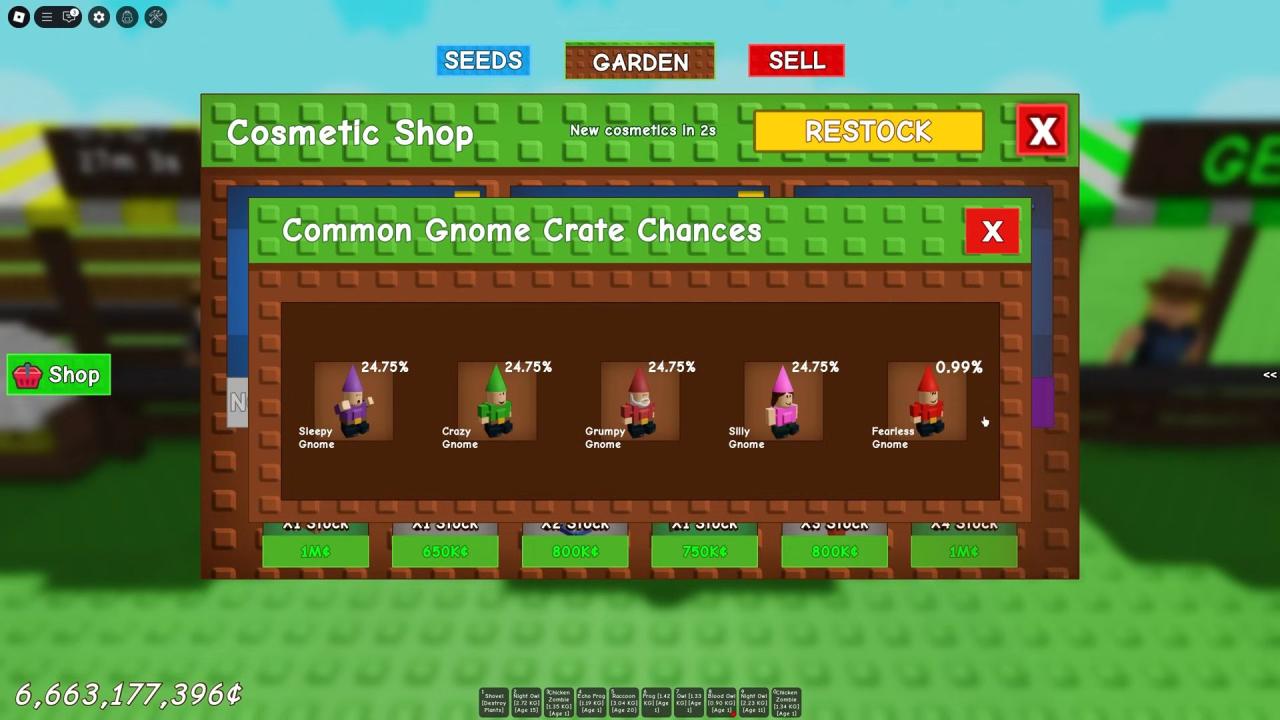
A crucial aspect of indoor chili pepper cultivation is providing the right soil and pot. The soil composition significantly impacts the plant’s health and growth, while the pot size influences root development and overall plant vigor. Proper preparation ensures optimal nutrient availability and excellent drainage, which is vital for preventing root rot.Choosing the correct soil and pot size is essential for healthy chili pepper growth.
The right mix promotes root development, while the appropriate pot size ensures adequate space for the roots to grow without being confined. This section will delve into the ideal soil composition, preparation techniques, various potting mixes, and the importance of selecting the appropriate pot size.
Ideal Soil Composition for Chili Peppers
Chili peppers thrive in well-draining soil rich in organic matter. This allows for adequate aeration and moisture retention, supporting robust root development and preventing waterlogging. A good potting mix should consist of a balanced blend of components that allow for both good drainage and adequate water retention.
Soil Preparation for Optimal Plant Growth
To prepare the soil for optimal plant growth, begin by thoroughly mixing the chosen potting mix. Ensure the mixture is free of clumps or large aggregates. A well-mixed soil will allow for even water distribution and prevent localized compaction. Avoid over-watering and over-compacting the soil. This will create a favorable environment for the roots to grow.
Comparing Potting Mixes for Indoor Chili Pepper Cultivation
Various potting mixes are available for indoor chili pepper cultivation. The choice depends on the specific needs of the plant and the desired drainage characteristics. A mix specifically formulated for vegetables often contains a higher proportion of peat moss, perlite, or vermiculite, which contribute to better aeration and drainage.
Table Comparing Potting Soil Options
| Potting Soil Option | Composition | Drainage Properties | Suitability for Chili Peppers |
|---|---|---|---|
| Standard Potting Mix | Typically a blend of peat moss, vermiculite, and perlite | Good drainage, but can dry out quickly | Suitable, but needs regular watering |
| Seed Starting Mix | Often lighter in texture, high in perlite and vermiculite | Excellent drainage, but may need extra moisture | Good for starting seedlings, but needs careful monitoring of moisture levels |
| Coco Coir Based Mix | Made from coconut husks, providing good aeration and water retention | Good drainage, retains moisture effectively | Excellent choice, balances drainage and moisture |
| Commercial Vegetable Potting Mix | Specifically formulated for vegetable growth | Good drainage, high in nutrients | Highly suitable for chili peppers, especially when planted in larger pots. |
Choosing the Right Pot Size
The pot size is crucial for chili pepper growth. A pot that is too small will restrict root development, leading to stunted growth. A pot that is too large may result in excess moisture retention, increasing the risk of root rot. Consider the mature size of the chili pepper variety and select a pot accordingly. For example, a small cherry tomato variety may thrive in a 6-inch pot, whereas a larger bell pepper variety will need a 10-inch pot or larger.
Watering and Fertilizing
Proper watering and fertilization are crucial for the healthy growth of indoor chili peppers. These practices directly impact the plant’s ability to absorb nutrients, produce fruit, and overall thrive in the confined space of your home. A well-managed watering and fertilizing regimen will significantly contribute to a successful indoor chili pepper cultivation.
Optimal Watering Schedule
Maintaining the correct moisture level is essential for healthy plant development. Overwatering can lead to root rot, while underwatering can stunt growth and cause stress. Understanding the optimal watering schedule for your specific indoor environment and chili pepper variety is paramount. Consistent monitoring is key to avoid these issues.
Monitoring Soil Moisture Levels
Regularly checking the soil moisture is vital. A simple method involves inserting your finger a few inches into the soil. If the top inch or two feels dry, it’s time to water. If the soil feels consistently moist, avoid overwatering. Consider using a moisture meter for precise readings.
This technique ensures you’re providing the correct amount of water, promoting healthy root development.
Using Appropriate Fertilizers for Chili Peppers
Chili peppers require specific nutrients to flourish. Using a balanced fertilizer formulated for vegetables or specifically for peppers is recommended. Avoid using fertilizers high in nitrogen, as this can promote excessive foliage growth at the expense of fruit production. A balanced formula will support overall growth and fruit development.
Frequency and Type of Fertilizer
Fertilizing should begin once the seedlings show signs of growth and continue throughout the growing season. A general guideline is to fertilize every 2-3 weeks during active growth. Dilute the fertilizer according to the manufacturer’s instructions to avoid nutrient burn. Liquid fertilizers are often preferred for indoor plants due to their ease of application and precise control over nutrient delivery.
Preventing Overwatering and Underwaterings
Overwatering can lead to root rot, a serious issue that can kill the plant. Signs of overwatering include yellowing leaves, wilting, and a soggy or consistently moist soil. Conversely, underwatering causes stress and wilting, resulting in stunted growth and reduced fruit production. To prevent overwatering, ensure the pot has proper drainage holes, and allow the soil to dry out slightly between waterings.
To prevent underwatering, regularly check the soil moisture level and water accordingly. Using a moisture meter or observing the soil texture can assist in preventing both extremes.
Pest and Disease Management
Maintaining healthy indoor chili peppers requires proactive pest and disease management. Neglecting these aspects can lead to significant crop loss and compromised plant health. Understanding common issues and implementing preventative measures are key to ensuring thriving plants.
Common Pests
A variety of pests can target indoor chili peppers. Early detection is crucial to effective control. Insects like spider mites, aphids, and whiteflies can cause significant damage to leaves, stems, and fruits, hindering growth and potentially causing plant death if left unchecked. Mealybugs and thrips are also common pests that can infest chili peppers, leading to stunted growth and distorted leaves.
- Spider mites are tiny arachnids that feed on plant sap, causing stippling and webbing on leaves. They thrive in dry environments, making proper humidity control crucial for prevention.
- Aphids are sap-sucking insects that appear as small, soft bodies, often clustered on young shoots and leaves. They can spread rapidly and damage plant growth.
- Whiteflies are tiny, white insects that often cluster on the underside of leaves. They feed on plant sap and can also spread diseases.
- Mealybugs are small, white, and cottony insects that feed on plant sap, creating a sticky residue on the plant. They can cause significant damage if left untreated.
- Thrips are tiny insects that feed on plant tissues, causing discoloration and distortion of leaves and flowers. They can also transmit diseases.
Common Diseases
Indoor chili peppers are susceptible to fungal diseases like powdery mildew, which manifests as a white powdery coating on leaves and stems. Other fungal issues like damping-off can affect seedlings, preventing them from establishing themselves. Fungal diseases flourish in humid conditions, highlighting the importance of good air circulation. Bacterial diseases can also be a concern, manifesting as spots or lesions on leaves and stems.
Improper watering practices often contribute to bacterial disease development.
- Powdery mildew is a fungal disease that appears as a white powdery coating on leaves and stems. It thrives in humid environments and can hinder photosynthesis and fruit development.
- Damping-off is a fungal disease that affects seedlings, preventing them from establishing themselves and leading to their death. It is frequently seen in overly moist environments.
- Bacterial spot is a bacterial disease that causes spots or lesions on leaves and stems. It can also affect fruits, leading to premature ripening and decay. Proper sanitation is vital for prevention.
Preventive Measures
Maintaining a healthy growing environment is the first line of defense against pests and diseases. Regular inspection of plants for any signs of infestation is essential. Providing adequate light and ventilation can help prevent pest and disease issues. Proper watering practices, avoiding overwatering, and maintaining good soil drainage are critical to reducing the risk of fungal diseases.
- Maintain appropriate humidity levels. Avoid overcrowding plants, allowing good air circulation to prevent humidity build-up, which favors fungal diseases.
- Use pest-resistant varieties of chili peppers, if available. Careful selection of resistant varieties can be a crucial preventative measure.
- Isolate newly purchased plants to prevent introducing pests or diseases to established plants.
Treatment Methods
If pests or diseases are detected, appropriate treatment methods should be employed. For minor infestations, insecticidal soap or neem oil can be effective. For more severe infestations, consult a gardening expert or seek professional advice. Fungal diseases can be addressed with fungicides, following the product instructions carefully. Proper sanitation of tools and the growing environment can significantly reduce the risk of future infestations.
- Isolating affected plants can prevent the spread of pests and diseases to other plants.
- Insecticidal soaps and neem oil can be effective for controlling some pests. Follow product instructions carefully.
- Proper sanitation practices are essential to prevent the spread of diseases and pests. Clean tools and pots with a disinfectant solution.
Pest and Disease Identification Table
| Pest/Disease | Symptoms | Control Methods |
|---|---|---|
| Spider mites | Stippling, webbing on leaves | Insecticidal soap, neem oil, increase humidity |
| Aphids | Small, soft bodies on leaves, stems | Insecticidal soap, neem oil, horticultural oil |
| Powdery mildew | White powdery coating on leaves and stems | Fungicides, improve air circulation, reduce humidity |
| Damping-off | Seedling rot, preventing establishment | Improved soil drainage, avoid overwatering, use sterilized soil |
Harvesting and Aftercare
Successfully cultivating chili peppers indoors requires careful attention to every stage of growth, culminating in the rewarding harvest. This section will guide you through recognizing ripe peppers, proper harvesting techniques, post-harvest storage, preservation methods, and creative ways to utilize your homegrown bounty.
Signs of Ripeness
Chili peppers exhibit a variety of signs to indicate they are ready for harvest. Color changes are a primary indicator, ranging from the vibrant hues of orange, red, yellow, or purple, depending on the variety. A firm texture, free from blemishes or soft spots, is another crucial sign of ripeness. Avoid picking peppers that are still green, as they will not have the same flavor profile or pungency as fully ripened peppers.
Observe the individual characteristics of your specific chili pepper variety for the most accurate assessment of ripeness.
Proper Harvesting Techniques
Proper harvesting ensures minimal damage to the plant and optimizes pepper quality. Use sharp, clean pruning shears or a knife to carefully cut the pepper from the stem, leaving a small portion of the stem attached. Avoid twisting or pulling, as this can damage the plant and lead to infection. Cutting at a slight angle ensures a clean cut and helps with the proper attachment of the stem during storage.
This practice prevents the pepper from rotting or getting damaged during storage.
Post-Harvest Storage
Proper storage methods extend the lifespan of your harvested chili peppers and maintain their quality. Store harvested peppers in a cool, dry, and well-ventilated place, such as a pantry or a cool cellar. A temperature range of 55-65°F (13-18°C) is ideal. Paper bags are an excellent option for storage, as they allow for air circulation, preventing moisture buildup that could lead to spoilage.
Avoid storing peppers in plastic bags, as this can create a humid environment, accelerating the rotting process.
Preservation Methods
Various preservation methods allow you to enjoy your chili peppers throughout the year. Drying is a traditional method that involves gently drying the peppers in a well-ventilated area, such as a dehydrator or a sunny, dry location. Freezing is another effective option; blanch the peppers briefly in boiling water, then freeze them in airtight containers or freezer bags.
Pickling is a method to preserve peppers for long periods, using vinegar, salt, and spices.
Utilizing Harvested Chili Peppers
The possibilities for using your harvested chili peppers are diverse and exciting. Freshly harvested peppers can be added directly to dishes, from salads to stews. Dried peppers can be used as a flavorful addition to soups, stews, and sauces. Pickled peppers add a unique tangy flavor to sandwiches, salads, and other culinary creations. Consider experimenting with different recipes and find your favorite way to enjoy the unique flavor and pungency of your homegrown chili peppers.
Troubleshooting Common Issues
Cultivating chili peppers indoors can be rewarding, but unexpected challenges may arise. Understanding potential problems and their solutions is crucial for maintaining healthy plants and maximizing yields. This section provides a comprehensive guide to troubleshoot common issues, from identifying the cause to implementing effective corrective actions.A proactive approach to plant health monitoring is vital. Early detection of problems often leads to more effective treatment and minimizes damage to the plants.
Regular observation of leaf color, growth patterns, and overall plant vigor allows you to address issues promptly. Consistent monitoring is key to ensuring a successful indoor chili pepper harvest.
Yellowing Leaves
Yellowing leaves on chili pepper plants can stem from various factors. Nutrient deficiencies, overwatering, underwatering, or pest infestations are common culprits. Determining the precise cause is essential for implementing the correct solution.
- Nutrient Deficiency: A lack of essential nutrients like nitrogen, potassium, or magnesium can manifest as yellowing leaves, particularly in older leaves. Providing a balanced fertilizer formulated for peppers can address this issue. Ensure the fertilizer is appropriate for the plant’s stage of growth. Proper soil pH also plays a role; adjust it if necessary.
- Overwatering: Excess moisture can lead to root rot, depriving the plant of oxygen and nutrients, ultimately causing yellowing and wilting. Reduce watering frequency, allowing the top inch or two of soil to dry out between waterings. Ensure proper drainage in the pot to prevent waterlogging.
- Underwatering: Insufficient watering can cause the leaves to wilt and turn yellow. Increase watering frequency to maintain a consistently moist but not soggy soil. Consider the size of the pot and the rate of water absorption when adjusting the watering schedule.
- Pest Infestation: Aphids, spider mites, or other pests can cause yellowing leaves by sucking sap from the plant. Inspect the plant thoroughly for signs of pests, such as small insects or webbing. Treat with appropriate insecticidal soap or neem oil according to product instructions.
Stunted Growth
Slow or stunted growth in chili pepper plants can result from various environmental or nutritional factors. Addressing the root cause is essential for promoting healthy growth.
- Insufficient Light: Chili peppers require ample sunlight for optimal growth. Ensure the plant receives adequate light, either through natural sunlight or supplemental grow lights. The intensity and duration of light play a role; adjust accordingly based on the plant’s needs.
- Nutrient Deficiency: A lack of essential nutrients, similar to yellowing leaves, can also hinder growth. Supplementing with a balanced fertilizer formulated for peppers, ensuring proper soil pH, and monitoring the plant’s growth stage are crucial.
- Pot Size Limitation: A pot that is too small can restrict root growth, limiting the plant’s ability to absorb nutrients and water. Repotting the plant into a larger container with appropriate potting mix can promote healthier growth.
- Temperature Fluctuations: Extreme temperatures can negatively impact growth. Maintain a consistent temperature range suitable for chili pepper cultivation. Avoid placing the plant near drafts or direct heat sources.
Table of Common Problems and Solutions
| Problem | Possible Causes | Corrective Actions |
|---|---|---|
| Yellowing Leaves | Nutrient deficiency, overwatering, underwatering, pest infestation | Adjust fertilizer, reduce watering frequency, increase watering frequency, treat with insecticide |
| Stunted Growth | Insufficient light, nutrient deficiency, pot size limitation, temperature fluctuations | Increase light exposure, supplement with fertilizer, repot into a larger container, maintain stable temperature |
Importance of Monitoring Plant Health
Regular monitoring of the plant’s health is crucial for early detection of problems. This proactive approach allows for timely intervention, minimizing damage and maximizing yields. Early identification of issues allows for prompt and targeted solutions, ensuring the health and productivity of the plants. A healthy plant is a productive plant.
Final Conclusion
In conclusion, cultivating chili peppers indoors is achievable with the right knowledge and preparation. This guide provides a roadmap for choosing the perfect varieties, setting up the ideal environment, and nurturing your plants through to a bountiful harvest. By understanding the specific needs of your chili peppers and implementing the strategies Artikeld here, you can enjoy fresh, homegrown chili peppers throughout the year.
Remember to monitor your plants, address any issues promptly, and enjoy the fruits of your labor.