Growing chives in containers offers a fantastic way to enjoy fresh herbs year-round. This comprehensive guide will walk you through every step, from selecting the perfect container to harvesting and storing your delicious chives. Whether you’re a seasoned gardener or a beginner, this detailed approach ensures a successful harvest.
This guide covers container selection, soil preparation, sunlight and watering needs, fertilizing and maintenance, troubleshooting common issues, harvesting and storage, and propagation techniques. Each section is designed to provide clear instructions and helpful tips for optimal chive growth in containers.
Choosing the Right Container

Selecting the appropriate container is crucial for the healthy growth of chives. A well-chosen container will support the plant’s root development, facilitate proper drainage, and ultimately contribute to a bountiful harvest. Consider the material, size, and drainage features when making your selection.
Suitable Container Materials
Choosing the right material for your container can impact its durability, cost, and aesthetic appeal. Different materials offer varying degrees of insulation and water retention, influencing the overall growth environment.
- Terracotta: Terracotta pots are known for their aesthetic appeal and excellent breathability. They allow for good air circulation around the roots, which is beneficial for healthy growth. However, terracotta pots can dry out more quickly than other materials, requiring more frequent watering. They are also prone to cracking if exposed to extreme temperature fluctuations. Terracotta pots are a popular choice for their natural look and ability to regulate moisture.
- Plastic: Plastic containers are generally more affordable and readily available than terracotta or wood. They are lightweight and resistant to cracking, making them a practical choice. However, plastic pots can retain more moisture than terracotta, potentially leading to waterlogging if not properly drained. Some types of plastic may not allow for sufficient air circulation for optimal root development.
- Wood: Wooden containers, such as raised beds or troughs, provide a rustic and visually appealing option. They are durable and can last for many years. However, they are often more expensive than plastic or terracotta. Wood requires regular maintenance to prevent decay and rot, especially in humid climates. Wooden containers can also retain moisture, making proper drainage essential.
Container Size and Shape
The size and shape of the container directly impact the root system’s development and the overall health of the chives. A container that’s too small will restrict root growth, hindering the plant’s ability to absorb nutrients and water.
- Size: A container that’s approximately 12 inches in diameter and 8 inches deep is suitable for a single chive plant. Larger containers, up to 18 inches in diameter and 12 inches deep, are suitable for multiple plants or larger chive harvests. The size should be proportionate to the number of chive plants you intend to grow.
Overcrowding in a small container can stunt growth.
- Shape: A container with a slightly wider base compared to the top can provide better support for the roots. A tall, narrow container might not allow for adequate root spread. A rounded or square shape is typically sufficient for optimal growth.
Drainage Considerations
Adequate drainage is critical for preventing waterlogging, a common issue that can lead to root rot and kill your chives. A container without proper drainage can lead to poor growth or even death of the plant.
- Drainage Holes: Ensure the container has several drainage holes at the bottom. The number and size of these holes should be sufficient to allow excess water to drain away quickly. Holes that are too small will hinder drainage and potentially lead to waterlogging. You may need to add more holes if the container is large.
Container Comparison Table
This table summarizes the key characteristics of different container materials for growing chives.
| Container Material | Cost | Durability | Ease of Use |
|---|---|---|---|
| Terracotta | Medium | Good | Moderate |
| Plastic | Low | Good | High |
| Wood | High | Excellent | Moderate |
Soil Preparation and Planting
Container gardening offers a flexible way to grow chives, but successful cultivation relies on appropriate soil preparation. A well-draining and aerated soil mix is crucial for healthy root development and overall plant vigor. Proper planting techniques, including appropriate spacing and depth, will ensure optimal growth. These steps will also prevent soil compaction, a common issue in containers, which hinders root development.Preparing the ideal soil mix and planting chives correctly are fundamental to their successful growth in containers.
This section will detail the crucial aspects of soil preparation, planting methods, and preventative measures for soil compaction.
Ideal Soil Mix for Container Chives
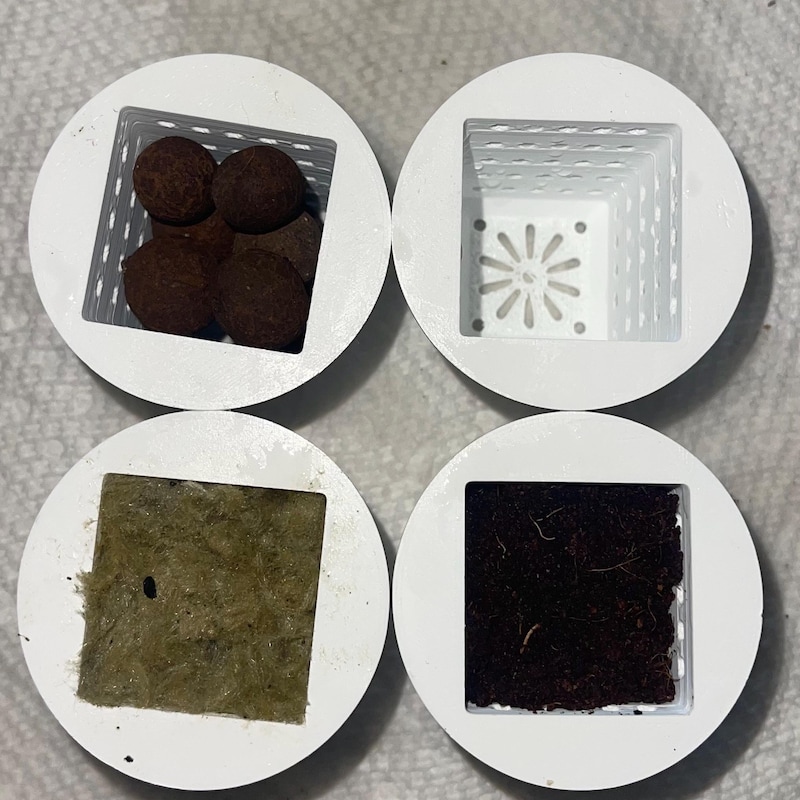
A well-draining and aerated soil mix is paramount for container chives. A good soil mix will support healthy root growth and prevent issues like root rot. A common and effective mix includes a blend of potting soil, perlite, and compost. These components contribute to the desired drainage and aeration characteristics.
Soil Preparation for Planting
To prepare the soil mix, combine equal parts of high-quality potting soil, perlite, and compost. This balanced ratio ensures proper drainage and aeration. High-quality potting soil provides essential nutrients for the chives. Perlite enhances drainage, while compost improves the soil’s structure and water retention. Thoroughly mix these components until a homogenous mixture is achieved.
Planting Chive Seeds or Seedlings
For planting chive seeds, sow them about 1/4 inch deep and 2 inches apart. For seedlings, plant them at the same depth as they were growing in their previous container, ensuring the roots are not bent or compressed. Proper spacing is essential for healthy growth and prevents overcrowding. Overcrowding can lead to competition for resources and potentially stunt the growth of individual chives.
Preventing Soil Compaction in Containers
Soil compaction in containers is a common issue. It can restrict root growth, leading to reduced plant vigor. Avoid overwatering, as excess moisture can lead to compaction. When watering, ensure the water drains effectively from the container. Gently firm the soil around the plants after planting to remove any air pockets, but avoid tamping it down too firmly.
Transplanting Chives from a Larger Container to a Smaller Container
Transplanting chives from a larger container to a smaller one can be done in a few simple steps. First, carefully remove the chives from the larger container. Gently loosen the soil around the roots to prevent damage. Replant the chives in the smaller container, ensuring the roots are not bent or compressed. Fill the remaining space with the prepared soil mix.
Water thoroughly after transplanting.
Sunlight and Watering Requirements
Container chives, like their traditional counterparts, thrive in well-lit areas. Proper sunlight and consistent watering are crucial for healthy growth and abundant harvests. Optimal conditions encourage robust foliage and a pleasing yield.Sunlight is a vital component of a chive’s development. The amount of sunlight directly impacts the plant’s growth rate and overall health. Adequate sunlight encourages vigorous growth, while insufficient light can lead to stunted development.
Sunlight Requirements
Container chives generally perform best in full sun. This means at least six to eight hours of direct sunlight per day. However, they can also tolerate partial shade, thriving in areas receiving four to six hours of direct sunlight. In areas with extremely intense sunlight, consider providing some shade, particularly during the hottest part of the day, to prevent scorching.
Partial shade can be achieved by strategically placing the container or using shade cloths.
Watering Requirements
Consistent watering is paramount for container chives. Regular moisture is essential for the plant’s roots to absorb nutrients and for the plant to produce healthy foliage. Neglecting watering can lead to wilting and eventual plant decline. Understanding the signs of both overwatering and underwatering is essential for maintaining optimal chive growth.
Signs of Overwatering
Overwatering can lead to root rot, a serious issue that can quickly kill chives. Look for signs like yellowing leaves, soggy soil that remains wet for extended periods, and a foul odor emanating from the soil. If you observe these symptoms, immediately adjust your watering schedule.
Signs of Underwater
Underwatering is just as detrimental as overwatering. Signs of underwatering include wilting leaves, dry soil, and a lack of plant vigor. The leaves may droop significantly, and the soil may feel excessively dry to the touch. Prompt action is crucial to prevent irreversible damage.
Determining Watering Frequency
The frequency of watering will vary based on factors such as the size of the container, the type of soil used, and the local climate. Larger containers will hold more water, reducing the need for more frequent watering. In hotter, drier climates, watering needs will increase. A good rule of thumb is to check the soil moisture regularly.
If the top inch or two of soil feels dry, it’s time to water. Observe the soil and adjust watering frequency accordingly.
Watering Techniques
Several watering methods are suitable for container chives.
- Bottom Watering: This involves placing the container in a basin of water until the soil is thoroughly moistened. The soil will absorb the water from the bottom, preventing overwatering on the foliage, which is beneficial for avoiding fungal diseases.
- Overhead Watering: Using a watering can or hose, water the soil directly, ensuring that the water penetrates to the roots. Avoid watering the leaves directly to prevent fungal issues.
Proper watering techniques are essential for maintaining the health and vitality of container chives. Different methods offer varying benefits, and understanding these benefits can significantly impact the success of your chives. Bottom watering, for instance, is particularly beneficial in preventing leaf diseases by avoiding wetting the leaves.
Fertilizing and Maintenance
Container chives, while relatively low-maintenance, benefit from regular care to ensure robust growth and vibrant foliage. Proper fertilization and consistent maintenance are crucial for maximizing their yield and aesthetic appeal. A well-maintained container chive will reward you with a healthy harvest and a visually appealing addition to your garden.
Fertilizing Container Chives
Container chives, especially when grown in smaller containers, can quickly deplete the soil’s nutrients. Regular fertilization is essential to provide the necessary elements for vigorous growth and healthy development. A balanced, water-soluble fertilizer is generally recommended.
Choosing the Right Fertilizer
A balanced fertilizer with an NPK ratio (Nitrogen, Phosphorus, Potassium) of 10-10-10 or similar is suitable for container chives. Alternatively, a fertilizer specifically formulated for herbs can provide the ideal nutrient blend. Avoid using fertilizers high in phosphorus, as this can lead to excessive foliage growth at the expense of flower production.
Fertilizing Frequency
A general guideline is to fertilize container chives every 2-4 weeks during the growing season. The frequency can be adjusted based on the specific fertilizer used, the size of the container, and the growth rate of the chives. During periods of slower growth, such as winter, you can reduce or eliminate fertilizing. Monitor the chives’ growth and adjust the schedule as needed.
Identifying Nutrient Deficiencies
Recognizing signs of nutrient deficiencies is vital for providing timely intervention. Yellowing leaves, stunted growth, or pale foliage can indicate a lack of essential nutrients. Nitrogen deficiency often manifests as a general yellowing of the leaves, while phosphorus deficiency may result in dark green or purplish foliage. If you suspect a deficiency, consult a gardening resource for more specific guidance on identifying the specific deficiency and appropriate remedial action.
Pruning and Deadheading for Bushier Growth
Regular pruning and deadheading are essential for maintaining a compact, bushy shape and encouraging flowering. Cut back the chives after they flower to promote new growth. By regularly removing spent flower stalks, you encourage the plant to invest energy in producing new leaves and stems, thereby promoting a more vigorous and aesthetically pleasing appearance. Consistent pruning will also encourage bushier growth, ensuring a larger harvest.
Essential Maintenance Schedule
A consistent maintenance schedule is critical for healthy container chives. This schedule should include pest and disease prevention measures.
- Watering: Maintain consistently moist soil, ensuring proper drainage. Avoid overwatering, as this can lead to root rot. Monitor soil moisture regularly.
- Pruning/Deadheading: Prune chives regularly to maintain a desirable shape and promote bushier growth. Remove spent flower stalks as they appear to encourage continued foliage production.
- Fertilizing: Fertilize every 2-4 weeks during the growing season with a balanced water-soluble fertilizer. Adjust frequency based on growth rate and container size.
- Pest and Disease Prevention: Inspect chives regularly for pests like aphids or fungal diseases. If pests are spotted, treat promptly with appropriate organic pesticides. Early detection and treatment are key to preventing widespread infestation.
- Soil Health: Check soil health regularly. Replace or amend the soil as needed to maintain optimal growing conditions. Repotting may be necessary to address depleted nutrients or poor drainage.
Troubleshooting Common Issues
Maintaining healthy chives in containers requires vigilance and understanding of potential problems. Common issues, such as pest infestations, diseases, or nutrient deficiencies, can hinder their growth and yield. Prompt identification and appropriate treatment are crucial for successful cultivation.Addressing these issues proactively is vital for maintaining the health and productivity of your container-grown chives. Early detection and treatment prevent the spread of problems and ensure continued growth and harvest.
Pest Control Methods
Identifying and addressing pest issues promptly is essential for successful chive cultivation. Common pests include aphids, spider mites, and slugs. These pests can damage leaves, stems, and flowers, reducing overall plant health.
- Natural Pest Control: Encouraging beneficial insects like ladybugs and lacewings can help control aphid populations naturally. Handpicking pests, particularly small infestations, is also effective. Companion planting with certain herbs, such as marigolds, can deter pests. Applying insecticidal soap or neem oil can be effective in controlling pests, but should be used according to product instructions.
- Chemical Pest Control: If natural methods are insufficient, insecticidal sprays can be used. However, using chemical pesticides requires careful consideration of potential harm to beneficial insects and the environment. Always follow label instructions for application and safety precautions.
Disease Management
Recognizing and treating diseases is equally important for healthy chive growth. Fungal diseases, such as powdery mildew or root rot, are common threats. Early detection is key to preventing widespread infection.
- Preventive Measures: Proper watering techniques, ensuring adequate air circulation around the plants, and avoiding overhead watering can help prevent fungal diseases. Removing infected plant parts promptly and disposing of them properly can prevent the spread of diseases. Using well-draining soil is crucial in preventing root rot.
- Treating Diseases: If diseases are detected, using fungicides as per label instructions is necessary. Alternatively, consider replacing the infected plants with new healthy ones.
Nutrient Deficiencies
Nutrient deficiencies can also impact chive growth. Identifying these deficiencies early is crucial for timely intervention. Symptoms of nutrient deficiencies include stunted growth, yellowing leaves, and reduced flowering.
- Diagnosis: Observe the overall plant health and specific symptoms. Yellowing leaves near the base of the plant may indicate nitrogen deficiency, while yellowing leaves at the tips may suggest potassium deficiency. A deficiency in phosphorus might manifest as a dark green or purple coloration.
- Corrective Actions: Addressing nutrient deficiencies requires supplementing the soil with appropriate fertilizers. For instance, a nitrogen-rich fertilizer can help rectify nitrogen deficiencies. Always follow fertilizer instructions to avoid over-fertilizing.
Troubleshooting Table
| Problem | Symptoms | Possible Cause | Solution |
|---|---|---|---|
| Pest Infestation (Aphids) | Small, sucking insects on leaves; distorted growth | Aphid presence | Natural pest control (ladybugs), insecticidal soap |
| Fungal Disease (Powdery Mildew) | White powdery coating on leaves | High humidity, poor air circulation | Improve air circulation, remove infected parts, fungicide |
| Nutrient Deficiency (Nitrogen) | Yellowing leaves, especially at the base | Insufficient nitrogen | Apply nitrogen-rich fertilizer |
Harvesting and Storing Chives
Chives, with their delicate flavor and vibrant green color, are a welcome addition to many culinary creations. Proper harvesting and storage techniques ensure you can enjoy their fresh flavor throughout the year. This section will guide you through the optimal times and methods for harvesting and preserving chives for maximum enjoyment.
Ideal Harvesting Time
Chives are best harvested when they are actively growing and developing their full flavor. Ideally, this occurs in the spring and summer months, as the chives are most robust and have the freshest taste. Harvesting in the early morning, when the plants are well hydrated, provides the best quality and flavor. Harvesting too early might yield less robust flavor and fewer leaves, while harvesting too late could result in a more mature, slightly bitter flavor.
Harvesting Practices
Proper harvesting techniques are crucial for maintaining the health and vigor of your chives. To ensure continued growth, cut the chives at the base of the leaves, leaving about 2-3 inches of stem attached to the root. Avoid cutting the entire plant at once; instead, harvest a portion of the chives, allowing the remaining part to continue growing.
This practice ensures the plant maintains its vitality and continues to produce fresh leaves for future harvests.
Storage Methods
Several methods are available for preserving your harvested chives, allowing you to enjoy their flavor throughout the year. These methods include drying, freezing, and refrigerating.
Drying Chives
Drying chives is a simple method to preserve their flavor and color for extended periods. Tie the harvested chives into small bunches, then hang them upside down in a cool, dry, and well-ventilated area. Alternatively, spread the chives on a baking sheet lined with parchment paper and place them in a low-temperature oven. Once completely dried, store the chives in airtight containers or zip-top bags in a cool, dark place.
Freezing Chives
Freezing is an effective method to preserve the fresh flavor of chives for longer periods. Wash and chop the chives finely. Place the chopped chives in a freezer-safe container or zip-top bag. Remove as much air as possible from the bag before sealing it tightly. Place the container in the freezer.
This method preserves the freshness of chives and their vibrant color for several months.
Refrigerating Chives
For short-term storage, refrigerating is an excellent option. Place the freshly harvested chives in a glass container or a resealable plastic bag with a paper towel. This will help absorb excess moisture and prevent wilting. Place the container in the refrigerator and use them within a week for optimal freshness.
Preserving Chives: A Step-by-Step Guide
- Harvest chives in the early morning when they are hydrated.
- Cut chives at the base of the leaves, leaving 2-3 inches of stem attached to the root.
- Wash and chop the chives finely for freezing or drying.
- For drying, tie the chives into small bunches and hang them upside down in a cool, dry, and well-ventilated area.
- For freezing, place chopped chives in a freezer-safe container or bag, removing as much air as possible before sealing.
- For refrigerating, place the chives in a glass container or a resealable plastic bag with a paper towel.
- Store dried chives in airtight containers or zip-top bags in a cool, dark place.
- Store frozen chives in the freezer.
- Store refrigerated chives in the refrigerator.
Culinary Applications
Chives have a wide range of culinary applications. Their delicate flavor adds a touch of freshness and zest to various dishes. They are a popular addition to omelets, soups, salads, and dips. They also pair well with eggs, potatoes, and fish.
Propagation Techniques
Propagating chives allows you to expand your culinary herb garden and create new plants from existing ones. This is a rewarding process that ensures a continuous supply of fresh chives, both in containers and in the garden. Proper propagation methods are crucial for maintaining the desirable characteristics of your original plant, including flavor and growth habit.
Propagating Chives from Seeds
Successfully growing chives from seed involves careful attention to germination conditions. Chives, like many other herbs, germinate best in a warm, moist environment. The process typically begins with sowing seeds directly into seed-starting mix.
- Seed Starting: Sow seeds thinly in seed-starting mix, ensuring adequate spacing for seedlings. Cover lightly with a thin layer of soil. Maintain consistent moisture throughout the germination process.
- Germination Conditions: Ideal germination temperatures typically range from 60-75°F (15-21°C). Keep the soil consistently moist but not waterlogged. Adequate sunlight and proper air circulation are also essential for healthy growth.
- Seedling Care: Once seedlings emerge, gradually increase sunlight exposure. Thin seedlings to allow for adequate space for growth.
- Transplanting: After seedlings develop a few true leaves, transplant them into individual pots or directly into your container garden. Ensure the new plants have enough room to grow.
Propagating Chives by Division
Dividing established chive plants is a simple and effective method for propagation, especially for container gardens. This method maintains the characteristics of the parent plant.
- Timing: Dividing is best done in the spring or early fall when the plants are actively growing but before the onset of extreme heat or cold.
- Preparation: Carefully dig up the established chive plant. Gently loosen the soil around the roots.
- Division: Divide the plant into several sections, each with a healthy root system and several stems. Use a sharp knife or trowel to make clean cuts. Ensure each division has at least a few healthy shoots and roots.
- Replanting: Replant the divisions in individual pots or directly into the container garden. Water thoroughly and ensure the soil is well-drained. Avoid overwatering.
Tips for Successful Container Chive Propagation
To maximize success in container propagation, consider these key elements:
- Pot Selection: Choose a container that provides sufficient room for the plant to grow without being overly large. Containers with drainage holes are essential to prevent waterlogging.
- Soil Composition: Well-draining soil is critical for preventing root rot. A mixture of potting soil and perlite or vermiculite can be used for optimal drainage and aeration.
- Sunlight Exposure: Chives thrive in full sun. Provide at least 6-8 hours of direct sunlight per day for vigorous growth.
- Watering Schedule: Water consistently, keeping the soil moist but not waterlogged. Regular monitoring of moisture levels is crucial.
Comparison of Propagation Methods
| Propagation Method | Effectiveness | Ease of Implementation | Time to Maturity |
|---|---|---|---|
| Seeds | High, if conditions are optimal | Moderate | Longer |
| Division | High | Easy | Shorter |
End of Discussion
In conclusion, cultivating chives in containers is a rewarding experience. By carefully considering container size, soil composition, and watering schedules, you can cultivate a thriving chive patch. Remember to pay attention to specific needs and troubleshoot any problems promptly. With consistent care, you’ll be rewarded with a continuous supply of fresh chives for your culinary creations.