Cultivating corn in your backyard can be a rewarding experience, offering a bountiful harvest of fresh, homegrown corn. This comprehensive guide walks you through every stage of the process, from selecting the perfect variety to harvesting and storing your delicious crop. Discover the secrets to nurturing healthy corn plants and ensuring a successful yield in your garden.
This guide covers crucial aspects such as choosing appropriate corn varieties suited to your climate, preparing the soil for optimal growth, and implementing effective watering and fertilizing strategies. It also addresses pest and disease management, providing practical solutions to common issues. Finally, learn the best techniques for harvesting and preserving your homegrown corn for later enjoyment.
Choosing the Right Variety
Selecting the appropriate corn variety for your backyard garden is crucial for a successful harvest. Different varieties exhibit varying characteristics, including maturity time, ear size, kernel color, and flavor profile. Understanding these differences allows you to choose a variety that aligns with your growing season and personal preferences. Furthermore, selecting varieties adapted to your local climate will enhance yield and ensure optimal growth.
Corn Variety Categories
A key consideration in choosing corn varieties is their maturity time. Early, medium, and late maturity varieties offer different advantages, allowing gardeners to choose a variety that aligns with their harvest expectations. Early varieties are ideal for shorter growing seasons or for those who want an early harvest. Medium varieties offer a balance between yield and time to maturity.
Late varieties, while requiring a longer growing season, often produce larger ears and higher yields.
Early Maturity Corn Varieties
These varieties are prized for their quick maturation, allowing for an early harvest. They typically mature in 60-70 days. A good example of an early maturity variety is ‘Early Sunglow’. This variety is known for its relatively small ears and bright yellow kernels. Another notable early variety is ‘Silver Queen’, which boasts a mild sweetness and a slightly larger ear than ‘Early Sunglow’.
Yields for early varieties are generally moderate, compared to their medium and late counterparts.
Medium Maturity Corn Varieties
Medium maturity varieties offer a good balance between time to maturity and yield. They typically mature in 70-80 days. ‘Jubilee’ is a popular medium maturity variety known for its large ears and sweet flavor. Another excellent choice is ‘Sweet Success’, which typically yields well and is a favorite among home gardeners for its delicious flavor. The yield potential of medium maturity varieties is generally high.
Late Maturity Corn Varieties
Late maturity varieties are known for their large ears and high yield potential. They typically mature in 80-90 days or more. A prime example is ‘Indian Summer’, recognized for its substantial ears and delightful sweetness. Another example is ‘Northern Sweet’. These varieties are particularly well-suited for gardeners who want a significant harvest.
Yields from late maturity varieties are generally the highest, but they require a longer growing season.
Comparison Table of Corn Varieties
| Variety Name | Maturity Time (Days) | Ear Size | Kernel Color | Flavor Profile |
|---|---|---|---|---|
| Early Sunglow | 60-70 | Small | Yellow | Mildly Sweet |
| Silver Queen | 65-75 | Medium | Yellow | Mildly Sweet |
| Jubilee | 70-80 | Large | Yellow | Sweet |
| Sweet Success | 75-85 | Medium | Yellow | Sweet and Creamy |
| Indian Summer | 80-90 | Large | Yellow | Very Sweet |
| Northern Sweet | 85-95 | Large | Yellow | Sweet and Buttery |
Importance of Local Climate
Choosing corn varieties suited to your local climate is vital for successful cultivation. Factors like average temperatures, rainfall patterns, and growing season length influence the success of different varieties. For instance, a variety that thrives in hot, humid climates may not perform as well in cooler, drier regions. Thorough research into the specific needs of corn varieties in your area will ensure optimal growth and yield.
Preparing the Soil

Proper soil preparation is crucial for establishing a healthy corn crop. A well-prepared soil bed ensures adequate drainage, aeration, and nutrient availability, promoting robust root development and maximizing yield. This crucial step sets the stage for a thriving corn harvest.Ideal soil conditions for corn growth include a specific pH range, appropriate drainage, and a suitable soil texture. These factors directly influence nutrient uptake, root development, and overall plant health.
Understanding these requirements and implementing the necessary steps in soil preparation will contribute significantly to successful corn cultivation.
Ideal Soil Conditions
Corn thrives in well-drained, fertile soil with a slightly acidic to neutral pH. A pH range of 6.0 to 7.0 is generally optimal. Compacted or poorly drained soil can lead to root rot and other problems, hindering healthy growth. A loamy soil texture, a blend of sand, silt, and clay, provides good aeration and water retention, making it ideal for corn cultivation.
Soil Preparation Steps
Preparing the soil for corn involves several key steps. Firstly, till the soil to a depth of 6 to 8 inches. This loosens compacted soil, improves aeration, and allows for better root penetration. Next, incorporate organic matter such as compost or well-rotted manure. This enriches the soil with essential nutrients and improves its structure.
The addition of compost or fertilizer is critical for providing the necessary nutrients for healthy growth. Thoroughly mix the amendments into the soil. Testing the soil’s pH level is essential. A soil test kit can help determine the existing pH level and the necessary amendments to adjust it to the optimal range. This ensures that the soil is properly balanced for nutrient availability.
Preparing a Raised Bed
For a raised bed, begin by constructing the frame to the desired dimensions. Ensure the chosen material is sturdy and resistant to rot. Next, fill the bed with a well-drained, fertile soil mix. This mix should incorporate a substantial amount of organic matter, such as compost or aged manure. Incorporate the soil amendments thoroughly, ensuring a uniform distribution.
Test the pH of the soil in the raised bed, and amend as needed to maintain the optimal range. Monitor the soil moisture levels, ensuring adequate watering.
Improving Soil Drainage and Aeration
Improving soil drainage and aeration is vital for preventing waterlogging and root rot. Adding organic matter, such as compost or well-rotted manure, can improve soil structure, increasing its ability to drain water effectively. Using a tiller can help break up compacted soil and promote better aeration. Creating raised beds or incorporating layers of gravel or perlite can also improve drainage.
These techniques create pathways for water to drain, ensuring that the roots have access to oxygen. Avoid overwatering, which can lead to waterlogging and create anaerobic conditions detrimental to root health.
Soil Requirements for Corn
| Factor | Description |
|---|---|
| pH Range | 6.0 to 7.0 |
| Drainage Type | Well-drained |
| Recommended Amendments | Compost, well-rotted manure, fertilizer |
Planting and Spacing

Proper planting time and spacing are crucial for corn’s healthy growth and high yield. These factors directly influence the plant’s ability to absorb sunlight, water, and nutrients, impacting its overall development and productivity. Careful attention to these details will set the stage for a successful corn harvest.Optimal planting practices not only enhance the corn plant’s development but also minimize the risk of diseases and pests.
These practices ensure that the plants have adequate space to grow and mature, fostering robust and productive crops.
Optimal Planting Time
Determining the appropriate planting time for corn is essential for achieving optimal growth and yield. This depends on the specific climate and growing zone. Early planting allows the corn to mature before the onset of frost, while late planting may result in reduced yields. Consult local agricultural extension offices or experienced gardeners for specific recommendations based on your region.
In general, planting corn when the soil temperature is consistently above 60°F (15.5°C) is ideal.
Planting Methods
Several methods exist for planting corn, each with its own advantages. Direct sowing, where seeds are planted directly into the prepared soil, is a common practice. Using seedlings, however, offers the advantage of having established plants that can be transplanted into the garden, potentially leading to a faster harvest.
Planting Depth and Spacing
Planting corn seeds at the correct depth and ensuring adequate spacing are critical for successful germination and growth. Planting too shallow can expose the seeds to harsh weather conditions, reducing the chances of successful germination. Conversely, planting too deep can hinder the emergence of seedlings. Proper depth and spacing allow for optimal root development and light penetration, promoting healthy plant growth.
Planting Depth
The ideal planting depth for corn seeds is approximately 1-2 inches (2.5-5 cm) deep.
This depth ensures that the seed is buried deep enough to protect it from extreme weather conditions while remaining accessible for moisture and warmth during germination.
Spacing
Ensuring even spacing between corn plants is essential for healthy growth. Adequate spacing allows for proper air circulation, reducing the risk of fungal diseases and pests. Crowded plants compete for resources, potentially resulting in stunted growth and reduced yields.
Recommended Planting Distances
The optimal planting distance for corn varies depending on the specific variety. Larger varieties require more space to develop their full potential. Smaller varieties, on the other hand, can be planted closer together. The table below provides a guideline for recommended planting distances for various corn varieties, considering both row spacing and plant spacing.
| Corn Variety | Row Spacing (inches) | Plant Spacing (inches) |
|---|---|---|
| Sweet Corn (Early) | 30-36 | 12-18 |
| Sweet Corn (Medium) | 36-42 | 18-24 |
| Sweet Corn (Late) | 42-48 | 24-30 |
| Field Corn (Hybrid) | 30-36 | 12-18 |
Watering and Fertilizing
Proper watering and fertilization are crucial for healthy corn growth. Consistent moisture and appropriate nutrients are essential to support vigorous root development, strong stalk growth, and abundant ear production. Ignoring these aspects can lead to stunted growth, reduced yields, and susceptibility to diseases. This section will guide you through the best practices for watering and fertilizing your corn crop.
Importance of Consistent Watering
Consistent watering is paramount for corn, as it requires a substantial amount of water throughout its growth cycle. Corn is a thirsty plant, particularly during its critical growth stages, and prolonged periods of drought can significantly impact yield and quality. Water is vital for nutrient uptake, photosynthesis, and overall plant health. Adequate water allows the plant to transport nutrients effectively and support the development of large ears of corn.
Watering Techniques for Corn
Effective watering techniques consider both frequency and the amount of water needed. Water deeply and less frequently, rather than shallowly and often. This encourages deep root growth, making the plant more resilient to drought conditions. For instance, a deep watering session once a week is more beneficial than several light waterings.
- Frequency: Monitor the soil moisture regularly. Water when the top inch of soil feels dry to the touch. The frequency will vary depending on weather conditions and the specific variety of corn. Heavy rainfall may reduce or eliminate the need for supplemental watering.
- Amount: Water deeply enough to saturate the root zone. Avoid surface watering, which can lead to evaporation and reduced water absorption. Aim to provide enough water to ensure the soil remains consistently moist but not waterlogged. Excessive water can lead to root rot, which is detrimental to corn growth.
- Watering Time: Water early in the morning is generally recommended to minimize water loss due to evaporation throughout the day. This allows the plants to absorb the water effectively before the heat of the day sets in.
Fertilizing Corn
Corn is a heavy feeder, requiring a significant amount of nutrients for optimal growth. A balanced fertilizer with a higher nitrogen content is generally recommended for corn. Organic fertilizers, such as compost or manure, are also valuable options.
- Type of Fertilizer: A balanced fertilizer with a nitrogen (N) content of 10-20%, phosphorus (P) content of 10-20%, and potassium (K) content of 10-20% is suitable for most corn varieties. The specific ratios might vary based on soil testing results and the particular needs of the variety. Organic fertilizers, such as compost and well-rotted manure, provide a gradual release of nutrients and improve soil health.
They are a sustainable alternative to chemical fertilizers.
- Amount of Fertilizer: The recommended amount of fertilizer will depend on the soil’s nutrient content, the age of the corn plants, and the desired yield. It’s best to consult a soil test report to determine the specific nutrient needs of your soil. Following package instructions is crucial for applying fertilizers safely and effectively.
Signs of Water Stress in Corn
Recognizing water stress in corn plants is essential for timely intervention. Early detection and appropriate action can prevent significant yield reductions.
- Wilting: Wilting, particularly during the hottest part of the day, is a clear sign of water stress. The leaves may droop or become limp. If the wilting is temporary, it is likely due to a temporary water shortage. If the wilting persists, it indicates a more severe issue.
- Yellowing Leaves: Yellowing leaves, especially those lower on the plant, can also signal water stress. Yellowing can also be a symptom of nutrient deficiencies or other problems, but water stress is a frequent cause. Addressing the underlying issue is essential to prevent further deterioration.
- Stunted Growth: Slow or stunted growth in corn plants can be a significant indicator of inadequate water supply. Compare the growth rate of the corn plants with others in the vicinity or those that have received adequate watering. A noticeable difference may signal water stress.
Comparison of Watering Methods
Different watering methods offer various advantages and disadvantages. The choice of method will depend on factors such as the size of the garden, the availability of water, and personal preferences.
| Watering Method | Frequency | Amount | Pros | Cons |
|---|---|---|---|---|
| Drip Irrigation | Frequent, slow release | Precise, targeted application | Efficient water use, minimizes evaporation, targeted watering, suitable for larger areas | Higher initial cost, potential clogging, requires setup and maintenance |
| Sprinkler Irrigation | Regular intervals | Broad coverage | Convenient, covers large areas, suitable for larger areas | Higher water usage, potential for water waste, can damage plants if over-watered |
| Hand Watering | Regular intervals | Precise, targeted application | Control over water application, adaptable to individual plant needs | Time-consuming, can be challenging for larger areas, prone to human error |
Pest and Disease Management
Maintaining healthy corn plants requires proactive pest and disease management. Ignoring these issues can lead to significant yield reductions and even crop loss. This section Artikels common threats and effective strategies to prevent and control them.Corn, like many crops, is susceptible to various pests and diseases. Understanding their characteristics and implementing preventive measures can significantly minimize the risk of infestations and ensure a bountiful harvest.
Common Corn Pests
Corn plants face a range of pests, each requiring tailored strategies for control. Identifying these pests early is crucial to effective management.
- Corn Earworm: This is a significant pest known for its voracious appetite, feeding on the developing kernels within the ear. Identifying earworm infestations is crucial. Look for holes in the kernels, and damage to the silks and developing ears. A common visual sign is the presence of the larva itself.
- Aphids: These small sap-sucking insects can quickly infest corn plants, weakening them. Aphids often appear in clusters on the leaves and stems, causing yellowing and distortion. Their presence can be easily spotted by examining the plant’s foliage.
- Corn Borers: Corn borers are larval insects that tunnel into the stalks of corn plants, hindering their growth and development. These pests can be difficult to detect in the early stages. Infestations often result in wilting or stunted growth.
- Wireworms: These are the larvae of click beetles and can cause significant damage to the corn roots, hindering the plant’s ability to absorb water and nutrients. Inspect the soil near the base of the plant for signs of damage or tunneling.
Common Corn Diseases
Several diseases can impact corn yields, highlighting the importance of preventive measures.
- Gray Leaf Spot: This fungal disease manifests as gray or brown spots on the leaves. The spots enlarge and can spread, leading to significant defoliation. Maintaining proper spacing and air circulation can help prevent its spread.
- Northern Corn Leaf Blight: This fungal disease attacks the leaves, stems, and ears of the plant, causing significant yield loss. Signs of the disease include dark lesions on the leaves, which eventually turn into necrotic patches.
- Southern Corn Leaf Blight: This fungal disease is particularly prevalent in warmer climates, affecting the leaves and causing yellowing and browning.
- Bacterial Leaf Spot: This bacterial disease causes small, dark, water-soaked spots on the leaves. Proper sanitation and crop rotation can reduce its risk.
Pest and Disease Control Measures
A comprehensive approach to pest and disease management combines various strategies.
| Pest/Disease | Preventive Techniques | Treatment Options |
|---|---|---|
| Corn Earworm | Plant resistant varieties, monitor for early signs, maintain healthy plant vigor. | Use pheromone traps to monitor populations, and apply insecticides as needed. Consider natural controls like Bacillus thuringiensis (Bt). |
| Aphids | Maintain plant health, use row covers, and encourage beneficial insects. | Use insecticidal soaps or horticultural oils. Introduce beneficial insects like ladybugs. |
| Corn Borers | Proper tillage, crop rotation, and planting resistant varieties. | Insecticidal applications, particularly if the infestation is severe. |
| Gray Leaf Spot | Maintain adequate spacing, proper irrigation, and crop rotation. | Fungicides may be necessary in severe cases. Proper sanitation practices can also be effective. |
| Northern Corn Leaf Blight | Choose resistant varieties, proper planting density, and optimize irrigation. | Fungicide application. |
Harvesting and Storage
Corn harvesting is a crucial step in ensuring a successful harvest and maximizing the enjoyment of this delicious crop. Proper techniques for harvesting and storage will significantly impact the quality and usability of the corn for weeks or even months after harvest. Knowing when and how to harvest your corn, along with proper storage methods, ensures you get the best possible yield and flavor from your efforts.Proper harvesting and storage methods are essential to maintain the quality and freshness of your corn.
This involves recognizing the signs of ripeness, employing gentle harvesting techniques, and understanding optimal storage strategies to extend the life of your harvest.
Signs of Ripeness
Careful observation of the corn plant is essential to determine the ideal time for harvest. The kernels should be firm and have a deep color, characteristic of the variety. The husk should be tightly wrapped around the ear, with the silk strands completely dried and brown. The outer leaves of the corn plant may also turn yellow or brown, indicating the corn is nearing maturity.
For example, a sweet corn variety might exhibit a light yellow or golden color in the kernels, whereas a dent corn might show a distinct dent or indentation on the kernels.
Harvesting Techniques
Gentle handling during harvesting is critical to prevent damage to the ears. Use a sharp knife or pruning shears to cut the corn stalk just below the ear. Avoid pulling or twisting the ear, as this can damage the kernels. Grasp the husk at the base of the ear and gently pull it away from the cob, avoiding excessive force.
A sharp, clean cut ensures a more intact ear. For example, using a sharp knife allows for a clean cut and prevents tearing of the husk, which can lead to kernel damage.
Storage Methods for Fresh Corn
Proper storage is vital to preserve the quality of fresh corn. Freshly harvested corn should be stored in a cool, dry place. A refrigerator is ideal for storing corn, ensuring it maintains its freshness for a few days. Wrap the corn ears in a damp paper towel or a damp cloth, then place them in a plastic bag and seal it tightly.
Alternatively, you can store corn in a container with a lid in the refrigerator, maintaining a high level of humidity.
Storage Methods for Dried Corn
Drying corn properly before storage is crucial to prevent spoilage. For dried corn, the ears should be shucked and the kernels removed from the cob. Spread the kernels thinly on a tray or screen in a well-ventilated area. Allow the corn to dry completely in a cool, dry, and well-ventilated location, like a shed or a dark, dry, and well-ventilated attic.
Sunlight should be avoided to prevent discoloration and maintain the quality of the corn. Avoid using the oven or other heating methods to dry corn, as these can damage the quality of the kernels. Store dried corn in airtight containers in a cool, dark, and dry place to maintain its quality.
Step-by-Step Harvesting and Storage Procedure
- Inspect the corn for signs of ripeness, checking for firm kernels, dried silk, and husk color.
- Use a sharp knife to cut the corn stalk just below the ear, avoiding pulling or twisting.
- Gently pull the husk away from the ear to reveal the kernels.
- For fresh corn, wrap the ears in a damp paper towel or cloth and store in a plastic bag in the refrigerator.
- For dried corn, remove the kernels from the cob and spread them thinly on a tray in a well-ventilated area to dry completely.
- Store dried corn in airtight containers in a cool, dark, and dry place.
Supporting Growth
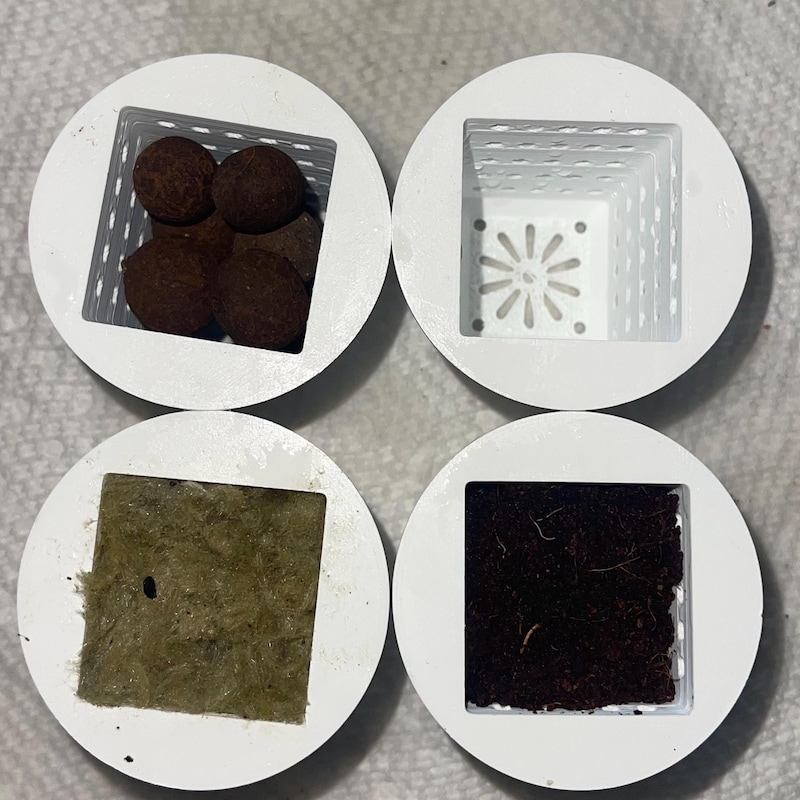
Ensuring optimal growth for your corn plants is crucial for a bountiful harvest. A critical aspect of this is providing adequate support to the stalks, preventing them from bending or breaking under their own weight, especially as they mature and fill with kernels. This support allows the plants to reach their full potential, maximizing yield and overall health.Tall varieties of corn, particularly those with large ears, are susceptible to lodging (falling over) due to strong winds or heavy rains.
This can severely damage the plant, reducing its ability to produce and hindering the overall yield. Proper support systems prevent this from occurring, keeping the plants upright and healthy.
Staking Corn Plants
Staking corn plants is a common and effective method to enhance their stability. Staking involves using sturdy poles to support the stalks, preventing them from bending or breaking. This allows the plant to focus its energy on producing ears of corn rather than struggling to stay upright. The poles should be placed strategically around the plant’s base, ensuring the plant is well-supported as it grows taller.
Trellising Corn Plants
Trellises offer an alternative method to support corn plants. This approach involves creating a framework of vertical supports that the corn stalks can climb. Trellises are particularly advantageous for maximizing space utilization in smaller gardens or areas with limited space. They also promote better air circulation around the plants, potentially reducing the risk of fungal diseases.
Methods for Properly Staking or Trellising
- Select sturdy stakes or trellises. The material should be strong enough to withstand the weight of the mature corn plant. Wooden stakes or metal poles are suitable options. Ensure the chosen material is resistant to rot or decay if using wood.
- Drive stakes into the ground at the base of each corn plant. The stakes should be spaced evenly around the plant’s base. The depth of the stakes should be sufficient to firmly anchor them in the soil. Ideally, the stakes should be at least 4-5 feet tall to fully support the corn plant.
- Tie the corn stalks to the stakes as they grow. Use twine or soft plant ties to gently secure the stalks to the stakes. This should be done frequently, ideally weekly, as the stalks grow. Avoid tying the stalks too tightly, which can damage the plant.
- For trellises, train the corn stalks along the supports. Corn plants naturally tend to grow upward. Guide the stalks along the trellises as they grow. Secure the stalks to the trellis using twine or soft plant ties.
Creating a Simple Trellis Structure
A simple trellis can be constructed using readily available materials. A strong frame, such as two-by-fours or sturdy bamboo poles, is a good start. These poles can be placed approximately 6-8 feet apart, creating a sturdy base. Vertical supports, such as additional two-by-fours or bamboo poles, can then be attached to the horizontal frame. These vertical supports will provide the climbing structure for the corn plants.
Ensure the framework is anchored well to the ground.
Using a simple, sturdy trellis will support your corn plants, improving the overall health and yield.
Importance of Support
Providing adequate support to corn plants is essential for preventing breakage and ensuring optimal growth. Without support, the stalks are more prone to bending and breaking, especially during periods of strong winds or heavy rains. This breakage can severely impact the plant’s ability to produce ears of corn, leading to a significant reduction in yield. Proper support systems ensure the plants remain upright and healthy throughout their growth cycle, maximizing the overall harvest.
Troubleshooting Common Issues
Cultivating corn successfully often involves identifying and addressing potential problems promptly. Understanding the reasons behind common issues like stunted growth, yellowing leaves, or pest infestations can significantly impact yield and overall plant health. This section provides a comprehensive guide to troubleshoot various issues that may arise during the corn growing process.
Identifying Stunted Growth
Corn plants require optimal conditions for robust growth. Stunted growth, characterized by a smaller stature than expected, can stem from various factors. Insufficient water, nutrient deficiencies, or inadequate sunlight exposure are common culprits. In some cases, diseases or pests can also contribute to this problem. Careful observation of the plant’s surroundings and conditions can help determine the cause.
Addressing Yellowing Leaves
Yellowing leaves on corn plants are a sign that something is amiss. This symptom can indicate a variety of issues, including nutrient deficiencies, such as nitrogen or magnesium, overwatering, or underwatering, or even pest infestations. Understanding the underlying cause is crucial for implementing the appropriate solution.
Managing Pest Infestations
Corn, like many crops, is susceptible to various pests. Early detection and appropriate intervention are key to mitigating damage and preserving yields. Common pests include corn earworms, aphids, and cutworms. Recognizing the specific pest and its damage patterns is essential for implementing effective control measures. This may involve using natural pest control methods, such as introducing beneficial insects or employing organic pesticides.
Troubleshooting Table
| Problem | Possible Causes | Solutions |
|---|---|---|
| Stunted Growth | Insufficient water, nutrient deficiencies (nitrogen, phosphorus), compacted soil, inadequate sunlight, diseases, pests | Ensure adequate watering, amend soil with appropriate nutrients, improve soil aeration, ensure sufficient sunlight, address diseases or pests with appropriate methods |
| Yellowing Leaves | Nutrient deficiencies (nitrogen, magnesium), overwatering, underwatering, diseases, pests | Apply appropriate fertilizer, adjust watering schedule, address diseases or pests with appropriate methods |
| Pest Infestations (e.g., Corn Earworm) | Presence of pest larvae, poor sanitation, inadequate pest control | Monitor plants regularly, use natural pest control methods (e.g., beneficial insects, traps), or appropriate pesticides (when necessary) |
| Poor Ear Development | Insufficient pollination, nutrient deficiencies, environmental stress | Ensure proper pollination (e.g., by hand pollination if necessary), provide adequate nutrients, and minimize environmental stress (e.g., by providing sufficient water and sunlight) |
End of Discussion
In conclusion, growing corn in your backyard is achievable with careful planning and execution. By following the steps Artikeld in this guide, you can select the ideal corn variety, prepare the soil, plant, water, and nurture your corn plants. Proper pest and disease management, and meticulous harvesting and storage techniques will ensure a bountiful and enjoyable harvest. Embrace the process and savor the rewards of your homegrown corn.