Hydroponic gardening offers a fascinating alternative to traditional soil-based cultivation. This guide delves into the rewarding world of growing jade plants in water, providing a comprehensive approach to this unique method. From selecting the ideal equipment to understanding the intricate needs of your jade plant, we’ll explore the complete process step-by-step. Discover the benefits and challenges of this approach, and learn how to nurture your jade plant to thriving health.
This comprehensive guide covers everything from initial setup to ongoing maintenance. We’ll discuss essential equipment, water and growing medium choices, and the crucial steps in setting up your hydroponic system. Maintaining a healthy environment for your jade plant is paramount, and we’ll provide detailed insights into light requirements, propagation techniques, and potential problem-solving strategies. With this in-depth approach, you’ll gain the knowledge to successfully grow your jade plant in water and enjoy its beauty for years to come.
Introduction to Growing Jade Plants in Water
Growing jade plants hydroponically, a method of growing plants without soil, presents an intriguing alternative to traditional gardening. This technique involves cultivating the plant’s roots in a nutrient-rich water solution, offering a unique way to nurture these popular succulents. This approach allows for greater control over the plant’s environment, potentially leading to faster growth and healthier specimens.Hydroponic cultivation of jade plants, like other succulents, often yields plants with denser foliage and vibrant color due to the precise control over nutrient delivery and environmental conditions.
However, careful attention to water quality, nutrient balance, and light exposure is crucial for success. Compared to traditional soil-based cultivation, growing jade plants in water requires a more proactive approach to maintenance and monitoring.
Benefits and Drawbacks of Hydroponic Jade Plants
Growing jade plants in water, or hydroponically, presents several advantages and disadvantages compared to traditional soil-based cultivation. One of the significant benefits is the ability to precisely control the nutrient solution, ensuring the plant receives the optimal balance of essential elements. This precision often leads to faster growth rates and improved plant health. Furthermore, hydroponic systems can be more space-efficient, suitable for smaller spaces or vertical gardening setups.Conversely, hydroponic cultivation requires ongoing monitoring and maintenance.
Regular water changes and nutrient adjustments are essential to prevent the buildup of harmful salts and maintain a healthy environment for the roots. Potential drawbacks also include the risk of contamination if hygiene practices are not followed rigorously, and the initial setup costs may be higher compared to traditional soil-based methods.
Types of Jade Plants Suitable for Hydroponics
Various types of jade plants can thrive in hydroponic systems. The most common variety,
- Crassula ovata*, is widely adaptable and often exhibits vibrant foliage, making it a popular choice for this method. Other closely related species, like
- Crassula argentea* and
- Crassula portulacea*, are also known for their tolerance to different growing conditions and can flourish in water culture. These plants all share similar water and light requirements.
Water Requirements and Light Needs
Maintaining a healthy hydroponic environment requires careful attention to water quality and light conditions. The frequency and volume of water changes will depend on the specific system and plant type. Regular checks and adjustments are essential to ensure the water solution remains balanced and prevents the buildup of harmful salts. Adequate light is also critical for healthy growth and vibrant color.
Strong indirect light is typically preferred, although direct sunlight for a short period may be suitable for some species, but always with careful monitoring.
| Plant Type | Water Requirements | Light Needs |
|---|---|---|
| Crassula ovata | Regular water changes, maintaining pH balance. | Bright, indirect light; 6-8 hours daily. |
| Crassula argentea | Regular water changes, monitoring for nutrient levels. | Bright, indirect light; 6-8 hours daily. |
| Crassula portulacea | Regular water changes, ensuring proper nutrient balance. | Bright, indirect light; 6-8 hours daily. |
Essential Equipment and Supplies
Cultivating a jade plant in water, a hydroponic method, necessitates specific equipment and supplies. Careful selection of these components ensures the plant’s health and thriving growth. Proper containers and growing mediums provide the necessary support and environment for the plant’s root system. The right tools aid in maintaining the system’s integrity, ensuring optimal conditions for the jade plant.
Containers for Hydroponic Jade Plants
Selecting suitable containers is crucial for a successful hydroponic jade plant setup. Transparent containers are recommended for observing root growth and monitoring water levels. The containers should be large enough to accommodate the plant’s root system and allow for sufficient space for the growing medium. Consider the plant’s size and anticipated growth when choosing a container. Plastic containers, often readily available and affordable, are a suitable option.
Glass containers, while visually appealing, might be more susceptible to breakage.
Growing Mediums for Jade Plants
Choosing an appropriate growing medium is important for the health of the jade plant’s roots. A porous growing medium is essential to allow for proper aeration and drainage. Hydroton, a lightweight clay aggregate, is an excellent choice due to its ability to retain water effectively while maintaining excellent drainage. Coco coir, a natural fiber, is another viable option known for its water retention capacity and its ability to support root growth.
Essential Tools for System Maintenance
Regular maintenance is key to maintaining a thriving hydroponic system. A few essential tools will simplify this process. A water measuring cup or graduated cylinder ensures accurate water level measurements. A pH testing kit helps maintain the ideal pH level, crucial for nutrient uptake. A small pair of pruning shears is essential for trimming roots or stems, if needed.
Table of Essential Equipment and Supplies
| Item | Description | Cost Estimate (USD) |
|---|---|---|
| Transparent Plastic Container | A clear plastic container with a lid, sized appropriately for the plant. | $5 – $15 |
| Hydroton | Lightweight clay aggregate for growing medium. | $10 – $20 |
| Water Measuring Cup | Graduated cup for precise water measurements. | $3 – $5 |
| pH Testing Kit | Kit to measure and adjust the water’s pH level. | $10 – $20 |
| Pruning Shears | Small, sharp shears for trimming roots or stems. | $5 – $10 |
Choosing the Right Water and Growing Medium
Hydroponic jade plant cultivation necessitates careful consideration of water quality and growing medium. The right combination fosters optimal root development and overall plant health, contributing to vibrant growth and aesthetic appeal. Proper selection ensures the plant thrives in its new environment.Maintaining the ideal environment for a jade plant in water involves understanding the specific needs of the plant and the factors influencing its growth.
This encompasses the composition of the water, its pH level, and the properties of the growing medium. The right combination will promote healthy root development and prevent issues like root rot or nutrient deficiencies.
Ideal Water Composition for Hydroponic Jade Plants
Water quality is paramount in hydroponics. Pure water, devoid of minerals and impurities, is often the preferred choice for hydroponic systems. Tap water, while seemingly straightforward, can contain minerals that can disrupt the balance of the hydroponic system. Therefore, careful consideration of water quality is essential. Improper water quality can lead to mineral buildup, impacting plant health and potentially causing damage.
Importance of pH Levels and Maintenance
Maintaining the optimal pH level is crucial for nutrient uptake. Jade plants, like most plants, thrive within a specific pH range. The ideal pH range for jade plants in hydroponic systems typically falls between 5.5 and 6.5. Fluctuations outside this range can inhibit nutrient absorption, potentially causing nutrient deficiencies or other growth problems. Regular monitoring and adjustment of the pH level are necessary for healthy growth.
Using a pH testing kit allows for accurate measurements and timely adjustments to maintain the ideal pH.
Different Growing Mediums for Hydroponic Jade Plants
Several growing mediums can support hydroponic jade plants. The choice of medium depends on factors such as cost, availability, and the specific needs of the plant. These mediums provide support and aeration for the roots, crucial for optimal growth. The right medium allows for adequate drainage and oxygenation of the roots, preventing issues like root rot.
- Hydroton (clay pebbles): A popular choice due to its inert nature, excellent drainage, and ability to retain moisture. Hydroton provides a stable environment for the roots, encouraging healthy growth. Its porosity also promotes aeration.
- Expanded clay aggregate (ECA): Similar to hydroton, ECA offers excellent water retention and drainage, promoting aeration and preventing waterlogging. Its inertness ensures that it doesn’t introduce any unwanted minerals into the water system.
- Coconut coir: A natural, sustainable alternative, coconut coir provides good water retention and aeration. It is often used in combination with other mediums for improved support and stability.
Comparison of Water Types and Suitability
The table below summarizes the suitability of different water types for hydroponic jade plants.
| Water Type | Suitability | Comments |
|---|---|---|
| Distilled Water | Excellent | Free from minerals and impurities, ideal for hydroponics. |
| Reverse Osmosis (RO) Water | Excellent | Removes most impurities, making it a highly effective choice. |
| Rainwater | Good | Often free from minerals, but may vary in quality depending on location. |
| Tap Water | Poor (often requires treatment) | May contain minerals and impurities that can negatively impact plant growth. |
Setting Up the Hydroponic System
Transforming your jade plant’s environment into a thriving hydroponic system involves careful selection of equipment and a methodical setup. Understanding the different hydroponic systems available is crucial for achieving optimal growth conditions. This section details the step-by-step process for creating a DIY system, emphasizing the various types and essential preparations.
Choosing a Hydroponic System Type
Different hydroponic systems cater to varying needs and preferences. Understanding the strengths and limitations of each type is essential for choosing the best fit for your jade plant. Deep Water Culture (DWC) and Wicking systems are popular choices. DWC systems are ideal for large-scale operations, while wicking systems are more manageable for smaller setups and beginner growers.
Preparing the Containers and Growing Medium
Selecting suitable containers and growing medium is crucial for maintaining optimal plant health. Properly prepared containers and medium ensure efficient nutrient delivery and adequate aeration for root development. The chosen containers should be clean, non-toxic, and provide sufficient space for root growth. The growing medium should be inert, allowing for proper aeration and water drainage.
Step-by-Step Setup Procedure
This table Artikels the crucial steps involved in creating a DIY hydroponic system for your jade plant. Following these steps ensures a successful transition from soil-based cultivation to a thriving hydroponic environment.
| Step | Action | Description |
|---|---|---|
| 1 | Container Selection | Choose a clean, non-toxic container with sufficient space for the roots of your jade plant. Consider materials like clear plastic containers, or glass jars for visual monitoring of root development. |
| 2 | Growing Medium Preparation | Select a suitable inert growing medium. Expanded clay pebbles, perlite, or vermiculite are commonly used. Rinse the growing medium thoroughly to remove any dust or debris. |
| 3 | System Assembly | Fill the chosen container with the prepared growing medium. The medium should fill approximately 2/3 of the container. |
| 4 | Water Reservoir Setup | If using a DWC system, create a separate reservoir. Fill the reservoir with a nutrient solution. For a wicking system, a separate container for the reservoir will be needed. |
| 5 | Plant Placement | Gently place the jade plant into the growing medium. Ensure that the roots are fully submerged in the growing medium for a DWC system, or that the growing medium is in close proximity to the reservoir for a wicking system. |
| 6 | Nutrient Solution Addition | Add the appropriate nutrient solution to the reservoir. The solution should be carefully measured to ensure the correct concentration. Adjust the solution as needed based on your jade plant’s growth and the local water quality. |
| 7 | System Monitoring | Regularly monitor the water level in the reservoir and the overall health of the jade plant. Adjust the nutrient solution as needed to maintain the optimal balance of nutrients. |
Maintaining the System
Maintaining a healthy hydroponic jade plant system requires consistent attention to detail. Proper watering, nutrient solution management, and vigilance against potential problems are crucial for optimal plant growth and well-being. Regular monitoring and proactive measures will ensure your jade plant thrives in its aquatic environment.
Watering Frequency and Methods
Consistent hydration is essential for a thriving hydroponic jade plant. Overwatering can lead to root rot, while insufficient watering can cause wilting and stunted growth. The frequency of watering depends on several factors, including the size of the container, the type of growing medium, and the ambient temperature. Generally, inspect the water level regularly and replenish as needed to maintain a consistent level.
If using a reservoir system, regularly check the water level and refill as necessary. Ensure the water is always within the appropriate level to support the plant’s needs.
Nutrient Solution Management
Maintaining the correct balance of nutrients in the solution is vital for the jade plant’s health. Nutrient deficiencies or excesses can manifest as various symptoms. Regularly monitor the nutrient solution’s strength and adjust it according to the plant’s needs. Follow the manufacturer’s instructions for recommended nutrient solution concentrations and ensure that the solution is appropriately mixed. A simple test kit can help you measure the nutrient levels accurately and maintain the ideal balance.
If the solution becomes cloudy or discolored, replace it with a fresh, properly prepared solution. Maintaining the correct pH is also crucial; use a pH meter to monitor the solution’s acidity.
Identifying and Addressing Potential Problems
Regular observation of the plant is essential to identify and address any issues promptly. Potential problems include pest infestations, diseases, and nutrient deficiencies. Identifying these problems early can prevent further damage and maintain the health of the jade plant. Look for signs of pests, such as insects or mites on the leaves or stems. Diseases may manifest as discoloration, wilting, or spots on the leaves.
Nutrient deficiencies can result in stunted growth, yellowing leaves, or unusual leaf shapes.
Troubleshooting Common Issues
| Problem | Possible Cause | Solution |
|---|---|---|
| Yellowing leaves | Nutrient deficiency (especially nitrogen or iron), overwatering, or underwatering | Adjust nutrient solution strength, ensure proper watering, and monitor pH levels. |
| Wilting leaves | Underwatering, root rot, or pest infestations | Increase watering frequency, check for root rot, and treat pests accordingly. |
| Slow growth | Nutrient deficiency, improper lighting, or insufficient water | Adjust nutrient solution, ensure proper lighting, and monitor watering. |
| Pest infestations | Presence of pests like aphids or mealybugs | Identify the pest and apply appropriate treatment (e.g., insecticidal soap). |
| Root rot | Overwatering or poor drainage | Reduce watering frequency, ensure proper drainage, and repot the plant in fresh growing medium. |
Light Requirements and Placement
Proper light is crucial for a jade plant’s health and growth, especially in a hydroponic system where the plant’s roots are exposed and nutrient delivery relies on consistent environmental conditions. Insufficient light can lead to weak stems, slow growth, and pale foliage. Conversely, excessive light can scorch the leaves and hinder overall development.Adequate lighting ensures the plant can efficiently carry out photosynthesis, converting light energy into the sugars it needs for growth and overall well-being.
This is particularly important in a hydroponic setup, where the plant’s root system is not anchored in soil and relies entirely on the provided nutrients and environment for sustenance.
Light Source Considerations
Providing the right light spectrum and intensity is essential for optimal jade plant growth in a hydroponic environment. Different light sources offer varying degrees of effectiveness, and the selection depends on factors such as available space, budget, and desired outcome. Sunlight is the ideal natural source, but supplemental lighting is often necessary, especially during periods of limited natural daylight.
Optimal Light Placement
Optimal light placement is key to maximizing growth. Placing the hydroponic jade plant too close to a light source can lead to leaf burn, while positioning it too far away may not provide sufficient energy for photosynthesis, resulting in slow growth. The ideal distance should be determined through observation and adjustment. The plant’s response to light exposure will serve as a valuable guide.
Experimentation with varying placements will help fine-tune the system for optimal results.
Light Source Comparison
The effectiveness of different light sources varies. Here’s a comparison table to illustrate the pros and cons of common options:
| Light Source | Effectiveness | Pros | Cons |
|---|---|---|---|
| Sunlight (Direct) | High | Natural, free, promotes strong growth, and vibrant foliage. | Availability dependent on location and time of year, susceptible to weather conditions. |
| Grow Lights (LED) | High | Energy-efficient, adjustable intensity and spectrum, ideal for controlled environments. | Can be expensive upfront, requires careful setup and placement. |
| Grow Lights (Fluorescent) | Moderate | Affordable, good for seedlings and smaller plants. | Less efficient than LEDs, can heat up the environment. |
| Grow Lights (HPS/MH) | High | Powerful light output, suitable for larger plants. | Consumes high energy, produces significant heat. |
Note that the effectiveness of a light source can be affected by the specific type of plant and its needs. A jade plant, for example, may thrive under specific spectral qualities, and this should be considered in the selection process.
Propagation and Care
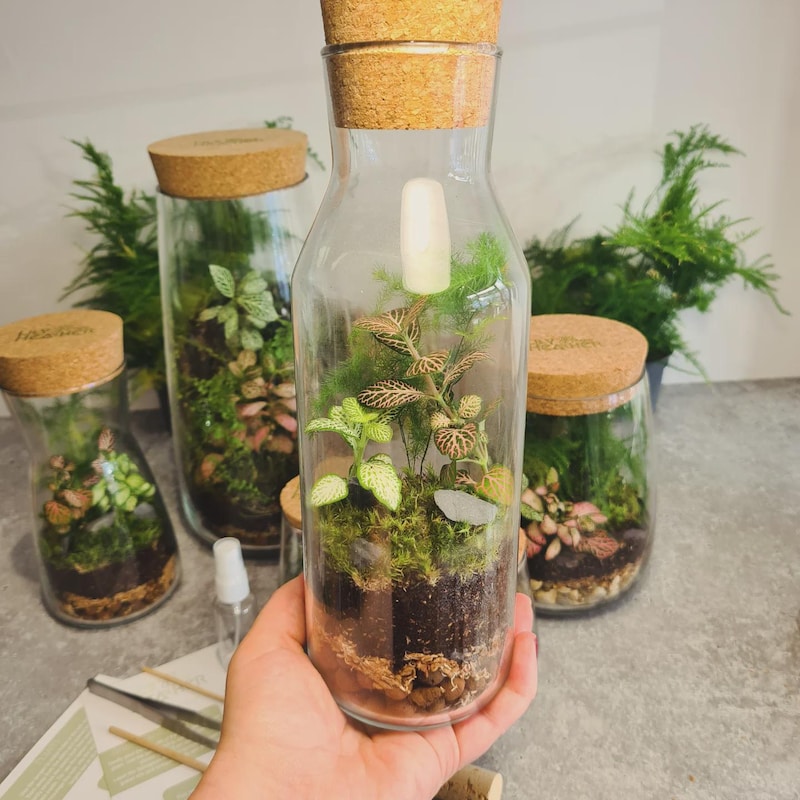
Hydroponically grown jade plants require specific attention to propagation and care to thrive. Proper propagation methods ensure healthy new plants, while consistent care maintains their vibrancy and prevents issues like root rot or nutrient deficiencies. Maintaining optimal temperature and humidity levels, along with a meticulous repotting process, is crucial for a successful hydroponic jade plant journey.
Propagating Jade Plants from Cuttings in Water
Propagating jade plants from cuttings in water is a straightforward method for increasing your collection. This process involves taking a healthy stem cutting and placing it in a suitable water solution, allowing it to develop roots. This method often yields results faster than soil-based propagation.
- Selecting Healthy Cuttings: Choose a healthy, mature stem cutting from your jade plant. A cutting approximately 3-5 inches in length, with at least two nodes (where leaves attach to the stem), is ideal. Avoid cuttings that exhibit signs of disease or damage. Ensure the cutting is from a healthy, well-established plant.
- Preparing the Cutting: Carefully remove the cutting from the parent plant using a clean, sharp knife or pruning shears. Immediately, remove any lower leaves to expose the stem for root development. This helps prevent rotting at the base of the cutting.
- Preparing the Water Solution: Use distilled or filtered water, as tap water can contain minerals that might hinder root development. Alternatively, a rooting hormone can be added to the water for faster root growth, as recommended by experts. This solution enhances the chances of successful propagation.
Ideal Temperature and Humidity Levels
Maintaining optimal temperature and humidity is vital for the healthy growth of your hydroponic jade plant. These factors, alongside proper lighting, influence the plant’s overall well-being.
- Temperature: Jade plants thrive in temperatures ranging from 65-85°F (18-29°C). Avoid drastic temperature fluctuations, as these can stress the plant and impact its growth. Providing a stable environment is key to the success of the hydroponic method.
- Humidity: While jade plants are relatively tolerant of lower humidity, maintaining a moderate humidity level (around 50-60%) is beneficial. This promotes healthy growth and reduces the risk of fungal issues. Consider using a humidifier if your environment is particularly dry.
Repotting a Jade Plant Grown in Water
Repotting a hydroponic jade plant is a delicate procedure that should be performed when the plant outgrows its current container. It involves carefully transferring the plant to a fresh hydroponic system, without disturbing the delicate root system.
- Assessing the Root System: Gently remove the plant from its current container. Examine the root system. Healthy roots should be firm and white to light-green in color. Any signs of discoloration or rot should be addressed.
- Preparing the New System: Prepare a fresh hydroponic system with a new growing medium and water solution. Follow the steps Artikeld in the previous sections on setting up the hydroponic system.
- Transferring the Plant: Carefully transfer the plant to the new hydroponic system, ensuring the roots are immersed in the solution. Avoid compacting the growing medium.
Step-by-Step Propagation Guide (Water Method)
The following table Artikels the necessary materials and steps for propagating jade plant cuttings in water.
| Material | Quantity | Description |
|---|---|---|
| Healthy Jade Plant Stem Cutting | 1 | A healthy stem cutting from a mature jade plant, with 2 or more nodes. |
| Sharp Knife or Pruning Shears | 1 | For cleanly cutting the stem cutting. |
| Clean, Distilled or Filtered Water | As needed | Use water free of minerals for optimal root development. |
| Small, Clear Container (e.g., glass jar) | 1 | To hold the water and cutting. |
| Optional: Rooting Hormone | As needed | Can accelerate root development. |
- Step 1: Select a healthy cutting.
- Step 2: Prepare the cutting by removing lower leaves.
- Step 3: Add rooting hormone to the water, if using.
- Step 4: Place the cutting in the container with the water.
- Step 5: Maintain the cutting in a warm, well-lit area.
Potential Problems and Solutions
Cultivating jade plants in water presents unique challenges, requiring careful monitoring and proactive problem-solving. Understanding potential issues and their remedies ensures a thriving hydroponic environment. This section details common problems and effective solutions to maintain the health and vitality of your aquatic jade.
Root Rot
Root rot is a common issue in hydroponic systems, often caused by overwatering or insufficient drainage. This leads to the decay of roots, hindering nutrient absorption and potentially causing the plant’s demise. Identifying the signs of root rot early is crucial for successful treatment.
- Signs of Root Rot: Soft, mushy, or dark brown roots are indicative of root rot. The plant may exhibit wilting, yellowing leaves, and reduced growth. The water itself may become murky or foul-smelling. Additionally, reduced vigor and a general lack of vitality in the plant are also warning signs.
- Solutions for Root Rot: Immediately remove the affected plant from the water. Carefully prune away any visibly decayed or mushy roots. Ensure the remaining roots are healthy and vibrant. Replant the jade in fresh, clean water and a new growing medium, ensuring proper drainage. Adjust your watering schedule to prevent overwatering.
Consider using a stronger solution of rooting hormone to promote faster and healthier root growth.
Nutrient Deficiencies
Inadequate nutrient levels can cause a range of problems in hydroponic jade plants. Nutrient deficiencies manifest in various ways, impacting leaf color, growth, and overall health. The identification of these deficiencies is critical to ensure timely and effective corrective measures.
- Signs of Nutrient Deficiencies: Yellowing leaves, stunted growth, and unusual leaf discoloration are common signs. Specific deficiencies might result in particular leaf patterns. For instance, nitrogen deficiency typically results in yellowing of older leaves, whereas iron deficiency may cause interveinal chlorosis in younger leaves. Conducting regular checks and analyzing the leaves’ appearance will help to identify the specific nutrient deficiency.
- Solutions for Nutrient Deficiencies: A proper nutrient solution should be formulated to address the specific deficiency. Regular testing of the nutrient solution’s strength and composition is essential. Adjust the concentration of the nutrient solution to address the specific deficiency. Consider supplementing the water with specific nutrients or using specialized hydroponic nutrient solutions tailored for jade plants.
Pest Infestations
Pest infestations, though less common, can occur in hydroponic systems. These pests can cause damage to the plant, impacting its growth and health. Prompt identification and treatment are necessary to prevent severe infestations.
- Signs of Pest Infestations: Look for small insects, such as aphids, mealybugs, or spider mites, on the plant or in the water. Discoloration of leaves, sticky residue, and webbing are all potential indicators of pest infestation. The appearance of these pests and their corresponding damage is important to note.
- Solutions for Pest Infestations: Isolating the infested plant is crucial to prevent the spread of pests to other plants. Use insecticidal soap or neem oil to control pests. Regular monitoring and inspection of the plants are crucial to prevent further infestations.
Table of Common Problems and Solutions
| Problem | Signs | Solutions |
|---|---|---|
| Root Rot | Soft, mushy, or dark brown roots; wilting, yellowing leaves; reduced growth; murky or foul-smelling water | Remove from water, prune decayed roots, replant in fresh, clean water and growing medium, adjust watering schedule |
| Nutrient Deficiencies | Yellowing leaves, stunted growth, unusual leaf discoloration (e.g., interveinal chlorosis) | Adjust nutrient solution concentration; use specialized hydroponic nutrient solutions; supplement with specific nutrients |
| Pest Infestations | Small insects (aphids, mealybugs, spider mites); discoloration of leaves; sticky residue; webbing | Isolate infested plant; use insecticidal soap or neem oil; regular monitoring |
Long-Term Care and Maintenance
Hydroponic jade plants, while offering a unique growing experience, require consistent attention to thrive. Long-term care ensures sustained health and growth, preventing potential issues. Maintaining optimal conditions involves regular checks, adjustments, and proactive problem-solving. A well-maintained system will reward you with a vibrant and healthy jade plant.Proper upkeep extends the lifespan of your hydroponic jade plant and keeps it in a flourishing state.
Regular monitoring and timely adjustments to the system are crucial for continued success. This involves a meticulous approach, encompassing water quality, nutrient levels, and environmental factors.
Regular Checks and Adjustments
Consistent monitoring is key to a healthy hydroponic system. Regular checks ensure the system functions optimally, preventing issues before they escalate. These checks include examining the water level, nutrient solution strength, and the overall health of the plant. Addressing any deviations from the optimal parameters promptly prevents significant setbacks.
Maintaining Optimal Growing Conditions
Maintaining optimal growing conditions for a hydroponic jade plant requires attention to several factors. The ideal temperature range, light exposure, and appropriate pH levels are crucial. Monitoring these elements helps sustain optimal growth and prevent stress. Maintaining the correct nutrient balance is equally important for sustained growth and preventing deficiencies.
Monthly Maintenance Schedule
A structured approach to monthly maintenance is beneficial for maintaining a healthy hydroponic jade plant. This schedule allows for proactive intervention and prevents potential problems. A well-defined schedule will guarantee consistent growth and health.
| Month | Maintenance Tasks |
|---|---|
| January | Inspect roots for any signs of decay or damage. Check pH and adjust if necessary. Ensure adequate light levels, potentially supplementing with grow lights. Monitor water level and replenish as needed. |
| February | Inspect the nutrient solution for clarity and any signs of discoloration or excessive buildup. Test the pH and adjust if necessary. Observe the plant for signs of stress, such as wilting or yellowing. Inspect the roots again. |
| March | Ensure proper aeration. Observe the plant’s growth rate and adjust nutrient solution strength accordingly. Re-evaluate light exposure. Clean the system components to maintain optimal function. |
| April | Assess the plant’s overall health. Check for pests or diseases. Monitor water quality. Re-evaluate pH levels. |
| May | Inspect the system for leaks or blockages. Test for nutrient deficiencies or excesses. Adjust light exposure if necessary. Re-evaluate the water level and replace if needed. |
| June | Check for pest or disease presence. Monitor the pH of the nutrient solution. Ensure the water is at the optimal temperature. Inspect the roots for health. |
| July | Monitor for algae growth. Ensure proper aeration is maintained. Re-evaluate nutrient levels and adjust as needed. |
| August | Inspect the roots for signs of damage or disease. Assess the plant’s overall health and adjust light exposure accordingly. Check for pests or diseases. |
| September | Check for root rot or other issues. Inspect for pests. Ensure appropriate water temperature. Maintain the proper pH level. |
| October | Review the plant’s growth. Check for pests or diseases. Evaluate the nutrient solution. Maintain optimal pH levels. |
| November | Check the nutrient solution for any imbalances. Ensure proper water level. Check for signs of stress in the plant. |
| December | Inspect the plant for any issues. Maintain optimal pH. Check water level and refill as needed. Prepare for winter conditions, if applicable. |
Final Thoughts
In conclusion, cultivating jade plants hydroponically offers a unique and rewarding experience. By understanding the specific requirements for water, light, and maintenance, you can successfully nurture your jade plant to thrive in a water-based environment. This guide provides a thorough roadmap to help you every step of the way, from initial setup to long-term care. Embrace the beauty of hydroponic gardening and enjoy the remarkable growth of your jade plant.