Unlocking the secrets to a rapid lettuce harvest is achievable within just 30 days. This guide delves into the essential techniques and considerations for cultivating fresh, vibrant lettuce, providing a comprehensive roadmap for success. From choosing the right varieties to mastering optimal growing conditions, this resource will empower you to cultivate a bountiful crop quickly and efficiently.
The article explores various crucial aspects of 30-day lettuce cultivation, including seed selection, ideal growing environments, and effective pest management strategies. Understanding these key factors is paramount for achieving a successful and rewarding harvest. This detailed approach will equip you with the knowledge and tools needed to cultivate a thriving lettuce garden in a remarkably short timeframe.
Introduction to Growing Lettuce in 30 Days
Achieving a 30-day lettuce harvest requires careful planning and selection of fast-growing varieties. This timeframe presents a challenge, as typical lettuce growth cycles are longer. However, with the right approach, you can successfully cultivate a fresh, homegrown salad in just a month. Understanding the varieties, avoiding common pitfalls, and optimizing seed selection are crucial steps for success.Rapid lettuce growth is possible with the right selection of varieties.
Certain cultivars are naturally adapted to faster maturation periods, enabling a 30-day harvest. This section will explore the key characteristics and traits of these specific varieties, guiding you toward a productive harvest. Careful consideration of these factors will significantly increase your chances of a timely harvest.
Lettuce Varieties Suitable for Rapid Growth
A crucial aspect of achieving a 30-day harvest is selecting the appropriate lettuce variety. Some lettuce types mature much faster than others. Choosing a variety explicitly bred for rapid growth is essential. Loose-leaf varieties, often exhibiting a faster growth rate, are frequently preferred for this goal. In contrast, head lettuce varieties require a longer time to develop.
Common Mistakes to Avoid in 30-Day Lettuce Harvesting
Several common errors can hinder your efforts to harvest lettuce within 30 days. One common mistake is inadequate seed selection, which can negatively impact the growth rate. Another key mistake is neglecting the essential conditions for germination and early growth. Furthermore, inconsistent watering or improper soil preparation can also significantly delay the process.
Importance of Seed Selection and Germination
Proper seed selection and germination are paramount to a successful 30-day lettuce harvest. High-quality seeds, specifically those known for rapid germination and growth, are essential. The germination process requires careful attention to temperature, moisture, and light conditions. Ensuring the seed is planted in optimal conditions will directly impact the initial growth stage. The quality of the seeds and the conditions during germination are critical for achieving the desired 30-day harvest.
Comparison of Lettuce Types for Speed of Growth
The following table illustrates the typical growth time for various lettuce types, providing a clear comparison. This comparison aids in understanding the differences in maturity periods and allows for informed choices.
| Lettuce Type | Typical Growth Time (Days) |
|---|---|
| Loose-leaf | 25-35 |
| Butterhead | 40-50 |
| Romaine | 50-60 |
| Crisphead | 60-75 |
Ideal Growing Conditions for Fast Lettuce Growth

Cultivating crisp, delicious lettuce in just 30 days requires careful attention to environmental factors. Optimal temperature, soil composition, and consistent watering are crucial for achieving a successful harvest. Proper sunlight exposure and the choice of light source for indoor cultivation also significantly influence the growth rate and quality of your lettuce.Understanding these factors ensures a thriving environment that maximizes lettuce growth, leading to a rewarding and fulfilling experience.
Optimal Temperature Range
Lettuce thrives in a relatively cool environment. The ideal temperature range for optimal growth is between 60°F and 70°F (15°C and 21°C). Temperatures exceeding 75°F (24°C) can lead to bolting, where the plant rapidly develops flowers instead of leaves, diminishing the quality and size of the harvest. Conversely, temperatures below 50°F (10°C) can slow down growth significantly, potentially extending the cultivation time beyond the desired 30-day mark.
Ideal Soil Composition and pH
A well-draining soil mix is essential for lettuce growth. A blend of equal parts potting mix, compost, and perlite or vermiculite provides excellent aeration and drainage, crucial for preventing root rot. The ideal pH range for lettuce is 6.0 to 7.0. This slightly acidic to neutral pH ensures optimal nutrient availability for the plant. Regular soil testing can help maintain the desired pH balance.
Watering Techniques
Consistent moisture is vital for lettuce growth. Overwatering can lead to root rot, while underwatering can result in wilting and stunted growth. The key is to maintain a consistently moist but not soggy soil. Watering deeply and less frequently, allowing the top inch of soil to dry out between waterings, is often the best practice. Using a moisture meter can help determine the exact moisture level of the soil, enabling precise watering.
Sunlight Exposure
Lettuce requires ample sunlight for healthy growth. At least 6-8 hours of direct sunlight daily is ideal for outdoor cultivation. Indoor lettuce cultivation often requires supplemental lighting to compensate for limited natural sunlight. Understanding the specific light requirements for your chosen lettuce variety is important.
Light Sources for Indoor Cultivation
Several light sources can effectively supplement or replace natural sunlight for indoor lettuce cultivation. LED grow lights are increasingly popular due to their energy efficiency and ability to emit the specific wavelengths of light required for photosynthesis. Fluorescent lights, while less energy-efficient, can also provide adequate light for indoor lettuce growth. The intensity and spectrum of the light source should be tailored to the specific needs of the lettuce variety.
Soil Type Suitability
| Soil Type | Suitability for Lettuce Growth (30 Days) | Comments ||————————|—————————————-|———————————————————————————————————————————————————————————————————–|| Loamy Soil | Good | Well-draining and rich in nutrients, ideal for rapid growth, especially when amended with compost.
|| Sandy Soil | Moderate | Requires frequent watering and amendment with organic matter to improve moisture retention.
|| Clayey Soil | Poor | Can become waterlogged, leading to root rot.
Amend with organic matter and perlite or vermiculite to improve drainage and aeration. || Potting Mix | Excellent | Pre-mixed and formulated for container gardening, often containing essential nutrients and components for rapid growth.
|| Compost-Rich Soil | Very Good | Provides essential nutrients and enhances drainage.
|
Planting and Seed Starting Strategies
Rapid lettuce growth within 30 days hinges on efficient seed starting and planting. Proper techniques ensure optimal germination and healthy seedlings, ultimately leading to a bountiful harvest. This section Artikels the best practices for initiating your lettuce garden.
Seed Starting Indoors
Starting lettuce seeds indoors allows for a head start on the growing season. This method enables you to control the environment and promote faster germination. Choosing the right containers and maintaining the optimal temperature and humidity are critical for successful indoor seed starting.
- Seed Starting Containers: Seed trays, starter pots, or even recycled containers can be utilized. Seed trays offer space efficiency for multiple seeds, while starter pots provide individual compartments for each seedling. The choice depends on your seed quantity and desired level of individual plant care. For instance, a large seed tray might be suitable for a larger quantity of lettuce seeds, while starter pots would allow for more careful monitoring and nurturing of each seed.
- Seed Spacing: Seed spacing ensures healthy growth and prevents overcrowding. The optimal spacing for lettuce seeds depends on the type of lettuce variety. Compact varieties may require closer spacing than loose-leaf types. Following the recommended seed spacing guidelines on the seed packet or from reliable gardening resources ensures adequate space for each seedling to thrive. For instance, a seed packet may specify that seeds should be spaced 1 inch apart, allowing the seedling roots to grow and develop without interference.
- Ideal Depth for Planting: Plant lettuce seeds at a depth of about ¼ inch to ½ inch, covering them lightly with soil. Too deep, and the seeds might not germinate. Too shallow, and they might not have sufficient moisture for proper growth. The depth should align with the type of soil used, as different soils have varying water retention capacities.
For example, sandy soil might require a slightly deeper planting than clay soil.
Direct Sowing in the Garden
Direct sowing lettuce seeds directly into the garden bed offers a simpler approach, especially if you have a suitable growing area. This method saves time and effort by avoiding the transplanting step. However, proper preparation and consideration for weather conditions are crucial for success.
- Soil Preparation: Ensure the soil is well-drained and rich in organic matter. Amend the soil with compost or other organic matter to enhance its structure and nutrient content. Well-prepared soil promotes healthy root development and overall plant growth. For instance, adding compost improves soil aeration and water retention, which are essential for optimal lettuce growth.
- Seed Spacing: Similar to indoor seed starting, appropriate spacing is essential for direct sowing. Refer to seed packet guidelines or reputable gardening resources for recommendations specific to your chosen lettuce variety. This ensures each plant receives adequate space to grow without competing for resources. For example, spacing rows 12 inches apart, with seeds spaced 2-3 inches apart in the rows, would ensure healthy growth for loose-leaf lettuce.
- Watering: Maintain consistent moisture in the soil. Watering regularly, especially during dry spells, is crucial for seed germination and seedling establishment. Overwatering can lead to root rot, while underwatering can stunt growth. Consistent watering promotes even growth and prevents stress on the seedlings. For example, a light watering every day or two during dry weather ensures the soil remains moist enough for seed germination.
Transplanting Seedlings
Transplanting seedlings is a necessary step for moving young lettuce plants from smaller containers to larger ones or from seed trays to the garden. Proper transplanting techniques are vital for minimizing stress and ensuring healthy growth.
- Timing: Transplant seedlings when they have developed a few true leaves, indicating sufficient root development. This usually takes about 2-3 weeks after germination for indoor-started seedlings. Proper timing prevents shock to the young plant. For example, avoid transplanting during the hottest part of the day, when the seedlings are more vulnerable to stress.
- Procedure: Gently remove the seedling from its container, taking care not to damage the roots. Place the seedling in the prepared hole or pot, ensuring the roots are spread out evenly. Fill the hole with soil, firming gently around the roots to eliminate air pockets. Water thoroughly after transplanting to settle the soil and provide hydration. For instance, using your fingers to gently press the soil around the roots promotes proper root development.
Seed Starting Methods Comparison
| Method | Advantages |
|---|---|
| Seed Trays | Cost-effective for multiple seeds; space-efficient for large quantities; relatively easy to manage. |
| Starter Pots | Individualized care for each seedling; easier to transplant; potentially reduces transplant shock. |
Essential Nutrient Management for 30-Day Growth

Ensuring optimal nutrient availability throughout the 30-day lettuce growth cycle is crucial for maximizing yield and quality. A well-timed and targeted approach to fertilization, coupled with appropriate soil management, can significantly impact the success of your lettuce crop. Understanding the specific nutrient needs of lettuce at different growth stages is key to achieving rapid and healthy growth.Proper nutrient management is not just about adding fertilizer; it’s about providing the precise nutrients in the right amounts and at the right times.
This ensures the plant utilizes nutrients efficiently, leading to faster growth and a higher yield. Effective fertilization strategies are essential for producing high-quality lettuce in a short timeframe.
Nutrient Timing for Rapid Growth
Nutrient availability directly impacts the rate of lettuce growth. Early access to essential nutrients allows the plant to establish a robust root system, which is vital for absorbing nutrients and water efficiently throughout the growth cycle. This early establishment lays the foundation for subsequent rapid growth and development. A well-established root system allows the plant to quickly access nutrients, promoting growth and leading to a substantial increase in yield.
Necessary Nutrients for Optimal Growth
Lettuce thrives on a balanced blend of essential nutrients. Nitrogen (N) is crucial for leaf development and overall growth. Phosphorus (P) promotes root development and energy transfer within the plant, enhancing nutrient uptake. Potassium (K) is vital for maintaining overall plant health and stress tolerance. Secondary nutrients, such as calcium (Ca), magnesium (Mg), and sulfur (S), and micronutrients like iron (Fe), manganese (Mn), zinc (Zn), copper (Cu), and boron (B) are also essential for various physiological processes and overall plant health.
A lack of any of these nutrients can hinder growth and yield.
Fertilizing Strategies at Different Growth Stages
For optimal lettuce growth within 30 days, tailored fertilization strategies are crucial. During the seedling stage, focus on providing balanced nutrients to encourage root development. As the plant enters the vegetative stage, emphasize nitrogen for leaf expansion. In the final stages, a balanced nutrient supply is essential to maintain quality and encourage head formation, if applicable, for the lettuce variety.
Using Compost and Organic Matter
Compost and other organic matter significantly enhance soil quality. They improve soil structure, aeration, and water retention, promoting better nutrient availability to the plants. Well-composed soil provides an environment where beneficial microorganisms thrive, improving nutrient cycling and plant health. Adding organic matter to your soil can contribute to a healthier and more productive growing environment for your lettuce.
Fertilizer Application Rates
The appropriate application rate for fertilizers depends on the specific type and the needs of the lettuce variety. A balanced fertilizer can be used throughout the growth cycle, while specialized fertilizers may be needed for particular stages or specific nutrient deficiencies.
| Fertilizer Type | Application Rate (e.g., per square foot) | Best Time for Application |
|---|---|---|
| Balanced Water-Soluble Fertilizer | 1-2 tablespoons per 1 gallon of water | During seedling and vegetative growth stages |
| Organic Compost Tea | 1-2 gallons per 100 square feet | Throughout the growth cycle |
| Nitrogen-rich Fertilizer | Adjust based on soil testing and plant needs | During vegetative growth |
Appropriate fertilizer application rates and timing should be determined based on soil testing results and the specific needs of the lettuce variety.
Pest and Disease Control for 30-Day Lettuce
Maintaining a healthy lettuce crop within a 30-day timeframe necessitates proactive pest and disease management. Proper preventative measures, combined with swift identification and treatment of issues, are crucial for achieving a successful harvest. This section details common threats to lettuce and effective strategies for their control.A healthy lettuce crop benefits from a well-balanced ecosystem, minimizing the risks of pests and diseases.
By understanding the common issues and implementing preventive measures, growers can maintain a thriving environment and increase the likelihood of a successful harvest.
Common Lettuce Pests
Recognizing potential pests early allows for prompt intervention and prevents significant damage. Common pests that affect lettuce include aphids, slugs, and caterpillars. Aphids, tiny insects, can suck the sap from leaves, causing distortion and discoloration. Slugs and caterpillars feed on the leaves, creating holes and overall damage to the plant.
Common Lettuce Diseases
Lettuce, like many crops, is susceptible to various diseases. Downy mildew, damping-off, and root rot are among the most prevalent. Downy mildew manifests as a grayish-white downy growth on the leaves. Damping-off affects seedlings, hindering their growth and survival. Root rot damages the roots, leading to stunted growth and eventual plant death.
Prevention Methods
Preventing pest and disease infestations is more effective and less costly than treatment. Proper hygiene, adequate spacing between plants, and vigilant monitoring are key elements of prevention. Maintaining a healthy soil environment, free of debris, and employing crop rotation techniques further minimize the risks.
Organic Pest Control Methods
Organic pest control methods prioritize natural solutions over synthetic pesticides. These methods include introducing beneficial insects like ladybugs and lacewings, which prey on common pests. Using insecticidal soaps or neem oil can also help control infestations.
Identifying and Treating Lettuce Diseases
Prompt identification of diseases is critical for effective treatment. Early detection allows for targeted interventions and prevents the spread to other plants. Observe the affected plants closely, noting the specific symptoms, such as discoloration, wilting, or unusual growths. Consulting with agricultural experts or extension services can provide tailored advice on appropriate treatment methods. For example, if downy mildew is suspected, adjusting watering practices and improving air circulation might prevent further spread.
Summary Table of Pest Control Methods
| Pest Control Method | Effectiveness | Description |
|---|---|---|
| Beneficial Insects (e.g., Ladybugs) | High | Introduce natural predators of pests. |
| Insecticidal Soaps | Moderate | Effective against soft-bodied pests; use as directed. |
| Neem Oil | Moderate to High | Natural insecticide with broad-spectrum effectiveness; follow label instructions. |
| Crop Rotation | High | Prevent disease buildup by rotating crops. |
| Proper Watering Practices | High | Avoid overwatering to prevent fungal diseases. |
Harvesting and Aftercare for a 30-Day Lettuce Crop
Maximizing the freshness and extending the shelf life of your 30-day lettuce crop is crucial for enjoying the best flavor and nutrients. Proper harvesting techniques and post-harvest care play a vital role in achieving optimal results. This section details the key steps for harvesting at peak ripeness, maintaining quality, and extending the life of your homegrown lettuce.
Optimizing Harvest Timing for Peak Flavor
Harvesting lettuce at the optimal stage ensures peak flavor and texture. Look for leaves that are a vibrant green color, firm to the touch, and free from signs of yellowing or wilting. Avoid harvesting leaves that are excessively large, as they may be past their prime. Harvesting in the morning, when the leaves have absorbed the dew and are crisp, often results in the best quality.
By selecting leaves at their prime, you ensure the best taste and nutritional value.
Maintaining Lettuce Quality After Harvest
Maintaining quality after harvest is paramount for preserving the freshness and flavor of your lettuce. Immediately after harvesting, remove any excess moisture from the leaves. This step prevents the growth of bacteria and mold, which can lead to spoilage. Handling the lettuce gently is important to avoid damaging the leaves, which could lead to faster deterioration. Keep the harvested lettuce cool and out of direct sunlight to slow down the rate of wilting and spoilage.
Extending the Shelf Life of Harvested Lettuce
Proper storage methods significantly impact the shelf life of harvested lettuce. Several techniques can help you maintain the freshness of your lettuce for an extended period. One of the most effective strategies is to store the lettuce in a cool, dark environment. Refrigeration is a practical option, but consider storing lettuce in the crisper drawer, wrapped in a damp paper towel, to maintain adequate moisture levels.
Best Practices for Storing and Preserving Lettuce
Proper storage practices are essential for preserving the quality of your harvested lettuce. To prevent wilting and spoilage, wrap the harvested lettuce leaves loosely in a damp paper towel or a slightly damp cloth. Place the wrapped lettuce in an airtight container or a plastic bag. Avoid placing the lettuce directly on a cold surface in the refrigerator, as this can cause chilling injury.
Comparison of Lettuce Storage Methods
| Storage Method | Description | Pros | Cons |
|---|---|---|---|
| Refrigeration (Crisper Drawer) | Storing in the crisper drawer of the refrigerator, wrapped in a damp paper towel. | Maintains moisture, slows down spoilage. | Can still wilt if not properly wrapped. |
| Airtight Container | Storing in an airtight container, wrapped in a damp paper towel. | Excellent moisture retention, good for short-term storage. | Requires a cool and dark environment. |
| Plastic Bag | Storing in a plastic bag, with a few holes punched in it, and wrapped in a damp paper towel. | Convenient, simple method for short-term storage. | May not maintain moisture as effectively as other methods. |
Proper storage methods are essential to maximize the freshness and extend the shelf life of your harvested lettuce.
Troubleshooting Common Issues in 30-Day Lettuce Growth
Successfully cultivating lettuce in just 30 days requires careful attention to potential problems. Understanding the common issues that can arise and how to address them is crucial for achieving a bountiful harvest. This section will explore common problems, their causes, and effective solutions to help you overcome challenges and maximize your 30-day lettuce yield.Troubleshooting is an essential aspect of successful gardening.
Recognizing and addressing problems early can prevent them from escalating and impacting the entire crop. The proactive measures discussed here will enable you to maintain optimal growing conditions and achieve a high-quality harvest.
Identifying Stunted Growth
Stunted growth in lettuce can stem from various factors, including insufficient sunlight, inadequate watering, nutrient deficiencies, or pest infestations. Understanding the root cause is crucial for implementing effective solutions. Consistent monitoring of your lettuce plants is vital to identify problems early on.
Nutrient Deficiencies
Nutrient deficiencies are a frequent cause of stunted growth and poor lettuce quality. A lack of essential nutrients like nitrogen, phosphorus, or potassium can manifest as yellowing leaves, stunted growth, or reduced yields.
- Nitrogen deficiency: This is often characterized by light green or yellowish leaves, particularly on older leaves. Insufficient nitrogen hinders leaf growth and overall plant development. Using a balanced fertilizer rich in nitrogen can help correct this deficiency.
- Phosphorus deficiency: Plants lacking phosphorus may exhibit purplish or reddish coloration on older leaves, as well as slow growth. A fertilizer high in phosphorus can help address this deficiency.
- Potassium deficiency: Potassium deficiency can lead to browning or scorching of leaf edges. Utilizing a potassium-rich fertilizer can alleviate this problem.
Pest and Disease Issues
Pests and diseases can significantly impact lettuce growth within 30 days. Identifying the specific pest or disease is essential for choosing the appropriate control method.
- Pests: Common pests that affect lettuce include aphids, slugs, and caterpillars. Aphids can cause yellowing and curling of leaves. Slugs and caterpillars may consume significant portions of the leaves, leading to holes and damage. Implementing pest control measures, such as introducing beneficial insects or using organic pesticides, is vital.
- Diseases: Fungal diseases, such as downy mildew or powdery mildew, can cause leaf spots, discoloration, and wilting. Proper spacing and good air circulation are crucial to prevent the spread of fungal diseases. Applying appropriate fungicides, if necessary, is an important step to manage diseases.
Water Management and Soil Issues
Water management and soil conditions play a critical role in the growth of your lettuce crop. Inadequate or excessive watering can significantly impact plant health. Compacted soil can also restrict root development.
- Waterlogging: Overwatering can lead to root rot, causing the lettuce to wilt and eventually die. Ensure proper drainage to prevent waterlogging.
- Soil Compaction: Compacted soil can hinder root growth and nutrient absorption. Regularly loosening the soil can enhance its aeration and improve drainage.
Troubleshooting Table
| Problem | Cause | Solution |
|---|---|---|
| Stunted growth | Insufficient sunlight, poor watering, nutrient deficiencies, pests, diseases | Ensure adequate sunlight, maintain proper watering schedule, use appropriate fertilizers, control pests and diseases |
| Yellowing leaves | Nitrogen deficiency, overwatering, pests | Use a nitrogen-rich fertilizer, adjust watering schedule, control pests |
| Leaf spots/discoloration | Fungal diseases, pests | Maintain proper spacing, improve air circulation, use fungicides (if necessary), control pests |
| Wilting | Overwatering, underwatering, diseases | Adjust watering schedule, ensure proper drainage, manage diseases |
Tips for Optimizing 30-Day Lettuce Growth
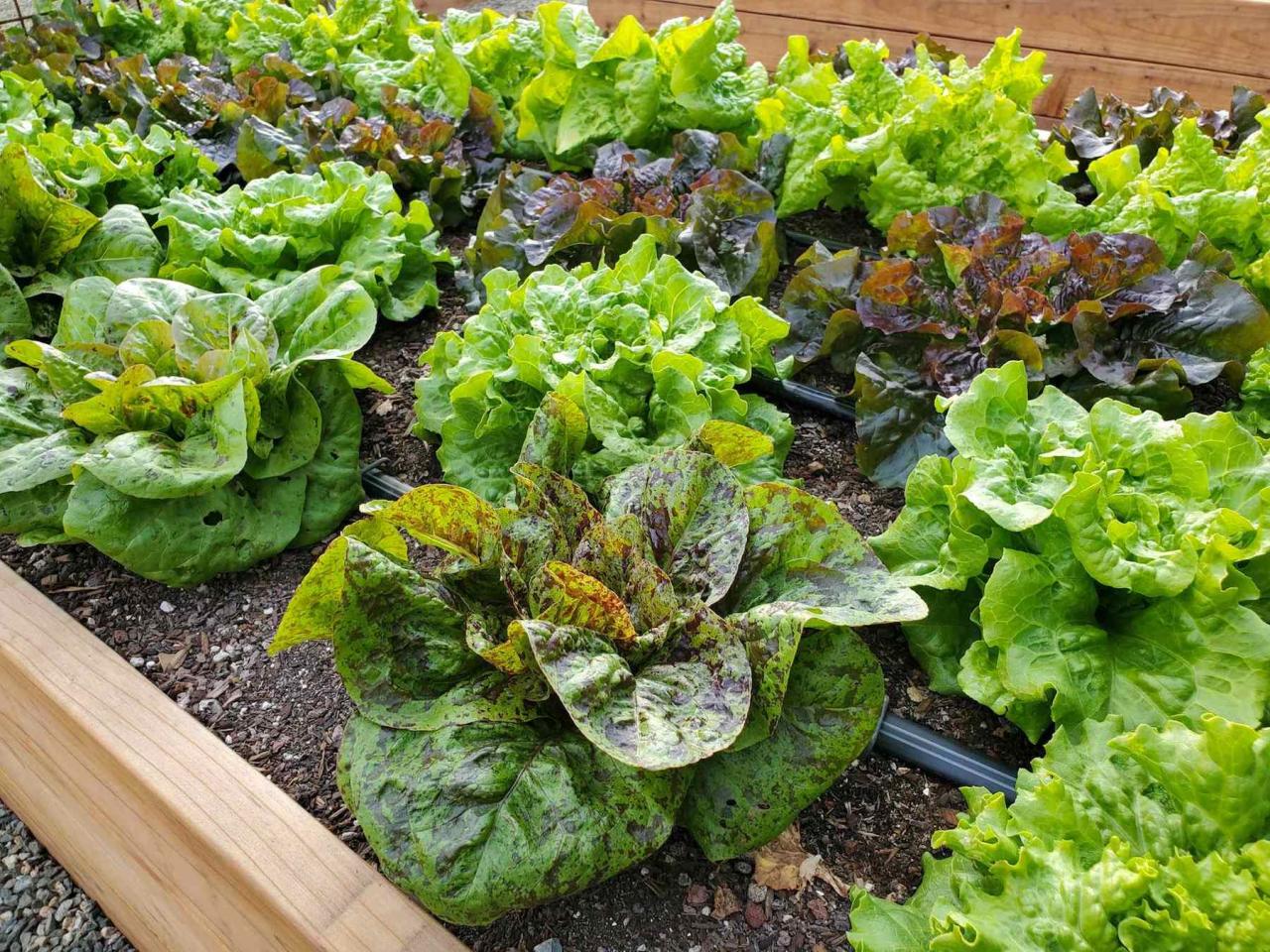
Maximizing lettuce yield within a 30-day timeframe requires careful attention to various factors. This involves selecting appropriate growing techniques, optimizing environmental conditions, and managing potential challenges. By implementing these strategies, you can significantly improve your chances of achieving a bountiful harvest in a short period.
Supplemental Lighting Strategies
Employing supplemental lighting, such as grow lights, can significantly accelerate lettuce growth within a controlled environment. Grow lights provide additional light energy, mimicking natural sunlight, which is essential for photosynthesis. This process allows plants to convert light into energy for growth and development. Utilizing grow lights can shorten the time it takes for lettuce to mature, enabling you to harvest a crop within the desired 30-day timeframe.
LED grow lights are particularly efficient, providing targeted light spectra for optimal lettuce development while consuming less energy compared to other types of grow lights. Consider the intensity and spectrum of the light, as these factors can affect the growth rate and quality of the lettuce.
Soil Mix Optimization
The type of soil mix significantly influences lettuce growth and yield. A well-draining, nutrient-rich soil mix promotes healthy root development and facilitates nutrient uptake. Different soil mixes offer varying degrees of drainage, aeration, and nutrient retention, which can affect the overall growth rate and yield of lettuce. Using a well-structured mix that combines components such as perlite, vermiculite, and coco coir can provide the ideal environment for root development and nutrient absorption.
This combination can aid in rapid growth and higher yields, essential for a 30-day harvest.
Advanced Techniques for Accelerated Growth
Advanced techniques, such as vertical gardening or hydroponics, can further optimize lettuce growth within a 30-day period. Vertical gardening maximizes space utilization, allowing for multiple layers of lettuce plants, while hydroponics systems provide a controlled environment for nutrient delivery to the roots, which can speed up growth. Vertical setups allow for efficient use of vertical space, promoting a high plant density in a limited area.
Hydroponics systems offer precision in nutrient delivery, leading to faster growth rates.
Summary of Optimization Tips
| Tip | Benefit |
|---|---|
| Employing supplemental lighting (grow lights) | Accelerates growth, mimicking natural sunlight, and potentially shortening the growth cycle. |
| Using a well-draining, nutrient-rich soil mix | Promotes healthy root development and facilitates nutrient uptake, supporting rapid growth. |
| Implementing advanced techniques (vertical gardening, hydroponics) | Maximizes space utilization and provides controlled nutrient delivery, leading to faster growth and higher yields. |
Closing Notes

In conclusion, cultivating lettuce in 30 days is entirely possible with meticulous planning and execution. By understanding the crucial steps Artikeld in this guide, from optimal growing conditions to effective pest control, you can achieve a satisfying harvest within a remarkably short timeframe. This comprehensive guide empowers you to overcome challenges and successfully grow fresh lettuce in a mere 30 days.