Discover the fascinating world of hydroponic gardening with this comprehensive guide on cultivating mint in water. This method offers a unique approach to growing fresh mint, presenting both advantages and challenges compared to traditional soil-based cultivation. We’ll explore the essential steps, from selecting the right supplies to maintaining optimal growth conditions, enabling you to enjoy a bountiful harvest of flavorful mint leaves.
Hydroponic mint cultivation provides a controlled environment, allowing for precise nutrient delivery and potentially faster growth compared to soil-based methods. Understanding the specific needs of mint, such as light, water, and nutrients, is key to achieving success. This guide will equip you with the knowledge to cultivate healthy and vibrant mint plants using this innovative method.
Introduction to Hydroponic Mint Growth
Hydroponic cultivation, a method of growing plants without soil, offers an alternative to traditional soil-based methods. This approach, particularly well-suited for mint, leverages water as the primary growing medium, supplementing it with essential nutrients. Mint, with its vigorous growth habit, thrives in this environment, allowing for controlled conditions and potentially higher yields.Hydroponics, in its fundamental application, involves suspending plant roots in a nutrient-rich solution.
This solution delivers essential minerals directly to the roots, eliminating the need for soil’s intermediary role. For mint, this direct nutrient delivery system promotes rapid growth and minimizes the risk of nutrient deficiencies commonly encountered in soil-based cultivation.
Comparison of Soil-Based and Hydroponic Mint Cultivation
Hydroponic cultivation presents distinct advantages and disadvantages compared to conventional soil-based methods. While soil-based methods are familiar and readily available, hydroponics provides a degree of control over growing conditions, potentially leading to increased yields and improved quality. The choice between the two methods depends on individual circumstances and priorities.
Advantages and Disadvantages of Hydroponic Mint
- Advantages: Hydroponic mint cultivation offers a controlled environment, potentially leading to increased yields and reduced pest and disease issues. The controlled environment also allows for year-round growth, independent of seasonal variations. Water usage can be significantly reduced compared to traditional soil-based methods. Precise nutrient delivery minimizes the risk of nutrient deficiencies, which can affect plant health and yield.
- Disadvantages: Hydroponic systems require initial setup and ongoing maintenance, including regular water and nutrient checks. Equipment costs for hydroponic systems can be higher compared to simple soil-based cultivation. The system must be carefully monitored to prevent the growth of algae or bacteria in the nutrient solution. Failure to maintain appropriate pH levels and nutrient concentrations can negatively affect plant health.
Detailed Comparison of Growing Needs
A clear understanding of the differences in growing needs between soil-based and hydroponic mint is essential. The following table highlights the key distinctions:
| Feature | Soil-grown Mint | Water-grown Mint |
|---|---|---|
| Water Requirements | High, regular watering is essential to maintain adequate moisture levels. | Low, the nutrient solution provides the necessary water, reducing the need for frequent watering. |
| Nutrients | Soil naturally contains nutrients, but these can be depleted or imbalanced, requiring fertilization. | Nutrients must be precisely measured and added to the water solution to maintain optimal plant health. |
| Light Requirements | High light intensity is necessary for healthy growth, often requiring supplemental lighting. | High light intensity is still required, similar to soil-grown mint, and supplemental lighting may be necessary. |
| Maintenance | Regular soil checks for moisture, pest control, and weeding are essential. | Regular checks of water levels, nutrient concentrations, and pH levels are crucial to maintain optimal plant health. |
Essential Supplies and Equipment

Growing mint hydroponically requires a thoughtful selection of supplies. Careful consideration of the containers, nutrient solutions, and other equipment ensures a successful and healthy mint plant. The right tools will facilitate optimal growth and yield.
Essential Supplies for Hydroponic Mint
A crucial aspect of successful hydroponic mint growth is selecting appropriate supplies. The materials required encompass containers, growing medium, nutrients, and potentially additional tools for maintenance. The correct combination ensures a thriving environment for your mint plants.
- Containers: Containers are the foundation of your hydroponic system. They hold the water and growing medium, providing support for the roots.
- Growing Medium: A suitable growing medium is essential for supporting the mint roots in the hydroponic setup. A variety of options are available, including rockwool, perlite, or even expanded clay pebbles. These mediums aid in aeration and nutrient uptake.
- Hydroponic Nutrients: Specialized hydroponic nutrients are necessary for providing the essential minerals that mint plants require. These are formulated to be easily absorbed by the roots in the water solution. Ensure that the nutrients are appropriate for mint plants.
- Air Pump and Air Stone: Aeration is critical for maintaining a healthy oxygen supply to the roots. An air pump and an air stone help introduce air bubbles into the nutrient solution. This is particularly important for deep water culture (DWC) setups.
- Measuring Tools: Accuracy in nutrient solution strength is essential. Tools like a pH meter and an EC meter are crucial for monitoring and adjusting the solution’s properties. This ensures optimal nutrient uptake.
Types of Containers for Hydroponic Mint
Selecting the right container is critical to the success of your hydroponic mint garden. Different containers offer varying benefits and drawbacks.
| Container Type | Pros | Cons |
|---|---|---|
| Glass Jar | Clear visibility allows for monitoring root growth and water levels. Aesthetically pleasing. | Fragile, susceptible to breakage. May not be as durable as other options. |
| Plastic Pots | Durable and relatively affordable. Readily available in various sizes and shapes. | May not offer the same aesthetic appeal as glass. Can be less transparent, making monitoring slightly more challenging. |
| Hydroponic Systems | Automated nutrient delivery, efficient use of space, often designed for optimal aeration and drainage. | Can be more expensive than other options. May require more setup and maintenance. Depending on the system, they may be larger and require a dedicated area. |
Preparing the Mint for Hydroponic Growth
Successfully cultivating mint hydroponically begins with selecting and properly preparing the cuttings. Careful attention to these initial steps significantly impacts the overall success of the grow process. The techniques detailed below will guide you through the crucial stages of propagation, ensuring healthy roots develop quickly.Mint, a versatile herb, thrives in various growing conditions. Hydroponic cultivation offers a controlled environment that optimizes nutrient delivery and root development, leading to faster growth and bountiful harvests.
Selecting and Preparing Mint Cuttings
Mint cuttings are the foundation of hydroponic propagation. Choosing healthy, vigorous stems is essential for successful rooting. Look for cuttings that exhibit healthy green foliage with no signs of disease or pests. Avoid cuttings with yellowing leaves or wilting stems. Ideal cuttings should be approximately 4-6 inches long.
These should be harvested from a mature, established mint plant.
Ideal Time for Taking Cuttings
The best time to take mint cuttings is during the plant’s active growth period, typically in spring or summer. During these seasons, the plant’s energy levels are high, promoting rapid root development in the cuttings. This timing optimizes your chances of success.
Procedure for Rooting Cuttings in Water
The process of rooting cuttings in water involves several steps. First, carefully snip the cutting using sharp, clean pruning shears or scissors. Remove any lower leaves from the cutting, leaving only the top 2-3 inches of leaves. This helps to minimize rot and focus energy on root development. Place the cuttings in a clean container filled with fresh, filtered water.
Ensure the water level covers the bottom 2-3 inches of the stem.
Different Methods for Propagating Mint Cuttings
- Water Propagation: This is a simple method where cuttings are directly placed in water. The water should be changed every few days to prevent bacterial growth. This method is straightforward and requires minimal equipment. Maintaining water quality is key to success. Using a rooting hormone can also accelerate the process.
- Soil-less Propagation: Using a propagation mix, or a rooting medium, allows cuttings to develop roots in a more controlled environment than water. Soil-less mixes often include perlite, vermiculite, and coco coir. This approach promotes root development and can offer a better chance of success than water propagation alone.
The success rate of water propagation varies depending on the plant species and environmental factors.
Establishing the Hydroponic Setup
Setting up a hydroponic system for mint growth requires careful attention to detail. Proper container selection, precise water filling, and the use of suitable water are crucial for healthy plant development. This section will Artikel the steps involved in creating a thriving hydroponic mint environment.
Container Selection and Preparation
Appropriate containers are essential for hydroponic systems. Choose containers that allow for proper root aeration and water circulation. Glass or clear plastic containers are recommended as they enable monitoring of root growth and water levels. Ensure the containers are clean and free of any residues that could harm the mint plants. Consider the size of the container in relation to the expected growth of the mint plant.
Filling the Containers with Water
A precise method for filling the containers with water is critical. First, ensure the containers are clean and dry. Then, fill them with the appropriate type of water (discussed in detail below). Use a measuring tool to maintain precise water levels, especially in systems with varying water needs due to evaporation or plant growth. Avoid overfilling, as this can lead to root rot.
Choosing the Right Water
The quality of water directly impacts the health of the mint plants. Distilled or filtered water is recommended, as tap water often contains minerals and impurities that can be detrimental to the plants’ growth. Using distilled or filtered water prevents mineral buildup and maintains optimal nutrient balance in the hydroponic system. Furthermore, it is essential to consider the presence of chlorine or other chemicals in the water source.
Maintaining the Right Water Temperature
The ideal water temperature for mint growth is crucial for optimal plant health and development. A temperature range between 65°F (18°C) and 75°F (24°C) is generally recommended. Maintaining this temperature range promotes healthy root growth and photosynthesis. Using a thermometer to monitor the water temperature will help ensure the plants are receiving the optimal environment. Maintaining the right water temperature is important to avoid any temperature shock to the mint plants.
This could slow their growth and even lead to diseases or damage. For example, sudden drops in water temperature can lead to stress for the roots. A consistent temperature helps mint grow at a stable and healthy rate. Monitoring and maintaining the temperature helps ensure a favorable environment for healthy plant growth.
Nutrient Management and Care

Proper nutrient management is crucial for the successful hydroponic growth of mint. A well-balanced nutrient solution provides the essential elements for robust growth, vibrant foliage, and abundant yield. Neglecting this aspect can lead to stunted growth, nutrient deficiencies, and ultimately, a poor harvest. This section will detail the importance of nutrient solutions, how to create a suitable one for mint, and optimal management practices.
Importance of Nutrient Solutions
Hydroponic systems rely on nutrient solutions to deliver essential minerals directly to the plant roots. Unlike soil-based cultivation, hydroponics eliminates the variability of soil composition, ensuring consistent nutrient availability. A well-formulated nutrient solution provides the precise balance of macro and micronutrients needed for optimal mint development. This controlled environment fosters rapid and healthy growth, enhancing yield and quality compared to traditional methods.
Creating a Suitable Nutrient Solution for Mint Growth
Mint thrives in a nutrient solution rich in nitrogen, phosphorus, and potassium. These macronutrients are vital for leaf development, root growth, and overall plant health. A balanced solution also needs micronutrients, such as iron, manganese, and zinc, which are essential for various metabolic processes. A commercial nutrient solution, often formulated specifically for mint, is a convenient option, but homemade solutions offer cost savings.
A homemade solution typically involves dissolving specific amounts of fertilizer salts in water. Carefully following the instructions and using a quality fertilizer blend is crucial to avoid potential imbalances. For best results, consider using a nutrient calculator to precisely determine the needed quantities of each nutrient.
Frequency of Nutrient Solution Changes
The frequency of nutrient solution changes depends on several factors, including the type of hydroponic system, the volume of the solution, and the growth rate of the mint. Generally, a change every 1-2 weeks is recommended. More frequent changes may be necessary in systems with higher plant density or in warmer climates, as the solution can become depleted faster.
A visual assessment of the solution’s clarity and any signs of algae growth can help determine the need for a change.
Monitoring Nutrient Levels
Regular monitoring of nutrient levels is essential for maintaining optimal plant health. This can be achieved through several methods, including:
- Visual inspection: Observe the color and clarity of the nutrient solution. Cloudy or discolored solutions may indicate imbalances or excess nutrients.
- Test strips: These readily available test strips provide a quick and easy way to measure the pH and EC (electrical conductivity) levels of the solution. The EC reflects the total dissolved salts, while pH represents the acidity or alkalinity.
- Liquid test kits: These offer more precise measurements than test strips and provide detailed readings of various nutrients, including nitrogen, phosphorus, and potassium.
Consistent monitoring allows for timely adjustments to the nutrient solution, preventing deficiencies or toxicities. Regular testing ensures the mint receives the ideal balance of nutrients for optimal growth.
Comparison of Nutrient Solutions
| Nutrient Solution Type | Pros | Cons |
|---|---|---|
| Commercial Nutrient Solution | Convenient, balanced formulations, often specifically designed for mint; typically readily available. | Potentially more expensive than homemade solutions; may not be suitable for all hydroponic systems. |
| Homemade Nutrient Solution | Cost-effective; allows for precise control over nutrient ratios; potential for customization to specific plant needs. | Requires careful monitoring and calculations to ensure a balanced solution; potential for errors if not accurately prepared. |
A careful assessment of the advantages and disadvantages will aid in selecting the most appropriate nutrient solution for your hydroponic mint garden.
Light Requirements and Positioning

Mint, like most plants, thrives under appropriate light conditions. Adequate lighting is crucial for photosynthesis, which powers the plant’s growth and development, impacting the overall health and vigor of the hydroponic mint. The proper light spectrum, intensity, and duration significantly influence leaf size, flavor, and the plant’s overall yield. This section will detail the optimal light requirements for hydroponic mint, emphasizing the importance of proper positioning and duration for successful growth.
Optimal Light Spectrum
Mint plants, like other leafy greens, respond well to a light spectrum rich in blue and red wavelengths. Blue light promotes leaf growth and vigor, while red light is crucial for photosynthesis and overall plant development. Full-spectrum LED grow lights, which replicate the natural sunlight spectrum, are highly effective for hydroponic mint. These lights provide a balanced spectrum, encouraging healthy growth and maximizing the plant’s ability to absorb light energy.
Light Intensity
Hydroponic mint requires sufficient light intensity for optimal growth. Insufficient light can lead to stunted growth, pale leaves, and reduced yield. A general guideline for hydroponic mint is to maintain a light intensity of 1500-2000 lumens per square foot. However, this intensity may vary depending on the specific mint variety and the overall setup. Experimentation is encouraged to find the optimal intensity for your specific hydroponic system.
Light Duration
Mint, like other plants, benefits from a consistent photoperiod. The ideal light duration for hydroponic mint is typically 12-16 hours of light per day. This mimics natural daylight patterns, promoting consistent growth and development. Adjusting the photoperiod can influence the plant’s flowering or vegetative stages, but for most hydroponic setups, maintaining a 12-16-hour light cycle is suitable for maximizing leaf production.
Light Placement
Proper placement of the light source is essential for even growth and avoiding leaf burn. Lights should be positioned above the mint plants at a distance that prevents scorching. A good rule of thumb is to keep the lights at a distance of 12-18 inches from the tops of the plants. Ensure the light source is evenly distributed over the entire plant canopy, preventing shadows and uneven growth.
Rotating the plants periodically will promote uniform growth from all sides.
Best Time of Day for Lighting
The best time to provide light to your hydroponic mint is during the day, ideally when the sun is most intense. For indoor setups, this can be replicated by ensuring the lights are turned on during daylight hours. The timing of the light cycle should be consistent for optimal results.
Maintaining Optimal Growth Conditions
Hydroponic mint, like all plants, thrives under specific environmental conditions. Maintaining these optimal parameters ensures healthy growth, abundant foliage, and robust yields. This section will detail the crucial elements of temperature, humidity, air circulation, and potential issues, providing you with the tools to cultivate thriving hydroponic mint.
Ideal Temperature Range
Mint plants, in general, flourish within a specific temperature range. Maintaining this ideal range is vital for their growth and development. A consistent temperature, free from significant fluctuations, contributes to overall plant health. The ideal temperature for hydroponic mint cultivation generally lies between 65-85°F (18-29°C). Lower temperatures can slow growth, while higher temperatures can lead to stress and potential issues like increased susceptibility to pests.
Importance of Humidity and Air Circulation
Adequate humidity and air circulation are equally crucial for hydroponic mint. High humidity levels can promote the growth of fungal diseases, impacting the plant’s overall health. Conversely, low humidity can lead to wilting and stunted growth. Maintaining appropriate humidity levels, typically between 50-70%, combined with good air circulation, prevents the development of fungal diseases and promotes healthy root growth.
Air circulation prevents stagnant air, which can contribute to issues with moisture and disease.
Signs of Nutrient Deficiencies or Other Issues
Recognizing the early signs of nutrient deficiencies or other problems is essential for prompt intervention and preventing severe damage. Different deficiencies manifest in unique ways, and their identification can save the plant and prevent yield losses. Nutrient deficiencies often lead to discoloration of leaves (yellowing, browning, or purple spotting), stunted growth, and reduced vigor. Examine leaves for any irregularities, which could indicate a problem.
Pests, such as aphids or spider mites, can also cause issues, leading to distorted growth or the presence of small insects on the plant. Observe the roots for any signs of rot, which could indicate a problem with the hydroponic solution.
Preventative Measures for Common Problems
Implementing preventative measures for common problems is key to a successful hydroponic mint harvest. Regular monitoring and proactive steps can prevent issues before they escalate. Maintaining proper nutrient levels in the hydroponic solution is critical. Use a reliable nutrient solution, and monitor pH levels regularly. Ensure the solution is well-mixed and free of contaminants.
Also, provide adequate light and maintain a clean environment, free from pests or diseases. A schedule for cleaning the system and checking for pests helps in preventing potential problems.
Harvesting and Maintaining Mint Growth
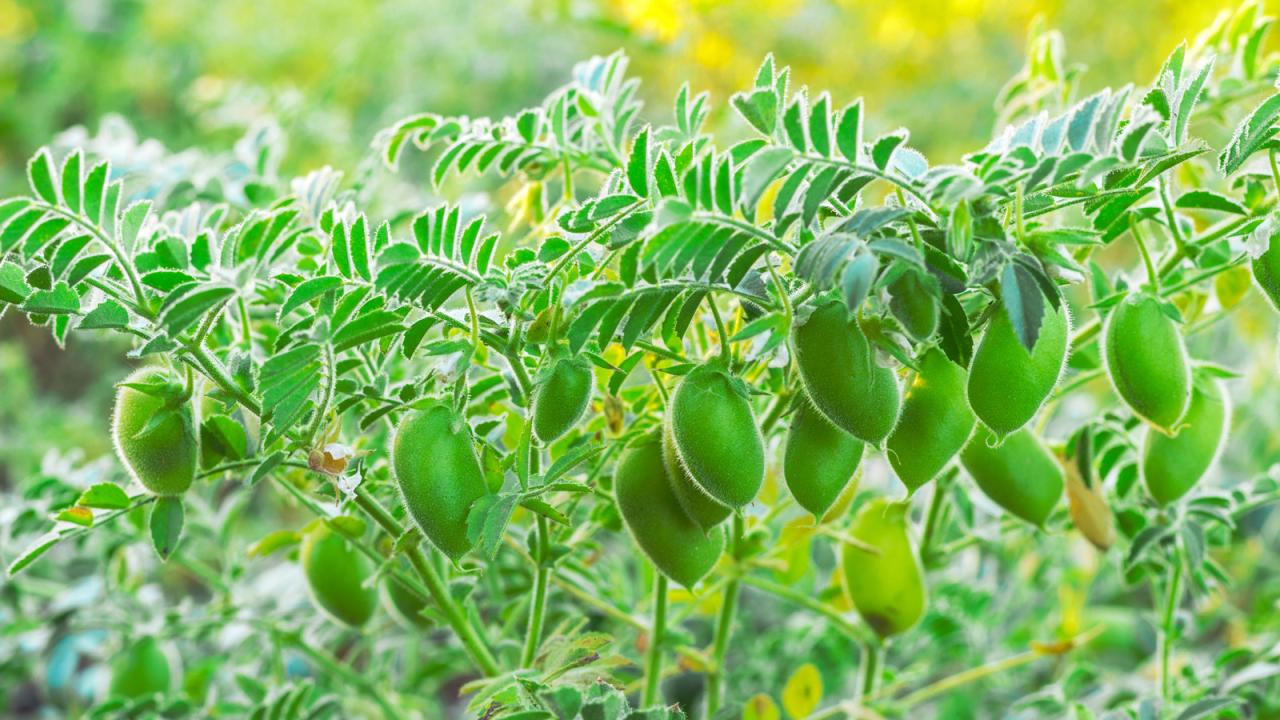
Mint, a versatile herb, thrives in hydroponic setups. Proper harvesting and maintenance practices are crucial for maximizing yields and ensuring healthy plant growth. Regular attention to these aspects contributes significantly to the overall success of your hydroponic mint garden.
Optimal Harvesting Time
Harvesting mint at the optimal time ensures the best flavor and maximizes the plant’s energy for continued growth. Ideally, harvest leaves when they are young and tender, exhibiting vibrant green color. This typically occurs in the morning when the plant has absorbed the day’s sunlight and stored nutrients. Harvesting during the morning minimizes stress on the plant and allows it to quickly replenish its resources.
Proper Harvesting Techniques
Careful harvesting methods are vital for preserving the health of your mint plants. Avoid damaging the plant by using clean, sharp pruning shears or scissors. Cut the leaves just above a set of leaves, ensuring you don’t remove the entire stem. This allows the plant to regenerate new growth and maintain its overall shape. Avoid pulling leaves, as this can damage the stem and reduce the plant’s vigor.
Pruning and Shaping
Regular pruning and shaping are essential for maintaining a healthy and productive mint plant. By removing excess growth, you encourage bushier growth and improve air circulation. Trim back any stems that are excessively long or crossing each other. This process also reduces the risk of pests and diseases by promoting better airflow and light penetration. Proper pruning also helps to direct the plant’s energy toward new growth and enhances the visual appeal of the plant.
Pest and Disease Prevention
Preventing pests and diseases in your hydroponic mint garden is vital for maintaining healthy growth. Regular inspection for pests like aphids, spider mites, or whiteflies is crucial. Implement a preventative strategy by using insecticidal soap or neem oil as needed, or introducing beneficial insects that prey on pests. Proper plant spacing and good air circulation minimize the risk of fungal diseases.
Maintain a clean growing environment, and ensure the nutrient solution is properly maintained to avoid the development of pathogens. These proactive measures will significantly reduce the likelihood of pest and disease infestations.
Troubleshooting Common Problems
Cultivating mint hydroponically offers a rewarding experience, but occasional challenges can arise. Understanding potential issues and their solutions is key to maintaining a thriving water-based mint garden. This section details common problems, their causes, and effective solutions to keep your mint plants healthy and productive.
Identifying Root Rot
Root rot is a prevalent issue in hydroponic systems. It occurs when the roots are deprived of oxygen or become saturated with excessive moisture, leading to the growth of harmful fungi. Recognizing the early signs is crucial for prompt intervention.
- Visual Indicators: The roots of a plant afflicted with root rot will exhibit a mushy or slimy texture, appearing dark brown or black. The overall plant may appear wilted and lack vigor. Leaves may exhibit yellowing or browning, often starting at the base of the plant and progressing upward.
- Environmental Factors: Excessive water, inadequate aeration, or inappropriate nutrient solutions can contribute to root rot. Overfeeding or using nutrient solutions that are too concentrated can also stress the roots, creating an environment conducive to the development of fungi.
- Solutions: Addressing root rot involves immediate action. First, carefully remove the affected plant from the system. Thoroughly rinse the roots to remove excess nutrient solution and any visible fungal growth. Use a sharp knife or pruning shears to trim away the affected roots, ensuring healthy, white tissue remains. Replant the mint in a fresh, sterile growing medium or a new hydroponic solution.
Adjust your watering schedule to ensure proper aeration and nutrient balance. Maintain a healthy pH level in your solution. Preventative measures include appropriate aeration and maintaining the correct nutrient concentration.
Nutrient Deficiencies
Hydroponic mint growth depends on the proper balance of nutrients. An imbalance can lead to visible deficiencies. These deficiencies often manifest as discoloration or stunted growth.
- Identifying Deficiencies: Nutrient deficiencies can present as specific patterns of discoloration in the leaves. For instance, nitrogen deficiency often results in light yellowing or pale green coloration, while a lack of potassium may cause browning or scorching along the leaf edges. Careful observation is key to diagnosing the precise deficiency.
- Causes: Inconsistent nutrient levels, inappropriate pH, or inadequate nutrient solution strength can lead to these deficiencies. Improper nutrient ratios, not replacing the solution frequently enough, and using nutrient solutions past their expiration dates can also be contributing factors.
- Solutions: To correct nutrient deficiencies, determine the specific nutrient lacking by consulting a nutrient chart. Adjust the nutrient solution accordingly, using a nutrient solution designed for hydroponic systems. Regularly monitor the pH level of the solution. Replenish the nutrient solution as recommended and use a quality, balanced nutrient solution to ensure optimal nutrient uptake.
Pest Infestations
While less common in a well-maintained hydroponic system, pests can still affect mint plants.
- Identifying Pests: Inspect the plant regularly for signs of pests, such as aphids, spider mites, or whiteflies. These pests may be visible on the leaves or stems. Look for webbing, small insects, or sticky residue on the leaves. A close examination of the plant, particularly the undersides of leaves, is crucial for detection.
- Solutions: For minor infestations, a thorough spray with insecticidal soap or neem oil can often eliminate the pests. For more severe infestations, consult with a gardening professional to determine the most effective approach. Isolate the affected plant to prevent the spread of the infestation. Preventative measures include maintaining a clean and well-ventilated growing environment.
End of Discussion
In conclusion, cultivating mint hydroponically is a rewarding experience that allows for a unique and controlled environment. By understanding the requirements and following the steps Artikeld in this guide, you can successfully grow fresh mint in water. This method provides an alternative approach to traditional soil-based cultivation, enabling a potentially faster and more efficient harvest. Remember to monitor your plants closely and adjust your approach as needed to ensure optimal growth and yield.