Cultivating mushrooms indoors offers a rewarding and sustainable way to enjoy fresh, homegrown produce. This comprehensive guide will walk you through the process, from selecting the right mushroom species to maintaining the optimal environment for growth. Discover the benefits of indoor mushroom cultivation and learn how to create your own mini-mushroom farm in the comfort of your home.
This guide explores the various stages of indoor mushroom cultivation, including substrate selection, environmental control, spawn inoculation, maintenance, harvesting, and troubleshooting common issues. Each step is detailed with practical advice and helpful visuals to ensure a successful outcome. This detailed information will allow you to cultivate your own mushrooms with confidence.
Introduction to Indoor Mushroom Growing
Cultivating mushrooms indoors offers a rewarding and potentially profitable hobby, providing fresh, flavorful produce year-round, regardless of external weather conditions. This approach allows for precise control over growing conditions, maximizing yield and quality while minimizing environmental impact. Indoor mushroom cultivation is particularly appealing to those seeking to cultivate specific types of mushrooms that might not thrive outdoors, or to those in areas with limited outdoor space.Indoor mushroom cultivation offers a compelling alternative to outdoor methods, presenting a unique set of advantages and disadvantages.
The ability to maintain consistent environmental factors, such as temperature and humidity, is a significant benefit, facilitating faster and more predictable growth cycles. However, the initial investment in equipment and the need for careful monitoring of conditions can pose a challenge. Understanding the specific requirements of various mushroom species is crucial for successful indoor cultivation.
Benefits of Indoor Mushroom Cultivation
Indoor mushroom cultivation presents several compelling advantages. These include year-round production, control over growing conditions, reduced reliance on external factors such as weather, and a minimized environmental impact. In regions with unfavorable outdoor climates, indoor cultivation provides a reliable source of fresh mushrooms. Moreover, meticulous control over the environment enables cultivators to optimize yields and ensure superior mushroom quality.
Types of Mushrooms Suitable for Home Cultivation
Several mushroom species are well-suited for home cultivation. Popular choices include oyster mushrooms, shiitake mushrooms, and lion’s mane mushrooms. Each species has unique requirements for optimal growth, impacting the setup and maintenance needed for a successful harvest. The selection of species often depends on personal preference, local market demand, and the cultivator’s experience level.
Essential Equipment for a Basic Indoor Setup
A basic indoor mushroom growing setup requires a few key pieces of equipment. These include a grow kit or a suitable container, substrate (such as straw or sawdust), spawn (mushroom mycelium), and a humidity and temperature-controlled environment. Additional equipment, such as a humidifier, thermometer, and hygrometer, might be beneficial for precise control and monitoring.
Comparison of Indoor and Outdoor Mushroom Growing
Indoor mushroom cultivation offers a significant advantage in controlled environments. However, outdoor cultivation can be more cost-effective in terms of initial setup. Outdoor growing relies on natural conditions, which can lead to inconsistent results due to factors like weather and pests. Conversely, indoor cultivation provides a more stable and predictable growing environment, potentially maximizing yield and consistency.
Mushroom Type Comparison
| Mushroom Type | Ideal Temperature (°C) | Ideal Humidity (%) | Light Requirements |
|---|---|---|---|
| Oyster Mushroom | 18-24 | 85-95 | Low to moderate (indirect light) |
| Shiitake Mushroom | 20-28 | 80-90 | Low (minimal light required) |
| Lion’s Mane Mushroom | 18-24 | 80-90 | Low to moderate (indirect light) |
Note: These values are approximate guidelines. Specific needs may vary depending on the specific strain of mushroom and the cultivation technique employed.
Growing Medium Selection and Preparation
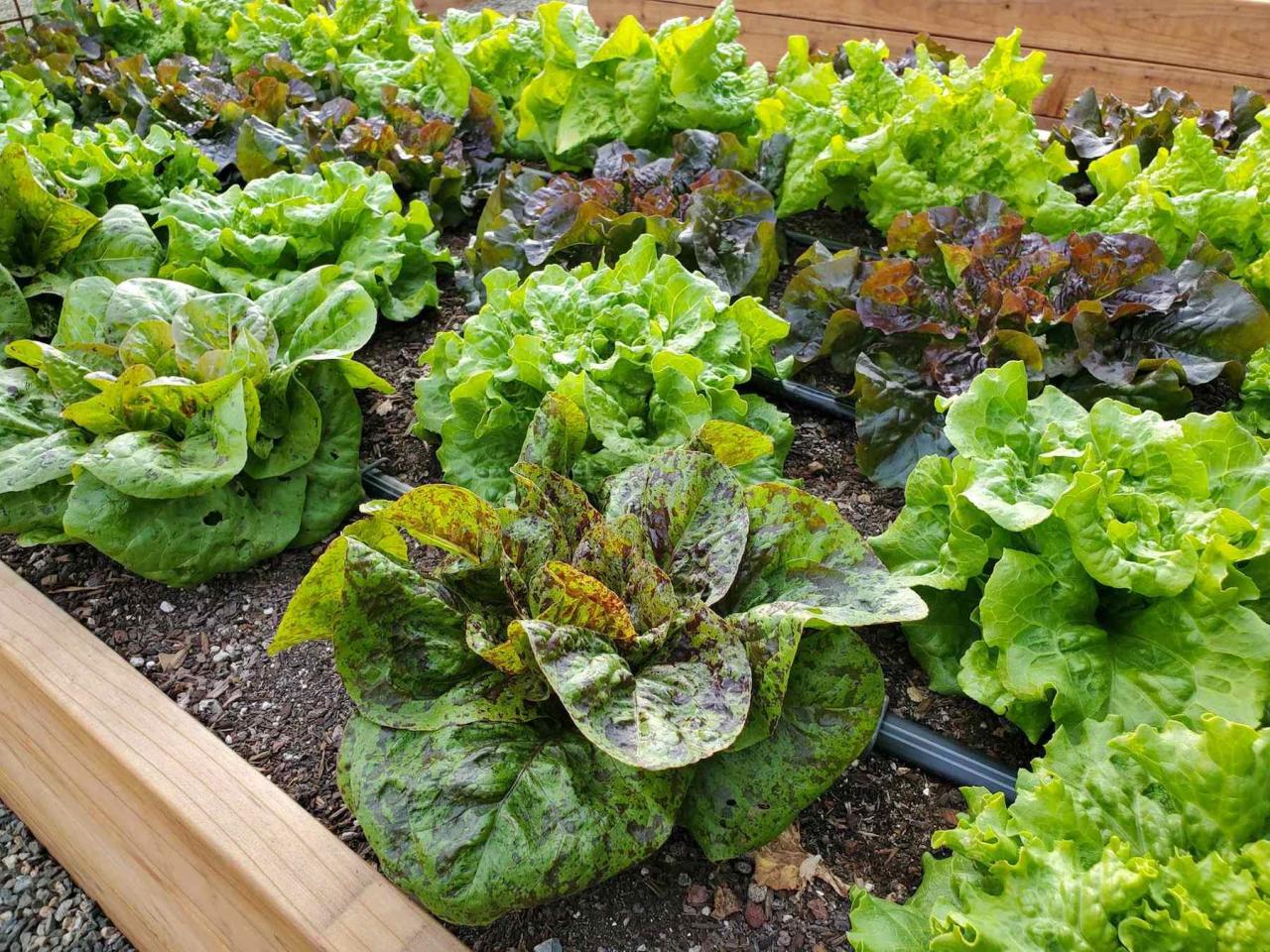
Choosing the right growing medium is crucial for successful indoor mushroom cultivation. The substrate, or growing medium, provides the necessary nutrients and support for the mycelium to grow and colonize. Proper preparation of the substrate ensures optimal conditions for healthy mushroom development. Careful selection and sterilization are vital for preventing contamination and promoting a robust yield.Different substrates offer varying advantages and disadvantages, impacting the growth and yield of different mushroom species.
Understanding these factors allows cultivators to select the most suitable substrate for their chosen mushroom type and cultivation method. By following proper sterilization procedures, cultivators can minimize the risk of contamination and promote the healthy growth of their mushrooms.
Substrate Options for Indoor Mushroom Cultivation
Various materials can serve as a growing medium for indoor mushroom cultivation. The most common options include straw, sawdust, coffee grounds, and composted manure. Each material possesses unique characteristics that influence the growth and yield of the specific mushroom species.
- Straw: Straw is a readily available and inexpensive substrate, known for its good moisture retention. It provides a supportive structure for the mycelium to grow. However, straw can be less nutritious compared to other options, sometimes requiring additional nutrients to supplement the substrate. The specific type of straw, like wheat straw or rice straw, can influence the characteristics of the substrate.
- Sawdust: Sawdust, derived from various wood sources, is a common substrate due to its porosity and moisture-holding capacity. It can be readily available and relatively inexpensive. However, sawdust can be acidic and may require pH adjustments for optimal growth of certain mushroom species. The type of wood used in the sawdust significantly impacts its nutrient composition and suitability for different mushroom varieties.
- Coffee Grounds: Coffee grounds, a readily available and organic waste product, offer a unique substrate. They are rich in nitrogen and other beneficial nutrients. However, coffee grounds can be high in acidity, requiring adjustments to ensure suitable pH levels for the desired mushroom type. The level of caffeine in the grounds may also influence the growth rate.
- Composted Manure: Composted manure, derived from animal waste, is a rich source of nutrients. It can promote vigorous mycelium growth and high yields. However, it requires careful composting and sterilization to eliminate potential pathogens and ensure safety. The type of manure used (e.g., horse, cow) will affect the nutrient profile of the substrate.
Substrate Sterilization and Preparation
Proper sterilization is essential to prevent contamination and ensure the health of the mushroom crop. Different methods and approaches are employed depending on the chosen substrate and the mushroom species. Sterilization removes harmful microorganisms that could compete with or harm the desired mushroom mycelium.
- Sterilization Methods: Different methods are employed to sterilize the growing medium, each with specific advantages and disadvantages. These methods aim to eliminate harmful microorganisms and promote the growth of the desired mushroom species. Proper selection of the sterilization method ensures a contamination-free growing environment. Common methods include steaming, autoclaving, and dry heat sterilization.
Step-by-Step Guide to Creating a Mushroom Growing Substrate
The following steps Artikel the process of creating a suitable growing substrate for mushroom cultivation.
- Source and Prepare the Substrate: Select and acquire the appropriate substrate material. Ensure the material is free from contamination. Prepare the substrate by chopping, shredding, or grinding it into smaller pieces, depending on the material and the mushroom species.
- Mix the Substrate: Mix the prepared substrate with other components like vermiculite or perlite, depending on the requirements of the mushroom species. This step helps improve the substrate’s aeration and water retention capacity.
- Sterilize the Substrate: Sterilize the mixed substrate using the appropriate method. This is a crucial step to eliminate harmful microorganisms.
- Cool and Condition the Substrate: Allow the sterilized substrate to cool to a safe temperature before use. Conditioning involves maintaining the moisture content and pH level to the optimal range.
- Introduce the Spawn: Introduce the mushroom spawn into the sterilized substrate according to the specific instructions provided with the spawn. Properly inoculate the substrate to ensure successful colonization.
Sterilization Methods for Different Mushroom Types
The following table Artikels the different sterilization methods suitable for various mushroom types and their specific requirements.
| Mushroom Type | Preferred Sterilization Method | Specific Requirements |
|---|---|---|
| Oyster Mushrooms | Steaming or Autoclaving | Requires a moist environment during colonization. |
| Shiitake Mushrooms | Autoclaving or Dry Heat | Tolerates higher temperatures and requires consistent moisture. |
| Lion’s Mane Mushrooms | Autoclaving | Needs a balanced pH level for optimal growth. |
Environmental Control for Optimal Growth
Maintaining ideal environmental conditions is crucial for successful indoor mushroom cultivation. Proper temperature and humidity levels, along with adequate air circulation, significantly impact the growth rate, yield, and overall quality of the mushrooms. Ignoring these factors can lead to stunted growth, fungal diseases, and poor harvests. Precise control over these parameters is essential for maximizing productivity and achieving desirable results.Environmental control involves more than just setting temperatures and humidity levels; it encompasses actively monitoring and adjusting these parameters based on the specific needs of the mushroom species being cultivated.
This proactive approach ensures a consistently favorable environment for optimal growth, allowing the cultivation process to proceed smoothly and efficiently.
Temperature Regulation
Temperature plays a vital role in the mushroom’s growth cycle. Different mushroom species thrive in specific temperature ranges. Maintaining a consistent temperature is essential for promoting healthy growth and preventing the development of undesirable conditions. Deviations from the optimal range can hinder development and increase the risk of fungal infections. Precise temperature control is critical to maximizing yields and ensuring a high-quality harvest.
Humidity Control
Maintaining the appropriate humidity levels is equally important for mushroom growth. High humidity levels are typically required to promote healthy fruiting and to prevent the growth of diseases. The humidity level should be carefully controlled to prevent excessive moisture, which can lead to fungal issues and decreased yield. A well-regulated humidity level ensures the ideal environment for the mushrooms to develop and flourish.
Air Circulation and Ventilation
Adequate air circulation is essential for proper mushroom growth. Proper ventilation ensures that the growing environment is adequately oxygenated, preventing the buildup of harmful gases and promoting the health of the mycelium. This also aids in preventing the growth of undesirable molds and bacteria.
Humidity Maintenance Techniques
Various techniques can be used to maintain consistent humidity levels for different mushroom types. A crucial step is to monitor and adjust humidity levels using methods like misting, humidity trays, or other environmental control tools. The specific technique chosen will depend on the type of mushroom being grown and the size of the grow space. Consistency is key in maintaining a suitable humidity level, which is essential for the health and growth of the mushrooms.
Optimal Temperature and Humidity Ranges
The following table provides a general guideline for the optimal temperature and humidity ranges for various mushroom species. Note that these are general guidelines and specific needs may vary based on the cultivation method and environment.
| Mushroom Species | Optimal Temperature (°C) | Optimal Humidity (%) |
|---|---|---|
| Oyster Mushrooms | 18-24 | 85-95 |
| Shiitake Mushrooms | 18-25 | 80-90 |
| King Oyster Mushrooms | 18-25 | 80-95 |
| Lion’s Mane Mushrooms | 15-22 | 80-90 |
| Button Mushrooms | 18-24 | 85-95 |
Spawn Inoculation and Growth
Proper inoculation of the prepared growing medium with spawn is critical for successful indoor mushroom cultivation. This stage involves introducing the fungal mycelium, the vegetative part of the mushroom, into the substrate. Careful attention to spawn quality, inoculation technique, and environmental conditions during this phase will significantly impact the overall yield and quality of the mushrooms produced. A thorough understanding of these factors is essential for maximizing your indoor mushroom cultivation efforts.
Spawn Inoculation Methods
Various methods exist for introducing spawn into the growing medium. The chosen method often depends on the type of mushroom being cultivated and the specific growing setup. Understanding the advantages and disadvantages of each approach is crucial for optimizing the process.
- Direct Inoculation: In this method, the spawn is directly mixed with the substrate. This approach is often preferred for its simplicity and ease of implementation. However, thorough mixing is essential to ensure even distribution of the spawn throughout the substrate. This uniform distribution facilitates faster colonization and reduces the risk of localized growth.
- Surface Inoculation: A layer of spawn is spread on top of the substrate, and then the substrate is covered. This method is frequently employed for its ability to control the colonization process. This method often requires more careful monitoring of moisture levels. Proper moisture management is crucial to prevent drying out the surface layer, which could hinder successful colonization.
- Injection or Drilling: This approach is frequently used for substrates that are denser or less porous. Small holes or channels are created in the substrate, and the spawn is injected or placed within these holes. This allows for better control over the location of the spawn, which can be important for some mushroom species. Proper sterilization and care are critical for successful inoculation.
Spawn Quality and Source
The quality of the spawn significantly impacts the growth and yield of the mushrooms. Spawn from a reputable source is crucial for obtaining healthy mycelium and minimizing the risk of contamination.
- Spawn Purity: Pure spawn is essential to prevent unwanted fungi or bacteria from contaminating the growing medium. Verify the source’s reputation and testing procedures to ensure the spawn is free from contaminants. A reliable source will have rigorous quality control measures in place.
- Spawn Viability: The viability of the spawn determines its ability to colonize the substrate. A high-quality spawn will have a vigorous and healthy mycelium. Choose spawn that displays signs of vigorous growth. Avoid spawn that shows signs of decay or discoloration.
- Spawn Type: Different mushroom species require specific spawn types. Selecting the correct spawn is crucial for successful cultivation. Thorough research on the specific needs of your chosen mushroom species is important for selecting the proper spawn type.
Inoculation Steps
A detailed and meticulous approach to inoculation is crucial for maximizing the success of the mushroom cultivation process. Precise steps, from preparing the spawn to placing it in the substrate, contribute to a healthy and efficient fungal colonization.
- Prepare the Spawn: Carefully examine the spawn for any signs of contamination. Ensure the spawn is in optimal condition for inoculation. Proper handling is essential to maintain its viability.
- Prepare the Substrate: Ensure the substrate is at the proper moisture level. Avoid over-watering or drying out the substrate.
- Inoculation Procedure: Employ the chosen inoculation method carefully. Follow the appropriate techniques for even distribution and proper handling.
- Incubation: Maintain ideal environmental conditions for the spawn to colonize the substrate. Consistent monitoring and adjustment of temperature and humidity are crucial.
Methods for Obtaining Mushroom Spawn
Several methods exist for acquiring mushroom spawn. The best option often depends on the availability of resources and the desired level of control over the spawn.
- Purchase from a supplier: This is often the easiest and most reliable method. Reputable suppliers provide high-quality spawn, reducing the risk of contamination.
- Purchase from a local mycological society: Local societies often have members with experience in mushroom cultivation and may sell spawn at competitive prices.
- Grow your own spawn: For experienced cultivators, growing their own spawn offers complete control over the process. However, this method requires specialized equipment and knowledge.
Maintaining the Growing Environment
Maintaining a stable and optimal environment is crucial for successful indoor mushroom cultivation. Consistent monitoring and adjustments to temperature, humidity, and other factors directly impact the growth rate, yield, and overall health of the cultivated mushrooms. Proper environmental control minimizes the risk of pests and diseases, ensuring a healthy harvest.Maintaining the ideal growing environment is a dynamic process.
Conditions need to be constantly monitored and adjusted throughout the growth cycle to ensure optimal development. This meticulous attention to detail is essential for achieving high-quality yields.
Monitoring Environmental Conditions
Regular monitoring of environmental factors is essential for ensuring optimal mushroom growth. This includes precise measurements of temperature, humidity, and air circulation. Deviations from the ideal parameters can significantly impact growth and lead to yield reduction.
- Temperature Control: Maintaining a consistent temperature range is critical. Mushroom species have specific temperature requirements for optimal growth. Fluctuations can lead to stunted growth or even death of the mycelium. For example, oyster mushrooms typically thrive at 65-75°F (18-24°C). Monitoring temperature with a digital thermometer placed strategically throughout the grow space is vital.
- Humidity Regulation: Maintaining proper humidity levels is crucial for preventing dehydration and promoting healthy fungal growth. High humidity is often needed, typically 85-95%. A hygrometer is used to measure the humidity level. Adjusting humidity can be done using methods like humidifiers or dehumidifiers.
- Air Circulation: Adequate air circulation prevents stagnant air, which can lead to fungal diseases and mold growth. Fans or other methods can improve air flow, ensuring a healthy environment.
Adjusting Environmental Parameters
Prompt adjustments are vital to maintain the optimal environment for the mushrooms. Environmental changes can be influenced by outside factors, including temperature shifts or fluctuating humidity. Regular monitoring is crucial for ensuring consistent conditions.
- Humidity Control: If humidity is too low, consider using a humidifier. If it is too high, a dehumidifier can help. Consistency is key.
- Temperature Adjustments: If temperatures fluctuate, use heating pads or cooling systems to maintain the required range.
- Air Circulation Management: Adjust the speed or placement of fans as needed to maintain appropriate air flow.
Preventing Pests and Diseases
Prevention is always better than cure when it comes to pests and diseases. Maintaining a clean and sanitary growing environment significantly reduces the risk of infestations. Regular cleaning and sanitation protocols minimize the chance of pests and diseases impacting the mushroom crop.
- Sanitation: Thorough cleaning of equipment and the grow space is crucial. Disinfecting surfaces with a suitable solution can eliminate potential pests and pathogens.
- Pest Control: Identify and address any pest issues promptly. Use organic pest control methods whenever possible.
- Disease Management: Monitoring the mushrooms for any signs of disease is crucial. Isolating infected areas is essential to prevent the spread of disease.
Maintaining Proper pH Levels
Maintaining the proper pH level in the growing medium is crucial for optimal nutrient availability and fungal growth. The ideal pH range for most mushroom species is typically between 5.5 and 7.0.
- pH Testing: Regularly test the pH of the growing medium to ensure it stays within the optimal range. Use a pH meter or test strips to accurately measure the pH level.
- pH Adjustments: Adjust the pH using appropriate solutions, such as sulfur or lime, as needed. Following the instructions on the chosen pH adjustment solution is important.
Environmental Monitoring Chart
A well-structured chart can effectively track the critical environmental parameters throughout the growth cycle.
| Date | Temperature (°C) | Humidity (%) | pH | Observations |
|---|---|---|---|---|
| 2024-10-26 | 22 | 90 | 6.5 | Mycelium spreading well |
| 2024-10-27 | 23 | 92 | 6.6 | Pinhead formation starting |
| 2024-10-28 | 22 | 91 | 6.5 | Fruiting bodies emerging |
Harvesting and Post-Harvest Care

Harvesting your indoor mushrooms is a rewarding culmination of your efforts. Proper harvesting techniques ensure the best quality and yield, while post-harvest care extends their freshness and prevents spoilage. Careful attention to detail in these stages maximizes your enjoyment of the fruits of your labor.
Signs of Mushroom Maturity
Mushroom maturity is signaled by distinct visual cues. Recognizing these cues is crucial for optimal yield and quality. The cap’s expansion and color change are key indicators. Proper timing prevents premature or late harvests, ensuring peak quality.
- Cap Expansion: The cap’s size and shape change significantly as the mushroom matures. A fully expanded cap, reaching its maximum size and shape for the species, is a primary sign of readiness. Different species exhibit varying degrees of expansion. For example, oyster mushrooms have a distinct, flattened cap, whereas shiitake mushrooms have a more rounded cap.
- Color Change: Many mushroom varieties experience color changes as they mature. The transition to a darker shade, or the appearance of specific hues, indicates maturity. Color changes can be subtle or dramatic, depending on the mushroom species.
- Stem Firmness: The firmness of the stem also plays a significant role. A firm stem, resistant to pressure, indicates the mushroom is fully developed and ready to harvest. Conversely, a soft or mushy stem suggests the mushroom is overripe or has started to decay.
Proper Harvesting Technique
Employing the right technique is essential for ensuring the mushrooms’ quality and longevity. Gentle handling minimizes damage and maximizes yield.
- Use a sharp knife: A sharp knife or a pair of pruning shears is essential for a clean cut. This prevents tearing or bruising, which can lead to faster spoilage.
- Cut, don’t pull: Avoid pulling the mushrooms from the substrate, as this can damage the mycelium and lead to further contamination or spoilage. Always cut the stem close to the base, ensuring the entire fruiting body is detached.
- Handle with care: Handle the mushrooms carefully to prevent bruising or damage. Use clean hands or gloves to avoid transferring bacteria or contaminants. Avoid rough handling or squeezing the mushroom.
Storage and Preservation
Proper storage methods are vital for maintaining the freshness and quality of harvested mushrooms.
- Paper bags or containers: Store harvested mushrooms in breathable paper bags or containers. Avoid plastic bags, as they can promote moisture buildup and accelerate spoilage.
- Cool, dry environment: Store the mushrooms in a cool, dry place. Refrigeration is not always necessary, especially for short-term storage, but it can extend shelf life.
- Separate from other produce: Separate the mushrooms from other produce, as they can absorb odors or moisture from neighboring items.
Post-Harvest Issues and Solutions
Identifying and addressing post-harvest issues is crucial for maintaining the quality of your harvest.
- Spoilage: Spoilage, often indicated by discoloration, soft spots, or an unpleasant odor, can be a common post-harvest issue. Discard any mushrooms showing signs of spoilage to prevent contamination.
- Insect Infestation: Insect infestation can also occur. Inspect mushrooms regularly for signs of insect activity, such as small holes or damage. Discard any affected mushrooms.
- Mold Growth: Mold growth is another potential issue. Look for fuzzy or discolored areas on the mushroom. Discard any mushrooms with mold growth to prevent the spread of contamination.
Mushroom Harvesting Stages
The following table Artikels the different stages of mushroom growth and corresponding harvesting cues:
| Growth Stage | Description | Harvesting Cue |
|---|---|---|
| Early Stage | Mushrooms are small and tightly clustered | Avoid harvesting |
| Mature Stage | Mushroom caps are fully expanded, and stems are firm | Harvest |
| Overripe Stage | Mushroom caps show signs of decay or discoloration | Discard |
Troubleshooting Common Issues

Indoor mushroom cultivation, while rewarding, can sometimes present challenges. Understanding potential problems and their solutions is crucial for successful harvests. This section details common issues, their causes, and preventative measures to maintain a healthy and productive indoor environment.
Common Growth Problems
Troubleshooting growth problems often requires a careful assessment of the growing environment and the mushroom substrate. Inconsistencies in temperature, humidity, or substrate moisture can significantly impact growth. Addressing these issues promptly is essential to avoid significant setbacks.
- Poor Fruiting: Mushroom pinning (the initial stage of fruiting) may not occur, or the rate of fruiting may be slower than expected. This could be due to inadequate substrate moisture, temperature fluctuations, or a lack of proper aeration. Regular monitoring of substrate moisture levels and maintaining a consistent temperature range can address this problem. Also, ensuring the spawn is fully colonized before transferring to the fruiting environment can prevent poor fruiting.
- Slow Growth: Mushroom growth might be sluggish, taking longer than anticipated. Possible causes include inadequate moisture, insufficient nutrients, or inconsistent environmental conditions. Maintaining optimal moisture levels, ensuring the substrate has enough nutrients, and maintaining stable temperature and humidity levels are vital for consistent growth.
- Abnormal Color or Shape: Mushrooms with unusual colors or shapes may indicate issues with the growing medium, environmental conditions, or potential contamination. A detailed examination of the substrate and environment can help pinpoint the cause and implement the necessary adjustments.
Fungal Diseases
Fungal diseases can significantly impact indoor mushroom cultivation. Prompt identification and treatment are critical for preventing widespread infection. Proper sanitation and hygiene practices are crucial in preventing the spread of fungal diseases.
- Pin-Down/White Mold: This disease, often characterized by a white, fuzzy growth, can affect the mycelium. Poor substrate quality, inadequate sanitation, or contamination with competing fungi are often the culprits. Proper substrate preparation and sanitation procedures, along with maintaining a clean growing environment, can prevent this issue. Utilizing a sterilized environment and proper sterilization of tools and equipment are critical.
- Brown Rot/Dry Rot: A disease that manifests as brown or dry patches on the substrate, indicating moisture or nutrient imbalances. Overwatering, poor drainage, or improper substrate composition are potential causes. Careful monitoring of substrate moisture levels, ensuring proper drainage, and using a high-quality, well-balanced substrate are preventive measures. Utilizing appropriate substrate moisture levels and appropriate drainage are critical.
- Other Mycotic Diseases: Other fungal pathogens might present as spots, discoloration, or abnormal growths on the mushrooms. The presence of contaminants in the substrate or the air is a key indicator. Ensuring proper substrate sterilization, maintaining a clean growing environment, and using appropriate sanitation procedures can help prevent mycotic diseases.
Troubleshooting Table
| Problem | Cause | Solution |
|---|---|---|
| Poor Fruiting | Inadequate moisture, temperature fluctuations, lack of aeration | Adjust substrate moisture, maintain consistent temperature, improve aeration |
| Slow Growth | Inadequate moisture, insufficient nutrients, inconsistent environmental conditions | Maintain optimal moisture, ensure adequate nutrients, maintain stable temperature and humidity |
| Abnormal Color/Shape | Issues with the growing medium, environmental conditions, or contamination | Examine the substrate and environment, adjust conditions, address potential contamination |
| Pin-Down/White Mold | Poor substrate quality, inadequate sanitation, competing fungi | Proper substrate preparation, sanitation procedures, maintaining a clean environment |
| Brown Rot/Dry Rot | Overwatering, poor drainage, improper substrate composition | Monitor substrate moisture, ensure proper drainage, use a high-quality substrate |
| Other Mycotic Diseases | Contaminants in substrate or air | Proper substrate sterilization, maintaining a clean environment, appropriate sanitation procedures |
Last Word
In conclusion, cultivating mushrooms indoors is a fascinating and rewarding experience. This guide provides a comprehensive overview of the process, equipping you with the knowledge and techniques necessary to grow your own mushrooms. From selecting the right species to maintaining optimal environmental conditions, you’ll be well-prepared to embark on your indoor mushroom-growing journey. Enjoy the fruits of your labor and savor the delicious taste of homegrown fungi!