Orchids, renowned for their exquisite beauty and resilience, can thrive in a variety of growing mediums. This guide delves into the fascinating world of orchid cultivation using bark, a popular and effective choice. We’ll explore the advantages of bark as a growing medium, the different types available, and the crucial steps to successfully cultivate these captivating blooms.
From selecting the right orchid varieties to mastering the art of watering and fertilization, this comprehensive guide will equip you with the knowledge to cultivate orchids in bark with ease. We’ll provide detailed insights into each stage of the process, ensuring your orchids flourish and bring joy to your space.
Introduction to Orchid Growing in Bark Media

Orchid cultivation, a popular hobby and industry, requires careful attention to growing conditions. A crucial aspect of successful orchid cultivation is the selection of an appropriate growing medium. Bark, in various forms, is a widely used and effective substrate for orchids, providing crucial aeration, drainage, and support for root development. This section explores the advantages and disadvantages of bark as a growing medium, the types of bark available, and their specific characteristics.Bark media offers several advantages over other growing mediums, such as peat moss or soil.
These advantages are linked to its inherent properties and characteristics, which are highly beneficial for orchid root health and growth. However, bark media also presents certain challenges that growers need to be aware of and address.
Advantages and Disadvantages of Bark Media
Bark media provides excellent aeration and drainage, crucial for preventing root rot in orchids. The porous nature of bark allows for efficient oxygen circulation, promoting healthy root development. Its natural structure also facilitates good water drainage, minimizing the risk of waterlogging, which is a significant cause of orchid root diseases.However, bark can dry out quickly, requiring more frequent watering than other media.
Additionally, some orchid species might not thrive in pure bark, and bark can be more expensive than some alternatives.
Types of Orchid Bark and Particle Sizes
Various types of bark are suitable for orchid cultivation, each with its own characteristics. The choice of bark type depends on the specific orchid species and the desired growing environment. Key factors include particle size, origin, and the level of decomposition.Different particle sizes of bark provide varying levels of drainage, aeration, and water retention. Large pieces of bark offer excellent drainage but may not provide the ideal support for smaller orchid roots.
Smaller pieces of bark, on the other hand, provide better support but might retain more water.
Comparison of Different Bark Types
| Bark Type | Particle Size | Drainage | Aeration | Water Retention |
|---|---|---|---|---|
| Fir bark (fresh) | Large | Excellent | Excellent | Low |
| Fir bark (medium) | Medium | Good | Good | Medium |
| Fir bark (fine) | Small | Fair | Fair | High |
| Pine bark (fresh) | Large | Excellent | Excellent | Low |
| Pine bark (medium) | Medium | Good | Good | Medium |
| Pine bark (fine) | Small | Fair | Fair | High |
| Spruce bark (fresh) | Large | Excellent | Excellent | Low |
| Spruce bark (medium) | Medium | Good | Good | Medium |
| Spruce bark (fine) | Small | Fair | Fair | High |
The table above illustrates the comparative characteristics of various bark types. These differences are crucial in selecting the most appropriate bark type for specific orchid needs. For example, a Phalaenopsis orchid, known for its relatively delicate roots, might benefit from bark with a medium particle size, while a Cattleya orchid, with stronger roots, could tolerate larger particle sizes.
Preparing the Bark Medium
Properly prepared bark medium is crucial for orchid health and growth. It provides excellent aeration and drainage, mimicking the natural environment orchids thrive in. Careful preparation ensures a suitable environment for root development and minimizes the risk of diseases and pests.
Cleaning the Bark
Thorough cleaning of the bark is essential to remove any debris, dust, or unwanted organic matter that could harbor pests or diseases. This process prepares the bark for sterilization and ensures a clean environment for the orchid roots. Start by removing any large pieces of bark, leaves, or other debris. Then, rinse the bark thoroughly with water to remove loose dirt and particles.
Soaking the bark in a solution of water and a mild detergent can help loosen any stubborn dirt. Finally, rinse the bark thoroughly again to remove any residue from the detergent.
Sterilizing the Bark
Sterilization is a critical step to eliminate any pathogens that could harm the orchid. Various methods are available, each with its advantages and considerations. High temperatures are commonly used to kill harmful microorganisms. Boiling the bark in water for a specific duration is one effective method. A chemical sterilant, like a solution of hydrogen peroxide or a specialized orchid bark sterilant, can also be used.
The specific sterilization method and duration should be determined based on the type of bark and the desired level of sterilization.
Moistening the Bark
Properly moistened bark provides the essential moisture orchids require for growth. Over-watering can lead to root rot, while insufficient moisture can stunt growth. Soaking the bark in water until thoroughly saturated is a common method. This ensures that the bark retains moisture and provides a suitable environment for the orchid roots. Allowing the bark to drain well before use is important.
The bark should be moist but not soggy, ensuring that excess water is removed before use.
Tools for Preparing the Bark Medium
The following tools are essential for effectively preparing the bark medium:
- Large Containers: For soaking and rinsing the bark, these should be large enough to accommodate the quantity of bark being prepared. Plastic tubs or buckets are commonly used.
- Rake or Trowel: These tools are useful for gently separating and mixing the bark pieces, ensuring even distribution of moisture.
- Gloves: Protecting your hands from any potential contaminants or chemicals is important.
- Spray Bottle or Hose: For rinsing and moistening the bark. A spray bottle allows for precise control of water application.
- Sterilizing Equipment (e.g., large pot): This could include a large pot for boiling or a specialized sterilizing solution.
Recommended Practices
For optimal results, follow these recommendations:
- Bark Size: Use bark pieces of varying sizes for better aeration and drainage. A mixture of different sizes ensures adequate space for roots to grow and develop.
- Bark Type: Choose bark specifically designed for orchid propagation. This ensures the bark is free from contaminants and has the necessary properties for orchid growth.
- Proper Disposal of Used Sterilizing Solutions: Follow appropriate disposal procedures for sterilizing solutions, adhering to local environmental regulations.
Orchid Selection and Planting
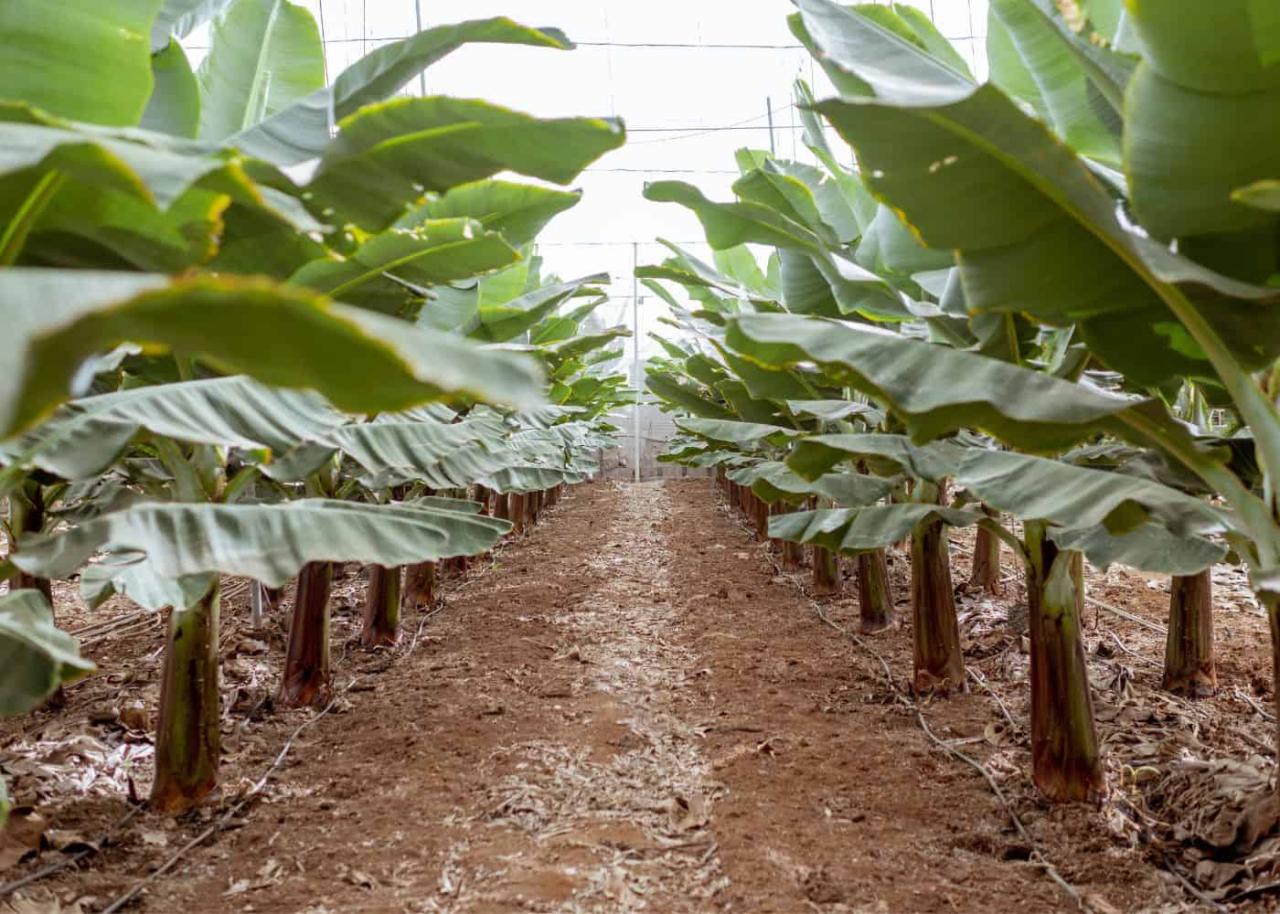
Selecting the right orchid for your bark medium is crucial for its health and longevity. Consider factors such as the orchid’s overall vitality, the size and shape of its roots, and any visible signs of pests or diseases. A healthy orchid will exhibit vibrant green leaves, firm stems, and a robust root system.A carefully executed planting process ensures optimal growing conditions.
Proper positioning of the plant within the bark medium is vital for its development and future flowering. The correct planting depth and spacing are also critical for encouraging healthy root growth and airflow.
Criteria for Selecting Healthy Orchids
Healthy orchids exhibit robust root systems, firm stems, and vibrant, unblemished leaves. Look for orchids with no signs of pests, diseases, or damage. Healthy roots are typically firm, light-brown or grey, and free of rot or decay. Avoid orchids with soft, mushy, or discolored roots, as these can lead to problems in the new growing medium.
Planting Orchids in Bark Medium
Carefully remove the orchid from its previous container, being mindful not to damage the roots. Gently tease apart any tightly clumped roots, ensuring they are not intertwined. Examine the roots for any signs of rot or disease. Remove any dead or decaying roots.Place the prepared bark medium in your chosen container, ensuring it is of the correct depth and size.
Carefully position the orchid within the medium, considering the natural growth habit of the species. The root system should be distributed evenly within the medium, with the rhizome or the main stem adequately supported.
Ideal Planting Depth and Spacing
The ideal planting depth for orchids in bark medium varies depending on the specific orchid variety. Generally, the majority of the root system should be embedded within the medium, but the top of the rhizome or the main stem should be just above the surface. This promotes healthy airflow and prevents rotting. For example, Phalaenopsis orchids usually require a planting depth that covers roughly half of the root system.
Spacing between orchids is essential for proper airflow and light penetration. Ensure adequate space is provided for the roots to expand and grow without overcrowding.
Recommended Planting Techniques
| Orchid Species | Planting Method | Planting Depth | Spacing |
|---|---|---|---|
| Phalaenopsis | Potting | Mid-root coverage | 6-8 inches (15-20 cm) between plants |
| Dendrobium | Mounting | Shallow coverage, mostly on top | 4-6 inches (10-15 cm) between plants |
| Cattleya | Potting | Deep coverage, roots should be mostly embedded | 8-10 inches (20-25 cm) between plants |
| Cymbidium | Mounting or Potting | Deep coverage, roots should be mostly embedded | 10-12 inches (25-30 cm) between plants |
Note: Spacing and depth may vary slightly based on the size of the orchid and the pot size. Always ensure proper airflow and light penetration.
Watering and Humidity Management
Proper watering and humidity management are crucial for orchid success in bark media. These factors directly impact the orchid’s ability to absorb nutrients, maintain hydration, and prevent fungal diseases. Understanding the interplay between these elements is vital for fostering a healthy and thriving orchid environment.
Watering Techniques for Orchids in Bark
Maintaining the right moisture level in bark is essential for orchid health. Overwatering can lead to root rot, while underwatering can cause wilting and stress. A consistent approach to watering is key, avoiding drastic fluctuations. The frequency and amount of water should be adjusted based on environmental factors and the orchid’s specific needs.
Determining the Right Watering Schedule
The ideal watering schedule for orchids in bark is dynamic and depends on factors such as ambient temperature, humidity, light intensity, and the size and type of orchid. During hot, dry periods, orchids will require more frequent watering compared to cooler, more humid conditions. Monitoring the moisture content of the bark is a crucial step in adjusting the watering schedule.
A good rule of thumb is to water thoroughly when the bark feels dry to the touch. Observing the plant’s overall health is also important; wilting or yellowing leaves can signal a need for more frequent watering.
Humidity’s Role in Orchid Growth
Humidity plays a vital role in orchid growth, particularly for those cultivated in bark. Orchids thrive in environments with moderate to high humidity levels, similar to their natural tropical habitats. Maintaining optimal humidity helps to regulate water loss from the leaves and promotes healthy growth. Low humidity can lead to desiccation and leaf damage, while excessive humidity can encourage fungal diseases.
The humidity level should be adjusted based on the environmental conditions. Ideally, humidity levels should be maintained between 50% and 70%.
Checking Bark Moisture Level
Regularly checking the moisture level of the bark medium before watering is crucial. This prevents overwatering and ensures the orchid receives the right amount of hydration. A simple method involves gently squeezing a handful of bark. If the bark feels dry and crumbly, it’s time to water. If the bark feels moist or soggy, wait until it dries out further before watering again.
A slightly moist bark is generally preferable to a completely dry or overly wet one. A reliable way to measure the moisture level is to insert a finger or a moisture meter into the bark medium to assess its moisture content.
Light and Temperature Requirements
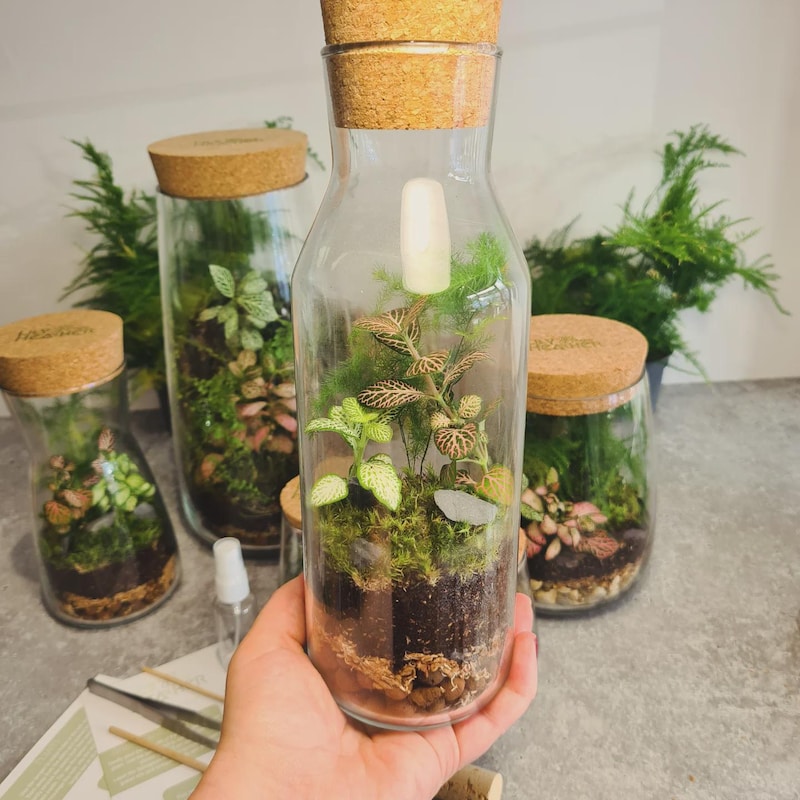
Orchid cultivation in bark media necessitates careful attention to light and temperature conditions. These factors directly impact the health, growth rate, and flowering of your orchids. Proper light and temperature management promotes optimal photosynthetic activity and encourages the development of robust root systems. Ignoring these factors can lead to stunted growth, susceptibility to diseases, and decreased flowering.
Specific Light Requirements for Different Orchid Varieties
Different orchid species have varying light requirements. Understanding these differences is crucial for successful cultivation. Some orchids thrive in bright, indirect light, while others prefer filtered light or even shaded conditions. A lack of adequate light can result in etiolation (elongated stems and pale leaves), whereas excessive light can lead to leaf burn or stunted growth. Proper light intensity and duration are essential for healthy orchid growth.
Optimal Temperature Ranges for Various Orchid Types
Maintaining the correct temperature range is vital for the well-being of your orchids. Different orchid types have specific temperature preferences, and fluctuations can significantly affect their growth and development. These preferences are often related to their natural habitats. Maintaining a consistent and appropriate temperature range is crucial to encourage healthy growth and flowering.
Importance of Light and Temperature Control
Providing adequate light and temperature control promotes healthy growth and flowering in orchids. This involves careful monitoring of light intensity, duration, and spectrum, as well as maintaining consistent temperatures within the optimal range for the specific orchid variety. Consistent environmental conditions are paramount for successful orchid cultivation.
Table of Light and Temperature Needs for Common Orchid Types
| Orchid Type | Light Requirements | Temperature Range |
|---|---|---|
| Phalaenopsis (Moth Orchid) | Bright, indirect light; 12-14 hours of light per day. Avoid direct sunlight. | 65-85°F (18-29°C) during the day; slightly cooler at night (10-15°C difference). |
| Cattleya | Bright, indirect light; 12-14 hours of light per day. Can tolerate some direct morning sun. | 65-85°F (18-29°C) during the day; slightly cooler at night. |
| Dendrobium | Bright, indirect light; can tolerate some direct sunlight, especially during cooler months. | 60-85°F (15-29°C) during the day; cooler at night. |
| Cymbidium | Moderate to bright indirect light; 10-12 hours of light per day. | 55-75°F (13-24°C) during the day; cool at night. |
| Vanda | Bright, indirect light; 12-14 hours of light per day. Tolerates some direct sun. | 75-90°F (24-32°C) during the day; slightly cooler at night. |
Fertilizing and Nutrient Management
Orchid cultivation in bark media requires careful consideration of nutrient provision. Proper fertilization is crucial for maintaining healthy growth, vibrant blooms, and overall plant vigor. Understanding the optimal fertilizer types, application methods, and dosages is key to ensuring your orchids thrive.A well-balanced approach to fertilization, combined with proper watering and light, promotes optimal growth and flowering. Maintaining the right nutrient levels is vital for orchids in bark, as it directly impacts their overall health and aesthetic appeal.
Importance of Fertilization
Providing the right nutrients is essential for orchids thriving in bark media. Proper nutrition directly impacts the development of strong roots, lush foliage, and impressive blooms. Without adequate fertilization, orchids may exhibit stunted growth, pale leaves, and reduced flowering, ultimately affecting their visual appeal and long-term health.
Optimal Fertilizer Types
Orchid-specific fertilizers are ideal for bark-grown orchids. These formulas are carefully formulated to meet the specific nutritional needs of these plants. They typically contain a balanced blend of nitrogen (N), phosphorus (P), and potassium (K), often represented as an NPK ratio. Look for fertilizers specifically labeled for orchids, as their formulations are designed to minimize the risk of salt buildup in the bark media.
Examples include slow-release fertilizers, which gradually release nutrients over time, minimizing the need for frequent applications.
Application Methods
Applying fertilizer to orchid bark media involves careful consideration. Liquid fertilizers are often diluted to the manufacturer’s recommended strength and applied directly to the growing medium. Alternatively, water-soluble granular fertilizers can be applied with irrigation, ensuring proper dispersal throughout the bark. Ensure the fertilizer is well-mixed with the water to prevent uneven distribution and potential damage to the orchid’s roots.
Determining Appropriate Dosage
Determining the correct fertilizer dosage is crucial for orchid health. Over-fertilizing can lead to salt buildup in the bark, harming the roots. Start with a lower dosage than the manufacturer’s suggested maximum, and gradually increase it based on the orchid’s response. Monitor the plant’s growth and appearance for signs of nutrient deficiencies or excesses. For example, if the orchid exhibits yellowing leaves, it might indicate a lack of nutrients; conversely, leaf burn or stunted growth could point towards excessive fertilizer use.
Frequency and Timing of Application
The frequency and timing of fertilizer application should be adjusted based on the orchid’s specific needs and growth stage. Generally, orchids in active growth phases benefit from more frequent applications. During periods of dormancy, less frequent applications are sufficient. Regular monitoring and adjustments to the fertilizer schedule will be crucial for maintaining optimal plant health. For example, during spring and summer, when orchids are actively growing, you may fertilize every two weeks.
In the fall and winter, when growth is slower, monthly fertilization might be sufficient.
Troubleshooting Common Problems
Orchid cultivation, while rewarding, can present challenges. Understanding potential issues and their solutions is crucial for maintaining healthy orchid plants thriving in bark media. This section will guide you through common problems, diagnostics, and remedies to help you nurture your orchids to optimal health.Orchid health is often a reflection of the growing environment. Careful monitoring of conditions, including watering, humidity, light, and temperature, is vital to prevent issues and keep your orchids flourishing.
Addressing problems promptly and correctly can save your orchid from decline.
Pest Infestations
Many pests can target orchids grown in bark media. Identifying these pests early is essential for effective control.
- Mealybugs: These small, white, cottony pests feed on plant sap, causing stunted growth and leaf discoloration. Inspect closely for clusters of mealybugs, especially on the undersides of leaves and around the base of the plant. Treat with a horticultural oil or insecticidal soap according to label instructions. Isolate affected plants to prevent spreading.
- Spider Mites: These tiny arachnids create fine webbing on leaves, often leading to yellowing and leaf drop. Thorough inspection under magnification reveals their presence. Apply a miticide specifically designed for spider mites. Maintain high humidity to reduce mite populations.
- Thrips: Thrips are small, slender insects that feed on plant tissues, causing silvery streaks and discoloration. They can be seen with a magnifying glass. Use insecticidal soap or neem oil for effective treatment.
Disease Recognition
Certain diseases can affect orchids in bark, typically originating from environmental conditions or improper practices.
- Root Rot: Overwatering is a primary cause of root rot in orchids grown in bark media. Overly saturated bark leads to fungal infections. Identify root rot by observing mushy, dark, or decaying roots. Remove affected roots, repot the orchid in fresh, well-draining bark, and adjust watering practices to prevent further issues.
- Bacterial Leaf Spot: Bacterial leaf spot manifests as dark, water-soaked lesions on leaves. Overwatering and high humidity often contribute to this issue. Remove infected leaves promptly. Ensure proper air circulation and reduce humidity levels to limit bacterial growth.
Orchid Decline: Common Causes and Solutions
Orchid decline can stem from various factors beyond pests and diseases.
- Nutrient Deficiency: Insufficient or imbalanced fertilization can lead to stunted growth, pale leaves, and weak blooms. Use a balanced orchid fertilizer appropriate for bark media. Adjust the frequency and strength of fertilizer according to the orchid’s needs.
- Incorrect Watering: Watering frequency and amount should align with the orchid’s needs and the bark medium’s moisture retention. Overwatering can lead to root rot, while underwatering can cause wilting and stress. Monitor the bark’s moisture content regularly and adjust your watering schedule accordingly.
- Environmental Stress: Sudden changes in temperature, light intensity, or humidity can stress orchids. Gradually acclimate your orchids to new environments to minimize stress.
Examples of Common Problems and Solutions
- Problem: Orchid leaves are turning yellow, and the roots are mushy.
Solution: Root rot is likely the cause. Remove the affected roots, repot the orchid in fresh, well-draining bark, and reduce watering frequency. Inspect the bark medium for excessive moisture retention. - Problem: Orchid leaves exhibit a fine webbing and yellowing.
Solution: Spider mites are likely the culprit. Apply a miticide according to the label instructions and maintain higher humidity levels to reduce mite populations. - Problem: Orchid growth is slow, and the leaves are pale.
Solution: Insufficient fertilization is probable. Use a balanced orchid fertilizer and adjust the frequency and strength according to the orchid’s needs.
Orchid Bark Media Maintenance
Maintaining the health and longevity of orchid bark media is crucial for the well-being of your plants. Proper maintenance ensures optimal growing conditions, preventing issues like fungal growth, nutrient depletion, and compaction. Regular care extends the life of the medium, reducing the need for frequent replacements and promoting healthy root development.
Maintaining Bark Medium Health
Regular inspection of the bark medium is essential for identifying potential problems early. Look for signs of excessive moisture retention, which could lead to root rot, or dryness, which could hinder proper nutrient uptake. Inspect for the presence of pests or diseases, and check for any signs of decomposition. Addressing these issues promptly will prevent the spread of problems to other plants.
Replacing or Refreshing the Bark Medium
Periodic replacement of the orchid bark medium is vital for optimal plant growth. Over time, the bark medium can lose its structural integrity and its ability to retain moisture and nutrients. This can negatively impact the orchid’s overall health and development. Refreshing the medium provides fresh, healthy growing conditions, and replenishes essential nutrients.
Frequency of Bark Replacement
The frequency of bark replacement varies depending on the orchid’s growth rate, the quality of the initial bark medium, and the environmental conditions. In general, a complete replacement every 2-3 years is often recommended. However, for orchids exhibiting signs of stress or nutrient deficiency, or those in a less optimal environment, more frequent replacement might be necessary. Regular monitoring and observation are key to determining the ideal replacement schedule for your specific orchids.
Step-by-Step Bark Replacement Guide
- Assessment and Preparation: Carefully examine the orchid’s roots and the existing bark medium. Note any signs of root rot, pest infestations, or decomposition. Gather the necessary tools and materials, including new orchid bark medium, a clean container, potting tools (e.g., sharp knife or pruning shears), and a gentle watering can.
- Removing the Orchid: Gently remove the orchid from its current pot, being mindful not to damage the roots. Gently loosen any tightly bound roots. Carefully remove as much of the old bark medium as possible from the roots, without damaging them.
- Cleaning the Roots: Thoroughly clean the roots of any remaining old bark medium, using a clean, damp cloth or soft brush. Inspect for any signs of disease or pests, and treat accordingly. Remove any dead or decaying roots.
- Preparing the New Bark Medium: Thoroughly moisten the new bark medium. This ensures that it is well-hydrated before being placed in the pot. Avoid over-saturating the medium, which can lead to root rot.
- Repotting the Orchid: Carefully place the orchid in the new pot, ensuring its roots are properly situated within the new bark medium. Fill the pot with the new medium, ensuring the roots are completely covered.
- Watering and Placement: Gently water the orchid, allowing excess water to drain. Return the orchid to its usual location, ensuring it receives adequate light and humidity. Monitor the orchid’s condition closely in the initial days after repotting, to ensure it adjusts well to the new medium.
Tools and Materials
| Item | Description |
|---|---|
| Orchid bark medium | Fresh, high-quality bark medium, appropriate for orchid species. |
| Pot | A clean, appropriate-sized pot for the orchid. |
| Potting tools | Sharp knife or pruning shears for handling bark medium and roots. |
| Watering can | For gentle watering. |
| Clean cloth or brush | For cleaning roots and removing old medium. |
Last Word
In conclusion, growing orchids in bark offers a rewarding horticultural experience. By understanding the nuances of bark types, preparation, planting, and care, you can successfully cultivate healthy and beautiful orchids. This comprehensive guide provides a structured approach, empowering you to create an ideal environment for your orchids to thrive. Remember to adjust techniques based on the specific orchid variety for optimal results.