Growing your own fresh oregano indoors is a rewarding experience, offering a constant supply of this flavorful herb for your culinary creations. This comprehensive guide provides a step-by-step approach, covering everything from selecting the right oregano variety to ensuring optimal growth conditions in your home. Discover the secrets to cultivating vibrant oregano plants, perfect for adding zest to your dishes.
This guide details the essential steps, from choosing the appropriate pot and soil to maintaining optimal lighting, watering, and temperature. Understanding the specific needs of various oregano types, such as Greek, Italian, and Spanish, is crucial for success. We’ll also explore propagation techniques, pruning strategies, and harvesting methods to maximize your indoor oregano garden.
Introduction to Indoor Oregano Growing

Growing oregano indoors offers a convenient and rewarding way to enjoy fresh herbs year-round. It allows you to cultivate a flavorful addition to your culinary creations without the constraints of outdoor growing seasons or weather conditions. This method also reduces the risk of pests and diseases commonly encountered in outdoor gardens.Indoor oregano cultivation is relatively straightforward, requiring minimal space and attention.
The key is understanding the specific needs of different oregano varieties to ensure healthy growth and abundant harvests.
Necessary Supplies for Indoor Oregano
Starting oregano indoors requires a few key supplies. These include a suitable container with drainage holes, well-draining potting mix, seeds or seedlings of the chosen oregano variety, a grow light, and a thermometer. The container size should accommodate the plant’s mature size. The potting mix should be specifically designed for herbs to ensure proper drainage and aeration. Choosing the right seed or seedling is crucial for optimal growth and harvest.
A grow light will provide the necessary light, especially during periods of limited sunlight. A thermometer will help monitor the temperature and maintain a favorable growing environment.
Different Types of Indoor Oregano
Several oregano varieties are suitable for indoor cultivation. The most common types include Greek, Italian, and Spanish oregano. Each variety possesses distinct characteristics in terms of flavor, growth habits, and specific requirements. Understanding these differences is essential for successful indoor cultivation.
Oregano Type Comparison
| Oregano Type | Light Requirements | Watering Needs | Growth Rate |
|---|---|---|---|
| Greek | Bright, indirect light; 6-8 hours daily. Can tolerate some direct sunlight. | Water regularly, allowing the top inch of soil to dry out between waterings. Avoid overwatering. | Moderate; typically reaches a height of 1-2 feet. |
| Italian | Bright, indirect light; 6-8 hours daily. Can tolerate some direct sunlight. | Water regularly, allowing the top inch of soil to dry out between waterings. Avoid overwatering. | Moderate; typically reaches a height of 1-2 feet. |
| Spanish | Bright, indirect light; 6-8 hours daily. Can tolerate some direct sunlight. | Water regularly, allowing the top inch of soil to dry out between waterings. Avoid overwatering. | Moderate; typically reaches a height of 1-2 feet. |
Note: While the general requirements are similar, slight variations in light, water, and growth rates may occur depending on the specific plant and environmental conditions. Monitoring the plants and adjusting care as needed is key to successful cultivation.
Choosing the Right Pot and Soil
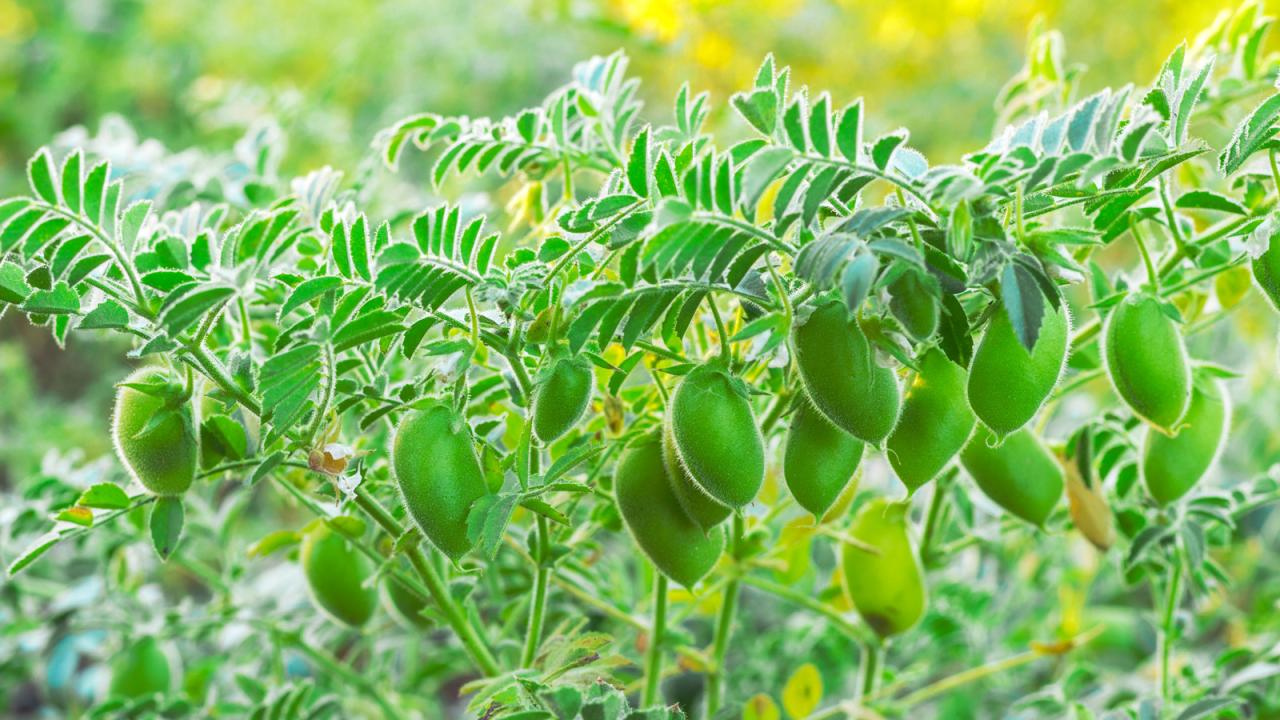
Proper pot selection and soil preparation are crucial for establishing a healthy and thriving indoor oregano plant. These factors significantly influence root development, nutrient availability, and overall plant vigor. A well-suited environment allows the plant to flourish and produce abundant aromatic leaves.The ideal pot size and soil composition should support the oregano plant’s needs without becoming overly restrictive or nutrient-deficient.
This ensures the plant can continue to grow and thrive in its indoor environment.
Ideal Pot Size
Oregano plants, despite their resilience, benefit from adequate space for root growth. A pot that is too small will restrict root development, hindering the plant’s ability to absorb nutrients and water efficiently. A pot that is excessively large, on the other hand, may lead to excessive soil moisture and potential root rot. A good starting point for a pot is one with a diameter of approximately 6-8 inches (15-20 cm).
This size offers enough room for the plant’s roots to expand while maintaining manageable soil volume.
Ideal Soil Mix
A well-draining, slightly acidic soil mix is essential for oregano’s health. A typical potting mix might not be ideal for oregano, as it might retain too much moisture. The best soil mix for indoor oregano will allow water to drain effectively while retaining sufficient moisture to prevent the plant from drying out.A suitable soil mix can be formulated by combining equal parts of potting soil, perlite, and vermiculite.
These components provide a balance of aeration, drainage, and moisture retention.
Preparing the Soil Mix
Mixing the components of the soil mix is a straightforward process. First, thoroughly combine the potting soil, perlite, and vermiculite in a large container. Ensure that all ingredients are evenly distributed throughout the mixture.A critical step is ensuring that the soil is free of any pests or diseases. Inspect the ingredients before mixing to prevent potential issues.
Potting Oregano
The process of potting oregano is straightforward and involves several key steps.
- Prepare the Pot: Ensure the pot has drainage holes to prevent waterlogging. Place a layer of drainage material, such as small pebbles or broken pottery shards, at the bottom of the pot. This will help to improve drainage and prevent water from pooling around the roots.
- Add Soil Mix: Fill the pot approximately ¾ full with the prepared soil mix. Ensure the soil is evenly distributed and lightly tamped down to eliminate air pockets.
- Plant the Oregano: Carefully remove the oregano seedling from its container. Gently place the seedling in the center of the pot, ensuring that the top of the root ball is level with the soil surface.
- Fill and Water: Add more soil mix around the roots, ensuring they are completely covered. Gently firm the soil around the base of the plant. Water the plant thoroughly until water drains from the drainage holes. Avoid overwatering.
- Placement and Monitoring: Place the potted oregano in a location that receives bright, indirect sunlight. Monitor the soil moisture regularly and water as needed. Ensure the soil is not completely dry before watering again.
Lighting and Temperature Requirements
Proper lighting and temperature are crucial for successful indoor oregano growth. These factors directly impact the plant’s health, vigor, and overall yield. Providing the correct conditions mimics its natural environment, encouraging optimal growth and development.Adequate light exposure stimulates photosynthesis, the process by which oregano converts light energy into chemical energy for growth. Temperature plays a significant role in metabolic processes, influencing nutrient absorption and overall plant function.
Maintaining the right balance of light and temperature will help your oregano thrive indoors.
Importance of Proper Lighting
Sunlight is essential for photosynthesis, the process where plants convert light energy into chemical energy. Without sufficient light, oregano plants will struggle to produce the necessary energy for growth, resulting in stunted growth, pale leaves, and reduced yields. Indoor environments often lack the intensity and duration of sunlight needed for optimal oregano growth. Therefore, supplemental lighting is frequently required.
Different Lighting Options for Indoor Oregano Growth
Various lighting options can be used to supplement natural light. Fluorescent grow lights are a popular and cost-effective choice, offering a broad spectrum of light suitable for plant growth. LED grow lights are increasingly popular for their energy efficiency and ability to produce targeted wavelengths of light that promote plant growth. High-intensity discharge (HID) lights, such as high-pressure sodium (HPS) or metal halide (MH) lamps, provide intense light suitable for vigorous growth but require more energy and can be hotter.
Selecting the appropriate light source depends on the available space, budget, and desired growth rate.
Optimal Temperature Range for Oregano
Oregano thrives in warm temperatures. The optimal temperature range for indoor oregano growth is typically between 65-80°F (18-27°C). Temperatures outside this range can negatively impact the plant’s health and growth. Lower temperatures can cause slowed growth, while higher temperatures can lead to stress and potential damage.
Adjusting the Temperature for Optimal Growth
Maintaining the ideal temperature range can be achieved through several methods. Using a thermostat to regulate the temperature of the room where the oregano is grown is a practical approach. If the temperature is too low, consider using a small space heater to warm the area, but ensure proper ventilation to prevent overheating. If the temperature is too high, increasing air circulation or using a fan can help cool the environment.
Monitoring the temperature regularly and making necessary adjustments will promote optimal growth.
Impact of Light Duration on Indoor Oregano Growth
The duration of light exposure, or photoperiod, significantly influences oregano growth. Oregano, like many plants, has a specific light requirement for optimal growth. Generally, oregano benefits from 12-16 hours of light per day. Longer periods can result in overstimulation and possible growth issues. Adjusting the light schedule using timers can ensure consistent light exposure, promoting healthy growth.
Watering and Humidity

Proper watering and humidity management are crucial for the health and vigorous growth of indoor oregano. Maintaining optimal conditions mimics its natural environment, leading to a bountiful harvest of flavorful leaves. Ignoring these aspects can result in stunted growth, pest infestations, and ultimately, a less productive plant.Maintaining a consistent moisture level, while preventing waterlogging, is essential for oregano’s root development and overall well-being.
Similarly, appropriate humidity levels are vital for the plant’s physiological processes, such as photosynthesis and transpiration. These factors directly impact the quality and quantity of the oregano’s yield.
Watering Schedule for Indoor Oregano
A consistent watering schedule is key to preventing overwatering or underwatering. Oregano, like many herbs, prefers consistently moist soil, but not waterlogged conditions. The frequency of watering will depend on factors such as pot size, soil type, and environmental conditions. Regularly checking the soil moisture is essential for determining the appropriate watering time.
Importance of Maintaining Humidity
Oregano thrives in environments with moderate to high humidity. Similar to its natural Mediterranean habitat, oregano benefits from high humidity levels. Maintaining adequate humidity levels prevents the leaves from drying out, which can lead to stress and diminished growth. It also helps prevent common issues such as fungal diseases, which are more prevalent in dry conditions.
Methods for Increasing Humidity Around Oregano Plants
Several methods can increase humidity around indoor oregano plants. These methods provide a beneficial environment for the plant’s growth and development.
- Grouping Plants: Placing the oregano plant near other potted plants can increase the humidity around it. The combined moisture released by the plants creates a localized microclimate that can be beneficial for the oregano.
- Humidity Trays: Using a humidity tray filled with water and pebbles or gravel beneath the pot can raise the humidity level around the plant. As the water evaporates, it adds moisture to the surrounding air.
- Regular Misting: Regularly misting the leaves with a spray bottle can also increase humidity. However, be mindful not to overmist, which can lead to fungal diseases. Focus on the leaves and not the soil.
- Using a Humidifier: A small humidifier can be used to maintain consistent humidity levels in the plant’s immediate vicinity. This provides a controlled and consistent environment for optimal growth.
Comparison of Watering Methods for Indoor Oregano
Different watering methods have varying effects on the health and well-being of the oregano plant.
| Watering Method | Description | Advantages | Disadvantages |
|---|---|---|---|
| Soaking | Completely saturating the soil until water drains from the pot’s drainage holes. | Ensures thorough watering of the entire root system, promoting healthy root growth. | Requires careful monitoring to avoid overwatering, leading to root rot. |
| Watering from the top | Adding water directly to the soil surface. | Simple and convenient. | May not thoroughly water the entire root system, potentially leading to uneven moisture distribution. |
Thorough watering is crucial for oregano. Overwatering can lead to root rot, while underwatering can lead to wilting and stunted growth. Consistent monitoring of soil moisture is key to maintaining the right balance.
Fertilizing and Pruning

Indoor oregano, like its outdoor counterpart, benefits from regular fertilization and pruning to maintain healthy growth and robust yield. Proper care in these areas promotes strong stems, abundant foliage, and a more vibrant plant overall. These practices also help to prevent the plant from becoming leggy and maintain a desirable compact shape.
Fertilizing Indoor Oregano
Regular fertilization is essential for indoor oregano to thrive. A well-nourished plant will produce more leaves, and the quality of those leaves will be higher. Nutrient deficiencies can lead to stunted growth, pale foliage, and reduced flavor. Using a balanced fertilizer formulated for herbs is recommended. Avoid fertilizers high in nitrogen, as this can promote excessive leaf growth at the expense of flowering and fruiting.
Fertilizing Schedule
A recommended schedule for fertilizing indoor oregano is every two to four weeks during the growing season (spring and summer). Reduce or eliminate fertilization during the dormant season (fall and winter). Apply a diluted solution of the fertilizer according to the manufacturer’s instructions. Over-fertilizing can be harmful to the plant, so it’s crucial to follow the recommended dilution ratios.
Pruning Indoor Oregano
Pruning indoor oregano is crucial for maintaining its shape, promoting bushier growth, and encouraging new growth. Regular pruning also prevents the plant from becoming overgrown and encourages a more compact habit. This practice also removes dead or damaged leaves, preventing diseases and improving the aesthetic appeal of the plant.
Pruning Techniques
Several pruning techniques can be used to maintain indoor oregano. For example, regular pinching of new growth, trimming back stems, and deadheading spent flowers can all be used to encourage bushier growth. Using sharp, clean pruning shears is essential to avoid damaging the plant. When pruning, be sure to remove any stems that are crossing or rubbing against each other.
This prevents overcrowding and promotes proper airflow.
Nutrient Requirements and Application Frequency
| Nutrient | Frequency | Amount |
|---|---|---|
| Nitrogen (N) | Every 2-4 weeks (spring/summer) | Use a balanced fertilizer, following manufacturer’s instructions for dilution. |
| Phosphorus (P) | Every 2-4 weeks (spring/summer) | Use a balanced fertilizer, following manufacturer’s instructions for dilution. |
| Potassium (K) | Every 2-4 weeks (spring/summer) | Use a balanced fertilizer, following manufacturer’s instructions for dilution. |
Propagation and Maintenance

Propagating oregano indoors allows you to expand your herb garden and maintain a continuous supply of fresh, flavorful leaves. Proper propagation and maintenance techniques ensure healthy growth and a thriving indoor oregano plant. Consistent care and attention to detail are crucial for success.
Propagation Methods
Oregano can be propagated through several methods, each with its own advantages and considerations. A common method is taking stem cuttings, which is relatively straightforward and efficient. Another approach is using seed propagation, though this method may take longer to yield mature plants.
Propagating from Cuttings
This method involves taking stem cuttings from a healthy, established oregano plant. These cuttings are then rooted in a suitable medium, eventually developing into new plants. This section provides a step-by-step guide.
- Select healthy, non-flowering stems from your mother plant. Choose stems that are about 4-6 inches long and have several leaves. Avoid stems that appear diseased or damaged.
- Using a sharp, clean knife or pruning shears, make a clean cut just below a node (the point where leaves emerge from the stem). This will promote rooting.
- Remove the lower leaves from the cutting, leaving only a few leaves at the top. This reduces moisture loss and prevents rot.
- Dip the cut end of the stem into rooting hormone (optional, but recommended). This promotes faster and more successful root development.
- Place the cutting in a small pot filled with a well-draining rooting medium, such as a mixture of perlite and peat moss. Ensure the cutting is firmly planted.
- Maintain a consistently moist but not soggy rooting medium. Mist the cutting regularly to keep the humidity around the plant high. Avoid overwatering.
- Place the pot in a warm, bright location, ideally with indirect sunlight. A temperature range of 70-75°F (21-24°C) is optimal.
- Monitor the cutting regularly for signs of root development. This may take several weeks, and you can gently check the soil to see if roots have emerged. Once roots have developed, you can begin to gradually increase watering.
Care for Newly Propagated Plants
Newly propagated oregano plants require specific care to ensure successful establishment.
- Watering: Water regularly, but allow the top inch of soil to dry out slightly between waterings. Overwatering can lead to root rot. Use a watering can or a spray bottle to gently moisten the soil.
- Sunlight: Maintain a bright, indirect light source for your young plants. Avoid direct sunlight, which can scorch the leaves.
- Temperature: Maintain a consistent temperature range of 70-75°F (21-24°C). Avoid sudden temperature fluctuations.
- Fertilizing: Once the plants have established roots, you can start fertilizing them with a balanced liquid fertilizer, diluted to half strength, every 2-4 weeks.
Maintaining Healthy Indoor Oregano
Regular maintenance is key to keeping your indoor oregano thriving.
- Pruning: Regularly pinch back the growing tips of your oregano plant to encourage bushier growth and prevent legginess. This will also promote more branching and yield more leaves.
- Pest and Disease Prevention: Inspect your oregano plants regularly for pests and diseases. Neem oil or insecticidal soap can be used to control pests. Maintain good air circulation to prevent fungal diseases.
- Repotting: As the plant grows, it may require repotting into a larger container. Repot in spring, using a well-draining potting mix. Select a pot that is slightly larger than the current one.
Pest and Disease Prevention
Regular monitoring and preventative measures are crucial for maintaining a healthy indoor oregano plant.
- Inspect Regularly: Regularly inspect your oregano plant for signs of pests, such as aphids, spider mites, or whiteflies. Look for any discoloration, deformities, or webbing on the leaves.
- Maintain Proper Environmental Conditions: Ensure adequate air circulation to prevent fungal diseases. Avoid overwatering, which can lead to root rot. Maintain appropriate humidity levels.
- Use Natural Remedies: Introduce natural pest control methods like neem oil or insecticidal soap to control pests. Avoid using harsh chemicals whenever possible.
Harvesting and Storage
Oregano, a fragrant herb prized for its culinary and medicinal uses, can be a rewarding addition to your indoor garden. Proper harvesting and storage techniques are crucial to ensuring the freshness and flavor of your oregano throughout the year. This section details the best practices for maximizing your oregano’s yield and longevity.
Optimal Harvesting Time
Harvesting oregano at the right time ensures optimal flavor and yields the best results. The ideal time to harvest oregano is when the plant is actively growing and the leaves are at their fullest. Harvesting in the morning, after the dew has dried, is often recommended as the essential oils are concentrated at this time. Avoid harvesting during the hottest part of the day, as this can lead to a loss of flavor.
Proper Harvesting Methods
Using the correct techniques during harvesting ensures the health of your oregano plant and preserves its quality. Cut sprigs of oregano leaves, preferably from the newer growth at the ends of stems. Use sharp, clean pruning shears or scissors to make clean cuts. Avoid damaging the plant’s main stem. Harvest only a portion of the plant’s growth at a time to encourage continued growth and prevent over-harvesting.
This is vital for the long-term health of the plant.
Storage Methods
Various methods can preserve the freshness and flavor of harvested oregano. Proper storage methods are essential for maintaining the quality of your harvest.
- Fresh Storage: Freshly harvested oregano can be stored in a cool, dry place, like a refrigerator. Store the oregano sprigs in a glass or plastic container with a tight-fitting lid or a paper bag. This method is ideal for short-term storage (up to a week) to retain freshness. Store the container in a crisper drawer for optimal results.
- Freezing: Freezing is an excellent method for long-term storage. Wash and dry the oregano sprigs thoroughly before freezing. Place them in freezer-safe bags or containers. Freezing preserves the flavor and nutrients of oregano, making it an ideal method for longer-term use. For best results, use freezer-safe containers and label them with the date.
- Drying: Drying is another viable long-term preservation method. Hang the oregano sprigs upside down in a cool, dry, dark place, like a pantry or a well-ventilated area. Alternatively, use a food dehydrator. Once completely dried, store in airtight containers. This method is especially useful for maintaining the aromatic qualities of oregano over a longer period.
Comparing Storage Methods
Different storage methods have varying effects on the longevity and quality of the oregano.
| Storage Method | Longevity | Flavor Retention | Ease of Use |
|---|---|---|---|
| Fresh (Refrigeration) | 1-7 days | High | Easy |
| Freezing | Several months | Good | Convenient |
| Drying | Several months to years | Good | Requires preparation but convenient for long-term use |
Tips for using fresh oregano in cooking:
- Add to sauces and soups
- Use as a seasoning for roasted vegetables
- Include in pasta dishes
Concluding Remarks
In conclusion, cultivating oregano indoors is achievable with the right knowledge and care. By following the detailed steps Artikeld in this guide, you can enjoy a bountiful harvest of fresh, flavorful oregano year-round. Remember to consider factors like light, temperature, and watering, and choose the oregano variety best suited for your indoor environment. Enjoy the taste of homegrown herbs in your culinary creations!