Peace lilies, renowned for their elegant foliage and air-purifying qualities, bring a touch of tranquility to any indoor space. This guide, “How to Grow Peace Lily in 5 Steps,” provides a comprehensive approach to cultivating these beautiful plants, from understanding their needs to achieving thriving growth. We will explore the intricacies of their care, encompassing optimal growing conditions, potting techniques, and essential maintenance practices.
This detailed guide will cover everything you need to know to nurture your peace lily from its initial introduction to its flourishing growth. We’ll delve into each stage, offering practical insights and expert advice to ensure a rewarding gardening experience.
Introduction to Peace Lilies

Peace lilies, with their elegant, lush foliage and striking white flowers, are popular houseplants worldwide. They are known for their ability to thrive indoors and their relatively low maintenance requirements. These characteristics contribute to their widespread appeal as a decorative addition to homes and offices. This section will delve into the botanical aspects, cultural significance, varieties, and history of these captivating plants.Peace lilies, scientifically known asSpathiphyllum*, are a genus of flowering plants in the Araceae family.
They are characterized by their large, elegant spathes, which are modified leaves that enclose the small flowers within. The spathe typically comes in a range of white to creamy-white colors. Their long-lasting foliage and relatively easy care contribute to their popularity as houseplants.
Symbolism and Cultural Significance
The peace lily’s name itself suggests a connection to peace and tranquility. While not universally recognized as such, some cultures perceive the peace lily as a symbol of peace and harmony. Its graceful appearance and ease of cultivation further contribute to its symbolic value in many households. The gentle beauty of the flower has made it a popular choice for gifts, symbolizing serenity and good wishes.
Types of Peace Lilies
While the most common type is theSpathiphyllum wallisii*, there are several other varieties. However, the differences between these varieties are often subtle and sometimes depend on the specific cultivar. A deeper examination of the differences in these varieties is often not necessary for the average plant owner. The various cultivars often showcase subtle variations in leaf color and shape.
These variations can be quite nuanced, but the key aspects that contribute to the overall aesthetic of the plant remain consistent across most varieties.
History of Peace Lilies
TheSpathiphyllum* originated in tropical regions of Central and South America. It was initially discovered in the 1800s and was subsequently introduced to the world of horticulture. As the plant became known for its resilience and ability to thrive in indoor environments, it gained popularity as a houseplant, particularly in the latter half of the 20th century. The popularity of the peace lily has been steadily growing, thanks to its ease of care and aesthetic appeal.
Peace Lily Varieties
| Common Name | Botanical Name | Origin | Key Characteristics |
|---|---|---|---|
| Peace Lily | *Spathiphyllum wallisii* | Tropical America | White spathe, elegant foliage, relatively low maintenance. |
| Splendid Peace Lily | *Spathiphyllum* ‘Mauna Loa’ | Cultivar from
|
Similar to
|
| Pink Peace Lily | *Spathiphyllum* ‘Pink Princess’ | Cultivar from
|
Pink spathe, similar to
|
| Other Cultivars | Various cultivars | Cultivars of – Spathiphyllum* | May exhibit subtle differences in leaf shape, size, or spathe color. |
Ideal Growing Conditions

Peace lilies thrive in specific environmental conditions that mimic their natural habitat. Understanding these conditions is crucial for successful cultivation and maintaining the plant’s health and beauty. Proper care ensures a flourishing peace lily, adding a touch of elegance to any indoor space.
Temperature
Peace lilies flourish within a specific temperature range. Optimal growth occurs between 65°F and 80°F (18°C and 27°C). Temperatures outside this range can negatively affect the plant’s health and lead to reduced growth or even decline. Avoid placing them in areas prone to extreme temperature fluctuations.
Humidity
Peace lilies, originating from tropical regions, appreciate high humidity. A humidity level of 50% or higher is ideal for their well-being. Lower humidity can cause leaf tips to brown or yellow. To increase humidity around the plant, you can group plants together, use a humidifier, or place the pot on a tray filled with pebbles and water.
Light
Peace lilies prefer bright, indirect light. Direct sunlight can scorch their leaves, causing them to develop brown spots. An east-facing window or a location with filtered sunlight is perfect. Avoid placing them in areas with intense or direct sunlight, as this can lead to leaf damage.
Soil
Well-draining soil is essential for the health of a peace lily. Waterlogged soil can lead to root rot, a serious problem that can kill the plant. A well-draining mix should consist of potting soil, perlite, and peat moss. This mixture ensures proper aeration and drainage.
Watering
Watering requirements depend on environmental factors like humidity and temperature. Water thoroughly when the top inch of soil feels dry. Overwatering can lead to root rot, while underwatering can cause wilting. A good rule of thumb is to allow the top layer of soil to dry out between waterings. Avoid letting the plant sit in standing water, as this can damage the roots.
Growing Factor Analysis
| Factor | Ideal Condition | Explanation | Potential Issues |
|---|---|---|---|
| Temperature | 65°F – 80°F (18°C – 27°C) | Maintaining a consistent temperature within this range prevents stress and promotes healthy growth. | Temperatures below 60°F (15°C) or above 85°F (29°C) can lead to stunted growth, leaf drop, or even death. |
| Humidity | 50% or higher | High humidity mimics the peace lily’s natural environment, reducing stress and preventing leaf tip browning. | Low humidity can cause leaf tips to turn brown or yellow, and the plant may become susceptible to pests. |
| Light | Bright, indirect light | Direct sunlight can scorch the leaves, leading to unsightly damage. Indirect light allows for photosynthesis without burning the foliage. | Insufficient light can result in pale, stretched leaves, while excessive direct light can cause leaf browning. |
| Soil | Well-draining mix (potting soil, perlite, peat moss) | Well-draining soil prevents waterlogging, which is detrimental to the roots and can cause root rot. | Waterlogged soil is a primary cause of root rot, leading to plant decline and eventual death. Compacted soil also inhibits drainage and aeration. |
| Watering | Water thoroughly when the top inch of soil is dry. | Consistent watering prevents the soil from becoming too dry, while avoiding overwatering protects the roots from rot. | Overwatering leads to root rot, causing the plant to wilt and eventually die. Underwatering causes wilting and stress, potentially leading to leaf drop. |
Potting and Planting

Peace lilies, with their elegant foliage and relatively low maintenance needs, thrive when properly potted and planted. Choosing the right pot and employing the correct planting techniques ensures the plant’s health and encourages robust growth. A well-executed potting process provides the peace lily with the optimal environment for flourishing.
Appropriate Pot Size
Peace lilies have a moderate root system that requires adequate space for expansion. A pot that is too small restricts root growth, hindering the plant’s overall health and vigor. Conversely, a pot that is excessively large may lead to water retention issues, potentially causing root rot. The ideal pot size should allow for comfortable root development without being overly spacious.
A good guideline is to select a pot that is approximately 2-3 inches wider in diameter than the plant’s current root ball.
Preparing the Pot
Proper preparation of the pot is essential for providing the peace lily with a healthy growing medium. This involves ensuring the pot has adequate drainage and is compatible with the plant’s needs. This preparation step is vital to avoid issues like waterlogging and poor drainage.
- Ensure adequate drainage holes. Adequate drainage holes are critical to prevent waterlogging, which can lead to root rot. Check the pot carefully for sufficient drainage, adding holes if necessary. Avoid using pots with no or very few drainage holes.
- Add a layer of drainage material. A layer of small gravel, broken pieces of pottery, or perlite at the bottom of the pot creates a barrier to prevent soil from clogging the drainage holes. This layer promotes proper water drainage and prevents the soil from compacting. A depth of approximately 1-2 inches is sufficient.
- Fill with potting mix. Select a well-draining potting mix specifically formulated for tropical plants. This type of mix will provide the optimal balance of nutrients and aeration required by the peace lily. Avoid using garden soil, as it may retain too much water.
Transplanting Peace Lilies
Transplanting a peace lily involves carefully transferring the plant from its current pot to a new one. The process should be done with minimal disturbance to the root system to minimize stress on the plant. Carefully handling the plant during the process is essential to maintain the plant’s health.
- Carefully remove the peace lily from its current pot. Gently loosen the soil around the root ball using your hands or a trowel. Be careful not to damage the roots. If the plant is pot-bound (roots circling the root ball), gently loosen the roots to encourage new growth. If the root ball is very compacted, consider soaking the root ball in water for 15 minutes before gently separating the roots.
- Inspect the root system. Check the roots for any signs of rot or damage. Remove any diseased or decaying roots. Healthy roots should be firm and white or light beige in color.
- Place the plant in the new pot. Center the peace lily in the prepared pot. Add potting mix around the roots, ensuring the top of the root ball is slightly below the rim of the pot. Avoid burying the crown (the area where the stem meets the roots) of the plant.
- Gently firm the soil. Use your fingers or a small trowel to gently press the soil around the roots to eliminate air pockets and secure the plant in place. Avoid tamping the soil down too firmly, as this can damage the roots.
- Water thoroughly. Water the plant thoroughly after transplanting to settle the soil and provide the plant with hydration.
Planting Depth and Spacing
The correct planting depth ensures that the peace lily’s crown remains above the soil level. This promotes proper drainage and prevents root rot. The spacing of roots within the pot allows for healthy growth and prevents overcrowding. Optimal planting depth and root spacing promote proper air circulation around the roots and ensure healthy growth.
Proper planting depth is crucial for a peace lily’s health and growth.
Maintenance and Care
Proper maintenance is crucial for ensuring your peace lily thrives and remains healthy. Consistent care, including fertilization, pruning, and pest/disease management, will contribute to its vibrant foliage and longevity. By following these guidelines, you can cultivate a thriving and beautiful peace lily.
Fertilizing Peace Lilies
Regular fertilization is essential for a healthy peace lily. It provides the necessary nutrients for robust growth and vibrant foliage. Avoid over-fertilizing, as this can lead to negative consequences. A balanced, water-soluble fertilizer formulated for houseplants is recommended.
Peace lilies should be fertilized during their active growing season, typically spring and summer. A diluted solution is crucial; use a quarter of the recommended strength on the fertilizer label. Apply the fertilizer every two to four weeks. During the dormant season (fall and winter), reduce or eliminate fertilizing to allow the plant to rest. A complete, balanced liquid fertilizer (e.g., a 20-20-20 formula) diluted to half-strength is a suitable choice.
This will ensure the plant receives the essential nutrients without stressing it.
Pruning Peace Lilies
Pruning peace lilies is a vital part of maintaining their health and appearance. Removing dead or damaged leaves prevents disease and promotes a neat, attractive plant. Peace lilies can be pruned throughout the year, but spring and summer are the ideal times for trimming any yellowing or damaged leaves. Use sharp, clean pruning shears to avoid spreading disease.
Cut the leaf just above a healthy node, which is a small bump or bulge on the stem where the leaf emerges.
Identifying and Addressing Common Peace Lily Problems
Peace lilies, while generally low-maintenance, can encounter certain issues. Proper identification and prompt action are key to resolving these problems and ensuring the plant’s well-being. Early detection of potential problems is crucial for successful peace lily care.
| Problem | Cause | Solution | Prevention Strategies |
|---|---|---|---|
| Yellowing Leaves | Overwatering, underwatering, or nutrient deficiencies | Adjust watering schedule to match soil moisture. Provide appropriate fertilization. | Monitor soil moisture regularly. Use appropriate fertilizer. |
| Brown Leaf Tips | Dry air, insufficient humidity, or improper watering | Increase humidity by placing the plant on a tray of water or using a humidifier. Ensure consistent watering. | Maintain adequate humidity levels. Avoid letting the soil dry out completely. |
| Pest Infestation (e.g., spider mites, mealybugs) | Poor air circulation, high humidity, or stress | Isolate the plant to prevent spreading. Use insecticidal soap or neem oil. | Ensure good air circulation around the plant. Control humidity levels. |
| Root Rot | Overwatering, poor drainage | Remove the plant from the pot. Trim away any affected roots. Repot in fresh potting mix with excellent drainage. | Ensure proper drainage in the pot. Monitor watering carefully. |
Propagation and Growth
Peace lilies, with their elegant foliage and attractive flowers, can be easily propagated to expand your collection or share with others. Understanding the various methods and the expected growth timeline helps ensure successful propagation and a thriving plant. This section will detail the different propagation methods, the growth timeline, and indicators of a healthy or stressed plant.
Propagation Methods
Propagating peace lilies involves creating new plants from existing ones. This can be achieved through several methods, each with its own set of steps and time requirements.
- Division: This method is ideal for mature peace lilies that have established a sizable root system. Carefully divide the plant, separating the roots and rhizomes to create multiple sections, each with its own root mass. This process is generally effective for creating multiple plants from a single, established peace lily.
- Cuttings: A stem cutting method is another way to propagate a peace lily. Select a healthy stem from the plant, ensuring it has several nodes. Trim the stem to a suitable length, removing the lower leaves. Place the cutting in a well-drained growing medium. This method may take longer to root compared to division.
Steps Involved in Each Method
The success of propagation hinges on careful execution. Following the steps diligently increases the likelihood of a successful outcome.
- Division: Carefully excavate the plant from its pot, gently separating the root ball into sections. Each section should have healthy roots and shoots. Repot each division in a new pot with fresh potting mix.
- Cuttings: Select a healthy stem, remove lower leaves, and place the cutting in a humid environment. Use rooting hormone to encourage faster root development. Place the cutting in a well-drained potting mix. Maintain consistent moisture.
Growth Timeline
The time it takes for a peace lily to grow and mature depends on the propagation method and the growing conditions. Division typically results in faster growth, as the new plant already has a well-established root system. Cuttings may take several weeks or months to root and establish themselves as independent plants. Expect consistent growth, with signs of new leaves and roots appearing over time.
Signs of a Healthy Peace Lily
A healthy peace lily displays vibrant, deep green foliage. New leaves emerge regularly. The leaves should be free from yellowing, browning, or spots. The plant should exhibit consistent growth without any signs of wilting or drooping.
Signs of Stress or Problems
Signs of stress or problems include yellowing or browning leaves, wilting or drooping foliage, and stunted growth. Overwatering or underwatering can lead to these issues. Examine the plant regularly to identify and address potential problems promptly.
Life Cycle of a Peace Lily
The peace lily undergoes a predictable life cycle, typically including growth, flowering, and dormancy periods. The plant may flower during specific times of the year, which can vary depending on the cultivar and environmental conditions. Understanding the life cycle can help in providing optimal care for your plant.
Closing Notes
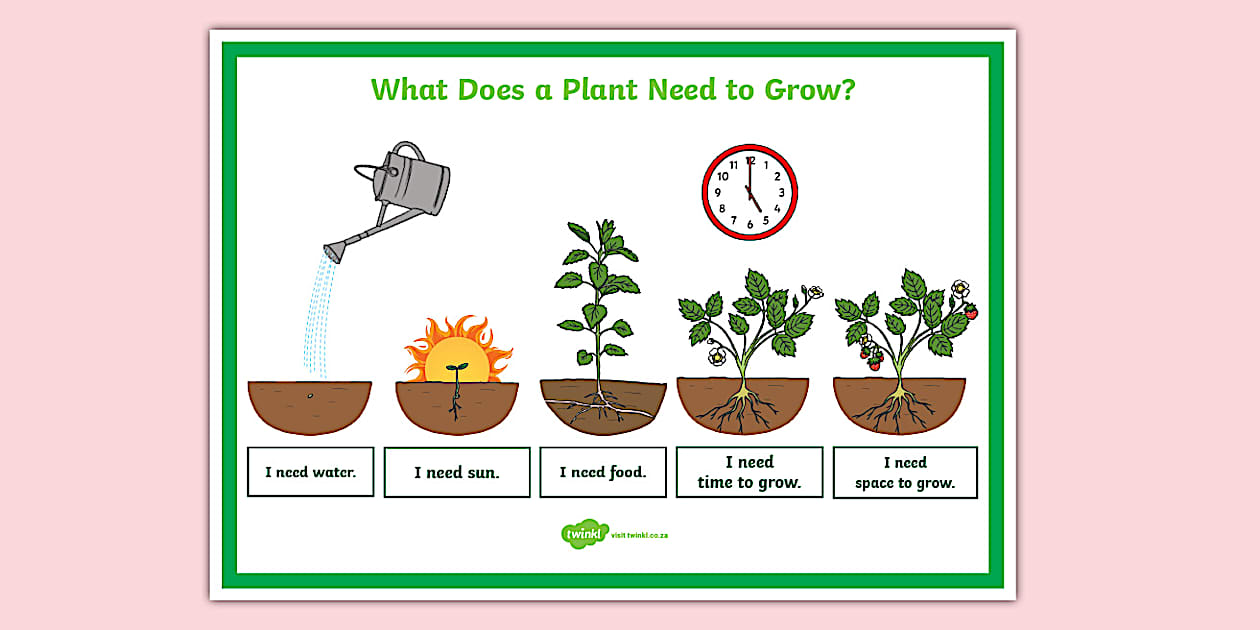
In conclusion, cultivating a thriving peace lily is achievable with a solid understanding of its specific needs. By meticulously following the five-step process Artikeld in this guide, you can enjoy the beauty and tranquility of a healthy peace lily in your home. This comprehensive guide empowers you with the knowledge and techniques necessary for success, ensuring your peace lily thrives for years to come.