Unlock the secrets to swift herb harvesting, maximizing your yield and minimizing your time. This guide provides a practical and efficient approach, enabling you to gather fresh herbs quickly for your culinary creations. From identifying the perfect herbs for rapid harvest to mastering the techniques and tools, we’ll equip you with the knowledge to become a pro in under two minutes.
Discover the optimal methods for various herb types, considering their growth rate and ideal harvesting frequency. Understanding these factors is crucial for maximizing your harvest without compromising the quality or future growth of your plants. We’ll delve into the essential tools, techniques, and safety precautions to ensure a smooth and successful harvest.
Introduction to Quick Herb Harvesting
Maximizing the freshness and flavor of culinary herbs requires a swift and efficient harvesting technique. Quick herb harvesting, a practice honed over centuries, focuses on minimizing the time between plant harvest and culinary use. This approach ensures optimal freshness and flavor, crucial for both home cooks and professional chefs. This article explores the principles of quick herb harvesting, detailing the best practices for different herb types.Traditional herb harvesting methods, while sometimes meticulous, have always emphasized efficiency.
Ancient civilizations, from the Egyptians to the Romans, recognized the importance of timely harvesting to maintain the quality of herbs. They understood that the freshness of herbs directly impacts their taste and nutritional value. Modern techniques build upon these foundations, offering streamlined methods for today’s busy kitchens.
Suitable Herbs for Quick Harvesting
A variety of culinary herbs are well-suited for quick harvesting methods. These herbs, commonly used in cooking, maintain their flavor and nutritional content when harvested promptly. The following table Artikels different herb types and their optimal harvesting times, along with the necessary tools.
| Herb Type | Harvesting Time | Tools Needed |
|---|---|---|
| Basil | Early morning or late evening | Sharp knife or scissors |
| Chives | Throughout the growing season | Sharp knife or scissors |
| Cilantro | Early morning or late evening | Sharp knife or scissors |
| Mint | Early morning or late evening | Sharp knife or scissors |
| Parsley | Throughout the growing season | Sharp knife or scissors |
| Oregano | Early morning or late evening | Sharp knife or scissors |
Optimal Harvesting Times
The freshness and flavor of herbs are highly dependent on the time of day they are harvested. Early morning or late evening, when the plant’s moisture content is highest and temperatures are cooler, are the best times for harvesting. This is because the plant is less stressed and retains its essential oils, which contribute significantly to its flavor profile.
A key point is to avoid harvesting during the hottest part of the day, when the plant’s moisture evaporates quickly.
Essential Tools
Sharp, clean tools are critical for quick and precise harvesting. A sharp knife or pair of sharp scissors is recommended. Using dull tools can damage the plant, potentially reducing its quality. These tools also prevent the spreading of disease from plant to plant. Clean tools are important to prevent the spread of bacteria or fungi.
Maintaining hygiene during harvesting is crucial for preventing the contamination of the harvested herbs.
Identifying Suitable Herbs for Quick Harvesting
Selecting herbs appropriate for quick harvesting methods is crucial for maximizing yield and ensuring a consistent supply. Understanding the growth characteristics of different herbs allows gardeners to strategically choose varieties that mature rapidly and can be harvested frequently without compromising plant health. This section will Artikel five herbs well-suited for quick harvesting and discuss the conditions necessary for their optimal growth.
Suitable Herbs for Quick Harvesting
Several herbs exhibit rapid growth and are well-suited for frequent harvesting. Choosing the right variety is essential to maximize yield and ensure a steady supply of fresh herbs.
- Chives: Chives are known for their rapid growth and ability to tolerate frequent cutting. Their shallow root system allows for consistent regrowth, making them ideal for quick harvesting. They thrive in well-drained soil with moderate moisture levels and prefer full sun or partial shade.
- Cilantro: Cilantro is another excellent choice for quick harvesting. Its fast growth rate allows for multiple harvests within a short period. Cilantro thrives in warm temperatures and well-drained soil. Consistent moisture is key to prevent the plant from bolting (rapid flowering). This is crucial for maximizing the duration of fresh, leafy cilantro.
- Parsley: Parsley’s leafy growth and relatively rapid development make it suitable for quick harvesting. Different types of parsley exhibit slightly varying growth rates, but overall, they can be harvested frequently. Consistent moisture and well-drained soil are vital for healthy parsley growth.
- Mint: Mint is a highly productive herb that regrows quickly after harvesting. Its vigorous growth habit allows for frequent cutting without harming the plant. Mint thrives in moist, well-drained soil and tolerates a range of light conditions, but it is important to contain the plant’s spread to prevent it from becoming invasive.
- Oregano: Oregano is a hardy perennial herb that can be harvested relatively frequently. Its strong root system enables it to bounce back from regular cutting. Oregano prefers well-drained soil and full sun, but it can also tolerate partial shade.
Ideal Growing Conditions for Quick-Harvest Herbs
Creating the optimal growing environment is vital for ensuring robust growth and frequent harvests. These conditions vary slightly among herbs but generally involve providing adequate sunlight, moisture, and nutrients.
- Sunlight: Most quick-harvest herbs thrive in full sun, receiving at least six to eight hours of direct sunlight daily. However, some varieties, such as cilantro, can tolerate partial shade.
- Water: Consistent moisture is critical, especially during the initial growth stages. Overwatering can lead to root rot, while insufficient watering can stunt growth. Regular monitoring and adjustments are necessary.
- Soil: Well-drained soil is essential for preventing waterlogging and root rot. Adding organic matter, such as compost, can improve soil structure and drainage.
Growth Rate and Harvesting Frequency Comparison
The table below provides a comparative overview of growth rate and harvesting frequency for various herb types.
| Herb | Growth Rate | Harvesting Frequency |
|---|---|---|
| Chives | Fast | Frequent (every 2-3 weeks) |
| Cilantro | Very Fast | Very Frequent (every 1-2 weeks) |
| Parsley | Moderate | Frequent (every 2-4 weeks) |
| Mint | Fast | Frequent (every 1-2 weeks) |
| Oregano | Moderate | Frequent (every 3-4 weeks) |
Essential Tools and Equipment
Proper tools are crucial for efficient and safe herb harvesting. Choosing the right tools ensures minimal damage to the plant, maximizing yield and quality. The right tools also make the process easier and more enjoyable, contributing to a more productive and sustainable harvesting routine.
Essential Tools for Herb Harvesting
A selection of appropriate tools significantly enhances the herb harvesting process. These tools facilitate proper handling, minimizing plant damage and maximizing yield. Careful consideration should be given to the type of herb being harvested to ensure the best possible outcome.
- Shears/Pruning Shears: Essential for delicate herbs and for cutting stems without damaging leaves. Sharp shears prevent tearing, allowing for clean cuts that promote plant health. Regularly sharpening the blades is crucial for efficient cutting and minimizing plant stress.
- Knives: Useful for harvesting root herbs or herbs with a sturdy stem. A sharp knife provides precise cuts, preserving the integrity of the plant. Proper knife maintenance, including regular sharpening, is crucial for optimal performance and to prevent plant damage.
- Gloves: Protecting your hands from thorns, splinters, and potential irritants. Gloves offer a layer of protection, crucial for both safety and comfort during harvesting. Selecting gloves appropriate for the specific herb’s characteristics is important for the best results.
- Baskets or Containers: Essential for collecting harvested herbs. Suitable baskets or containers prevent herbs from bruising and ensure proper storage. The size and material should match the volume of herbs being collected, ensuring the herbs stay fresh and undamaged.
Maintenance and Storage of Harvesting Tools
Proper maintenance of harvesting tools is essential for their longevity and efficiency. Regular care prolongs their life and helps ensure optimal performance.
- Shears/Pruning Shears: Regularly sharpen the blades to maintain a clean cut and prevent plant damage. Wipe down blades after use and store in a dry place to prevent rust.
- Knives: Sharpen knives regularly using a honing steel or sharpening stone. Store knives in a dry, protective sheath to prevent damage and maintain their sharpness.
- Gloves: Clean gloves after each use, and store them in a cool, dry place to prevent the growth of bacteria or mold. Replace gloves when they show signs of wear or tear.
- Baskets/Containers: Clean containers thoroughly after each use. Ensure containers are dry before storing herbs to prevent spoilage. Use appropriate storage methods to prevent pests or moisture damage.
Tool Selection Based on Herb Type
The optimal tool selection depends on the characteristics of the herb being harvested. This table provides a guide for choosing the right tools based on herb type.
| Herb Type | Essential Tools | Maintenance Tips |
|---|---|---|
| Basil, Mint | Shears, Gloves, Basket | Sharpen shears regularly. Wash and dry containers after use. |
| Parsley, Cilantro | Shears, Gloves, Basket | Keep shears sharp to prevent plant damage. Clean containers before reuse. |
| Rosemary, Thyme | Shears, Gloves, Basket | Sharpen shears. Store in a dry place to prevent rust. |
| Chives, Garlic Chives | Knife, Gloves, Basket | Sharpen knife. Clean containers thoroughly. |
Techniques for Quick Herb Harvesting
Efficient herb harvesting is crucial for maintaining freshness and maximizing yield. Knowing the best techniques allows you to quickly gather herbs without compromising their quality, enabling you to incorporate them into your culinary creations or preparations swiftly. Understanding the optimal methods for different types of herbs will ensure a successful harvest.
Methods for Quick Herb Harvesting
Different harvesting methods cater to varying herb types and growth patterns. Selecting the appropriate technique is key to ensuring a speedy and successful harvest. The following three methods offer diverse approaches to quickly gather herbs.
Direct Cutting
This method involves snipping the herb stems directly at the desired height or length. It is a fast and simple method suitable for herbs with tender stems, such as cilantro, mint, and chives. Speed is maximized by using sharp, clean tools and aiming for targeted cuts.
- Using sharp, clean pruning shears or scissors, cut the herb stems directly above a node (the point where leaves emerge from the stem). This promotes regrowth.
- Harvest only a portion of the plant, leaving a significant amount of foliage intact for future harvests. This practice ensures the plant remains healthy and productive.
- Collect only the desired parts of the herb. If harvesting leaves, trim the stem and discard it.
Shearing
For herbs with more robust growth, such as rosemary and thyme, shearing can be a quick and efficient harvesting method. This method involves using shears to cut off entire sections of the plant, encouraging dense regrowth. This method is useful for herbs that produce new growth rapidly.
- Employing sharp shears, cut the plant at a height that maintains the desired shape and density.
- Avoid excessive cutting, as it can stress the plant and hinder future growth.
- Collect the harvested sections and process them promptly to maintain their freshness.
Trimming
Trimming, a method that can be adapted to both direct cutting and shearing, focuses on removing specific parts of the herb plant while maintaining its overall structure. This method allows for targeted harvesting and preservation of the plant’s vitality.
- Employ pruning shears or sharp scissors to carefully remove unwanted leaves, stems, or flowers.
- Be meticulous in trimming, focusing on the desired portion of the plant without compromising its overall health.
- This method allows for frequent harvesting without significant impact on the plant’s growth and productivity.
Comparison of Harvesting Methods
The effectiveness of each method depends on the herb type and desired outcome. Direct cutting is ideal for fast, targeted harvests of tender herbs, while shearing is suited for robust herbs that regenerate quickly. Trimming allows for precise harvesting of specific parts, preserving the overall plant’s health.
| Method | Step-by-Step s | Estimated Time |
|---|---|---|
| Direct Cutting | Cut stems directly above a node, harvest desired parts. | 1-3 minutes per plant |
| Shearing | Cut off sections of the plant, maintain desired shape. | 2-5 minutes per plant |
| Trimming | Remove unwanted parts, maintain overall structure. | 1-4 minutes per plant |
Post-Harvest Handling and Storage

Proper post-harvest handling and storage are crucial for maintaining the freshness, flavor, and nutritional value of harvested herbs. Swift and appropriate actions after picking ensure that the herbs retain their vibrant essence and continue to provide culinary and medicinal benefits. Following these guidelines ensures you maximize the enjoyment and use of your harvest.
Best Practices for Handling Freshly Harvested Herbs
Immediate action after harvesting is vital to preserving the quality of the herbs. Gently remove any excess moisture, such as dew or rain, from the leaves. Avoid bruising or damaging the delicate leaves during handling. This step minimizes microbial growth and ensures the herbs maintain their texture and color. Thoroughly trim any stems or leaves that are damaged or wilted.
This helps prevent the spread of decay.
Different Storage Methods for Preserving Freshness
Various methods exist for preserving the freshness of herbs. Choosing the right method depends on the type of herb and the desired duration of storage. The selection of the appropriate method directly impacts the herb’s quality and longevity.
Methods for Preventing Spoilage and Maintaining Flavor and Nutritional Value
To maintain the flavor and nutritional value of herbs, controlling moisture, oxygen, and temperature is key. Proper storage techniques significantly impact the quality of the final product. These factors are essential in minimizing the degradation of essential oils and nutrients.
Table of Storage Methods
| Storage Method | Pros | Cons | Ideal Herb Types |
|---|---|---|---|
| Refrigeration (in a sealed container) | Preserves freshness for several days. Easy to implement. | Can still lose some flavor and moisture over time. Not suitable for long-term storage. | Basil, cilantro, mint, parsley, chives |
| Freezing (in ice cube trays or freezer bags) | Preserves herbs for several months. Retains a significant amount of flavor and nutritional value. | Can slightly alter the texture of some herbs. May require blanching or freezing in small portions for best results. | Dill, oregano, thyme, rosemary, sage |
| Drying (using a dehydrator or air drying) | Preserves herbs for several months to a year. Retains significant flavor and some nutritional value. | Requires a bit more effort. Some herbs may lose moisture during the process. | Oregano, rosemary, thyme, basil, parsley |
| Pickling (using vinegar and herbs) | Preserves herbs for several months. Can add flavor to other foods. | May not be suitable for all herbs or tastes. Requires additional preparation. | Chives, parsley, dill |
Safety Precautions During Harvesting
Ensuring a safe and healthy herb harvesting experience is paramount. Careful attention to potential hazards and adherence to safety guidelines can prevent injuries and maintain the quality of the harvested herbs. This section highlights crucial safety precautions to consider throughout the process.Proper safety measures are vital to avoid accidents during herb harvesting, protecting both the individual and the quality of the harvest.
Following these guidelines minimizes risks and promotes a more productive and safe experience.
Potential Safety Hazards
Various factors can pose safety risks during herb harvesting. Sharp plant parts, such as thorns or prickles, can cause cuts and scrapes. Certain herbs might contain irritants or allergens that can lead to skin rashes or allergic reactions. Working in potentially hazardous environments, like high or steep locations, presents additional risks. The presence of pesticides or other chemicals used in the surrounding area, or on the plants themselves, can also create health concerns.
Safety Guidelines
Implementing proper safety measures mitigates potential risks during the harvesting process. Always wear appropriate protective gear, such as gloves and long sleeves, to safeguard against cuts, scrapes, and possible irritants from the plants. Inspect the plants thoroughly before harvesting to identify any signs of potential hazards, such as thorns or poisonous look-alikes. Avoid harvesting herbs near areas treated with pesticides or chemicals to prevent exposure.
When working in elevated or precarious locations, ensure proper footing and use safety equipment, such as harnesses and ropes, to prevent falls. Adhere to any specific safety guidelines provided by the location or supplier of the herbs.
Hygiene and Sanitation
Maintaining proper hygiene and sanitation during herb harvesting is crucial to prevent contamination. Wash your hands thoroughly before and after handling the plants to avoid spreading germs or pathogens. Use clean tools and equipment to minimize the risk of cross-contamination. If harvesting herbs near water sources, take precautions to avoid contamination from bacteria or other microorganisms. Keep the harvested herbs separate from other items to prevent cross-contamination.
Safety Tips for Quick Herb Harvesting
- Wear protective clothing, including long sleeves, pants, and sturdy shoes, to prevent cuts, scrapes, and insect bites. This includes gloves to protect hands from thorns or irritating substances.
- Thoroughly inspect plants for thorns, prickles, or any signs of potential hazards before harvesting. Look for any signs of pest or disease issues, too.
- Use sharp, clean tools for harvesting to minimize the risk of tearing or damaging the plants. This also minimizes the chance of spreading germs.
- Harvest herbs in well-lit areas to improve visibility and avoid accidents. This also helps avoid accidentally bumping into obstructions or falling.
- Take breaks to avoid fatigue, which can lead to accidents. If working in a difficult location, this is especially important.
- Inform someone of your harvesting plans and estimated return time. This is particularly important if working in remote areas.
- Use caution when working near water sources or other potentially hazardous areas.
- Follow any specific safety guidelines provided by the location or supplier.
- If you experience any unusual symptoms or discomfort during or after harvesting, seek medical attention immediately.
Examples of Quick Herb Harvesting Scenarios
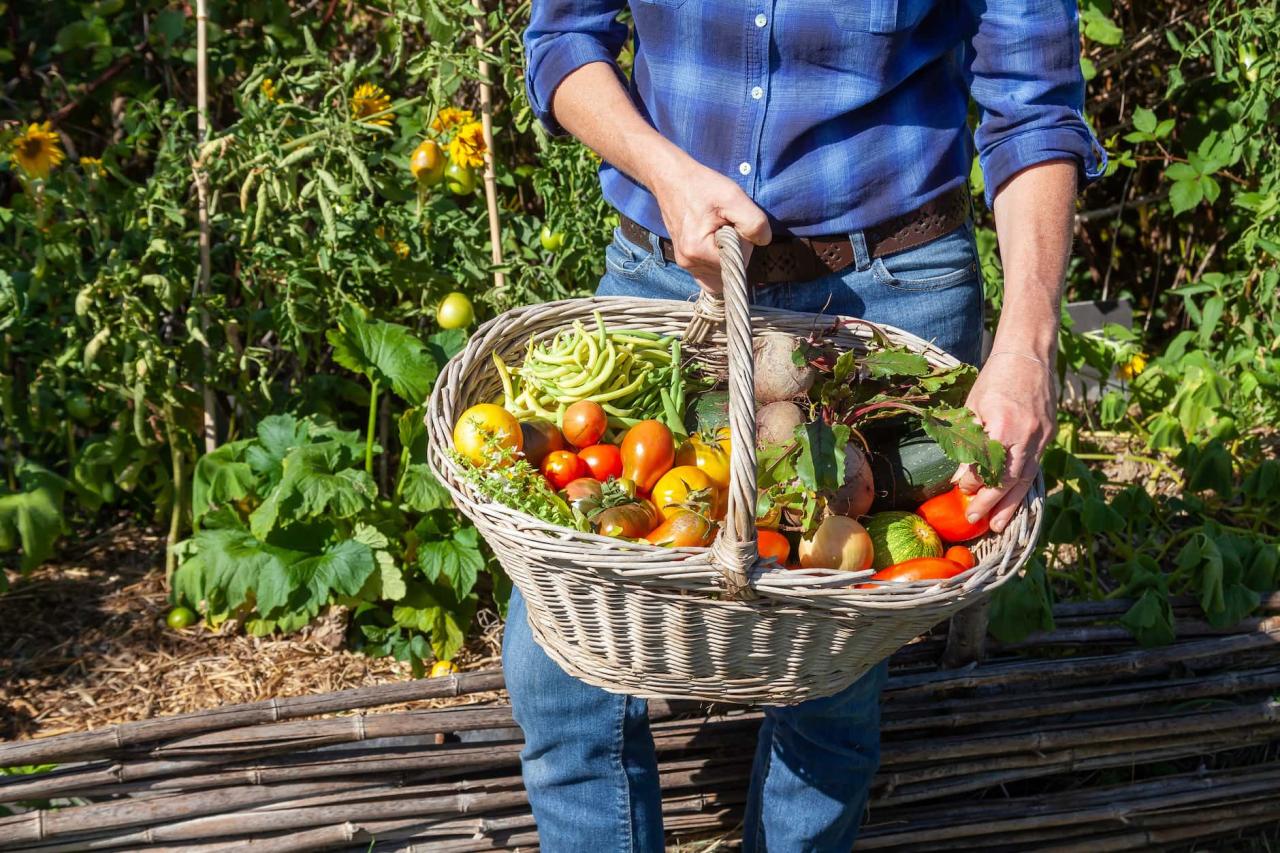
Quickly harvesting herbs allows for fresh flavor in dishes and preserves their nutrients. Understanding the best approach for various herbs is key to maintaining quality and yield. These scenarios Artikel efficient methods for different common herbs.
Scenario 1: Harvesting Basil for a Pesto
Basil, a popular culinary herb, thrives in warm climates and is well-suited for quick harvesting. Its leaves are delicate and best harvested when young and tender. A quick harvest ensures the most vibrant flavor and texture for a pesto recipe.
- Step 1: Inspect the plant. Carefully examine the basil plant for any signs of pests or diseases. Choose healthy, actively growing leaves. Look for leaves that are a vibrant green color, free of blemishes.
- Step 2: Select the leaves. Harvest leaves from the outer edges of the plant, and avoid cutting back into the plant’s core, which will support continued growth. Select leaves that are fully grown but not overly mature, which can affect flavor.
- Step 3: Cut the leaves. Using sharp scissors or a knife, cut the leaves at the base of the stem. This will prevent damage to the plant and ensure a clean cut.
- Step 4: Wash the basil. Rinse the harvested leaves under cool, running water to remove any dirt or debris. Gently pat the leaves dry with a clean cloth or paper towel. This will help maintain the fresh flavor and texture of the basil.
- Step 5: Store the basil. Place the washed and dried basil leaves in an airtight container or wrap them tightly in a damp paper towel and place them in a plastic bag to store in the refrigerator. This will help maintain the freshness of the basil for up to a few days.
Scenario 2: Gathering Chives for a Spring Salad
Chives, with their mild onion flavor, are a versatile herb. Harvesting chives early in their growth cycle produces the most tender and flavorful leaves. Harvesting in this way allows you to enjoy their freshness for a variety of dishes.
- Step 1: Identify the Chives. Look for clumps of chives that are growing vigorously and have a healthy green color. Look for any signs of pest infestation or diseases.
- Step 2: Cut the Chives. Using sharp scissors, carefully cut the entire bunch of chives near the base of the plant. Avoid cutting back into the plant’s core to maintain its vitality.
- Step 3: Trim the Chives. Remove any wilted or damaged leaves. This step ensures only the best quality leaves are used.
- Step 4: Wash the Chives. Gently wash the chives under cool, running water to remove any soil or debris. Gently pat dry with a clean cloth.
- Step 5: Store the Chives. Place the washed and dried chives in a container with a lid, ensuring it’s airtight. Store in the refrigerator for best freshness.
Scenario 3: Quick Mint for Tea
Mint is a refreshing herb that can be harvested quickly for tea. Early morning harvests, when the leaves are crisp and hydrated, provide the best flavor. Harvesting in this way will provide the freshest flavor for your tea.
- Step 1: Select the Mint. Look for mint plants that have vibrant green leaves and no signs of disease. Select leaves that are fully developed but not overly mature.
- Step 2: Snip the Leaves. Using sharp scissors, snip the leaves from the stems. Be sure to use a clean cutting tool to prevent spreading of disease.
- Step 3: Wash the Mint. Rinse the harvested leaves under cool, running water to remove any dirt or debris. Pat the leaves dry gently.
- Step 4: Prepare for Tea. Dry the leaves and prepare for your tea. This step can be customized based on your tea recipe and preferences.
- Step 5: Store the Mint. Store the mint in an airtight container or wrap tightly in a damp paper towel and store in a plastic bag in the refrigerator. This helps to maintain the freshness for later use.
Final Wrap-Up
In summary, harvesting herbs in under two minutes is achievable with the right knowledge and tools. By identifying suitable herbs, mastering efficient techniques, and prioritizing safety, you can quickly gather fresh herbs for your culinary needs. This guide provides a comprehensive framework, enabling you to maximize your harvest and enjoy the vibrant flavors of fresh herbs in record time.