Harvesting vegetables at the optimal time is crucial for maximizing yield and quality. Understanding seasonal cycles and the specific needs of different vegetable types is key to success. This guide provides a comprehensive overview, from selecting the right varieties to proper post-harvest handling, ensuring your harvest is bountiful and delicious.
This guide will walk you through the entire process, from identifying the perfect harvest stage for various vegetables to employing appropriate techniques and tools. It also covers crucial aspects like pre-harvest planning, post-harvest storage, and troubleshooting common challenges. By following these guidelines, you can cultivate a successful and rewarding harvest every season.
Introduction to Seasonal Vegetable Harvesting
Harvesting vegetables at the optimal time is crucial for maximizing yield and quality. Vegetables harvested at their peak ripeness offer superior flavor, texture, and nutritional value. Ignoring seasonal cues can lead to underdeveloped or overripe produce, resulting in reduced taste and nutritional content. Understanding the timing of harvesting ensures that you get the best possible produce, while also promoting sustainability by minimizing waste.Harvesting vegetables at the appropriate stage of growth directly impacts their quality.
Vegetables harvested too early may be undersized or lack flavor, while those harvested too late may lose their texture or become overly fibrous. This principle is especially important for maintaining high standards of quality for sale or home consumption. By aligning with the natural cycles of growth, you can ensure a superior produce for your family and customers.
Importance of Understanding Seasonal Cycles
Knowing the seasonal cycles of vegetable growth is vital for maximizing yield and ensuring high-quality produce. Different vegetables have different optimal growing periods, and harvesting them during these periods leads to superior quality and taste. Understanding the typical harvest windows for various vegetables also allows for strategic planning, ensuring a consistent supply of fresh produce throughout the year.
This knowledge enables effective scheduling of planting and harvesting, leading to efficient resource allocation and optimized production.
General Principles for Determining Harvest Time
Several general principles guide the determination of the right harvest time for different vegetable types. Size and color are key indicators. Vegetables like tomatoes should reach their characteristic color, while others, such as root vegetables, may reach a specific size before optimal harvest. Texture is also crucial. For instance, leafy greens should be crisp and firm, while fruits should have the desired firmness or softness.
Observing the development of the vegetable’s characteristic features is an important step in identifying the perfect harvest time. Furthermore, the weather and the stage of plant development are crucial factors to consider.
Typical Harvest Seasons for Common Vegetables
Understanding the typical harvest seasons for various vegetables allows for efficient planning and cultivation. The table below Artikels the general harvest periods for common vegetable types.
| Vegetable Type | Typical Harvest Season |
|---|---|
| Summer Squash | Summer (June-August) |
| Winter Greens (e.g., Kale, Spinach) | Winter (November-March) |
| Tomatoes | Summer (June-September) |
| Carrots | Spring and Fall (April-May, September-October) |
| Potatoes | Late Summer and Fall (August-October) |
| Lettuce | Spring, Summer, and Fall (March-April, June-August, September-October) |
This table provides a general guideline, and precise harvest times may vary depending on the specific variety, local climate, and growing conditions. A gardener should always consult resources specific to their region for more accurate information. It is crucial to consider the specific environmental factors in your region to ensure accurate planning and optimal yields.
Identifying the Ideal Harvest Stage
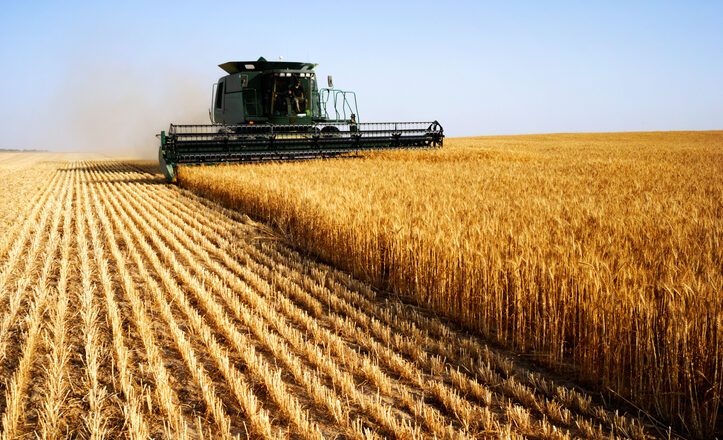
Knowing the precise moment to harvest vegetables is crucial for maximizing quality and yield. Proper timing ensures optimal flavor, texture, and nutritional value. This section delves into the various indicators of ripeness, growth stages, and how environmental factors influence the harvest schedule.Understanding the different stages of vegetable growth, from seedling to mature produce, allows for precise harvesting. This knowledge helps prevent harvesting vegetables that are either too immature or have begun to decline in quality.
Indicators of Harvest Readiness
Different vegetables exhibit various signs indicating they are ready for harvest. These visual cues, combined with tactile assessments, offer a reliable guide. Size, color, texture, and firmness are key indicators to consider. For instance, a plump, deep-red tomato often signals ripeness, while a hard, unyielding pepper might need further time to develop.
Growth Stages of Specific Vegetables
The stages of growth for different vegetables vary significantly. Careful observation of these stages is key to achieving peak quality.
- Beans: Beans typically display a full, plump pod with a vibrant color. The pods should be firm, not soft or wrinkled. Under-ripe beans will be small and lack the expected color and firmness. Over-ripe beans might show signs of dryness or splitting. Proper identification of the bean pod’s stage of growth helps ensure beans are harvested at their peak flavor and texture.
- Tomatoes: Tomatoes exhibit a gradual change in color from green to red, orange, or yellow depending on the variety. The firmness of the tomato is an important indicator. Under-ripe tomatoes will feel firm but lack color. Over-ripe tomatoes may soften and lose firmness, leading to a mushy texture. The color and firmness are critical for determining the ripeness of tomatoes.
- Peppers: Peppers also show progressive color changes, ranging from green to red, yellow, or orange. The firmness of the pepper is a crucial factor. Under-ripe peppers are firm but lack the desired color. Over-ripe peppers may show signs of softness and discoloration. The firmness and color are indicators of the ideal harvest time for peppers.
Comparison of Mature, Under-ripe, and Over-ripe Vegetables
Distinguishing between mature, under-ripe, and over-ripe vegetables is crucial for maintaining quality.
- Mature: Mature vegetables typically exhibit their characteristic size, color, and texture. They have reached their peak flavor and nutritional value. For instance, a plump, fully colored bell pepper represents maturity. The firmness and color should be at their optimal levels.
- Under-ripe: Under-ripe vegetables often lack the desired color, size, or firmness. They might not have reached their full potential in terms of flavor and nutritional content. For example, a pale green bean pod or a tomato with a pale, unripe color indicates it is not yet ready for harvest.
- Over-ripe: Over-ripe vegetables often show signs of deterioration. They may be soft, mushy, or discolored. The flavor and nutritional content have likely decreased. A soft, mushy tomato or a wrinkled bean pod indicates over-ripeness.
Influence of Weather Conditions
Weather conditions can significantly impact harvest timing. For example, excessive rain or heat can affect the growth and development of vegetables, leading to changes in ripeness.
- Rainfall: Heavy rainfall can lead to fungal diseases and damage, which might affect the ripeness of the vegetables. Rainy weather can also cause vegetables to ripen unevenly. Farmers often need to adjust harvest times based on weather patterns.
- Temperature: Extreme temperatures, either very high or very low, can also impact the development of vegetables. High temperatures can cause vegetables to ripen faster than expected. Conversely, cold temperatures can delay ripening.
Harvest Indicators for Leafy Greens
A table illustrating the key indicators for harvesting various leafy greens is presented below.
| Leafy Green | Indicator of Readiness |
|---|---|
| Spinach | Dark green color, firm leaves |
| Lettuce | Crisp leaves, desired head size, firm texture |
| Kale | Deep green color, firm leaves, large leaves |
| Chard | Dark green color, stems are firm |
Harvesting Techniques for Specific Vegetables
Proper harvesting techniques are crucial for maximizing yield, ensuring the quality of produce, and preserving the health of your plants. Understanding the specific needs of each vegetable type is essential for successful harvesting. This section will detail appropriate methods for various vegetables, emphasizing the importance of gentle handling and correct storage practices.
Root Vegetables
Root vegetables, such as carrots, beets, and potatoes, require careful digging to prevent damage to the root system and surrounding soil. The soil should be loosened gently around the base of the plant before digging.
- Carrots: Use a small hand trowel or a garden fork to loosen the soil around the carrot plant. Gently lift the carrot from the ground, avoiding any twisting or jerking motions that could damage the root. Avoid pulling directly on the root, which can snap it.
- Beets: Similar to carrots, use a trowel or fork to loosen the soil. Beetroots are often more firmly anchored in the soil, so be mindful of applying pressure evenly.
- Potatoes: Carefully loosen the soil around the potato plant. Digging around the plant is essential to avoid damaging the tubers. Gently lift the entire plant, taking care to avoid damaging the potato tubers.
Leafy Greens
Leafy greens, such as lettuce, spinach, and kale, require a delicate touch during harvesting. Proper harvesting methods help maintain the plant’s health and ensure future yields.
- Lettuce: Cut the outer leaves, leaving the inner leaves to continue growing. Use sharp, clean scissors or a knife to make clean cuts, minimizing plant damage.
- Spinach: Harvest spinach by cutting the entire plant, or by cutting individual leaves. Choose the method that best suits your needs and the plant’s overall health.
- Kale: Cut individual leaves or the entire plant, depending on the desired harvest amount. Use sharp shears to make clean cuts and prevent tearing the leaves.
Vine Vegetables
Vine vegetables, such as cucumbers, beans, and squash, need careful attention to avoid damaging the plant and affecting future yields.
- Cucumbers: Harvest cucumbers when they reach the desired size and firmness. Use a sharp knife or pruning shears to cut the cucumber from the vine. Be careful not to damage the surrounding vine.
- Beans: Harvest beans when the pods are plump and the beans are mature. Use pruning shears or a sharp knife to cut the beans from the vine, taking care not to damage the plant.
- Squash: Harvest squash when the skin is hard and the fruit has reached its full size. Carefully cut the squash from the vine with a sharp knife or pruning shears.
Harvesting Tools
The appropriate tools for harvesting depend heavily on the type of vegetable. Using the correct tools minimizes plant damage and improves efficiency.
| Vegetable Type | Harvesting Tools |
|---|---|
| Root Vegetables (Carrots, Beets, Potatoes) | Hand trowel, garden fork, sharp knife |
| Leafy Greens (Lettuce, Spinach, Kale) | Sharp scissors, knife |
| Vine Vegetables (Cucumbers, Beans, Squash) | Sharp knife, pruning shears |
Handling and Storage
Proper handling and storage are critical for maintaining the quality and freshness of harvested vegetables.
- Gently handle harvested vegetables to prevent bruising or damage. Store vegetables in appropriate containers, keeping them away from direct sunlight and excessive heat.
- Root vegetables can be stored in a cool, dark, and dry place. Leafy greens can be stored in the refrigerator, wrapped in a damp paper towel.
- Vine vegetables should be stored in a cool, dry place, or in the refrigerator if storing for a longer period. Proper storage methods can help maintain the freshness of your harvest.
Planning and Preparation for Seasonal Harvesting
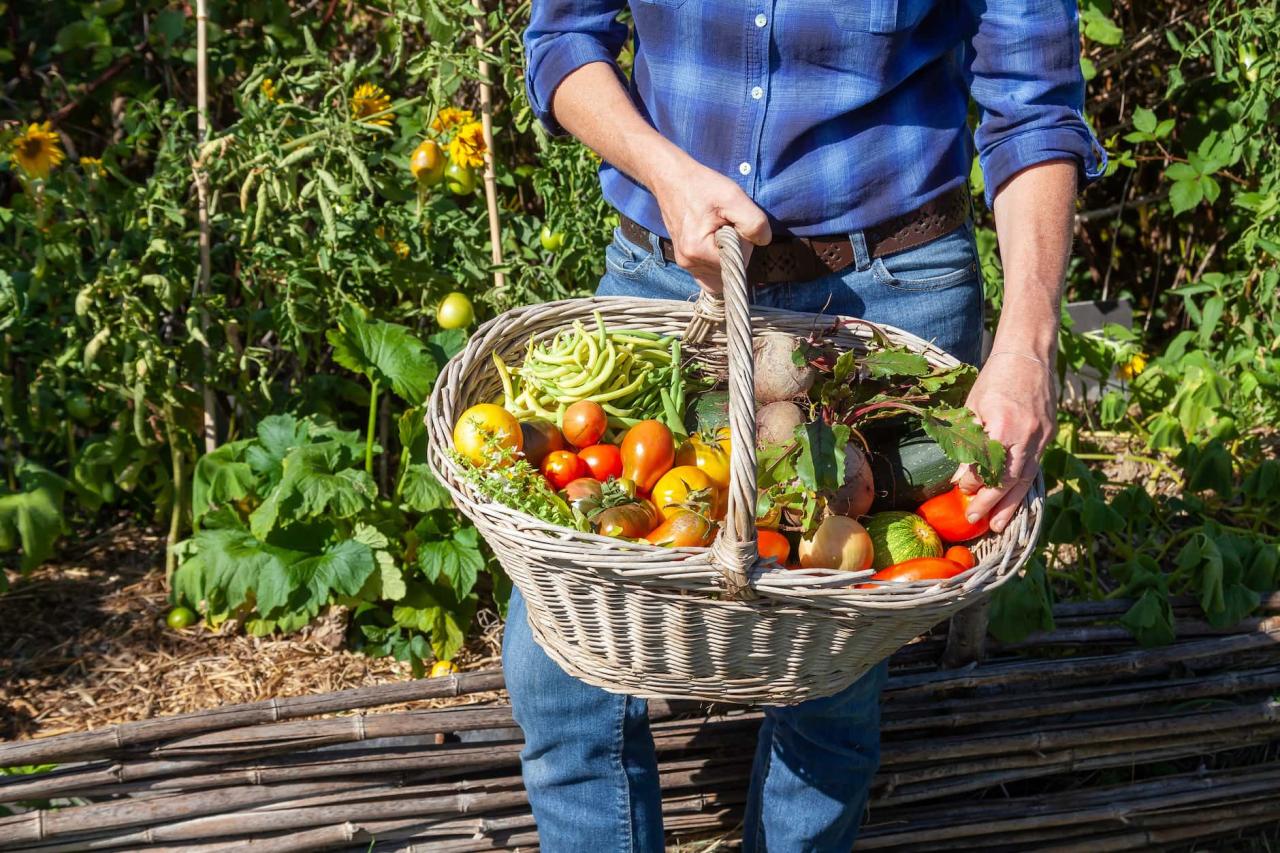
Proper planning and preparation are crucial for a successful and bountiful harvest. Anticipating the needs of your plants throughout the growing season ensures optimal yields and minimizes stress on the plants. A well-prepared garden not only maximizes production but also promotes healthier, more resilient crops.Effective preparation encompasses more than just planting; it includes understanding the specific needs of each vegetable variety, maintaining soil health, and selecting high-yielding, climate-appropriate species.
This meticulous approach sets the stage for a consistent and satisfying harvest throughout the year.
Importance of Advance Planning
Advance planning for seasonal harvesting is essential to ensure a smooth and productive process. By anticipating the growth cycles and harvest times of various vegetables, gardeners can allocate resources efficiently, anticipate potential issues, and plan for the necessary labor and storage. This foresight allows for proactive management of the garden, leading to higher yields and minimizing wasted effort.
For instance, planning ahead enables the purchase of necessary tools, the acquisition of seeds or seedlings, and the scheduling of harvesting activities.
Preparing the Garden for Optimal Harvesting
Preparing your garden for optimal harvesting involves several key steps. Firstly, ensuring proper soil health is paramount. A healthy soil structure provides the necessary nutrients and water retention for robust plant growth. Amendments like compost, well-rotted manure, or other organic matter can enhance soil fertility. This not only promotes healthy growth but also aids in preventing diseases and pests.
Secondly, maintaining adequate spacing between plants is crucial for air circulation and light penetration, preventing overcrowding and promoting healthy growth. Proper weeding and pest control are also critical components of preparing for a successful harvest.
Maintaining Soil Health and Nutrients
Maintaining soil health and nutrient levels is vital for consistent yields. Healthy soil provides essential nutrients for plant growth, leading to larger, more robust, and higher-quality vegetables. Regular soil testing can help determine nutrient deficiencies and guide appropriate amendments. Employing techniques like crop rotation, using cover crops, and incorporating organic matter can enhance soil fertility and structure.
A well-nourished soil supports vigorous growth, resulting in a larger harvest.
Selecting High-Yielding Vegetable Varieties
Choosing high-yielding vegetable varieties suitable for your specific climate is a critical aspect of successful seasonal harvesting. Researching suitable varieties for your region’s climate and growing conditions is essential. Consider factors such as the average temperature range, rainfall patterns, and the amount of sunlight your garden receives. For example, selecting heat-tolerant varieties in a hot climate ensures optimal growth and yield.
Pre-Harvest Preparation Checklist
A well-structured checklist can help you stay organized and efficient during the pre-harvest preparation phase. This detailed checklist ensures all necessary tasks are addressed before the harvest.
- Soil Testing and Amendment: Testing soil pH and nutrient levels to determine necessary amendments. Applying organic matter, compost, or fertilizers as needed. This ensures the soil provides the optimal conditions for plant growth and yield.
- Weed Control: Regularly removing weeds to prevent competition for resources and to minimize pest attraction. This promotes healthy plant growth and helps prevent disease.
- Pest and Disease Management: Implementing preventative measures such as using natural pest deterrents, crop rotation, or beneficial insects to maintain plant health. This helps to minimize crop damage and maximize yield.
- Watering Schedule: Developing a consistent watering schedule to ensure adequate moisture levels throughout the growing season. This helps to maintain plant health and promote growth.
- Harvest Tool Preparation: Ensuring all necessary tools (knives, shears, etc.) are sharp and in good working order. This reduces potential damage to the plants and ensures efficiency during the harvest process.
Post-Harvest Handling and Storage
Proper post-harvest handling is crucial for maintaining the quality, freshness, and nutritional value of harvested vegetables. Neglecting these practices can lead to rapid deterioration, loss of flavor, and reduced shelf life, ultimately impacting the overall yield and profitability. Careful attention to storage methods and conditions ensures optimal preservation, allowing consumers to enjoy the best possible product.Effective post-harvest handling extends beyond simply picking and placing vegetables into storage.
It encompasses a series of steps, from harvesting techniques to the specific environment in which the vegetables are stored. This careful approach ensures the product retains its quality and nutritional content, making it safe and enjoyable for consumption.
Importance of Immediate Action After Harvesting
Post-harvest handling begins immediately after the vegetable is picked. Prompt action helps minimize the onset of deterioration. This includes removing damaged or diseased parts, cleaning the vegetables gently, and quickly transporting them to the appropriate storage environment. Proper handling, combined with appropriate storage, ensures vegetables maintain their quality and safety.
Storage Methods for Different Vegetables
Several methods are available for storing harvested vegetables, each suited to different types and desired shelf life. The selection of the storage method depends on the vegetable’s susceptibility to spoilage and the desired storage duration.
Refrigeration
Refrigeration is a common and effective method for extending the shelf life of many vegetables. It slows down the respiration rate and metabolic processes, thus delaying the onset of spoilage. Properly storing vegetables in a refrigerator, at the optimal temperature, will significantly extend their freshness. Vegetables such as leafy greens, root vegetables (carrots, potatoes), and some fruits (such as berries) are ideally stored in the refrigerator.
A cool, dry environment is essential to prevent moisture loss and to maximize freshness.
Freezing
Freezing is an excellent method for preserving vegetables for extended periods. Freezing halts enzymatic activity and microbial growth, locking in freshness and nutrients. Vegetables like broccoli, peas, corn, and green beans are often frozen to maintain their quality for use in later months. Pre-blanching the vegetables before freezing helps to maintain texture and color.
Drying
Drying is another preservation technique that is particularly useful for vegetables like tomatoes, peppers, onions, and herbs. Drying removes moisture, making the vegetables less susceptible to microbial growth and spoilage. Dehydration is a useful method for preserving vegetables for long periods of time. Sun-drying, dehydrators, or other methods are used for this process.
Optimal Storage Conditions
Optimal storage conditions vary significantly depending on the type of vegetable. Some vegetables thrive in cool, dry environments, while others prefer slightly higher humidity. Careful attention to the specific requirements of each vegetable type is essential for maintaining quality.
Table of Optimal Storage Temperatures and Durations
| Vegetable | Optimal Storage Temperature (°C) | Approximate Storage Duration (Days) |
|---|---|---|
| Leafy Greens (Spinach, Lettuce) | 0-4 | 3-5 |
| Root Vegetables (Carrots, Potatoes) | 0-4 | 7-14 |
| Tomatoes | 10-12 | 7-10 |
| Peppers | 0-4 | 5-7 |
| Beans (Green, Snap) | -18 | 6-12 months |
| Broccoli | -18 | 6-12 months |
Tips for Extending Shelf Life
Several simple tips can significantly extend the shelf life of harvested vegetables. Proper handling, including avoiding bruising and keeping vegetables dry, is crucial. Storing vegetables separately in airtight containers or bags minimizes moisture loss and spoilage. Using appropriate storage methods will allow you to enjoy your vegetables for a longer time.
Addressing Common Harvesting Challenges
Ensuring a successful harvest extends beyond selecting the right season and employing proper techniques. Recognizing and mitigating potential obstacles is crucial for maintaining high yields and quality produce. This section explores common challenges faced during harvesting and offers practical solutions for overcoming them.
Common Harvesting Problems and Solutions
Various factors can impact the quality and quantity of a harvest. Understanding these issues and implementing preventative measures can significantly improve the outcome.
- Pests and Diseases: Pests and diseases can severely damage crops, leading to reduced yields and compromised quality. Regular inspections are essential to detect infestations early. Implementing integrated pest management (IPM) strategies, such as introducing beneficial insects or using organic pesticides, can effectively manage pest populations. Proper sanitation practices, including removing infected plant debris, can prevent disease spread.
- Weather Conditions: Unfavorable weather, including excessive rain, hail, or extreme temperatures, can cause significant damage to crops. Protecting vulnerable plants with appropriate coverings or choosing varieties resilient to specific weather conditions can help mitigate these impacts. Adjusting harvest schedules to avoid inclement weather is also a vital strategy.
- Mechanical Damage: Improper harvesting techniques can lead to physical damage to vegetables. Using sharp, clean tools and handling produce gently during harvesting minimizes damage. Selecting the right harvesting tools for each vegetable type is essential for preventing bruising or cuts.
- Post-Harvest Spoilage: Even with careful harvesting, post-harvest spoilage can occur. Proper handling and storage are essential to maintaining the quality and freshness of the produce. Using appropriate storage methods, such as maintaining optimal humidity and temperature levels, can significantly reduce spoilage rates. Proper cleaning and sanitization of storage containers and tools are equally crucial.
Preventing Spoilage and Maintaining Quality
Implementing effective post-harvest handling protocols is paramount to preventing spoilage and ensuring that the produce maintains its quality. Maintaining the appropriate temperature and humidity levels in storage is key. For instance, leafy greens require a cool and humid environment, while root vegetables often thrive in a cooler, drier environment.
- Proper Cleaning and Sanitization: Thoroughly cleaning harvesting tools and containers with a suitable sanitizer minimizes the risk of introducing pathogens. This includes washing hands frequently with soap and water. This practice prevents cross-contamination and ensures the safety and quality of the harvested produce.
- Appropriate Storage Methods: Implementing suitable storage methods based on the type of vegetable is crucial for maintaining quality. For example, leafy greens are best stored in a cool, humid environment, while root vegetables typically fare better in a cooler, drier environment. Using breathable containers or properly lining storage containers with paper towels can maintain proper humidity levels.
- Handling Techniques: Carefully handling produce during harvesting and storage reduces the risk of bruising and damage. Using gentle handling methods and avoiding any unnecessary pressure minimizes the risk of physical damage, preserving the quality and appearance of the produce. Using appropriate containers and handling techniques for each vegetable type is a key aspect of this process.
Common Harvesting Mistakes and Corrections
Identifying common mistakes in harvesting practices allows for improvements and optimization.
- Harvesting at the Wrong Stage: Harvesting vegetables too early or too late can significantly impact their quality and suitability for consumption. Knowing the ideal harvest stage for each vegetable type ensures optimal flavor, texture, and nutritional value.
- Using Dull or Damaged Tools: Using blunt or damaged harvesting tools can cause unnecessary damage to vegetables. Maintaining the sharpness and integrity of the tools ensures minimal damage and maximizes yield.
- Inadequate Cleaning and Sanitization: Failure to clean and sanitize tools and containers before and after harvesting can lead to the spread of diseases and pathogens. Regular cleaning and sanitization of all tools and equipment is vital for maintaining hygiene standards and quality.
Choosing the Right Tools and Equipment
Proper tools are essential for efficient and safe vegetable harvesting. Selecting the right equipment, understanding their functions, and maintaining them effectively contributes significantly to a successful harvest. This section details the essential tools, their applications, and the best practices for their use and care.
Essential Harvesting Tools
Careful selection of tools ensures both efficiency and safety during the harvest process. Choosing the right tool for the job is critical for minimizing damage to the plants and maximizing yield. Appropriate tools prevent unnecessary bruising, stem breakage, and other damage that can reduce the quality and marketability of the harvested produce.
- Knives: Sharp knives are vital for delicate vegetables. Their ability to make clean cuts minimizes plant damage and promotes a more aesthetically pleasing product. The blade should be kept exceptionally sharp for precise cuts. Different knife types are suitable for various vegetables; paring knives are ideal for delicate vegetables like herbs and small root vegetables, while larger, heavier knives can handle larger vegetables like squash and pumpkins.
Regular honing and sharpening of the blade are crucial for maintaining its sharpness and effectiveness.
- Pruning Shears/Clippers: Pruning shears or clippers are necessary for harvesting leafy greens, herbs, and some fruiting vegetables. Their use reduces the risk of stem damage and promotes the continued growth of the plant. Clippers should be equipped with sharp blades for clean cuts. Proper blade maintenance ensures longevity and optimal performance.
- Gloves: Gloves are essential for protecting hands from thorns, sharp edges, or dirt. They provide a layer of protection, ensuring a safe harvest and preventing cuts or skin irritations. Choosing gloves made from durable materials like leather or heavy-duty synthetic fabrics is recommended.
Maintaining Harvesting Tools
Regular maintenance of harvesting tools is crucial for their longevity and effectiveness. Proper care extends the life of the tools and ensures their continued sharp edge, promoting efficiency and safety. Thorough cleaning and appropriate storage are crucial steps.
- Cleaning: Thoroughly cleaning tools after each use prevents the accumulation of dirt, debris, and plant matter. This process not only keeps the tools clean but also prevents the growth of microorganisms that could compromise the quality of the harvested produce. Using a soft brush and mild detergent are effective cleaning methods.
- Sharpening: Sharpening tools, particularly knives and clippers, is essential to maintain a sharp edge. A sharp blade minimizes plant damage, ensuring a cleaner cut and a more aesthetically pleasing product. Regular sharpening is necessary for efficiency and to avoid the risk of slipping or tearing.
- Storage: Proper storage protects tools from damage and rust. Storing tools in a dry, cool environment is crucial to maintain their integrity. Using tool covers or protective cases further enhances the longevity of the tools.
Tool Usage for Different Vegetables
Proper use of tools for different vegetables is critical for minimizing damage to the plants and maximizing the quality of the harvest. Choosing the right tool for each vegetable will prevent unnecessary damage.
- Leafy Greens: Pruning shears are ideal for harvesting leafy greens, such as lettuce, spinach, and kale. The clean cut minimizes damage to the plant, promoting future growth. Avoid using knives as they can damage the delicate leaves.
- Root Vegetables: Knives, specifically paring knives, are recommended for harvesting root vegetables like carrots, beets, and potatoes. A sharp knife ensures a clean cut, reducing damage to the root system and improving the aesthetic appeal of the vegetable. Avoid using clippers as they are unsuitable for the shape and texture of root vegetables.
- Fruiting Vegetables: For tomatoes, peppers, and cucumbers, a sharp knife is the best option. A clean cut prevents bruising and improves the overall appearance of the produce. Using clippers is not appropriate for this type of harvest.
Comparison of Harvesting Tools
The following table provides a comparative analysis of various harvesting tools and their suitability for specific vegetables. This table is designed to guide users in selecting the most appropriate tool for their harvesting needs.
| Vegetable Type | Knives | Pruning Shears | Gloves |
|---|---|---|---|
| Leafy Greens | Not recommended | Suitable | Recommended |
| Root Vegetables | Suitable | Not recommended | Recommended |
| Fruiting Vegetables | Suitable | Not recommended | Recommended |
Summary
In conclusion, harvesting vegetables at the right time is a multifaceted process requiring careful consideration of seasonal factors, growth stages, and specific vegetable needs. By understanding these elements and implementing the techniques Artikeld in this guide, you can ensure a bountiful harvest with high-quality produce. From pre-planting preparation to post-harvest storage, this comprehensive approach provides a complete picture of maximizing your vegetable garden’s potential.