Lilies, with their exquisite beauty and captivating fragrance, are a welcome addition to any garden. This comprehensive guide will walk you through the process of planting lilies, from choosing the right variety to ensuring their continued health and vibrancy throughout the growing season. We’ll cover everything from selecting the perfect lilies for your climate to maintaining them after planting, making sure you have a beautiful display for years to come.
This guide provides a detailed roadmap to successful lily cultivation. We’ll explore essential aspects such as soil preparation, planting techniques, and post-planting care. Discover how to choose the ideal lilies for your garden’s aesthetic and environmental conditions.
Choosing the Right Lilies
Selecting the appropriate lily varieties for your garden is crucial for successful cultivation and enjoyment. Consider factors like climate, soil type, and desired aesthetic appeal when making your choices. Proper selection ensures thriving blooms and a visually appealing garden landscape.Careful consideration of lily varieties, along with their specific needs, contributes significantly to the overall success of a garden planting.
This involves understanding the nuances of different lily types and their suitability to various environmental conditions.
Lily Variety Selection by Characteristics
Understanding the diverse range of lily varieties is essential for achieving a thriving garden. Different lilies possess varying characteristics, including size, color, and bloom time. These attributes play a crucial role in shaping the overall aesthetic appeal of the garden.
- Size: Lilies come in a spectrum of sizes, from diminutive varieties suitable for borders and containers to larger varieties that can dominate a garden bed. Selecting lilies that are appropriate for the space available ensures they can fully flourish and display their beauty.
- Color: Lilies boast a remarkable array of colors, from classic white and vibrant yellows to rich reds and deep purples. Considering the desired color palette of your garden allows you to select lilies that complement the existing color scheme and create a visually appealing effect.
- Bloom Time: Different lily varieties exhibit varying bloom times, ranging from early spring to late summer. Planning for overlapping bloom periods ensures a continuous display of beauty throughout the growing season.
Climate and Soil Considerations
The success of lily cultivation depends significantly on selecting varieties that are well-suited to the specific climate and soil conditions of your garden. Matching the lilies’ needs with the environment prevents potential issues like stunted growth or reduced flowering.
- Climate: Lilies thrive in different climates. Some varieties are better suited for hot, dry climates, while others prefer cooler, more humid conditions. Matching the lily to the local climate ensures optimal growth and flowering.
- Soil Type: Lilies have varying soil preferences. Some prefer well-drained, sandy soils, while others thrive in richer, loamy soils. Selecting lilies appropriate for the specific soil type of your garden ensures healthy root development and optimal bloom production.
Aesthetic Appeal and Maintenance
The aesthetic appeal and maintenance requirements of lilies should also be considered when making your selection. Lilies are often chosen for their beauty, but also for the ease or difficulty of maintenance.
- Visual Appeal: Consider the visual impact you desire. Large, stately lilies might be ideal for a formal garden, while delicate, smaller varieties might complement a cottage-style garden. Choosing varieties that align with your garden’s overall aesthetic creates a cohesive and harmonious display.
- Maintenance Needs: Some lilies require more maintenance than others, including deadheading, watering, and fertilization. Choosing lilies with appropriate maintenance needs allows you to enjoy their beauty without excessive effort.
Comparison Table of Lily Types
The table below provides a comparison of various lily types, highlighting their optimal growing conditions and bloom characteristics.
| Lily Type | Optimal Growing Conditions | Bloom Characteristics |
|---|---|---|
| Asiatic Lilies | Well-drained soil; full sun; adaptable to various climates | Generally early bloomers; vibrant colors; smaller flowers |
| Oriental Lilies | Rich, well-drained soil; partial shade; moderate moisture | Large, fragrant flowers; late bloomers; wide variety of colors |
| Trumpet Lilies | Well-drained soil; full sun; tolerant of various climates | Large, trumpet-shaped flowers; various colors; medium to late bloomers |
| Martagon Lilies | Moist, well-drained soil; partial shade; cool climates | Unique, frilly flowers; early to mid-season bloomers; delicate beauty |
Preparing the Planting Site
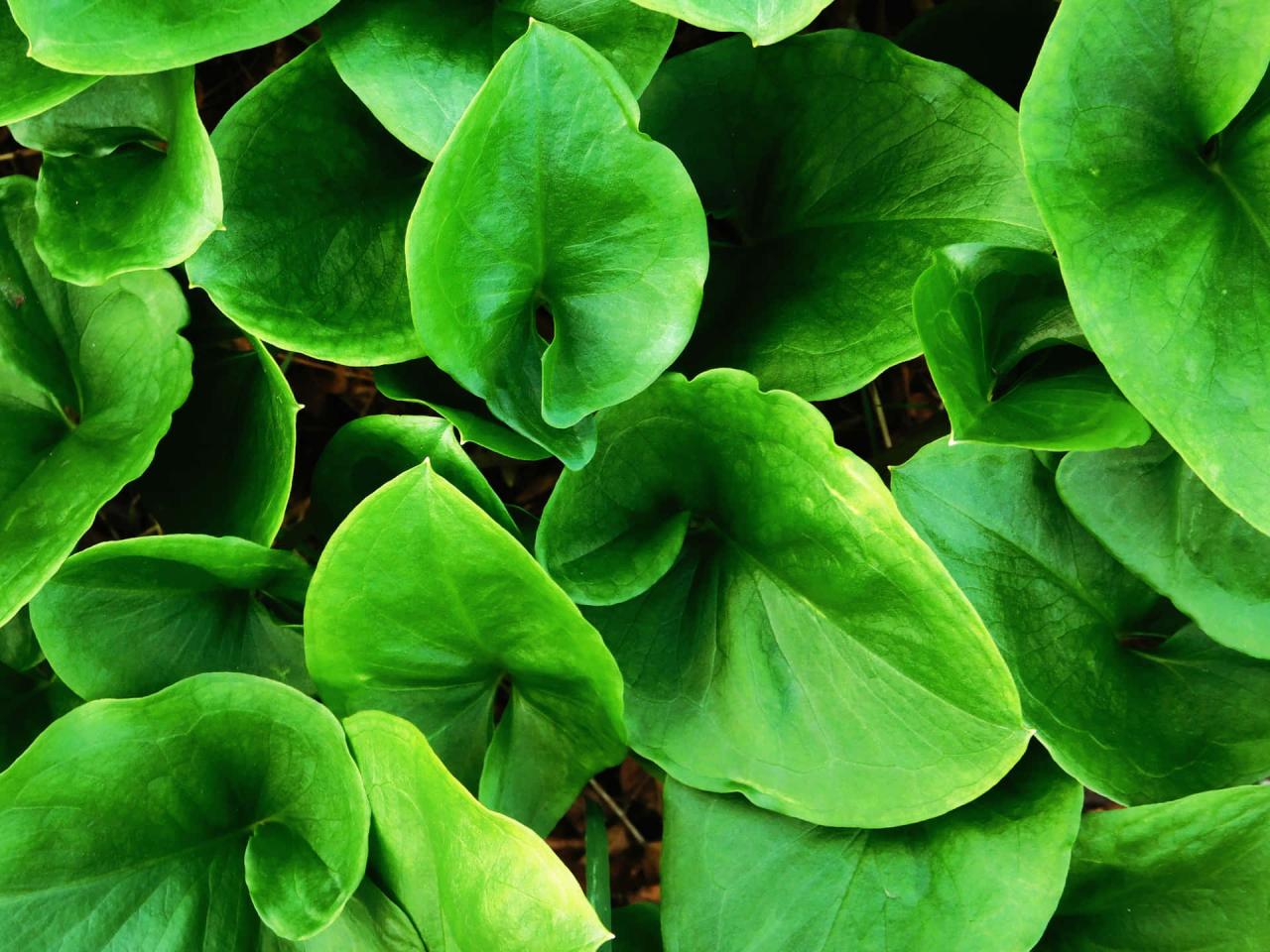
A crucial step in ensuring healthy lily growth is proper site preparation. Choosing the right location is important, but the soil conditions play a vital role in the success of your lily plants. The following sections will guide you through creating an optimal environment for your lilies to thrive.
Ideal Soil Composition
Lilies prefer well-drained soil that is rich in organic matter. This type of soil allows for proper water infiltration and aeration, preventing waterlogging and root rot. The ideal soil pH for lilies typically ranges from 6.0 to 7.0. A slightly acidic to neutral pH is generally best for most lily varieties. Soil that is excessively acidic or alkaline can hinder nutrient uptake, leading to stunted growth and poor flowering.
Improving Soil Quality
To ensure optimal lily growth, soil quality improvement is essential. Adding organic matter to the soil significantly enhances its structure and fertility. Compost, well-rotted manure, or other organic materials are excellent choices for amending the soil. These amendments improve drainage, aeration, and water retention, promoting healthy root development. Incorporating organic matter into the soil before planting will greatly benefit your lilies’ overall health.
For example, adding 2-4 inches of well-aged compost to the planting area can significantly improve soil conditions.
Preparing the Planting Hole
The process of preparing the planting hole is critical for successful lily establishment. The hole should be wide enough to accommodate the root ball without cramping the roots and deep enough to bury the crown of the lily bulb or rhizome (depending on the type of lily) approximately 2-4 inches below the soil surface. Avoid damaging the roots during the digging process, and gently place the root ball into the hole.
Proper hole preparation ensures that the roots have ample space to spread out and develop, promoting healthy growth and flowering. Carefully handle the root system to prevent damage during planting.
Testing and Adjusting Soil pH
Accurate soil pH testing is vital for ensuring that the soil is within the optimal range for lily growth. Several methods are available for testing soil pH, including using a home testing kit or taking a sample to a local agricultural extension office. A home testing kit will provide a quick and relatively accurate result. Based on the results, a plan for adjusting the pH can be developed.
If the pH is outside the ideal range, amending the soil with appropriate materials can help adjust it. For example, if the soil is too alkaline, adding sulfur can help lower the pH. Conversely, if the soil is too acidic, adding lime can help raise the pH. It is essential to follow the instructions carefully when amending the soil to avoid making the pH too extreme.
Regular soil testing and adjustments will contribute to long-term success for your lily garden.
Planting the Lilies
Proper planting techniques are crucial for the healthy growth and vibrant blooms of your lilies. Following these steps ensures the bulbs establish strong roots and thrive in their new environment. Careful consideration of depth, spacing, and watering is essential for a successful planting experience.
Positioning the Bulbs
Correct positioning of the bulbs is fundamental for their development. The bulbs should be planted with the pointed end facing upward. This orientation ensures that the emerging shoots grow correctly and that the bulb’s energy is directed towards developing strong roots. This is vital for a healthy plant.
Planting Depth and Spacing
The optimal depth and spacing for planting lilies vary depending on the size of the bulb and the type of lily. Smaller bulbs require shallower planting than larger ones. Incorrect depth can hinder root development, impacting the overall health of the plant. Similarly, inadequate spacing can lead to competition for resources, reducing the vigor of the plants.
Planting Procedure
- Prepare the planting hole. The hole should be slightly wider than the bulb and deep enough to accommodate the bulb and surrounding soil. This ensures the bulb is comfortably situated in the soil.
- Place the bulb in the hole with the pointed end facing upwards. Ensure the pointed end is visible above the surrounding soil. This positioning promotes proper shoot emergence.
- Carefully fill the hole with well-drained soil, gently firming the soil around the bulb. Avoid packing the soil too tightly, which can hinder root development. Ensure the soil is loose and airy around the bulb to facilitate proper oxygen exchange.
- Water the planted bulb immediately after placing it in the hole. This crucial step helps to settle the soil around the bulb and initiates the early stages of root development.
Watering Recommendations
Immediate watering after planting is essential for establishing a healthy root system. Subsequent watering frequency depends on the soil type and local weather conditions. Heavily clay-rich soil may require less frequent watering, whereas sandy soils may need more frequent watering. Observe the soil moisture; water only when the top inch or two of soil feels dry to the touch.
Planting Depth and Spacing Table
| Lily Type | Bulb Size (approximate diameter) | Planting Depth (inches) | Spacing (inches) |
|---|---|---|---|
| Asiatic Lilies | 2-3 inches | 4-6 inches | 6-8 inches |
| Oriental Lilies | 3-4 inches | 6-8 inches | 8-10 inches |
| Trumpet Lilies | 4-5 inches | 8-10 inches | 10-12 inches |
| Stargazer Lilies | 3-4 inches | 6-8 inches | 8-10 inches |
This table provides a general guideline. Adjust depths and spacing based on the specific variety and size of the lily bulb. For example, a very large trumpet lily bulb might require an even deeper planting.
Post-Planting Care

Ensuring the continued health and vibrancy of your newly planted lilies requires diligent post-planting care. This involves understanding the specific needs of these beautiful flowers and addressing potential issues proactively. Proper fertilization, watering, pest and disease control, and deadheading are key components of successful lily cultivation.
Fertilization for Healthy Growth
Proper fertilization is essential for promoting robust lily growth and abundant blooms. Lilies, like many other flowering plants, require a balanced supply of nutrients to thrive. A fertilizer rich in phosphorus encourages strong root development, while nitrogen supports lush foliage growth. Choosing a balanced granular fertilizer specifically formulated for flowering plants is recommended. Apply the fertilizer according to the manufacturer’s instructions, typically following a schedule of applications throughout the growing season.
Over-fertilizing can be detrimental, so always follow the recommended dosage.
Watering for Consistent Moisture
Consistent moisture is crucial for lily health, but excessive watering can lead to root rot. Lilies prefer consistently moist soil, but not waterlogged conditions. Water deeply but infrequently, ensuring the water penetrates the soil to the root zone. Mulching around the base of the plants can help retain moisture and suppress weeds, minimizing the frequency of watering.
Monitor the soil moisture regularly, ensuring it remains consistently moist but not soggy. Observe the soil’s texture and appearance for indicators of adequate moisture levels.
Pest and Disease Control
Maintaining vigilance against pests and diseases is vital for the well-being of your lily plants. Common lily pests include aphids, slugs, and snails. These can be controlled with insecticidal soaps or other organic pest control methods. Regular inspections are essential to catch infestations early. Diseases, such as fungal infections, can also affect lilies.
Recognizing the early signs of fungal diseases, such as leaf spots or root rot, and taking appropriate measures to control them is crucial for preventing widespread damage. Always follow the instructions on the chosen treatment product carefully.
Deadheading for Continued Flowering
Deadheading lilies involves removing spent flowers to encourage continued flowering and prevent seed production. By removing faded blooms, you redirect the plant’s energy towards producing new blossoms. This practice can extend the flowering season and maintain a more aesthetically pleasing display. Use sharp pruning shears to remove the flower stems cleanly just above a healthy set of leaves.
This practice promotes the growth of new flowers and maintains the plant’s overall health.
Identifying and Addressing Common Lily Problems
Fungal infections are a common concern for lily growers. These infections manifest as spots or discoloration on the leaves or stems. If fungal issues are detected, promptly address the problem by removing affected plant parts and applying a fungicide. Thorough research of the specific type of fungal infection is crucial for determining the most effective treatment method.
Monitoring the affected area for any signs of reoccurrence is essential to prevent future issues.
Lilies in Different Garden Settings

Integrating lilies into your garden design allows for a beautiful and versatile display. Their varying heights, colors, and bloom times provide opportunities for creating stunning focal points and harmonious blends within any garden style. Careful consideration of these factors will result in a garden that thrives with the beauty of lilies.A successful lily garden depends on understanding how to integrate them with the surrounding landscape.
Choosing the right varieties and positioning them strategically within the garden bed, whether formal or informal, will enhance their natural beauty. Different garden styles, from the classic formality of a traditional English garden to the more relaxed charm of a cottage garden, can all benefit from the addition of lilies.
Formal Garden Layouts
Formal gardens, characterized by symmetry and precise lines, offer an elegant setting for lilies. Lilies with large, showy blooms, such as Asiatic lilies, or those with a defined, symmetrical shape, can be strategically placed along pathways or in meticulously arranged flowerbeds. Consider using repeating patterns of lily varieties to create a cohesive aesthetic. Maintaining a consistent color palette and height will contribute to the formal structure.
Informal Garden Layouts
Informal gardens, with their natural, flowing lines and varied plant choices, offer a less rigid framework for incorporating lilies. Lilies can be integrated into borders or mixed flowerbeds, allowing them to blend with other perennials and shrubs. The key is to avoid overly structured placements, and to embrace the natural beauty of the flowers’ variations in height and color.
Lilies in Borders
Lilies, with their varying heights, can be used to create layered borders. Tall lilies can be placed at the back of the border, while shorter varieties can be planted in the front, creating depth and visual interest. This arrangement allows for a natural progression of color and texture.
Lilies in Mixed Flowerbeds
In mixed flowerbeds, lilies can be combined with a variety of other flowering plants. The goal is to select plants that complement the lilies’ colors and bloom times, ensuring a continuous display of beauty throughout the season. Choose plants with contrasting foliage and textures to add visual interest and depth. Consider companion plants that attract beneficial insects and provide a natural backdrop for the lilies.
Lilies as Focal Points
Strategically placed as focal points, lilies can draw the eye and become the highlight of the garden. A single, large specimen lily or a cluster of lilies in a specific area can create a dramatic statement. Consider the surrounding landscape when making this choice, ensuring the lilies are adequately showcased without overpowering other elements. For example, a cluster of tall, fragrant lilies in a corner of a patio garden can serve as a captivating centerpiece.
Small Garden Bed Design Featuring Lilies
- Central Focus: A cluster of Asiatic lilies in varying shades of orange and yellow will create a captivating centerpiece.
- Height Variation: Shorter varieties of daylilies and ornamental grasses will be planted in the foreground, adding visual depth and a soft texture to the bed.
- Color Coordination: A backdrop of silvery foliage plants, like artemisia, will complement the warm colors of the lilies and provide a contrast to their vibrant blooms.
- Bloom Timing: Select other plants that bloom at different times to ensure a continuous display of color throughout the season. For example, include tulips or spring bulbs to add early season color.
Different Garden Styles and Lily Integration
| Garden Style | Lily Integration |
|---|---|
| Traditional English Garden | Tall, symmetrical lilies in formal borders, using repeating patterns and consistent color palettes. |
| Cottage Garden | Lilies interspersed with other perennials, shrubs, and wildflowers in a natural, flowing arrangement. |
| Modern Garden | Lilies used as bold focal points or in abstract groupings, often with contrasting textures and foliage. |
| Mediterranean Garden | Drought-tolerant lily varieties, such as some Asiatic or Oriental lilies, paired with succulents and flowering shrubs to complement the hot, dry climate. |
Troubleshooting and Common Problems

Maintaining healthy lily plants requires vigilance and an understanding of potential issues. This section details common problems encountered during lily cultivation, offering diagnostic tools and solutions to ensure thriving blooms. Early identification and prompt action are key to preventing widespread damage and maximizing your lily garden’s potential.
Root Rot
Root rot is a significant threat to lilies, stemming from excessive moisture and poor drainage. Proper soil drainage is critical for preventing this issue. Recognizing the signs of root rot is essential for prompt treatment.
- Signs of Root Rot: Wilting, yellowing leaves, and stunted growth are common indicators. Closer inspection may reveal mushy or dark brown roots. Overwatering is a frequent cause. Poor drainage can also lead to root rot, particularly in heavy clay soils.
- Addressing Root Rot: Immediately reduce watering frequency. Improve drainage by incorporating organic matter like compost into the soil. Repotting affected plants into fresh, well-draining soil is often necessary. Applying a fungicide may help control the spread, but prevention is always better than cure.
Pests
Lilies, like many garden plants, are susceptible to various pests. Early detection and appropriate control measures are vital for maintaining healthy plants.
- Common Pests: Aphids, slugs, snails, and spider mites are common lily pests. These pests can cause leaf damage, hindering growth and reducing aesthetic appeal. Careful observation of the plant’s foliage is crucial for early detection. For example, the presence of tiny, sucking insects on leaves often indicates aphid infestation. Sticky residue on leaves may indicate a spider mite infestation.
Slugs and snails can leave distinctive slime trails on leaves and stems.
- Pest Control: Using insecticidal soaps or neem oil can effectively control many pests. For severe infestations, consult with a local garden center or horticultural expert for targeted pest control solutions. Handpicking slugs and snails is an effective and environmentally friendly method in the early stages. Maintaining a healthy garden ecosystem can deter many pests.
Diseases
Fungal diseases can significantly impact lily health, causing leaf spots and other issues. Preventing these diseases is crucial, often involving proactive measures.
- Common Diseases: Leaf spot diseases, such as fungal infections, often manifest as brown or black spots on leaves. These spots can expand and coalesce, leading to leaf discoloration and plant decline. Proper spacing between plants is important, reducing the spread of diseases through direct contact.
- Disease Management: Ensure proper air circulation around plants by maintaining appropriate spacing. Avoid overhead watering, as this can promote fungal growth. Removing and destroying infected plant parts promptly can prevent disease spread. Choose disease-resistant lily varieties whenever possible, as this is a key preventative measure. Consult with a local gardening expert to determine the most effective treatment approach, particularly in the case of severe infections.
Stress Indicators
Stress in lilies can manifest in various ways, signaling underlying problems. Understanding these indicators can aid in early intervention.
- Signs of Stress: Wilting, yellowing or browning leaves, and stunted growth can all indicate environmental or other stressors. Lack of sufficient water or excessive heat can lead to stress. The plant may also display symptoms of nutrient deficiency.
- Addressing Stress: Assess the plant’s environment. Ensure adequate watering, especially during dry periods. Provide shade from intense sunlight, if needed. Proper fertilization, tailored to the specific needs of the plant, can address potential nutrient deficiencies. By addressing the cause of the stress, you can help the lily recover.
Prevention
Implementing preventative measures is key to maintaining healthy lily plants. Proactive measures can minimize the risk of various issues.
- Preventative Measures: Ensure proper drainage by amending heavy soils with organic matter. Choose disease-resistant lily varieties. Maintain appropriate spacing between plants to encourage good air circulation. Monitor plants regularly for signs of pests or diseases. Providing appropriate sunlight and water levels is also crucial.
Lilies for Specific Climates
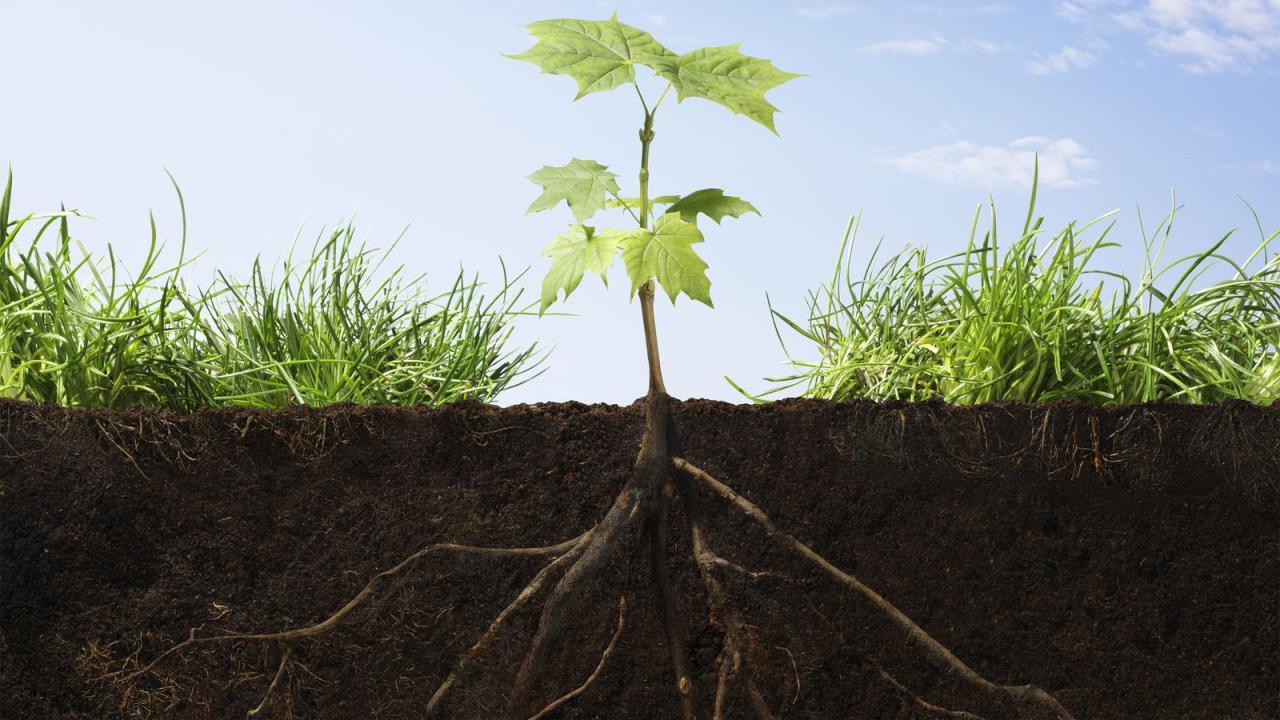
Choosing the right lily variety is crucial for success in any garden. Different lily species and cultivars exhibit varying tolerances to temperature extremes, frost, and drought. Understanding these variations allows gardeners to select lilies best suited to their specific climate zone, maximizing the likelihood of healthy growth and vibrant blooms.Successful lily cultivation hinges on selecting varieties adapted to the local climate.
This consideration extends to frost protection, drought tolerance, and optimal growing conditions. Understanding these factors is essential to ensuring the long-term health and beauty of your lily garden.
Lily Varieties for Temperate Climates
Lilies thrive in temperate climates, characterized by distinct seasons and moderate temperature fluctuations. Many popular varieties are well-suited for these zones. These often include Asiatic lilies, Oriental lilies, and some hybrids. These varieties are generally adaptable to a range of soil types and conditions, provided adequate sunlight and consistent moisture.
Lily Varieties for Hot and Dry Climates
In regions with hot, dry summers, choosing drought-tolerant lily varieties is paramount. Daylily hybrids and some species of trumpet lilies are excellent options, possessing the ability to withstand prolonged periods of heat and reduced rainfall. These varieties typically have deeper root systems, enabling them to access moisture from deeper within the soil profile.
Lily Varieties for Cold Climates
For areas experiencing harsh winters with significant frost, selecting cold-hardy lily varieties is essential. Species like the Tiger lily and some Trumpet lilies are known for their tolerance to freezing temperatures. Proper overwintering techniques, such as mulching around the base of the plant, are vital for protecting the lilies from frost damage. It’s crucial to choose varieties suited to the specific USDA hardiness zone to ensure successful overwintering.
Overwintering Strategies in Cold Climates
Overwintering lilies in cold climates requires careful consideration of the plant’s needs. A crucial strategy is to provide adequate protection against frost. Mulching the base of the plant with organic matter like straw or wood chips is a common and effective method. This layer acts as insulation, helping to maintain soil temperature and protect the roots from freezing.
In addition to mulching, ensuring adequate drainage is important to prevent waterlogging during the winter months.
Climate-Specific Growing Needs
The table below highlights the varying growing needs of lilies in different climates. Understanding these differences allows for the selection of suitable varieties and cultivation techniques.
| Climate Zone | Suitable Lily Varieties | Specific Growing Needs |
|---|---|---|
| Temperate | Asiatic, Oriental, some hybrids | Moderate water needs, adaptable to soil types |
| Hot & Dry | Daylily hybrids, some trumpet lilies | Drought tolerance, deep root systems |
| Cold | Tiger lilies, some trumpet lilies | Cold hardiness, frost protection (mulching) |
Ending Remarks
In conclusion, planting lilies in your garden is a rewarding experience that brings beauty and fragrance to your outdoor space. By carefully considering factors like variety selection, soil preparation, and ongoing care, you can ensure a thriving lily display. This guide has provided a comprehensive overview, equipping you with the knowledge to cultivate these magnificent flowers successfully. Now you’re ready to transform your garden into a haven of lily splendor!