Jade plants, renowned for their resilience and aesthetic appeal, are easily propagated. This guide provides a comprehensive overview of the two most effective methods for growing new jade plants from cuttings and leaves, ensuring a successful propagation experience.
Mastering the art of jade plant propagation unlocks a rewarding journey of plant reproduction. By understanding the key steps and environmental considerations, you can quickly and efficiently create new jade plant specimens to add to your collection or share with others.
Introduction to Jade Plant Propagation
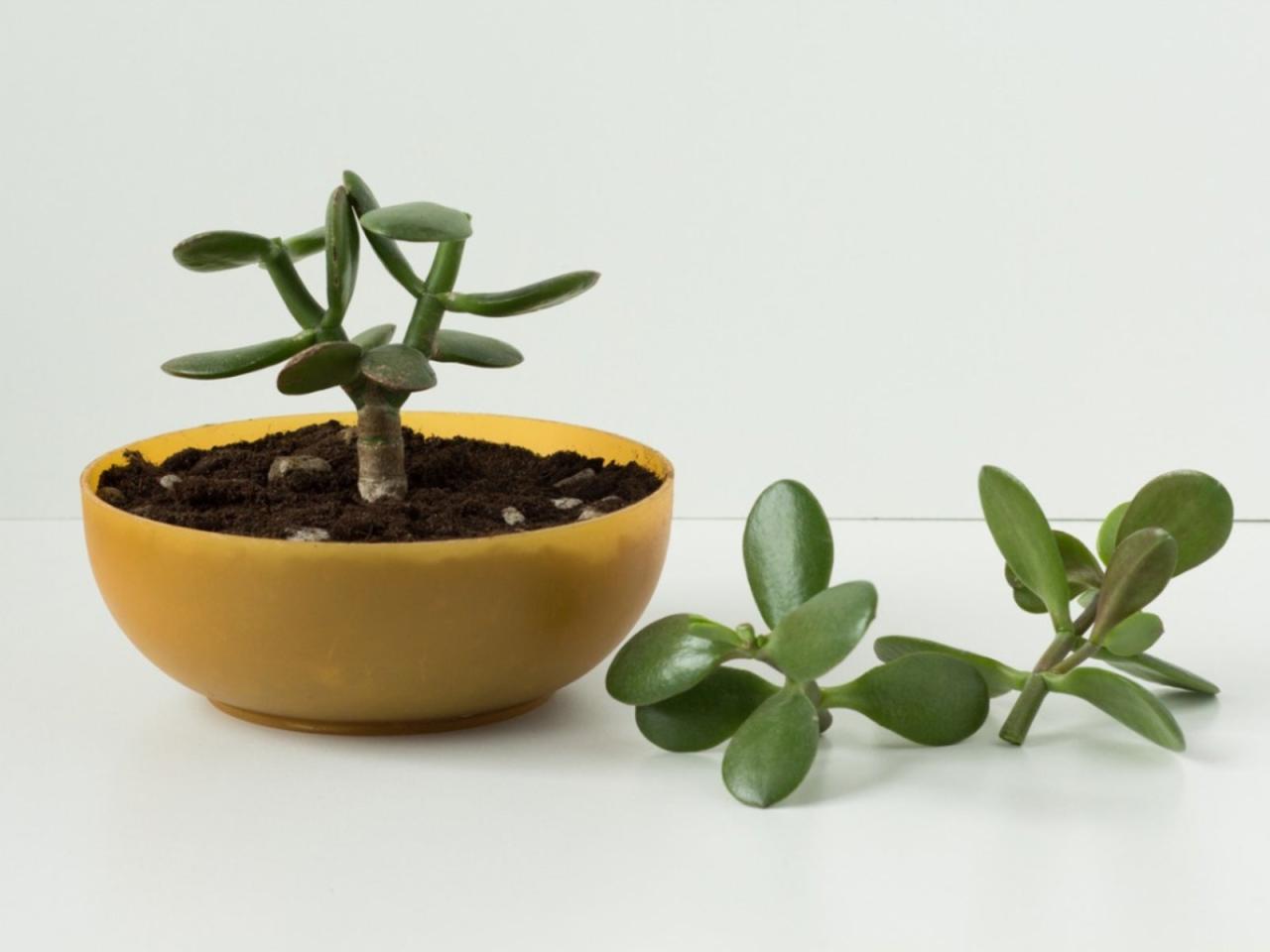
Jade plants, renowned for their resilience and aesthetic appeal, are remarkably easy to propagate. This process allows you to expand your collection of these charming succulents, creating new plants from existing ones. The rewards extend beyond the satisfaction of nurturing new life; you’ll enjoy the process of watching your plants grow and flourish, enriching your home with vibrant greenery.Propagating jade plants is a rewarding experience, offering the opportunity to multiply your collection and gain valuable experience in plant care.
This simple method allows you to create beautiful new plants from existing ones, significantly expanding your greenery. The joy of witnessing these plants thrive adds another layer of enjoyment to the process.
Jade Plant Propagation Process Overview
The propagation of jade plants is a straightforward process, generally requiring minimal effort and specialized equipment. It typically involves two crucial steps: taking a cutting and rooting the cutting. Careful attention to each step is essential for successful propagation.
Two-Step Jade Plant Propagation
This table Artikels the two fundamental steps involved in jade plant propagation:
| Step | Description |
|---|---|
| 1. Taking a Cutting | Select a healthy, mature stem from your jade plant. Use a clean, sharp knife or pruning shears to take a cutting, ensuring the cut is precise. The cutting should be approximately 3-4 inches long and have at least two nodes (the points where leaves emerge). Thoroughly clean the cutting tools after each use to prevent the spread of diseases. |
| 2. Rooting the Cutting | Place the cutting in a well-draining potting mix, ensuring the nodes are slightly buried. Maintain a consistently moist environment, but avoid overwatering. A warm, sunny location will promote root development. Keep the cutting out of direct sunlight for the first few days to avoid scorching. You can cover the cutting with a plastic bag or a humidity dome to maintain the moisture level. After a few weeks, roots will begin to form, and you can then pot the new plant. |
Method 1: Propagation from Cuttings
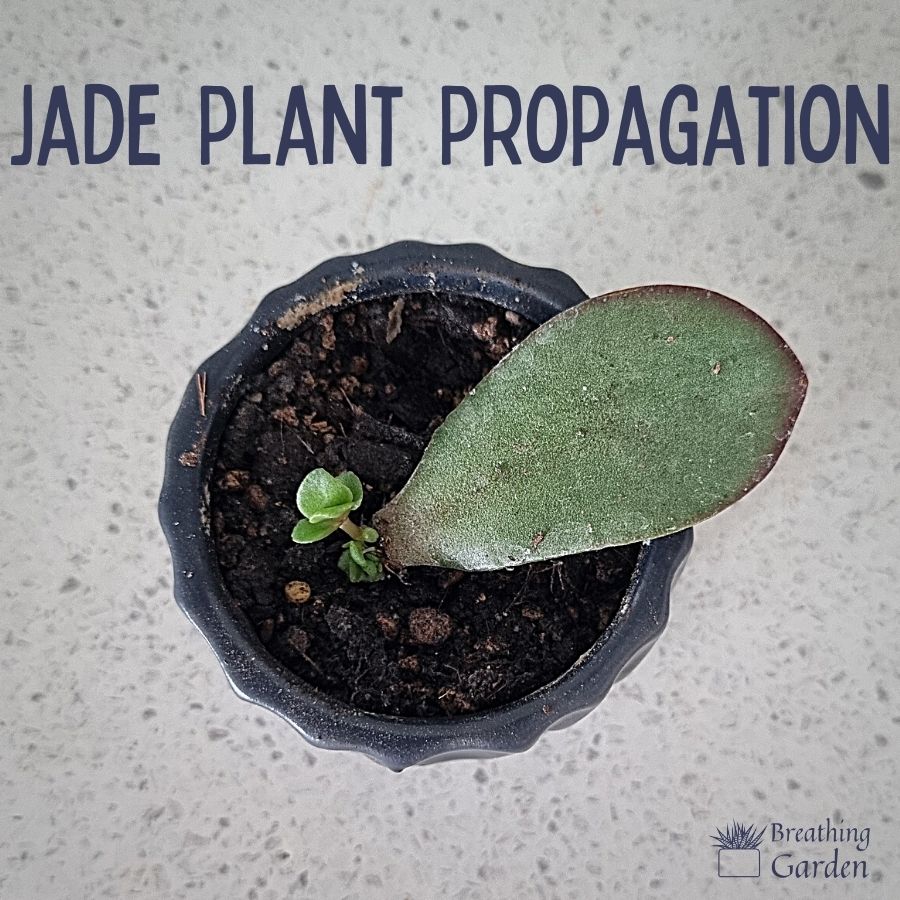
Propagating jade plants from cuttings is a straightforward method that allows you to quickly multiply your collection. This method leverages the plant’s natural ability to regenerate new roots from stem sections. By carefully following the steps Artikeld below, you can successfully propagate jade plants and expand your collection.
Taking a Healthy Cutting
A crucial step in successful jade plant propagation is selecting a healthy cutting. A healthy cutting is more likely to root and thrive. Choosing the right time and conditions ensures the best results.
Ideal Time and Conditions
The ideal time for taking cuttings is during the plant’s active growth period, typically in spring or summer. This is when the plant is most vigorous and capable of producing new roots. Ensure the plant is in a well-lit location and is receiving adequate water. Avoid taking cuttings during periods of stress, such as during a drastic change in temperature or when the plant is experiencing disease.
Preparing the Cutting
Proper preparation of the cutting is essential for successful rooting. The cutting should be taken from a healthy, mature stem. Using sharp, clean pruning shears or a knife is crucial to prevent damaging the cutting. Avoid using dull tools, as they can crush the stem, hindering root development.
- Tools: Sharp, clean pruning shears or a sharp knife. Sterilizing tools with rubbing alcohol or a similar disinfectant helps prevent the spread of disease.
- Procedure: Cut a section of stem, approximately 3-4 inches long, with a clean cut at a 45-degree angle. This increases the surface area for root development. Remove any leaves from the lower half of the cutting. This encourages root growth in the soil.
Common Mistakes to Avoid
- Using dull tools can crush the stem, hindering root development. Dull tools can also introduce pathogens, negatively impacting the propagation process.
- Taking cuttings from diseased or stressed plants significantly lowers the chances of successful rooting. Observe the plant for any signs of pests or diseases.
- Not removing the leaves from the lower half of the cutting can lead to the development of rot before the roots establish. Proper leaf removal promotes root development.
Tools Needed for Cutting Preparation
| Tool | Use in Propagation |
|---|---|
| Sharp Pruning Shears/Knife | Making clean cuts on the stem to prevent damage and promote rooting. |
| Rubbing Alcohol (or similar disinfectant) | Sterilizing the tools to prevent the spread of diseases. |
Ideal Soil Composition
A well-draining soil mix is crucial for jade plant cuttings. A mixture of potting soil and perlite or sand in a 1:1 ratio is ideal. This ensures proper drainage and aeration, vital for root development. Avoid using heavy clay-based soil, as it retains too much water, potentially leading to root rot.
Post-Planting Care
After planting the cutting, maintain consistent moisture levels. Keep the soil evenly moist but not soggy. Avoid overwatering, as this can also lead to root rot. Provide adequate sunlight to encourage root development.
Rooting Time
The time it takes for a jade plant cutting to root varies depending on the conditions, but generally, it takes 4-8 weeks. Factors like temperature, humidity, and light intensity can affect the rooting process. Regular monitoring is essential.
Propagation Method Procedure
| Task | Materials | Procedure |
|---|---|---|
| Taking a cutting | Sharp pruning shears/knife, rubbing alcohol | Cut a 3-4 inch stem section at a 45-degree angle. Remove lower leaves, sterilize tools. |
| Preparing the rooting medium | Potting soil, perlite/sand | Mix potting soil and perlite/sand in a 1:1 ratio. Ensure good drainage. |
| Planting the cutting | Pot, rooting medium | Plant the cutting in the prepared medium. Water gently, maintaining consistent moisture. |
| Maintaining the cutting | Watering can, bright location | Provide adequate sunlight and maintain consistent moisture. Monitor for signs of root development. |
Method 2
Propagating jade plants from leaf cuttings offers a unique approach, allowing for the creation of new plants from a single leaf. While less common than propagation from stem cuttings, this method can be successful with the right techniques and conditions. This method often results in slower growth compared to stem cuttings but can be a rewarding experience.
Leaf Cutting Propagation Process
Leaf propagation is a viable option for jade plants, although it’s generally slower and less reliable than propagating from stem cuttings. The process involves carefully removing a leaf and encouraging it to develop roots. The success rate depends on the health and vitality of the leaf and the environment provided. Ideal conditions for successful propagation will promote rapid rooting.
Ideal Time and Conditions
For optimal results, select healthy, mature leaves from a robust jade plant. Avoid leaves that are yellowing, damaged, or show signs of disease. The best time to take leaf cuttings is during the growing season, typically spring or summer, when the plant is actively producing new growth and resources are readily available. Maintain a consistent environment with moderate temperatures and adequate humidity.
The absence of harsh environmental changes will reduce the chance of the cutting’s demise.
Tools and Materials
Essential tools include a sharp, clean knife or pruning shears, rooting hormone (optional but recommended), small pots, well-draining potting mix, and a clear plastic bag or humidity dome. The sharp tool ensures a clean cut, reducing the risk of infection and facilitating faster healing. Using rooting hormone can improve the chances of successful root development. Choose a well-draining potting mix to prevent root rot.
Preparation and Handling of Leaf Cuttings
Carefully remove a healthy leaf from the jade plant. Make a clean, precise cut just below a node on the stem. This node is where new growth often emerges, potentially increasing the chances of successful propagation. Dip the cut end of the leaf into rooting hormone, if using, to promote root development. Avoid over-handling the leaf to prevent damage and maintain its health.
Proper handling will contribute to the health of the cutting and increase its chances of survival.
Encouraging Rooting from a Leaf
Place the leaf cutting in a small pot filled with well-draining potting mix. Ensure the cutting is not buried deeply. A shallow insertion into the potting mix is generally recommended. Lightly press the mix around the base of the leaf to hold it in place. Cover the pot with a clear plastic bag or humidity dome to maintain high humidity.
This creates a microclimate that promotes root development.
Ideal Environment for Rooting
Maintain a warm, humid environment for the leaf cutting. A temperature range of 70-75°F (21-24°C) is ideal. Avoid direct sunlight, which can dry out the leaf. A location with bright, indirect light will provide sufficient illumination for the cutting without causing stress. Consistent monitoring of moisture levels and humidity is crucial.
Average Rooting Time
The average time for a leaf cutting to develop roots is typically 4-8 weeks. However, this can vary depending on the specific plant, environmental conditions, and the quality of the leaf cutting. Factors like consistent humidity and temperature are essential in ensuring the cuttings develop roots. Some cuttings may take longer than expected to root, and that is normal.
Leaf Cutting Propagation Table
| Step | Procedure | Expected Outcome |
|---|---|---|
| 1 | Select a healthy leaf and make a clean cut just below a node. | Healthy leaf cutting, reduced risk of infection. |
| 2 | Dip the cut end in rooting hormone (optional) and plant the leaf in a well-draining mix. Cover with a humidity dome. | Prepared cutting in optimal environment for root development. Increased chance of success. |
| 3 | Maintain a warm, humid environment with bright, indirect light. Regularly monitor moisture levels. | Healthy environment for root development, minimizing stress on the cutting. |
Choosing the Right Propagation Method
Deciding between propagating jade plants from cuttings or leaves hinges on several factors, including your experience level, desired outcome, and available resources. Understanding the advantages and disadvantages of each method can significantly impact the success of your propagation efforts. Careful consideration of these factors will help you select the most suitable approach for your needs.
Advantages and Disadvantages of Each Method
Different propagation methods offer varying degrees of success and ease. Evaluating the pros and cons of each technique will guide your choice.
- Propagation from Cuttings: This method typically yields higher success rates compared to leaf propagation. It involves taking a stem cutting, encouraging root development, and establishing a new plant. A significant advantage is that it allows for propagation of desirable traits from the parent plant, such as size, shape, or variegation. However, the process might require more patience and careful handling.
Successfully rooting a cutting depends on factors like the cutting’s health and the environment it’s placed in. The use of rooting hormone can enhance the chances of success.
- Propagation from Leaves: Propagating from leaves is a viable alternative. This method involves placing a leaf segment on a suitable growing medium to induce root development. A key advantage is that it’s relatively simple, as it requires less material than cuttings. However, the success rate is generally lower than propagation from cuttings. The process often takes longer to achieve successful rooting.
Leaf propagation may not always result in a plant that retains the same characteristics as the parent plant.
Success Rates Comparison
The success rate of jade plant propagation varies significantly based on the method chosen and the environmental conditions.
Studies suggest that propagation from stem cuttings often boasts higher success rates, typically ranging from 70-90%, compared to leaf propagation, which usually has a success rate between 50-70%. This difference can be attributed to the greater availability of vascular tissue in cuttings compared to leaves, providing a more conducive environment for root development.
Factors such as the age and health of the cutting or leaf, the quality of the growing medium, and the humidity levels significantly impact the outcome. Experienced growers might achieve higher success rates through optimized techniques.
Beginner-Friendly Method
For beginners, propagation from cuttings presents a more accessible and promising path to success. The higher success rate, coupled with the relatively straightforward process, makes it an ideal starting point. The readily available stem segments offer a higher chance of success, especially for those new to propagation techniques.
Method Comparison Table
| Method | Pros/Cons |
|---|---|
| Propagation from Cuttings |
|
| Propagation from Leaves |
|
Environmental Considerations for Success
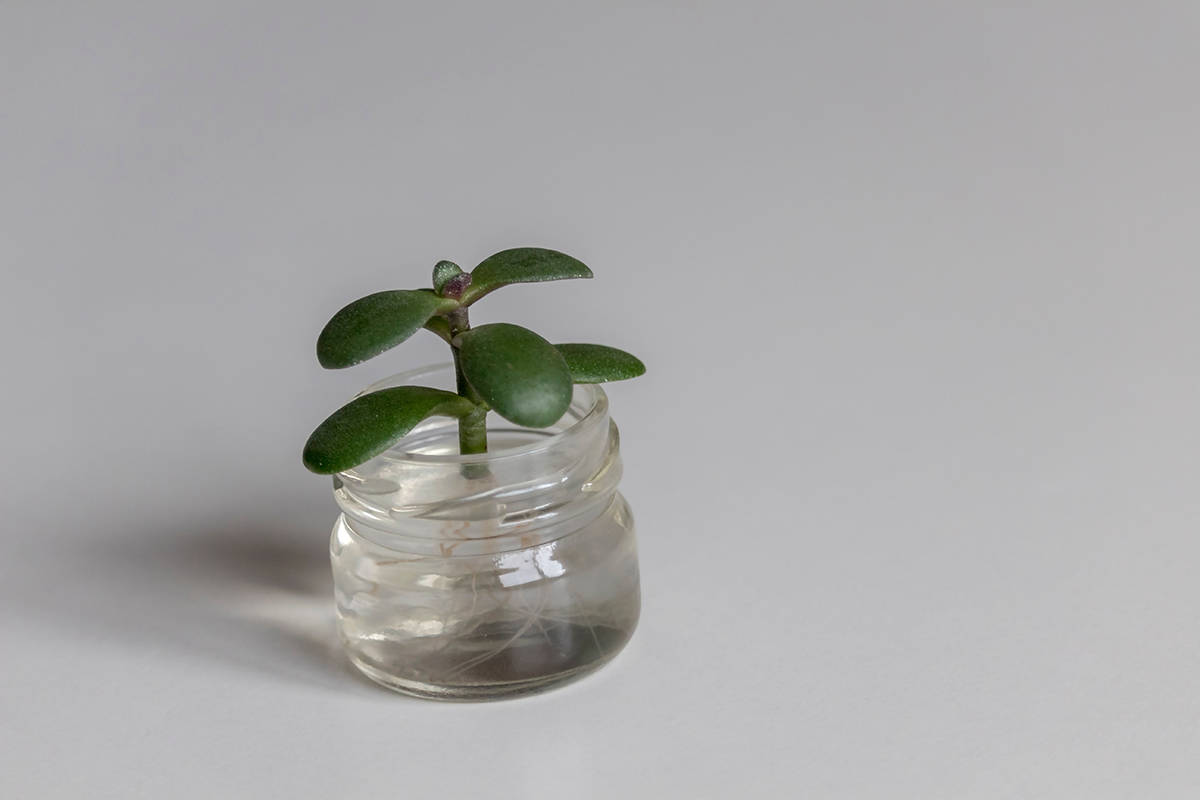
Proper environmental conditions are crucial for successful jade plant propagation. Optimizing light, temperature, humidity, and watering during this crucial stage significantly increases the chances of healthy root development and overall plant growth. Creating a miniature, supportive environment mirrors the plant’s natural habitat, promoting rapid and robust growth.Environmental factors significantly impact the success of propagating jade plants. By understanding and controlling these elements, you can nurture a healthy and thriving new plant from a cutting.
A well-managed environment ensures the cutting develops strong roots and a robust structure, setting the stage for a healthy, established plant.
Optimal Light Conditions for Rooting
Jade plants thrive in bright, indirect light. Direct sunlight can scorch the tender new growth, inhibiting root development. A location with filtered light, such as near an east-facing window, provides the ideal balance of light and protection. Avoid placing the cuttings in dark or low-light areas, as this can hinder the process.
Required Temperature Range for Successful Propagation
A moderate temperature range is essential for successful propagation. Jade plants generally thrive in temperatures between 65°F and 85°F (18°C and 29°C). Maintaining this range minimizes stress on the cutting and encourages root growth. Extreme temperatures, whether high or low, can impede the propagation process and lead to failure. For example, keeping the cuttings in a cool room or exposed to freezing temperatures will significantly slow down the process and may even damage the cuttings.
Importance of Proper Humidity Levels for Propagation
Maintaining appropriate humidity levels is vital for the propagation process. Jade plants prefer a slightly higher humidity level than most indoor environments. You can increase humidity by placing the cutting on a tray filled with pebbles and water, or using a humidity dome. High humidity levels help maintain moisture around the cutting, preventing it from drying out too quickly.
This prevents the cutting from dehydrating before roots form.
Ideal Watering Schedule During Propagation
Watering is essential but should be done judiciously during propagation. Water thoroughly when the top inch of the propagation medium feels dry. Overwatering can lead to root rot, while underwatering can cause the cutting to dry out and prevent rooting. A consistent watering schedule ensures the medium maintains the right moisture level without becoming waterlogged. A good indicator is to check the medium’s moisture content regularly and adjust your watering frequency as needed.
Summary Table
| Environmental Factor | Optimal Condition | Impact on Propagation |
|---|---|---|
| Light | Bright, indirect light | Promotes healthy growth and prevents scorching. |
| Temperature | 65°F – 85°F (18°C – 29°C) | Minimizes stress and encourages root development. |
| Humidity | Slightly higher than average indoor humidity | Maintains moisture around the cutting and prevents drying out. |
| Watering | Water thoroughly when the top inch of the medium feels dry | Provides consistent moisture without overwatering or underwatering. |
Common Problems and Troubleshooting
Jade plant propagation, while generally straightforward, can sometimes encounter challenges. Understanding potential issues and their solutions is crucial for successful propagation. Knowing what to look for in healthy roots and recognizing signs of trouble will significantly improve your chances of a thriving new jade plant.Troubleshooting common problems allows you to address them promptly, preventing further complications and ultimately maximizing the success rate of your propagation efforts.
Careful observation and timely intervention are key to navigating these occasional hurdles.
Identifying Common Problems
Troubleshooting involves recognizing the symptoms of potential problems. Early detection allows for timely intervention and a higher likelihood of success. A thorough understanding of typical issues, their symptoms, and the necessary corrective actions is vital for successful propagation.
Root Rot
Root rot is a prevalent concern in jade plant propagation. Overwatering, poor drainage, or overly humid conditions can lead to fungal infections that cause the roots to decay. Identifying root rot early is essential to prevent the spread of the infection to the rest of the plant.
- Symptoms: Initial signs may include wilting leaves, yellowing, and a general decline in the plant’s vigor. As the rot progresses, the affected roots will appear mushy, dark brown, or black. The plant may also exhibit a foul odor emanating from the soil.
- Solutions: If root rot is suspected, immediately remove the plant from the pot. Carefully inspect the roots and remove any visibly affected portions. Replant the plant in fresh, well-draining potting mix. Ensure the new pot has drainage holes and adjust watering practices to avoid overwatering. Consider using a fungicide to prevent further infections.
Lack of Growth
Insufficient growth in propagated jade plants can stem from various factors, including improper lighting, insufficient nutrients, or inappropriate environmental conditions.
- Symptoms: Slow growth, pale or yellowing leaves, and stunted overall development are common signs. Leaves may exhibit a lack of vigor and firmness.
- Solutions: Ensure the plant receives adequate sunlight, preferably 6-8 hours of direct sunlight daily. Use a well-balanced, slow-release fertilizer formulated for succulents. Regular monitoring of the soil moisture level is crucial. Avoid overwatering and ensure proper drainage. Adjust the environment to maintain appropriate humidity levels and temperature.
Signs of Healthy Root Development
Healthy roots are crucial for a thriving propagated plant. Observing the development of healthy roots during the propagation process can be a valuable indicator of the plant’s overall health.
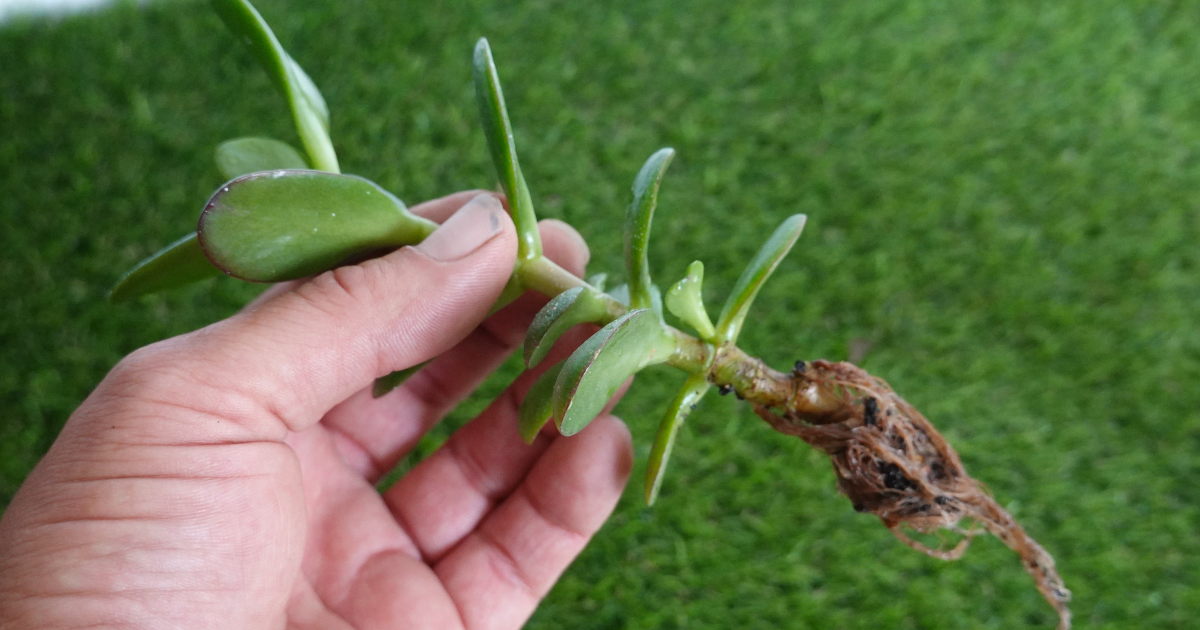
- Healthy Roots: Healthy roots are typically firm, white, or light tan in color. They exhibit a fibrous structure, indicating good water absorption capacity. The roots should not have any signs of decay or discoloration.
Troubleshooting Steps
Addressing issues promptly is vital for successful propagation. A systematic approach can significantly improve outcomes.
- Inspect the plant: Thoroughly examine the plant for any visible signs of disease, pests, or damage.
- Identify the cause: Determine the potential cause of the problem based on the observed symptoms.
- Implement corrective actions: Apply appropriate solutions based on the identified cause.
- Monitor progress: Regularly monitor the plant for any improvement or further complications.
Troubleshooting Table
| Problem | Symptoms | Solutions |
|---|---|---|
| Root Rot | Wilting, yellowing leaves; mushy, dark roots; foul odor | Remove plant, trim affected roots, replant in fresh, well-draining soil, adjust watering schedule, use fungicide. |
| Lack of Growth | Slow growth, pale/yellowing leaves, stunted development | Ensure adequate sunlight (6-8 hours), use appropriate fertilizer, monitor soil moisture, adjust environment. |
Maintaining the New Jade Plants
Congratulations on successfully propagating your jade plant! Now that your new little jade plants have rooted, careful nurturing is key to their healthy growth and vibrant appearance. This stage requires a delicate balance of environmental factors and attention to detail.A gradual transition from the propagation environment to standard jade plant care is crucial for preventing shock and promoting robust growth.
Sudden changes can stress the plants, leading to issues like leaf drop or stunted development. Understanding the ideal conditions and employing a consistent care routine will ensure your newly propagated jade plants thrive.
Gradual Transition to Normal Care
Proper acclimatization is essential for the new plants. Begin by gradually increasing the amount of indirect sunlight they receive over several days. This prevents the plants from experiencing sunscald, a common problem for jade plants exposed to too much direct light too quickly. Moving the plants to a slightly brighter location each day will help them adjust. Similarly, if the propagation medium was kept humid, gradually reduce the humidity level in the environment to match your regular indoor conditions.
Watering Schedule for Newly Propagated Plants
Newly rooted jade plants require a different watering schedule compared to established plants. Initially, water sparingly, allowing the top inch or two of the soil to dry out completely between waterings. This prevents root rot, a common issue when the soil remains consistently moist. As the plants adapt to their new environment and grow, you can adjust the watering frequency.
Ideal Light and Temperature Conditions for Established Jade Plants
Jade plants thrive in bright, indirect light. South-facing or west-facing windows are ideal, providing ample light without scorching the leaves. Avoid direct sunlight, especially during the hottest parts of the day. The ideal temperature range for jade plants is between 65°F and 85°F (18°C and 29°C). Maintaining a consistent temperature, especially avoiding extreme fluctuations, is vital for their health.
Post-Propagation Care Summary
| Task | Details |
|---|---|
| Light Adjustment | Gradually increase indirect sunlight exposure over several days. |
| Watering | Water sparingly, allowing the top inch or two of soil to dry out completely between waterings. |
| Humidity | Gradually reduce humidity to match indoor conditions. |
| Temperature | Maintain a consistent temperature between 65°F and 85°F (18°C and 29°C). |
End of Discussion
In conclusion, propagating jade plants is a straightforward process achievable through cuttings or leaves. By carefully following the Artikeld steps, including proper environmental conditions and post-propagation care, you can cultivate thriving new jade plants. This guide provides a clear and concise roadmap to success, enabling you to enjoy the satisfaction of growing your own jade plants.