Succulents, with their captivating shapes and drought-tolerant nature, are popular choices for home gardeners. This comprehensive guide provides a straightforward, three-step process for propagating these fascinating plants. From selecting the right succulent to nurturing your new cuttings, you’ll discover the secrets to achieving a thriving collection of succulents.
This guide covers everything from choosing the perfect parent plant and essential tools to understanding optimal propagation environments and ongoing care. We’ll also address common problems and provide tailored solutions, ensuring your propagation journey is as successful as possible. Learn how to create your own collection of healthy, thriving succulents, with minimal effort.
Introduction to Succulent Propagation
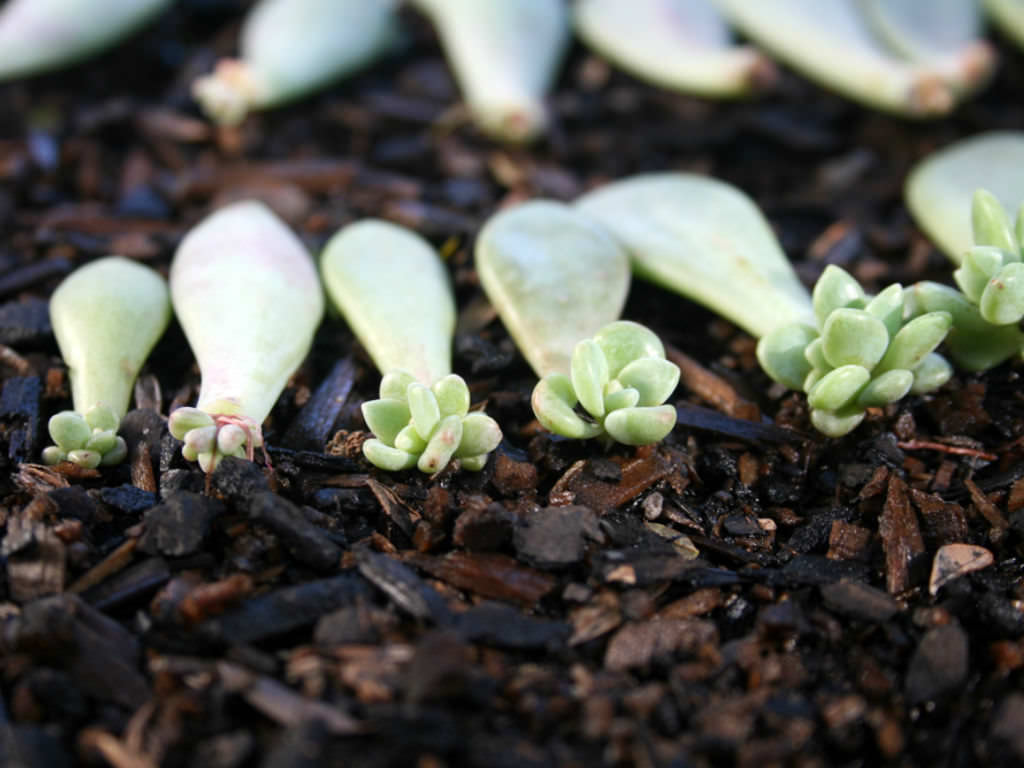
Succulent propagation, the process of creating new succulent plants from existing ones, is a rewarding and fulfilling horticultural practice. It allows enthusiasts to expand their succulent collections, share their prized plants with friends, and explore the fascinating world of plant reproduction. Understanding the various propagation methods and the necessary tools and materials is crucial for success. This process, while seemingly simple, offers valuable insights into plant biology and cultivation.Propagation offers a chance to multiply desirable characteristics of parent plants, preserving rare cultivars, and increasing plant diversity.
It’s an economical and sustainable approach to acquiring more succulents without resorting to purchasing new plants from nurseries.
Succulent Propagation Methods
Understanding the different methods available for succulent propagation is vital for choosing the most appropriate technique for your specific needs. These methods include using cuttings, offsets, and leaves, each with its own set of advantages and disadvantages.
- Cuttings: This method involves taking a piece of the parent plant, called a cutting, and encouraging it to root and develop into a new plant. Stem cuttings are a common approach, often used for succulents with woody or semi-woody stems. The cutting should be taken from a healthy portion of the plant, ensuring it has a few nodes for root development.
For optimal results, ensure the cutting is well-dried before planting to prevent rot.
- Offsets (Pups): Many succulents naturally produce offsets, small plantlets growing from the base or the main stem. These are often readily available and easy to detach from the mother plant. Carefully separating the offset from the parent plant, ensuring it has its own root system or at least a developed root structure, is crucial for successful propagation. These small plants are ideal for propagating succulents with a strong tendency to produce offsets, like certain Echeveria varieties.
- Leaves: Some succulents, particularly those with fleshy leaves, can be propagated using leaf cuttings. These leaves should be detached from the parent plant with a clean cut, ensuring that they are healthy and free from damage. The leaf cuttings can be directly planted in soil or placed in water until roots develop. This method is suitable for succulents like Sedum and Kalanchoe.
Essential Tools and Materials
A well-equipped propagation kit is essential for success. The following tools and materials are typically required.
- Sharp knife or pruning shears: A sharp blade is crucial for making clean cuts, preventing damage to the plant and promoting healing. A clean tool is essential to avoid introducing pathogens.
- Rooting hormone (optional): Rooting hormone can stimulate root development in cuttings, increasing the chances of success. However, this is not always necessary.
- Potting mix: A well-draining potting mix is crucial for succulent propagation, ensuring that the roots don’t sit in water and rot. A mixture of perlite and peat moss is often ideal.
- Small pots: Choose small pots for the propagated cuttings, ensuring adequate drainage holes.
- Water: For water propagation, clean water is essential to prevent fungal growth. Distilled or filtered water is recommended.
Comparison of Propagation Methods
The following table summarizes the advantages and disadvantages of each propagation method.
| Propagation Method | Pros | Cons |
|---|---|---|
| Cuttings | Relatively easy, can propagate many succulents | May require more time to root than offsets, potential for rotting if not properly handled |
| Offsets | Often easy to detach, quick rooting | May not be available on all succulents, can be challenging to detach |
| Leaves | Simple for certain succulents, less material needed | Lower success rate compared to cuttings, leaves may rot if not dried |
Step 1
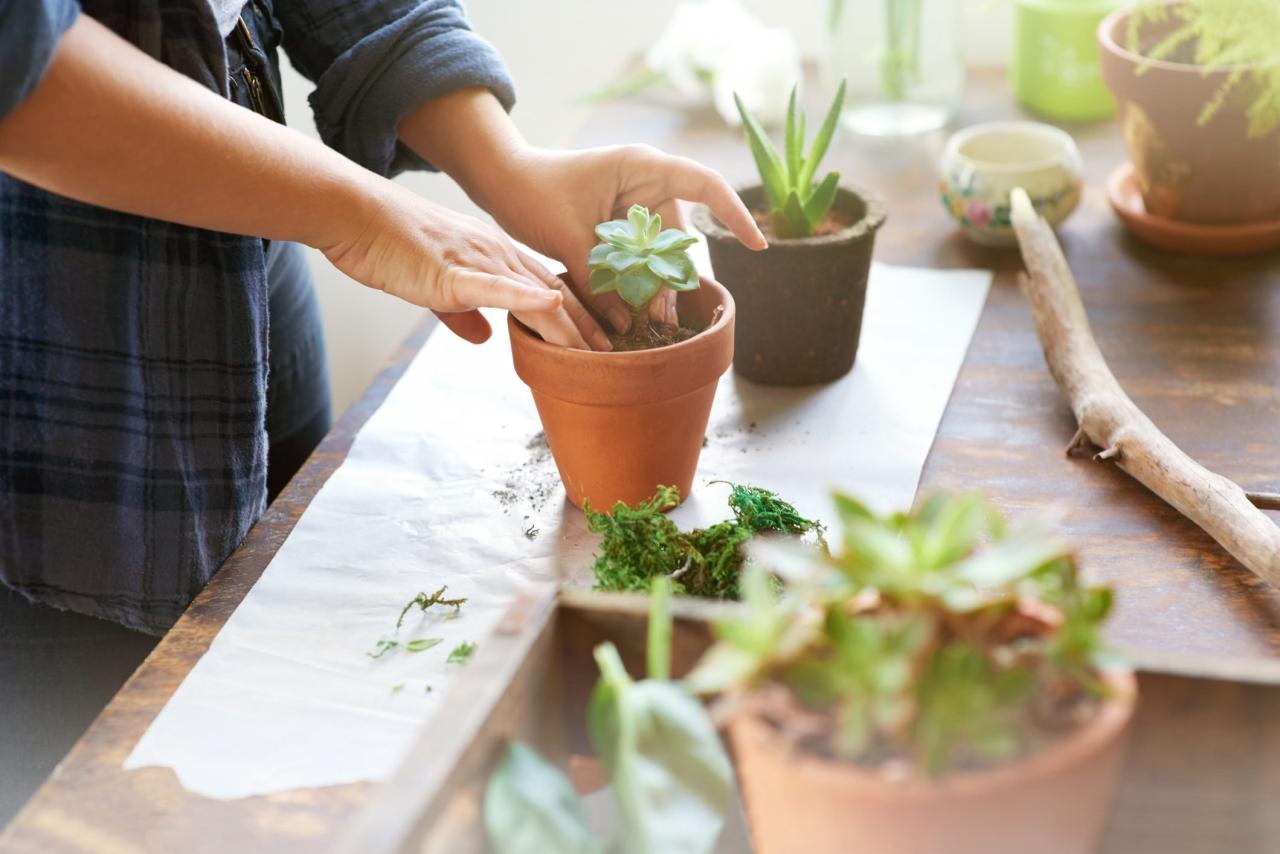
Selecting a healthy succulent and preparing it for propagation is crucial for successful results. A robust, well-established plant is more likely to produce healthy offsets or cuttings. Proper preparation ensures the plant’s wounds heal quickly and new growth begins without complications.
Choosing a Healthy Succulent
A thriving succulent is key to successful propagation. Look for plants with plump, firm leaves or stems, free from visible signs of disease, pests, or damage. Avoid succulents that show signs of wilting, yellowing, or mushy areas. Check for any presence of fungi, insects, or other pests that may affect the propagation process. Inspect the plant for any damage or deformities.
Select a mature, established succulent with a robust root system.
Preparing the Chosen Succulent
Proper preparation of the succulent minimizes the risk of infection and promotes new growth. Gently remove the succulent from its pot, taking care not to damage the roots. Carefully trim away any dead or decaying roots. Thoroughly clean the pruning shears or knife with rubbing alcohol or a bleach solution to avoid spreading pathogens. Cuttings should be taken from healthy, mature growth.
Remove any leaves or stems that show signs of rot or damage. Avoid cutting into damaged or diseased areas.
Necessary Tools
A variety of tools are necessary for successful propagation. These tools aid in the preparation of the succulent and ensure clean cuts, minimizing the risk of infection. Specific tools will depend on the propagation method.
- Pruning shears or knife: Essential for taking cuttings or separating offsets. A sharp blade ensures clean cuts, preventing damage and promoting faster healing. A sharp knife will make a clean cut and minimize the risk of disease.
- Rubbing alcohol or bleach solution: A necessary tool for sterilizing pruning tools, preventing the spread of pathogens, and ensuring healthy growth.
- Potting mix: A well-draining potting mix will provide the proper environment for root development. A suitable mix promotes healthy root growth.
Potential Problems and Prevention
Several problems can occur during the selection process, which can be mitigated by careful observation and preparation.
- Selecting a diseased or pest-infested succulent: This can lead to the spread of disease or pests to other plants. Thoroughly inspect the plant for signs of pests or diseases. Avoid selecting any plants with signs of wilting, yellowing, or mushy areas.
- Damaging the succulent during removal: Gentle handling is essential to avoid root damage. Use care when removing the plant from its pot.
- Using blunt or dirty tools: This can introduce pathogens, delaying healing and increasing the risk of infection. Always sterilize tools to prevent disease.
Tools Required
The following table Artikels the essential tools and their functions in the first step of succulent propagation:
| Tool | Function |
|---|---|
| Pruning shears or knife | Making clean cuts for cuttings or separating offsets. |
| Rubbing alcohol or bleach solution | Sterilizing tools to prevent the spread of diseases. |
| Potting mix | Provides a suitable environment for root development. |
Step 2
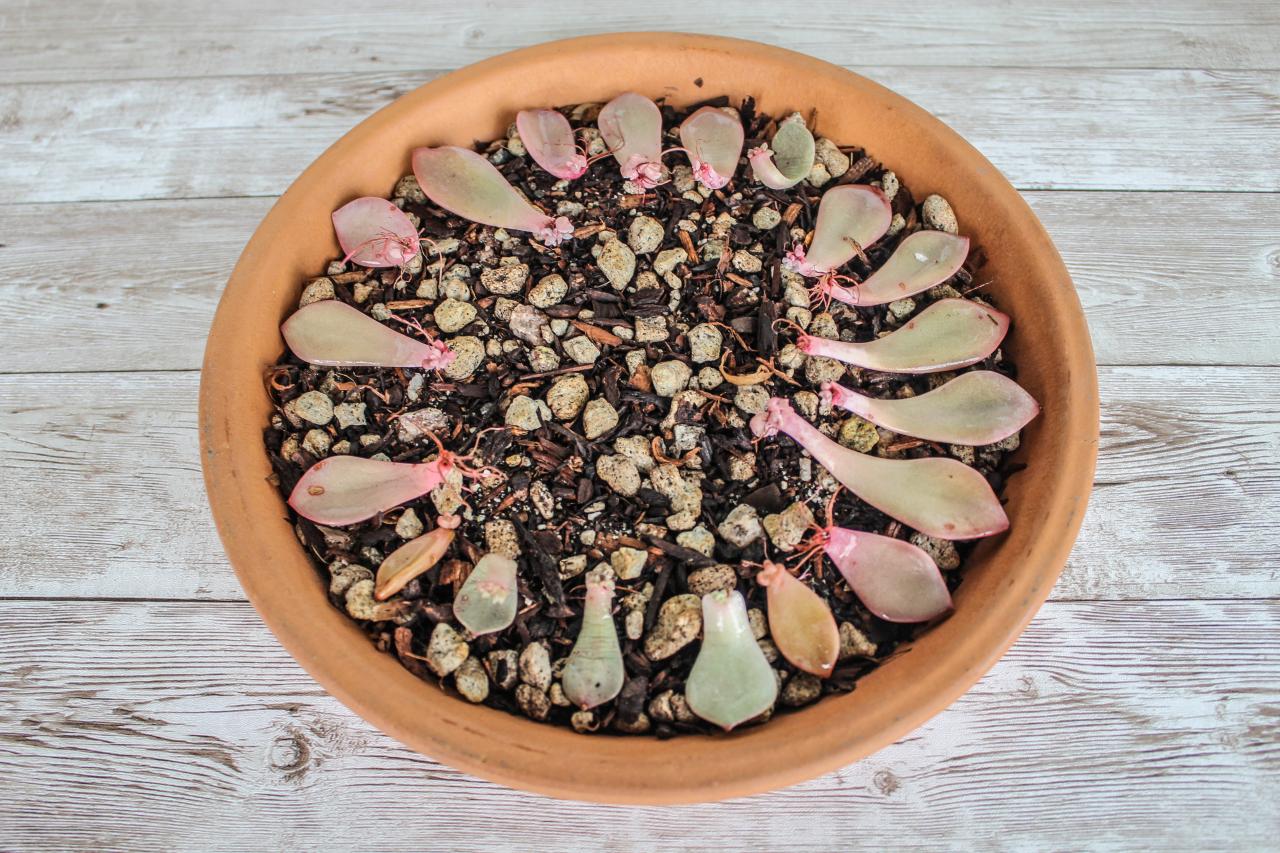
Creating the optimal environment for rooting your succulent cuttings is crucial for successful propagation. This step focuses on preparing the ideal propagation medium and ensuring proper drainage, which are fundamental for preventing rot and promoting healthy root development. A well-structured propagation environment mimics the conditions a succulent would encounter in its natural habitat, thereby maximizing the chances of successful rooting.The propagation environment plays a pivotal role in the rooting process.
A conducive environment will allow the cutting to heal from the initial separation and encourage the development of new roots. Proper preparation of the medium, along with the provision of optimal drainage, directly impacts the success rate of your propagation endeavors.
Preparing the Propagation Medium
The propagation medium acts as a temporary soil substitute, providing support and moisture for the cutting’s roots to establish themselves. The ideal medium allows for adequate drainage and aeration, preventing the roots from becoming waterlogged, which can lead to fungal infections and rot. Proper preparation of the medium is vital for successful rooting.
- Choosing the Right Medium: Selecting a suitable propagation medium is essential. The medium should be well-draining and allow for adequate aeration around the roots. This will ensure the roots can absorb water and nutrients effectively without being exposed to excessive moisture. Several materials can be used, including perlite, vermiculite, sand, or a combination of these.
- Mixing and Sterilizing: Once the chosen materials are obtained, mix them thoroughly to ensure a uniform consistency. Sterilizing the propagation medium is crucial to prevent the introduction of pathogens and diseases that can hinder the propagation process. A simple method is to bake the medium in a low oven at a low temperature for a short duration, or use a commercial sterilizing solution.
Different Propagation Mediums
Different propagation mediums offer varying benefits and drawbacks. The best choice depends on the specific succulent species and the grower’s preference.
- Perlite: Perlite is a volcanic glass that is lightweight, porous, and retains minimal moisture. Its excellent drainage properties prevent overwatering, which is crucial for succulents. It provides excellent aeration, which is essential for root development. Its neutral pH and inert nature make it a versatile choice.
- Vermiculite: Vermiculite is a naturally occurring mineral that is lightweight and holds moisture better than perlite. Its ability to retain water allows for more consistent moisture levels in the medium, which can be beneficial for certain succulent species. Its porosity ensures adequate aeration.
- Sand: Coarse sand is often used in propagation mediums for succulents due to its excellent drainage properties. Its ability to quickly drain excess water prevents root rot. However, it may not hold moisture as effectively as vermiculite.
- Combination of Mediums: A combination of perlite, vermiculite, and sand can create a medium that offers excellent drainage and moisture retention, providing a balance for optimal conditions. The exact proportions will depend on the specific needs of the succulent species.
Importance of Drainage
Proper drainage is paramount for preventing root rot, a common issue in succulent propagation. Overwatering can lead to anaerobic conditions in the medium, which can cause the roots to decay and ultimately kill the cutting. Adequate drainage allows for the swift removal of excess water, keeping the roots healthy and promoting their growth.
Potential Issues and Mitigation
Several issues can arise during the propagation process. Understanding these issues and how to mitigate them is essential for success.
- Overwatering: Overwatering is a frequent problem that leads to root rot. Regularly checking the moisture levels of the propagation medium is crucial. Allow the medium to dry out slightly between waterings to prevent waterlogging.
- Pest Infestation: Pests like mealybugs and aphids can infest the propagation environment. Regular inspection and treatment with appropriate insecticides can help prevent pest infestations. Proper hygiene and sterilization of tools can also prevent the spread of pests.
- Fungal Infections: Fungal infections can occur if the propagation medium is too wet or not adequately sterilized. Maintaining appropriate moisture levels, using sterilized tools, and providing proper air circulation can help mitigate this issue.
Comparison of Propagation Mediums
| Medium | Benefits | Drawbacks |
|---|---|---|
| Perlite | Excellent drainage, aeration, neutral pH | Retains minimal moisture |
| Vermiculite | Good moisture retention, aeration | May retain too much moisture for some succulents |
| Sand | Excellent drainage | May not hold moisture as well as other options |
| Combination | Balanced drainage and moisture retention | Requires careful mixing proportions |
Step 3
Congratulations on successfully propagating your succulents! Now, the final stage involves nurturing the newly propagated cuttings to ensure healthy root development and thriving growth. This crucial step will determine the success of your propagation efforts. Proper care during this phase is essential for achieving robust and vibrant plants.Proper care during this stage is paramount for the long-term health and vigor of your propagated succulents.
This involves understanding the specific needs of the cuttings and providing the ideal environment for them to thrive. Careful attention to watering, light, temperature, and potential pests is vital to success.
Watering Requirements
Proper watering is essential for the survival and healthy growth of propagated succulents. Overwatering can lead to root rot, while underwatering can cause the cuttings to shrivel and die. The frequency of watering depends on the type of succulent, the size of the pot, and the environmental conditions. Begin with infrequent watering, allowing the soil to dry out slightly between waterings.
Observe the soil moisture regularly. A good rule of thumb is to water thoroughly only when the top inch of soil feels completely dry. Avoid overhead watering, which can lead to fungal diseases. Instead, water directly at the base of the cutting.
Light Conditions
Succulents thrive in bright, indirect light. Insufficient light can lead to etiolation, a stretching of the stems and leaves, resulting in weak and leggy plants. Direct sunlight can scorch the leaves, particularly for cuttings that have not yet established strong roots. A well-lit area with filtered light is ideal for successful rooting. Adjust the light exposure as needed based on the specific type of succulent.
Ideal Temperature Range
The ideal temperature range for rooting propagated succulents is typically between 65-80°F (18-27°C). Temperatures outside this range can slow down the rooting process and potentially harm the cuttings. Avoid placing the cuttings in drafts or near extreme temperature fluctuations. A consistent temperature environment will encourage healthy root development.
Signs of Healthy Growth
Healthy propagated succulents will show signs of new growth, such as the emergence of new leaves or stems. The cuttings should appear firm and vibrant, without any signs of wilting or discoloration. Healthy roots will develop within the soil medium. These visual cues are crucial for assessing the success of your propagation efforts.
Common Mistakes to Avoid
- Overwatering: Ensure the soil is thoroughly dry before watering again. Overwatering can lead to root rot, a serious issue that can kill the cuttings.
- Insufficient Light: Provide sufficient, but not direct, sunlight. Insufficient light will hinder growth and potentially cause etiolation.
- Inadequate Drainage: Ensure the pot has proper drainage holes to prevent waterlogging and root rot.
- Improper Soil Mix: Use a well-draining succulent and cactus potting mix, which will provide the necessary aeration for root development.
Care Requirements for Different Succulent Types
Different succulent types have varying needs. Some are more tolerant of dry conditions than others. For example, Echeverias may require more frequent watering than Aeoniums. Thorough research into the specific needs of your chosen succulent variety will enhance the success rate. Consult reputable resources or gardening guides for detailed information.
Monitoring for Pests and Diseases
Regularly inspect the propagated cuttings for any signs of pests or diseases. Common pests include aphids, mealybugs, and spider mites. Diseases such as fungal infections can also occur if the environment is not conducive to healthy growth. Early detection and treatment are key to preventing further damage to your cuttings. Maintain good hygiene practices, including cleaning your tools and maintaining a clean propagation environment.
Step-by-Step Care Routine
| Day | Action | Description |
|---|---|---|
| 1-7 | Inspect cuttings | Check for signs of pests, wilting, or discoloration. |
| 7-14 | Watering | Water sparingly when the top inch of soil is dry. |
| 14-21 | Observe growth | Monitor for new growth, firmness, and root development. |
| 21+ | Adjust care as needed | Continue monitoring and adjusting watering and light as required. |
Troubleshooting and Common Problems
Propagating succulents can be a rewarding experience, but it’s essential to be prepared for potential challenges. Understanding common issues and their solutions will help ensure a higher success rate in your propagation endeavors. This section details potential problems and their remedies, enabling you to troubleshoot and maintain healthy, thriving succulent cuttings.
Root Rot
Root rot is a prevalent problem in succulent propagation, often stemming from overwatering. Overwatering leads to a lack of oxygen in the soil, creating an environment conducive to the growth of fungal pathogens that attack the roots. This can quickly lead to the decline and death of the succulent.
- Symptoms: Affected cuttings may exhibit signs of wilting, yellowing leaves, and a mushy or soft texture in the roots. The soil around the plant may appear overly moist or waterlogged.
- Prevention: Employ well-draining soil mixes, and ensure adequate spacing between plants to allow for proper air circulation. Reduce watering frequency, allowing the soil to dry out completely between waterings. Use a propagation medium that promotes excellent drainage.
- Treatment: Remove the affected cutting from the soil and gently clean the roots, removing any mushy or decaying parts. Allow the roots to air dry for several hours before repotting into fresh, dry soil. Use a fungicide, if necessary, following product instructions.
Fungal Infections
Fungal infections can manifest as spots or lesions on the leaves, stems, or roots of propagated succulents. These infections often appear as dark spots, discoloration, or a fuzzy growth on the plant’s surface. High humidity and poor air circulation are often contributing factors.
- Symptoms: Look for dark spots, discoloration, or a fuzzy growth on the leaves, stems, or roots. The plant may also exhibit wilting, yellowing, or stunted growth.
- Prevention: Maintain proper air circulation around the propagated cuttings. Avoid overwatering and ensure the propagation medium provides excellent drainage. Choose a well-lit location to promote drying and reduce humidity.
- Treatment: Isolate the affected plant to prevent the spread of the infection. Remove any visibly affected parts of the plant. Apply a fungicide as directed on the product label.
Pests
Succulents, like other plants, can be susceptible to pests. Mealybugs, aphids, and spider mites are common offenders. These pests can sap the plant’s vitality and lead to deformities or death if left untreated.
- Mealybugs: These small, white, cottony insects often cluster on the stems and leaves.
- Aphids: These small, sap-sucking insects can be green, yellow, or black and are often found on the underside of leaves.
- Spider mites: These tiny pests create webs on the leaves.
- Prevention: Maintain good hygiene around your plants. Inspect regularly for pests. Introduce beneficial insects like ladybugs to help control pest populations. Use insecticidal soap or neem oil as a preventative measure, following label instructions.
- Treatment: Remove visible pests with a cotton swab dipped in rubbing alcohol. For more severe infestations, use a suitable insecticidal spray, carefully following the instructions.
Summary Table
| Issue | Symptoms | Prevention | Treatment |
|---|---|---|---|
| Root Rot | Wilting, yellowing, mushy roots | Well-draining soil, proper watering | Remove affected parts, air dry, repot |
| Fungal Infections | Dark spots, discoloration, fuzzy growth | Good air circulation, proper watering | Isolate, remove affected parts, fungicide |
| Pests (Mealybugs, Aphids, Spider Mites) | Clusters, sap-sucking, webs | Regular inspection, beneficial insects | Remove manually, insecticidal spray |
Variations in Succulent Propagation
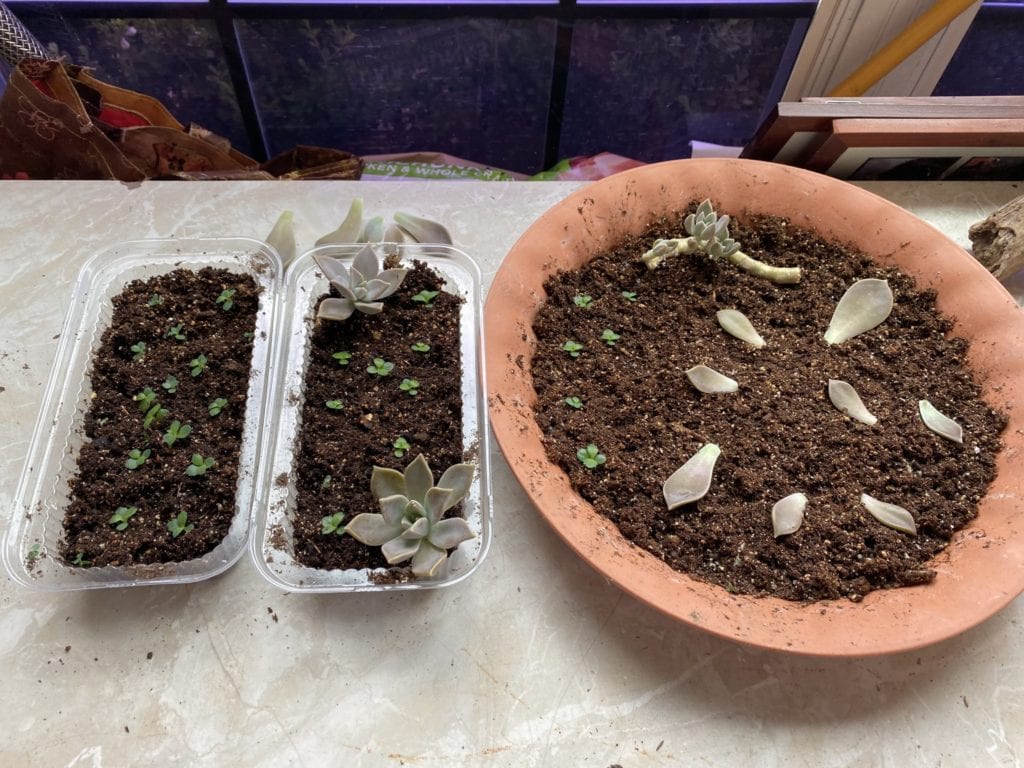
Propagating succulents successfully hinges on understanding the unique characteristics of each variety. Different succulents have varying growth habits, root systems, and leaf structures, which directly influence the most effective propagation methods. Recognizing these differences ensures a higher success rate in establishing new plants from cuttings or other methods.Understanding the specific needs of different succulent types is crucial. Some succulents, for instance, produce offsets (baby plants) readily, while others require stem cuttings or leaf propagation.
A deep understanding of the plant’s natural growth pattern and its responses to various propagation methods is key to achieving optimal results.
Propagation Methods for Specific Succulents
Different succulents respond differently to various propagation techniques. Understanding the specific needs of each type ensures higher success rates. For example, Echeveria, with their rosette-shaped growth, often propagate well from leaf cuttings. Conversely, Sedum, with their often trailing stems, lend themselves more readily to stem cuttings.
Echeveria Propagation
Echeveria propagation often involves leaf cuttings. Remove a healthy leaf from the parent plant, ensuring it’s free from any signs of disease or damage. Allow the leaf to callous over for a few days before planting it in a well-draining succulent mix. Maintaining a consistently humid environment during the initial rooting phase is vital for Echeveria.
Sedum Propagation
Sedum propagation frequently utilizes stem cuttings. Choose a healthy stem segment, ideally one with a few nodes (where leaves emerge). Remove any lower leaves from the stem cutting to expose the nodes. Allow the cut end to callous over for several days before planting in a well-draining mix. Stem cuttings often benefit from rooting hormones to accelerate the process.
Other Succulent Propagation Methods
Many succulents produce offsets or “pups” – small plantlets that grow from the base of the parent plant. These can be carefully separated and planted independently. This method is often straightforward and highly effective for certain species. A well-drained potting mix and appropriate lighting are important factors for the successful propagation of succulents in this manner.
Table Comparing Propagation Methods for Various Succulent Types
| Succulent Type | Preferred Propagation Method | Specific Procedure | Care Requirements |
|---|---|---|---|
| Echeveria | Leaf Cuttings | Remove a healthy leaf, allow to callous, plant in well-draining mix | Maintain high humidity initially, bright indirect light |
| Sedum | Stem Cuttings | Select a stem segment, remove lower leaves, allow to callous, plant in well-draining mix | Bright, direct light, good drainage |
| Haworthia | Leaf Cuttings | Similar to Echeveria, but consider leaf shape and size | Moderate light, good drainage, consistently moist soil |
| Aloe | Leaf Cuttings or Offsets | Leaf cuttings, allow to callous, plant in well-draining mix. Offsets can be carefully separated | Bright light, well-drained soil, occasional watering |
Closing Notes

In conclusion, propagating succulents is a rewarding experience, achievable with the right knowledge and care. This guide has provided a detailed roadmap, enabling you to successfully propagate your chosen succulents. By following the steps Artikeld, you’ll cultivate a thriving collection, enriching your home with the beauty and resilience of these remarkable plants.