Repotting a plant can seem daunting, but with the right knowledge and approach, it’s a rewarding process that can revitalize your indoor or outdoor greenery. This guide provides a step-by-step approach to repotting, covering everything from choosing the perfect pot to ensuring your plant thrives in its new home. From the initial preparation to post-repotting care, we’ll cover essential aspects for successful repotting.
Whether you’re a seasoned gardener or a plant enthusiast just starting out, understanding the intricacies of repotting is crucial for the health and longevity of your plants. This comprehensive guide will walk you through each stage, providing insights and practical advice for a successful outcome.
Introduction to Repotting
Repotting is a crucial aspect of plant care, allowing you to provide your plants with the optimal growing conditions for their continued health and vitality. It involves carefully removing a plant from its current container and placing it into a new, larger pot. This process is often necessary for various reasons, such as accommodating root growth, improving drainage, and upgrading the plant’s overall environment.Repotting offers several significant benefits.
It allows for the replenishment of depleted nutrients in the soil, preventing nutrient deficiencies and promoting healthier growth. A fresh potting mix also provides improved drainage and aeration, preventing root rot and promoting a robust root system. Moreover, repotting can rejuvenate a plant by offering it a fresh start in a new container and environment, encouraging renewed growth and flowering.
Types of Plants Requiring Repotting
Many plant types benefit from repotting, including those with rapidly growing root systems or those that are outgrowing their current containers. Examples include fast-growing succulents, flowering plants, and houseplants that have been in the same pot for a prolonged period. Young plants frequently need repotting to accommodate their expanding root systems. Mature plants, if left in their containers too long, may experience stunted growth and a decline in overall health.
Tools Needed for Repotting
Proper tools are essential for a successful and safe repotting process. The right tools will ensure minimal damage to the plant and promote a smooth transition. Using the appropriate tools will also allow for careful handling of the plant and its root system.
- A new pot: A pot that is slightly larger than the current one is ideal. This allows room for the plant’s root system to expand without being cramped. The pot’s drainage properties are critical to prevent waterlogging and root rot.
- Potting mix: A high-quality potting mix provides essential nutrients and excellent drainage for the plant. This is a critical component to plant health.
- Gardening gloves: Protecting your hands is essential when handling soil and plants. Gardening gloves provide a barrier against dirt and potential plant pathogens.
- Scissors or pruning shears: Trimming any damaged or entangled roots is essential for the plant’s health and successful replanting. This ensures that the roots are not damaged and that the plant can establish itself in the new pot.
- Watering can: After repotting, the plant needs to be watered thoroughly to settle the soil and ensure the plant is properly hydrated. A watering can is suitable for this purpose.
Preparing to Repot
Careful preparation is vital for a successful repotting procedure. This process ensures minimal stress to the plant and promotes its successful adaptation to the new environment. Proper preparation helps to minimize any risks and damage during the repotting process.
| Tool | Purpose |
|---|---|
| New Pot | Provides space for root growth and improved drainage. |
| Potting Mix | Supplies nutrients and promotes healthy root development. |
| Gardening Gloves | Protects hands from soil and plant pathogens. |
| Scissors/Pruning Shears | Trims damaged or entangled roots, facilitating a smooth transplant. |
Choosing the Right Pot
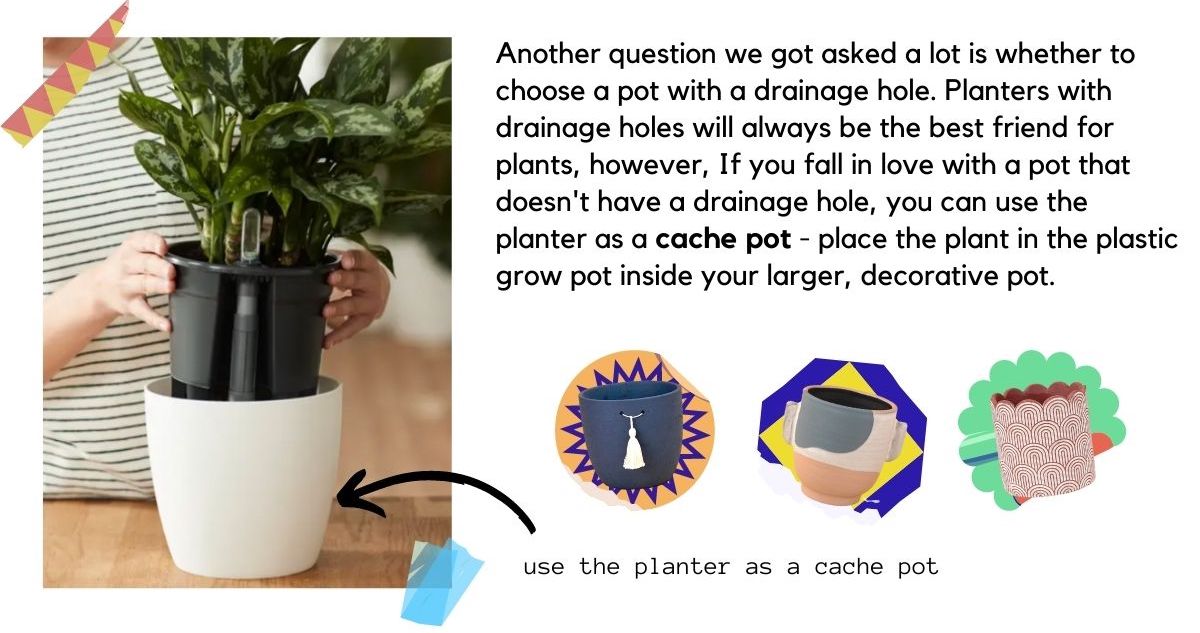
Selecting the appropriate pot is crucial for a plant’s health and growth. A well-chosen pot provides the ideal environment for the roots to develop and the plant to thrive. Factors like pot size, material, and shape directly impact the plant’s well-being. A poorly chosen pot can lead to root bound conditions or inadequate drainage, both of which can hinder growth.Choosing a pot involves careful consideration of various factors.
The pot’s size, material, and shape all play a significant role in supporting the plant’s growth and overall health. Different plant types have varying needs, and a pot that is too large or too small can negatively impact the plant’s development.
Pot Size and Plant Growth
Pot size directly influences a plant’s growth. A pot that is too small restricts root development, leading to stunted growth and potential stress. Conversely, a pot that is excessively large may cause the plant to focus more on filling the extra space than on producing leaves or flowers. This can lead to a weaker overall plant. A pot should ideally accommodate the plant’s root system without being excessively large.
Pot Materials: Clay, Plastic, and Ceramic
Different pot materials offer varying advantages and disadvantages. Clay pots are known for their excellent drainage properties, allowing excess water to quickly escape. This helps prevent root rot, a common problem for plants in waterlogged soil. Plastic pots, on the other hand, are lightweight and durable, making them easier to handle and transport. Ceramic pots, often aesthetically pleasing, also offer good drainage but may retain some heat, potentially impacting the root environment.
Pot Type Comparison
The table below provides a concise comparison of the common pot materials:
| Pot Type | Pros | Cons |
|---|---|---|
| Clay | Excellent drainage, breathable, promotes healthy root development | Can be heavy, prone to cracking, may dry out quickly |
| Plastic | Lightweight, durable, resistant to cracking, affordable | Can retain moisture, potentially less breathable than clay, may not be as aesthetically pleasing |
| Ceramic | Durable, attractive, good drainage | Can retain some heat, may be heavier than plastic, may not be as breathable as clay |
Drainage Holes: Essential for Healthy Roots
Drainage holes are absolutely essential for any pot. They allow excess water to drain away, preventing waterlogging and root rot. Without adequate drainage, the roots are exposed to prolonged periods of moisture, which can lead to fungal infections and ultimately, the death of the plant. The importance of drainage cannot be overstated in successful plant care.
Pot Size and Root Systems
The ideal pot size should accommodate the plant’s root system without being excessively large. Oversized pots can encourage the plant to focus on filling the extra space rather than producing leaves or flowers, resulting in a less robust and healthy plant. A well-fitting pot allows the roots to grow properly and efficiently, supporting the plant’s overall growth and vigor.
Consider the mature size of the plant when choosing the pot. A plant with a well-established root system will need a larger pot than a young plant.
Pot Shape and Plant Type
Pot shape can also impact a plant’s growth. Plants with sprawling roots, such as some succulents or flowering plants, might thrive in wider pots. Plants with a more compact root system, such as ferns or herbs, might do well in taller pots. Consider the plant’s natural growth habit when selecting a pot. For example, a trailing plant would benefit from a wider, shallower pot to accommodate its growth habit.
Preparing the Soil
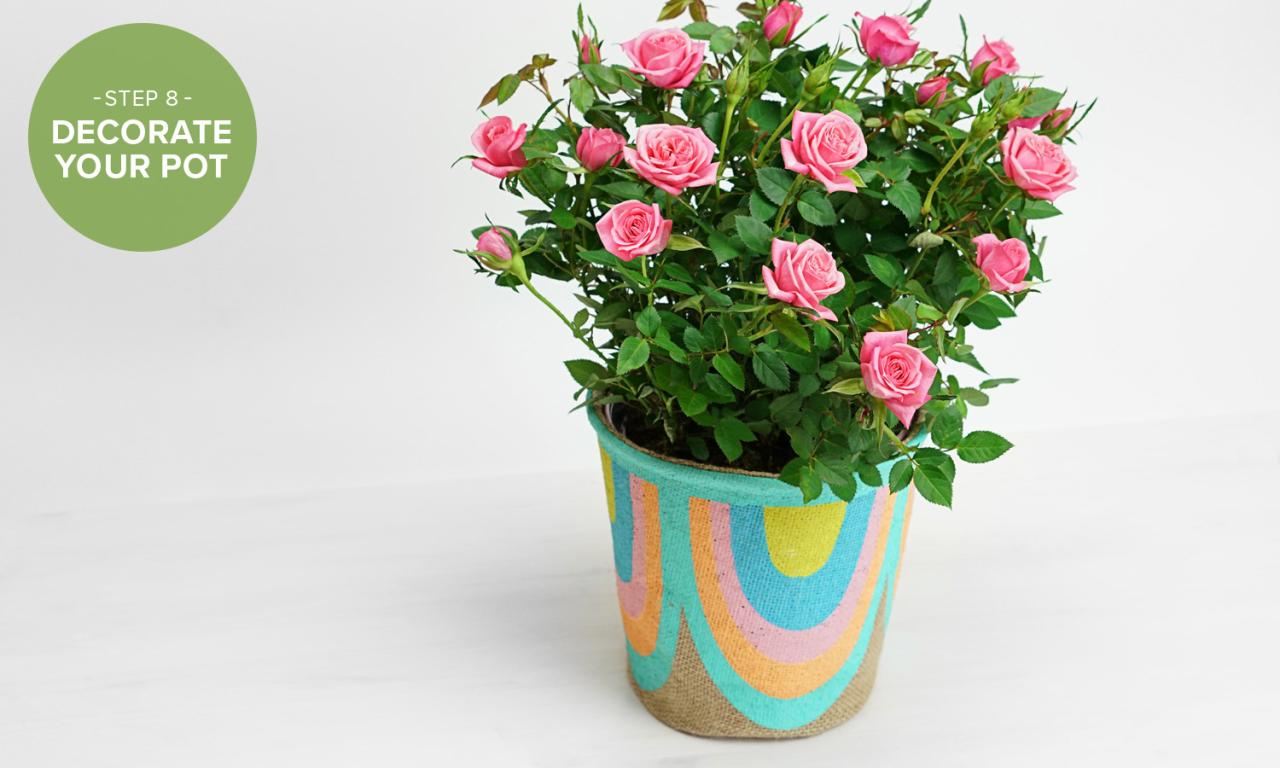
Choosing the right potting mix is crucial for a plant’s health and thriving growth. The soil’s composition significantly impacts drainage, aeration, and nutrient availability, all essential for optimal root development and overall plant vigor. Proper soil preparation ensures the plant has the ideal environment to absorb necessary nutrients and maintain moisture levels.
Importance of Appropriate Potting Mix
The potting mix used directly influences the plant’s well-being. A suitable mix provides the right balance of drainage, aeration, and nutrient retention. Using a mix that is too dense or retains too much water can lead to root rot, while a mix that drains too quickly may not retain enough moisture, causing dehydration stress. Matching the potting mix to the specific needs of the plant ensures its optimal growth and health.
Properties of Good Potting Soil
Good potting soil possesses several key properties that contribute to a healthy root environment. It should be well-draining to prevent waterlogging, yet retain enough moisture to provide consistent hydration. It should also be airy and porous to allow for adequate oxygen exchange around the roots. Furthermore, a good potting mix should provide the essential nutrients required for the plant’s growth and development.
Ideally, the soil should also be free of pests and diseases.
Amending Existing Soil
If your existing soil lacks the desired properties, you can amend it to improve its composition. This involves adding materials to modify the soil’s texture, drainage, and nutrient content. For instance, adding perlite or vermiculite can enhance drainage and aeration. Compost or other organic matter can enrich the soil with nutrients. Careful consideration should be given to the specific needs of the plant being repotted when amending the existing soil.
Testing Soil for Acidity and Nutrients
Testing the soil’s acidity (pH) and nutrient levels is beneficial for ensuring the plant receives the optimal growing conditions. pH levels affect nutrient availability, and certain plants thrive in specific pH ranges. Nutrient testing can reveal deficiencies and guide the addition of appropriate amendments to the potting mix. Professional soil testing kits are available for accurate results.
Different Types of Potting Mixes and Suitability
- General-purpose potting mix: A versatile mix suitable for a wide range of plants. It often contains peat moss, perlite, and other organic materials. Suitable for most houseplants.
- Cactus and succulent potting mix: Formulated to provide excellent drainage and aeration. It usually contains a high proportion of coarse materials like perlite and sand. Ideal for plants that require well-draining soil.
- Orchid potting mix: A specialized mix designed for orchids’ specific needs. Often contains bark chips, charcoal, and other components that promote good drainage and air circulation. Tailored to orchids’ delicate requirements.
Creating a Custom Potting Mix
Creating a custom potting mix allows for precise tailoring to the specific plant’s needs. This involves carefully selecting components that promote drainage, aeration, and nutrient retention based on the plant type. Consider the plant’s water requirements and nutritional needs when choosing the mix components.
Benefits of Adding Perlite or Vermiculite
Adding perlite or vermiculite to the potting mix enhances its aeration and drainage capabilities. These materials create air pockets within the soil, promoting root respiration. They also improve water retention, preventing the soil from becoming waterlogged and promoting healthy root growth. Their porous nature helps to prevent compaction, ensuring good aeration and nutrient absorption.
Preparing the Plant
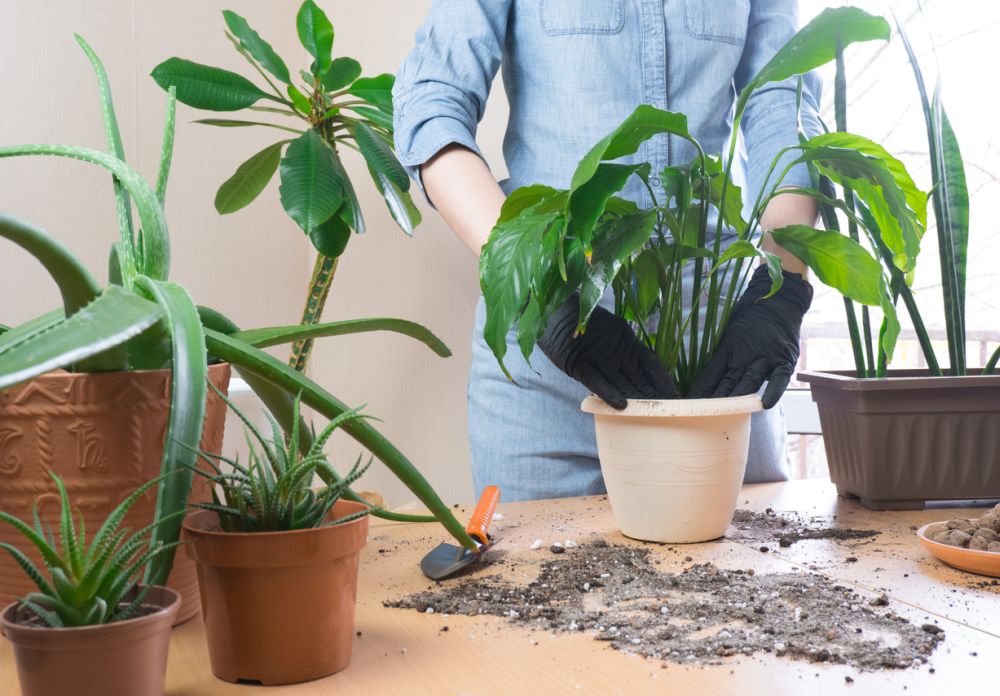
Proper preparation of the plant is crucial for a successful repotting process. Careful handling and assessment of the root system minimize stress on the plant and ensure a smooth transition to its new home. This involves gently removing the plant, assessing the roots, and preparing them for the new pot and soil.
Removing the Plant from the Current Pot
Gently loosen the soil around the base of the plant. Avoid pulling directly on the plant itself. This step helps prevent root damage and plant shock. Using your hands or a small trowel, gently work around the pot’s edge, separating the soil from the pot. If the plant is firmly rooted, you may need to soak the pot in water for a few hours prior to repotting.
This allows the soil to loosen and makes the removal process easier.
Loosening the Root Ball
Root balls that are too tightly packed can restrict the plant’s growth. To loosen the root ball, use your hands or a small, blunt-ended tool to carefully separate the soil clumps from the roots. Avoid tearing or damaging the roots. A gentle, twisting motion can be effective in some cases. If the roots are tightly bound, try rotating the plant in the pot before loosening the soil.
This can create more space and facilitate easier root separation.
Examining the Roots for Pests or Diseases
A thorough examination of the roots is essential before repotting. Inspect the roots for any signs of pests (such as mealybugs or aphids) or diseases (like root rot or fungal infections). Look for discoloration, unusual textures, or the presence of pests. Healthy roots are typically firm and a light to medium brown color. Brown or black roots often indicate a problem.
Cleaning or Trimming Roots
If you discover diseased or damaged roots, use sharp, sterilized pruning shears or a knife to carefully trim the affected areas. Remove any mushy, rotten, or dead roots. This is a critical step to prevent future problems and ensure the plant’s health. When trimming roots, be sure to cut cleanly and avoid tearing the root structure.
Handling Plants Carefully
Handling plants with care is paramount during the repotting process. Avoid pulling or jerking the plant. Use both hands to support the plant and the root ball. Support the stem to avoid bending or breaking it. A gentle approach minimizes stress on the plant.
Avoiding Root Circling
Root circling occurs when the roots grow tightly around the inside of the pot. This can limit the plant’s access to water and nutrients. If you notice root circling, carefully loosen the roots to prevent this from occurring in the new pot. A healthy root system will naturally spread outwards, facilitating better nutrient absorption.
Steps for Preparing the Plant
| Step | Action |
|---|---|
| 1 | Gently loosen the soil around the base of the plant. |
| 2 | Carefully remove the plant from the pot, avoiding pulling or jerking. |
| 3 | Gently loosen the root ball, separating soil clumps from the roots. |
| 4 | Inspect the roots for pests or diseases, noting any discoloration or unusual textures. |
| 5 | Trim any diseased or damaged roots with sharp, sterilized tools. |
| 6 | Handle the plant carefully, supporting the stem and root ball. |
Repotting the Plant
Proper repotting ensures your plant thrives in its new home. A well-executed repotting process minimizes stress on the plant and promotes healthy growth. This section details the crucial steps involved in successfully transferring your plant to its new container.
Placing the Plant in the New Pot
To minimize disturbance to the root ball, carefully ease the plant from its old container. Gently loosen any soil clinging to the sides of the root ball. Place the plant in the center of the new pot. This ensures an even distribution of soil around the roots. If the plant is too tall for the pot, consider using a smaller pot, or adding support to keep it upright.
Filling the Pot with Fresh Soil
Adding fresh potting mix is crucial for providing essential nutrients and aeration. Start by adding a layer of soil at the bottom of the pot, approximately one-third to one-half the height of the pot. This layer provides drainage and helps to support the root ball.
Settling the Soil Around the Roots
Gently press down on the soil around the roots to eliminate air pockets. Be cautious not to compact the soil too much, as this can restrict root growth. Work in small sections, ensuring the soil is evenly distributed around the entire root system. Use your hands or a small trowel to firm the soil around the roots.
Watering After Repotting
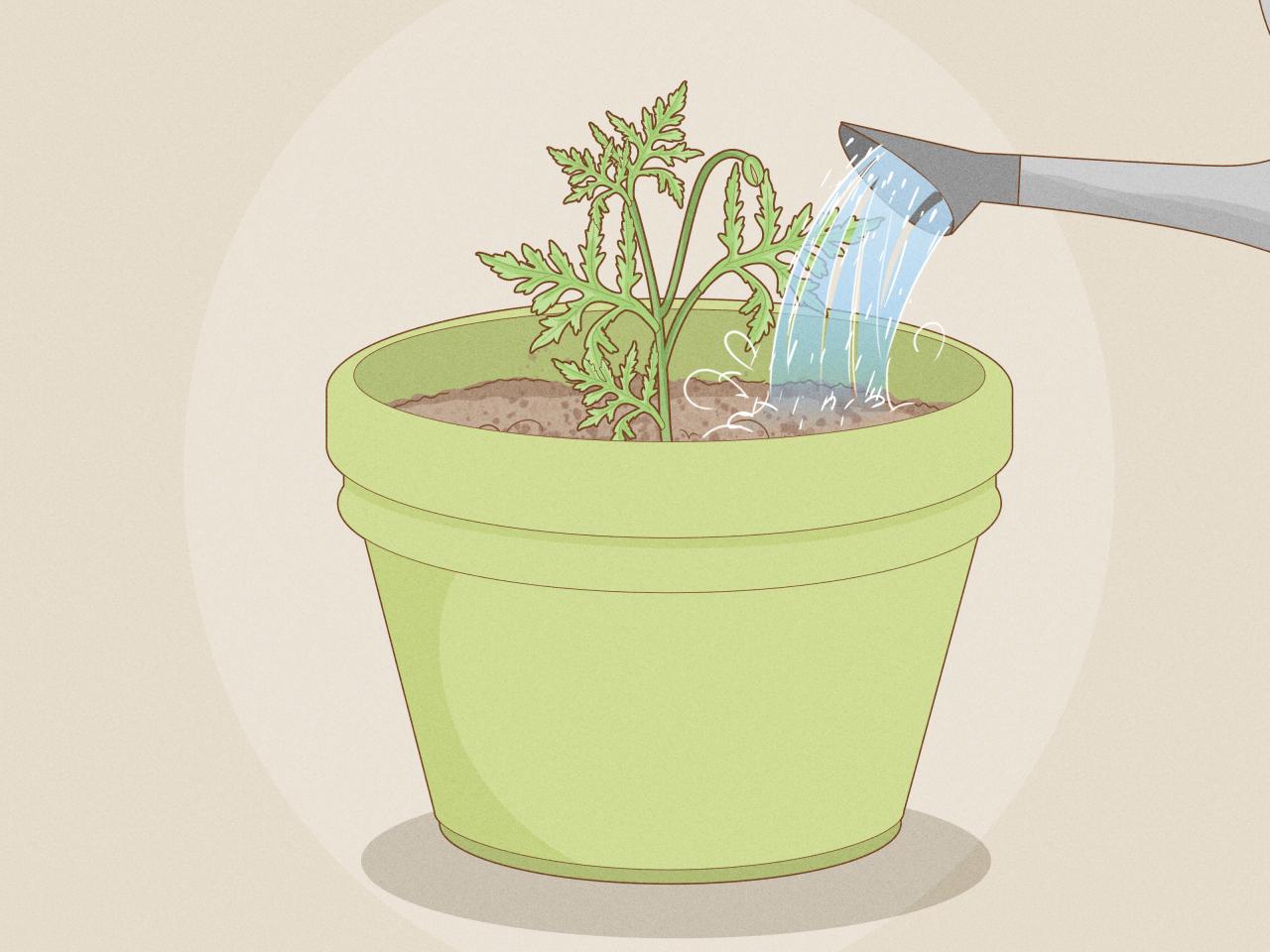
Watering immediately after repotting is vital. It helps settle the soil around the roots and rehydrates the plant. Water thoroughly until water drains from the drainage holes. Overwatering can lead to root rot, while underwatering can cause the plant to wilt.
Avoiding Overwatering and Underwater
Overwatering is a common issue after repotting. Ensure the pot has drainage holes to prevent water from pooling around the roots. Water only when the top inch of soil feels dry to the touch. Underwatering can cause the plant to become stressed. Monitor the plant’s needs and adjust watering frequency accordingly.
Watering Techniques
Different watering techniques can be used after repotting. A gentle watering can be performed by slowly pouring water over the soil surface, ensuring it soaks into the soil. Alternatively, you can use a watering can with a fine spray to water the soil directly around the roots. Avoid overhead watering, as this can lead to leaf damage.
Repotting Process Summary
| Step | Action |
|---|---|
| 1 | Carefully remove the plant from its old container, loosening any clinging soil. |
| 2 | Place the plant in the center of the new pot. |
| 3 | Add a layer of soil to the bottom of the pot. |
| 4 | Gently press down on the soil around the roots, eliminating air pockets. |
| 5 | Water thoroughly until water drains from the drainage holes. |
Post-Repotting Care
After successfully repotting your plant, the journey is not over. Proper post-repotting care is crucial for ensuring the plant thrives in its new home. This involves several key steps that promote healthy root development and overall plant well-being. A thoughtful approach to these elements will significantly contribute to the plant’s long-term health and happiness.
Light Requirements After Repotting
Proper light is essential for photosynthesis and overall plant health. Plants require a specific amount of light to perform their vital functions. Sudden changes in light exposure after repotting can lead to stress. Therefore, it’s vital to maintain the plant’s accustomed light conditions, at least for a week after repotting. If you’ve moved the plant to a significantly different location, gradually acclimate it to the new light levels over several days to avoid shock.
Monitoring for Signs of Stress
Regular observation is key to recognizing stress signals early. Pay close attention to changes in leaf color, texture, and overall plant vigor. Wilting, yellowing, or browning leaves are common signs of stress. Drooping or curled leaves can also indicate that the plant needs attention. By promptly identifying these symptoms, you can take corrective measures before the problem escalates.
Adjusting Watering Schedules
Watering frequency needs adjustment after repotting. The soil in a new pot may retain moisture differently than the previous container. Initially, water the plant less frequently than you did before repotting. Observe the soil moisture regularly. Water thoroughly only when the top inch or two of soil feels dry to the touch.
Overwatering can lead to root rot, a common and devastating problem for plants.
Providing Appropriate Humidity
Maintaining appropriate humidity levels is critical, especially for plants that are accustomed to higher humidity. If the environment’s humidity has changed, consider adjusting accordingly. You might use a humidifier, place the plant on a tray filled with pebbles and water, or group plants together to increase the local humidity. This will help prevent dehydration and maintain optimal plant health.
Observing for Pests or Diseases
Regularly inspect your plant for any signs of pests or diseases. New environments can sometimes introduce pests. Common signs of pest infestations include tiny insects, sticky residue, or webbing on leaves. Disease symptoms may manifest as spots, discoloration, or wilting. If any issues are found, promptly address them using appropriate pest control or disease management techniques.
Common Post-Repotting Problems and Solutions
- Wilting leaves: Check watering schedule. Ensure the soil is not waterlogged. If the plant is in a new location, gradual acclimation to the light is necessary.
- Yellowing leaves: Assess the watering frequency. Ensure proper drainage and avoid overwatering. Insufficient light can also cause yellowing. Check for pests or nutrient deficiencies.
- Drooping leaves: Examine the soil moisture. Adjust the watering schedule as needed. Ensure the plant is receiving adequate light.
- Root rot: Reduce watering frequency. Ensure proper drainage in the pot. Remove affected roots and replant in fresh soil.
- Pest infestation: Inspect the plant regularly for pests. Use appropriate pest control methods, such as insecticidal soap or neem oil.
Post-Repotting Care Summary
| Issue | Cause | Solution |
|---|---|---|
| Wilting leaves | Overwatering, insufficient light, or shock | Reduce watering, adjust light levels, and monitor for signs of stress |
| Yellowing leaves | Overwatering, underwatering, pests, or nutrient deficiencies | Adjust watering schedule, check for pests, and ensure proper drainage |
| Drooping leaves | Insufficient water, underwatering, or pest infestations | Ensure proper watering, monitor for pests, and adjust light |
| Root rot | Overwatering, poor drainage | Reduce watering, improve drainage, and remove affected roots |
| Pest infestation | Environmental changes or poor sanitation | Inspect regularly, use appropriate pest control methods |
Last Point
In conclusion, repotting a plant involves careful consideration of various factors, from pot selection and soil preparation to plant preparation and post-repotting care. By following the steps Artikeld in this guide, you can ensure a smooth transition for your plant into its new container and environment, fostering its continued health and vibrancy. Remember to prioritize gentle handling, appropriate soil, and a nurturing environment for the best possible outcome.