Composting is a simple yet powerful technique for enriching your garden soil and promoting healthy plant growth. This guide provides a comprehensive overview of composting, from the fundamental principles to advanced techniques. Discover the various methods, suitable materials, and crucial steps for creating and utilizing compost in your garden.
This guide will cover everything from building your own compost bin to applying compost effectively, ensuring you get the most out of your composting efforts. Learn how to maintain your compost pile, troubleshoot common issues, and explore advanced techniques like bokashi composting for optimal results.
Introduction to Composting
Composting is a natural process that transforms organic waste materials into a valuable soil amendment called compost. This process mimics nature’s decomposition cycle, breaking down organic matter into simpler forms that enrich garden soil. Compost improves soil structure, water retention, aeration, and nutrient availability, leading to healthier plants and a more productive garden.Composting offers significant advantages over traditional fertilizers.
It is a sustainable and cost-effective way to manage organic waste, reducing landfill burden and promoting a closed-loop system within your garden. Furthermore, compost is rich in beneficial microorganisms, which enhance soil fertility and promote plant growth.
Composting Methods
Different composting methods cater to various needs and preferences. Understanding the nuances of each approach helps in choosing the most suitable method for your garden.
- Hot Composting: This method involves creating a composting pile with high temperatures. The high heat accelerates decomposition, resulting in compost ready for use in a shorter timeframe. Hot composting is generally preferred for its speed and efficiency, but it requires careful management of moisture and air circulation within the pile.
- Cold Composting: Cold composting utilizes a slower decomposition process compared to hot composting. It’s a simpler method, requiring less active management, and is suitable for smaller gardens or those with limited time. The decomposition time is typically longer, ranging from several months to a year, depending on the environmental conditions.
- Vermicomposting: This method leverages the natural decomposition abilities of worms to create compost. Vermicomposting is ideal for small spaces, such as apartments or patios, and produces a nutrient-rich, dark-colored compost. It’s a relatively low-maintenance method that produces excellent compost, while maintaining the aesthetics of the surrounding environment.
Suitable Composting Materials
A successful composting process depends on the proper selection of materials. Choosing the right materials ensures a healthy and efficient decomposition cycle.
- Food scraps: Vegetable and fruit peels, coffee grounds, tea bags, and egg shells are excellent composting materials. These materials provide essential nutrients for the compost.
- Yard waste: Grass clippings, leaves, and twigs are natural sources of carbon for composting. These materials improve the structure and aeration of the compost pile.
- Paper products: Cardboard, newspaper, and paper towels are also suitable composting materials, providing essential carbon to the mix.
Materials to Avoid
Certain materials are detrimental to the composting process, potentially leading to unpleasant odors or hindering the decomposition cycle. Avoiding these materials ensures a smooth composting experience.
- Meat and dairy products: These materials attract pests and can produce unpleasant odors. Avoid including them in your compost pile.
- Diseased plants: Composting diseased plants can spread diseases to other plants. It is crucial to avoid including such materials in your compost.
- Pet waste: Pet waste should be avoided in the composting process, due to potential health risks. It’s best to dispose of pet waste separately.
Comparison of Composting Methods
The table below summarizes the pros and cons of different composting methods.
| Composting Method | Pros | Cons |
|---|---|---|
| Hot Composting | Faster decomposition, higher temperatures kill pathogens, produces compost quickly. | Requires more effort and space, can be harder to manage moisture and air circulation. |
| Cold Composting | Simpler and less intensive, requires less effort. | Slower decomposition process, takes longer to produce compost. |
| Vermicomposting | Ideal for small spaces, produces high-quality compost, relatively low-maintenance. | Slower decomposition than hot composting, requires dedicated worm bin and careful monitoring. |
Preparing Your Compost Bin
Building a compost bin is a rewarding step towards sustainable gardening. A well-constructed bin facilitates efficient decomposition and produces nutrient-rich compost for your garden beds. This section details the process of constructing a simple compost bin, emphasizing optimal size, location, and layering techniques.A thoughtfully designed compost bin ensures a healthy and productive composting process. By understanding the crucial aspects of bin construction, you can maximize the benefits of this essential gardening practice.
Proper layering, along with appropriate location and size, contributes significantly to the overall effectiveness of the composting process.
Optimal Size and Location
Choosing the right size and location for your compost bin is crucial for its effectiveness. A bin that’s too small will fill quickly and require frequent emptying, while a very large bin might be difficult to manage. A moderate size, allowing for ample decomposition, is ideal. Consider the amount of organic waste you typically generate. A bin roughly 3 feet wide by 3 feet long and 3 feet high is a good starting point for home gardens.
Larger bins may be suitable for larger gardens or communal composting projects.Location is also vital. Select an area that is easily accessible for material input and removal, preferably near your garden. Ensure the area has adequate drainage to prevent waterlogging, which can hinder decomposition. A location sheltered from strong winds is recommended to protect the bin and its contents.
Ideally, the location should receive at least some sunlight for optimal decomposition.
Layering Materials
Effective layering is fundamental to successful composting. This involves alternating different types of organic materials to create a balanced mix for optimal decomposition. The layering process provides the necessary aeration and moisture content for the composting process.
- Green Materials (High in Nitrogen): These materials provide the necessary nitrogen for decomposition. Examples include grass clippings, fruit and vegetable scraps, coffee grounds, and tea bags. These materials contribute to the initial decomposition process.
- Brown Materials (High in Carbon): These materials provide the structure and carbon needed for the composting process. Examples include dried leaves, twigs, shredded paper, and cardboard. These materials are essential for maintaining a proper balance in the compost bin.
Tools and Materials
The following list Artikels the necessary tools and materials for constructing a simple compost bin.
- Wood (Planks/Boards): Choose untreated lumber for the bin’s structure. Ensure the wood is in good condition, free from rot and pests. Consider using pressure-treated lumber for enhanced durability.
- Wood Screws/Nails: Essential for securing the wood planks together. Choose the appropriate size for the wood used.
- Measuring Tape/Ruler: Essential for accurate measurements and ensuring proper dimensions of the compost bin.
- Safety Glasses/Gloves: Protect yourself from splinters and other potential hazards during construction.
- Staples/Screws: For securing the components of the bin together. Ensure the materials are suitable for the wood.
Composting Materials
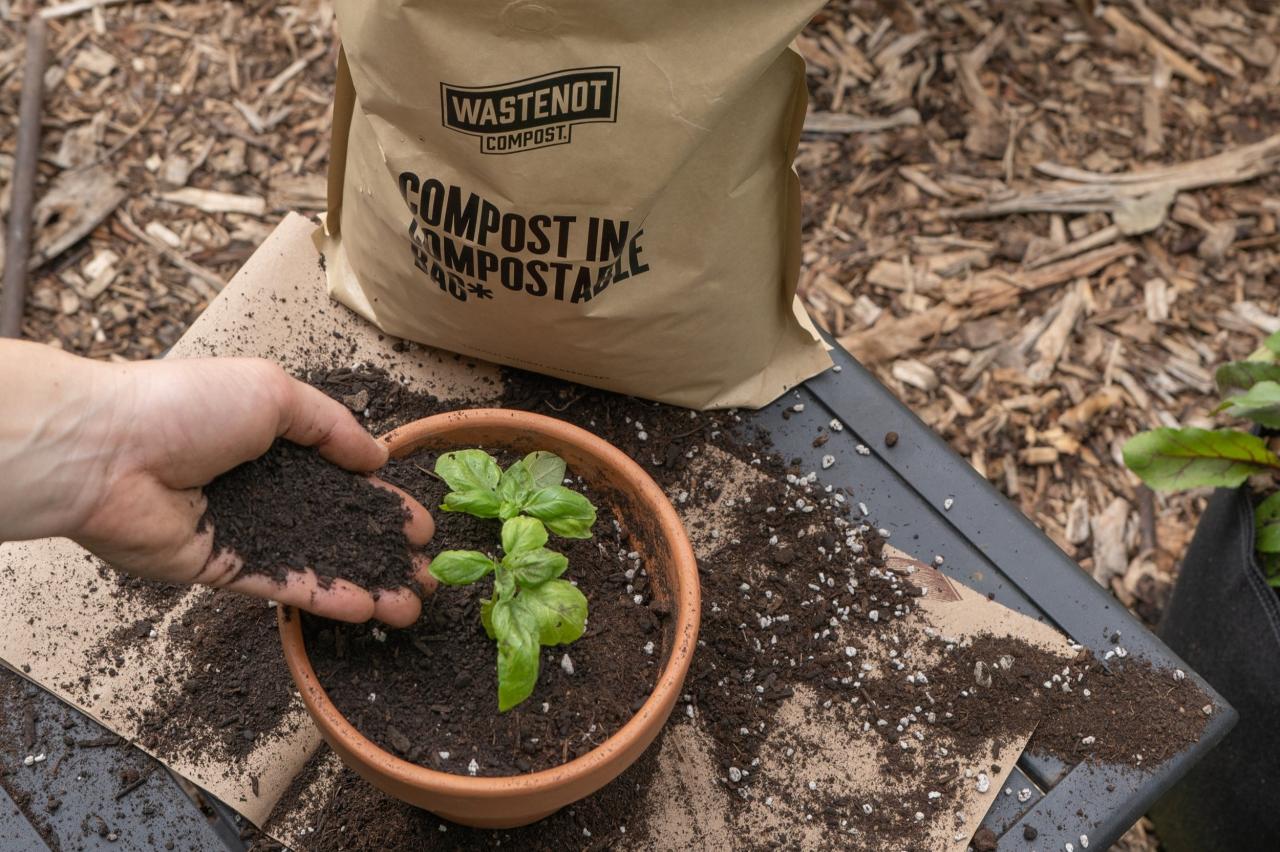
Composting is a valuable process for transforming organic waste into nutrient-rich soil amendment. Understanding the types of materials suitable for composting and their proper ratios is crucial for successful decomposition. This section details the various organic materials that can be added to your compost bin, along with the critical ratios for optimal decomposition and the materials that should be avoided.
Types of Compostable Materials
A successful compost pile requires a balance of “green” and “brown” materials. Green materials are rich in nitrogen, while brown materials are rich in carbon. This balanced ratio promotes efficient decomposition and creates a healthy compost.
- Green Materials: These materials are rich in nitrogen and contribute to the rapid decomposition process. Examples include grass clippings, vegetable scraps, fruit peels, coffee grounds, tea bags, and weeds (without seeds).
- Brown Materials: These materials are rich in carbon and provide structure and aeration to the compost pile. Common examples are dried leaves, straw, shredded paper (excluding glossy or coated paper), wood chips, and twigs.
Optimal Material Ratios
Maintaining a proper ratio of green to brown materials is essential for effective composting. A general guideline is a 1:1 or 2:1 ratio of green to brown materials. This balance allows for a rapid and complete decomposition process. Adjusting the ratio as needed can further optimize the composting process, but the 1:1 or 2:1 ratio serves as a starting point.
Materials to Avoid
Certain materials should be avoided in compost piles due to their potential to impede the decomposition process or create unpleasant odors.
- Meat and Dairy Products: Meat, dairy, and oily foods attract pests and can cause unpleasant odors. These items should be avoided as they can also slow down the decomposition process.
- Oily Foods: Oily foods can create an overly wet environment that is not conducive to proper decomposition. This also hinders the composting process and can attract pests.
- Diseased Plants: Diseased plant material may introduce harmful pathogens into the compost pile. Avoid adding diseased plants, as this can create issues in the finished compost.
- Glossy or Coated Paper: Glossy or coated paper contains substances that may inhibit the decomposition process and can introduce harmful chemicals into the finished compost. Avoid adding these materials to your compost pile.
- Pet Waste: Pet waste can introduce pathogens and parasites into the compost, which is why this material should be avoided.
Compostable Material Classification
The following table categorizes compostable materials into “green” and “brown” categories. This classification helps in maintaining the appropriate balance in your compost pile.
| Category | Material Examples |
|---|---|
| Green | Grass clippings, vegetable scraps, fruit peels, coffee grounds, tea bags, weeds (without seeds) |
| Brown | Dried leaves, straw, shredded paper (excluding glossy or coated paper), wood chips, twigs |
Maintaining Your Compost Pile
Maintaining a healthy compost pile requires consistent attention to ensure efficient decomposition and high-quality finished compost. Proper management of moisture, aeration, and turning frequency are crucial for optimal results. This section will guide you through the process of maintaining your compost bin.
Turning and Mixing the Compost Pile
Regular turning and mixing of the compost pile is essential for proper aeration and even decomposition. This process introduces oxygen to the decomposing materials, encouraging the growth of beneficial microorganisms that break down organic matter. By turning the pile, you also ensure that all materials are exposed to the beneficial microorganisms and moisture, which facilitates a more uniform and accelerated decomposition process.
It is important to avoid over-compacting the compost.Turning is typically performed with a pitchfork or a specialized compost turner. Carefully loosen and mix the materials in the pile, ensuring that the layers are well combined. This method helps prevent anaerobic conditions, which can lead to unpleasant odors and slow decomposition. In a large compost bin, using a shovel can be effective for turning.
Frequency of Turning
The frequency of turning depends on several factors, including the size of the pile, the type of materials used, and the ambient environmental conditions. A general guideline is to turn the pile every 1-2 weeks, or more frequently if the materials are moist and warm. This frequency allows for adequate aeration and mixing, preventing the build-up of excess moisture or heat, which can inhibit decomposition.
Monitoring Moisture Level
Maintaining the correct moisture level in the compost pile is critical for optimal decomposition. The ideal moisture content is similar to that of a damp sponge; it should not be dripping wet, nor should it be dry and crumbly. If the pile is too dry, it will take longer to decompose, and if it is too wet, it can lead to anaerobic conditions.A simple test to determine the moisture content is to take a handful of compost and squeeze it.
If water squeezes out, the pile is too wet. If the material is dry and crumbly, the pile is too dry. Adjust the addition of water or other moisture sources accordingly to achieve the desired consistency.
Signs of Well-Decomposed Compost
Well-decomposed compost is characterized by a dark brown or black color, a crumbly texture, and a pleasant earthy odor. It should resemble rich soil and should not contain any recognizable pieces of the original materials.The compost should not be emitting any foul odors, which can be an indicator of anaerobic decomposition. This finished product is ready to be used as a valuable soil amendment for your garden, enhancing soil structure, water retention, and nutrient availability.
Applying Compost to the Garden
Compost is a valuable addition to any garden, significantly improving soil health and plant growth. Proper application techniques ensure maximum benefits and contribute to a thriving garden ecosystem. This section details how to effectively apply compost to various garden areas, optimizing its impact on plant health.
Applying Compost to Beds
Compost application to garden beds is a straightforward process that can dramatically enhance soil structure and fertility. Spread a layer of compost, approximately 2-3 inches thick, over the surface of the bed. This layer serves as a nutrient-rich amendment, improving drainage and aeration while increasing the soil’s water-holding capacity.
Applying Compost to Containers
When using compost in containers, the application method differs slightly from beds. Begin by thoroughly mixing compost into the potting mix, ensuring an even distribution of nutrients. The amount of compost to add depends on the container size and the specific needs of the plants being grown. A well-balanced mix of compost and potting soil provides optimal growing conditions for plants in containers.
Optimal Timing for Application
Applying compost in the early spring or fall offers the best results. These seasons allow sufficient time for the compost to decompose and blend with the soil before the active growing season. Fall application also allows the nutrients to become integrated into the soil, benefiting plants throughout the winter.
Incorporating Compost into the Soil
There are several methods for incorporating compost into the soil. One method is to gently till the compost into the top layer of the soil using a garden fork or tiller. This approach thoroughly mixes the compost with the existing soil, distributing nutrients evenly. Another option is to create a layer of compost on top of the soil and allow it to break down naturally through soil organisms.
This method is beneficial for minimizing disturbance to existing root systems. Regardless of the chosen method, ensuring the compost is well-integrated into the soil is crucial for maximum effectiveness.
Plants Benefiting from Compost
| Plant Type | Specific Examples |
|---|---|
| Vegetables | Tomatoes, peppers, cucumbers, leafy greens |
| Flowers | Roses, petunias, zinnias, marigolds |
| Fruits | Strawberries, blueberries, raspberries |
| Herbs | Basil, rosemary, mint, oregano |
This table provides a sample of plants that generally benefit from compost application. The specific needs of individual plants may vary, and further research into particular species is encouraged.
Troubleshooting Common Compost Issues
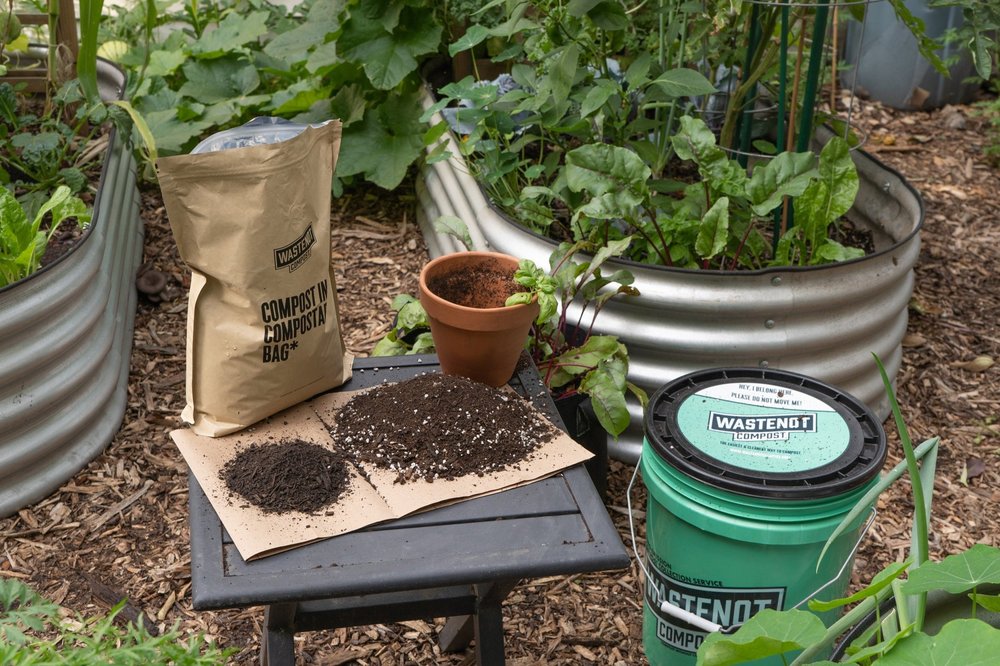
Composting, while generally straightforward, can sometimes encounter unexpected challenges. Understanding these issues and their solutions is crucial for maintaining a healthy and productive compost pile. This section details common problems and their effective resolutions, ensuring a successful composting experience.Effective composting relies on maintaining the right balance of materials and conditions. Troubleshooting promptly allows for quicker recovery and prevents the accumulation of problems, ensuring optimal decomposition and rich compost creation.
Identifying Bad Odors
Unpleasant odors emanating from the compost bin often indicate a problem with the decomposition process. Understanding the root causes and implementing appropriate solutions is key to resolving this issue.
- Excessive Nitrogen-Rich Materials: An overabundance of green materials like grass clippings or food scraps can lead to anaerobic conditions, generating unpleasant smells. Adding more brown materials (such as dried leaves, twigs, or shredded paper) can help restore the balance and encourage aerobic decomposition. Adjust the ratio of green to brown materials to achieve a more balanced carbon-to-nitrogen (C:N) ratio.
A good ratio is around 30:1, but this can vary depending on the specific materials used.
- Insufficient Moisture: A compost pile that is too dry can also lead to unpleasant odors. Regularly checking moisture levels and adding water as needed is essential. The pile should be consistently moist, akin to a wrung-out sponge. If the pile is too dry, it will not decompose effectively, potentially leading to odor problems. If the pile is too wet, the excess moisture will create anaerobic conditions.
- Improper Material Composition: Certain materials, such as meat scraps, dairy products, or oily foods, produce strong odors during decomposition. Avoid including these items in the compost pile as they can negatively impact the process. A balanced mix of carbon-rich and nitrogen-rich materials is vital for optimal decomposition and odor control.
Slow Decomposition
Slow decomposition can be attributed to several factors, each requiring a specific solution. Troubleshooting this issue is critical to ensuring the timely creation of nutrient-rich compost.
- Inadequate Moisture Levels: A dry compost pile won’t decompose efficiently. The compost pile should maintain a consistently moist, damp texture, similar to a wrung-out sponge. Add water to achieve this consistency.
- Unbalanced Carbon-to-Nitrogen Ratio: An imbalance between carbon-rich (brown) and nitrogen-rich (green) materials significantly affects decomposition rates. Ensure an appropriate ratio (approximately 30:1 carbon to nitrogen) to encourage efficient decomposition. Too much nitrogen-rich material can lead to slower decomposition and unpleasant odors.
- Insufficient Aeration: A lack of air circulation within the compost pile hinders decomposition. Regular turning or mixing of the pile provides the necessary aeration. Turn the pile every few weeks to introduce oxygen and accelerate decomposition.
- Presence of Inhibiting Materials: Certain materials, such as diseased plant matter or treated wood, can impede decomposition. Exclude these materials to ensure the process proceeds smoothly.
Table of Common Compost Issues and Solutions
| Composting Problem | Possible Cause | Solution |
|---|---|---|
| Bad Odor | Excessive nitrogen, insufficient moisture, inappropriate materials | Adjust carbon-to-nitrogen ratio, add moisture, exclude problematic materials |
| Slow Decomposition | Inadequate moisture, imbalanced carbon-to-nitrogen ratio, insufficient aeration, inhibiting materials | Maintain adequate moisture, adjust carbon-to-nitrogen ratio, turn the pile, remove inhibiting materials |
Advanced Composting Techniques
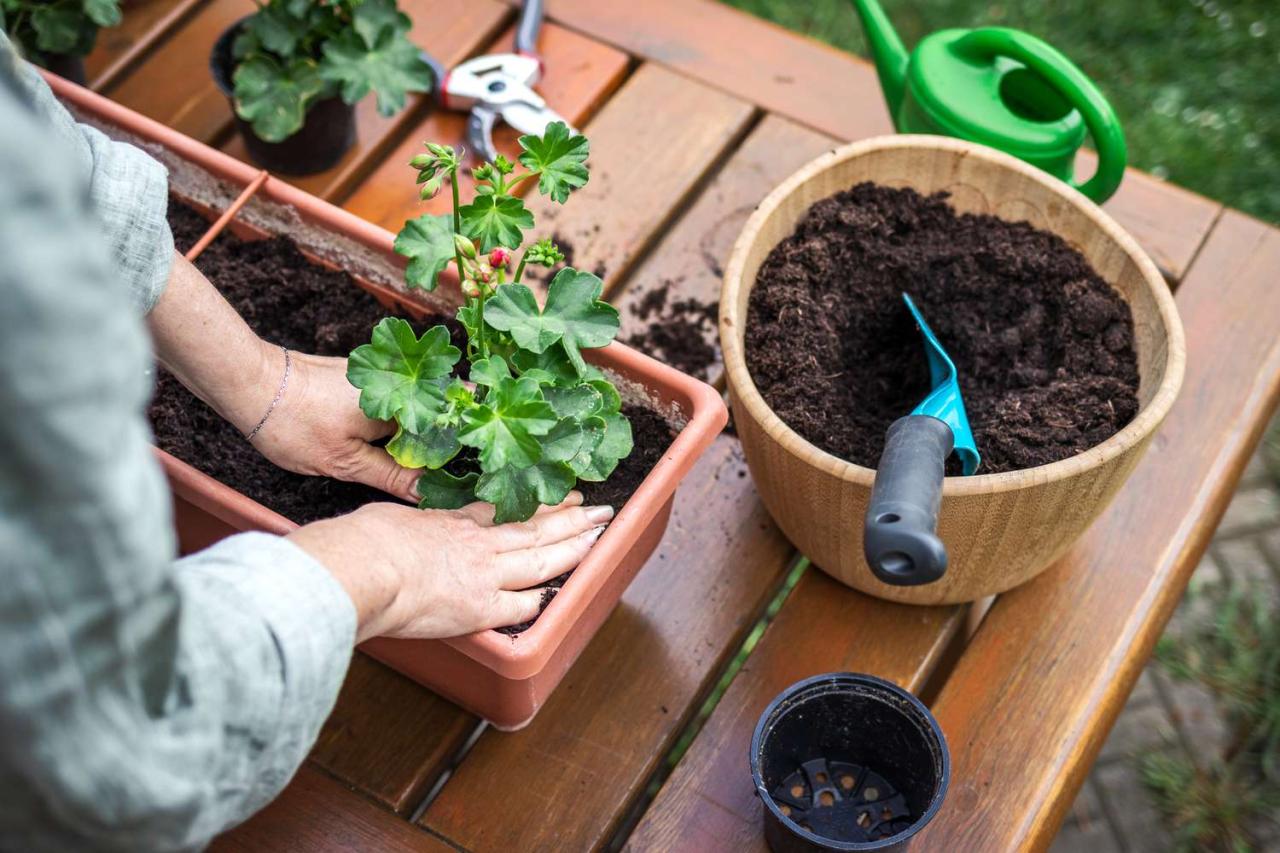
Advanced composting techniques offer a deeper understanding and control over the composting process, leading to quicker decomposition and enhanced nutrient availability in your finished compost. These methods often focus on accelerating the composting process or managing specific composting materials, allowing for more precise control over the end product. Understanding these techniques can greatly benefit your garden, ensuring optimal soil health and plant growth.Various advanced methods offer unique approaches to composting.
They differ in their approach to managing the composting environment, the types of materials they accept, and the overall speed of decomposition. By selecting the right technique, you can achieve specific composting goals and maximize the benefits for your garden.
Bokashi Composting
Bokashi composting is a popular method for managing food scraps and other organic materials that may not be suitable for traditional composting. It utilizes a special, inoculated bran or other organic material to effectively break down even acidic or high-moisture materials.
- Bokashi Bin Construction: A bokashi bin typically consists of a sealed container, often made of plastic or wood. The bin includes a layer of bokashi bran, which acts as a fermentation agent. The bin needs adequate ventilation to allow for the release of gases during the decomposition process. A simple wooden box with a lid, and a hole for air circulation, can be used.
Proper sealing is crucial to prevent odors and attract pests.
- Material Selection: Bokashi composting excels at managing food scraps, fruit and vegetable peels, coffee grounds, and tea bags. It’s less suitable for woody materials like branches or leaves. Avoid meat, dairy, and oily foods, as these can attract pests and cause issues.
- The Process: The bokashi method relies on anaerobic fermentation. Materials are layered in the bin, sprinkled with bokashi bran, and allowed to ferment for a specific period. The fermentation process creates beneficial microorganisms that break down the organic matter. After a few weeks, the fermented material is ready for use in the garden.
- Post-Composting: The fermented bokashi material is not typically used directly in the garden. Instead, it’s mixed with other compost materials or used as a liquid fertilizer. The fermented product is usually mixed with other compost materials before use.
Comparison of Advanced Methods
| Method | Materials | Speed | Odors | Final Product |
|---|---|---|---|---|
| Bokashi | Food scraps, fruit/vegetable peels, coffee grounds | Moderate | Can be strong, but manageable with proper bin | Fermented material needing further composting |
| Vermicomposting | Food scraps, fruit/vegetable peels, coffee grounds | Slow | Minimal | Nutrient-rich castings |
This table illustrates a comparison of two common advanced composting techniques. The choice of method often depends on the types of materials available and the desired speed and final product.
Visual Aids for Composting
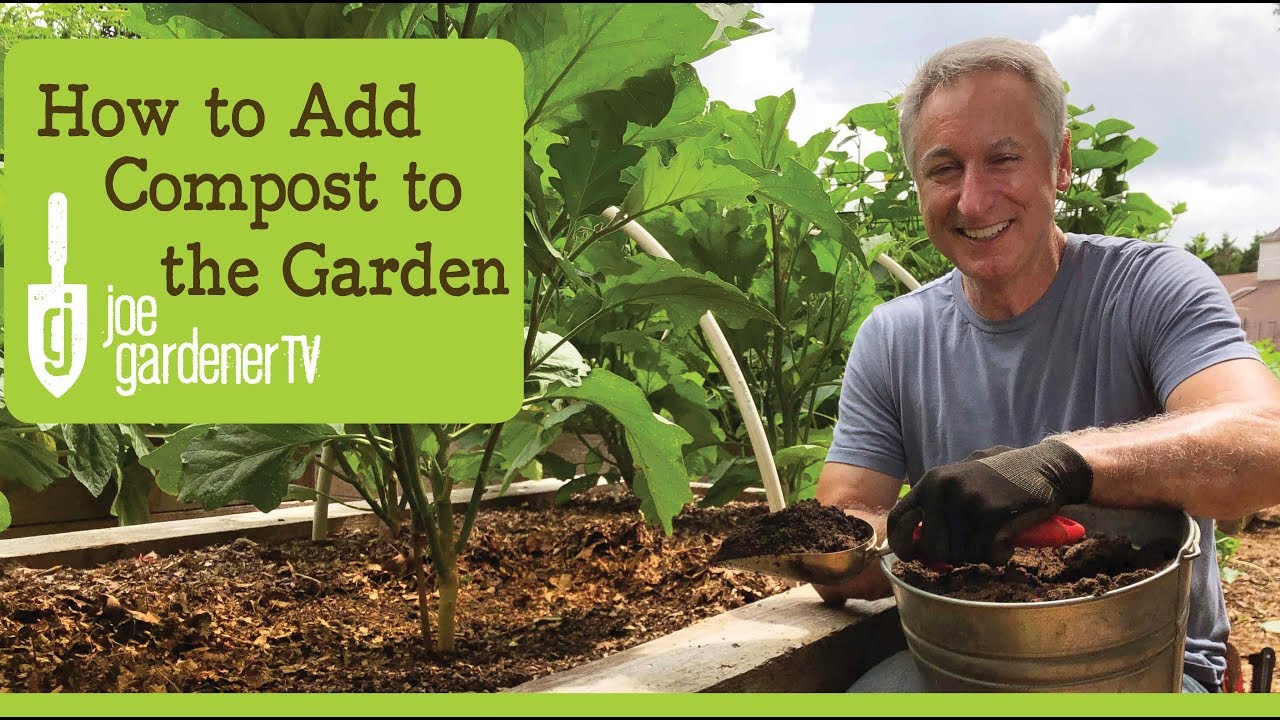
Visual aids are crucial for effectively understanding and implementing composting practices. Clear diagrams and infographics can simplify complex processes, making composting more accessible and enjoyable for beginners and experienced gardeners alike. These visual representations provide a quick and easy way to grasp the key steps and principles involved in successful composting.Visual aids serve as powerful tools for comprehension and retention.
By presenting information in a visually engaging manner, they can facilitate the understanding of composting techniques, materials, and maintenance practices. They enable users to quickly visualize the process, reducing the cognitive load and promoting a deeper understanding of the subject matter.
Building a Compost Bin Infographic
A well-designed infographic detailing the steps involved in constructing a compost bin can be incredibly helpful. This visual guide should clearly Artikel the required materials (e.g., wood, wire mesh, plastic sheeting) and illustrate the assembly process step-by-step. Each step should be accompanied by a concise description and a corresponding image or diagram. This ensures that the user understands the procedure without having to rely solely on written instructions.
Layering Process in a Compost Bin Diagram
A diagram showcasing the layering process in a compost bin is essential for demonstrating the proper layering techniques. The diagram should depict different layers of composting materials (e.g., brown materials like dried leaves, and green materials like food scraps). It should emphasize the importance of maintaining a balanced ratio of brown and green materials for optimal decomposition. The diagram can visually illustrate how these layers create a conducive environment for beneficial microorganisms, which are crucial for composting.
Composting Materials and Ratios Visual Representation
A visual representation of different composting materials and their optimal ratios is beneficial. This can be accomplished using a table or a chart. The table should list various composting materials (e.g., grass clippings, fruit and vegetable scraps, paper, cardboard) and indicate the appropriate ratio for each. A visual representation of the proportions (e.g., a pie chart) would reinforce the importance of maintaining a balanced mix of brown and green materials.
This will make it easier to determine how to balance materials.
Maintaining a Compost Pile Flowchart
A flowchart outlining the steps for maintaining a compost pile can be a valuable tool. The flowchart should visually represent the cyclical nature of composting maintenance. It should guide users through the key steps, such as turning the compost pile, adding new materials, and checking for moisture levels. It should clearly indicate the conditions that signal a need for intervention, helping users proactively address issues before they escalate.
This visually guides users through the process, ensuring optimal composting conditions.
| Material Type | Description | Ratio (approx.) |
|---|---|---|
| Brown Materials | Dried leaves, twigs, paper, cardboard | 2/3 |
| Green Materials | Food scraps, grass clippings, fruit and vegetable peels | 1/3 |
Compost and Soil Health
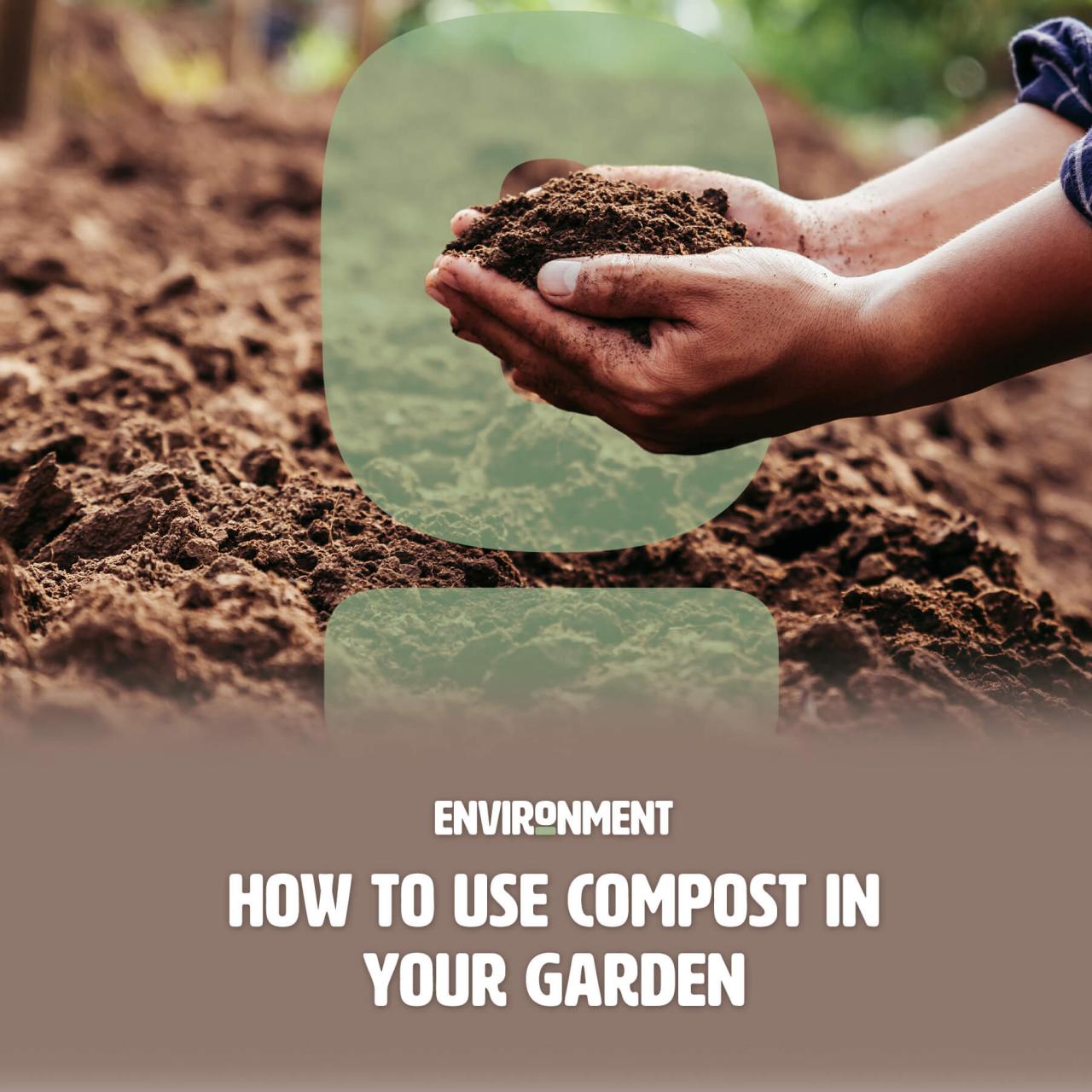
Compost plays a vital role in enhancing soil health, a critical factor for thriving gardens. By improving soil structure, drainage, aeration, and nutrient availability, compost creates a more hospitable environment for plant growth. This section delves into the positive impacts of compost on the soil, highlighting the benefits for gardeners seeking healthy and productive gardens.
The Impact of Compost on Soil Structure
Compost significantly improves soil structure by increasing its porosity. This means the soil has more air spaces and better water retention. These air spaces allow for better root penetration and oxygen circulation, crucial for healthy root development and overall plant vigor. The addition of compost creates a more crumbly and well-aggregated soil, resembling a well-structured cake, enhancing drainage and aeration, and allowing for efficient water and nutrient uptake.
Improved Drainage and Aeration
Compost’s ability to improve soil drainage and aeration is a direct consequence of its enhanced structure. The addition of organic matter, such as decayed plant material, creates channels and spaces within the soil, promoting better water flow and oxygen penetration. This is especially beneficial in compacted soils, where drainage and aeration are often compromised. Healthy soil with adequate drainage and aeration prevents waterlogging, which can lead to root rot and other diseases.
Effects of Compost on Nutrient Availability
Compost acts as a slow-release fertilizer, enriching the soil with essential nutrients. The decomposed organic matter in compost provides a readily available source of nutrients like nitrogen, phosphorus, and potassium. These nutrients are gradually released into the soil as the compost breaks down further, providing consistent nourishment for plants over time. Compost also helps retain nutrients in the soil, reducing the need for frequent fertilization.
The breakdown of organic matter releases beneficial microorganisms into the soil, further improving nutrient availability.
Visual Representation of Improved Soil Structure
Imagine a section of soil. Without compost, the soil particles are tightly packed, resembling a dense block. Water pools on the surface, and air circulation is limited. Now, imagine the same section of soil enriched with compost. The soil particles are now loosely aggregated, creating numerous channels and spaces.
Water drains effectively, and air circulates freely throughout the soil. This improved structure is akin to a well-aerated sponge, providing ample space for roots, water, and air.
Ultimate Conclusion
In conclusion, mastering the art of composting unlocks a treasure trove of benefits for your garden. By understanding the principles, techniques, and best practices Artikeld in this guide, you can effectively transform organic waste into valuable soil amendment, boosting plant health and enhancing your gardening experience. We encourage you to embrace the sustainable practices and reap the rewards of a thriving garden.